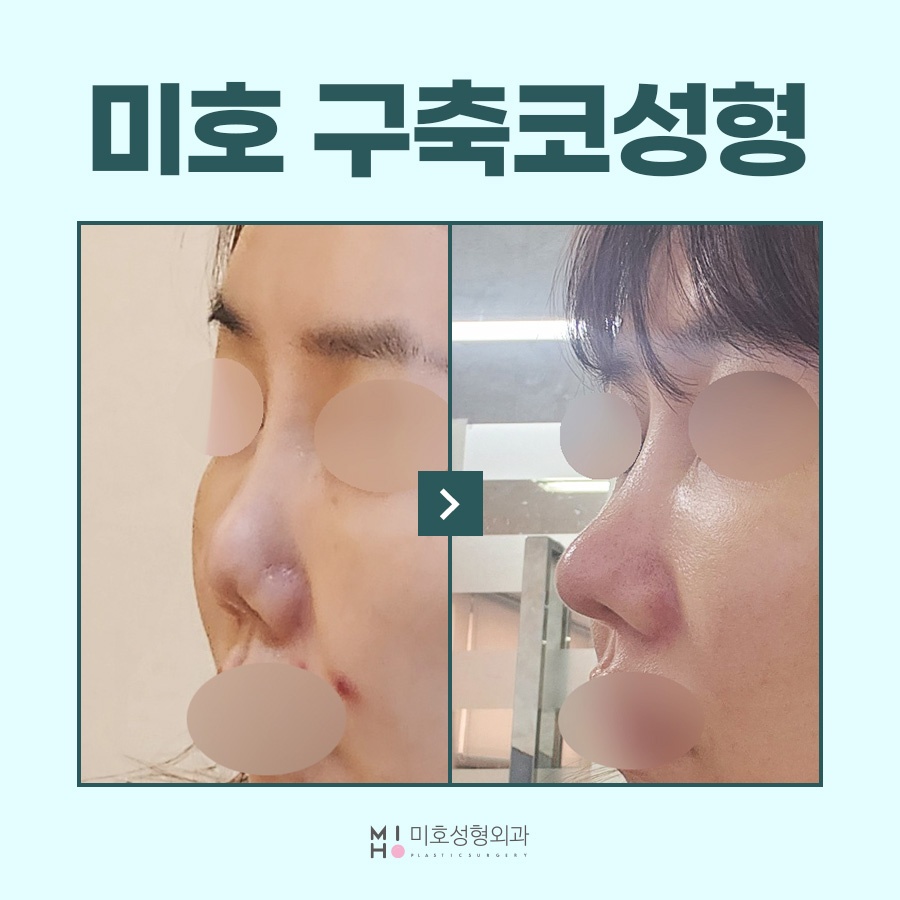
People often say that the eyes
determine a person’s impression,
but surprisingly, the nose also
attracts considerable attention.
Because the nose is located
in the very center of the face,
it plays a significant role
in forming one’s image.
Small differences in its height,
angle, and the width of the nostrils,
among other features,
can bring about major changes.
A low nasal bridge and a broad,
flat nose can give a somewhat
bland impression, so many people
have sought surgical solutions
to improve these features.
However, side effects such as
a contracted nose sometimes occur,
leading people to undergo
revision procedures.
To improve a low and broad nose,
procedures were performed that
involved inserting an implant
and gathering the cartilage
toward the center.
Even making changes in just one area
can significantly alter the overall
impression, which is why men
have also been paying increasing
attention to these procedures.
People sometimes make hasty decisions
after considering only the positive aspects,
but they must understand that
any solution may involve side effects.
As surgical solutions have become
more common than in the past,
the number of cases involving
unsuccessful outcomes has also increased.
Problems such as inflammation
or implant displacement can occur,
but the most commonly seen issue
was a contracted nose.
Just as people differ in personality
and appearance, the pattern of problems
also varied from person to person.
In some cases, the issue went beyond
simply being dissatisfied with the shape
and caused functional discomfort,
while in others, the implant
protruded through the skin.
If inflammation inside the nose caused
the tissue to harden and contract,
resulting in a contracted nose,
it was necessary to seek medical help
to address the problem.
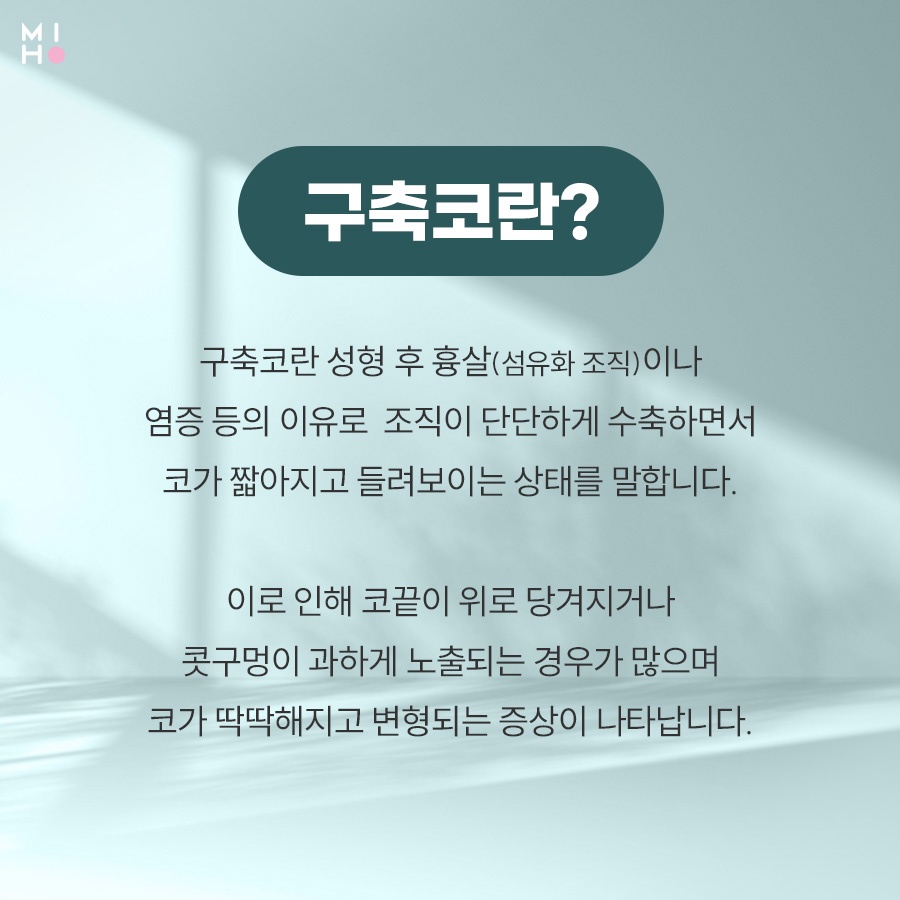
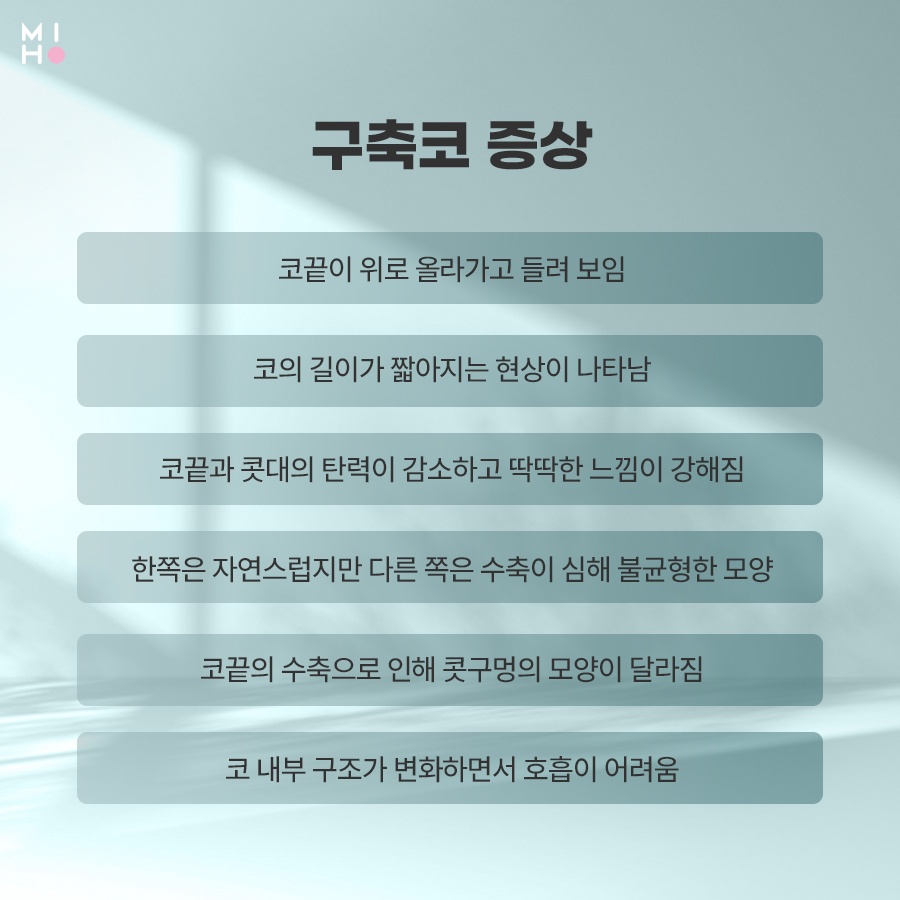
This caused not only changes in texture
but also shortening of the nasal bridge,
which led to an upturned nose.
If the tip of the nose pointed upward
when viewed from the front,
or if the columella was abnormally high,
it was advisable to visit a medical institution
and seek a solution.
This appearance was very unnatural
and could lower self-esteem.
It was also considered unfavorable
from a facial physiognomy perspective,
so restoring the original appearance
as soon as possible was necessary.
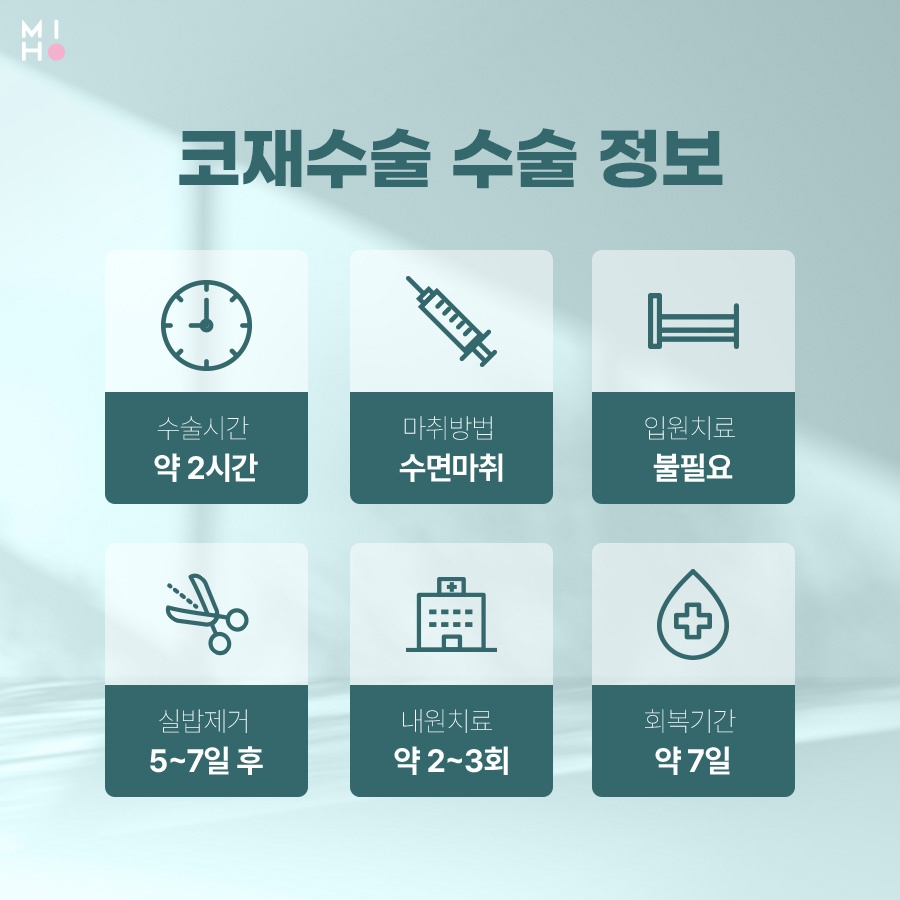
To briefly explain the process
of addressing this problem,
it involved gently releasing
the hardened, clumped tissue
and removing the implant
that was causing the problem.
Immediately afterward, the nasal bridge
would become considerably lower,
which could greatly reduce satisfaction,
but the shape could be restored
by performing the procedure again
using the patient’s own tissue.
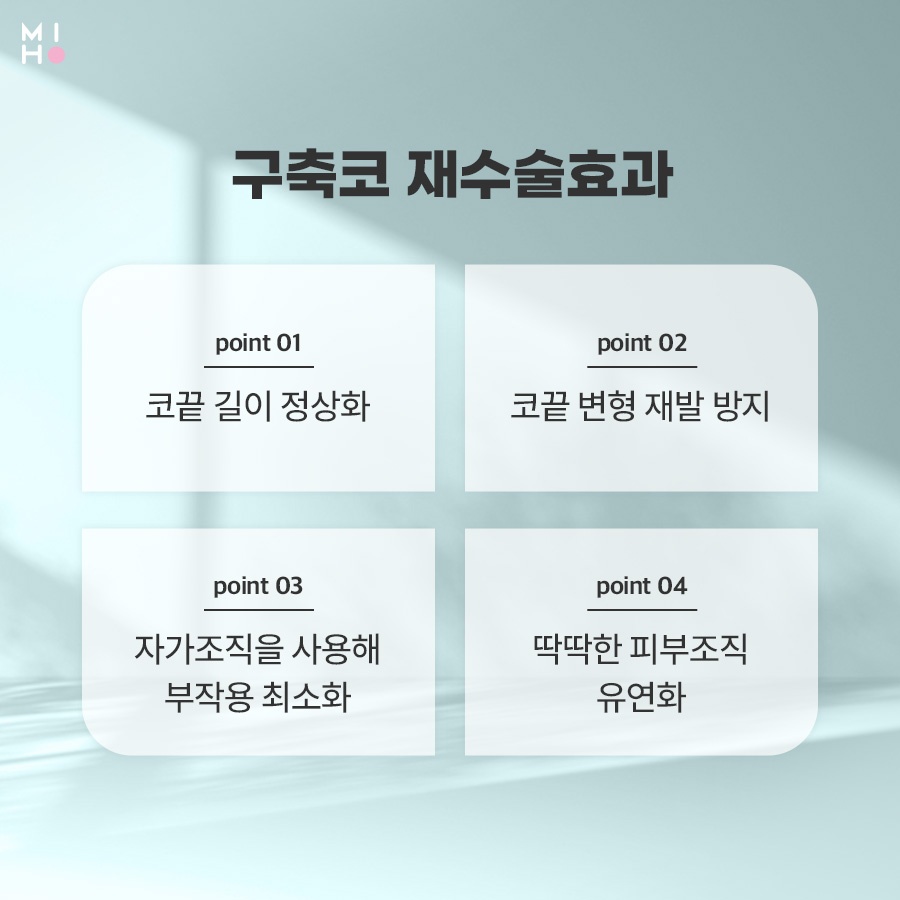
Then why does a contracted nose occur?
When improving the shape of the nose,
many people used artificial materials
or the patient’s own tissue.
Silicone has the advantage
of making it easy to create
a more defined shape,
but because it is an artificial material,
it had a relatively high possibility
of triggering an immune response
when inserted into the body.
The immune system in our bodies
has a tendency to attack and expel
foreign substances that enter the body
in order to protect it.
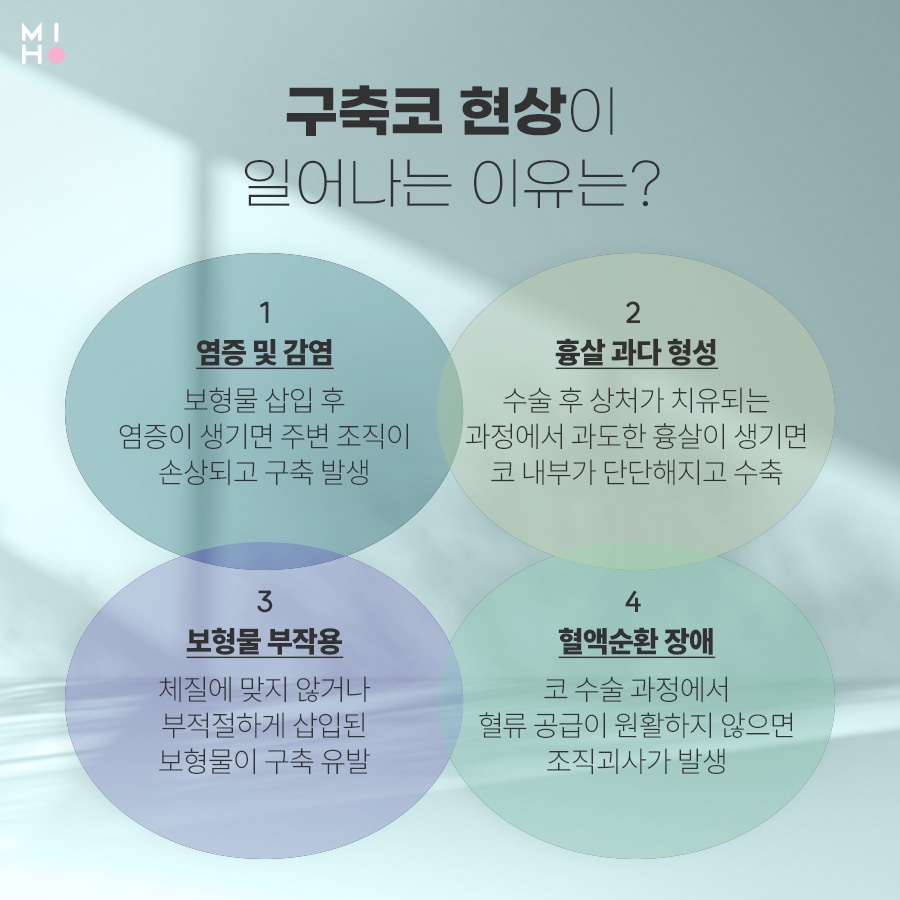
For this reason, a capsule formed
around the implant, and this capsule
continuously pulled on the muscles,
changing the shape of the nose.
Another reason a contracted nose occurs
was that blood vessels or lymphatic vessels
were damaged during the procedure,
causing impaired circulation.
As a result, bodily fluids and waste products
could not be discharged normally,
so swelling developed.
When this persisted for a long time,
it hardened and led to scar tissue contracture.
When this scar tissue formed severely
on the inside of the nose,
it pushed against the normal tissue
and applied strong pressure.
This caused the skin layers
to contract and harden.
There were several ways
to determine whether deformation
had occurred.
If vague, uncomfortable pain
was felt around the nose,
or if there was a sensation
of pulling or tightening,
these symptoms could indicate
the condition.
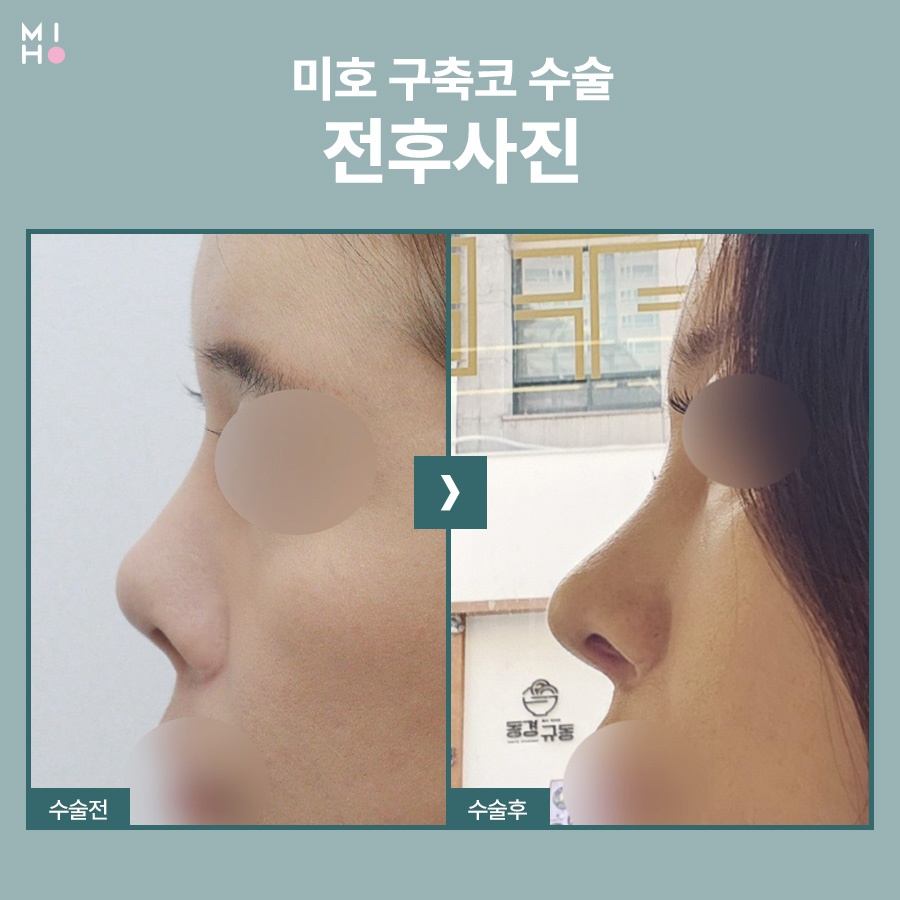
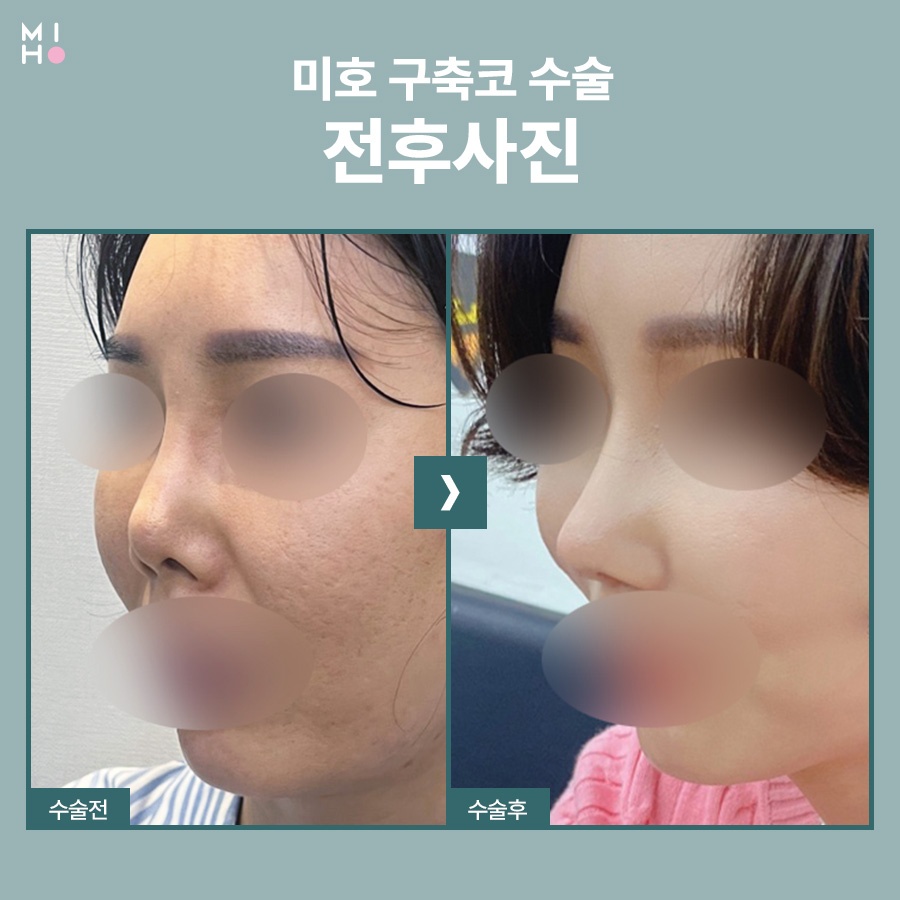
Other signs included a blunted nasal tip,
a pig-nose or upturned-nose appearance
when viewed from the front,
a markedly visible implant outline
that appeared to be trying to break
through the skin,
or a nose that did not move at all
even when considerable force was applied.
These could be regarded as signs
that contracture had occurred.
If inflammation caused an opening
to form and pus or discharge to flow,
it was necessary to visit a medical institution
immediately and receive appropriate care.
Inflammation did not merely damage
the appearance; it could also cause
otolaryngological conditions
such as a deviated septum,
so reconstruction was necessary.
The most important aspect
of undergoing a revision procedure
was to firmly reconstruct
the structure inside the nose.
Because long-standing inflammation
could weaken the tissue and cause
the cartilage to collapse,
it was necessary to handle
the soft tissue delicately
while creating a strong support structure.
To prevent the same situation
from occurring again,
reconstruction primarily used
the patient’s own tissue
rather than artificial materials.
Because the material was taken
from the patient’s own body,
it had a lower likelihood
of causing an inflammatory response
and also had the advantage
of producing a natural shape.
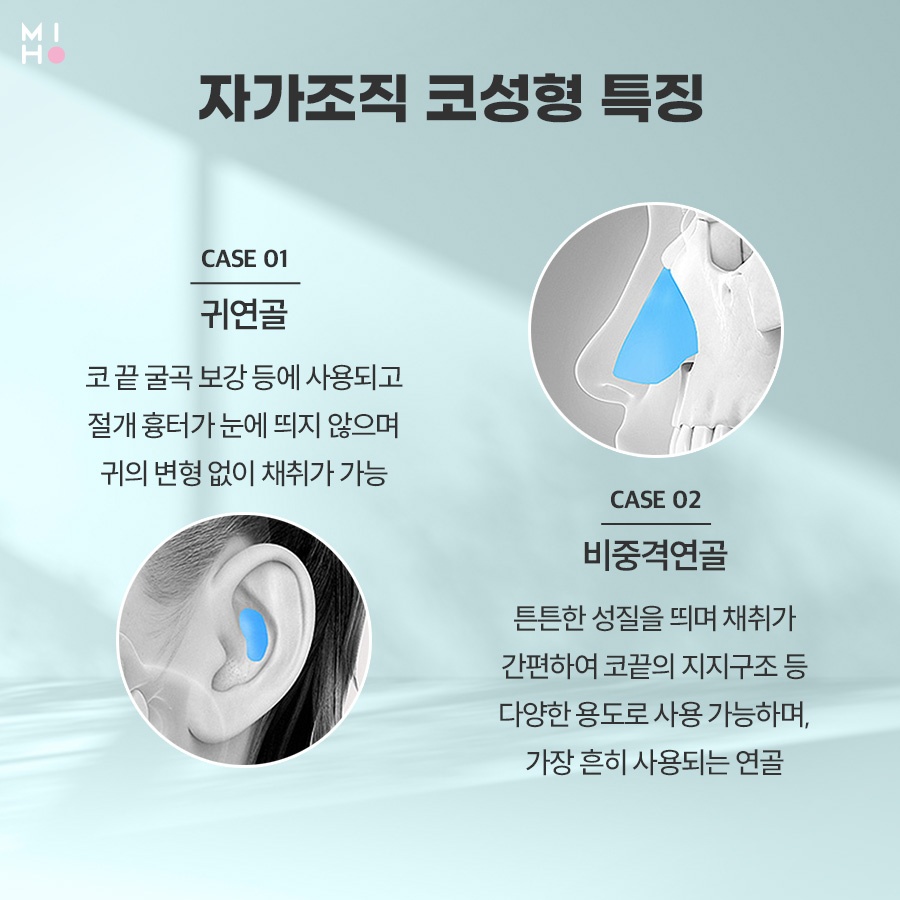
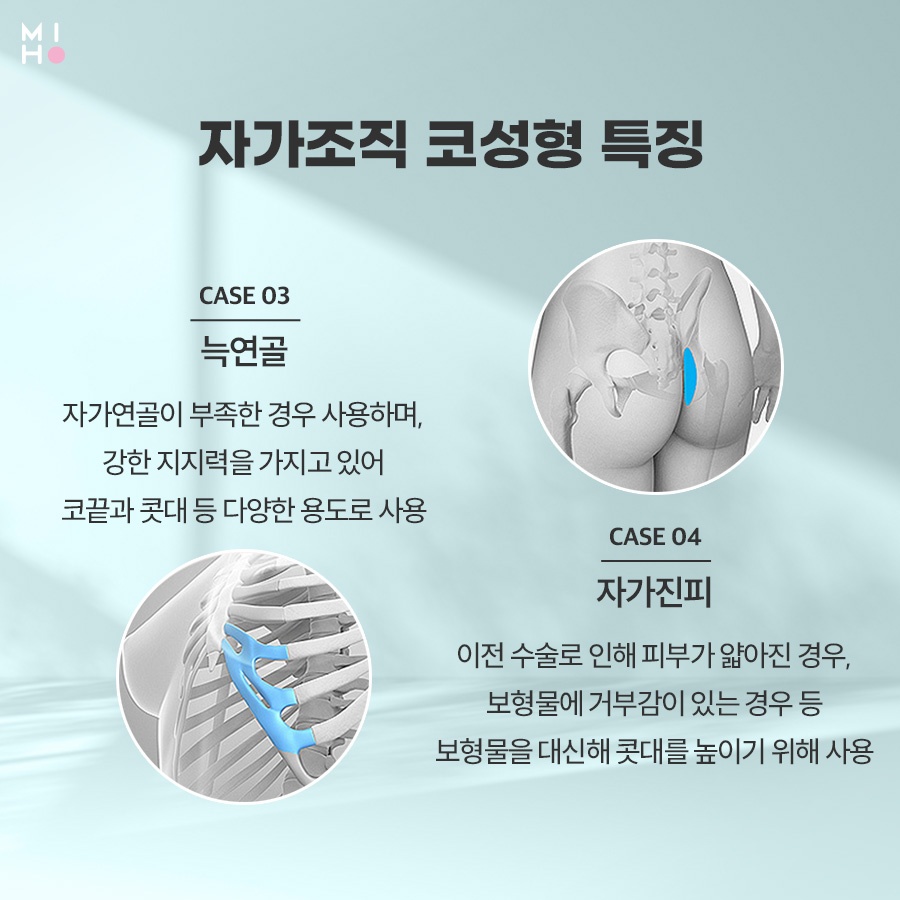
The autologous materials used
at this time included ear cartilage,
rib cartilage, and autologous dermis.
In these cases, the septal cartilage
was highly likely to have weakened,
so material was collected
from another area whenever possible.
Because each tissue type
had different characteristics,
the clinic collected them differently
according to their intended use.
Rib cartilage was used when firm
support for the nasal bridge was needed,
while autologous dermis was used
when a soft, natural texture
and appearance were desired.
Whether it was a first procedure
or a revision, if you decided
to undergo a surgical solution,
thorough prior research into
the medical institution and physician
needed to come first.
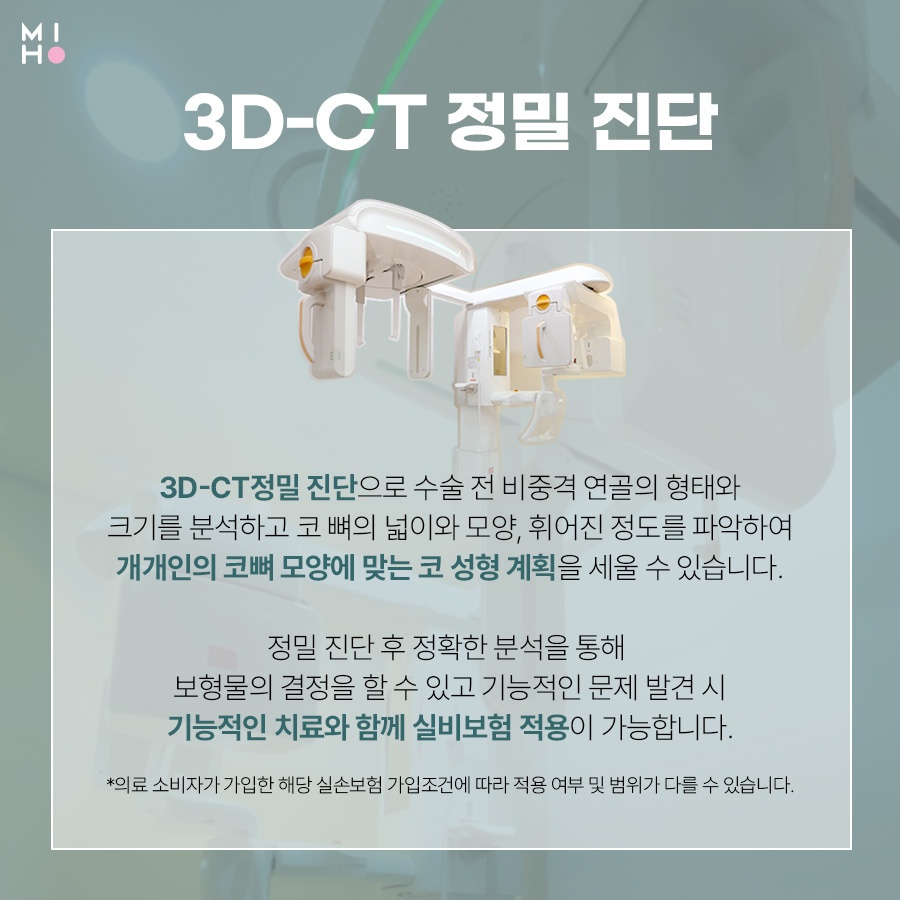
It was important to check whether
they carefully examined the condition
of the soft tissue, including through 3D CT,
whether they designed a customized plan
for each individual,
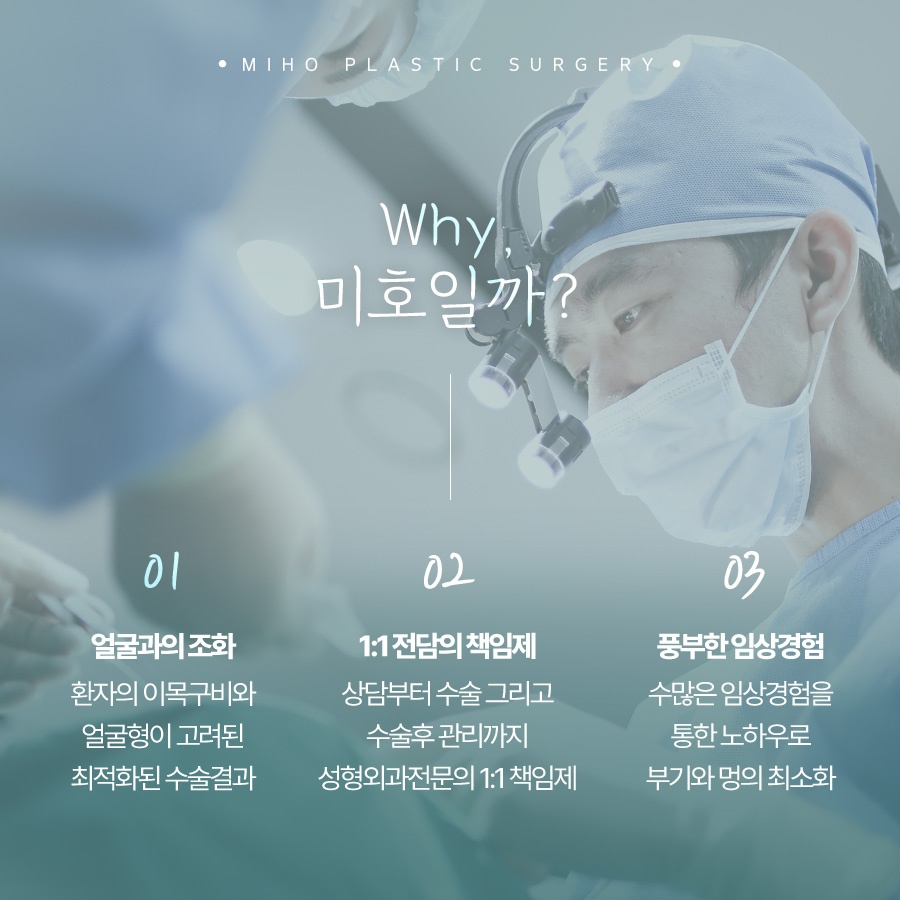
and whether they took responsibility
for post-procedure care.
It was also advisable to consider
whether the medical staff had handled
many previous cases of contracted noses
and had extensive experience and skill.
Nasal deformation could be prevented
from worsening by quickly recognizing
the early signs and responding to them.
If the nose repeatedly became red
and swollen, and you experienced heat,
pain, or a tightening sensation,
it was advisable to seek medical help
immediately.


Previous image
Next image