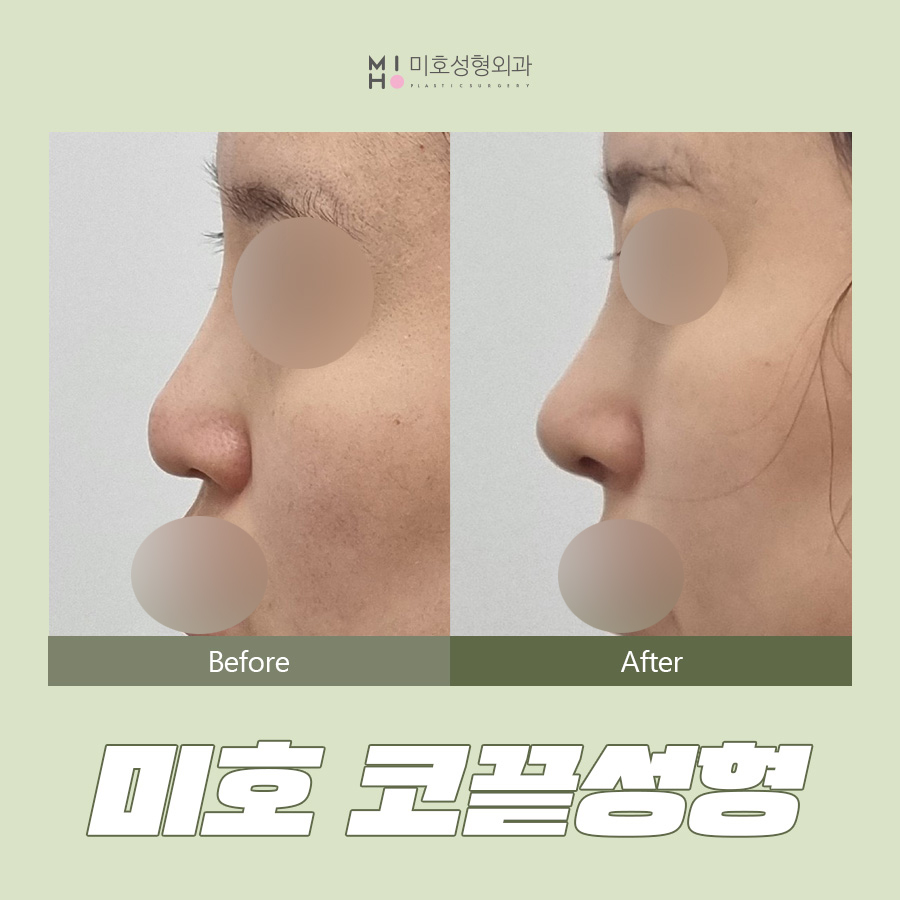
The nose is located at the center of the face,
and its shape and height
can completely change
the overall facial balance.
Specifically, the harmony between
the bridge and tip of the nose
is important.
A defined nasal bridge gives a
refined impression, while a low,
wide, rounded nose lacks dimension
and can make a person look
older than their peers.
A downturned, hooked nose
can make a person appear
stubborn, while an upturned nose
is a typical example of a shape
that creates a rustic and immature image.
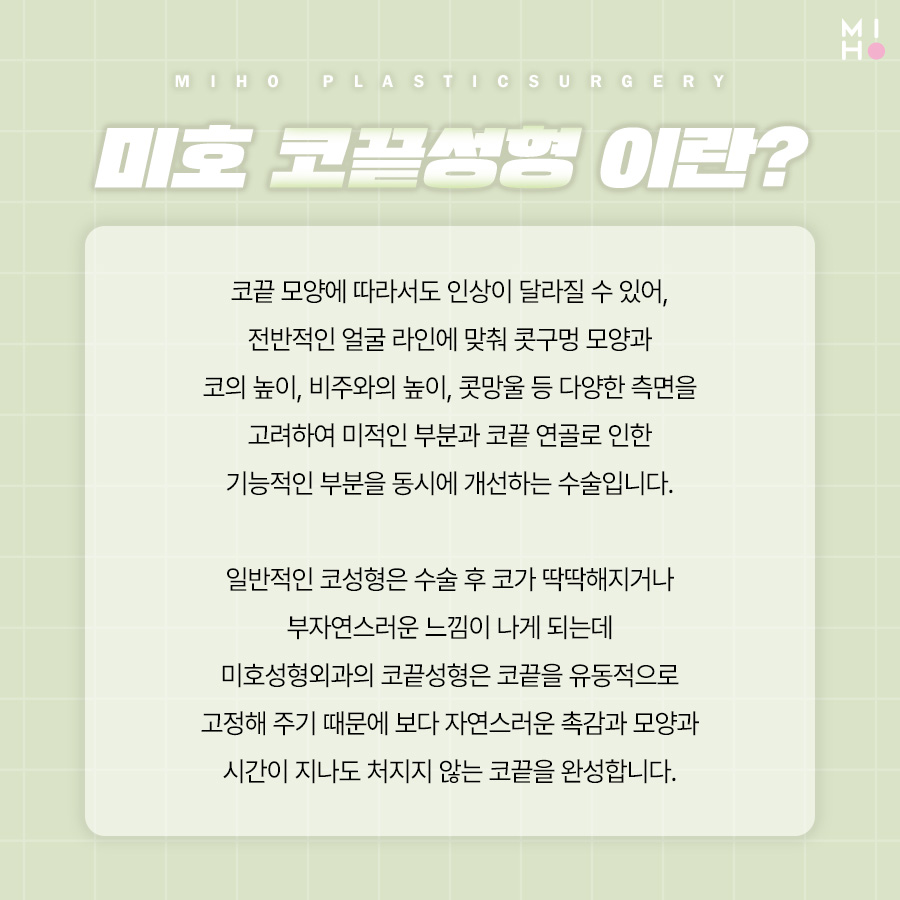
Nasal tip surgery to improve the line
for a defined yet natural appearance
not only helps restore confidence,
but can also provide practical benefits
in social life and employment,
which is why many people seek it.
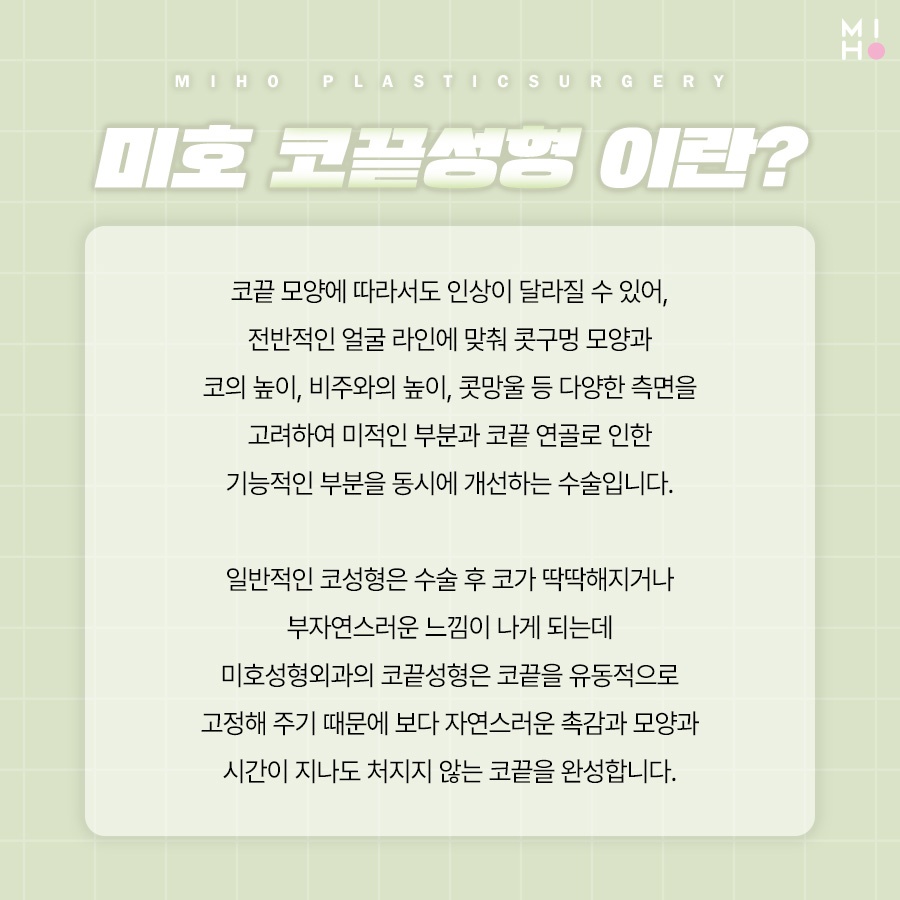
Nasal tip surgery is not simply
an option chosen only for
aesthetic satisfaction.
It can address chronic functional problems
such as breathing difficulties, nasal congestion,
rhinitis, snoring, and headaches,
while also creating a nose that is
strong and safe against impact and
soft and flexible enough to be moved upward,
helping improve quality of life
and making it a popular choice.
If you normally have primary or secondary
symptoms caused by a deviated septum,
nasal valve narrowing, hypertrophic rhinitis,
or a hooked nose,
you may expect comprehensive improvement.
It is also a recommended method
for those who want a stable nasal tip
that will not droop.
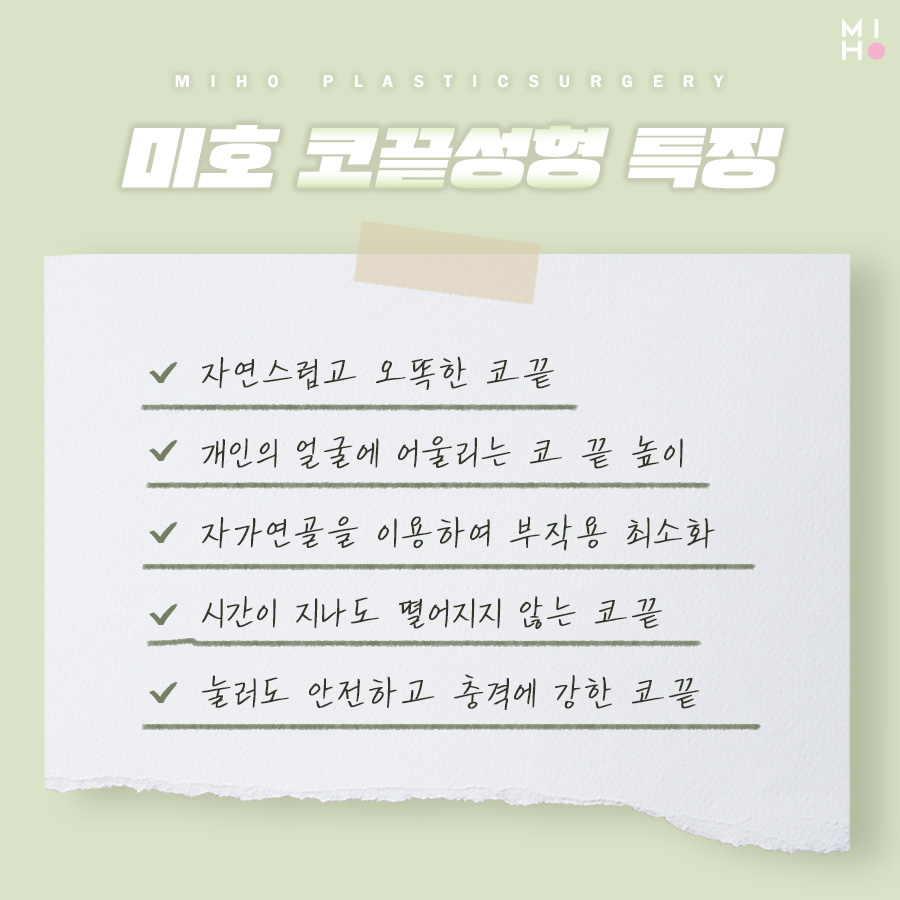
Above all, a natural shape and texture
that do not look or feel artificial
are possible, and the area can be maintained
without becoming hard or noticeably altered.
The key to nasal tip surgery is
to create a sleek shape,
while preserving flexible movement
and a soft texture.
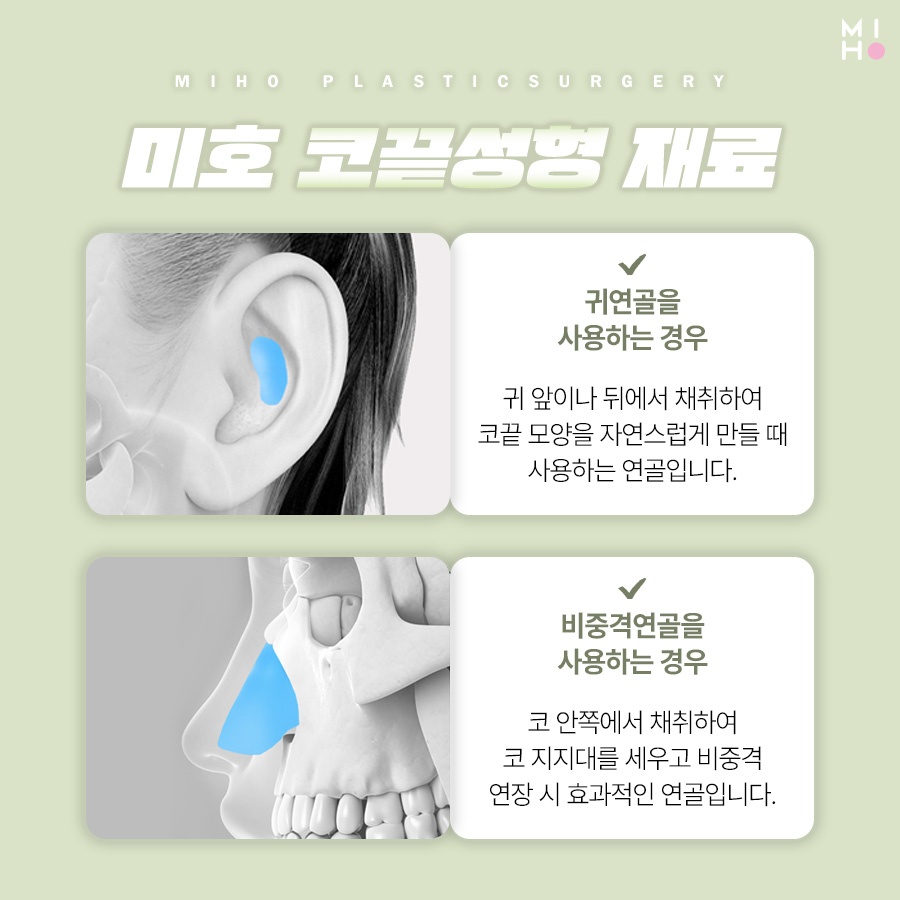
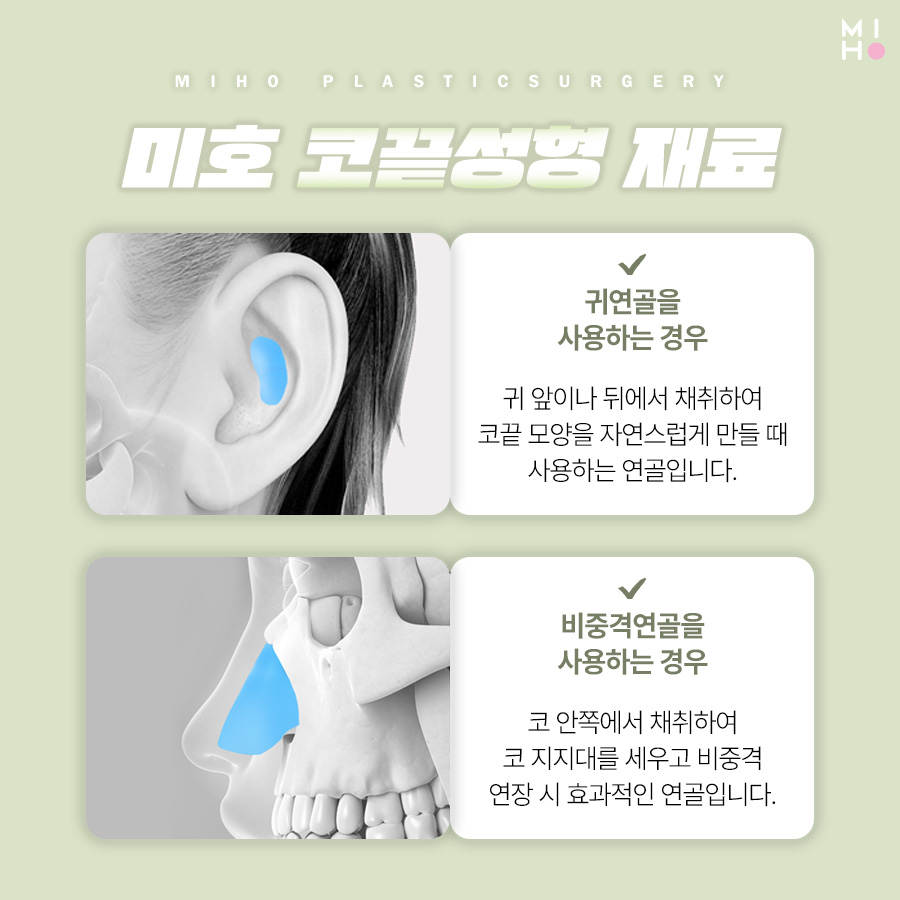
The secret lies in using cartilage
harvested from the patient's own body,
such as the ear and nasal septum.
First, ear cartilage is the most common
of the autologous materials.
It has soft elasticity,
its incision scar is not conspicuous,
and the shape of the ear can be preserved,
which is why many people prefer it.
Next, septal cartilage runs
through the center of the inside of the nose,
dividing the nostrils left and right
while also serving as a major component
that supports the nasal bridge.
In cases of a hooked nose, more than 80%
of the time, the patient's own material
removed during correction of a deviated septum
is used to design a support structure
for the nasal tip.
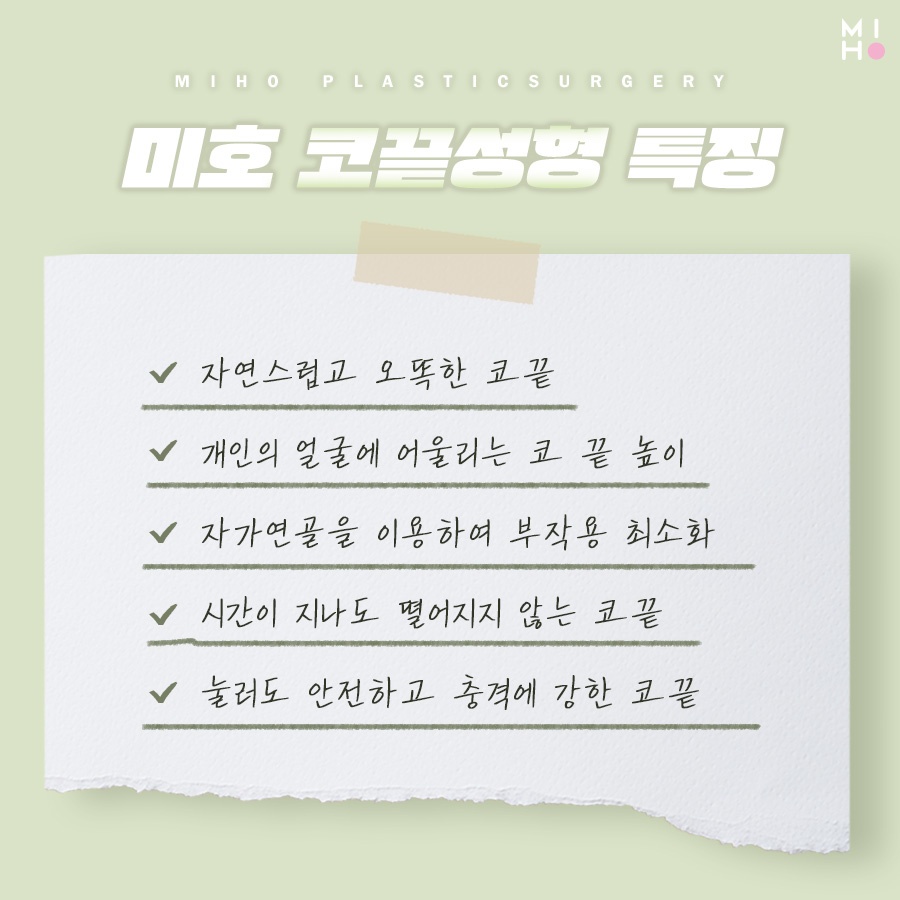
Because it has high strength and elasticity
and a low rate of deformation,
it is considered a material with favorable outcomes,
as it can preserve the anatomical structure
while creating a natural line.
In addition, using autologous tissue
helps prevent implants from showing through
the thin skin of the nasal tip.
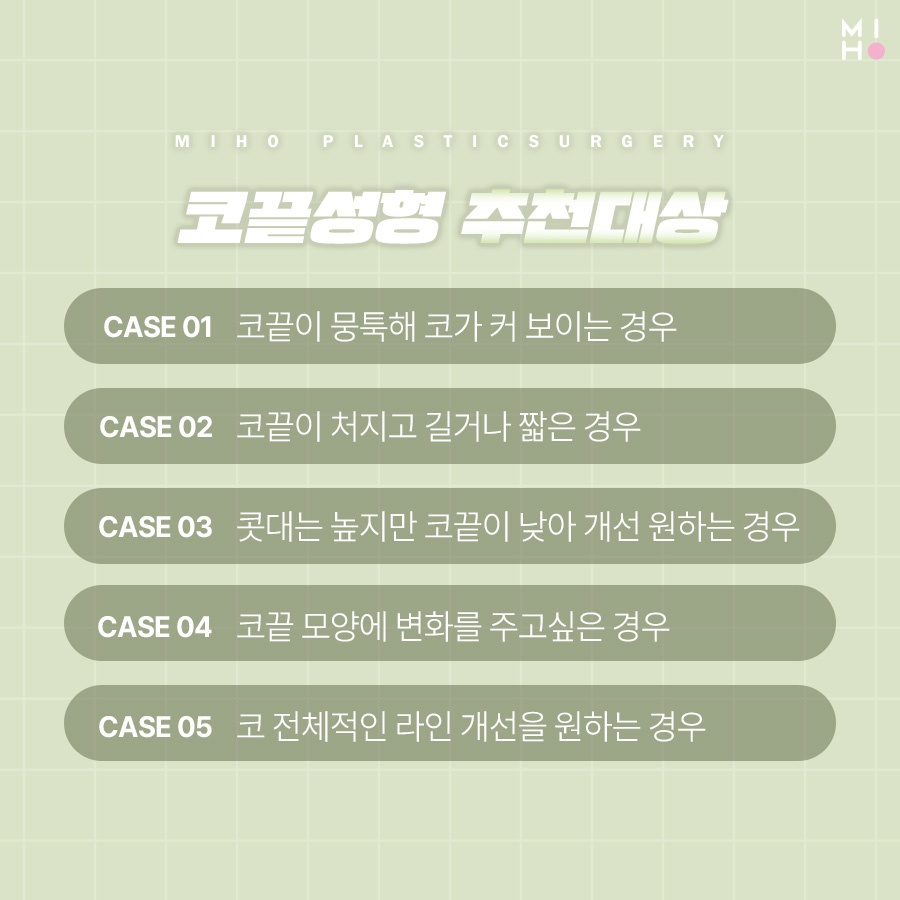
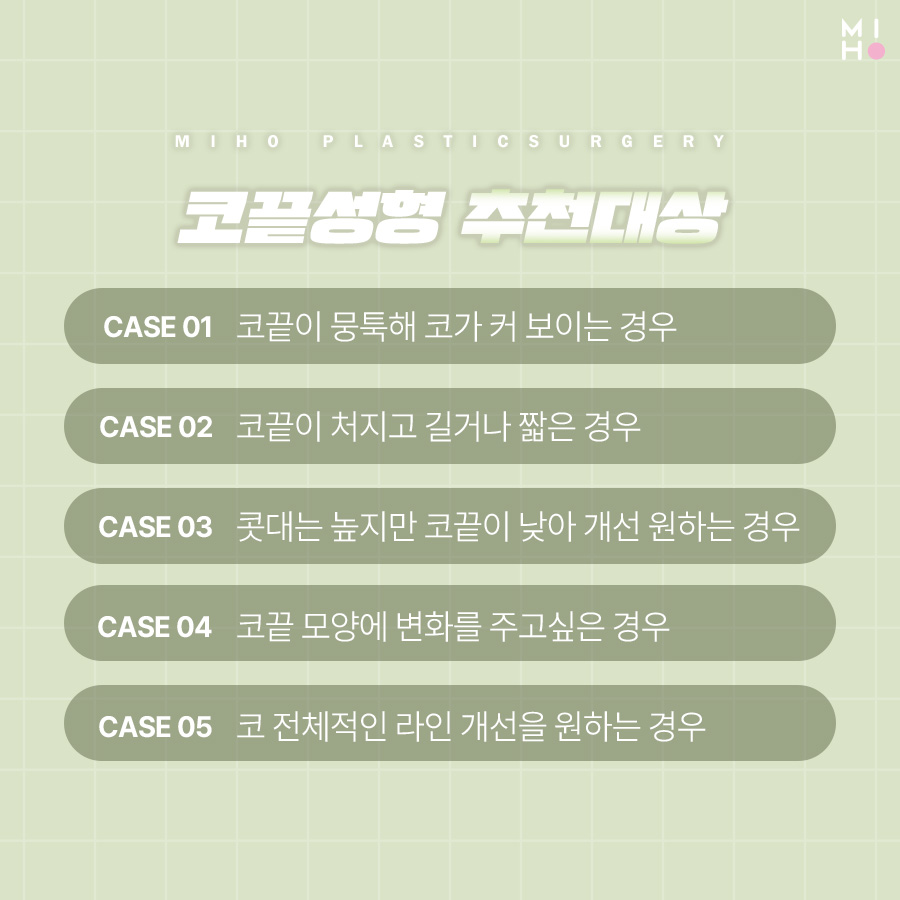
Cases that may require nasal tip surgery
include the following:
when the tip is round,
blunt, or drooping;
when the nostrils are widely spread
or asymmetrical and unbalanced;
when there is a deformity caused by
scarring or trauma; or when you want
to improve and refine the overall line.
Through an initial consultation and detailed examination,
each individual's condition, symptoms,
and type are comprehensively assessed,
and a careful plan is established based on
the material to be used and the shape of the face.
Because the quality of the result can change
with even a minor change in height,
we explain the procedure by broadly dividing it
into three stages.
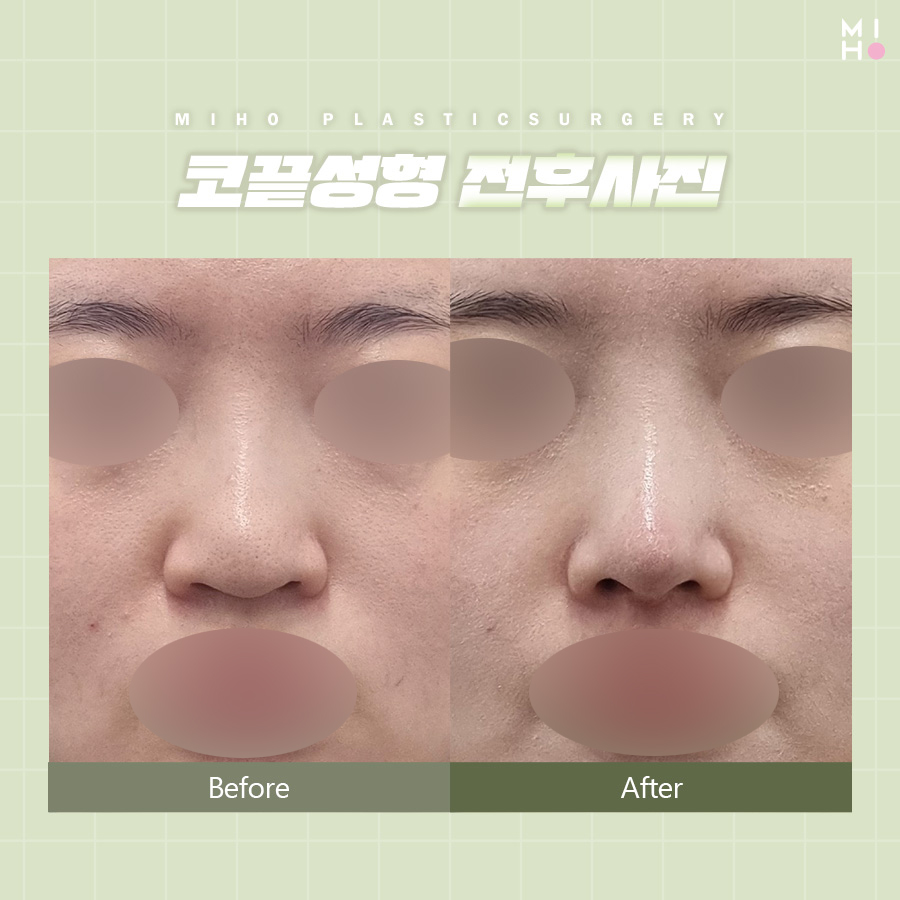
The first is for cases requiring
only a slight increase in height,
which can be applied to people whose nostrils
appear wide and flat.
In these cases, the main cause is
separation of the cartilage.
Simply bringing it together with sutures
can create a sufficiently natural,
defined shape without a separate implant,
making this a relatively simple procedure.
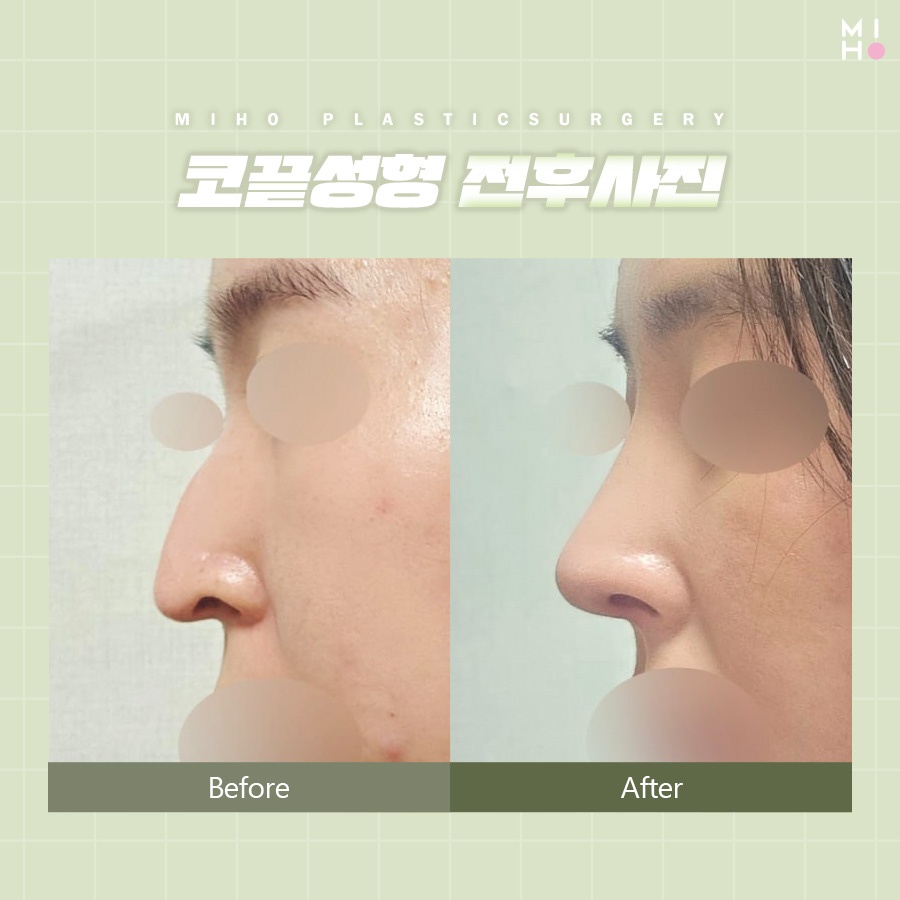
The second is a case requiring
a moderate increase in height.
The separated cartilage is brought together,
and autologous material from the ear
or nasal septum is grafted to provide
firm support.
Depending on the characteristics of the material,
ear cartilage is placed in front of the
alar cartilage, while septal cartilage
is placed toward the front of the nasal tip.
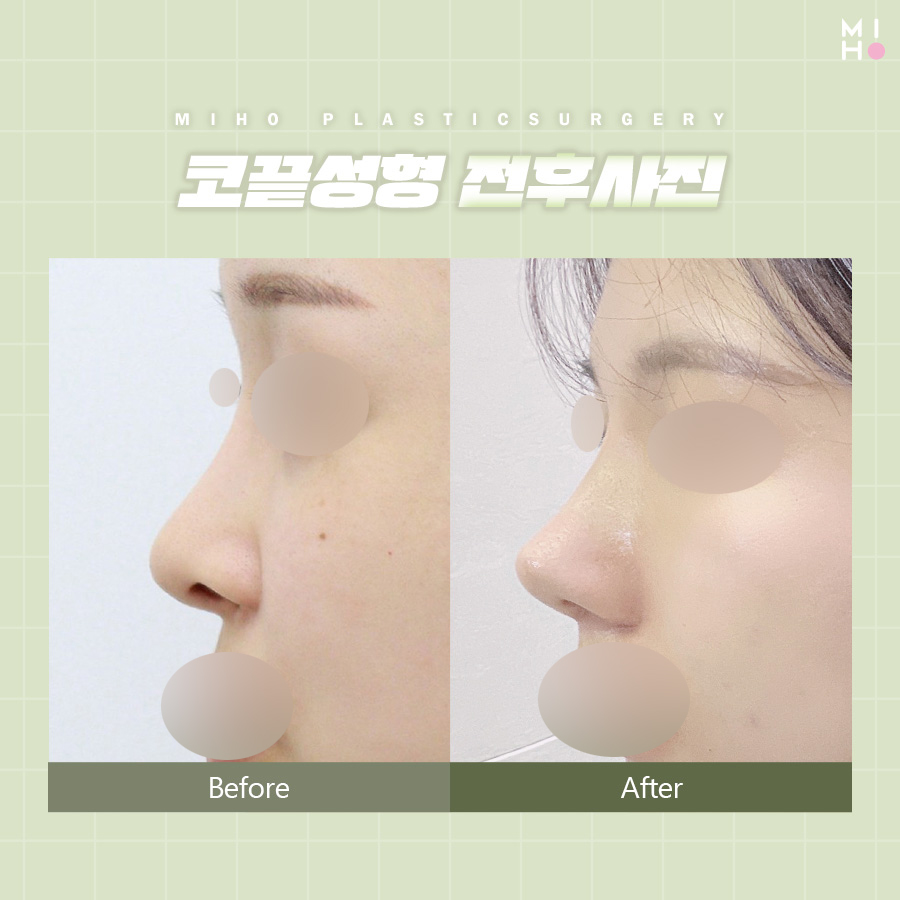
Finally, in cases where the height is very low,
the nasal bridge is raised with support cartilage,
after which additional material is placed
to raise it significantly higher than before.
However, careful preparation is necessary
when using autologous tissue.
The thickness of ear cartilage must be
confirmed with a 3D CT scan,
and at least 10 mm of septal cartilage
must be preserved to prevent a saddle nose.
Therefore, this procedure is not possible
for everyone, and you should consult
with your attending physician regarding
what is possible based on your individual
physical condition.
To achieve a defined and natural result,
you should carefully consider the following
five points when choosing a medical team.
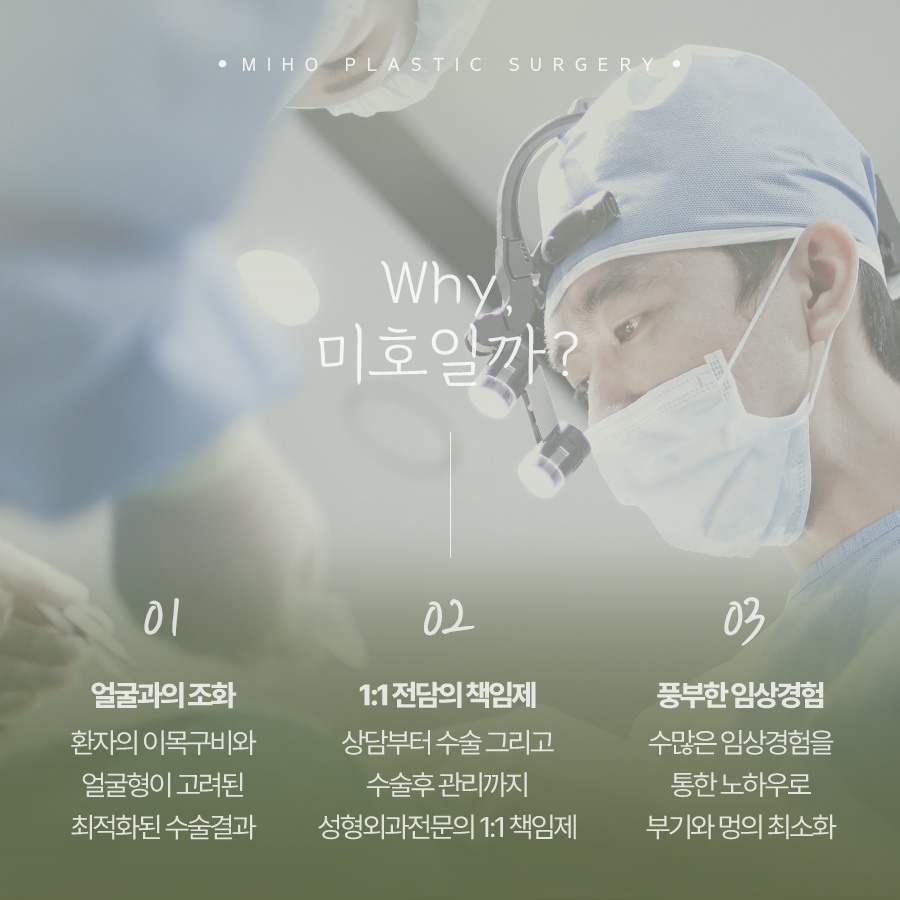
First is experience specialized in this field.
This can be checked through before-and-after
comparison photos posted on the clinic's website,
among other sources.
For a natural result, it is also very important
to check whether autologous materials are used
and whether the clinic has a detailed diagnostic system,
including 3D CT imaging and simulation.
You should also check whether functional correction
is available in addition to aesthetic improvement,
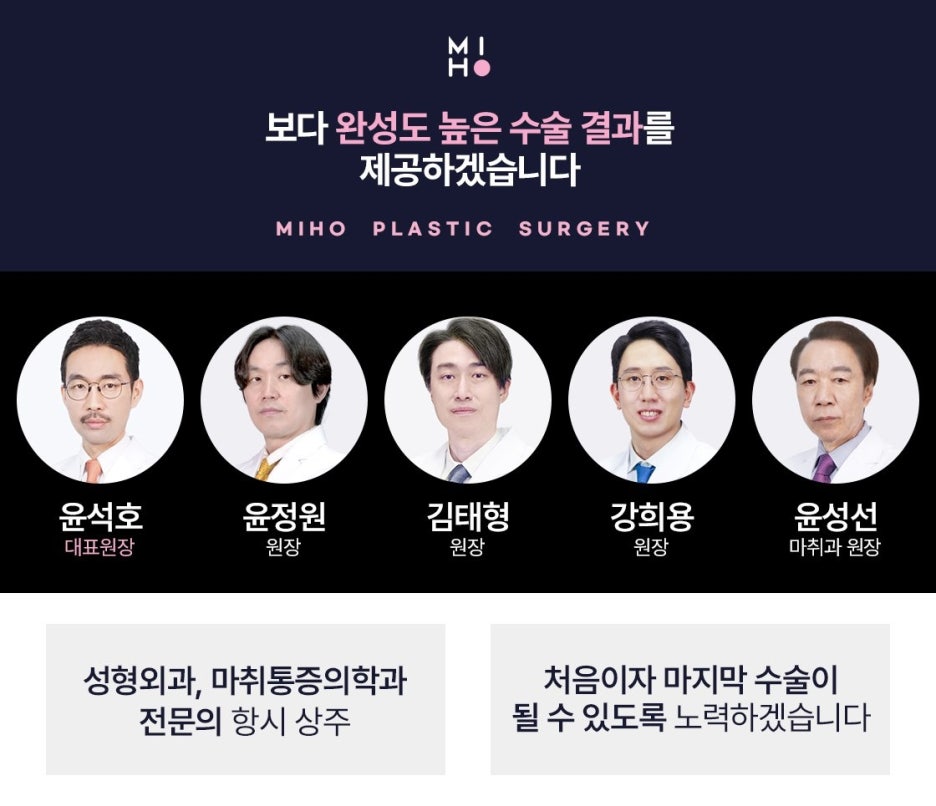
whether an anesthesiology and pain medicine specialist
is on-site, and whether thorough aftercare is provided.
Once you have chosen a medical team
you can trust and feel comfortable with,
you will visit the clinic for basic and
detailed examinations followed by a consultation.
At this time, you can explain
any functional discomfort you normally experience
and the shape you want.
Your facial features are carefully analyzed,
and the nasal bridge line is meticulously designed
before the procedure is performed.
The actual procedure takes approximately
30 minutes to 1 hour, is performed under
sleep anesthesia, and is completed on the same day
without hospitalization.
A small amount of blood may seep out
for about 1–2 days afterward.
You can gently wipe it with gauze
or clean tissue.
Apply cold compresses for three days,
then alternate cold and warm compresses
from the fourth day onward.
The sutures are removed after 5–7 days.
Because each person's facial volume is different,
careful design is especially important
for nasal tip surgery.
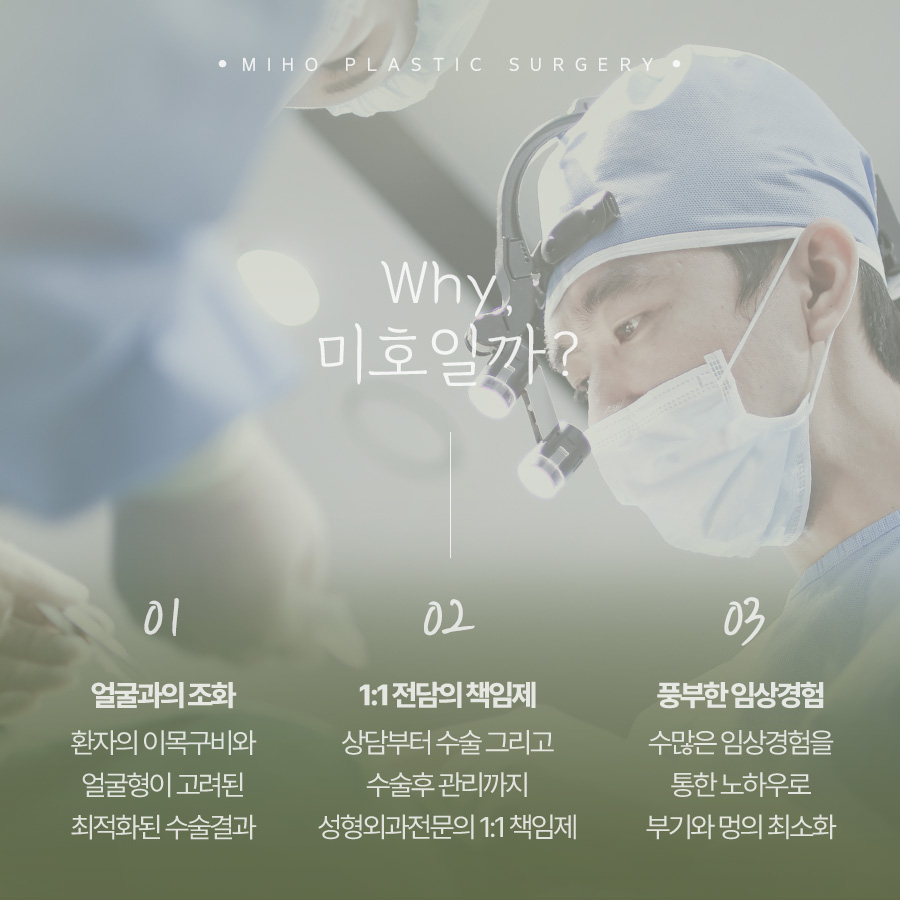
At our clinic, we create the most natural result
by tailoring the procedure to the shape of the nose
and the facial structure.
If you have experienced various functional difficulties,
such as rhinitis, nasal congestion, or headaches,
these factors are also taken into account,
which can lead to a high level of satisfaction.
If you are looking for a safe clinic
where all procedures are managed transparently
through real-time monitoring, a real-name system,
and CCTV, please visit with confidence.
Previous image
Next image