
The most prominent feature
among the elements that
create a good first impression
is the appearance of the eyes.
When looking at someone,
the eyes are often the first place
our gaze goes. Depending on
the shape and size of the eyes,
their width and form,
an unwanted strong individuality
can sometimes become more noticeable.
The eyes may create a cool,
sophisticated image,
or a kind and gentle impression.
However, some people experience
various inconveniences in daily life
because their appearance may give
the impression of being closed-off
or somewhat strong-willed,
leading to misunderstandings about
their personality.
To resolve these concerns and
create the appearance they want,
some people have a double-eyelid
line created. When the inner and
outer corners of the eyes appear
too closed, medial and lateral
canthoplasty may be performed
at the same time.
For this reason, the opposite situation
may also arise, in which epicanthoplasty
reversal is needed. It is important
to identify the circumstances that
require it and have the procedure
performed at the appropriate time.

People with monolids and no
double-eyelid crease often have
a relatively more closed appearance
of the lacrimal caruncle than others.
This is called an epicanthal fold.
The inner corner of the eye is not
only gathered as if it had been pinched,
but a hook-shaped fold also extends
downward from it.
The degree varies from person to person.
When planning eye correction,
this area may be opened and a crease
created to increase both the width
and size of the eyes.
When an incision must be made subtly
according to the individual situation,
but this is not performed appropriately,
epicanthoplasty reversal can be used
to correct the excessively incised area
and redesign it, addressing both
functional and aesthetic concerns.
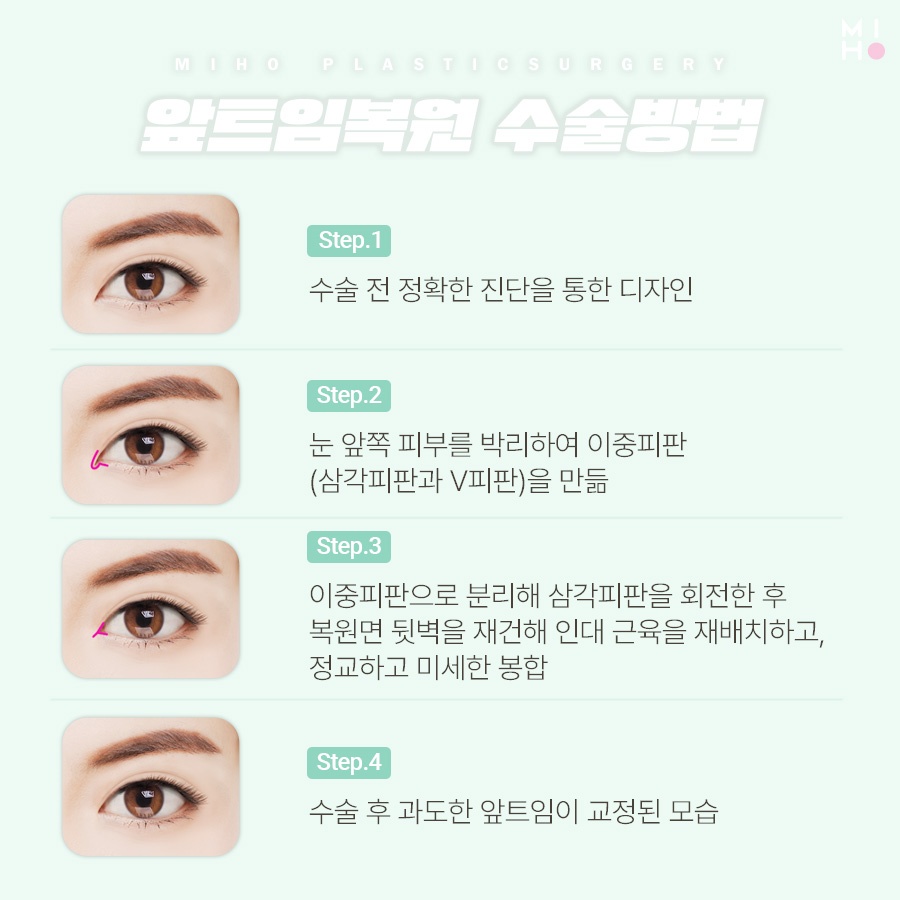
The reason epicanthoplasty reversal
requires careful consideration is that
this area can scar easily.
In addition, when the area that was
opened is closed again to improve
redness and dry eyes caused by
excessive incision and an overly
exposed lacrimal caruncle,
it may become overcorrected.
This can make the appearance of the
eyes look unusual and unnatural,
which is also important to consider.
Taking aesthetics into account,
the width of the incision is subtly
readjusted to reopen an appropriate
amount of the inner corner.
This allows the front of the eye to
look natural while also concealing
the excessively exposed lacrimal caruncle.
Because both aspects must be addressed,
detailed planning and the surgeon’s
expertise are important.

A problem that can occur when
correction is performed incorrectly
is a change to an abnormal eye shape.
The inner corner of the eye should
gradually narrow toward the front
and finish with a certain degree
of pointedness. However, when it is
closed, the front may become blunt
and D-shaped, creating a situation
that looks worse than leaving it
uncorrected.
Even a slight difference that is
difficult to detect with the naked eye
can cause problems like this.
Because an incision has already been
made once, performing another procedure
without considering the extent of
internal damage and recovery can
only increase the burden. Therefore,
extreme caution is required.

Many people consider epicanthoplasty
reversal for aesthetic reasons.
However, it is difficult to determine
on your own how much the tissue in
this area has been damaged. Therefore,
it is necessary to understand the current
condition through a detailed examination,
if only to prevent further problems
from appearing.
Otherwise, the scar may become more
severe, leaving a prominent white mark
that bulges outward from the skin,
or a depression that is clearly visible.
There is also a possibility of symptoms
such as ligament damage.
For this reason, a double-flap technique
is used for the reversal procedure.
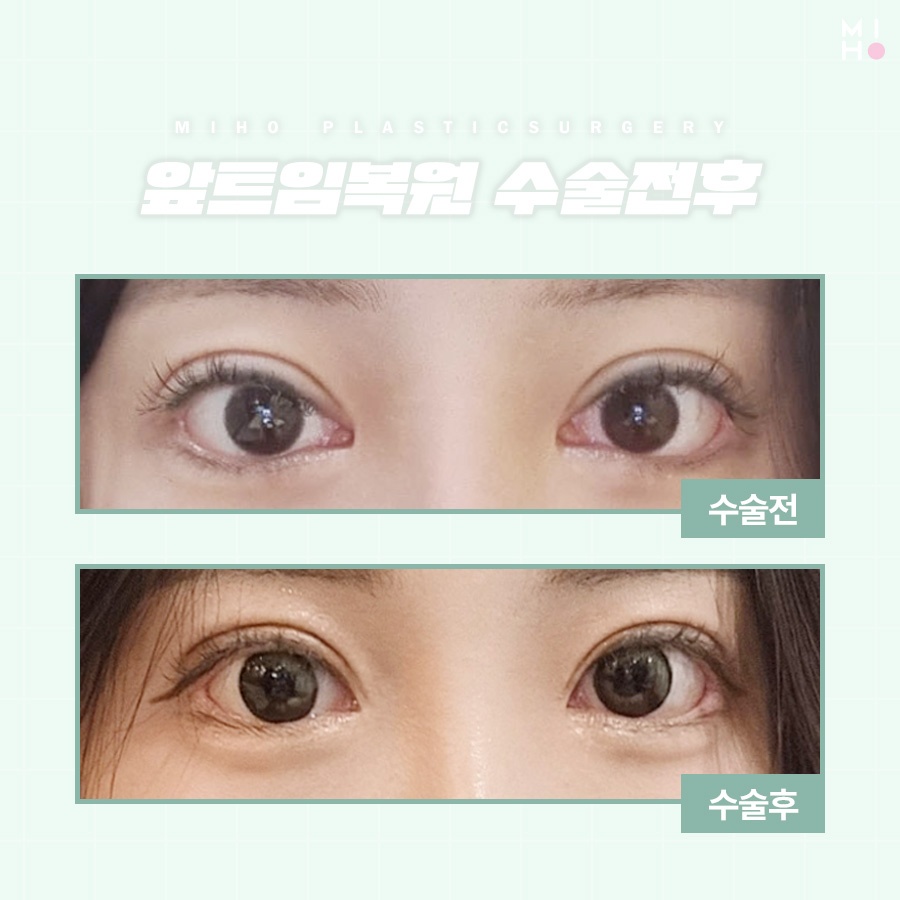
The double-flap technique is, as the
name suggests, a method of reconstructing
the flap in two layers: upper and lower.
It is used to perform a more delicate
and detailed correction. By considering
the condition of the skin tissue,
it helps close the eye area more precisely
within a range that does not damage
the surrounding eye tissue.
Because scars at the inner corner of
the eye are particularly noticeable,
the procedure must be planned with
both functional and aesthetic appearance
in mind, helping to prevent the need
for another revision.
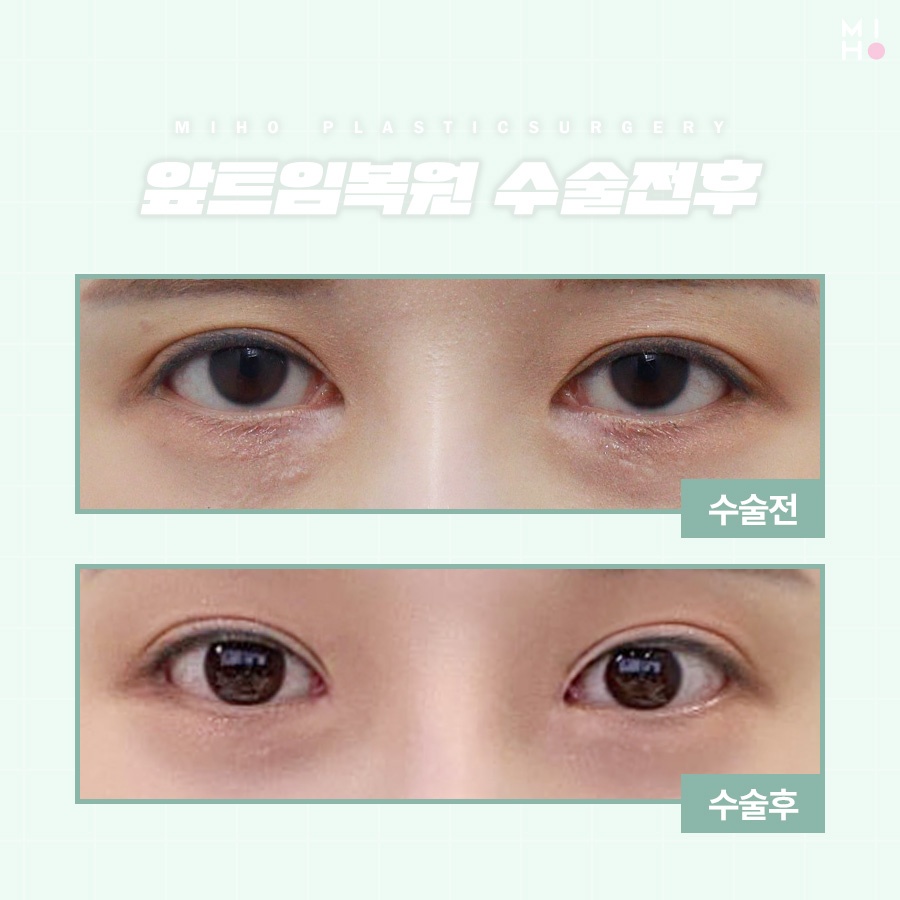
The reason for first determining
whether epicanthoplasty reversal
is necessary is that the procedure
is difficult to perform. It is also
necessary to plan thoroughly in advance
for the subsequent course and the final
appearance after recovery.
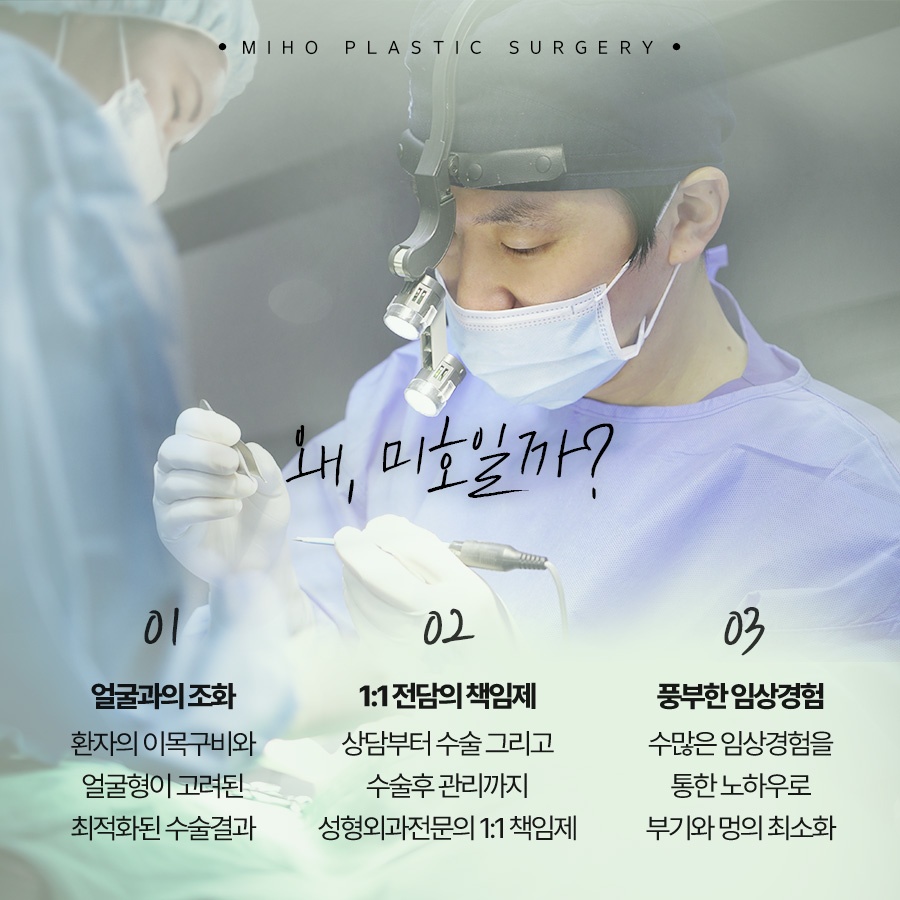
To do this, it is especially important
to check whether an experienced surgeon
who has extensive experience with
these situations is available at the clinic.
A revision involves more factors
to consider than the first procedure
and is more difficult to approach.
Therefore, it is necessary to choose
a facility with extensive clinical
experience in this particular field.
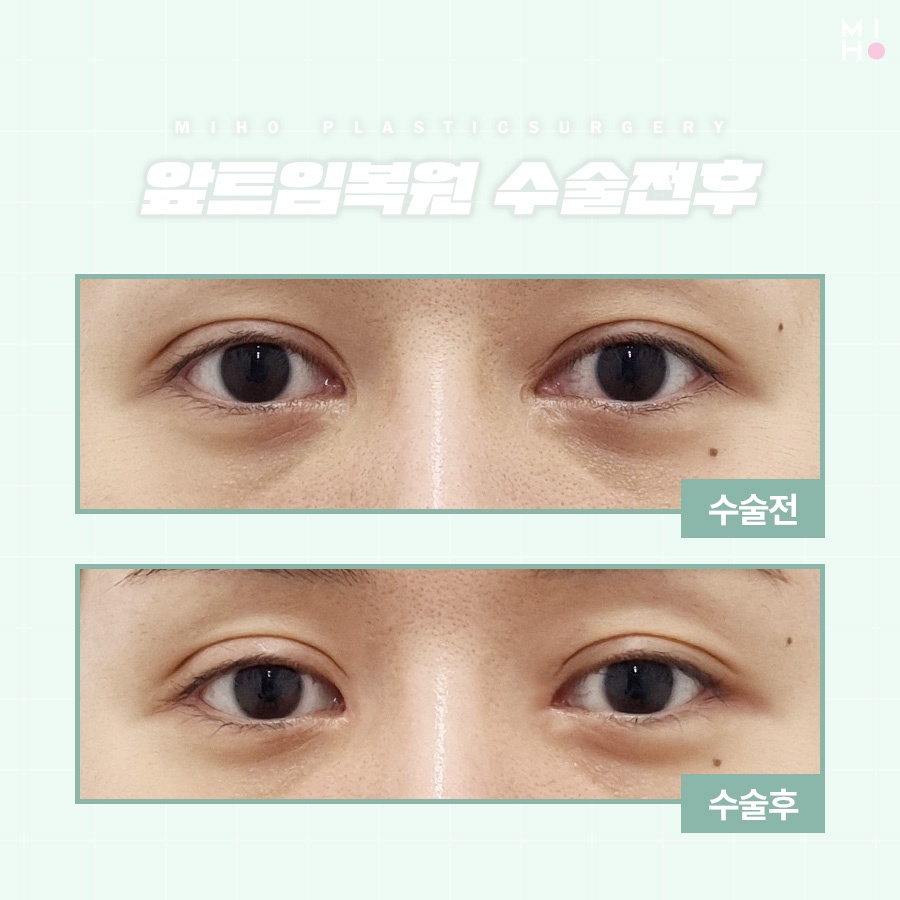
Once an incision has been made,
adhesion or damage may occur in the area.
When performing a reversal, it is
especially important to understand
and know how to manage these factors.
Fine nerves run around the eyes,
and delicate facial-expression muscles
are located there. If a problem occurs,
not only may the appearance look unnatural,
but facial expressions may also become
subtly awkward, so caution is needed.
In some people, severe adhesion may
prevent the epicanthal fold from resolving
and may even make it more pronounced.
When the procedure is performed based
on an understanding of these muscles,
it is possible to approach the correction
in a way that helps prevent such symptoms.
If it is determined that reconstruction
is needed, you can make a decision after
properly confirming the appropriate timing.
The procedure may be performed after
a certain amount of time has passed
and the muscles around the eyes and
internal tissues have recovered to some extent.
However, the degree of recovery varies
from person to person. In some cases,
the area may be seriously damaged,
requiring observation over a sufficient
period before choosing the right time.
Depending on how much time has passed
since the first procedure, it may or may
not be possible to proceed immediately.
The first step is to confirm whether
the procedure can be performed.

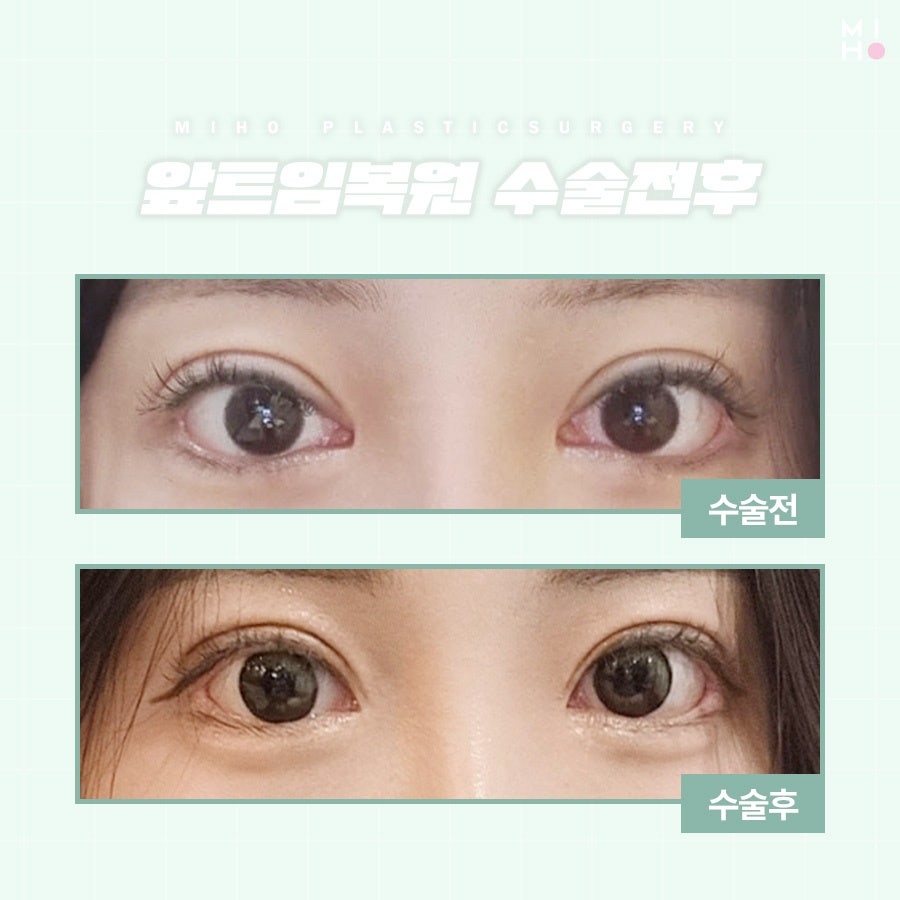
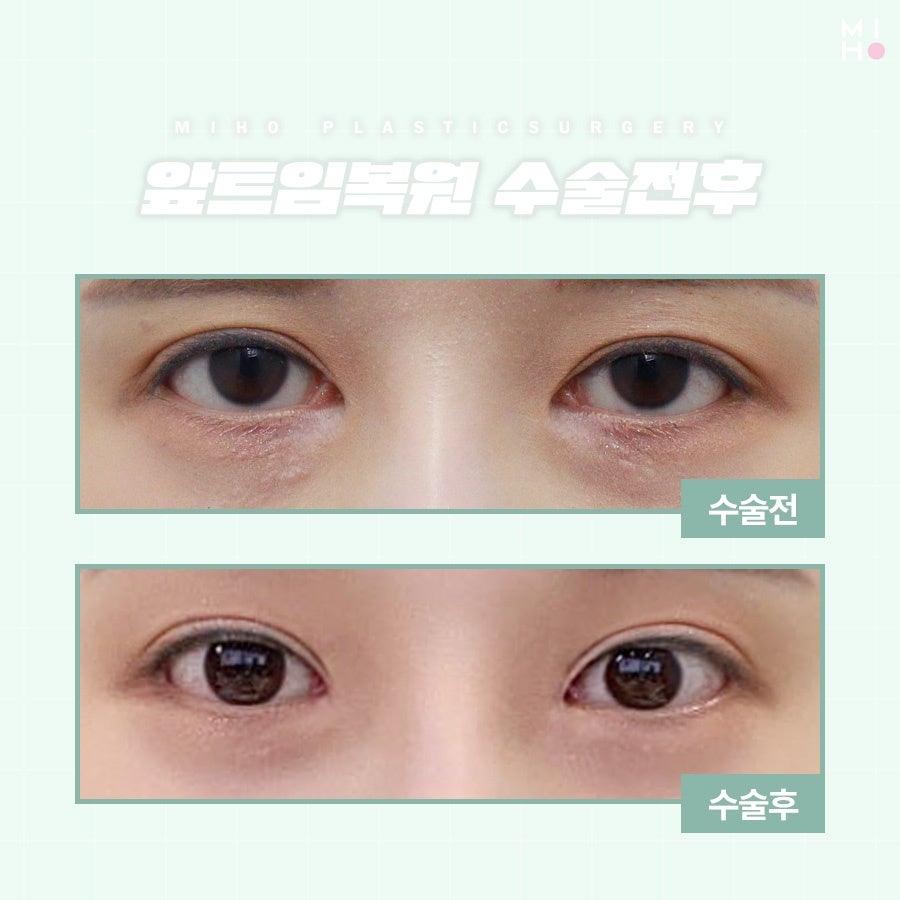
It is fortunate when the initial procedure
performed to enlarge the eyes was done
properly. If it was not, epicanthoplasty
reversal can help move away from an
unnatural appearance and create a softer,
more natural impression.
Because even small differences can cause
particularly significant problems in
canthoplasty, both function and aesthetics
must be examined carefully when planning
the procedure. First, be sure to assess
the surgeon’s expertise. Also check what
kind of support or programs are provided
during recovery, and then make your decision
carefully.


Previous image
Next image