Nostril reduction surgery tailored to you

The nose is located at the center of the face
and is the area that attracts
more of other people's attention
after the eyes.
Not only the height of the bridge of the nose,
but also the width of the nasal tip
can significantly change
a person's overall appearance.
Compared with Westerners,
East Asians tend to have
horizontally wider nostrils,
which can give a somewhat
unsophisticated or indistinct
impression.
A blunt nasal tip and wide nasal wings
were once called a "lucky nose"
and were thought to create
a positive impression,
but in modern society,
which values a sophisticated,
urban image, they were not
particularly welcomed.
If you want to transform
your appearance into a more refined one,
considering nostril reduction surgery
could be an option.
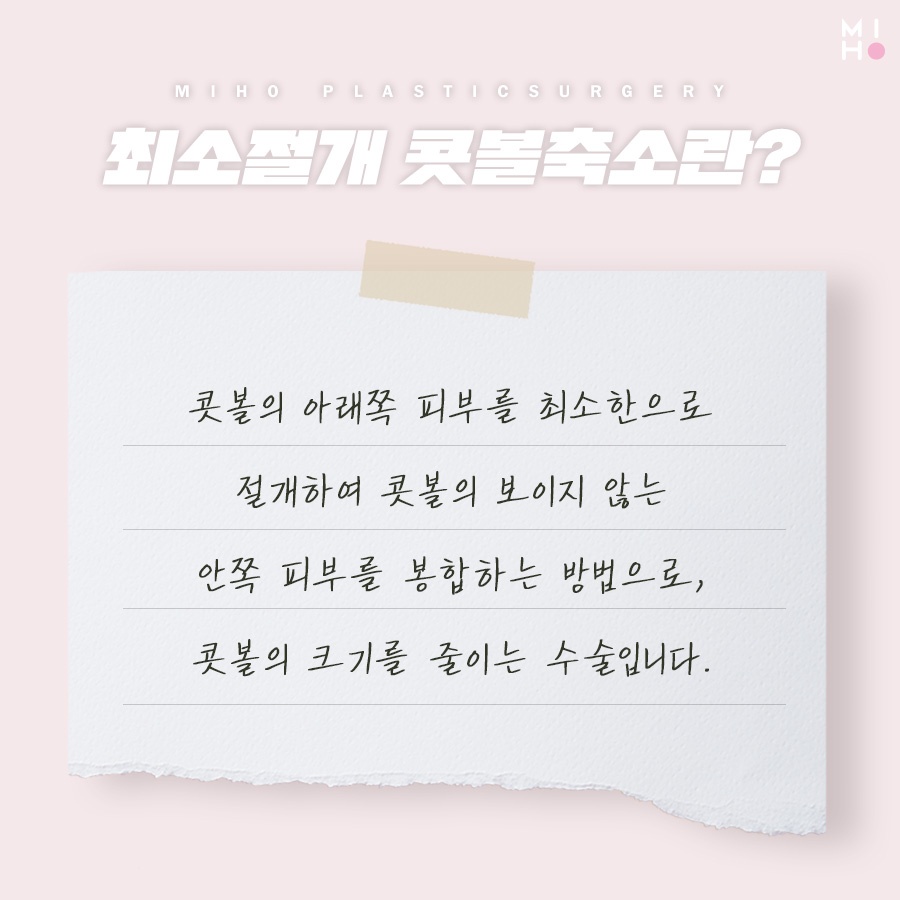
In Korea, a nasal tip that spreads
from side to side
was called a "lucky nose."
This shape formed when
the alar cartilage inside the nose
was large or spread outward
on both sides.
In addition to the shape of the cartilage,
it could also be affected by
the thickness of the skin
or the subcutaneous fat layer.
Even when the nasal tip itself
was not particularly wide,
large or horizontally wide nostrils
could also make the nose
appear like a "lucky nose."
If the broad shape of your nose
causes you concern and stress
every time you look in the mirror,
nostril reduction surgery
could be worth considering.
If the nose does not look defined,
simply raising the bridge of the nose
could instead create
an artificial impression.
If the actual issue is at the nasal tip
and only the bridge is raised,
the blunt area could become
even more noticeable.
To prevent this,
it was necessary to identify
the cause of the issue first
and then apply a method
suited to the individual.
The solution discussed
in this post
was nostril reduction surgery.
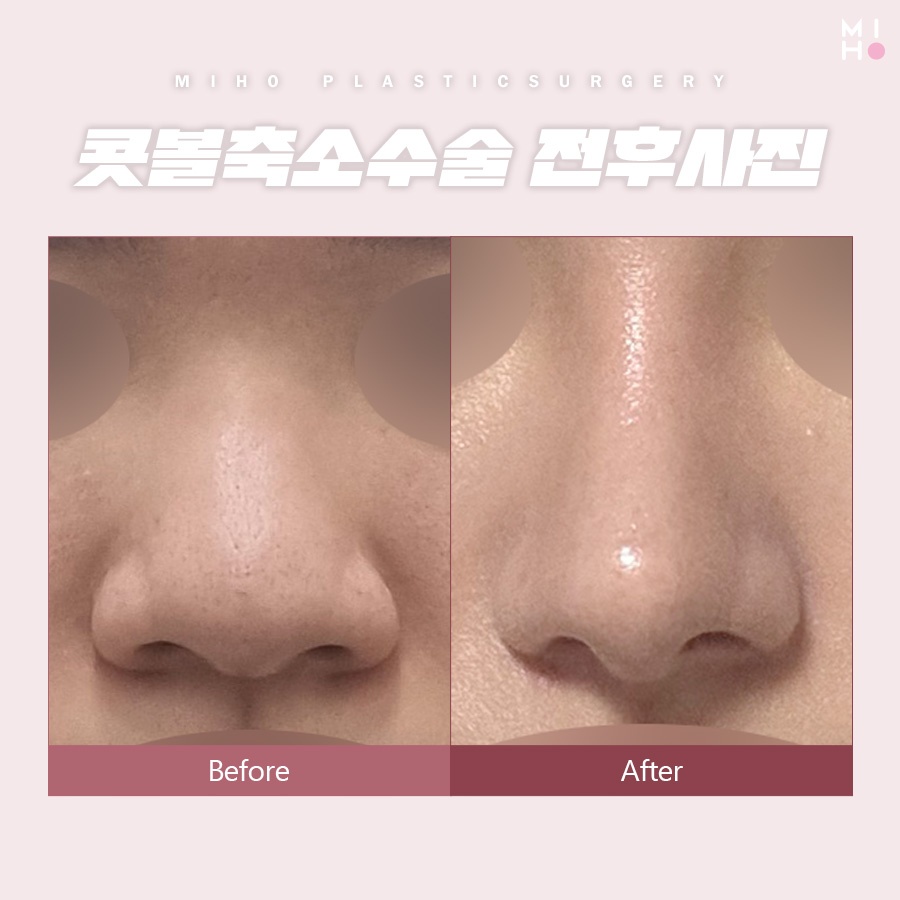
This procedure reduces
the size of excessively large nostrils
and can not only decrease their size
but also reshape horizontally spread
nostrils into a longer, vertical form.
If the height of the nasal bridge
is appropriate,
changing only the size and shape
of the nostrils
can significantly alter the impression
of the face.
This procedure was suitable
for people whose cartilage
had no issues in shape or size
but whose nasal wings were broad.
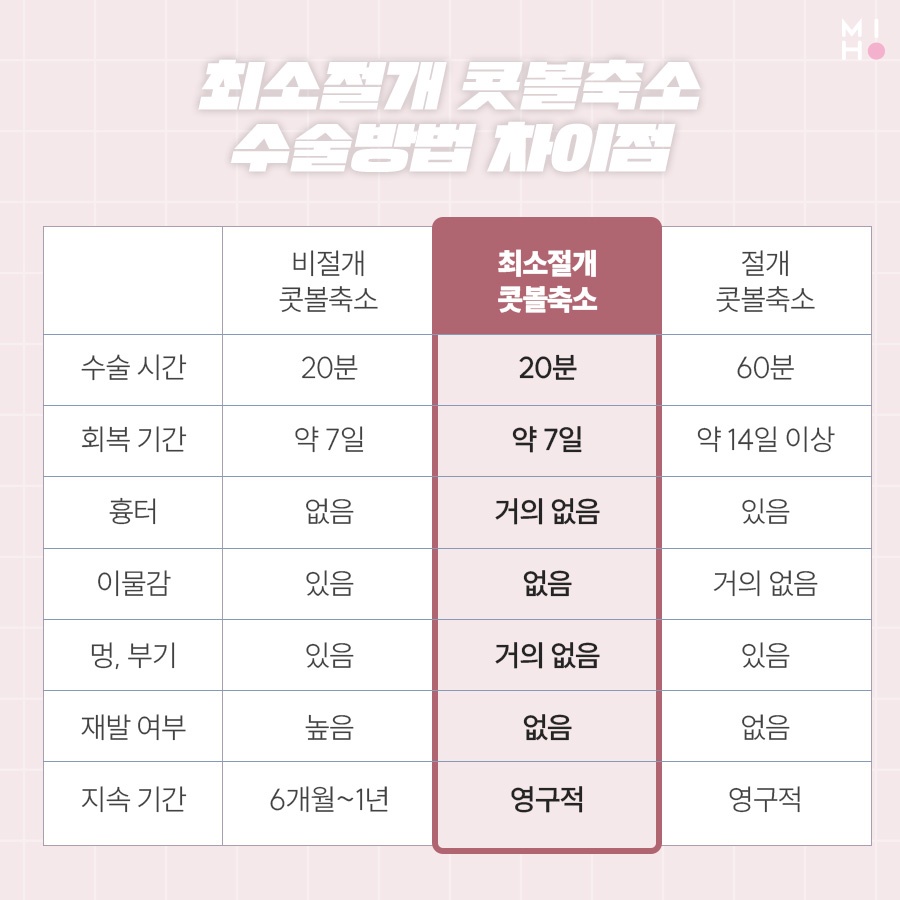
This method was divided into
incisional and non-incisional procedures,
with the choice depending on
the individual's current condition
and personal preference.
Most people prefer the non-incisional method,
which leaves less scarring,
but if the nostrils are too large,
an incisional procedure
may be unavoidable.
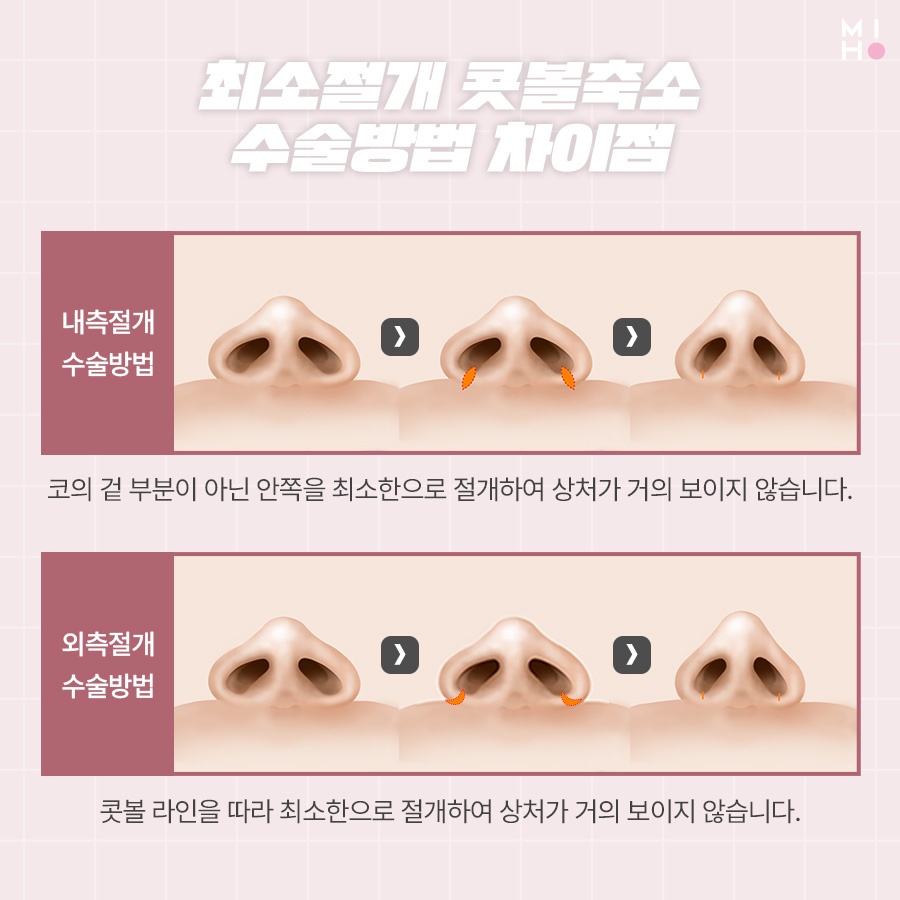
To explain how incisional
nostril reduction surgery
is performed,
some of the skin on the outer part
of the nasal wings is removed,
after which the area is sutured
to complete the procedure.
In contrast, the non-incisional method
reduces the width by inserting
sutures inside the nose
and pulling them inward.
Because it involves inserting and tightening
sutures without making an incision,
there are no visible external marks,
but it is not suitable for everyone.
The medial incision and minimal incision methods
were developed to address this limitation.
Regardless of the method,
an important point to examine
was whether excessive tissue removal
would be avoided.
It is understandable to want
to reduce large nostrils significantly
in a single procedure because they are
a source of self-consciousness,
but excessive removal
should be avoided because
it can cause serious complications.
Even if the area is sutured twice,
removing too much tissue can place
excessive tension on the skin,
causing the incision to open
and leave a scar.
Therefore, only an appropriate amount
should be removed.
If you want an overall improvement,
combining this procedure
with another technique
could be recommended.
For example, the nasal tip cartilage
could be brought together while
reducing the nasal wings,
or autologous tissue could be inserted
into the tip to raise it.
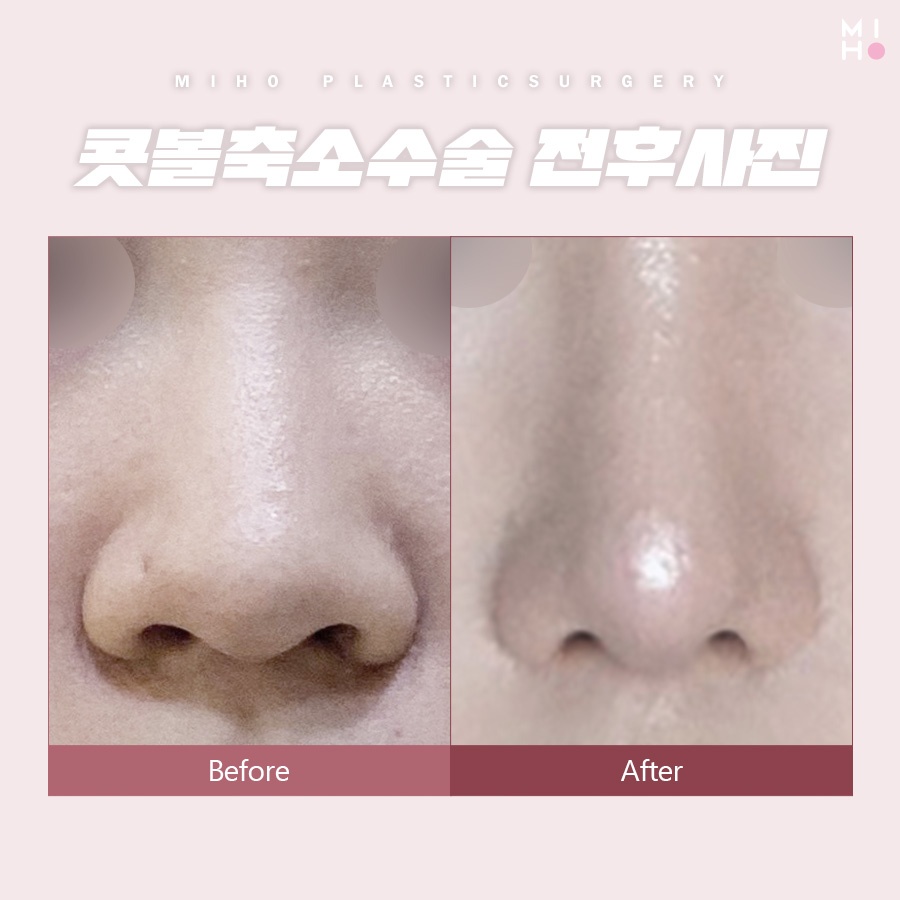
Some cases improve
with nostril reduction surgery alone,
while others require
combined procedures.
The latter cases were more common
than the former.
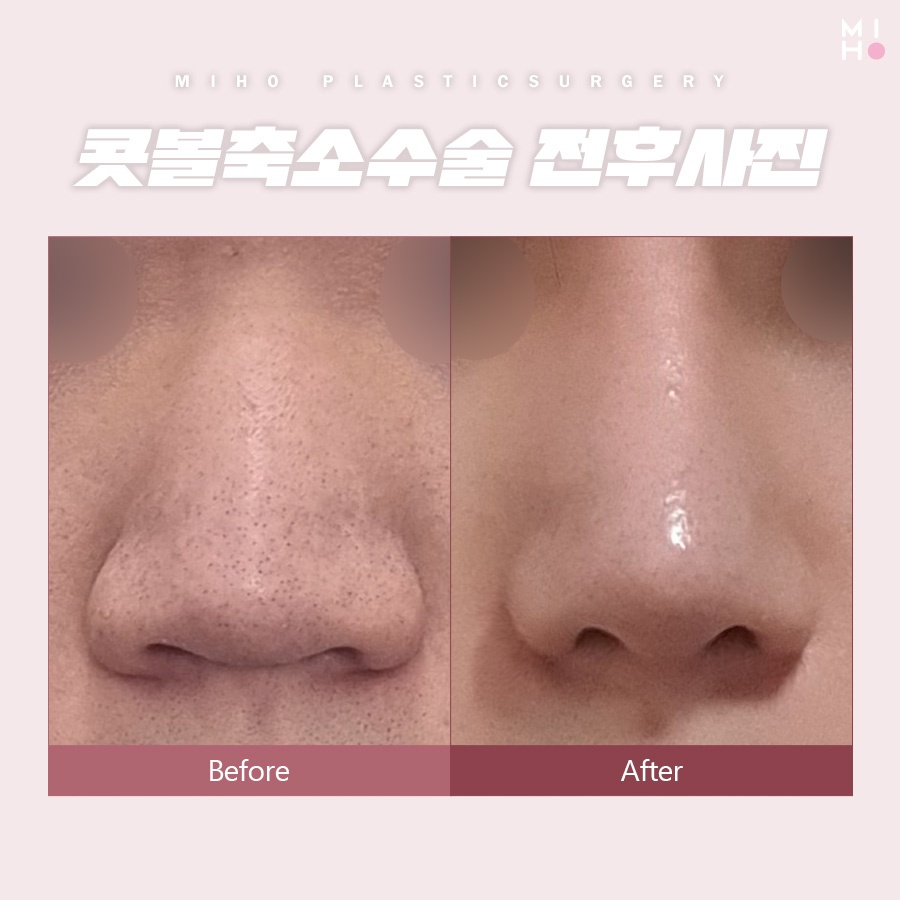
This is because reducing only the nasal wings
leaves the broad nasal tip
and low nasal bridge unchanged,
which can instead make
the overall balance appear uneven.
On the other hand, lifting the nasal tip
naturally improves the nostrils
from a round shape
to a longer, vertical form.
As with any other solution,
this procedure should not focus
only on one area;
it was necessary to consider
harmony with the surrounding facial features.
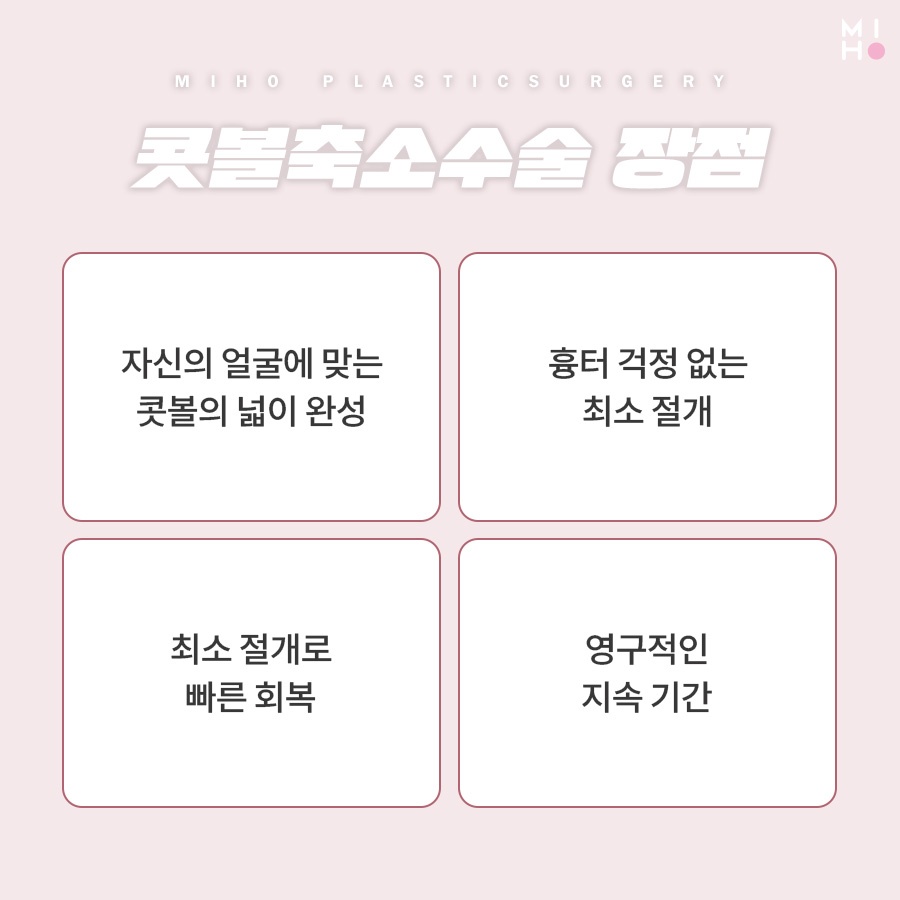
This procedure took
approximately 30 minutes to 1 hour.
The recovery period was
about one week,
and the patient needed to return
after 7 days to have the stitches removed.
When performed using an incisional method,
the changed appearance
was maintained permanently.
Before the incision healed,
the area was vulnerable to bacterial infection,
so particular attention had to be paid
to hygiene.
The area needed to be kept thoroughly clean
according to the instructions provided
by the medical institution.
Alcohol consumption and smoking
also needed to be avoided
to prevent an inflammatory response
and shorten the recovery period.
If an inflammatory response occurred
because of inadequate hygiene
or another reason,
prompt action was necessary.
If the treated area became red and swollen
and you experienced warmth and pain,
you needed to seek medical attention
immediately.
When the incision was made
on the outer side,
there was a risk that marks
could remain later.
To help prevent this,
it was necessary to find out
whether the medical institution offered
an aftercare program,
used a fine-suturing technique
to minimize visible marks,
and could apply a medial incision method.
The incision line may look red
after the stitches are removed,
but it gradually fades.
Laser treatment could also
help shorten the recovery period.

If you have often been told
that your appearance looks indistinct
or unsophisticated,
if the skin of your nasal wings is thick
and lifting the nasal tip alone
would not produce a satisfactory result,
or if the width of your nose is too long
for its proportions with the nasal bridge,
nostril reduction surgery
could help improve your appearance.
This method could also be applied
if your nostrils spread noticeably
when you smile
or if your nose itself is large.
As mentioned earlier,
rather than focusing on only one area,
we hope you will choose a customized design
that considers the entire nose
and, more broadly,
its harmony with your facial features.