
As the rate of aging varies,
facial skin gradually loses
its elasticity, leading to
fine lines, drooping around the eyes,
and other problems.
The degree of aging can also
appear differently depending on
the area, such as the forehead,
cheeks, or jawline, meaning that
the severity and extent of symptoms
may vary slightly from person to person.
At first, only minor aesthetic
concerns may arise, but
as time passes, functional problems
may also develop, leading to
various symptoms that cause discomfort.
In addition, some people experience
distress when their appearance changes
to make them look older than their age.
In such cases, it is necessary to consider
how much elasticity has decreased in each area
and what the appropriate way to improve
the sagging may be. Among these options,
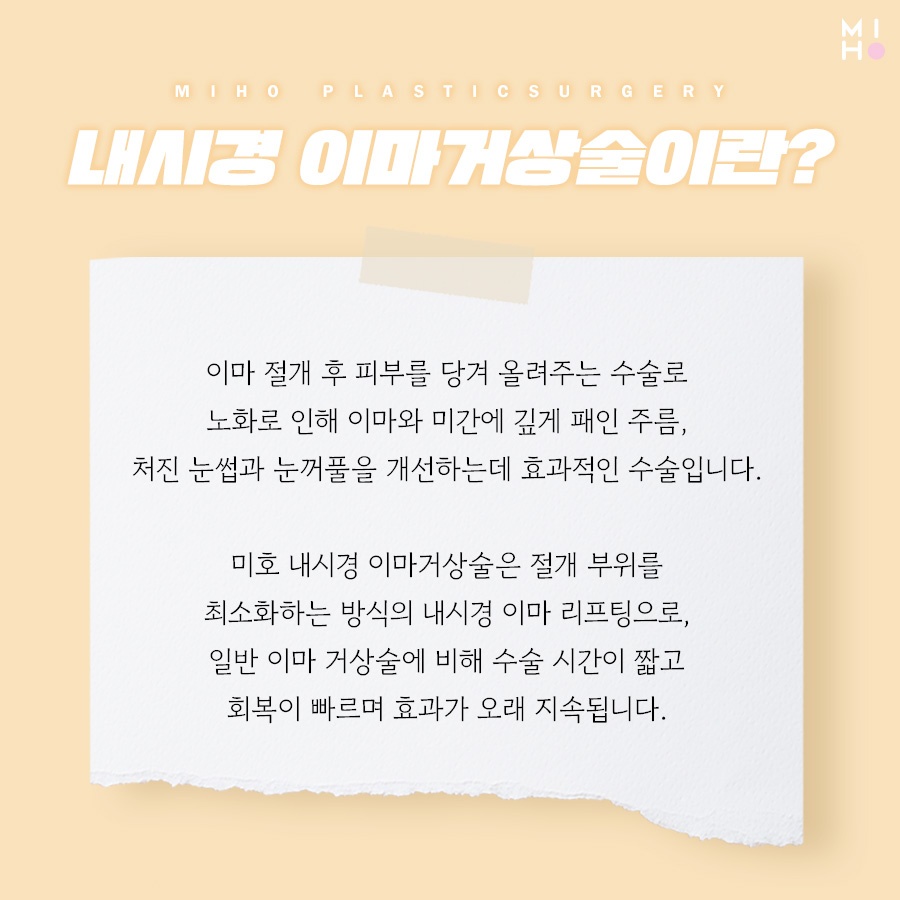
let us look at cases involving
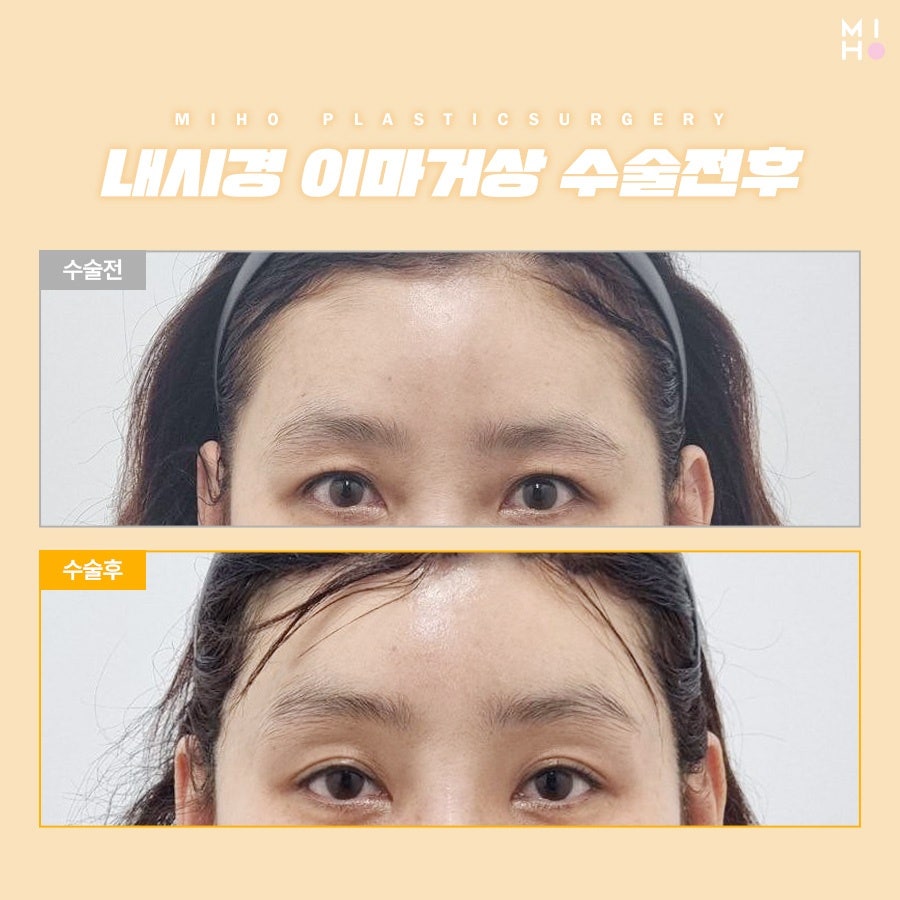
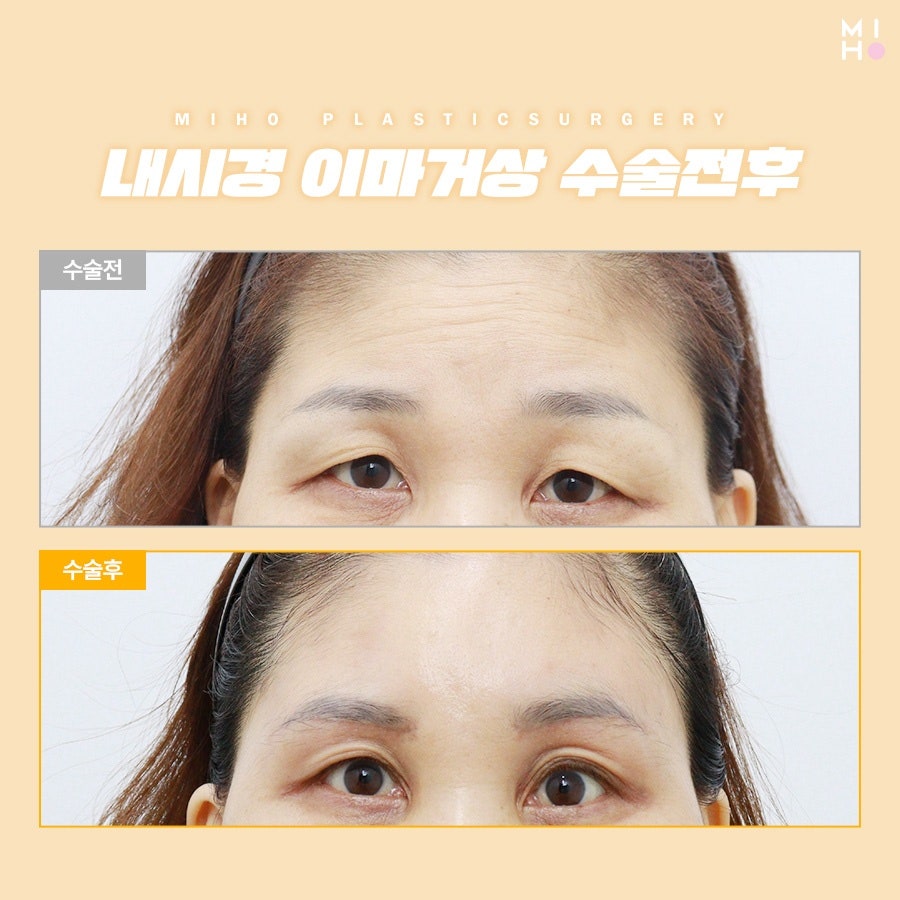
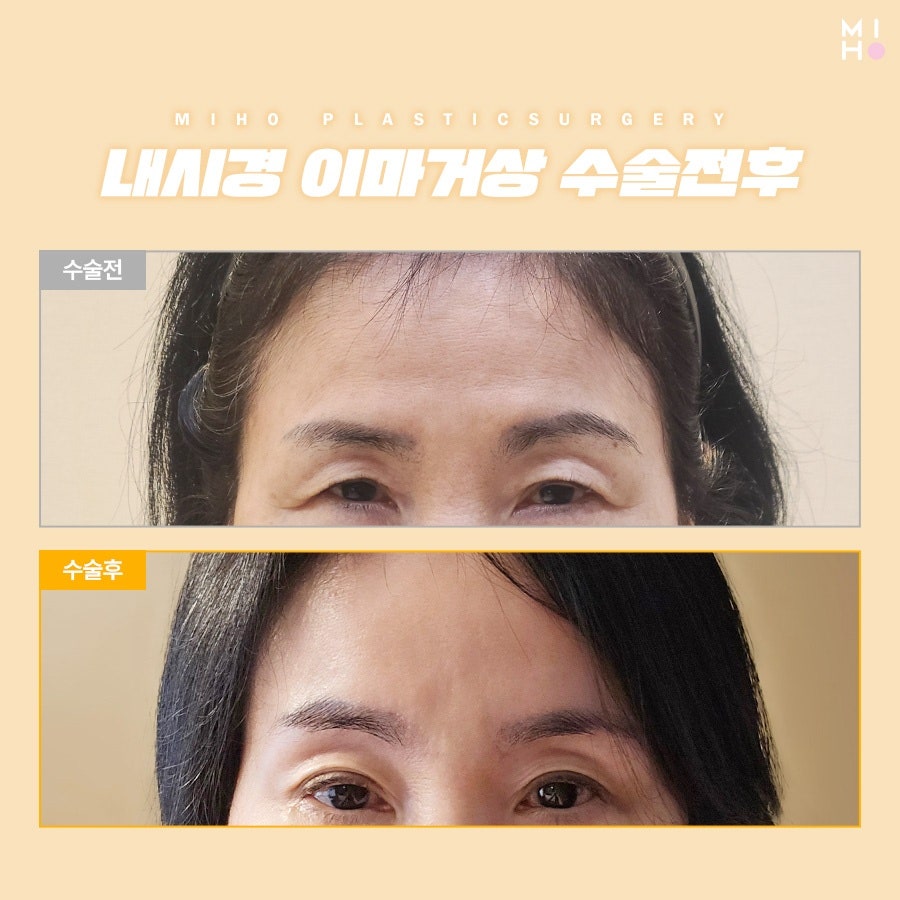
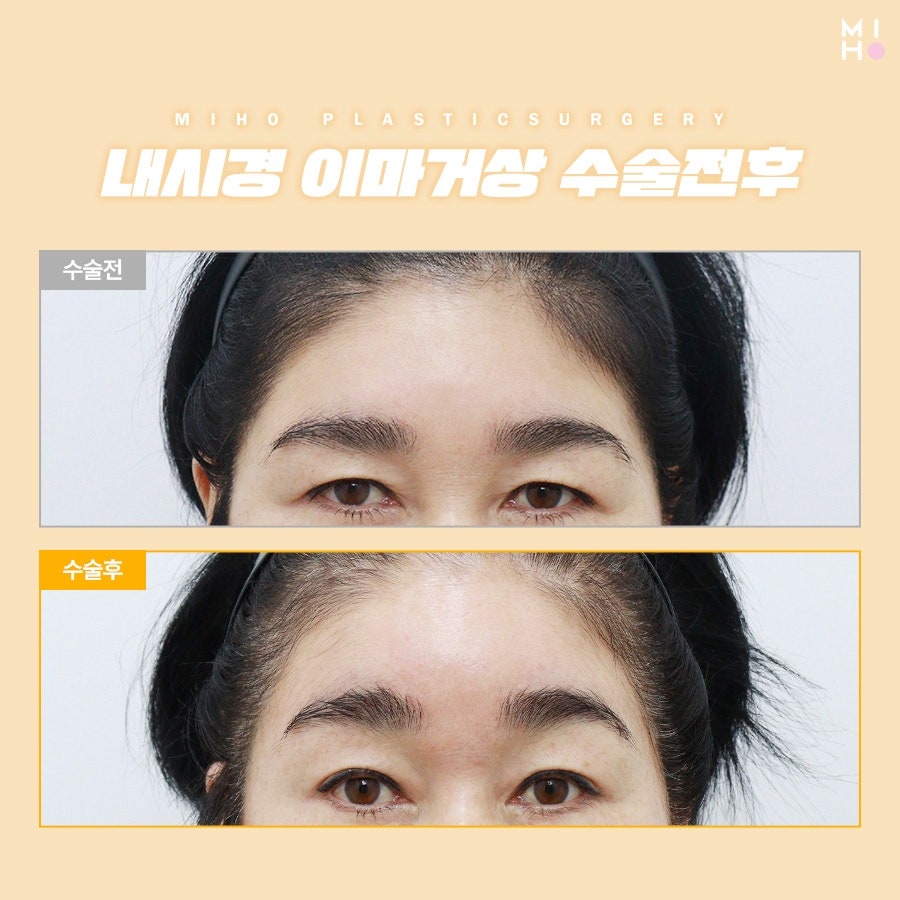
forehead lift surgery reviews.
There are various options available
for improving areas where volume has decreased
or wrinkles have become more prominent.
Methods that supplement and fill deficient areas,
or treat them to help prevent wrinkles from forming,
may help address or prevent some problems
to a certain extent for a limited period.
However, their effects are not permanent,
so if sagging progresses further,
another plan may be needed.
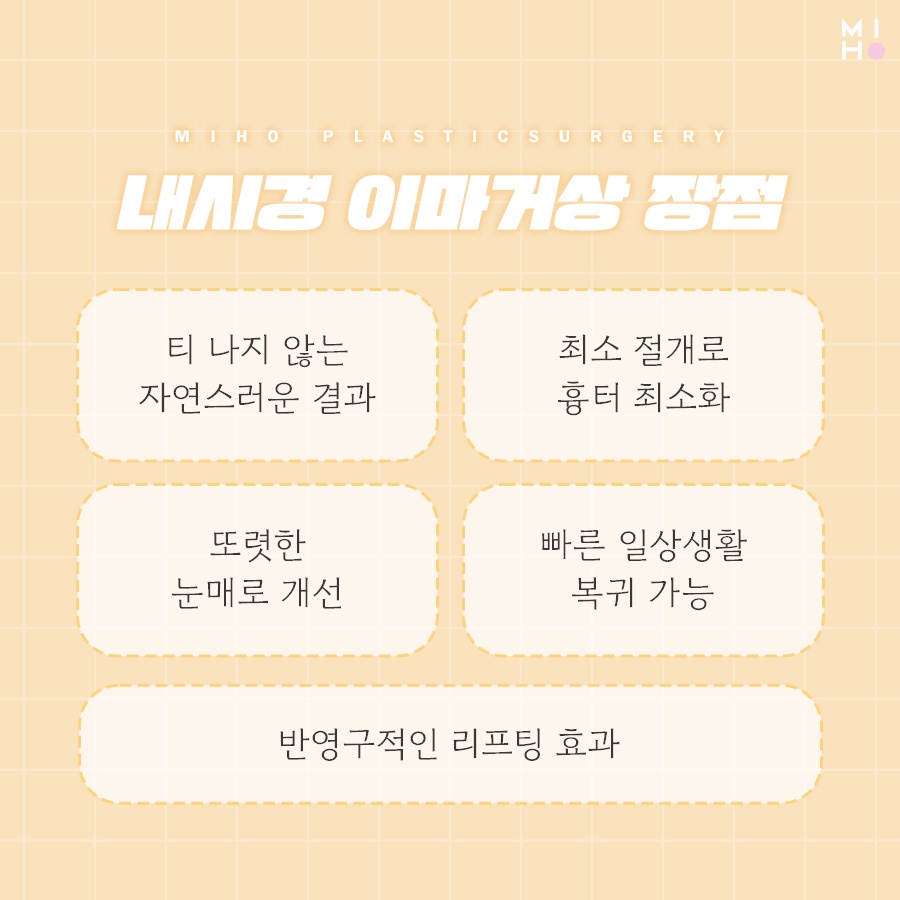
Among forehead lift surgery reviews,
endoscopic lifting is often performed because,
compared with conventional lifting methods
that required larger incision areas,
it significantly reduces the extent of scarring
and can be useful for correcting
skin laxity and wrinkles that have developed
in the upper part of the face.
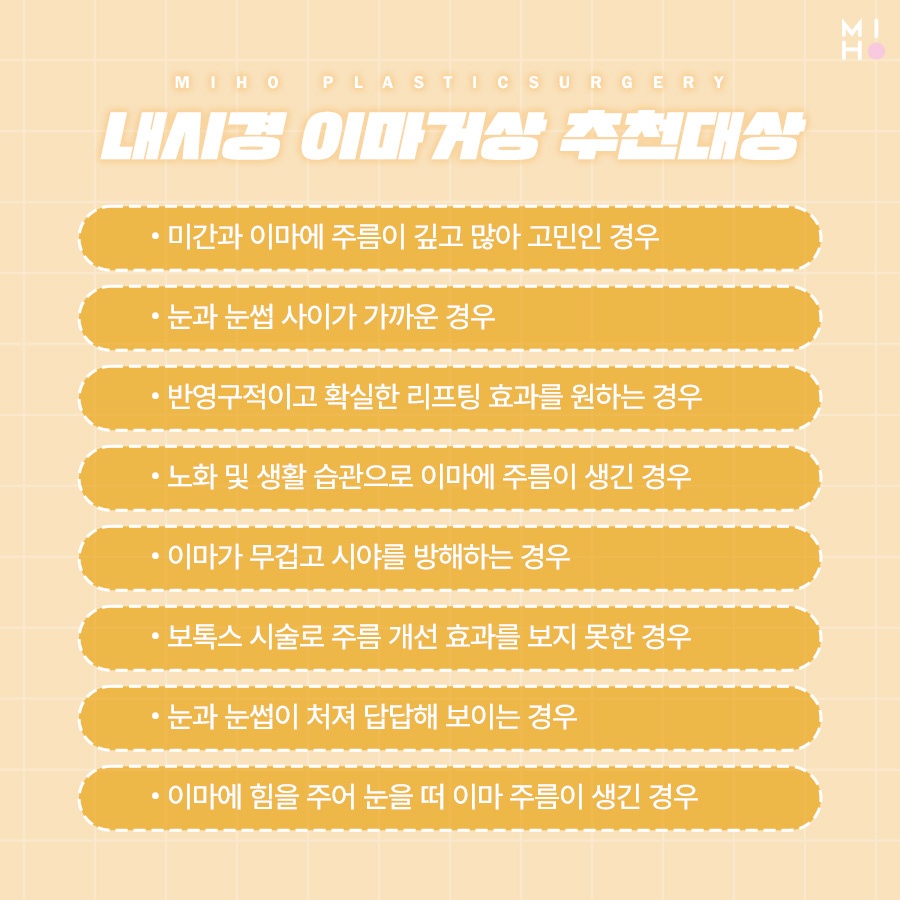
Wrinkles tend to develop relatively quickly
in the upper facial area because it is one of
the areas where the expression muscles
we use frequently are active.
The forehead muscles and muscles around the eyes
are used when opening or closing the eyes,
smiling, talking, and making various expressions.
Facial skin is thinner than skin on the body
and more likely to lose strength, so the more it moves,
the more wrinkles can form. As the rate of aging increases,
this can lead not only to an undesirable appearance
but also to functional problems.
A representative symptom is
drooping eyelids.
It may become difficult to open the eyes
using only the strength of the eyes,
making daily life gradually more uncomfortable.
The back part of the eye area may also
occasionally come into contact and become irritated.
When vision is obstructed and a person tries
to open the eyes as usual, the forehead may be used
excessively, causing more pronounced wrinkles
in that area. For this reason, many people decide
to proceed after considering the points discussed
in forehead lift surgery reviews.
Facial lifting has been widely performed because
it intuitively involves pulling up and securing
sagging areas, and because the corrected condition
can last for a long time. However, it also involves
its own degree of burden.
Because the incision area was large,
the possibility of more extensive scarring
also had to be considered, and recovery
could be relatively slow.
Since incisions were made near the scalp,
concerns about possible negative effects
on the hair roots in the future could not
be overlooked either.
Endoscopic lifting was developed to address
these aspects by significantly reducing
the extent of the procedure, and it continues
to be performed today.

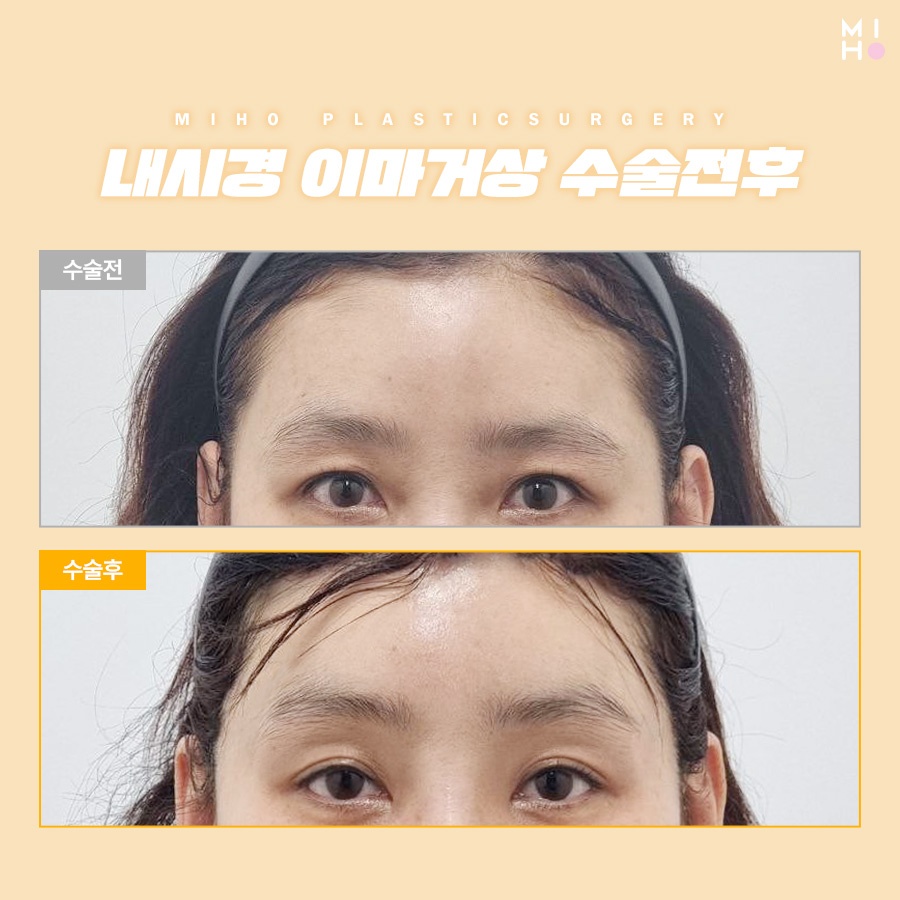
Endoscopic forehead lifting, which has shown
positive progress in forehead lift surgery reviews,
is one method that uses fewer incisions while
firmly lifting even the loosened muscle layer.
It can address a broad area of the upper face,
including the eyebrows and the area between the eyebrows,
and may also help with drooping around the eyes.
It contributes to improving sagging around
the forehead and eyes, while also addressing wrinkles
and helping prevent the appearance from becoming
more characteristically aged.
A single method may be used, or another method
may be performed at the same time if appropriate,
with the plan reflecting the desired aesthetic impression.
Generally, about three small incisions are made.
In some cases, up to approximately five small incisions
are selectively made inside the hairline,
through which instruments are inserted
to pull up the sagging areas.
Unlike conventional methods involving
a broader treatment area, the incisions are only
large enough for the endoscopic equipment to pass through.
This significantly reduces concerns about scarring
or scars being highly visible, which is particularly noteworthy.
However, because the procedure requires
an equal degree of precision, the amount of lifting
must be finely adjusted by considering the facial structure
and the contours of the front and side of the face
to avoid overcorrection.
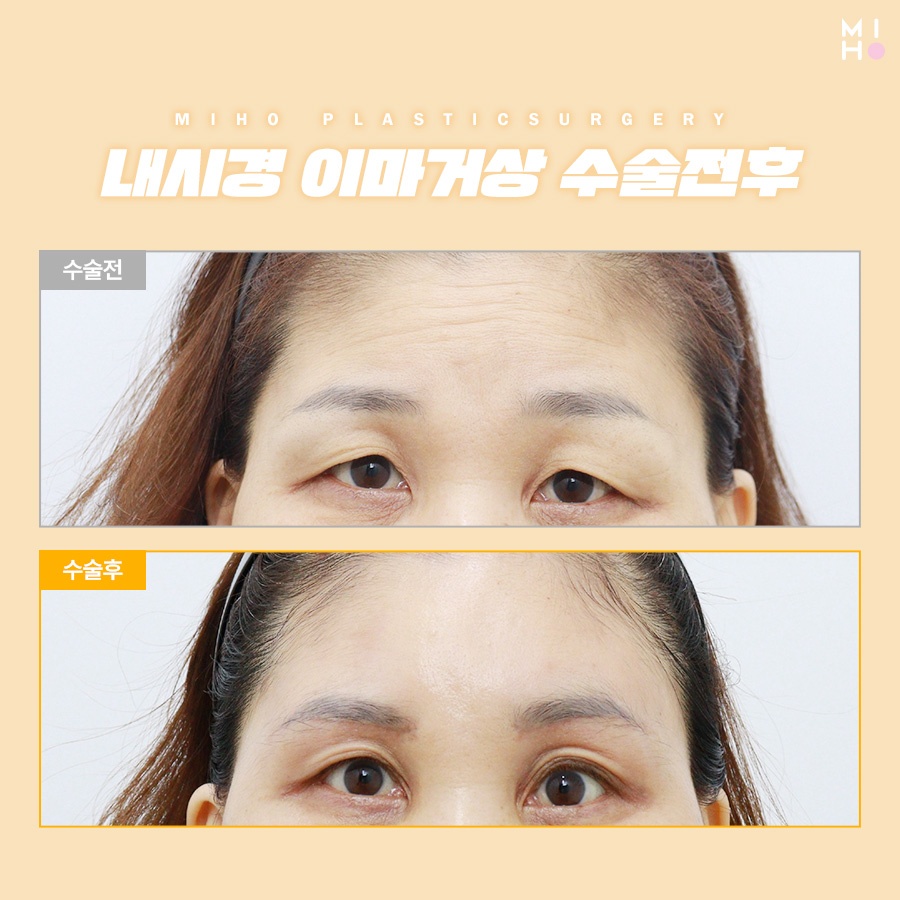
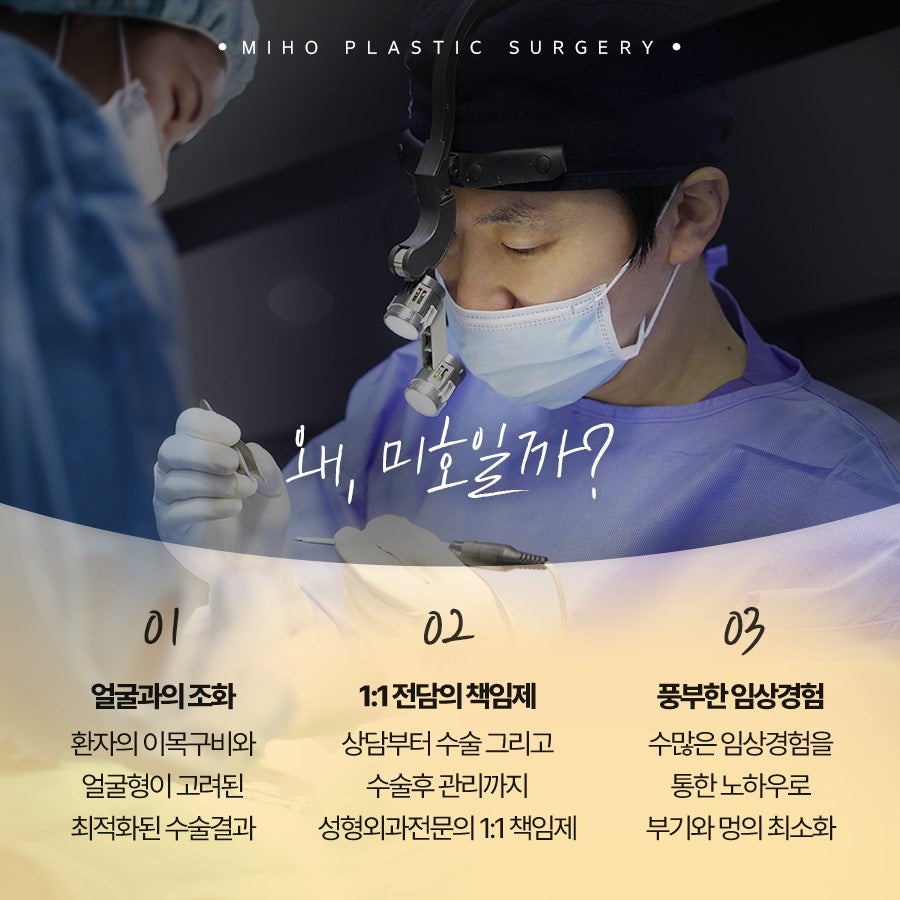
Forehead lift surgery experiences differ from person
to person because the results inevitably vary to some extent
depending on the operating surgeon’s clinical experience
in the relevant field.
The procedure does not involve only the forehead flap.
The surgeon must also clearly understand the characteristics
of the retaining ligaments, carefully perform dissection
according to each individual’s circumstances,
and lift and secure the tissues, making it a demanding procedure
that requires caution.
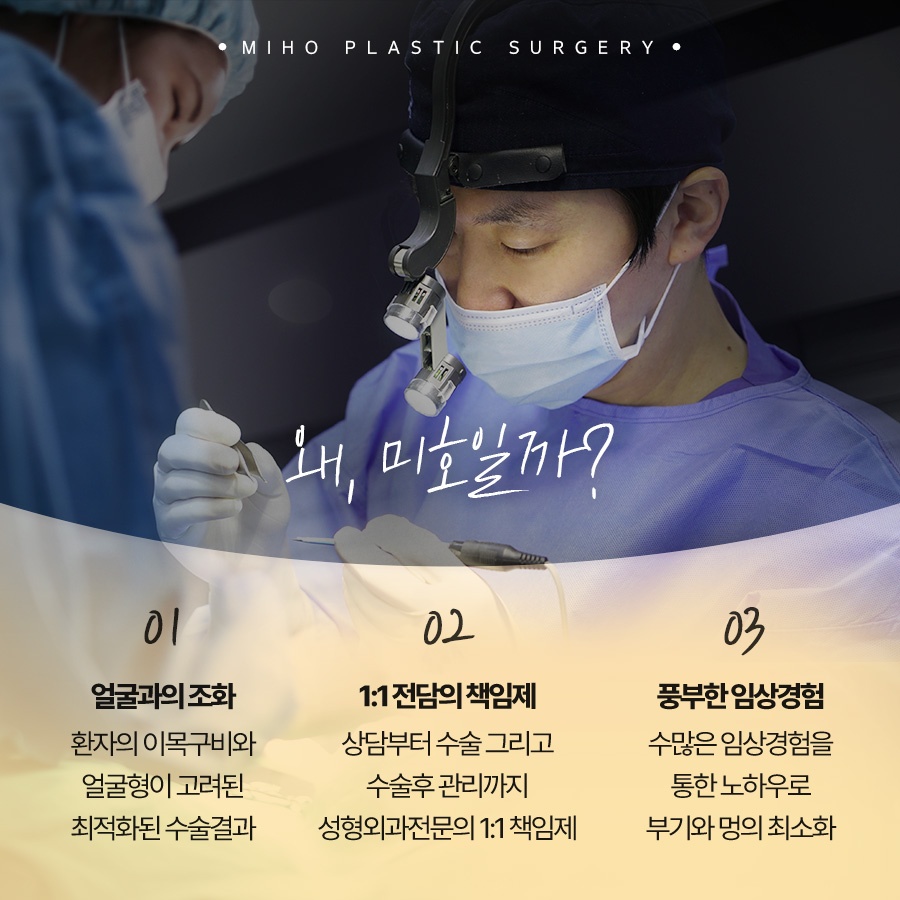
Because instruments must be inserted into an area
with a high concentration of nerves while taking care
to avoid injury, the surgeon’s level of experience
in handling similar cases is reflected directly in the results.
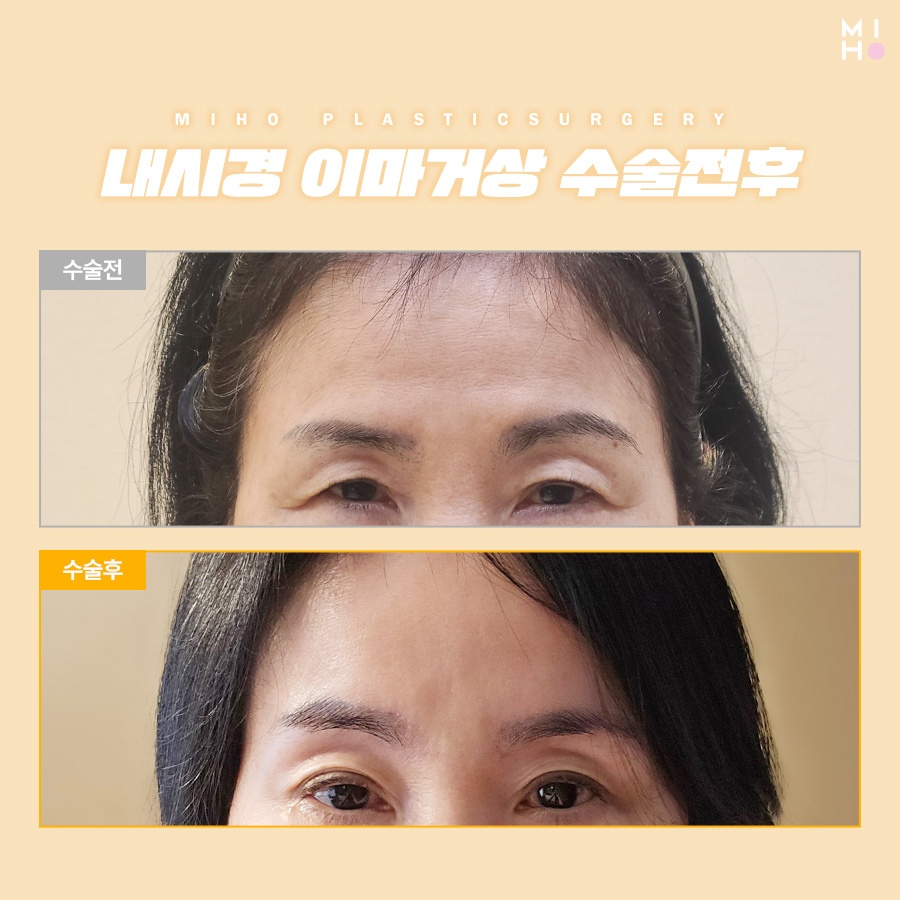
To maintain the corrected condition for a long time,
the sagging of the upper facial area must be improved
with an appropriate amount of tension. Threads are used
for this purpose.
It is particularly important to lift and secure
the muscle layer and skin with an appropriate amount
of tension corresponding to their loss of elasticity,
so that the result appears natural.
If the procedure is performed according to an appropriate plan
without excessive upward pulling or internal damage,
the small incision area may allow daily activities
during the recovery period without significant difficulty.
Since the approach is made inside the hairline,
the marks are not visible from the outside.
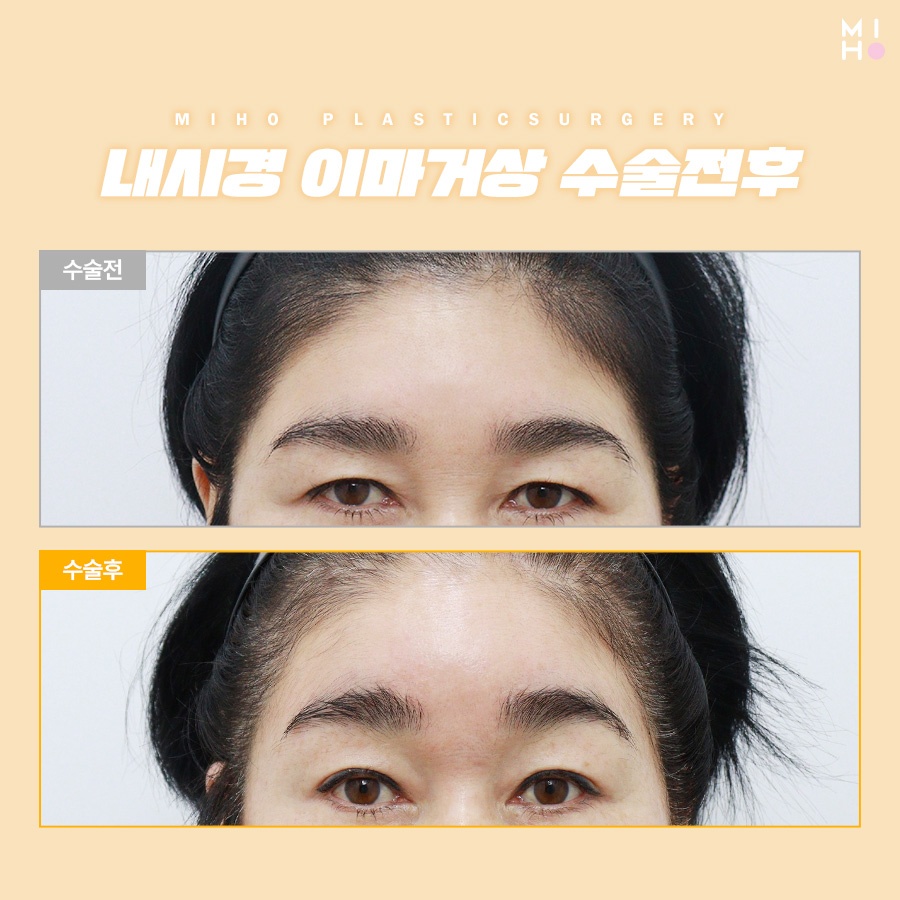
In some cases, this alone can produce
noticeable improvement toward the desired result.
However, because the causes and symptoms
may differ from person to person,
an upper eyelid procedure, lower eyelid procedure,
or both may also be planned together
to address aesthetic concerns more effectively.
There may be several options that can be performed together,
and in some situations, combining two or more procedures
may lead to a more positive result, while in other cases
it may not be necessary. This should be determined first.
When eyelid drooping is severe,
when there is sagging below the eyes,
or when fat redistribution is needed
due to accumulated fat, among other situations,
the areas of concern may differ slightly for each person.
Therefore, it is important to consider the desired image,
the current condition identified through an examination,
an appropriate treatment plan and explanation
that may contribute to improvement,
as well as the opinions and recommendations
of an operating surgeon with extensive experience
in addressing such cases.
Because the appropriate method for contributing
to the recovery of a youthful appearance
may differ for each person, we hope you will review
the information about forehead lift surgery carefully
before making a decision.



Previous image
Next image