
The nose is located at the center of the face and is responsible for respiratory function, but it is also an important organ that can influence the overall impression from an aesthetic perspective.
It is easy to find cases of people experiencing appearance-related concerns because their nasal bridge is too low or their nostrils are excessively wide, among other reasons.
People may consider correcting the shape of their nose to regain their confidence, but they may also worry about the side effects that can occur when implant materials such as silicone or AlloDerm are inserted into the body. The artificial appearance can also feel burdensome, making them hesitate.
For this reason, implant-free rhinoplasty has recently been receiving attention.
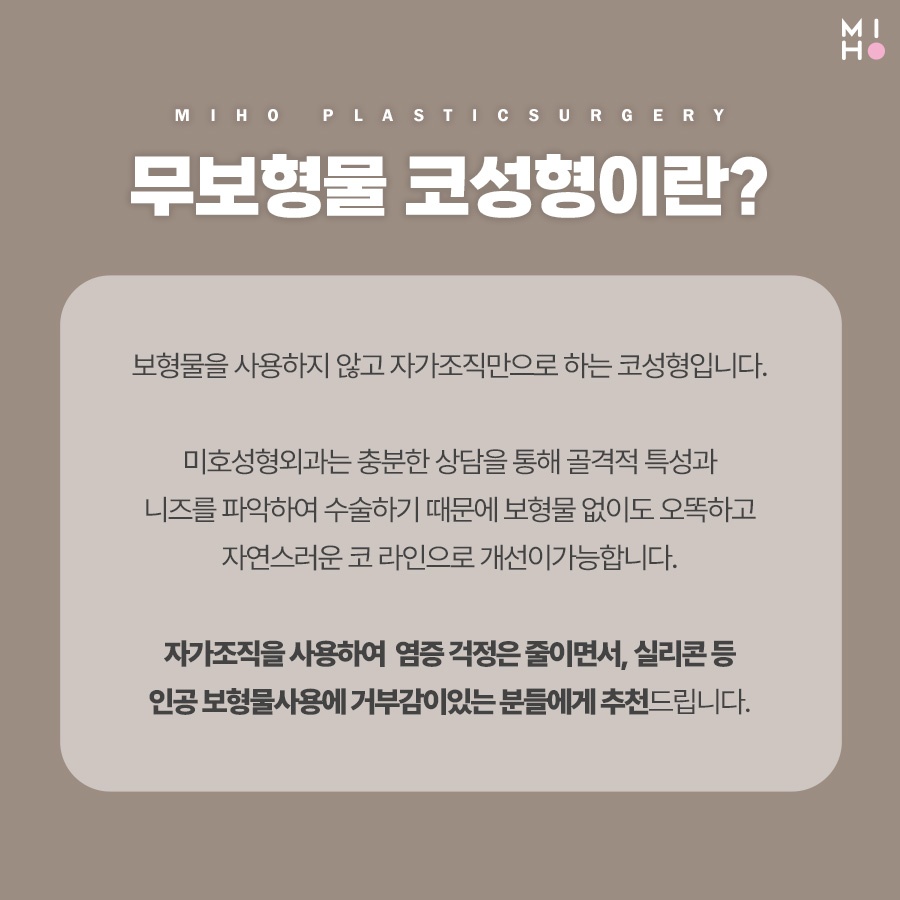
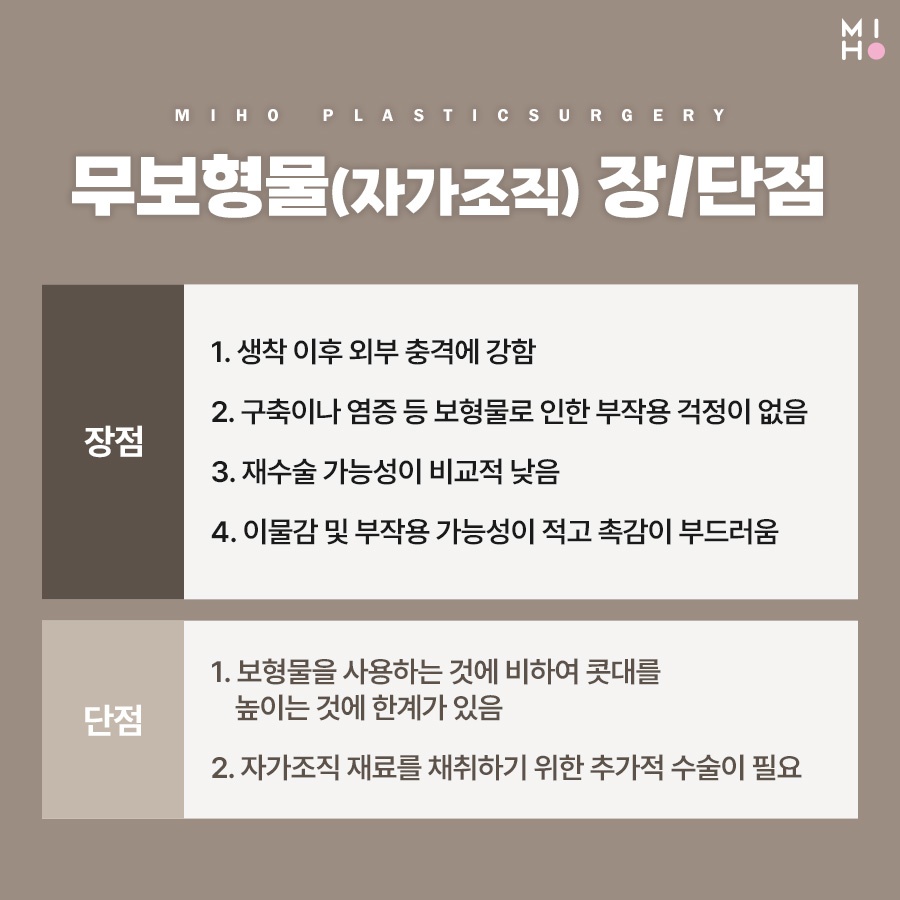
Implant-free rhinoplasty uses tissue from the patient's own body instead of the materials described above to improve areas of the nose that may be lacking in shape.
It has attracted considerable interest because it can reduce rejection reactions and side effects while creating a natural-looking nasal line.
In addition, the risk of implant deformation over time is reduced, so long-term stability may also be expected.
It is particularly suitable for people with thin skin who may be concerned about reinforcement materials showing through, or who want to avoid feeling a foreign object inside the nose. It may also be considered when the nasal bridge is already moderately prominent and excessive elevation of the nose is not necessary.
Among the autologous tissues used in implant-free rhinoplasty, septal cartilage is located in the middle of the inside of the nose.
It is generally used to create support for the nasal tip or reinforce the nasal bridge. However, when elevating the tip of the nose, it is advisable to use it together with dermis, soft tissue, or ear cartilage.
Because the tissue is taken from the same area, it is considered to have good compatibility with the nose. Another advantage is that the donor-site scar is concealed.
However, excessive harvesting can cause the nose itself to collapse, so the amount that can be used is limited. Careful planning is therefore necessary to avoid regret.
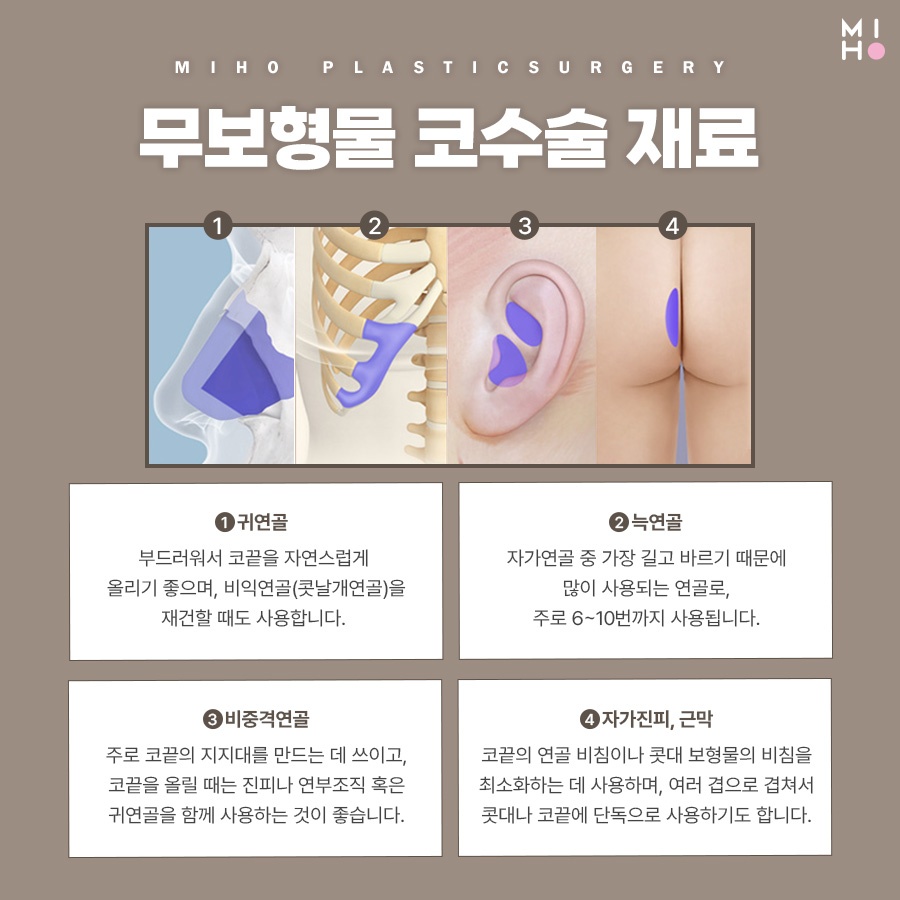
Ear cartilage is soft and elastic, so it is mainly used when delicate adjustment of the nasal tip is needed.
The contour of the end of the nose is determined by wing-shaped soft tissue called the alar cartilage. When this area is damaged and causes nasal deformity, reconstructive surgery using this tissue may also be performed.
The cartilage is harvested through an incision in the skin behind the ear. Since the incision is small and made in a barely visible area, the scar is also minimal.
It is used in various ways, including as an additional layer when it is difficult to create sufficient nasal height using septal cartilage alone. However, the amount is limited, and its supporting strength is not particularly strong, so this should be taken into consideration.
When considering which material available in sufficient quantity within the body can be used for implant-free rhinoplasty, rib cartilage is one option.
Because it is a strong and durable material, it is considered more suitable than internal nasal tissue when the bridge of the nose needs to be raised significantly.
It can be useful when revision surgery is needed after an implant has been removed because of a previous side effect. It is also used for nasal reconstruction when the nose has been damaged by contracture or trauma.
This cartilage is obtained from the sixth to tenth ribs. Points to consider are that general anesthesia is required for the procedure and the scar may be more noticeable than scars in other areas.
In addition to soft tissue, dermis harvested from the upper buttock or thigh and fascia from the temple area may be used to adjust the shape of the nose.
These materials are generally selected to address the issue of reinforcement materials becoming visible through a thin layer of skin.
The dermis naturally protects the skin layer and is used to reinforce volume in the nasal bridge, while fascia is used to create a smoother transition between the nasal bridge and the tip.
They can provide a more flexible and softer feel than artificial materials, and their low absorption rate contributes to good durability. However, it is important to remember that excessive grafting can deform the surface.
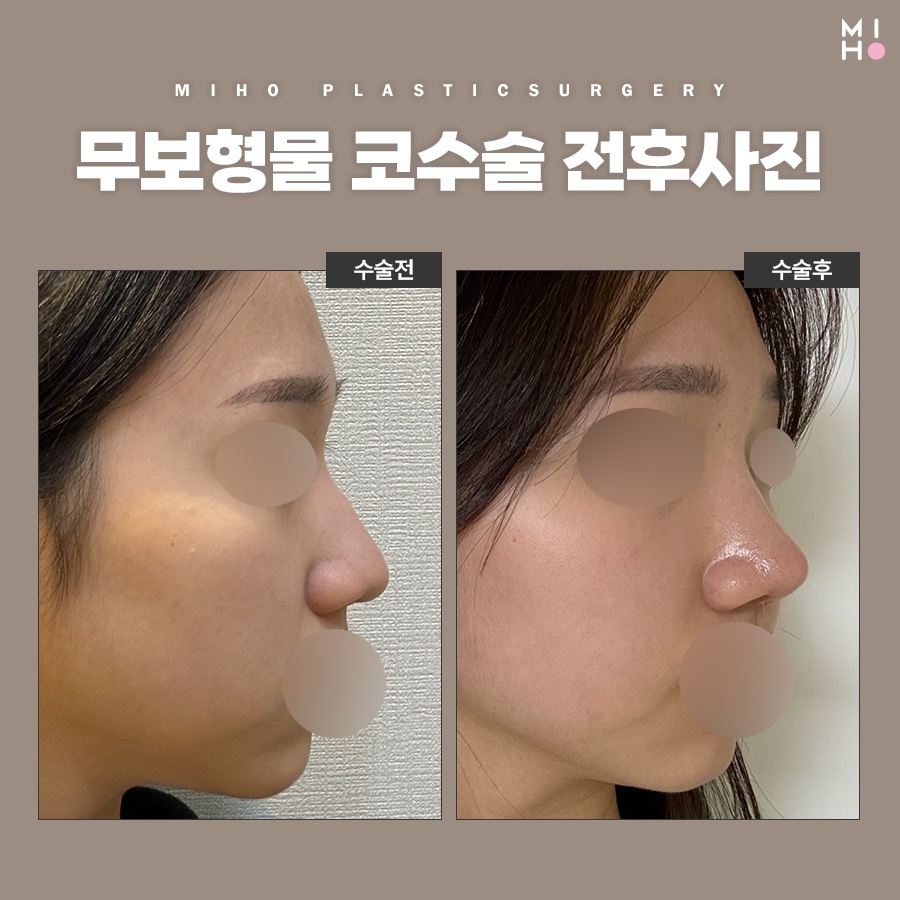
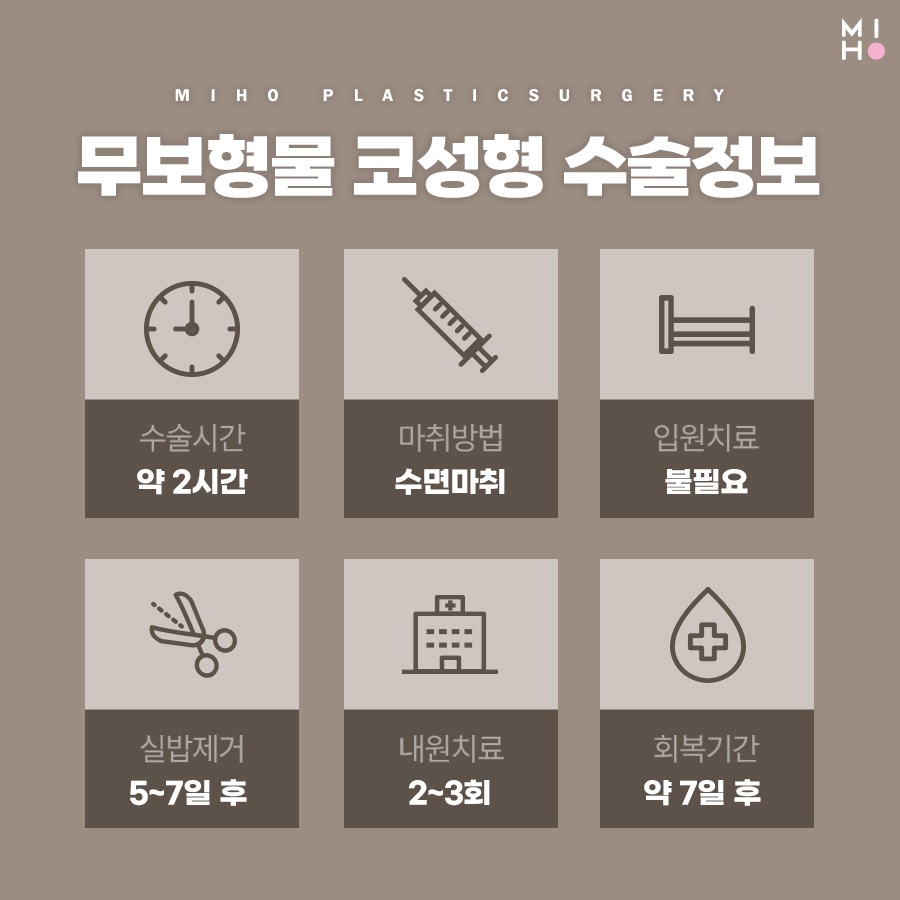
Implant-free rhinoplasty is performed after carefully examining the individual's nasal condition and deciding which material to use.
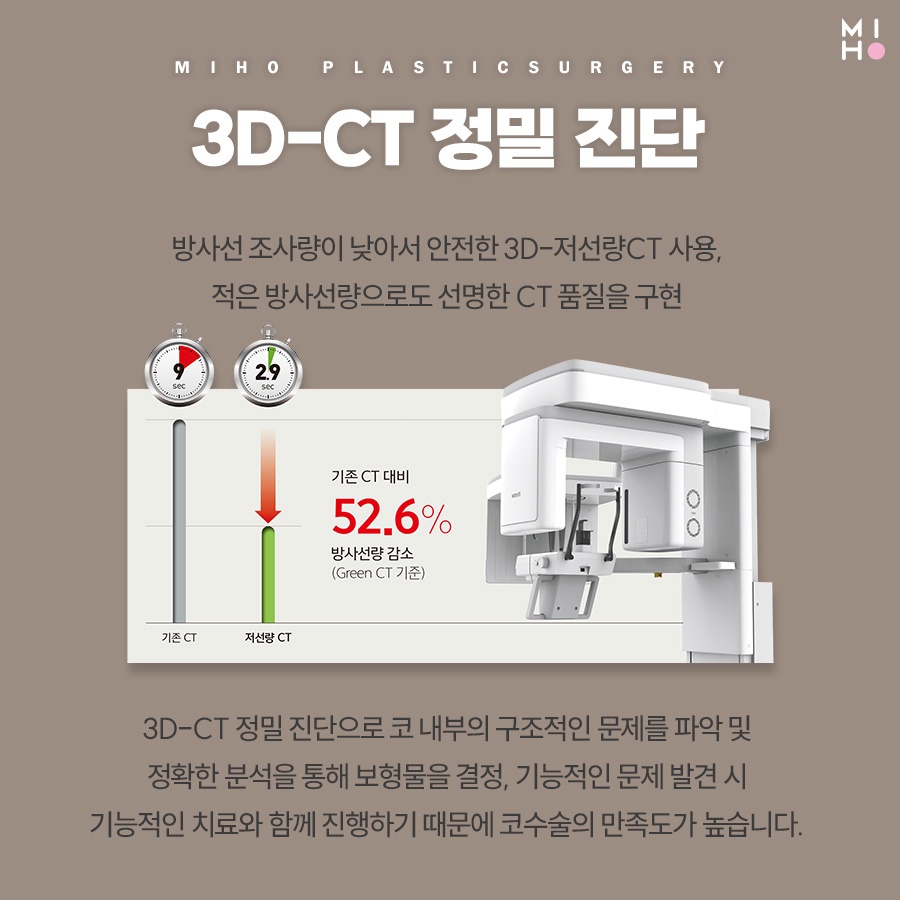
During the preparation stage, a 3D CT scan is taken, and a plan is established based on a detailed analysis of the nasal structure and physical condition.
Afterward, the desired expectations and anticipated results are discussed with the patient, and the autologous tissue to be used is selected.
During the procedure, the harvested tissue is precisely shaped to match the desired nasal form and fixed in the target position.
The sutures are removed after 5–7 days. To help the tissue settle properly, activities that irritate the nose, as well as smoking and drinking, should be avoided.
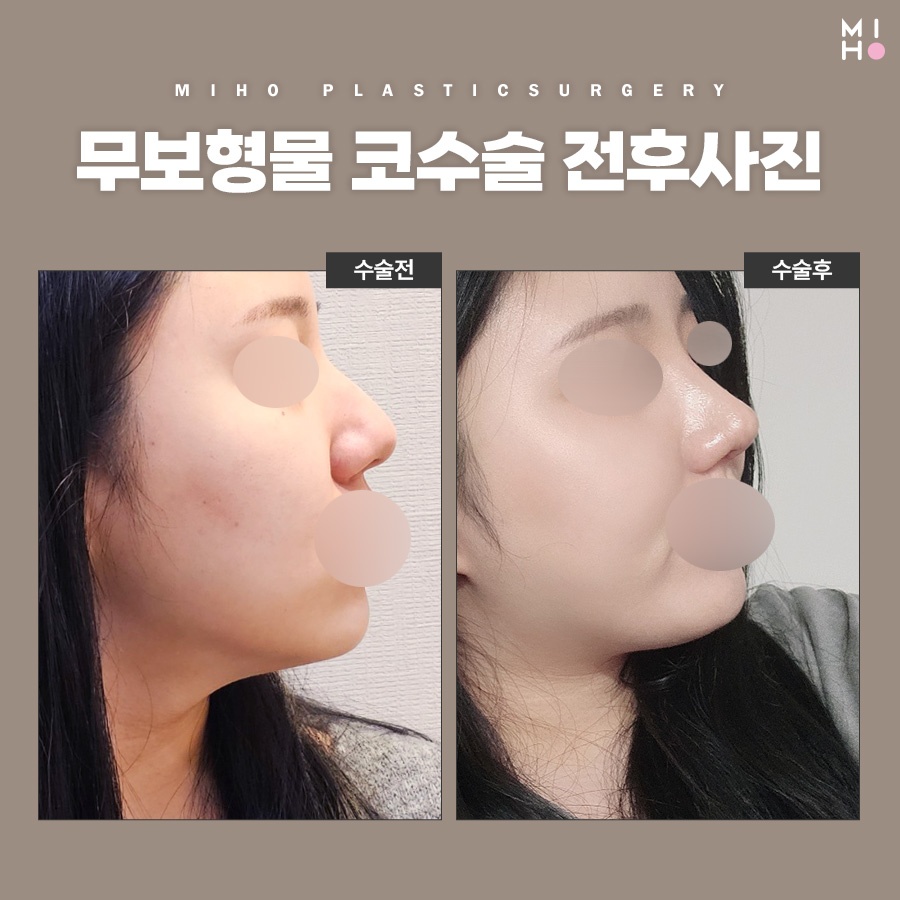
To manage the corrected nose without problems, regular visits to check its shape are essential. After consulting with the medical team, gentle acupressure to prevent adhesions and warm or cool compresses to help relieve swelling may also be recommended.
If abnormal changes such as drooping or an uneven nasal tip are observed, the patient should visit the clinic immediately. If pain and fever persist, infection may be suspected; after evaluation, antibiotics may be prescribed.
If the patient previously wore glasses, contact lenses should be used so that the external shape of the nose is not affected.
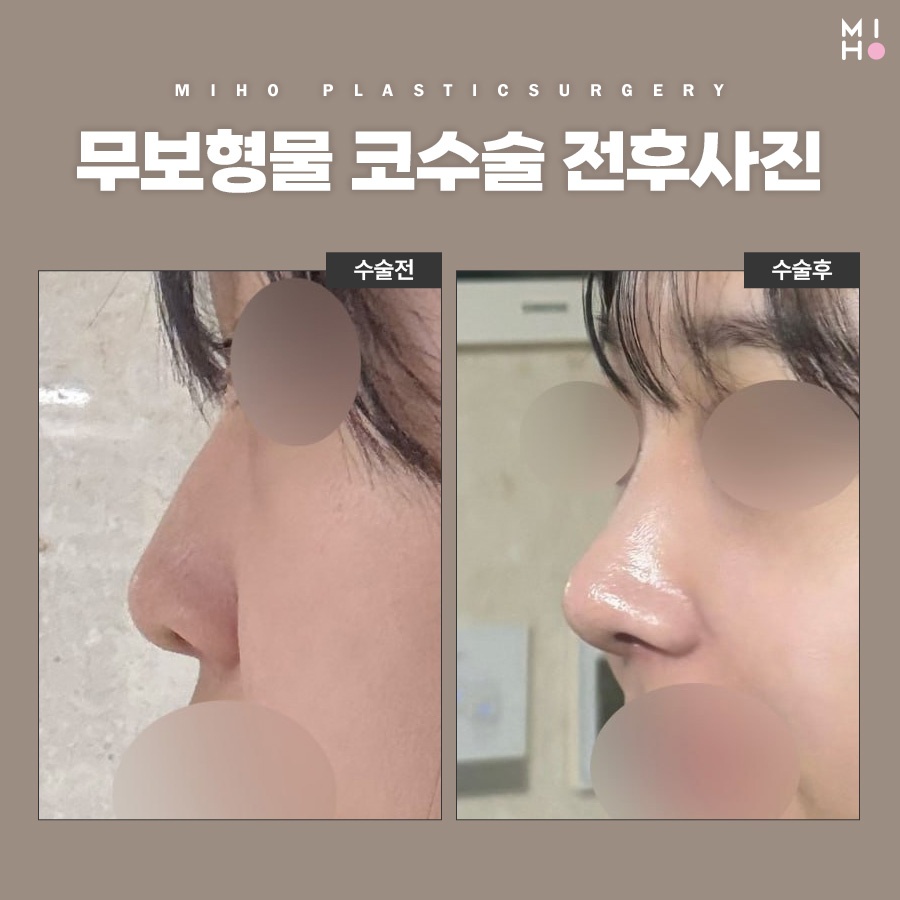
The corrective procedure described above generally involves less contracture and foreign-body sensation than inserting artificial materials, and it can create a more natural line. However, it may also involve structural complications.
If the autologous tissue does not provide sufficient support, there is a possibility that the tip of the nose may droop after a certain amount of time. If the material is not shaped precisely enough, the line of the nasal bridge may appear uneven.
As aging progresses, the skin layer may become thinner and the cartilage may become visible. Scarring and infection may also occur at the donor site. It is therefore important to fully understand these points and discuss the desired appearance with an experienced medical professional.
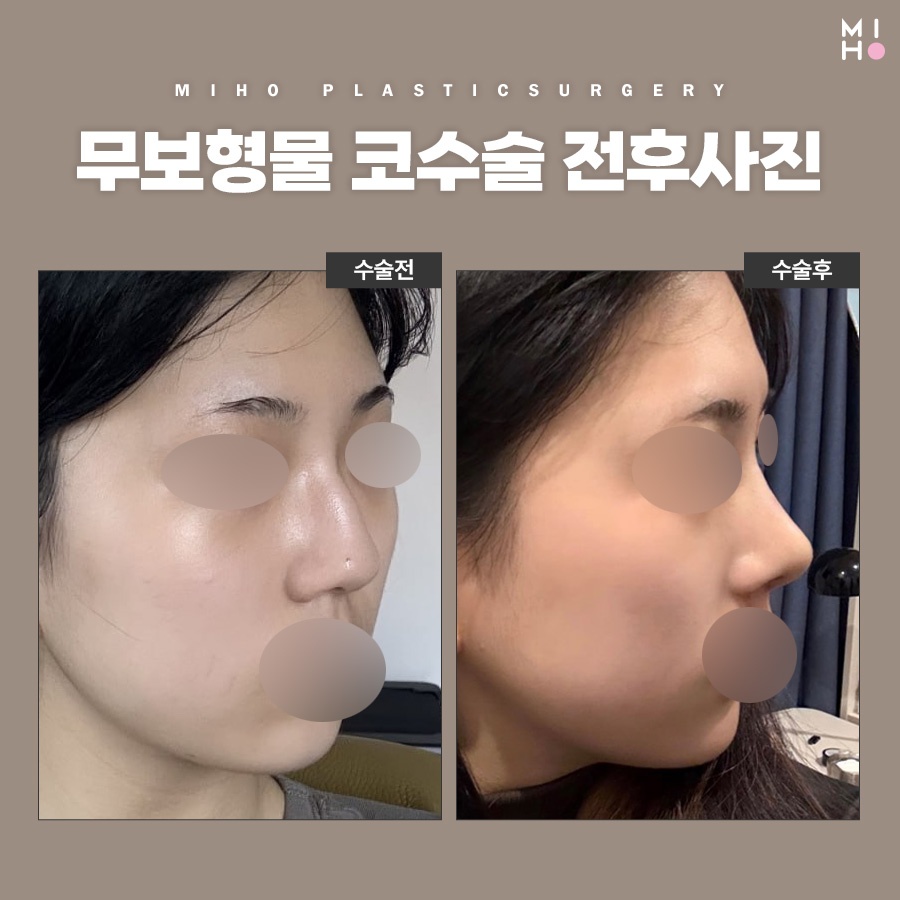
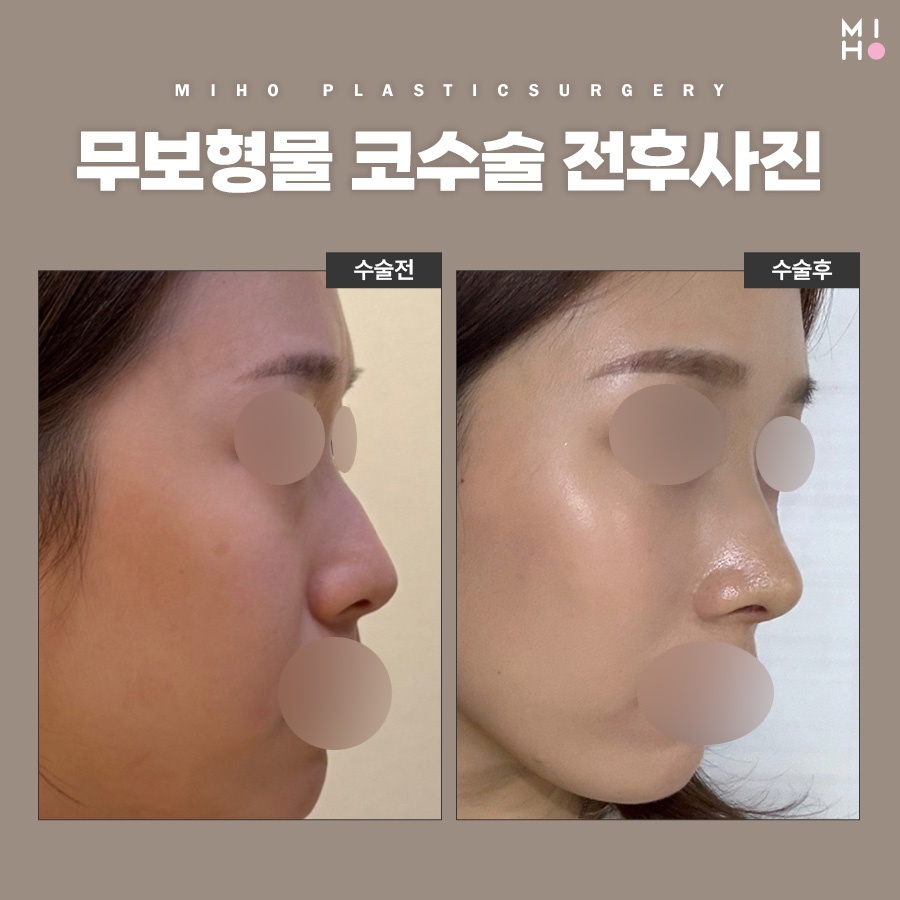
Implant-free rhinoplasty is a method that addresses the limitations of artificial implant materials and may provide a more natural-looking result.
However, each person's physical condition is different, so the outcome of individual adjustments may vary considerably. Thorough preoperative evaluation and consultation with a medical professional are essential.
Proper care and regular checkups are necessary, and it is important to remain mindful of the possibility of unexpected deformation or side effects.
With accurate information and careful discussion as the basis, we hope you achieve a satisfactory result using the method most appropriate for you.


Previous image
Next image