
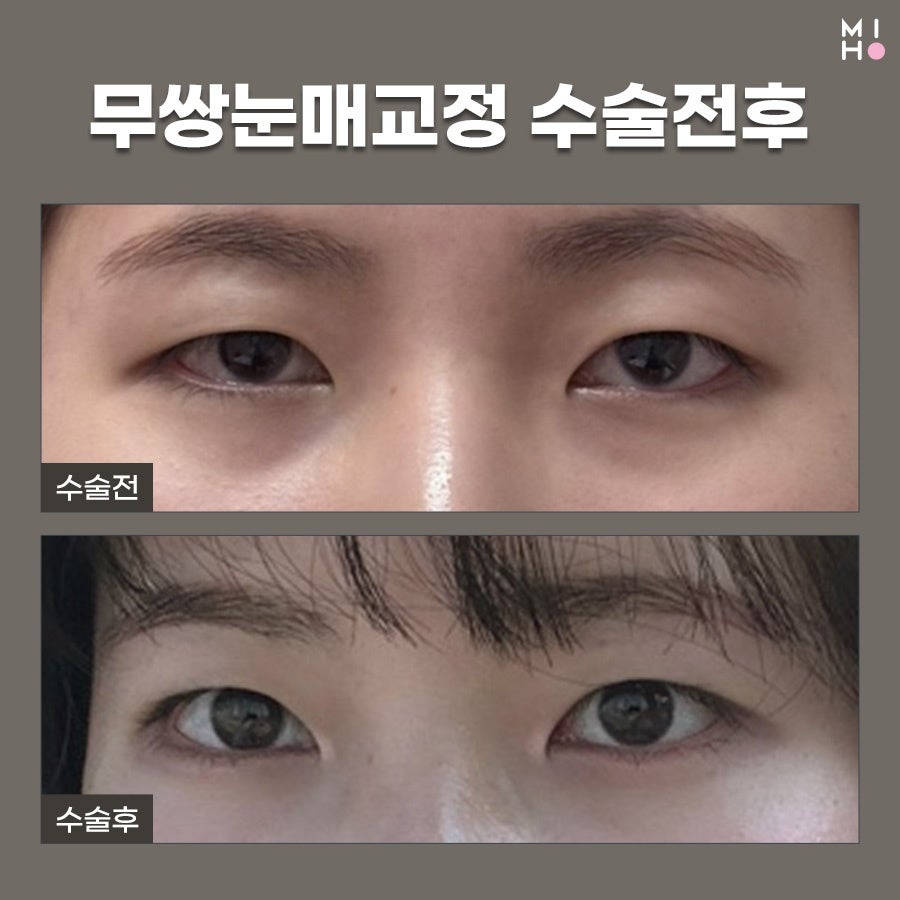
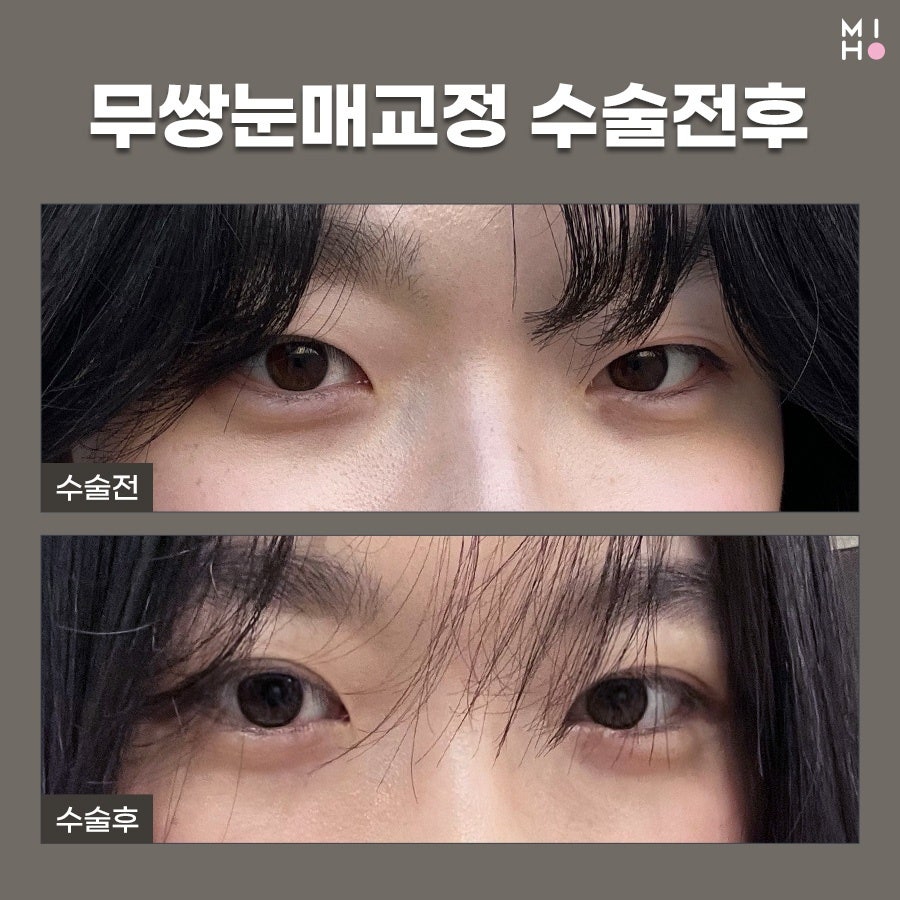
Non-double-eyelid eye correction was needed when the muscles used to open the eyes were weak.
Even if a double-eyelid line was present, weakening of the levator palpebrae superioris muscle caused the eyelids to gradually droop.
These symptoms could appear in both eyes simultaneously, but they could also occur differently in each eye.
As the eyelids drooped, people unknowingly began using the muscles in their forehead or eyebrows.
If you were often told that you looked sleepy, it was advisable to consider whether this might be the cause and look for an appropriate correction method.

This did not simply create a tired appearance; it could also cause forehead wrinkles to form.
Because the tension in the eyelids was weak, the muscles of the eyebrows and forehead were recruited, and deep wrinkles gradually developed over time.
In addition, the field of vision could become narrower, potentially causing safety issues or leading to reduced vision.
Because this could affect both appearance and function, it was necessary to strengthen the levator palpebrae superioris muscle through non-double-eyelid eye correction.

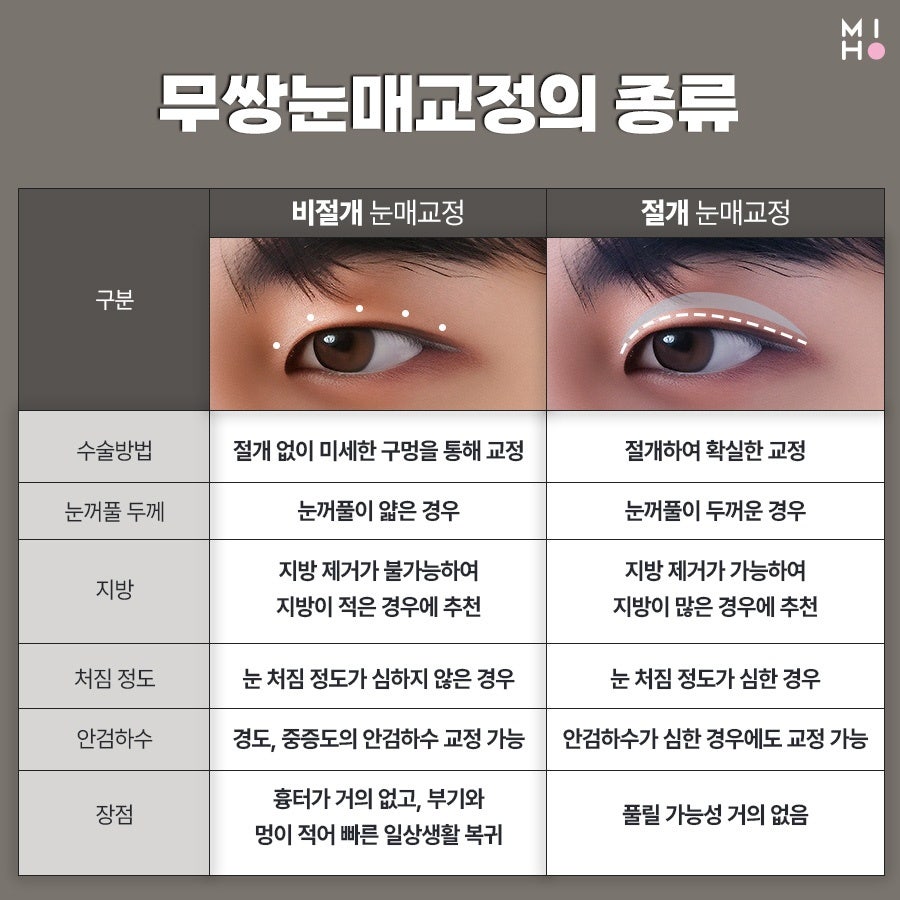
To briefly explain the process of non-double-eyelid eye correction, it involved separating the tissue compressing the relevant muscle or releasing adhesions between the tissues.
At this point, it was important to correct both eyes symmetrically.
No matter how much the eye-opening strength improved, satisfaction could drop significantly if the eyes became uneven, so this had to be kept in mind.
Many people without double eyelids also wanted a new line to be created.
This could likewise be formed in different shapes depending on the thickness of the skin, the amount of fat, and the shape of the eyes.

However, some people found a thick line burdensome or preferred monolids.
Rather than creating an artificial line that gave them an uncomfortable appearance, they wanted to preserve their existing image while improving only the inconveniences.
Many people asked whether it was possible to make the eyes look larger and more open without creating a line.
By expanding the area through medial or lateral canthoplasty, it was possible to create more defined eyes and a more appealing appearance.
Making the eyes themselves look more defined was just as important as creating double eyelids.
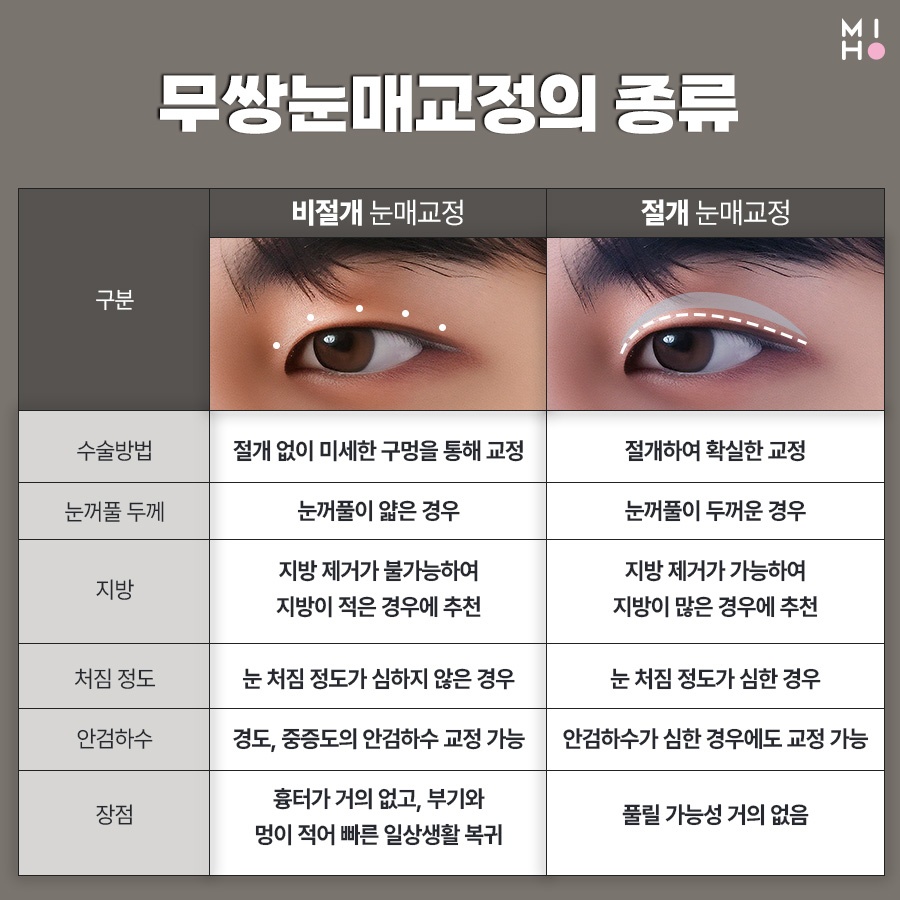
The reason the eyes can lose their sparkle and appear tired with age was that the strength used to open them had weakened.
As the muscles that lift the eyelids lost tension, more than half of the pupils could become covered. This could make the eyes look less bright and create a sleepy appearance.
In this situation, simply adding a line would not resolve the problem.
Instead, it was necessary to restore the relevant tissue through non-double-eyelid eye correction.
If the muscle itself regained strength, it was possible to restore a defined eye shape and bright-looking eyes without necessarily creating double eyelids.
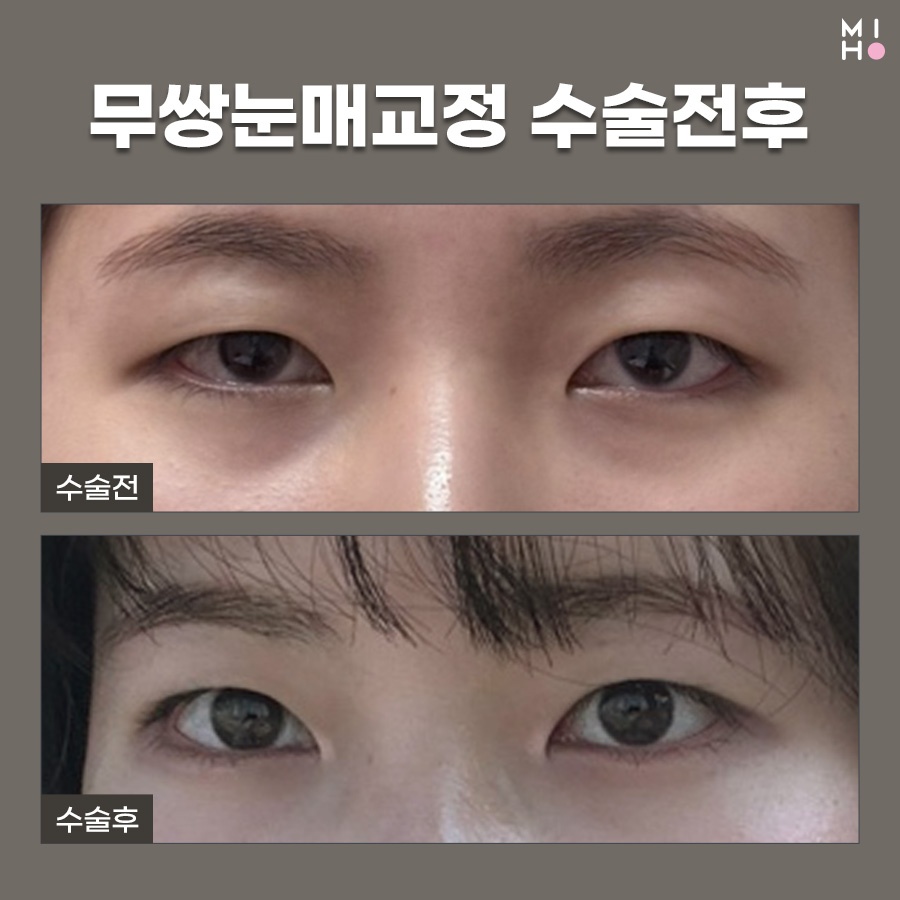
As with other surgical procedures, the preferred design for this solution varied according to gender.
Just as men may prefer a straight nasal bridge while women may prefer a semi-scalloped nose tip, preferences regarding eye shape also differed.
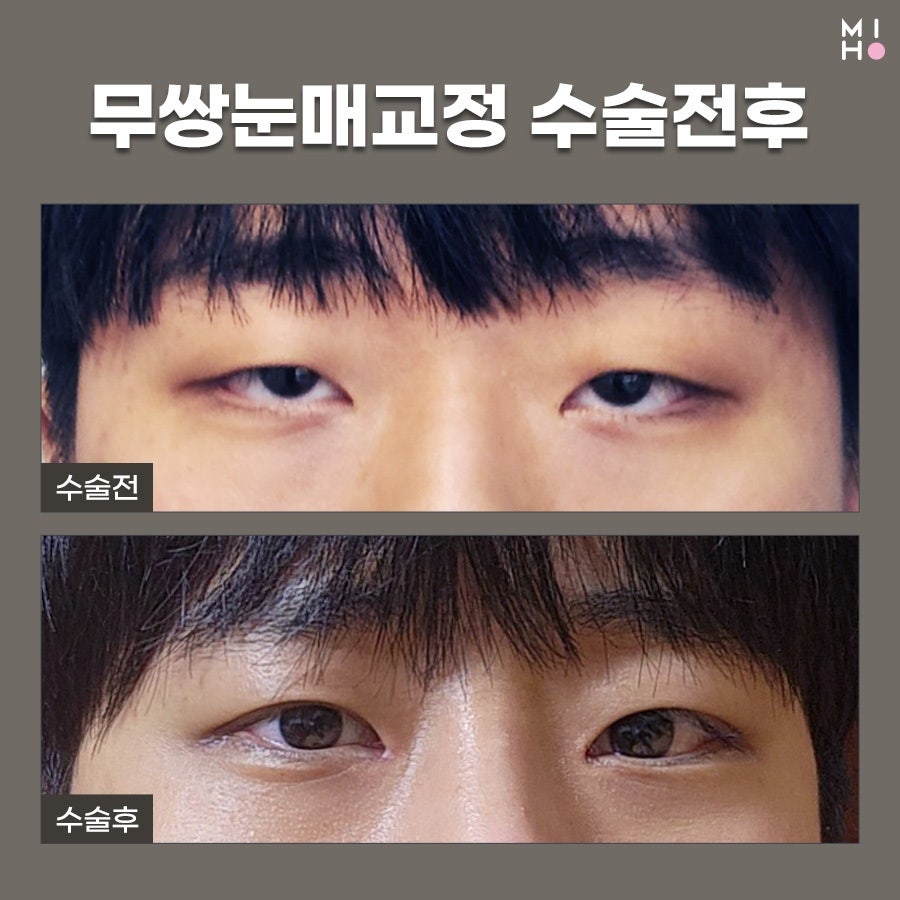
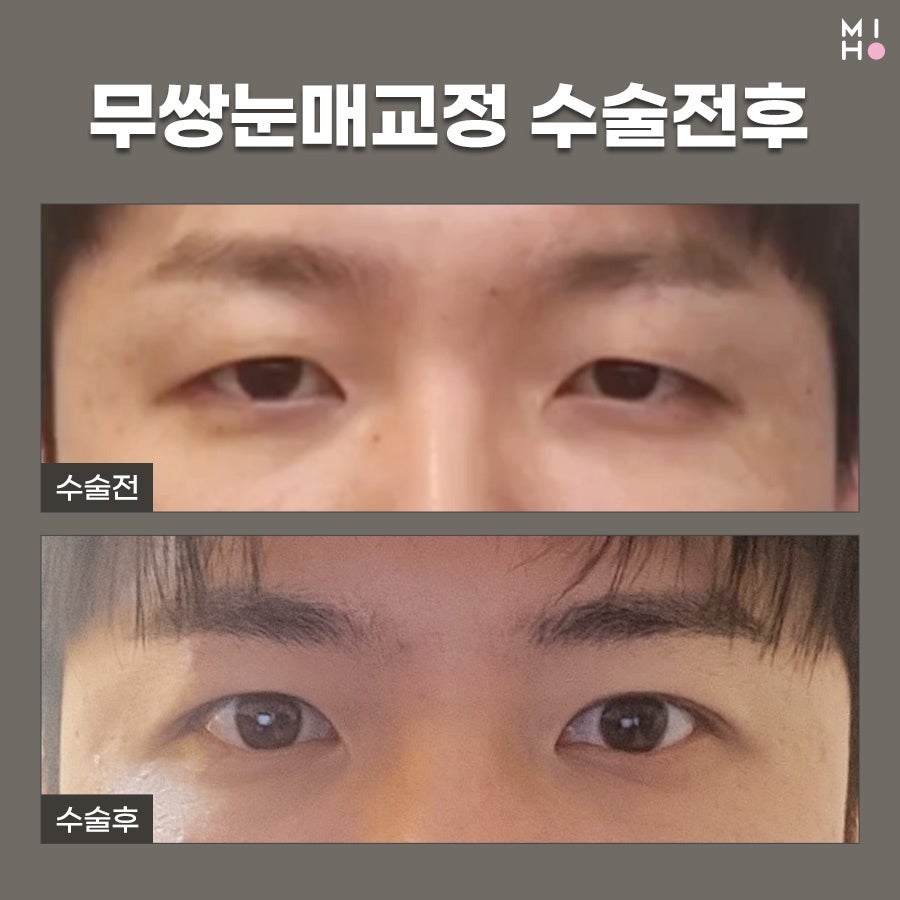
For men, a thick line could instead create a greasy or burdensome appearance, so they often wanted a solution that increased only the size of the eyes without creating double eyelids.
Because the current trend favored a simple style with an understated East Asian aesthetic, many people preferred this type of result.
Rather than following trends unconditionally, it was advisable to apply a design that considered harmony with the other facial features.
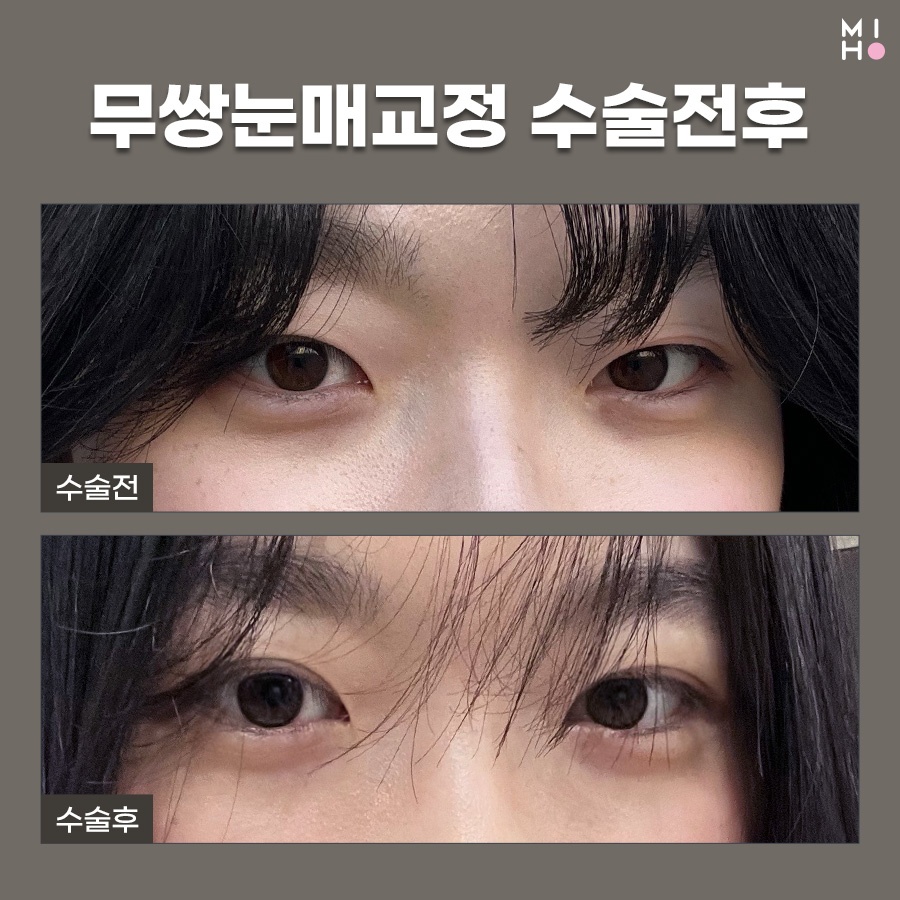
If ptosis was causing inconvenience in daily life, it was advisable to consider non-double-eyelid eye correction.
The longer it was left untreated, the more the appearance could change. In addition, part of the field of vision could become blocked, and the eyelashes could rub against the eyeball, potentially causing chronic inflammation.
Because of this, a foreign-body sensation could be felt frequently, and the conjunctiva could eventually become damaged, potentially reducing vision.
As the upper and lower fields of vision narrowed, safety-related accidents could also occur.
If more than half of the pupil was covered, improvement was necessary for the health and safety of the eyes.
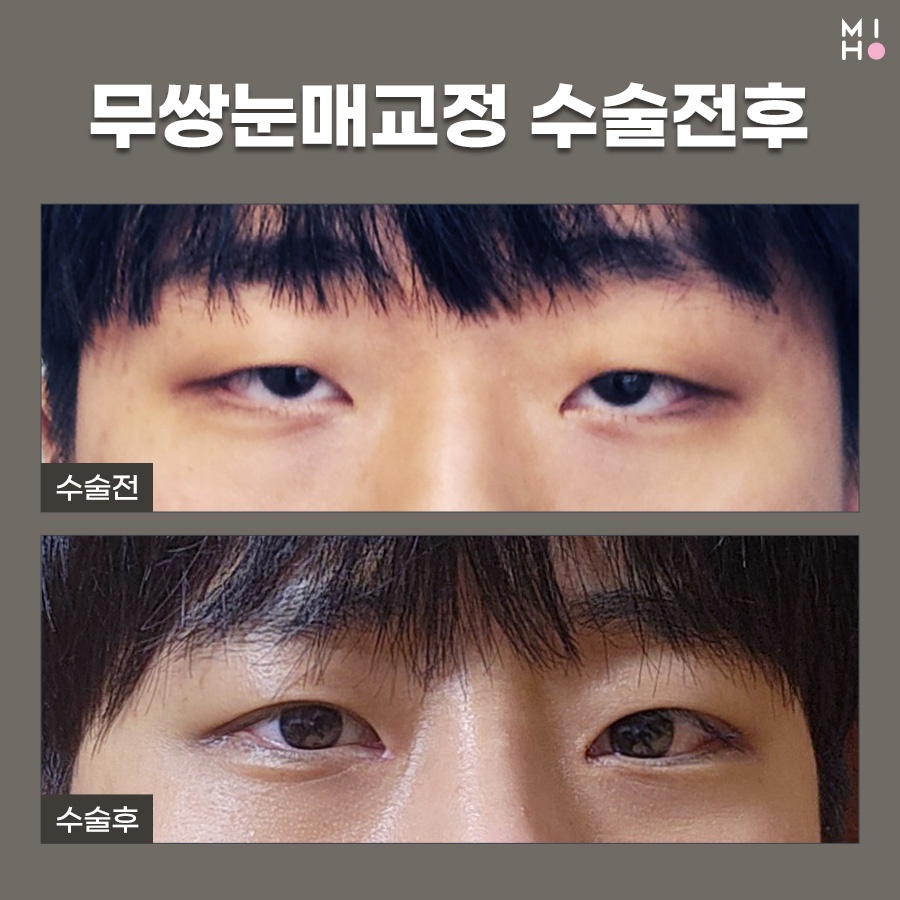
Women and men not only preferred different appearances; the characteristics of their skin and tissue also varied from person to person.
Compared with women, men generally had thicker skin and tended to have more accumulated fat.
Their muscle tissue was also often more extensively developed.
Because the skin layer was thicker and tended to have greater tension, more muscle strength was needed to open the eyes.
Considering these gender-related factors as well was necessary to properly restore the function of the levator palpebrae superioris muscle.
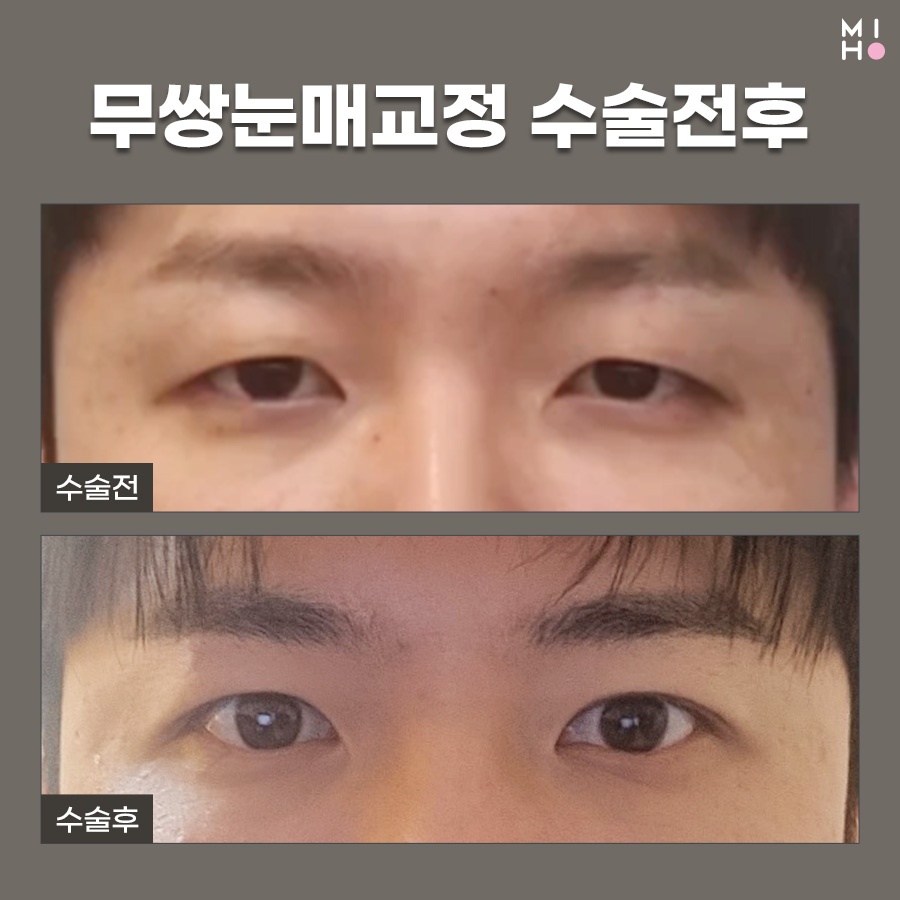
Men often did not wear much makeup, and concerns about going to work or school made them hesitant to undergo correction procedures.
While women could partially cover the area with makeup products, most men generally used only basic skincare products.
They also tended to be more physically active, which could affect recovery.
If it was difficult to cover bruising or red, swollen marks, they were advised to try various methods to shorten the recovery period.
Examples included alternating cold and warm compresses depending on the condition, or gently rolling the area around the treated site.
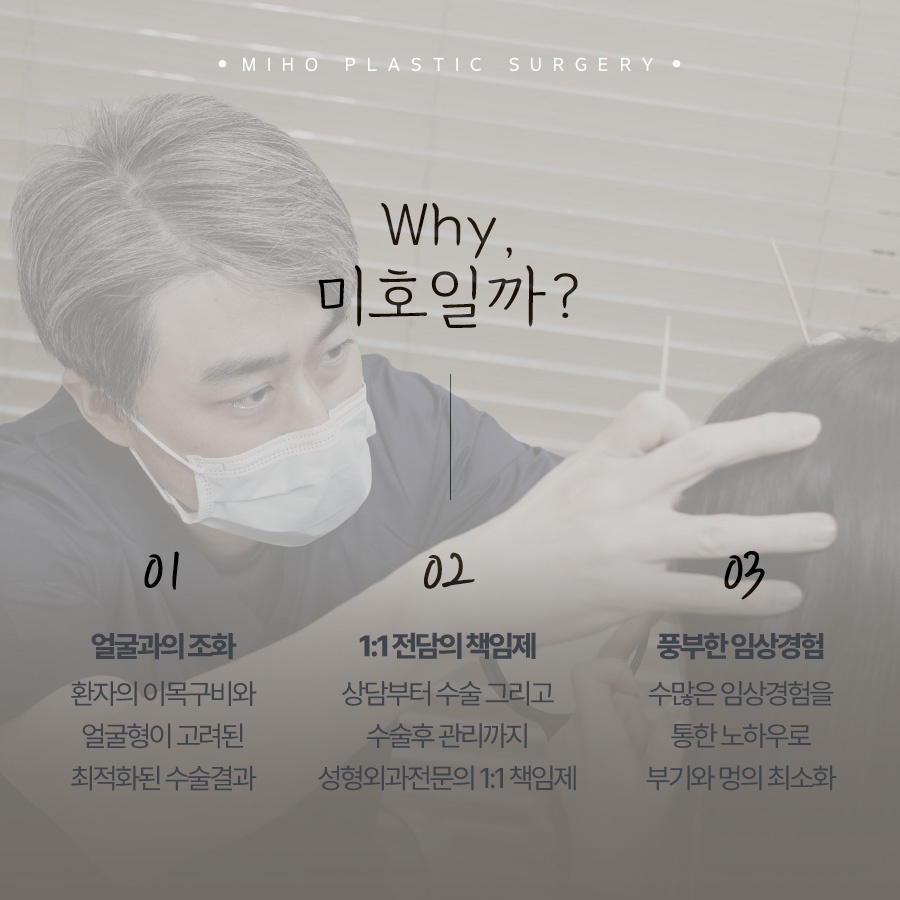
Using the aftercare program provided by the medical institution could help support recovery and allow an earlier return to daily life.
Most importantly, strenuous exercise, saunas, and swimming pools had to be avoided for a while. The incision area had to be kept clean, and alcohol and smoking had to be avoided.
If your eyes seemed to be gradually getting smaller with age, first try a self-test: close your eyes, place your palm on your forehead, and then open your eyes.
If opening your eyes felt particularly difficult, visit a medical institution to have your condition checked. Non-double-eyelid eye correction could then be considered to strengthen the muscles and help restore a clear, defined eye shape.



Previous image
Next image