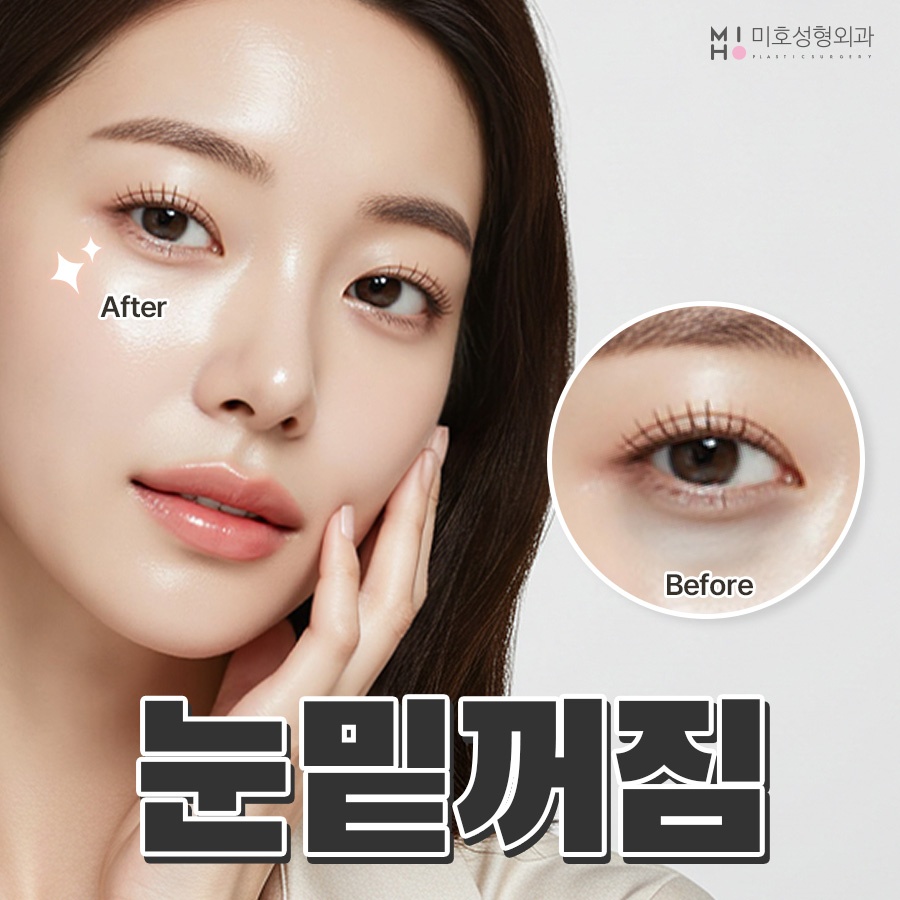
Although aging generally does not cause major problems in terms of function,
it often causes significant emotional distress and self-consciousness
in terms of appearance. As a result, many people use various
methods to try to move away from an aged-looking appearance.
Along with the gradual sagging of the skin,
fine lines begin to appear in various areas,
followed by deep wrinkles. Fat around the eyes may suddenly
accumulate excessively, or under-eye hollowing may become severe.
Because all of these changes can make a person look older,
it is necessary to identify the current condition
and address the issue according to its cause.
In some cases, overall fat repositioning is necessary,
while in others, the deficient volume can be restored
by simply filling the hollowed areas for a more youthful appearance.

Under-eye hollowing may appear particularly prominent
when dark circles are pronounced,
and some cases require correction through a procedure
that addresses problems with the underlying tissue.
As the face ages, the skin gradually begins to lose elasticity,
starting with the thin layer beneath the eyes,
making dark circles more visible.
The firm connective tissues become lax and sag downward.
At this point, fine lines begin to form around the area,
making the eyes look as if they have become hollow.
For middle-aged people with severely reduced elasticity
and a considerable amount of loose skin,
some of the loosened tissue can first be separated
through a lower blepharoplasty to correct a tired-looking appearance.

If fat removal is not necessary and it is determined
that filling only the hollowed areas will help achieve a better outcome,
nanofat grafting can be used to supplement
the weakened layer beneath the skin.
This method provides slight correction only for under-eye hollowing.
The areas where capillaries show through the thinned skin
can be supplemented by filling them with a small amount of fat.
Because only a small area is treated,
recovery does not take a significant amount of time.
If you also wish to correct sagging or fine lines,
an appropriate treatment plan is established before proceeding.

As people enter middle age, they often feel that aging
has progressed further than expected because the orbital fat
may decrease or, conversely, become excessive.
The orbital septum is the tissue surrounding the orbital fat.
When its connective tissues become lax, they can no longer provide
sufficient support, causing the fat contained within to bulge outward.
When a bulging area develops,
the area beneath it may appear even more hollow by comparison,
creating a shadow.
Dark circles caused by these factors may cover a wider area
and make the complexion look dull.

When both protruding and deficient areas appear together,
fat repositioning can be performed by taking fat from areas where it is unnecessary
and placing it again in areas where it is needed.
A certain amount of volume is necessary,
so fat is transferred from areas where it is not needed
to areas where it should be present.
Compared with other implants,
fat harvested from one’s own body is relatively stable.
Therefore, when volume needs to be supplemented,
using one’s own fat is an appropriate option.
The areas beneath or above the eyelids often appear hollow.
Filling them can create an appearance that is closer to a youthful look
than when they are left hollow.

Fat repositioning, which is commonly used
as a way to naturally improve under-eye hollowing,
can be beneficial for people distressed by aesthetic concerns.
Although there may be no major functional problem,
when the face lacks smoothness and a particular area protrudes,
an overall adjustment can harmonize the aesthetic volume
and may lead to a better impression.
However, because the procedure is technically demanding,
the surgeon’s experience and precision are important.

First, an incision is made in the conjunctiva.
The adhesions of the tear-trough ligament,
which make the area beneath the eyes look deeply hollowed,
are then released to correct the hollowed area.
Next, fat taken from the protruding area
is repositioned into the sunken tear trough.
The weakened orbital septum that had become lax
is firmly secured so that it does not bulge out in an unintended location.
Once it has been carefully fixed in place,
the deficient areas are naturally filled,
changing the complexion and overall appearance.
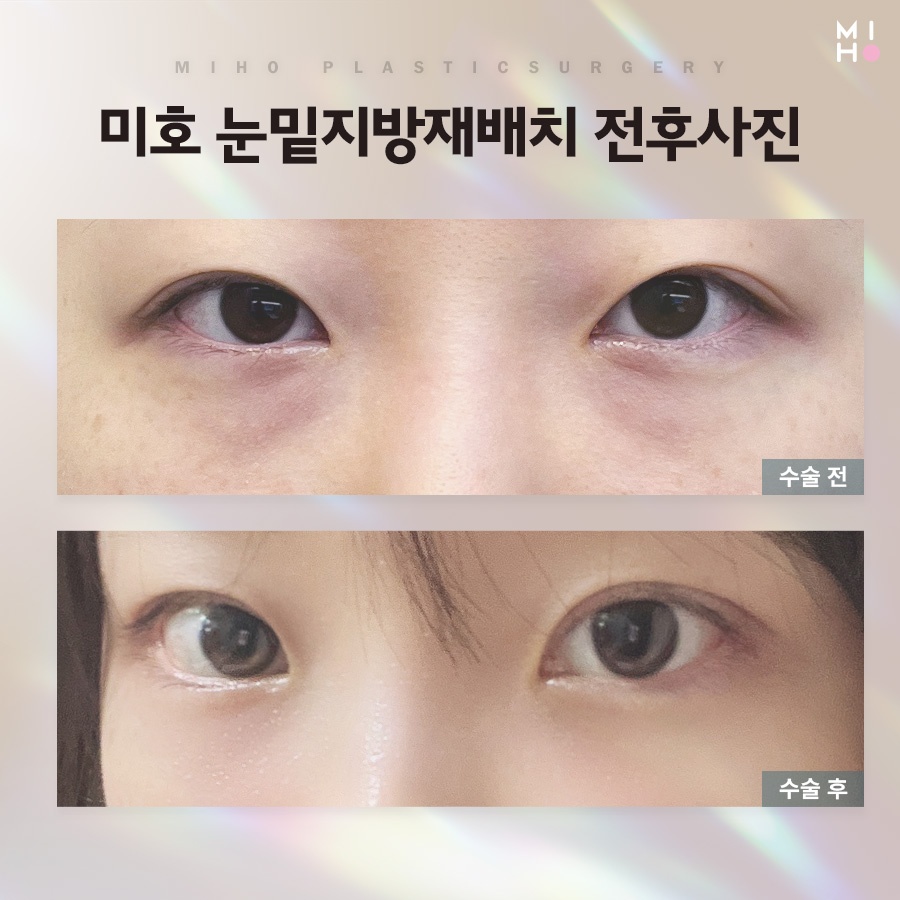
To minimize the scar you may be concerned about,
the incision can be planned to begin in the conjunctiva
so that the area is not normally visible.
If the issue is not limited to severe under-eye hollowing,
but overall loss of elasticity causes the eyelids to droop and obstruct the field of vision,
or the eyelid crease becomes covered and the eyelashes touch the eyeball,
causing various symptoms, lifting a specific area
or combining the procedure with an upper blepharoplasty may also be considered.
If aging beneath the eyes is pronounced,
a lower blepharoplasty may be performed.
As the appropriate area and method differ according to the cause and condition,
and the design must also be tailored to each individual,
you should examine the surgeon’s level of clinical experience.
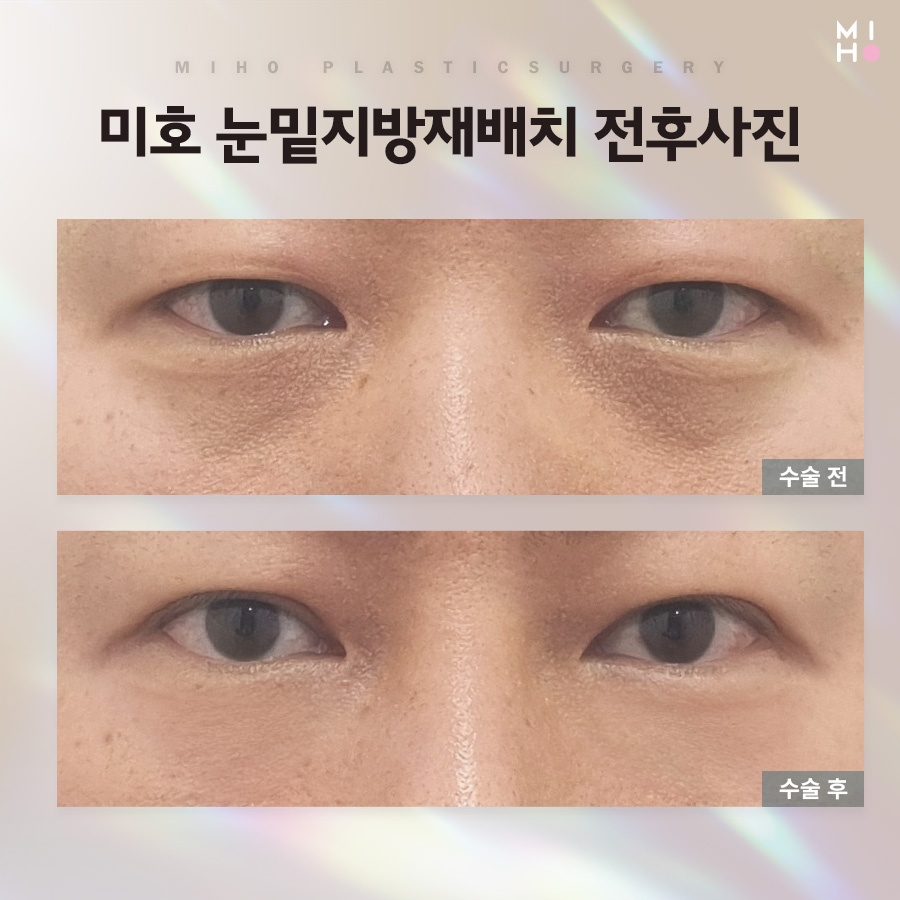
If you decide to undergo the procedure,
you should also consider the subsequent recovery time,
so please devote careful attention to your initial care.
Water should be kept away from the area as much as possible.
Because swelling may continue even after five days,
you should receive appropriate assistance through the care program provided.
If the internal tissues are damaged, this can soon lead to inflammation
and become difficult to manage.
Therefore, it is appropriate to follow the care guidelines carefully
and focus on your recovery.
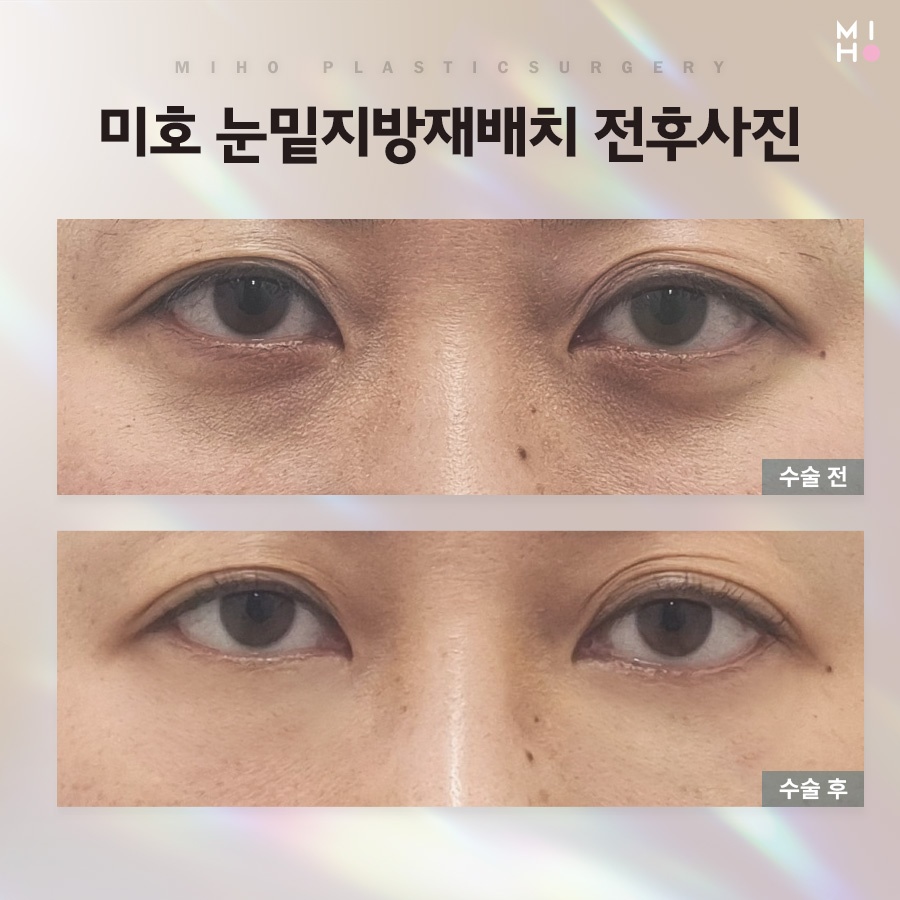
Under-eye hollowing is a noticeable change
that can make the face look older,
so it is natural to feel impatient when you discover it.
Even so, treating areas unrelated to the cause,
making excessive incisions, or repositioning too much fat
can disrupt facial harmony and inevitably create an unnatural appearance.
Keeping in mind that naturalness is the most important consideration
may help you examine your options more carefully.
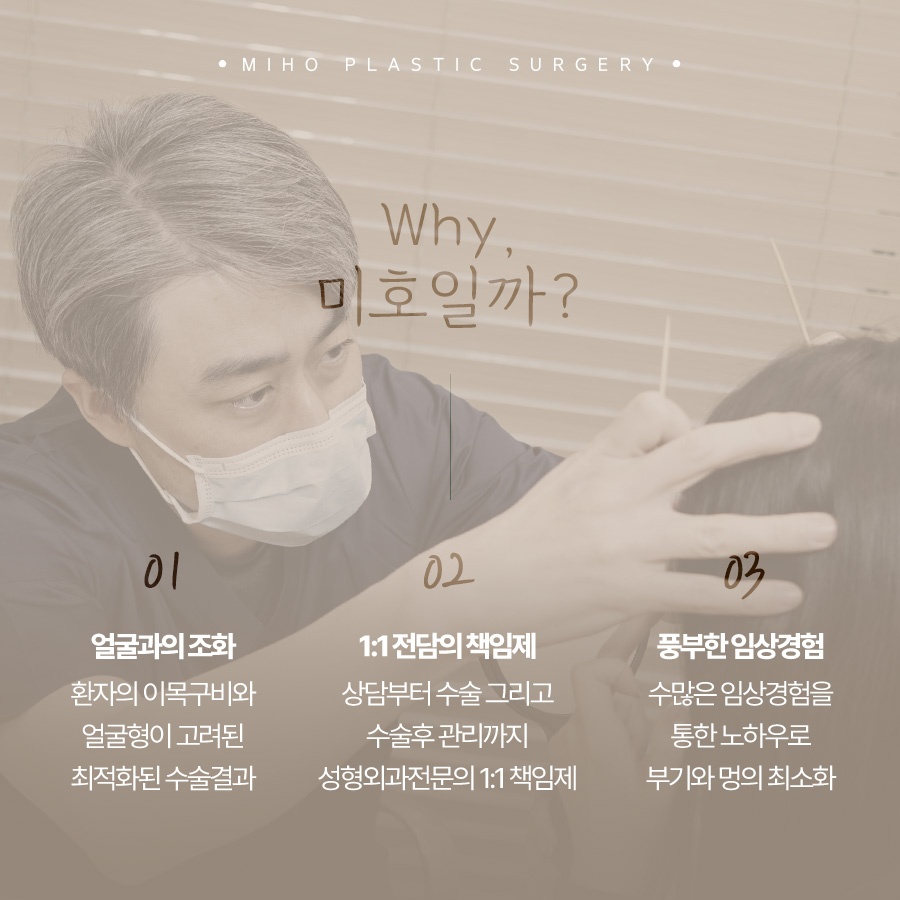
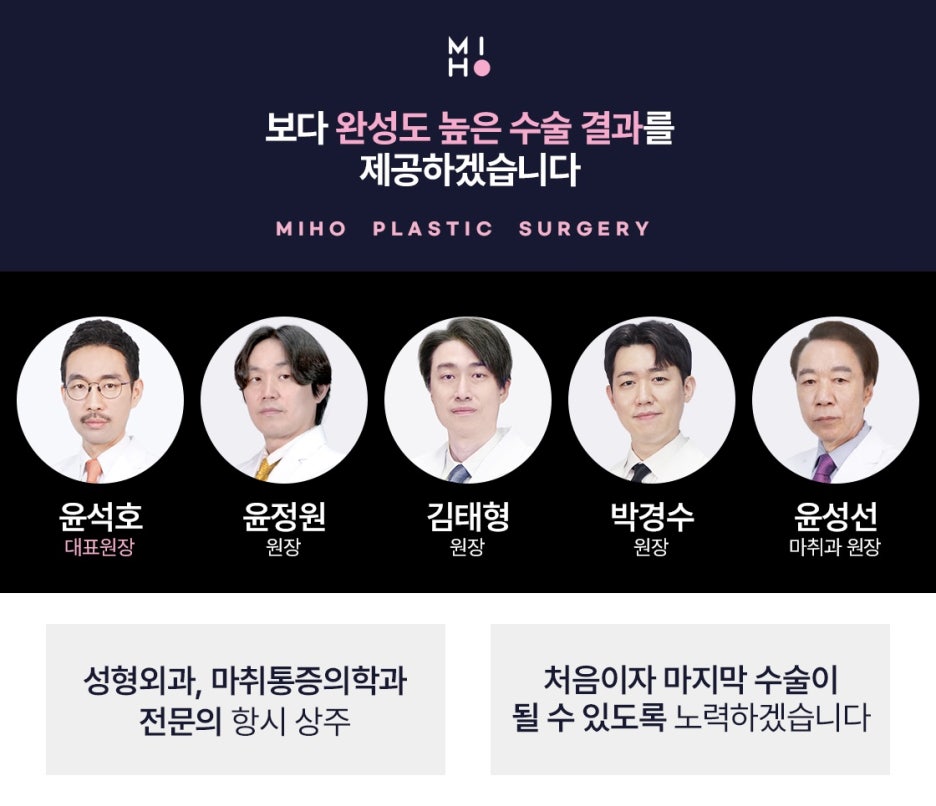
Through a direct consultation with a surgeon
who draws on not only diverse clinical experience
but also anatomical knowledge,
first determine whether the clinic inspires confidence.
If you examine every aspect carefully and make a prudent decision,
it may help you move toward a better appearance
while easing your self-consciousness.


Previous image
Next image