
When the nose has a harmonious overall shape,
it can create a neat and sophisticated image
that blends naturally with the other facial features.
Even if the bridge of the nose is prominent,
if the nostril wings look broad and flat or
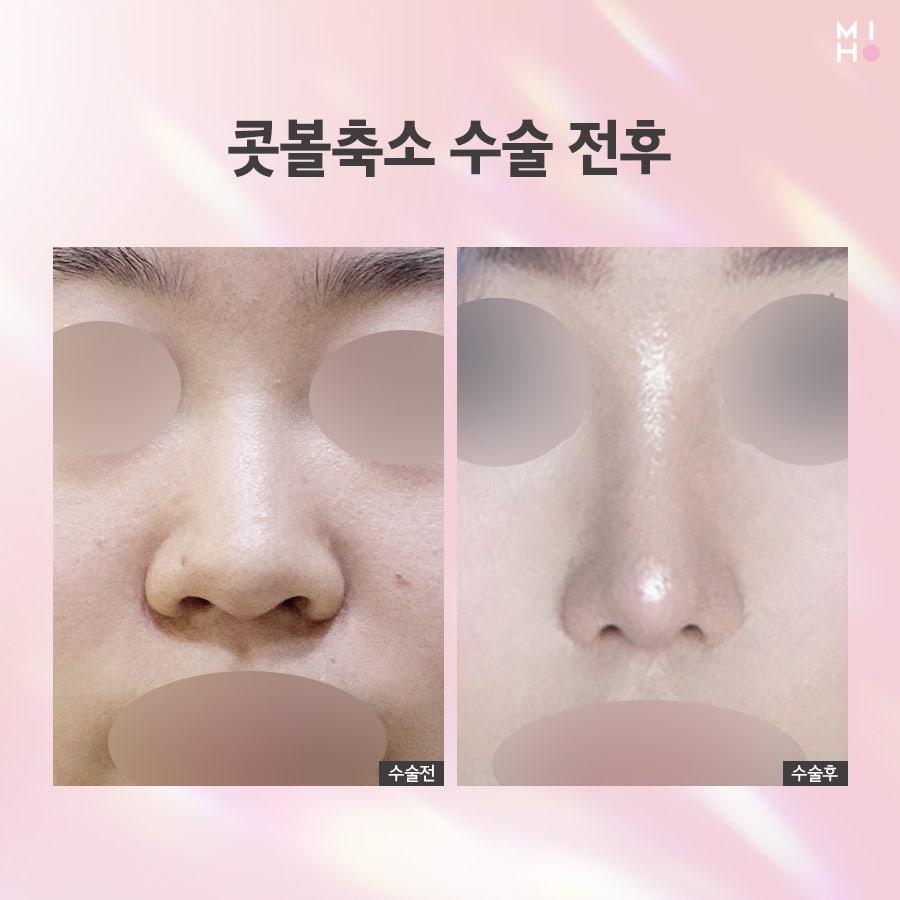
blunt like a bulbous nose, alar reduction surgery
may be used to improve the balance and help achieve
the desired aesthetic results. Above all, however,
it is important to find a design that suits you.

A nose with thick, full-looking nostril wings
is commonly referred to as a bulbous nose.
Because it can give a warm and innocent impression,
the number of people who regard it as a complex
continues to increase.
To correct this, you must first understand
what kind of help you need and whether
alar reduction surgery is truly appropriate.
This is because the design must ultimately
take the entire face into consideration.

The nose is an area that must be evaluated
from every angle, including its appearance
from the front and its profile.
In addition to height, its width, shape,
and the degree to which the nostrils are visible
should all be adjusted carefully.
Because the causes of a bulbous nose, which can
make an impression seem unsophisticated, and the
appropriate correction can vary from person to person,
it is advisable to consider many factors through
a detailed examination and consultation with your doctor
before deciding on alar reduction surgery.
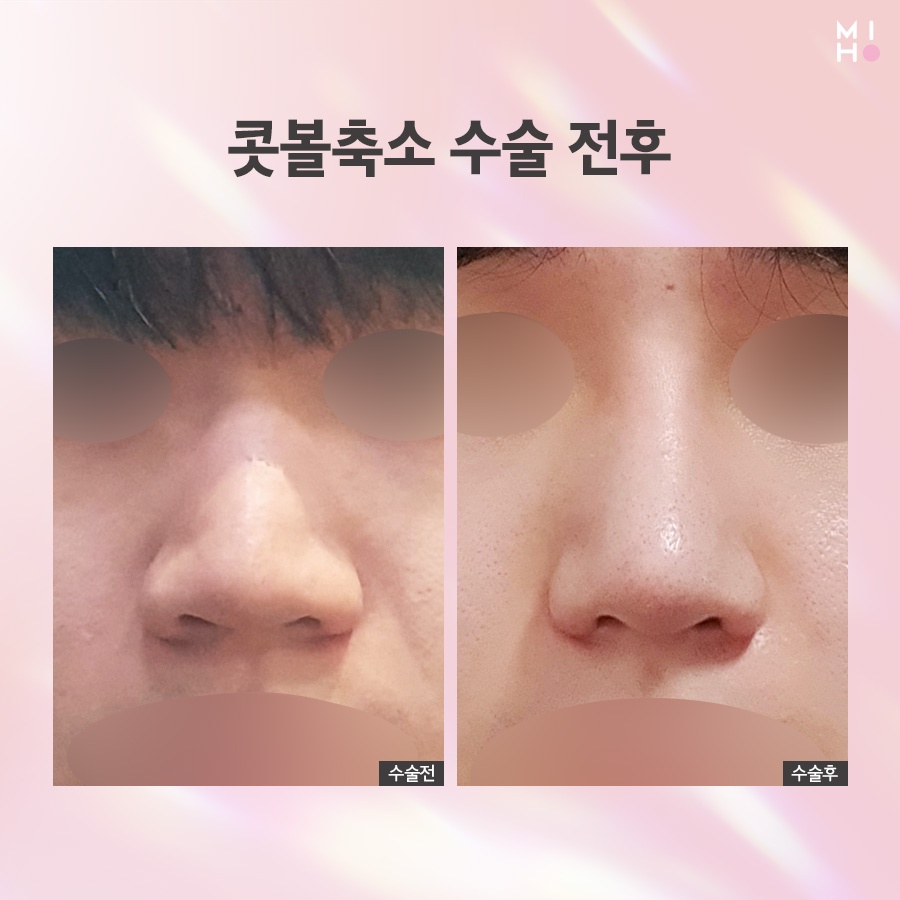
If there is a substantial amount of subcutaneous fat,
the tip of the nose may look excessively blunt.
If the nose is naturally spread out,
it may be refined by narrowing it.
In some cases, however, the shape can only be corrected
by addressing the cartilage.
Although the causes are varied, the design that suits
each person is also different. This is because, in addition
to the overall volume of the face, the impression created
by other facial features such as the eyes and lips varies.
As a basic principle, a careful plan tailored to one person
should be established before proceeding.
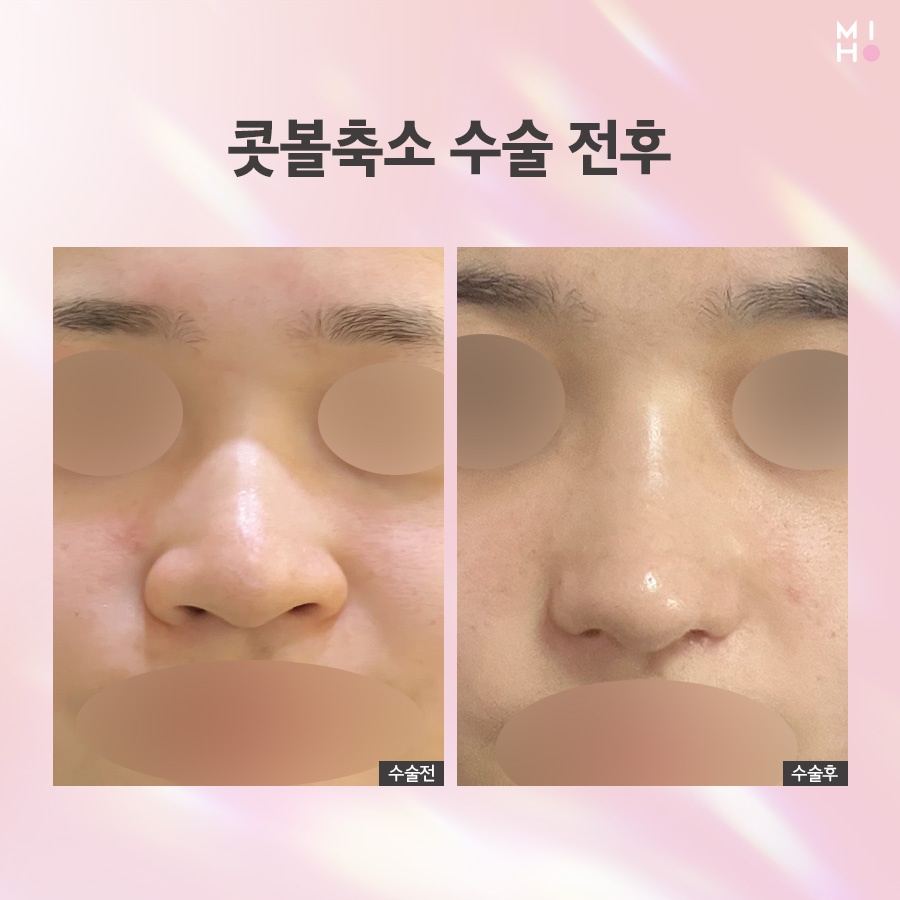
When only the nostril wings are corrected
without an issue with the bridge of the nose,
an appropriate shape is planned based on
the existing facial features.
If the bridge is also low and short and you want
to address this at the same time for a more defined
and open impression, the overall design is planned.
The differences between surgical techniques and their
respective contributions are carefully reviewed,
a suitable method is then applied to help produce
a more natural result.

Among the methods of alar reduction surgery,
the non-incisional method does not involve an incision,
so the procedure takes less time and there is less concern
about scarring.
However, bruising and swelling may occur,
it cannot be applied in every case,
and it can be difficult to predict how long
the results will last.
If the cause is related to the alar cartilage,
the separated area may be closed by tying the internal tissue.
When the nasal septum is corrected at the same time,
the nostrils may appear relatively more refined.
However, if the case does not correspond to this condition,
it may be difficult to expect a positive result.
In other cases, an incisional method is used.
This can address various issues, such as when
the nostrils are asymmetrical, when the tip lacks volume
and requires augmentation, or when the subcutaneous tissue
is too thick for tying alone to be effective.
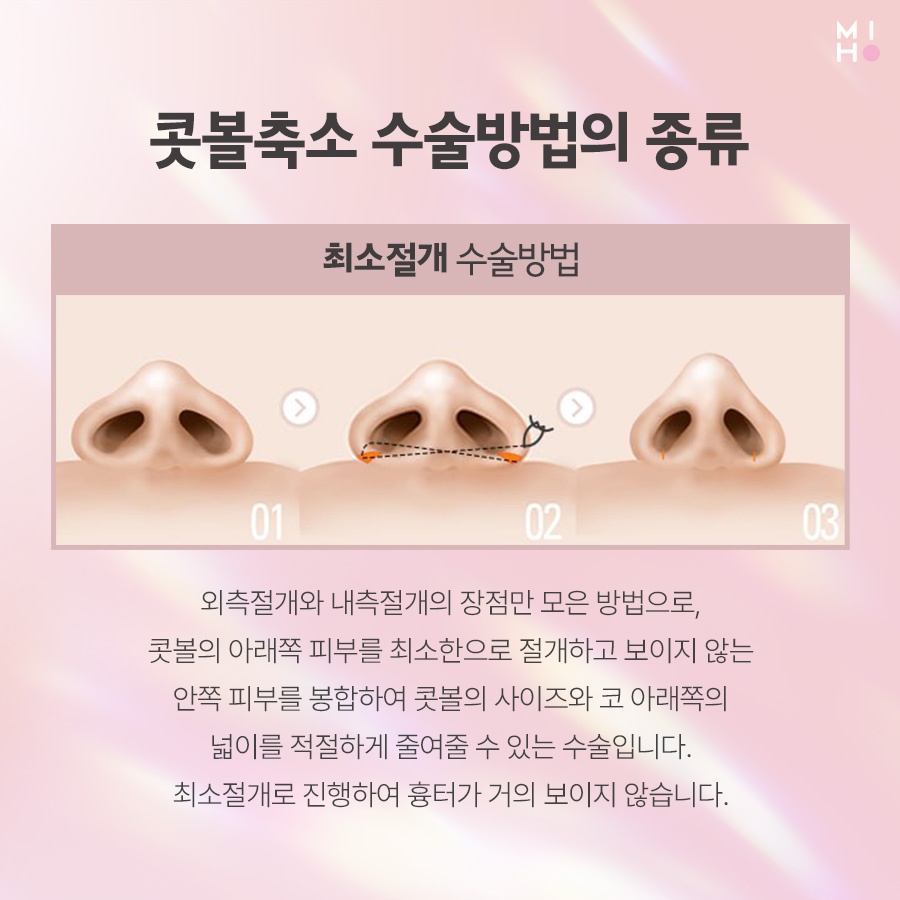
To minimize the scar area while helping recovery progress
more quickly, the approach uses a substantially reduced
incision. Areas lacking volume may be supplemented
with harvested ear cartilage or similar material.
If you want the shape of the bridge to continue naturally
as one unified form, an incision may also be used to insert
an appropriate implant designed to match the plan,
followed by suturing and observation of the subsequent course.
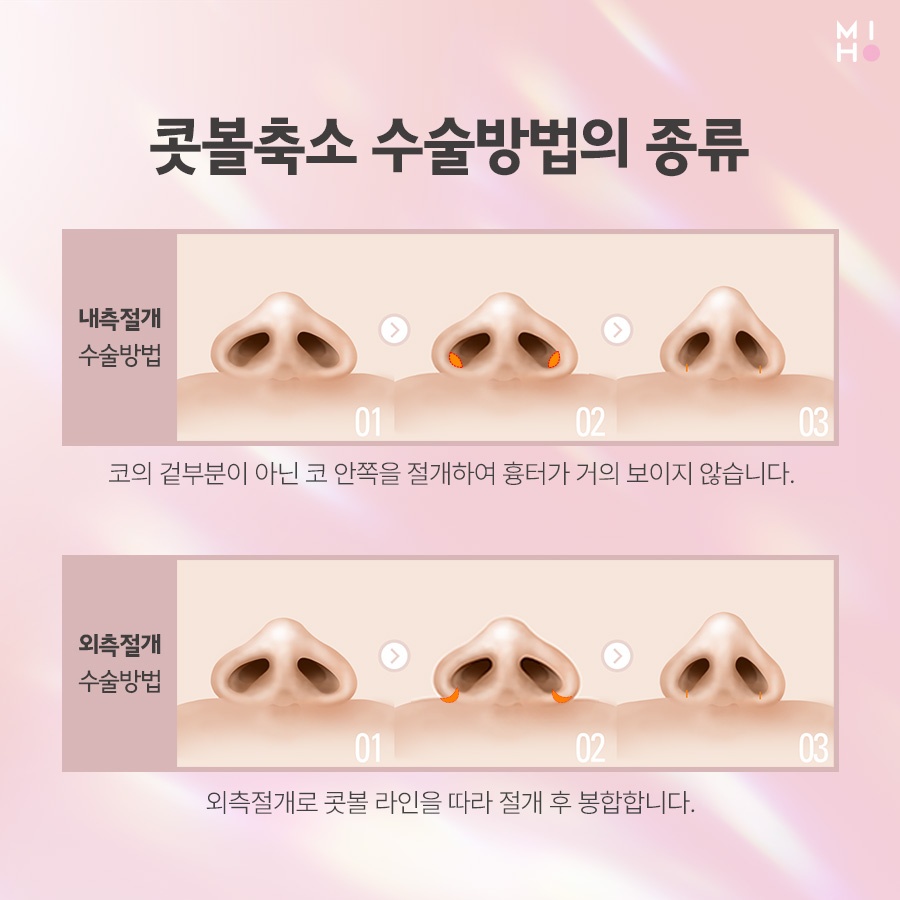
As more people are becoming highly concerned about
scarring after alar reduction surgery, an approach involving
an incision on the inner side of the nose is used.
If the incision begins on the outer surface of the nose,
the healing scar may be visible externally during recovery.
Red marks or shiny white scars may remain for a long time.
With an internal incision, the width of the nostrils can be
created to suit the shape of your face and the impression
you wish to achieve.
Although the nose is often discussed primarily for aesthetic
reasons, it is fundamentally involved in breathing.
Therefore, when proceeding, it is necessary to identify
the cause and carefully apply an appropriate method
so that functional problems do not arise.
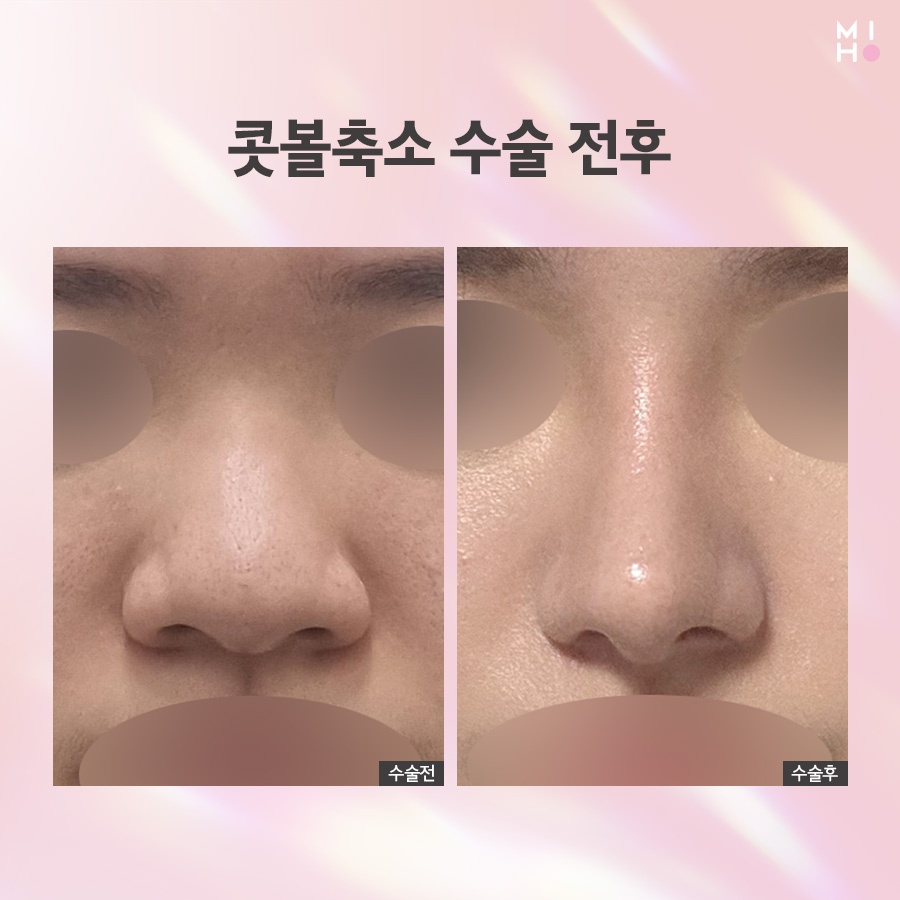
The method is therefore important. When considering
future results, the incision should be made as inconspicuous
as possible so that you do not suffer from visible marks.
The nose may look different when viewed from different angles.
Even a design that appears suitable from the front
may look somewhat awkward or unnatural from the side,
so caution is necessary.
Once the internal tissue has been damaged,
further correction becomes even more difficult.
Therefore, even if you are currently dissatisfied,
focus on recovery first, then consult your doctor
to determine the appropriate time to proceed.
If you have already undergone a procedure,
please continue with the provided recovery program
and take care to prevent problems such as inflammation.
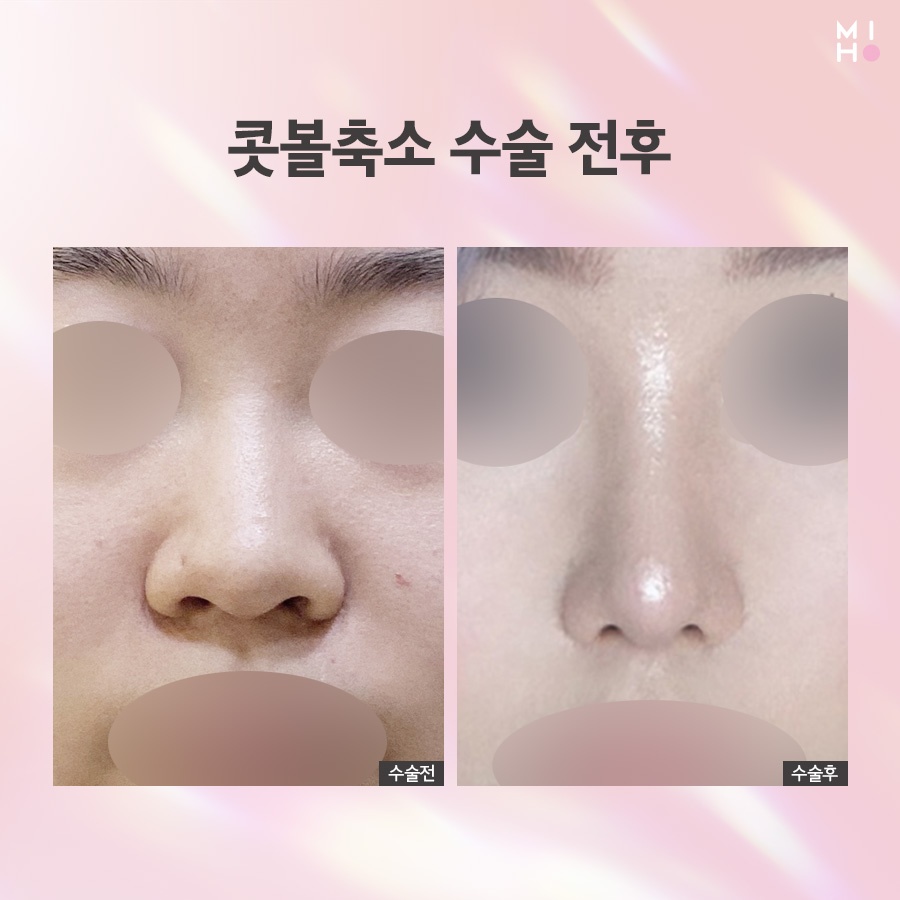
Alar reduction surgery may seem like a relatively short procedure,
but if the decision is not made carefully,
there is a risk that the situation could become worse.
It is important to keep an open mind and consider
what you want, what is realistically possible,
and the overall harmony of your face.
If you follow the recovery guidelines,
you can generally stabilize enough to resume daily life
within about a week. Avoid touching your nose excessively,
entering the water, or engaging in activities that cause
heavy sweating. Refrain from smoking and drinking
to support a favorable recovery.
Follow the recommended periods for cold and warm compresses,
and avoid wearing glasses that put pressure on the nose
for at least six weeks whenever possible.
Through findings that support your carefully considered decision
and our commitment to every step of the process,
we will devote our full effort at every moment
so that an approach tailored to each individual
can lead to the desired result.



Previous image
Next image