
As perceptions of personal appearance have changed,
many people are considering male eyelid surgery
because they want a neat and sophisticated impression.
In particular, those with significantly asymmetrical eyes
or those who are often told they look sleepy
because their eyes lack definition
may consider this a source of insecurity.
Since the eyes are the first feature people notice
when meeting someone for the first time,
they inevitably receive extra attention.
Improvement may be considered
for the overall image.
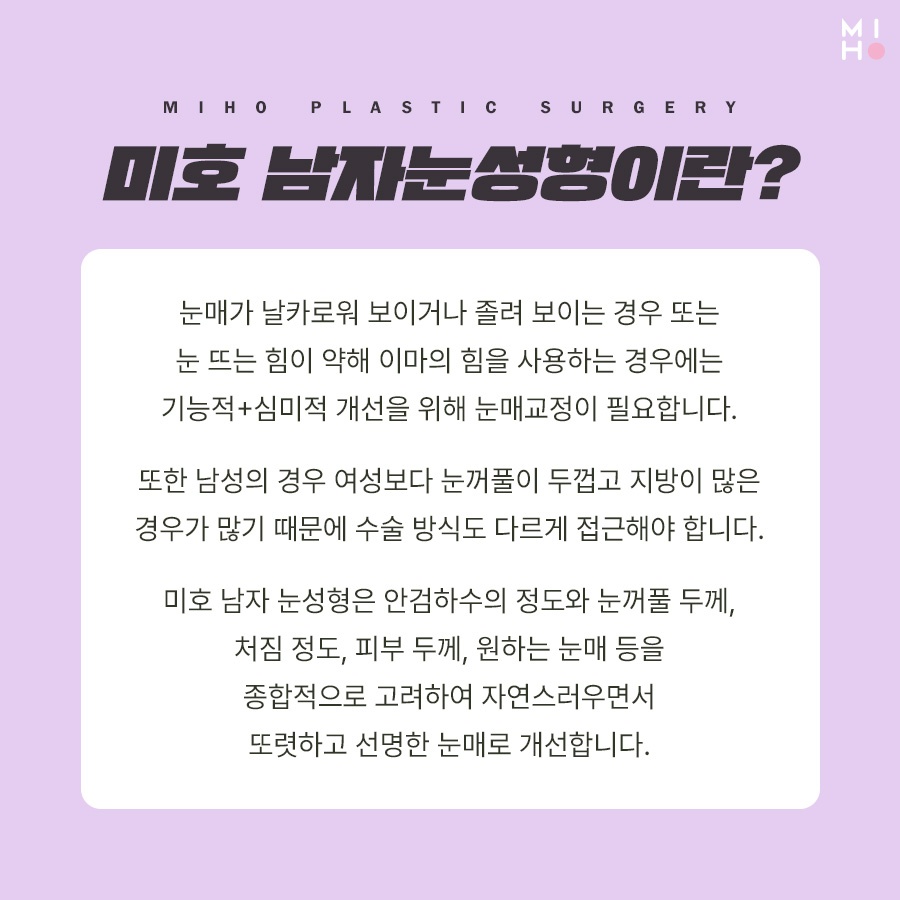
When people think of male eyelid surgery,
they often imagine an overly affected impression.
In fact, this is a concern we hear frequently
during consultations as well.
While avoiding an overly imposing look,
we create a natural impression
through a delicate design tailored
to each person's facial features.
The focus is placed on a natural and understated look.
Rather than creating an excessively visible crease,
the usual approach is to refine the eye shape
while maintaining a hidden or crease-free eyelid.
The goal is not simply to create beautiful eyes,
but to refine the overall mood
into something more sophisticated and neat.
For example, sleepy-looking eyes
are addressed not simply by creating an eyelid crease,
but with eye-shape correction as the main focus.
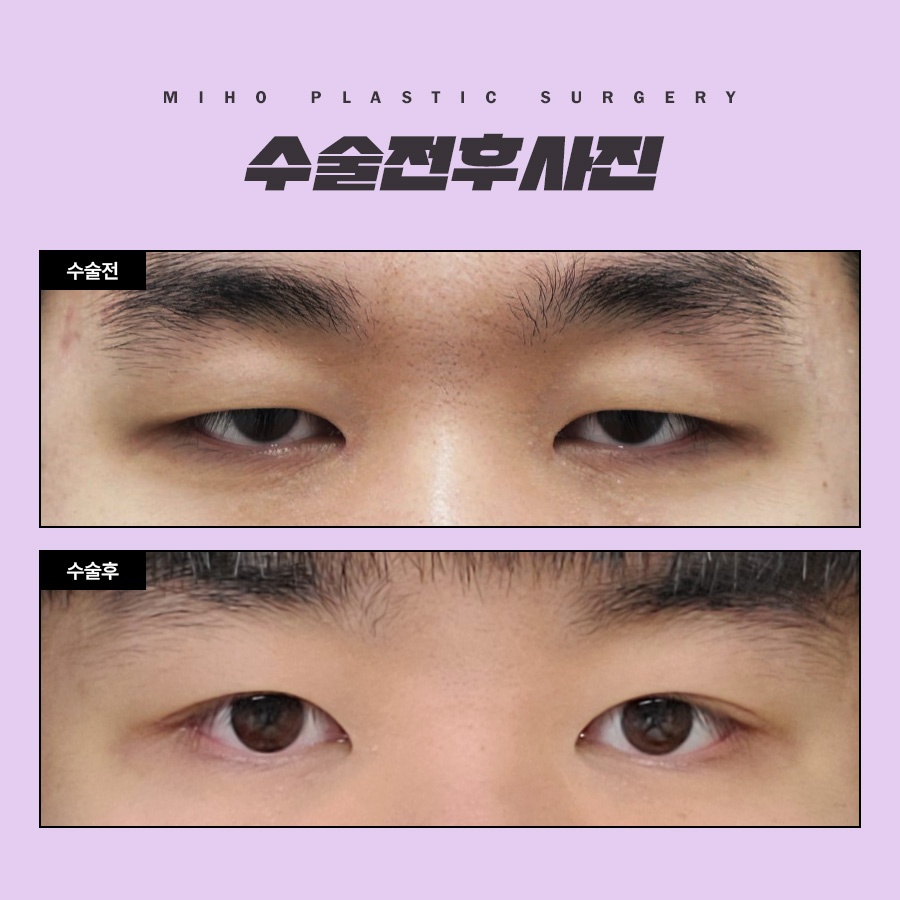
When the muscles used to open the eyes are weak
and the forehead muscles are overused,
wrinkles may develop and the expression may look heavy.
In such cases, the muscles used to open the eyes are strengthened,
and a hidden eyelid crease may be added
when necessary.
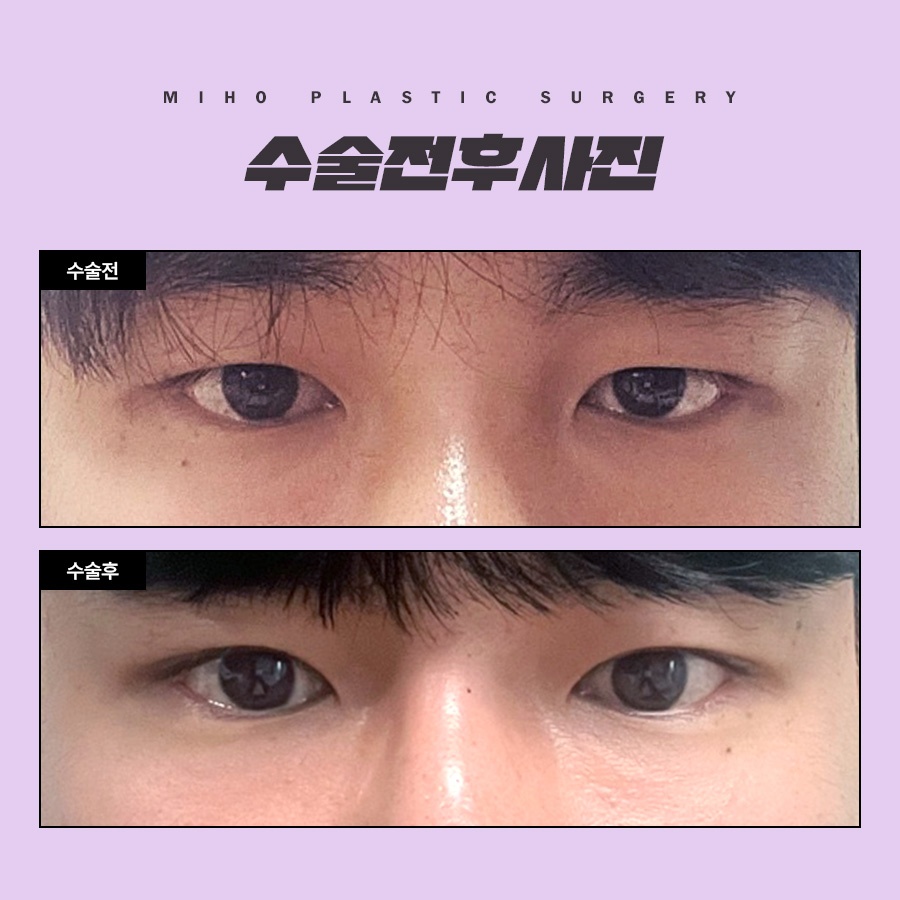
In addition, when there is a significant difference in height
between the two eyes or the eyes are asymmetrical,
male eyelid surgery can create a more balanced line.
What matters is a harmonious design
that sufficiently considers each person's face shape,
the distance between the eyes,
and the position of the eyebrows.
Because this is highly precise work,
satisfaction can vary depending on experience and expertise.
Because men's eyelid skin is generally thicker
and contains more subcutaneous tissue
than women's,
the structure of the muscles and fat
is analyzed in detail according to these characteristics.
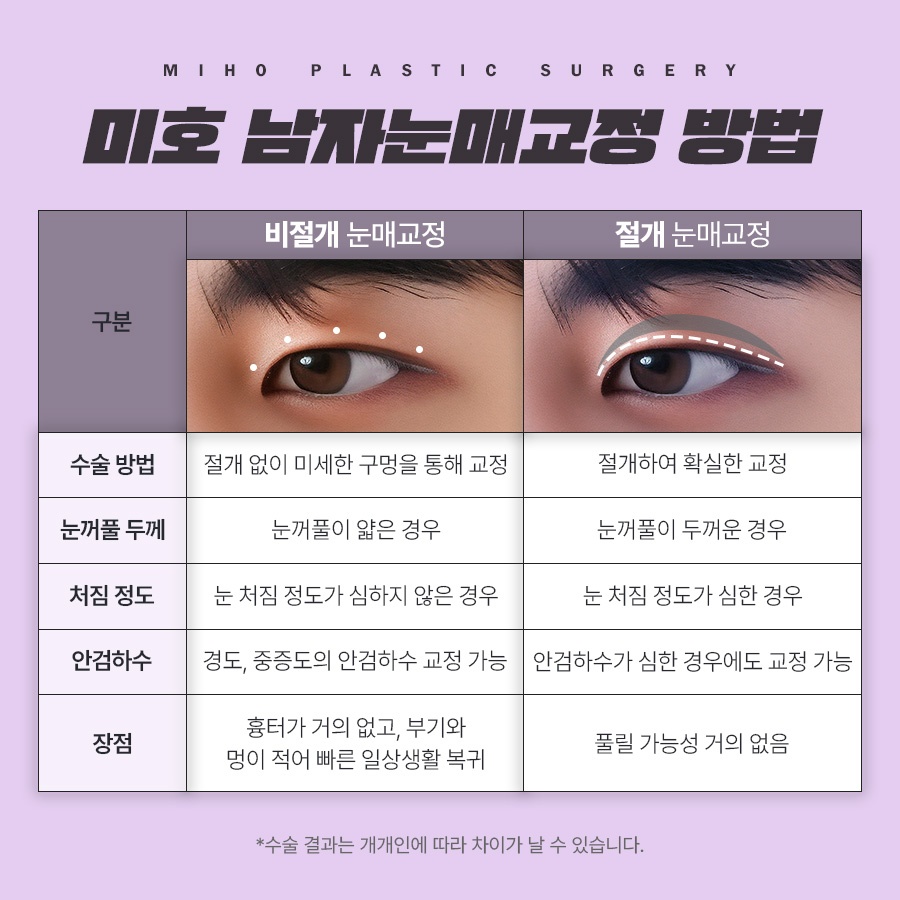
The choice between an incisional and non-incisional method
depends on the individual's eye condition.
Depending on the desired image and skin characteristics,
various shapes may be selected,
including crease-free, hidden-crease, and inner-line styles.
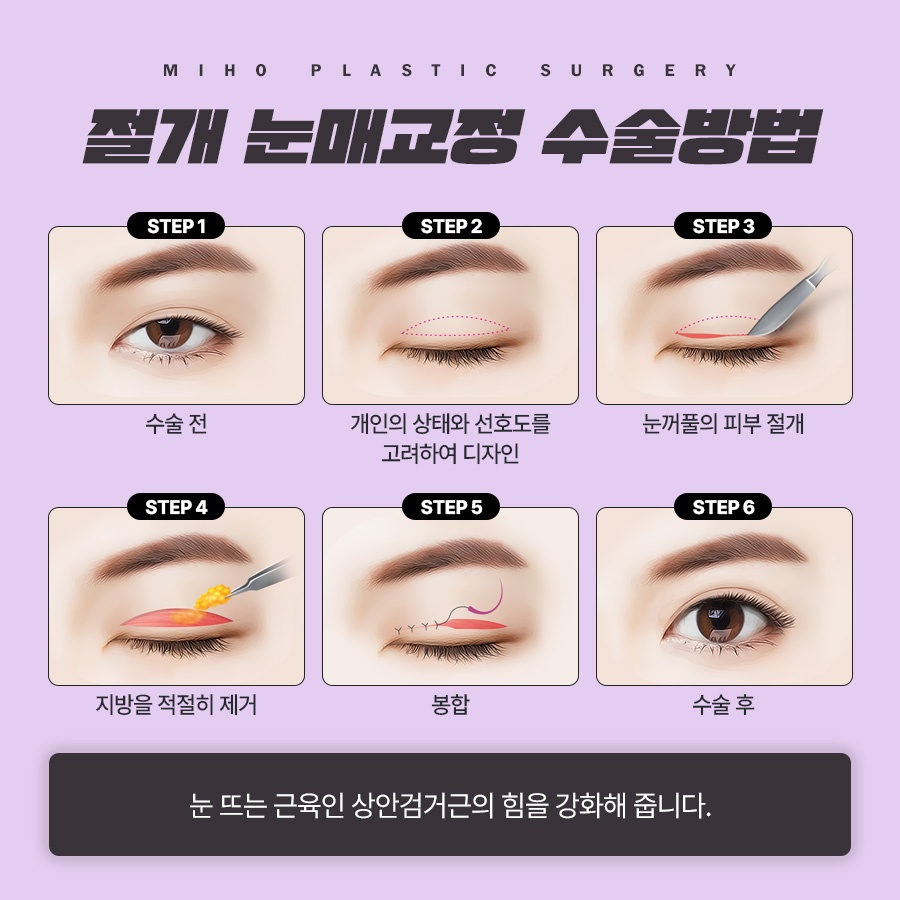
If the eyelids are thick
or the degree of drooping is pronounced,
an incisional method may be recommended.
This method improves eye definition
by removing part of the skin and fat
and adjusting the muscles.
If the crease is designed incorrectly,
however, the eyes may appear sharp and cold,
so an appropriate design is used
to create a defined image.
On the other hand, if the skin is thin,
there is little fat,
and the degree of drooping is not severe,
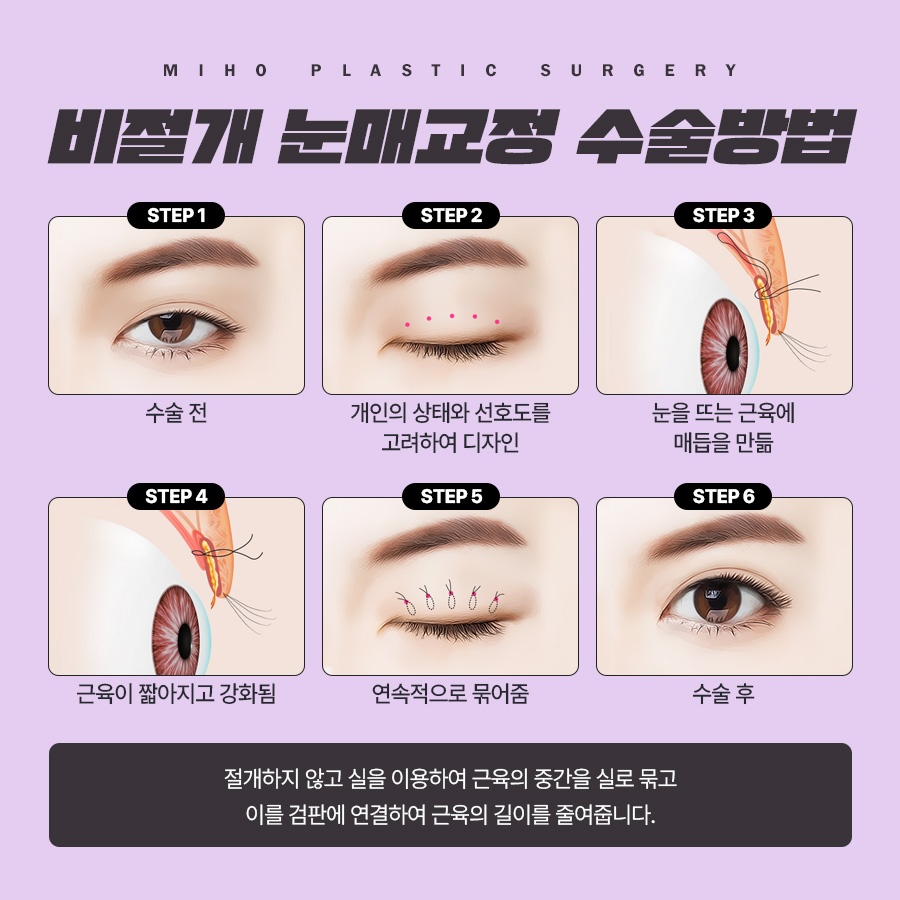
a non-incisional method may be used.
This method corrects the eyelids
through tiny openings
and has the advantages of faster recovery
and fewer scars.
Those who already have a natural eyelid crease
can also achieve their desired eye shape
by naturally reducing or removing the existing crease.
If a more three-dimensional impression is desired,
adding an eye-opening procedure may also be an option.
When the outer corners of the eyes turn upward
and create a fierce look,
or when the horizontal eye length is short,
male eyelid surgery can create a softer impression.
It can also relieve a closed-in appearance
and create a kind and brighter look.
Although it is important to proceed safely
using a method suited to each individual,
aftercare also has a significant impact
on the results.
Even if the procedure is completed successfully,
it may be difficult to expect satisfactory results
if carelessness during recovery
or unfavorable lifestyle habits continue.
Therefore, consultation should include
a plan for aftercare as well.
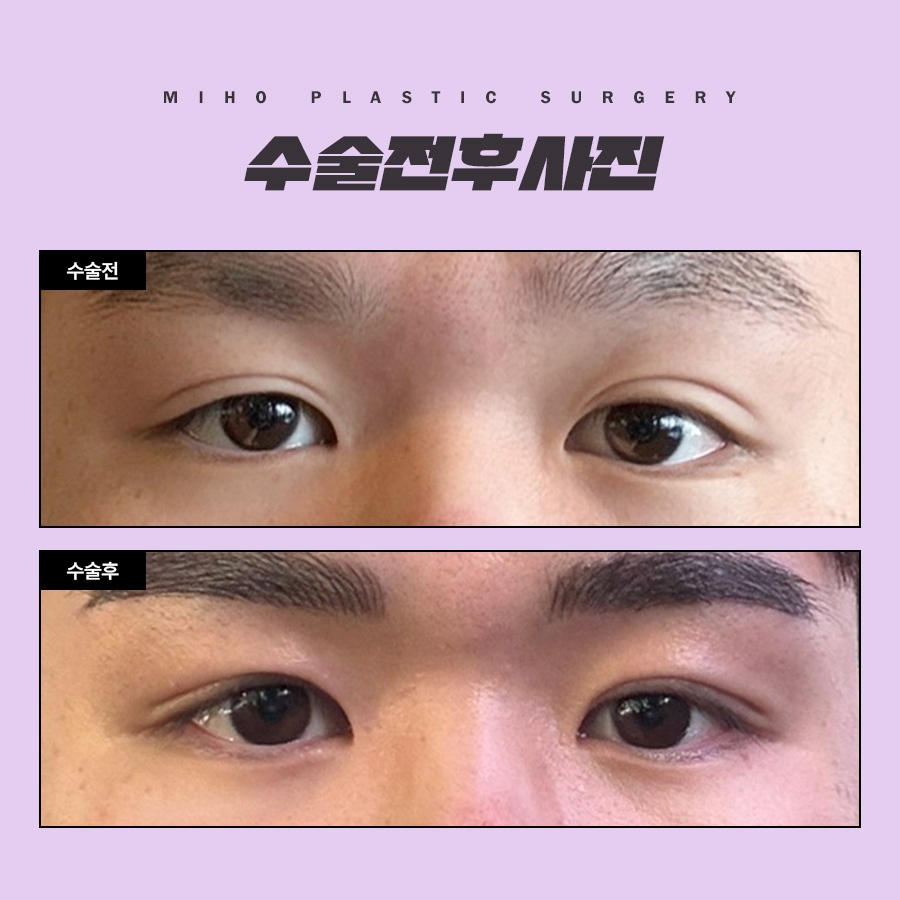
First, because the area around the eyes is sensitive,
it is necessary to understand that swelling and bruising
are normal.
Depending on the individual, swelling may last longer
or bruising may appear to spread,
but in most cases it gradually subsides over time.
During this period, avoid rubbing the eyes absentmindedly
or touching them with your hands.
Excessive external stimulation may damage
tissue that is still healing
and increase the likelihood of crease adhesion
or scar formation.
Using a smartphone for extended periods
may also delay recovery.
Staring at a screen for a long time can interfere
with blood circulation around the eyes,
causing swelling or a feeling of tightness to persist,
so practicing a digital detox for about a week
may be helpful.
It is also important to follow
the provided instructions carefully.
Applying warm or cold compresses
at the recommended times
and applying ointment on schedule
can help speed recovery.
Sun protection when going outdoors
must not be overlooked.
Sunlight can worsen pigmentation or scars,
so outdoor activities should be avoided as much as possible.
When going outside is unavoidable,
hats or sunglasses should be used actively
during the early recovery period.
In addition, getting enough sleep
and consuming adequate nutrients
are the most basic ways to support recovery
after male eyelid surgery.
Maintain a diet rich in protein and vitamins,
and it is best to limit caffeine and salty foods,
as they may cause swelling.
One point to be careful about
is proceeding based on incorrect information.
Some clinics may say that sufficient changes
can be achieved through standardized methods,
but factors such as skin elasticity
and fat distribution differ from person to person.
Therefore, it is especially important
to assess the individual's condition
and select a method suited to it.
Designing an eyelid crease too aggressively
or simply following trends
is less desirable than creating a plan suited
to the individual.
This can lead to a much more satisfactory result.
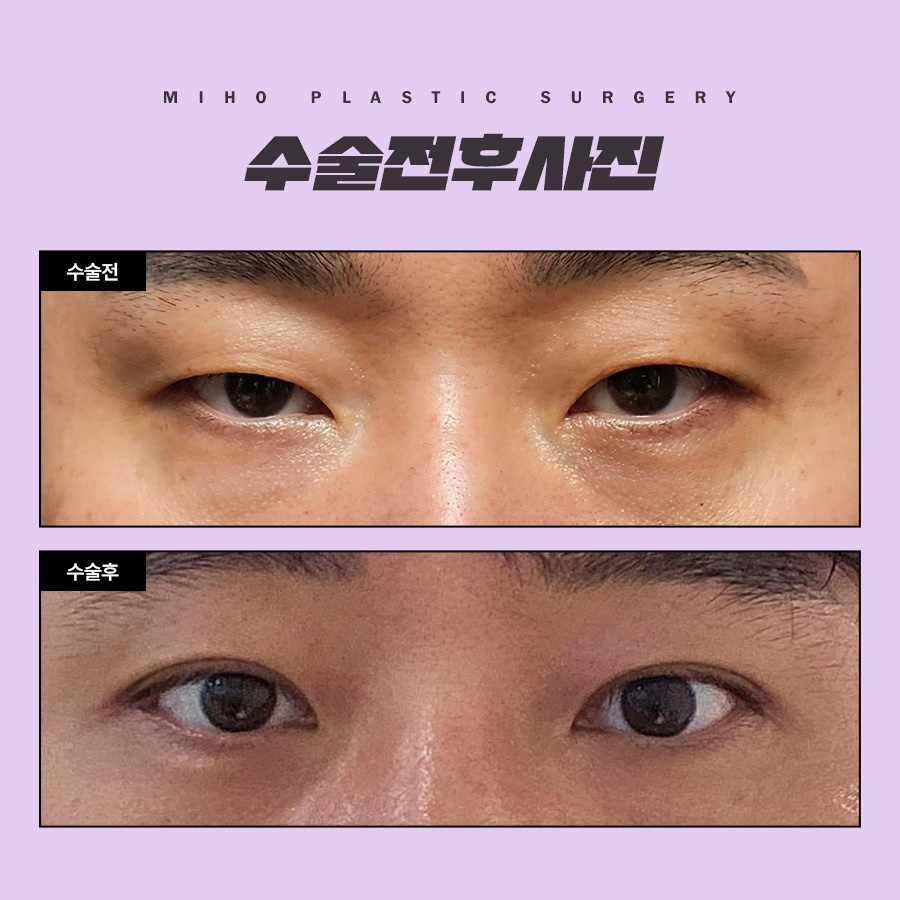
Male eyelid surgery is not about dramatically changing one's appearance.
It is a delicate procedure that defines the expression
and organizes the balance of the face.
Therefore, the key is to find a natural crease
that suits the individual
and create an attractive gaze
without making it look excessive.
The important thing is not to change one's appearance,
but to improve the image in a better direction.
It is advisable to make a plan at a clinic
that can properly understand the individual's eye condition
and desired direction
and guide the process appropriately.


Previous image
Next image