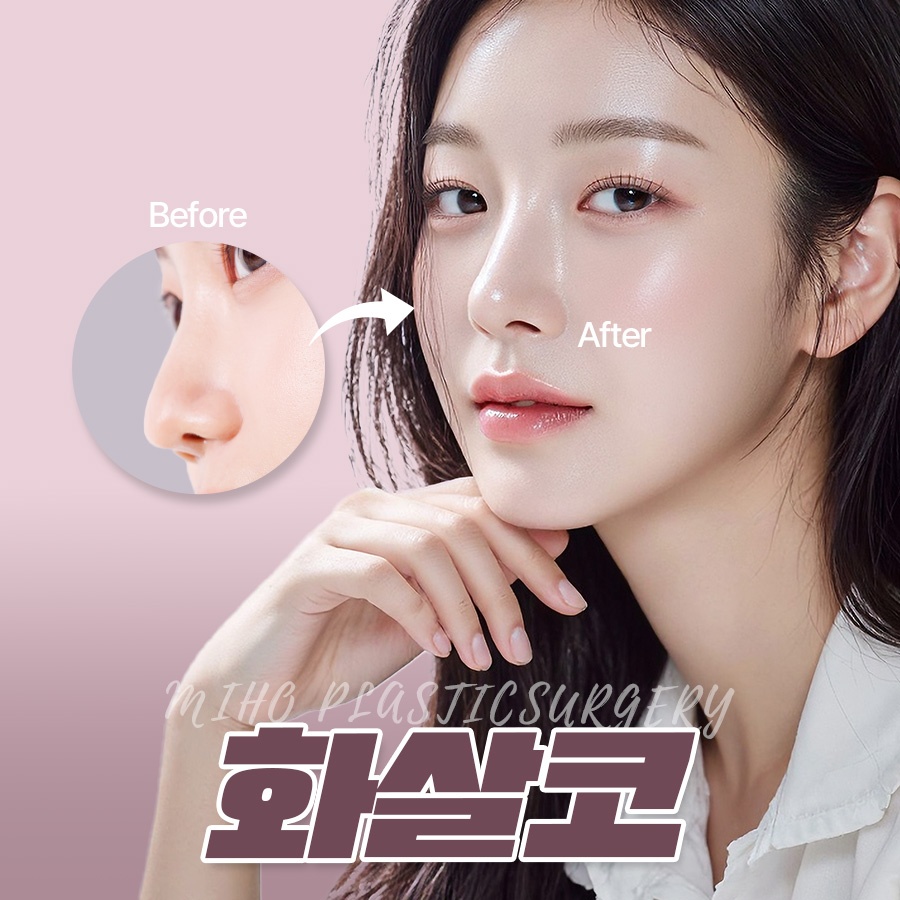
When looking at your reflection in the mirror
or taking photos, the high, pointed
tip of your nose may easily lower your self-esteem
and cause you stress.
Because of the strong impression created
by an appearance that lacks softness,
you may not only seem more intimidating,
but also appear older than your actual age,
occasionally leading to unnecessary misunderstandings.
Going beyond a simple appearance concern,
it can also affect interpersonal relationships,
which may lead you to consider improvement.
Today, we will look at the points
you should carefully consider when choosing
a clinic and attending physician,
as well as a checklist to review
for natural correction of an arrow-shaped nose.
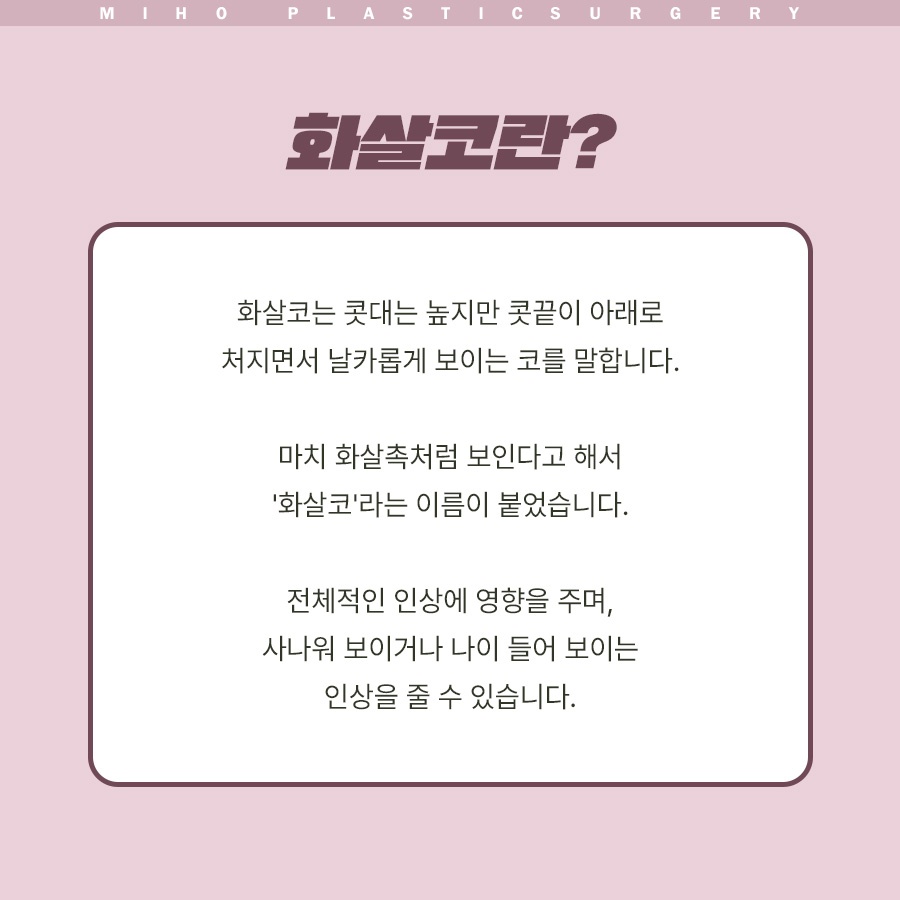
First, it is important to identify
the anatomical structure and causes
of the area in question.
Although it may appear simply that
the nose looks long or that the tip droops,
close analysis may reveal issues with the alar cartilage,
overgrowth of the septal cartilage,
or abnormal development of muscles
that pull the nose downward.
An accurate diagnosis is therefore necessary.
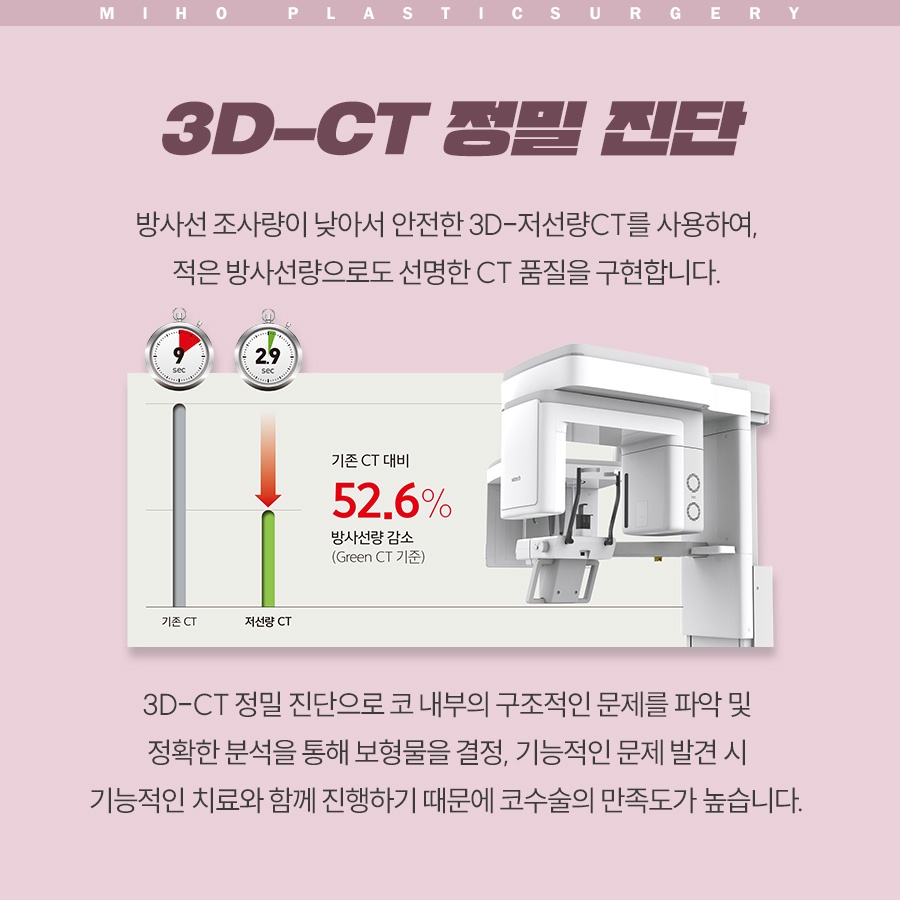
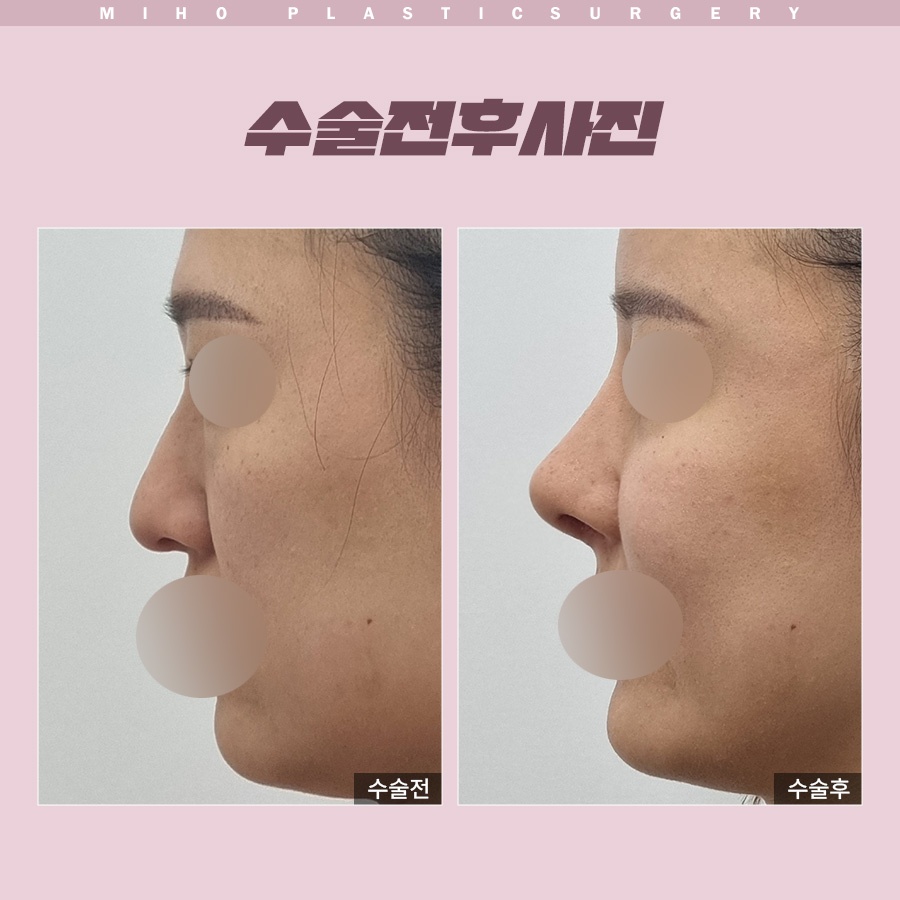
Our clinic uses precise 3D CT diagnostics
to assess not only the width of the nasal bones
in an arrow-shaped nose, but also asymmetry
and the presence of fractures.
We carefully analyze the position and shape
of the septal cartilage, as well as the degree
of deviation, to provide functional improvement
at the same time.
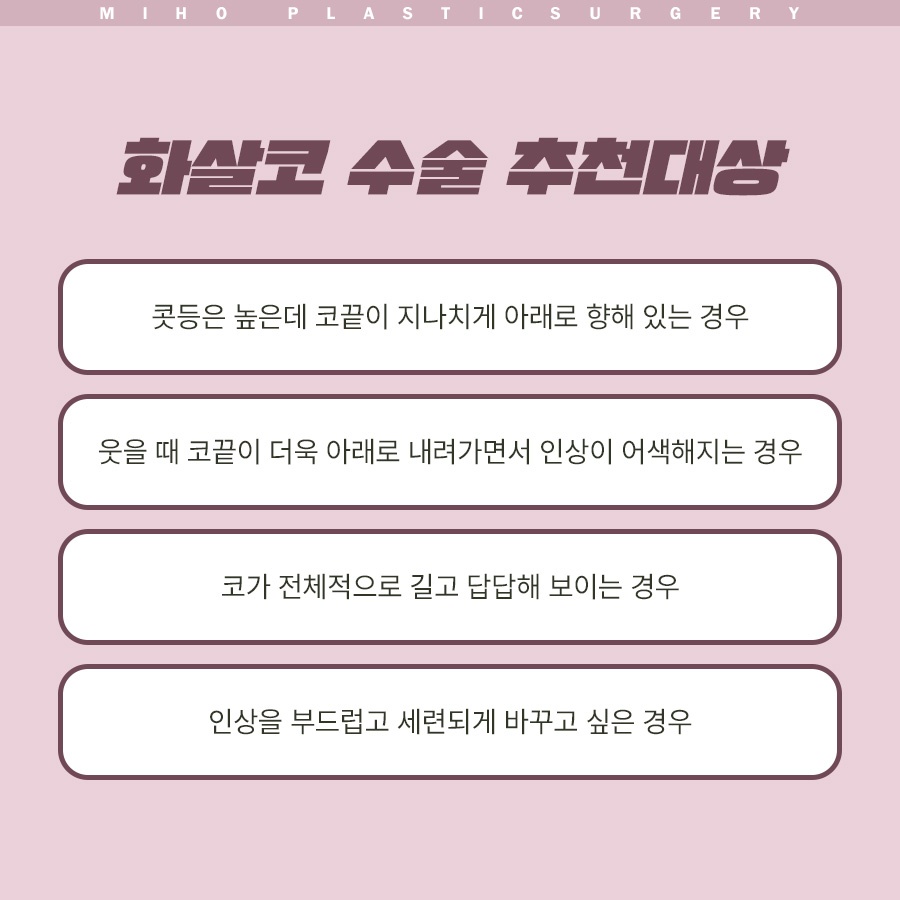
Once a thorough analysis has been completed,
the next point is whether an appropriate
individualized method can be selected.
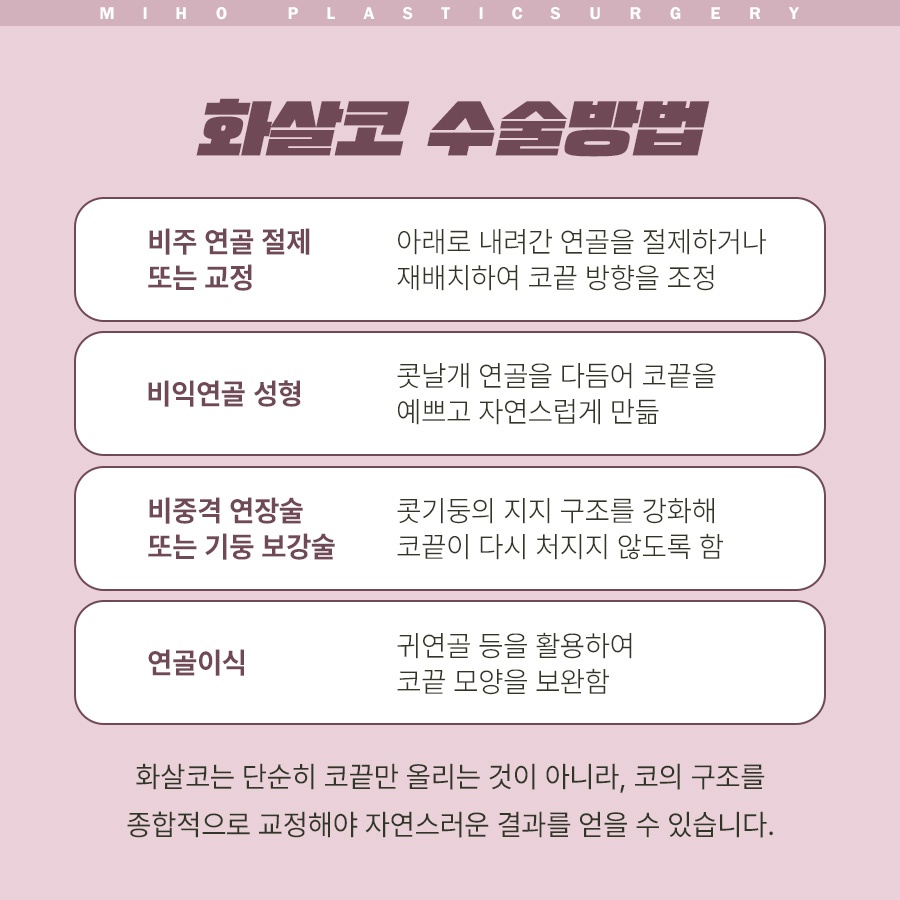
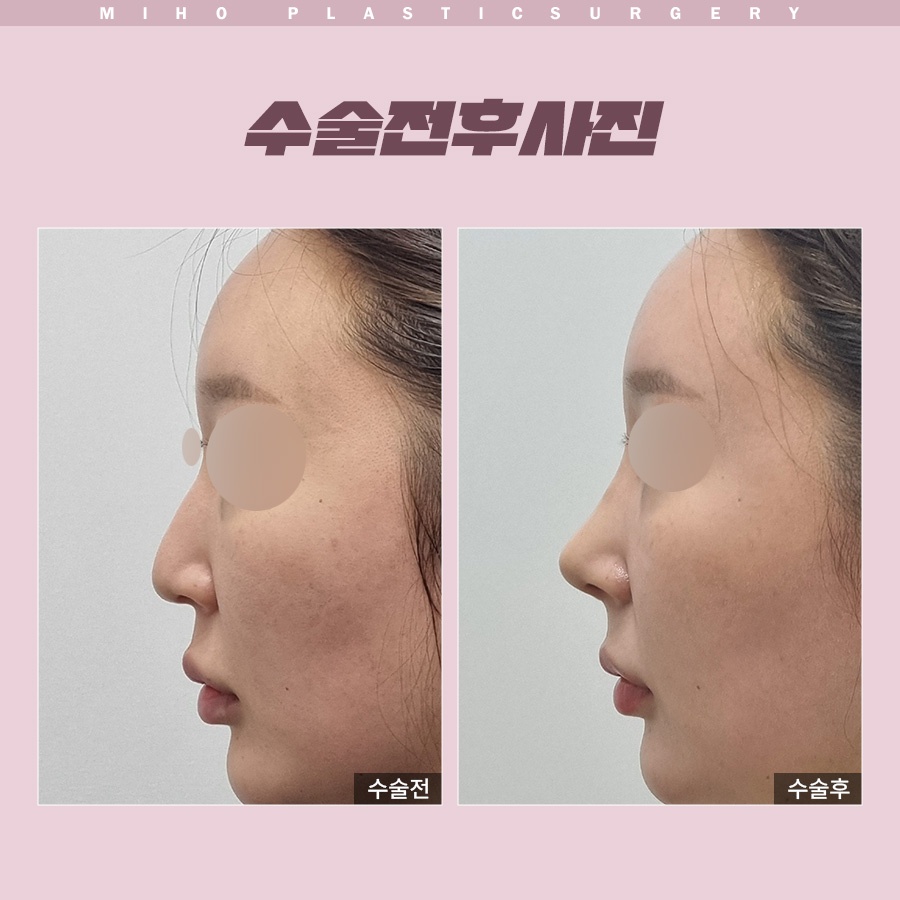
For example, when the cartilage has descended,
repositioning alone may be sufficient
without a separate implant or autologous cartilage.
However, if the septal cartilage has overgrown,
unnecessary portions should be removed,
its position corrected, and the nose designed accordingly.
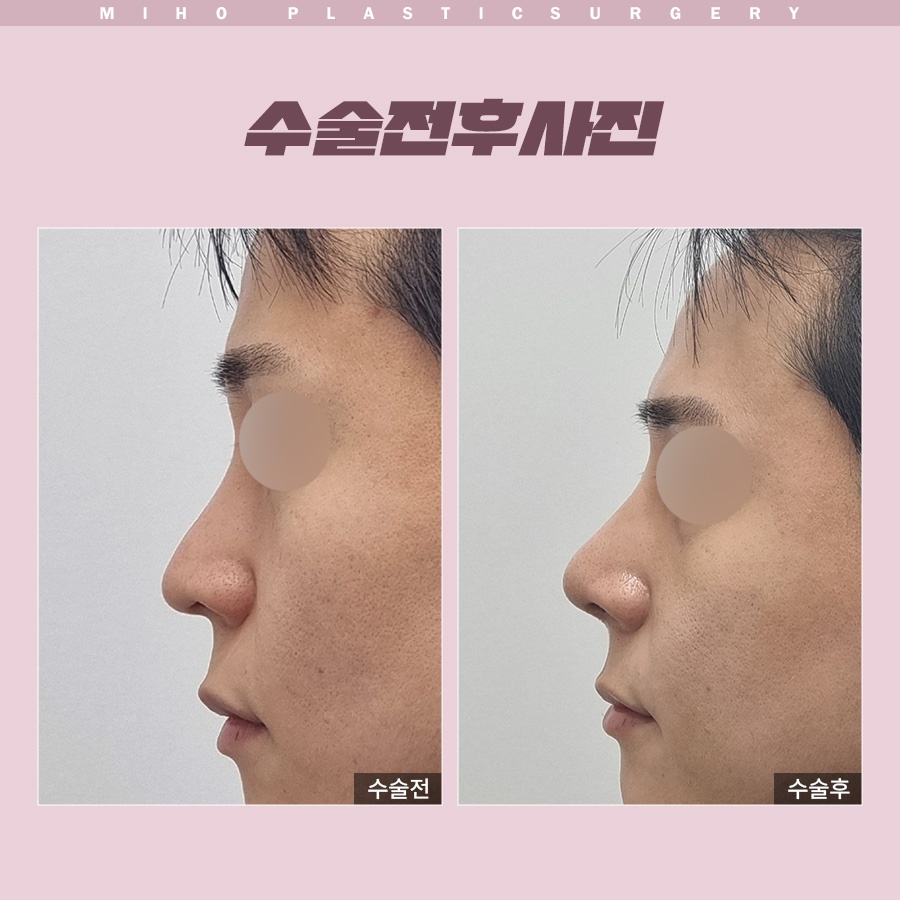
In addition, if the nose is pulled downward
and descends further when smiling,
the muscle pulling the arrow-shaped nose
may need to be cut.
Other options include procedures involving
the alar cartilage, septal extension,
autologous cartilage grafting, and more.
In other words, choosing a method suited
to the structure and cause can help prevent recurrence.
Third, check whether functional issues
can be diagnosed and addressed
at the same time as aesthetic concerns.
Satisfaction is likely to be higher
when long-standing problems are resolved
and potential future nasal congestion
is also prevented through improvement.
For example, in the case of a deviated septum,
cartilage and bone between the nasal passages
are bent, causing chronic nasal congestion,
so it is advisable to address this as well.
Nasal valve stenosis, which makes breathing difficult,
and hypertrophic rhinitis, which can cause
runny nose, congestion, sneezing, and itching,
may also be treated at the same time.
Fourth, check whether there is a wide range
of implant options that can look natural
and help reduce side effects.
If possible, carefully compare silicone,
AlloDerm, a donated dermal tissue,
autologous tissue such as ear cartilage,
septal cartilage, rib cartilage, autologous dermis,
fascia, and other materials before selecting
the one best suited to you.
Our clinic can also separately manufacture
customized 3D Fit Me Co silicone implants
tailored to the structure of an arrow-shaped nose.
They have received FDA approval and are customized
one-to-one using CT data.
Because they fit securely against the bone,
they do not lift away or bend and create
a natural-looking line.
Fifth, you should choose an attending physician
who has not only anatomical knowledge
but also clinical experience.
An experienced physician is important
for accurately identifying the cause,
providing an appropriate solution,
and addressing both aesthetic and functional concerns
at the same time.
In particular, correction using customized
silicone implants requires extensive experience
and expertise throughout the entire process,
from design to insertion.
Our clinic is a place where results suited
to each individual’s structure can be expected,
based on clinical data accumulated
through a variety of cases.
Finally, check whether the clinic has
the ability to design an appropriate
plan for each individual.
This is because simply creating
a sharper nasal bridge is not the main consideration.
The balance of the entire face,
the angles of the forehead, lips, and chin,
as well as length and height,
must all be considered comprehensively.
It is very important to choose an attending physician
who can carefully analyze facial proportions
and design the height, angle, and length accordingly.
That way, you can avoid being disappointed
by a uniform result that differs from your expectations
and complete a look that reflects your own beauty.
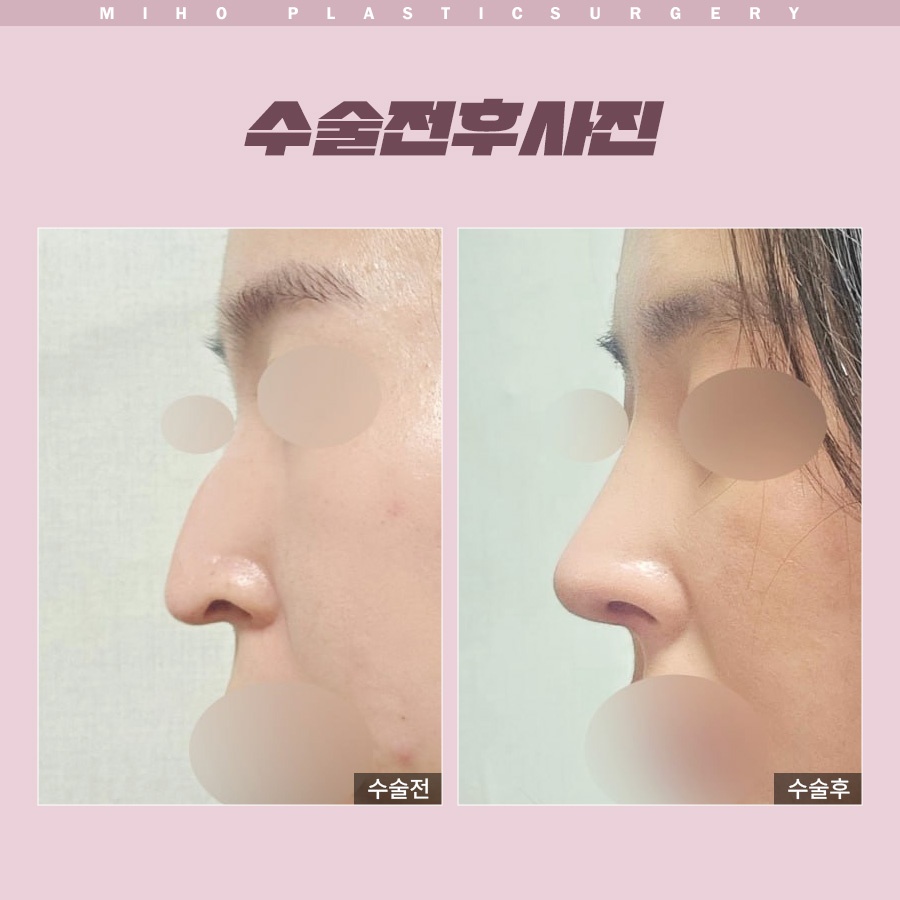
If you have selected a good clinic
based on the six-point checklist above,
visit the clinic for a consultation.
Consider whether they carefully assess
your expectations for arrow-shaped nose improvement,
and whether they provide transparent explanations
of the upcoming process, recovery period,
and expected results before making your decision.
Also ask about the regular follow-up care
and aftercare program provided afterward,
whether an immediate response system is in place
if side effects occur,
and whether they provide ongoing care and management
during recovery to reduce discomfort.
If careful and sufficient consultation
and communication take place beforehand,
and a solid management system is in place afterward,
you may consider it a clinic
with a comparatively high actual success
and satisfaction rate.
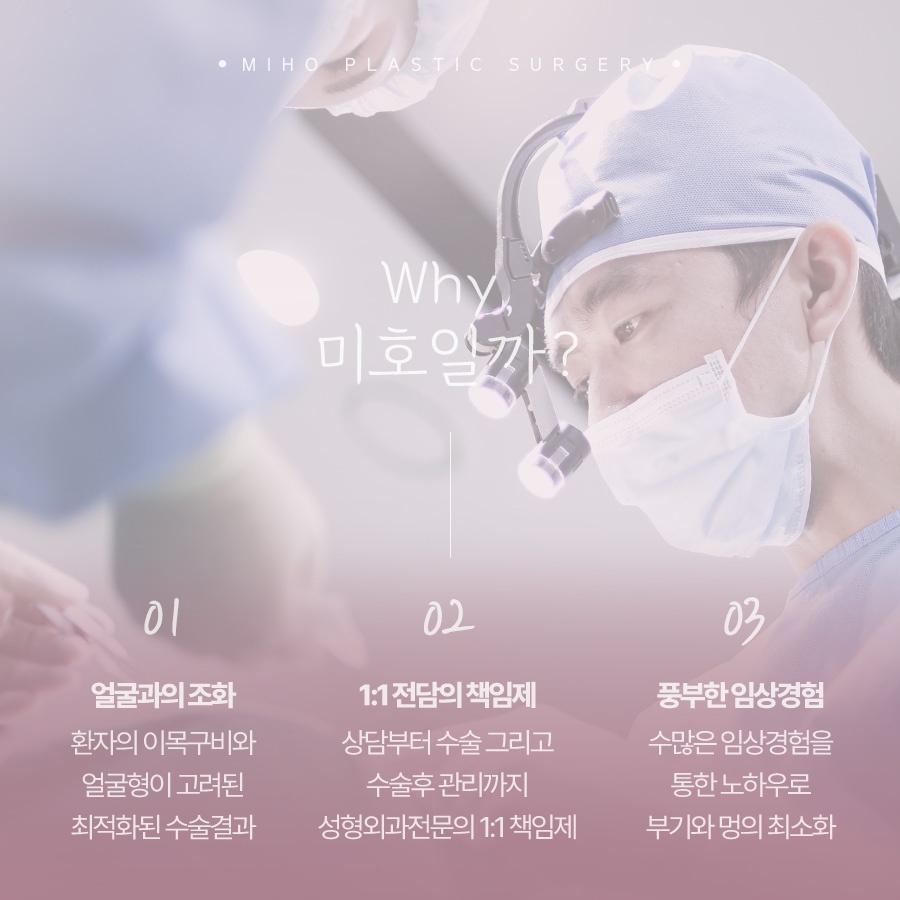
Also check whether real-time monitoring is provided,
whether an anesthesiology physician is present,
and whether CCTV is in operation.
These factors may seem simple,
but in practice they are important indicators
of how attentive the care provided is.
The more a clinic pays attention
without overlooking even small details,
the more likely it is to take responsibility
for the results and practice a customer-centered philosophy.
The more central an element is to the face,
the more important it is in determining balance.
Therefore, a nose whose length and shape
account for more than one-third of the face
can disrupt facial proportions,
create a sharp and nervous impression,
and often lead to the misunderstanding
that you look intimidating.
If an arrow-shaped nose concerns you
because of appearance-related insecurity
and reduced confidence,
use the checklist above to find
a medical professional suited to you.
If you meet an attending physician
who provides sufficient consultation,
diagnosis, and design,
you may be able to regain your self-esteem
and a happy daily life.


Previous image
Next image