
If the area under your eyes appears particularly puffy or sunken
and you are often told that you look tired,
many people assume that the cause is simply
insufficient cosmetic care.
However, the area under the eyes
is structurally complex even within the face,
with subcutaneous fat, muscles, and supporting layers
intertwined in complex ways.
As a result, even a small internal disruption
can lead to significant visible changes.
In particular, as people reach middle age,
the area under the eyes tends to become darker
and deeper contours become more noticeable.
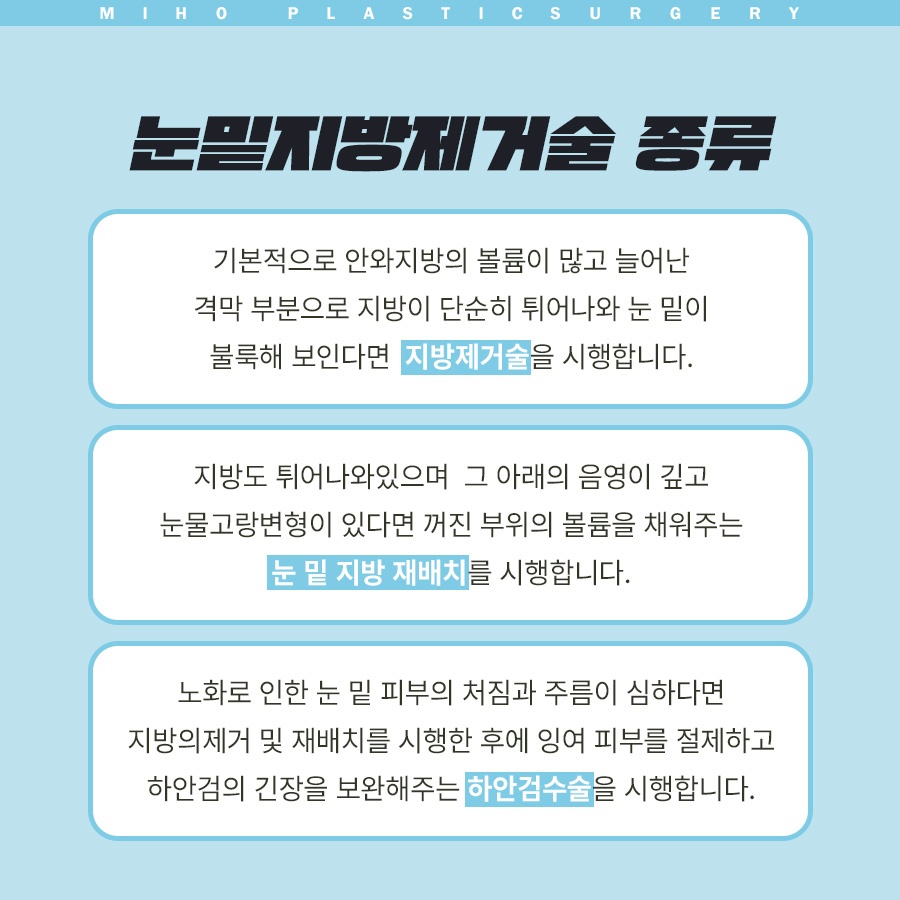
Today, we will look at lower eyelid fat removal
as a way to improve lower eyelids and dark circles.

Lower eyelid fat removal is commonly understood
not to end simply with removing fat.
It also includes the process of reorganizing
the tissue in the protruding area
to create a smoother contour.
This process requires a comprehensive assessment
of not only the amount of fat under the eyes,
but also the condition of the orbital septum,
skin elasticity,
and the volume structure of adjacent areas.
Because each person has a different anatomical structure,
the procedure applied may vary,
but the procedure generally takes about 60 minutes,
with either local or twilight sedation anesthesia.
Hospitalization is not required,
so it can also be relatively convenient for people who work.

The main causes of prominence under the eyes
are known to include reduced tissue tension
and weakening of the orbital septum.
Orbital fat is originally protected
by a thin membrane,
but over time, this membrane gradually loosens.
When its supporting strength weakens,
the fat layer naturally pushes forward.
At this point, a crescent-shaped contour forms under the eyes,
while shadows and shading develop below it,
creating dark circles.
Lower eyelid fat removal does not focus solely
on simply reducing the cause.
Instead, it identifies the mechanism behind the protrusion
and seeks to restore a stable balance.
In addition, fat under the eyes
is difficult to classify as merely a cosmetic issue.
Changes that occur beneath the outer covering of the skin
can deepen the tear trough
or cause the skin to sag downward,
resulting in a heavier and darker overall facial appearance.
This area is also one where aging
can begin relatively quickly.
Even among younger people,
it may begin earlier than expected
if fatigue accumulates, an irregular lifestyle continues,
or there are many external factors such as irritation around the eyes.
Therefore, rather than covering it up arbitrarily,
an understanding of and care for the underlying structure
should come first.
Meanwhile, the structure and condition under the eyes
can be examined not only from the front
but also from the side.
In many cases, protrusion and hollowness
appear at the same time.
While fat pushes forward and creates puffiness,
the area below the tear trough may instead become sunken,
making the contour contrast especially pronounced.
This phenomenon is not limited to the area under the eyes.
Because it is also associated with the overall volume structure
of the midface,
the balance of the facial contours
may sometimes need to be considered as well.
Since the degree of skeletal prominence
and the shape of the orbit vary from person to person,
accurately assessing the condition should come first.
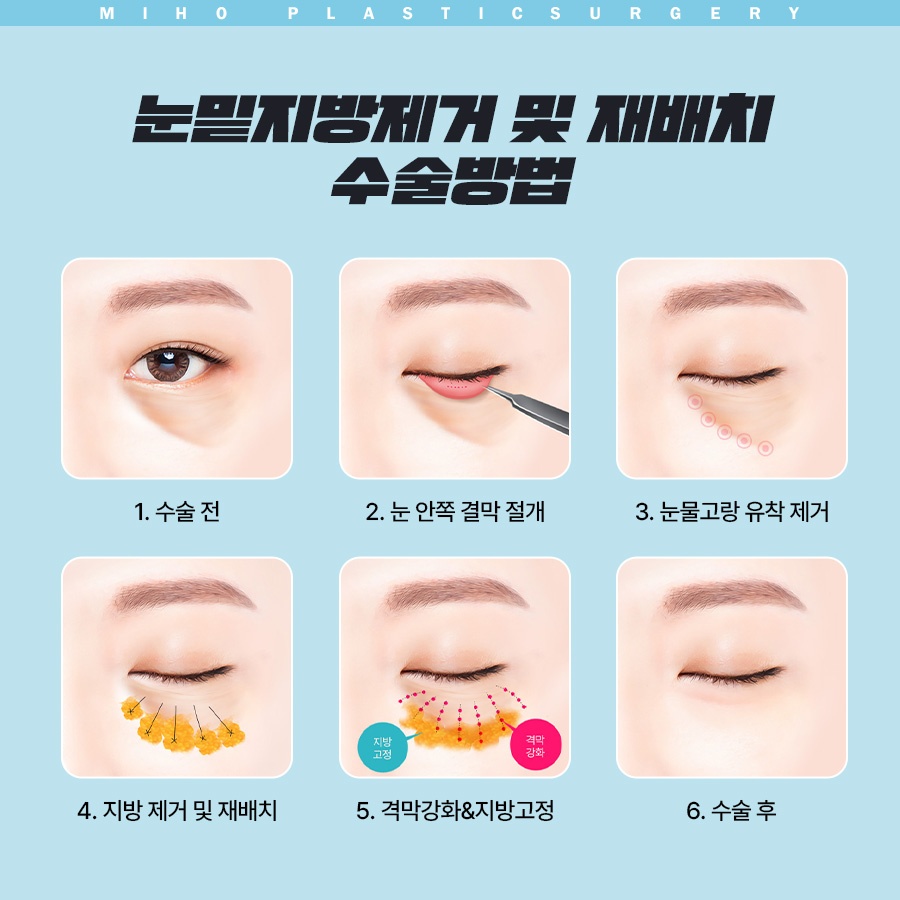
Among recent lower eyelid fat removal techniques,
incisions are generally made inside the lower eyelid
so that external scars are not visible,
and the incision area has been minimized
compared with the past.
Rather than simply removing accumulated fat in a limited way,
as in lower blepharoplasty,
some approaches reposition it to the areas where it is needed
or adjust the amount of fat
to organize the contours in a balanced manner.
Strengthening the support of the loosened protective membrane
with sutures can also make the flattening
of the protruding area look more natural.
Throughout the process,
the focus is on carefully reorganizing
the internal tissues without placing undue strain on the skin.
In addition, it is advisable to adjust your lifestyle
during the recovery period after the procedure.
Bruising or swelling may temporarily appear
immediately after the procedure.
In such cases, cold compresses or adjusting your posture
can help promote circulation
and support a faster recovery.
Unless it is an unusual case,
swelling generally subsides relatively easily
within three days to one week,
and sutures are typically removed
around seven days after the procedure.
Going out or returning to work is relatively convenient,
but it is advisable to avoid irritation
or strenuous activity during recovery.
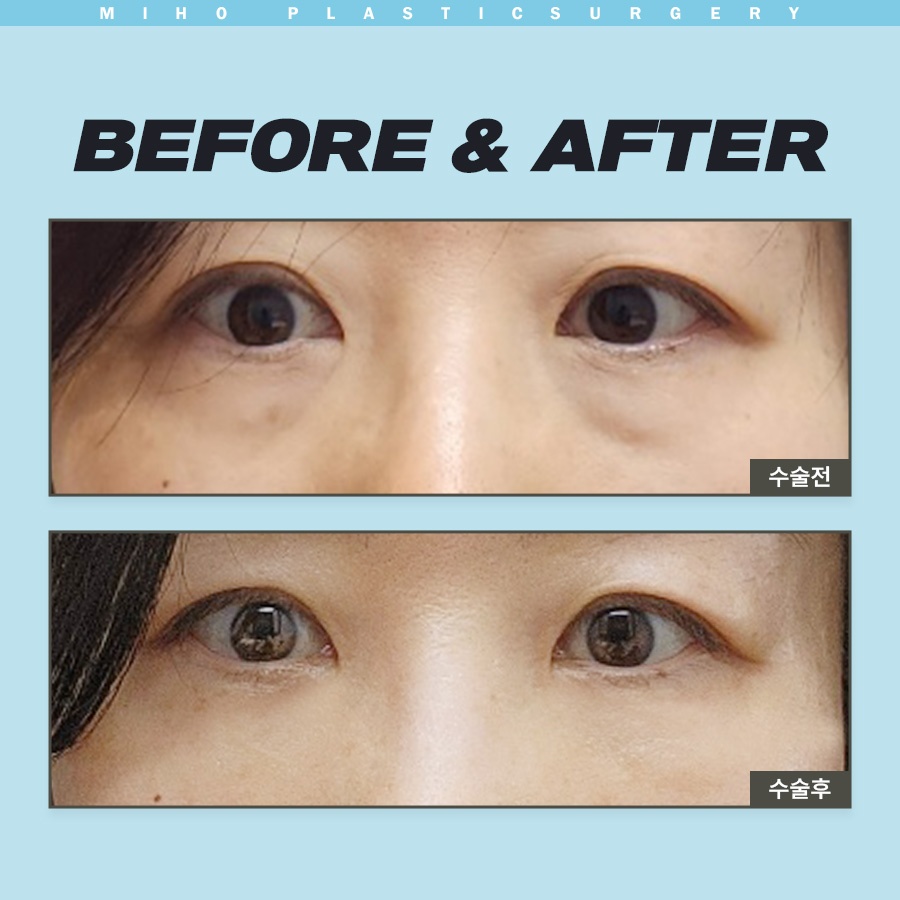
Above all, an important mindset to have
before undergoing lower eyelid fat removal
is to set realistic expectations
about the changes.
Dramatic changes do not occur immediately after the procedure.
The contours gradually become more defined
as recovery progresses,
and the extent of change varies depending on elasticity,
the scope of repositioning,
and the suturing method.
Because this area is close to the center of the face
and naturally draws significant attention,
restoring balance rather than excessive removal
should be prioritized to maintain a natural appearance.
For people with pronounced lower eyelid fullness,
preserving their existing appearance is also important.
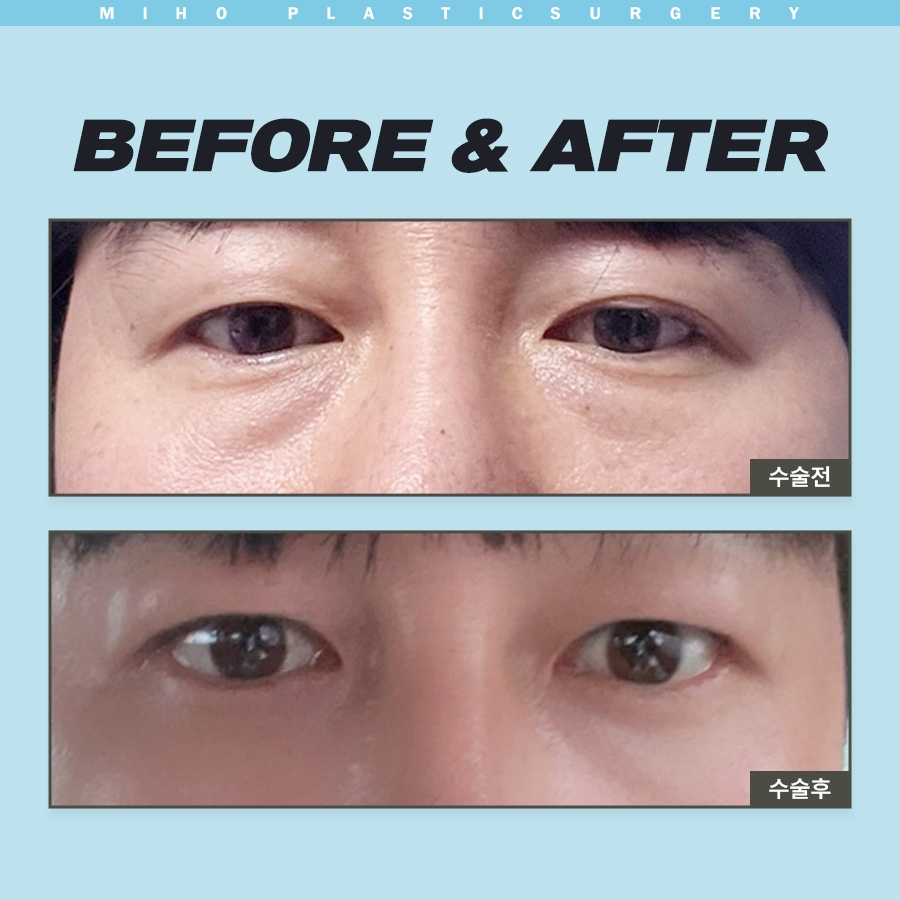
To approach such a complex skin structure
in a more systematic way,
the tissues under the eyes should first be analyzed layer by layer,
with appropriate measures applied step by step.
The amount of fat, the tension of the supporting membrane,
the thickness of the skin layers,
and the soft tissues of the midface
all need to be considered
to achieve a satisfactory outcome.
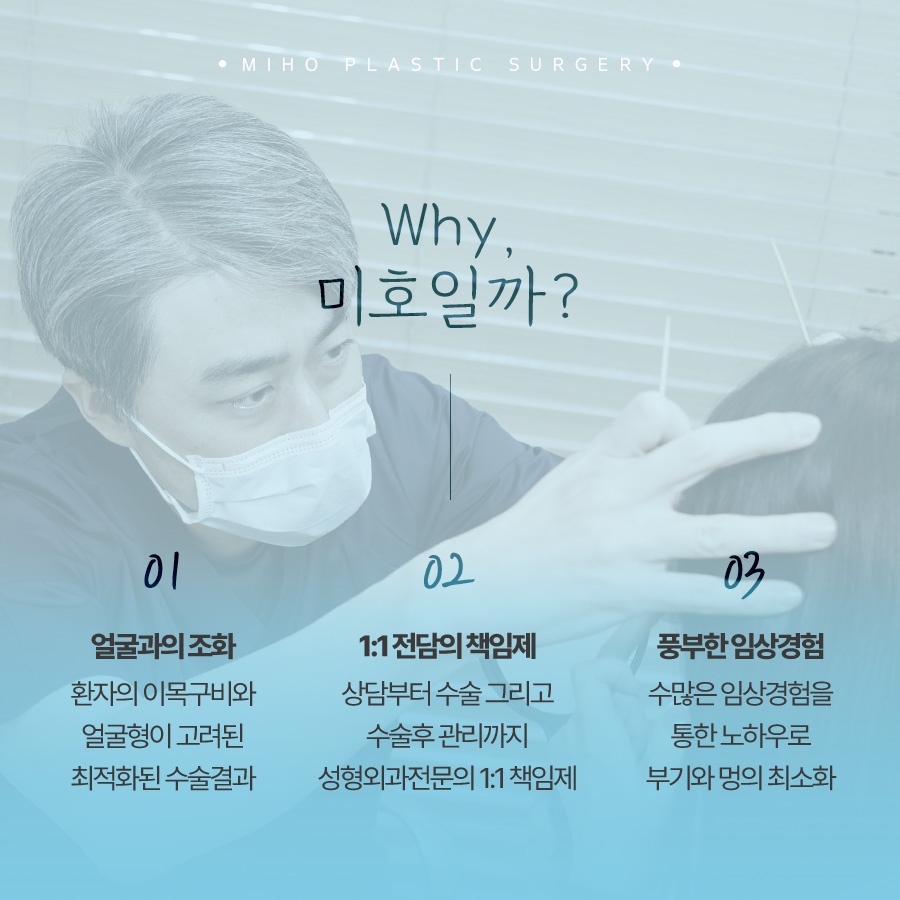
In this regard, Miho Plastic Surgery
adjusts the strength of the weakened orbital septum
using safe sutures
and, when necessary, redistributes the amount of fat
while developing a careful plan
suited to each individual's conditions and circumstances.
Ultimately, changes under the eyes
should be understood not merely as visible changes
in outward appearance,
but as a complex phenomenon closely connected
with various tissue layers.
The procedure should also be performed
with the goal of balancing the underlying internal tissues,
rather than focusing only on superficial changes in appearance.
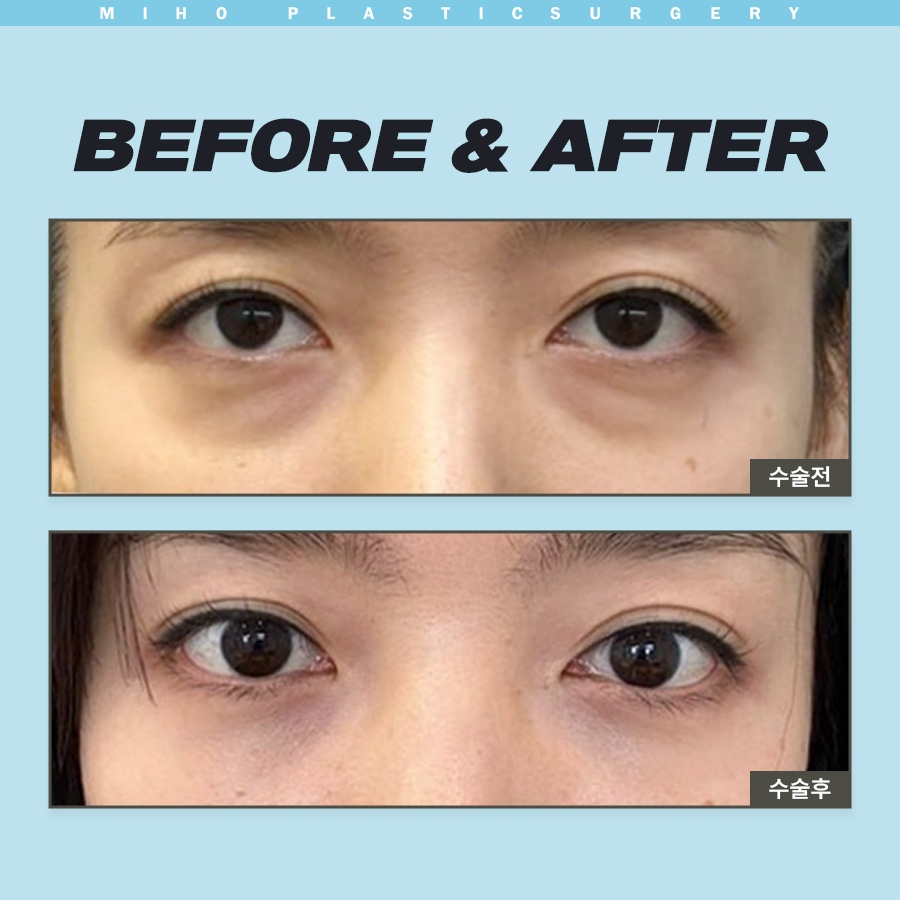
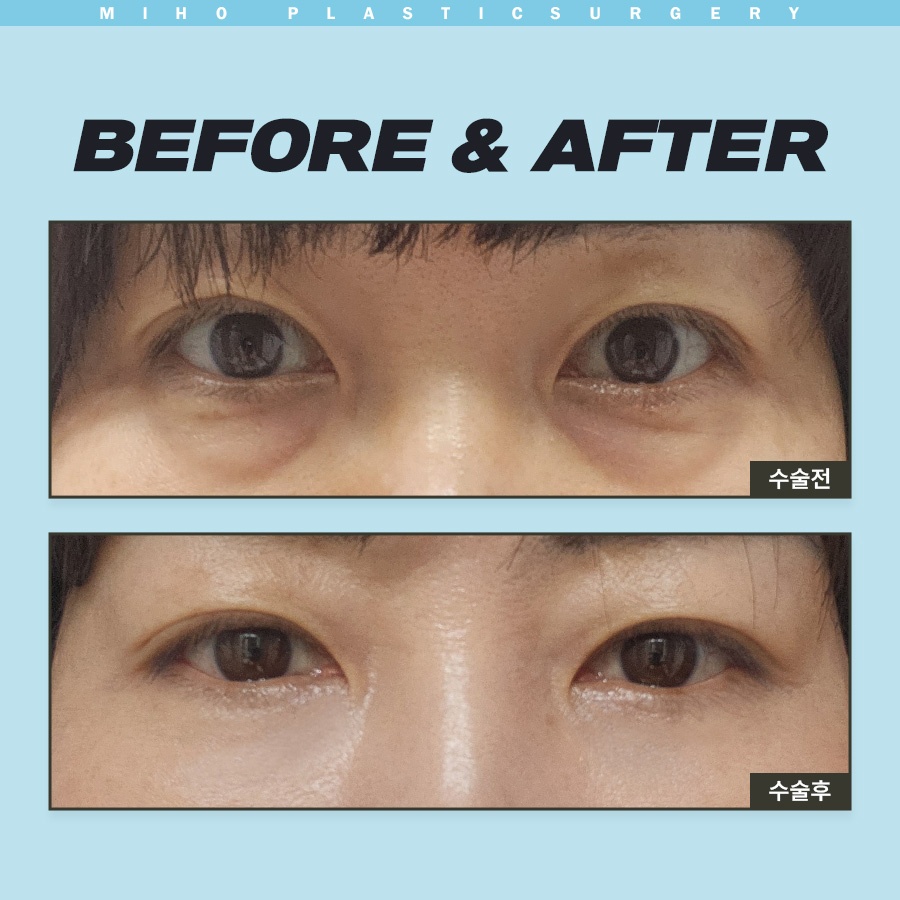
If you are considering lower eyelid fat removal
or a lower eyelid procedure,
first accurately assess the condition under your eyes
based on documented cases.
Then carefully compare and review
the procedures suited to your condition
to achieve a more comfortable appearance
and a satisfactory result.



Previous image
Next image