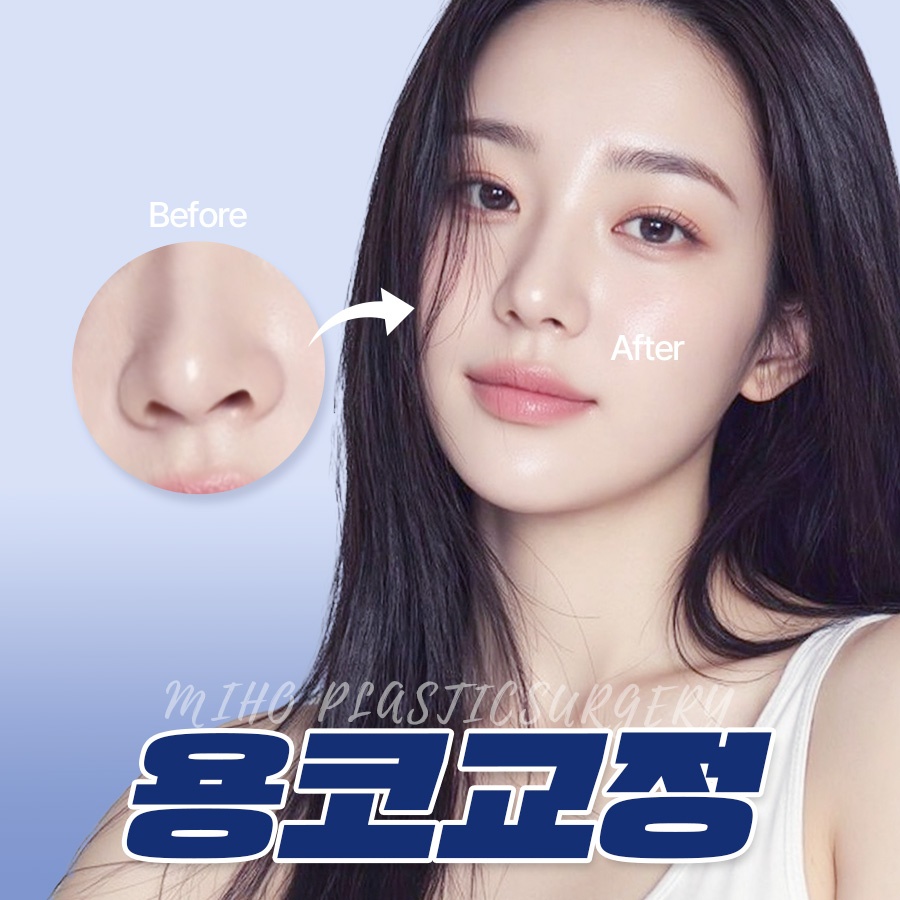
The nose is not only a bodily organ responsible for detecting odors and breathing, but also plays a major role in appearance.
Because its height, width, and shape can significantly change a person’s image, many people try to make changes to it.
In the past, it was common to imitate the nose shape of a celebrity or apply an unconditionally high shape to resemble a Western person.
These days, the trend is to carefully consider and individualize factors such as the nasal bridge, length, shape, and degree of nostril exposure.
This article discusses ways to improve the appearance of a dragon nose.

People often considered a high nasal bridge to be a beautiful nose.
However, simply having a high nasal bridge did not necessarily create a beautiful face.
The line from the forehead down to the philtrum needed to be smooth, and it also needed to harmonize with the other facial features.
The nostrils were another important factor.
Even if the angle of the nasal bridge was high, balance could be disrupted if the nostrils spread outward or turned upward.
In some cases, the nostrils are highly exposed when viewed from the front even though the nasal tip is not raised. This is what is known as a dragon nose.

A dragon nose refers to a nose shape in which the nostrils are highly visible from both the front and the side.
It was given this name because its appearance resembles the face of a dragon.
In physiognomy, this shape was viewed positively because it was said to indicate good fortune with money.
However, by today’s standards of beauty, it can appear somewhat stubborn-looking and may therefore become a target for correction.
The medical terms were retraction or drooping of the alar and columella, or alar retraction.
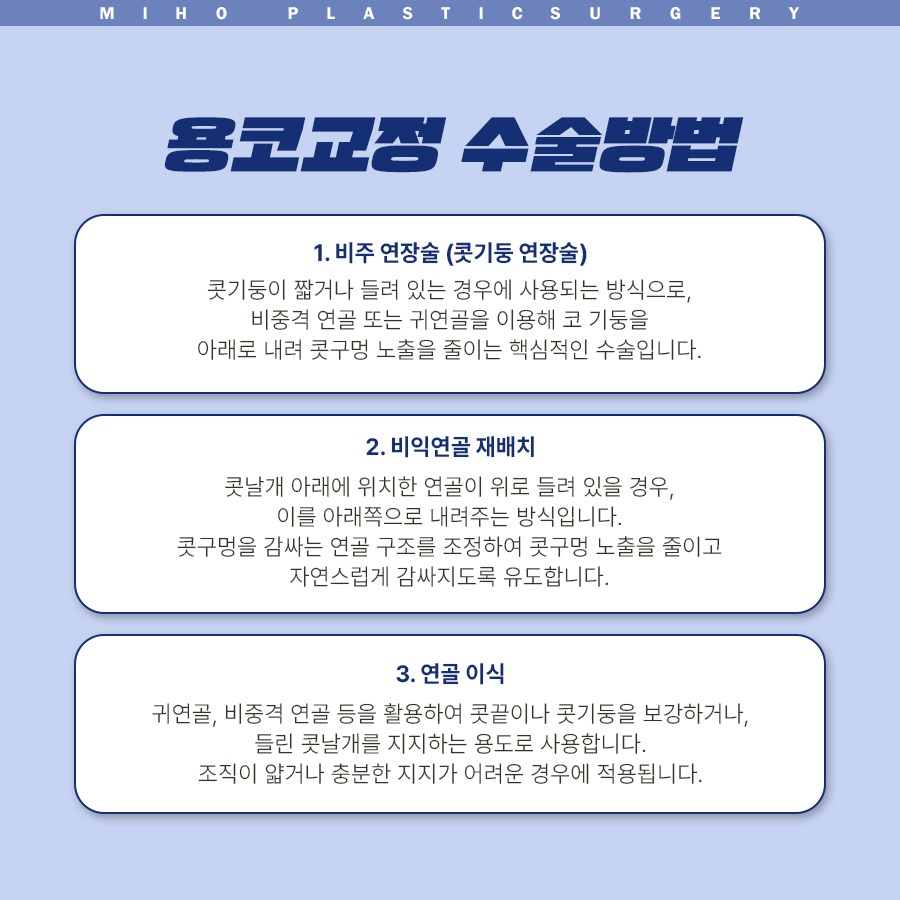
Depending on the degree of retraction, the issue could sometimes be resolved simply by slightly adjusting the direction of the cartilage, while in other cases, grafting autologous cartilage might be necessary.
Moderately elevated alae can create a sophisticated image, but if they are raised excessively, they can disrupt overall facial balance.
When someone becomes stressed by receiving unwanted attention and negative comments from others, this can lead to avoiding social interactions and a decline in self-confidence.
No matter how long or high the nose is vertically, the nostrils can make it appear shorter and lower than it actually is.
At the clinic, the cause of the issue was identified and an appropriate method was devised to address each concern.
There were various reasons why the nasal alae could become retracted.
Some people were born with a congenital dragon nose, while in other cases, a previous procedure could cause problems resulting in retraction.
This was called contracture.
Although one might think that contracture occurs only at the nasal tip, the vertical length of the nose itself could become excessively shortened, causing the area from the tip to the alae to turn upward.
Contracture occurred when inflammation developed internally and a capsule formed around an implant. The elasticity of this capsule then pulled on the tissue, changing its shape.
This was not only undesirable in appearance, but could also prevent the nose from functioning properly, so correction was necessary as soon as possible.
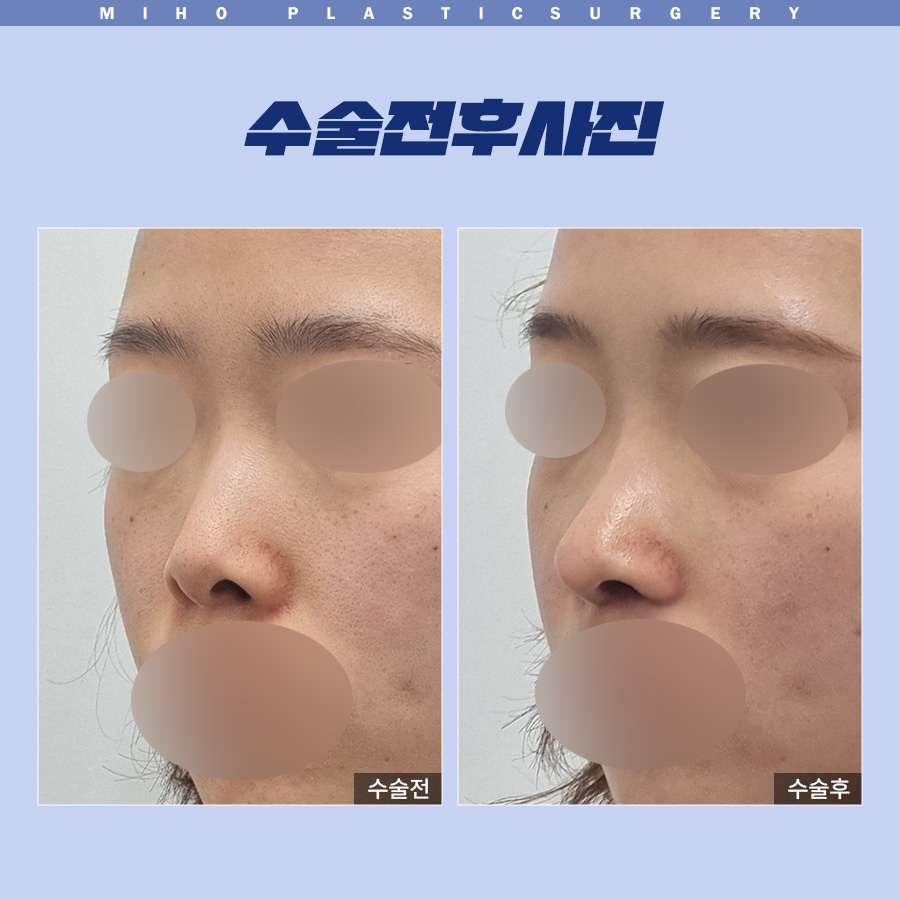
Some people had this nose shape from birth.
Unlike contracture, the difference was that the length of the nasal bridge was not short; only the nasal alae were raised upward.
Viewed from the front, the line of the nasal tip and nostrils looked like the letter M, while from the side, it had a sharply angled and upward-pointing appearance.
The method of improving this condition varied greatly depending on the current state.
Depending on the positions of the columella and alar cartilage, it might be improved with nostril-lowering surgery alone, or other measures might be necessary.
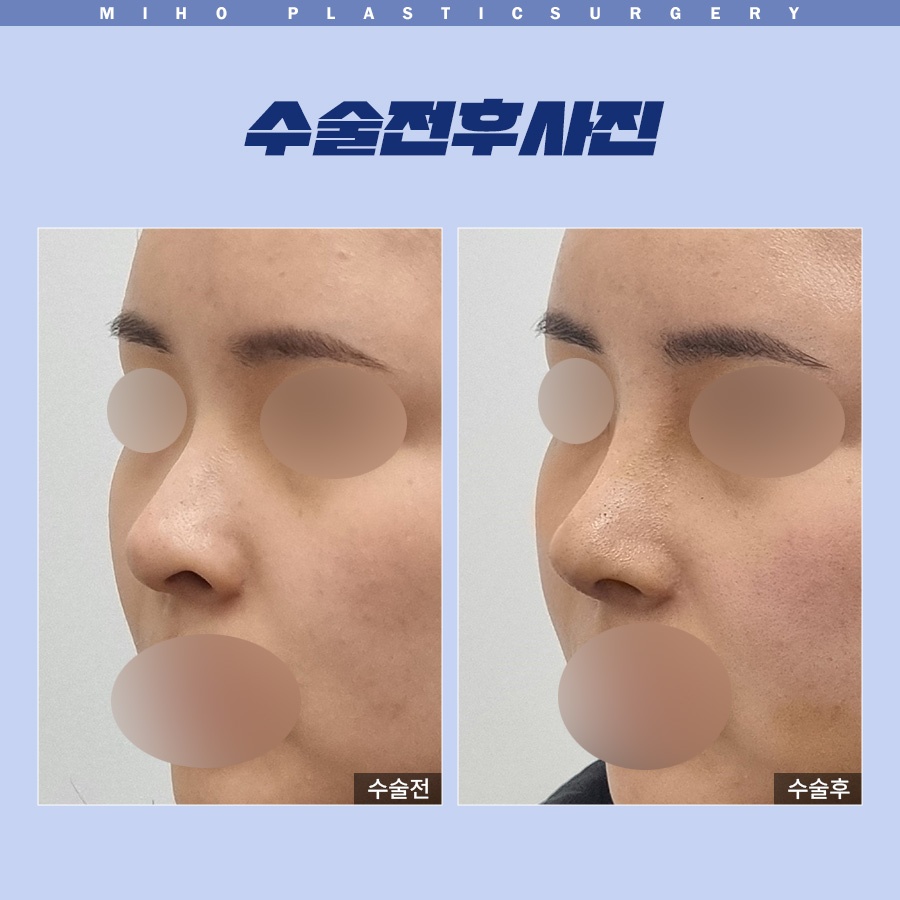
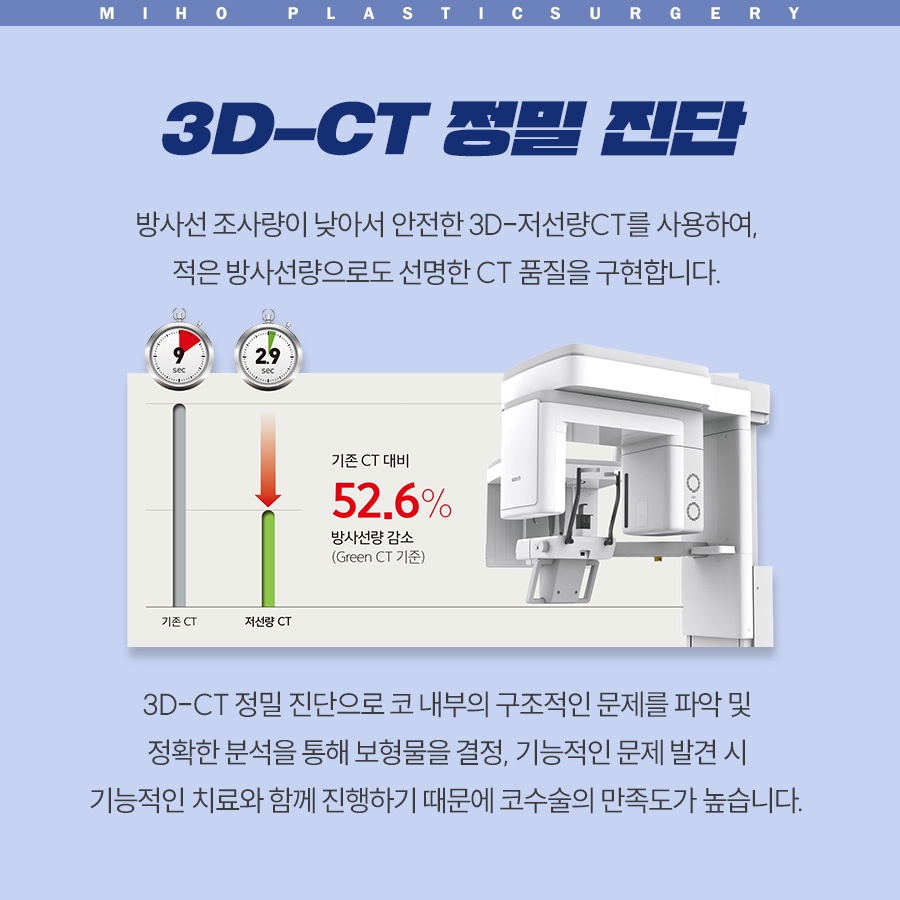
If the dragon nose was caused by contracture, the implant responsible for the problem first had to be removed, followed by a waiting period to allow the tissue to stabilize.
Although the desire to correct the issue as quickly as possible was understandable when the nose had been significantly altered, proceeding immediately to the next step without stabilization could result in more serious complications.
The tissue could become severely adhered, making the procedure difficult, or excessive scar tissue could form.
Although this varied depending on the individual’s constitution, it was necessary to wait approximately six months to as long as one year before attempting the procedure again.
When retrying the procedure after stabilization, autologous tissue was harvested and inserted into the nasal bridge, followed by columella reduction and lowering of the alar cartilage to address the nasal alae.
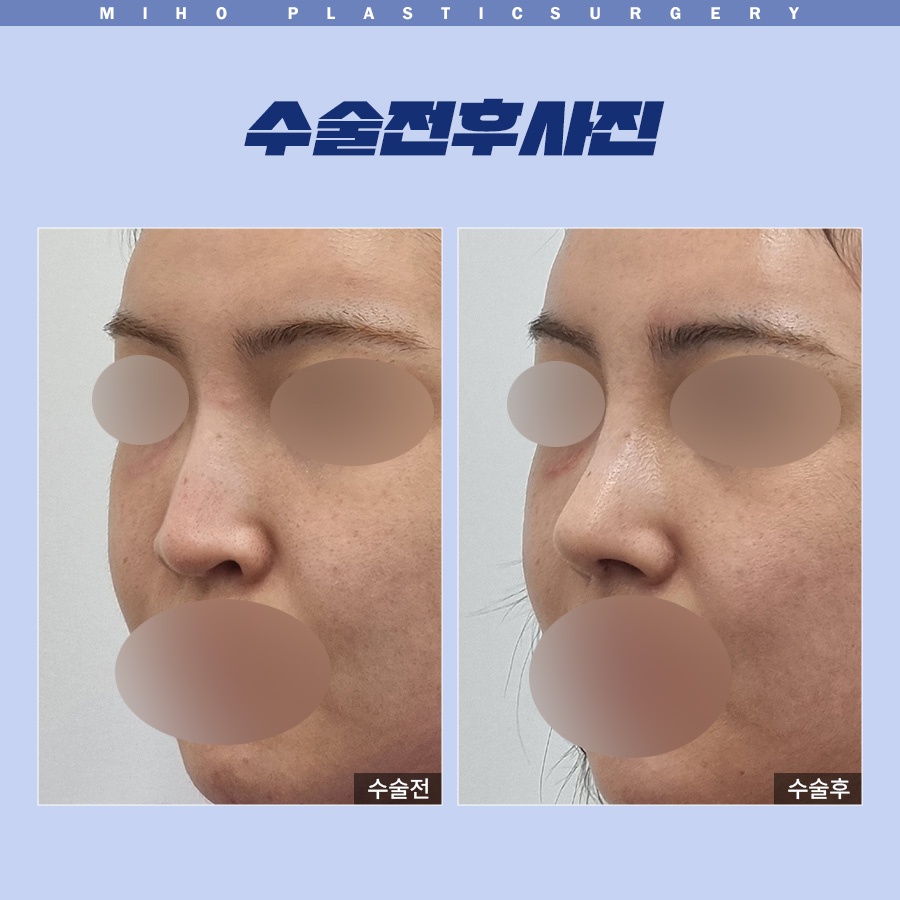
The alar cartilage sometimes needed to be rotated when lowering it.
The method was selected and applied according to the shape and condition of the tissue.
Nostril-lowering surgery was performed by creating a septal support column.
If the skin itself did not stretch easily, there could inevitably be limits to how far it could be lowered.
If it could not be lowered sufficiently, several methods could be attempted simultaneously, including extending the nostrils and the lateral nasal walls.
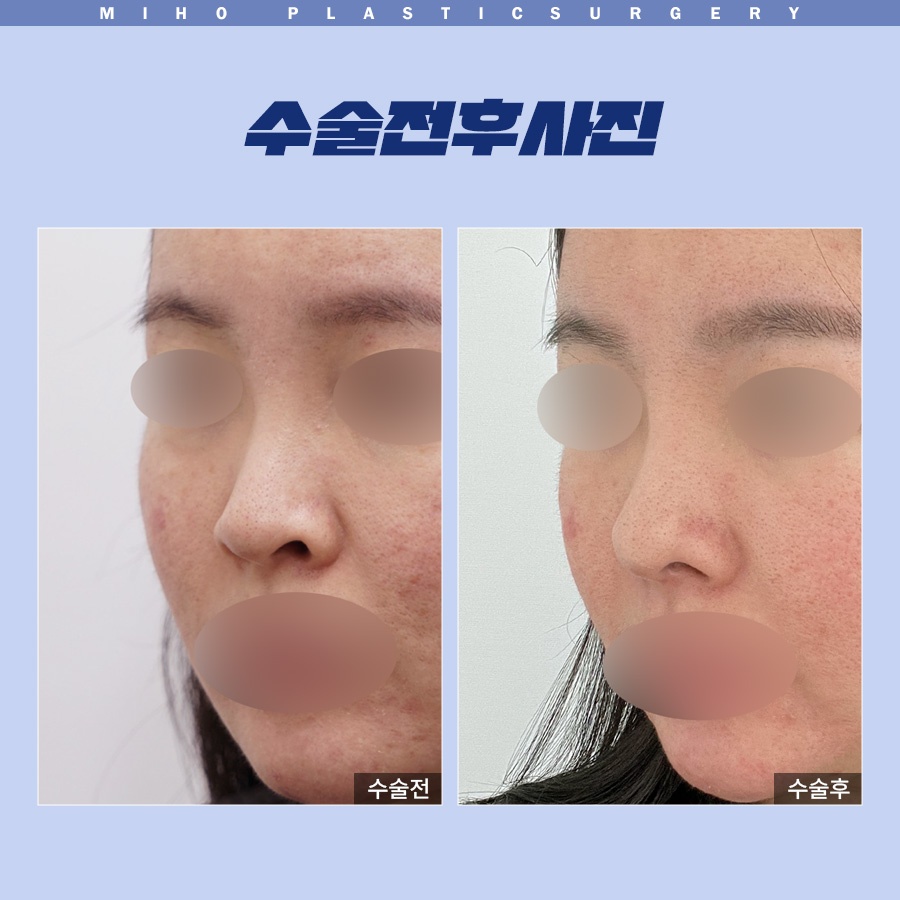
The wider the incision area, the more severe the swelling or bruising could be immediately afterward.
The nasal tip might temporarily appear bulky, but this would gradually subside.
In this way, nostril-lowering surgery was a combined procedure that used methods to pull the skin downward while also altering the internal cartilage structure of the nose.
The procedure took approximately one to two hours, with the duration varying according to its extent.
It took approximately one to two weeks for the major swelling and bruising to subside, and the stitches were removed after one week.
Recovery speed varied according to the individual’s constitution and skin characteristics, but after approximately six months to one year, the final result could be assessed once even the residual swelling had subsided.
If you wanted to return to daily life sooner, it was advisable to follow the care instructions provided by the medical institution and use the aftercare program offered by the institution.
Smoking and alcohol could delay recovery and were major causes of inflammation, so avoiding them before and after the procedure was recommended.
During the recovery period, saunas, swimming, and facial massage should be avoided, while alternating cold and warm compresses and keeping the incision area clean were necessary.
We hoped that correcting the dragon nose with a design suited to your own image would help you achieve a better appearance.


Previous image
Next image