
The nose is the central feature among the facial features that determine the overall impression of the face.
When the nasal alae are wide or spread out, the overall balance may appear disrupted, and regardless of the shape of the nasal bridge, tip, or wings, they can sometimes create a heavy impression.
Especially when viewed from the front, if the nasal wings extend broadly to both sides, the nose can easily appear flatter or more blunt than it actually is. It may even lead to the impression that the person themselves looks somewhat dull or indistinct.
In this context, let us take a detailed look at the minimally invasive alar reduction technique, which has recently become more common.

In fact, enlarged nasal wings significantly affect the contour of the nasal tip not only when viewed from the front but also from the side.
Even if the nasal tip is relatively narrow, a person with widely spread nasal wings may have an overall imbalance, making the tip appear bulbous.
In addition, even when the alae are narrow, an asymmetrical nostril shape can make it difficult to create a refined image. Therefore, simply adjusting the width may not provide sufficient improvement.
For this reason, alar reduction also requires precise surgical planning, taking into account the left-right symmetry and curves of the nostrils, as well as their angle of inclination.

Various factors besides genetic characteristics have been identified as causes of alar widening.
Typical factors include expansion of the outer cartilage that forms the nasal wings, the thickness of the skin layer itself, and the distance of the straight line between the nose and mouth—in other words, cases where the philtrum is short.
Alar reduction is a procedure that first identifies which of these various factors is the primary cause and then reduces the size by making an incision appropriate to that cause.
Incisions are generally made below the nasal wings along natural crease lines or borders. By carefully suturing the inner area, which is barely visible from the outside, this method can reduce the burden of an unnatural appearance or scarring.

However, the extent of the incision and the approach may vary depending on each person's skin thickness and cartilage shape.
For a harmonious result, careful planning is necessary beyond the simple concept of making the nasal wings smaller. This includes considering the complex structure of the nostrils, the angle of the nasal septum, and the connection with the nasal tip.
The nasal wings are part of the lower structure connecting the nasal bridge and tip, and they determine not only the external width from side to side but also the shape of the lower curve.
Therefore, it is also common to adjust the positioning of the cartilage or subcutaneous tissue at the same time.
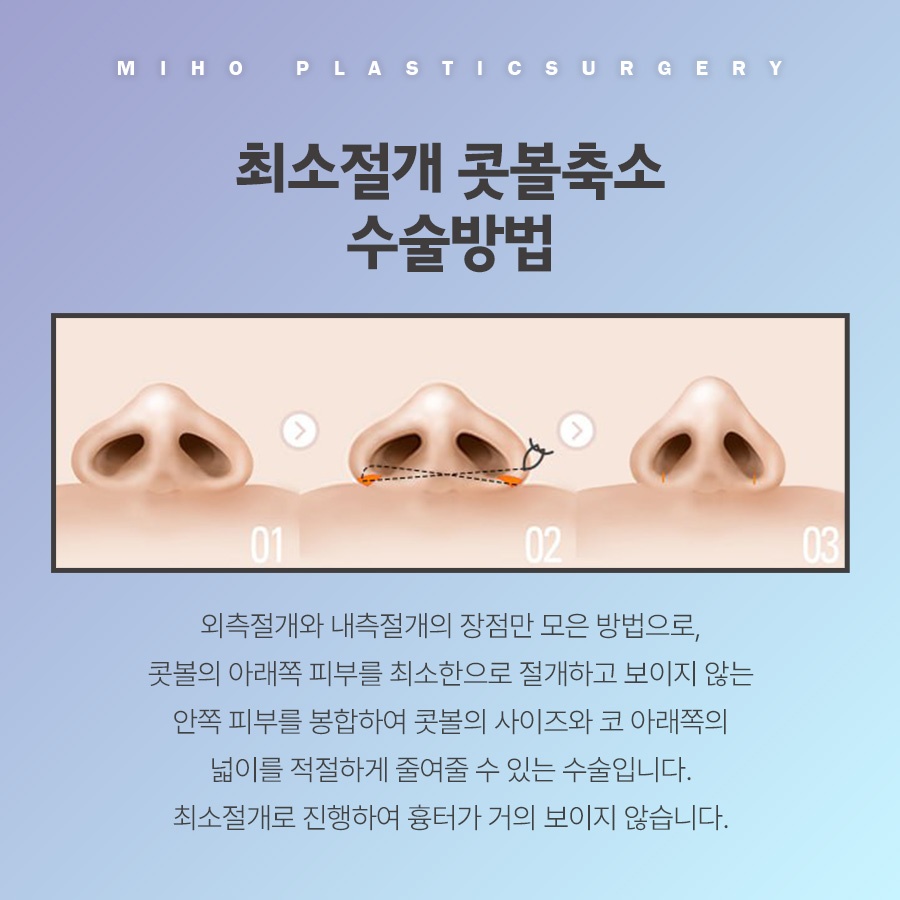
The nasal wings are primarily composed of the alar cartilage, surrounding soft tissue, and the skin layer. They tend to become thicker from the inside toward the outside.
The result may vary depending on where the incision begins, and the existing thickness and elasticity of the skin have a significant effect on the course of recovery.
When elasticity is low, fine wrinkles and changes in shape may occur more easily even after the procedure. Therefore, the extent of the incision should be adjusted to suit the skin layer, and the strength of the sutures may also need to be modified.
Thoroughly reviewing these factors with the medical staff in advance can help improve the stability of the result.

The incision methods used for alar reduction are generally divided into three types: external incision, internal incision, and combined incision.
When making an incision on the outer side, the crease between the nose and cheek is used as a reference. This method is suitable for widely spread nasal wings.
By contrast, an internal incision approaches the area from the inside and is widely preferred because it does not leave a visible external scar.
When the shape is relatively simple, an internal incision alone may be sufficient. However, when there is a significant difference between the two sides or the cartilage arrangement is complex, a combined incision involving both the internal and external sides is performed.
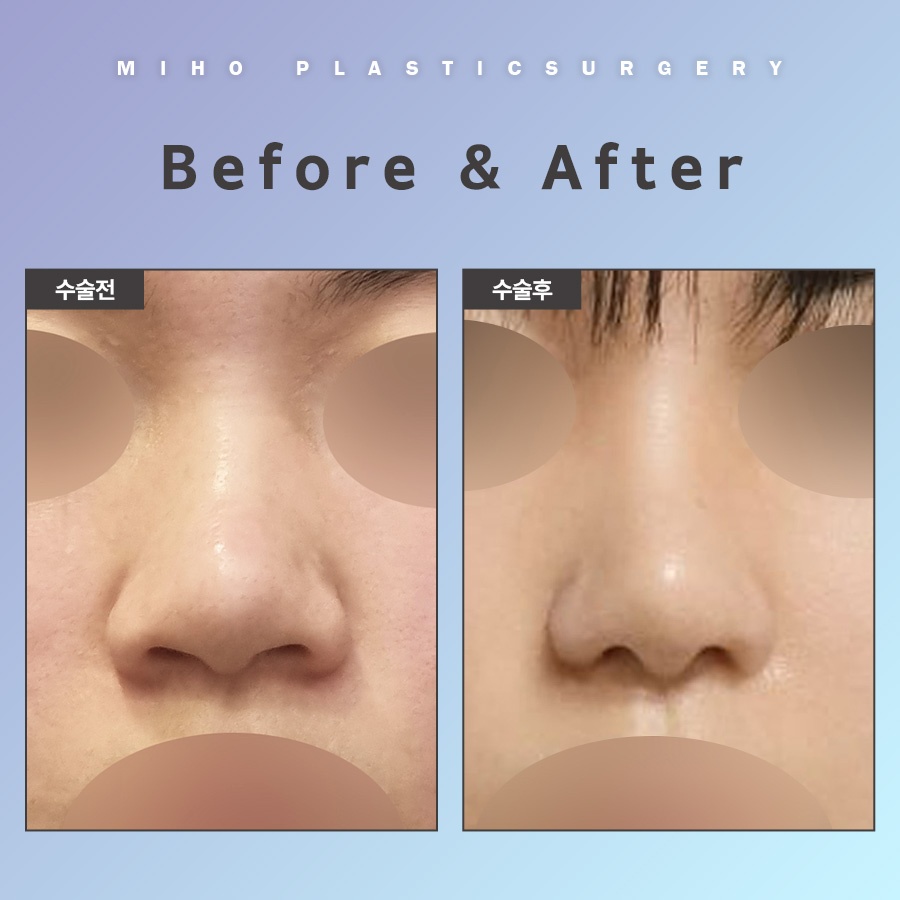
In the early stages after the procedure, swelling or bruising may appear in the area. These symptoms generally gradually subside after about one week to ten days.
The stitches are typically removed after five to seven days, so a full return to daily activities is possible only after that point.
During the recovery period, it is best to avoid rubbing or putting pressure on the nose. In addition to gentle cleansing and moisturizing, it is advisable to avoid using cosmetics that may irritate the skin.
When sleeping, avoiding high pillows and lying on your side can also help promote faster recovery.
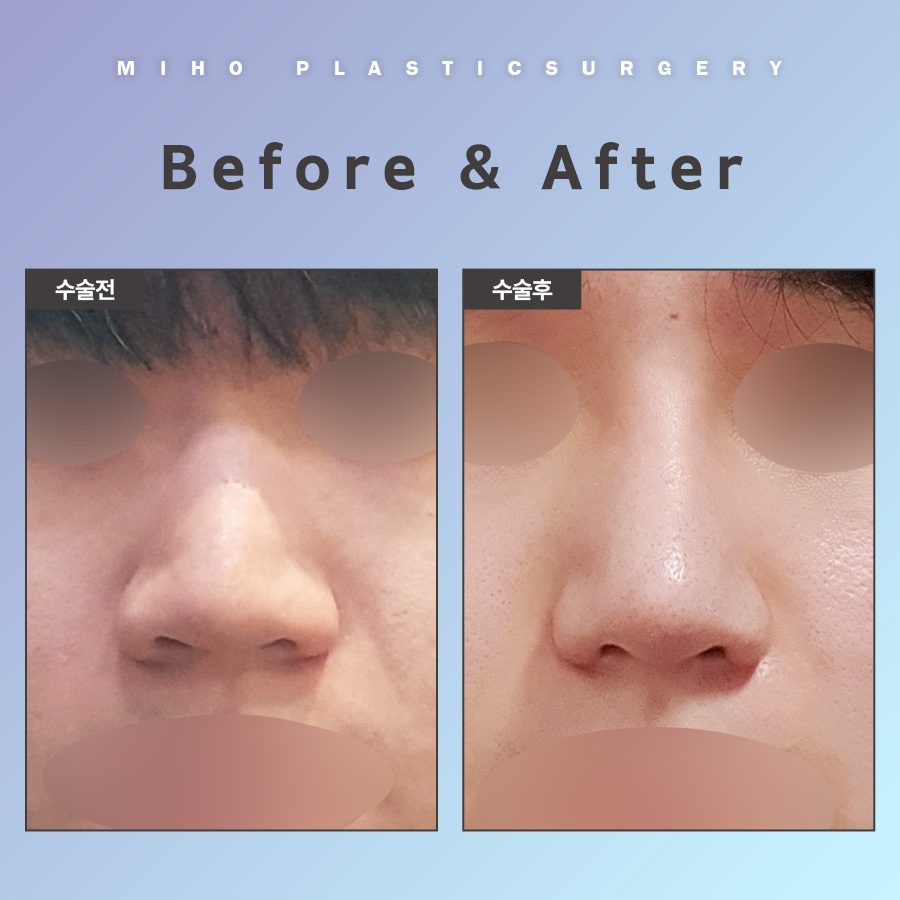
Because the size of the nasal wings is closely connected to one's overall impression, it is important to plan the procedure with the balance and harmony of the individual's face in mind rather than focusing solely on making them smaller and narrower.
If this is ignored and the width is reduced excessively, the impression may instead appear unnatural. Conversely, if the existing shape is preserved too much, the change may feel minimal.
To maximize satisfaction with alar reduction, the incision direction, skin recovery capacity, and cartilage shape should all be planned together. The appropriate method should be determined through consultation with a trusted medical professional.
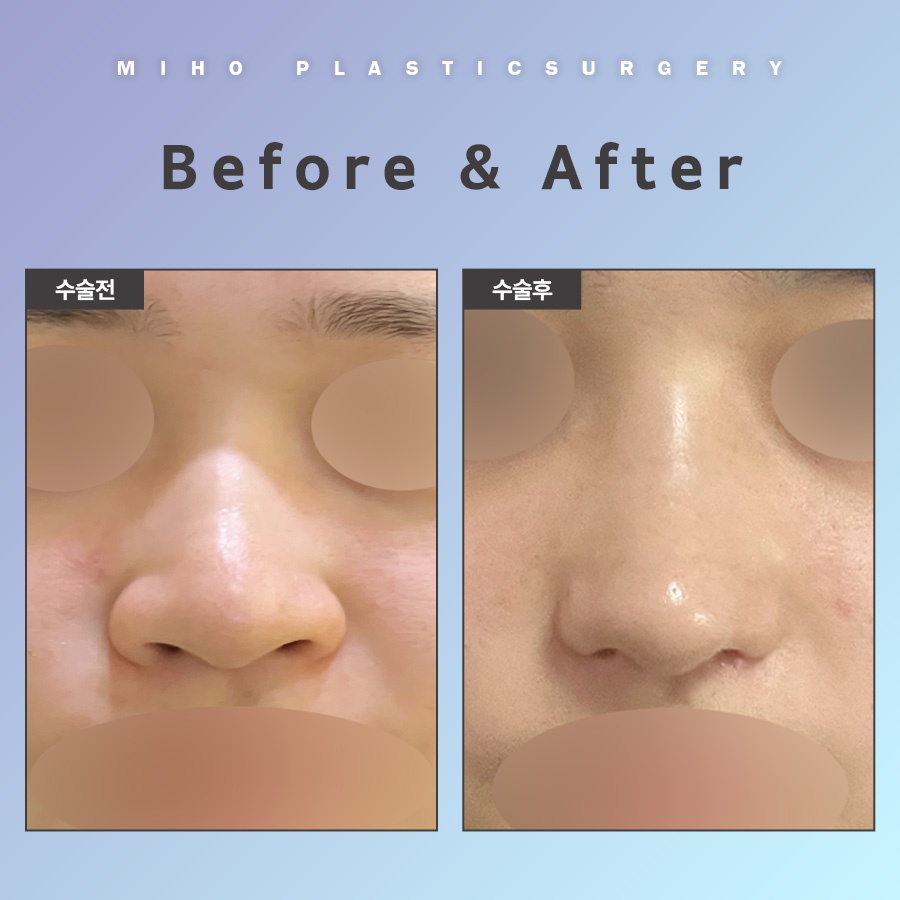
In addition, throughout this process, it is necessary to analyze not only front-facing photographs but also the three-dimensional aspects of the surrounding facial features.
At Miho Plastic Surgery Clinic, the thickness of the nasal wings, the location of the nostril borders, and the angle at which they connect to the nasal tip are examined from multiple perspectives, and the extent of the incision is precisely adjusted accordingly.
Furthermore, minimizing the incision area reduces the burden placed on the tissue and allows for relatively faster recovery.
Since this is a physical procedure that is difficult to reverse, detailed analysis and planning of the underlying structure in advance will be key to improving satisfaction.
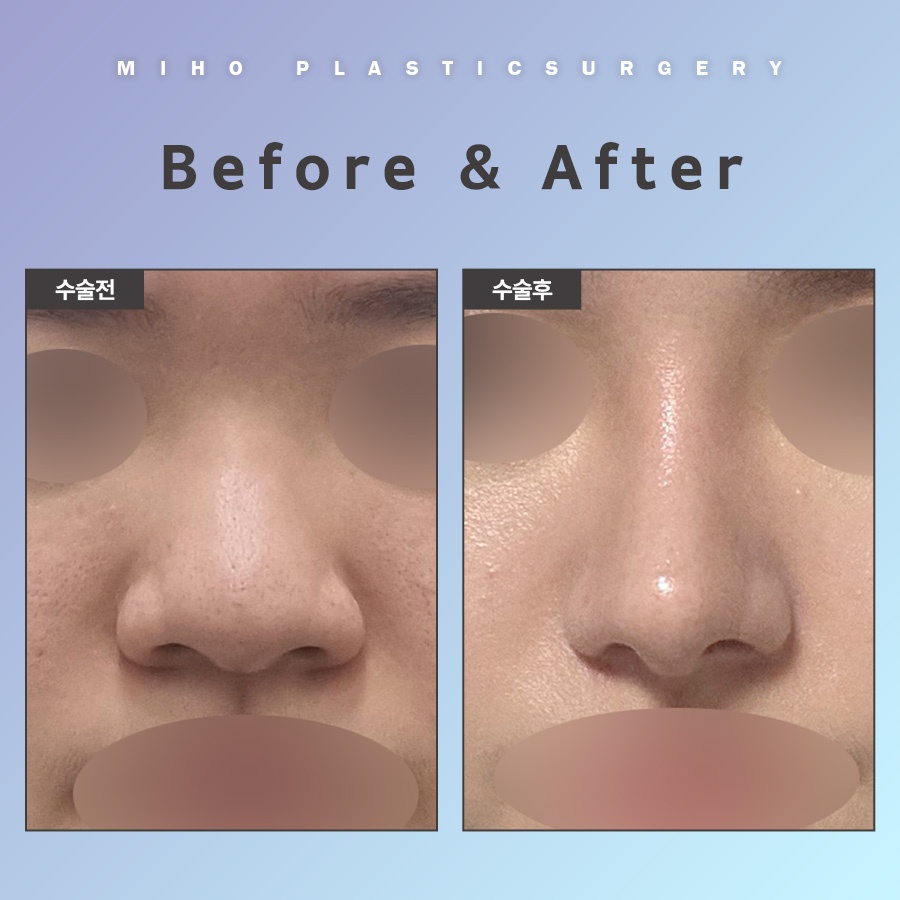
When the width is reduced through alar reduction, the overall impression may appear more refined, and the entire line connecting to the nasal tip can be shaped in a more polished form.
The three-dimensional definition of the surrounding eyes and lips may also stand out more clearly.
Because this procedure can be performed independently regardless of the height of the nasal bridge, it may be an option worth considering for those who feel apprehensive about extensive cosmetic surgery.
If you are interested in this procedure, consider choosing a clinic that carefully assesses each individual's condition through extensive case experience and precise analysis, while pursuing a natural result without excessive alteration.




Previous image
Next image