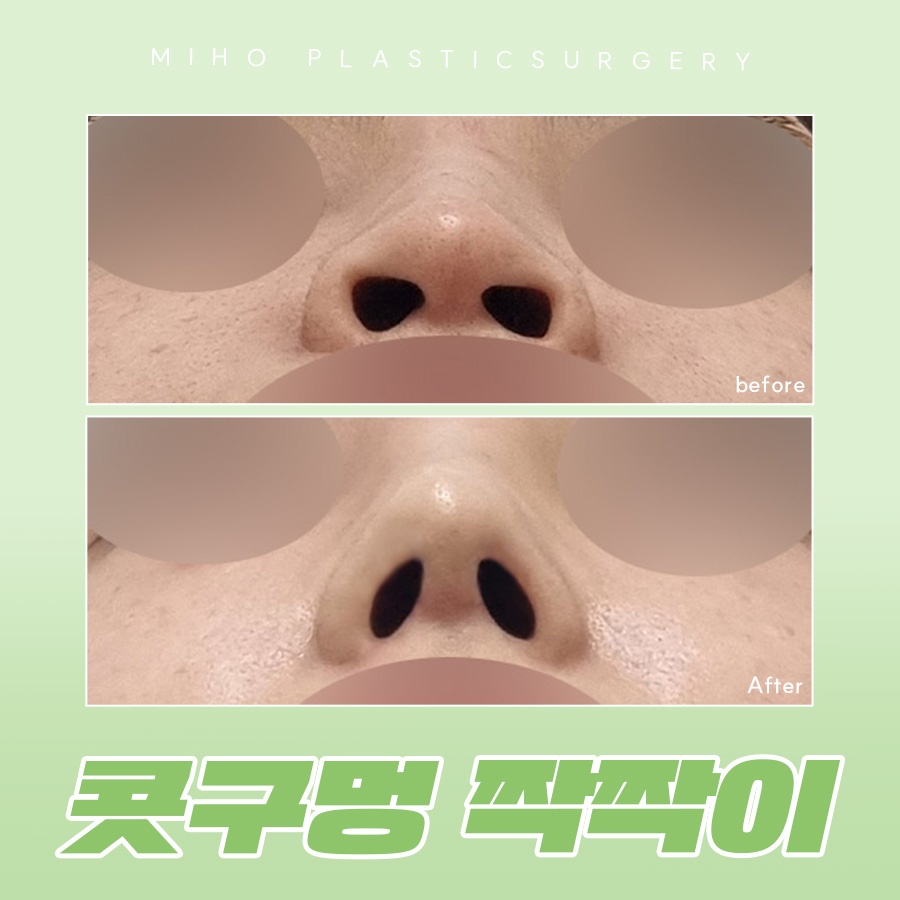
The nose is located at the center of the face,
so it not only determines the first impression
but also influences the overall image.
That is why, along with double-eyelid correction,
the nose is one of the areas most commonly
chosen for cosmetic procedures.
However, as these procedures are performed frequently,
various problems can occur, including the recurrence
of symptoms and issues with implants.
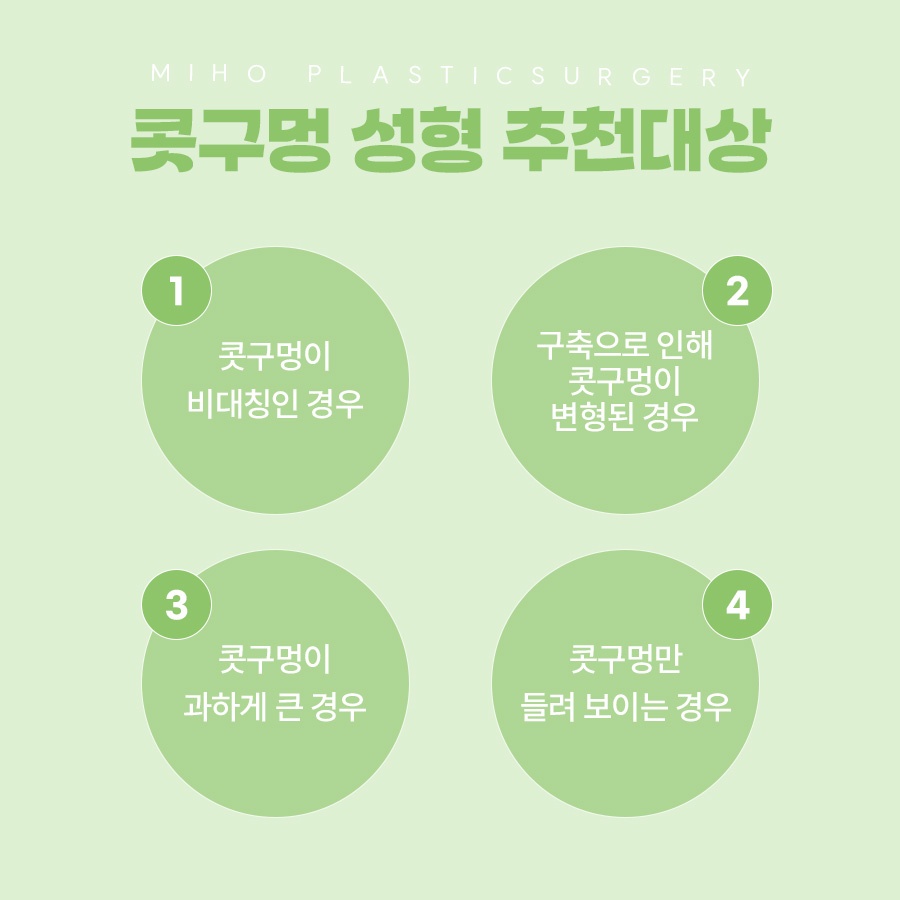
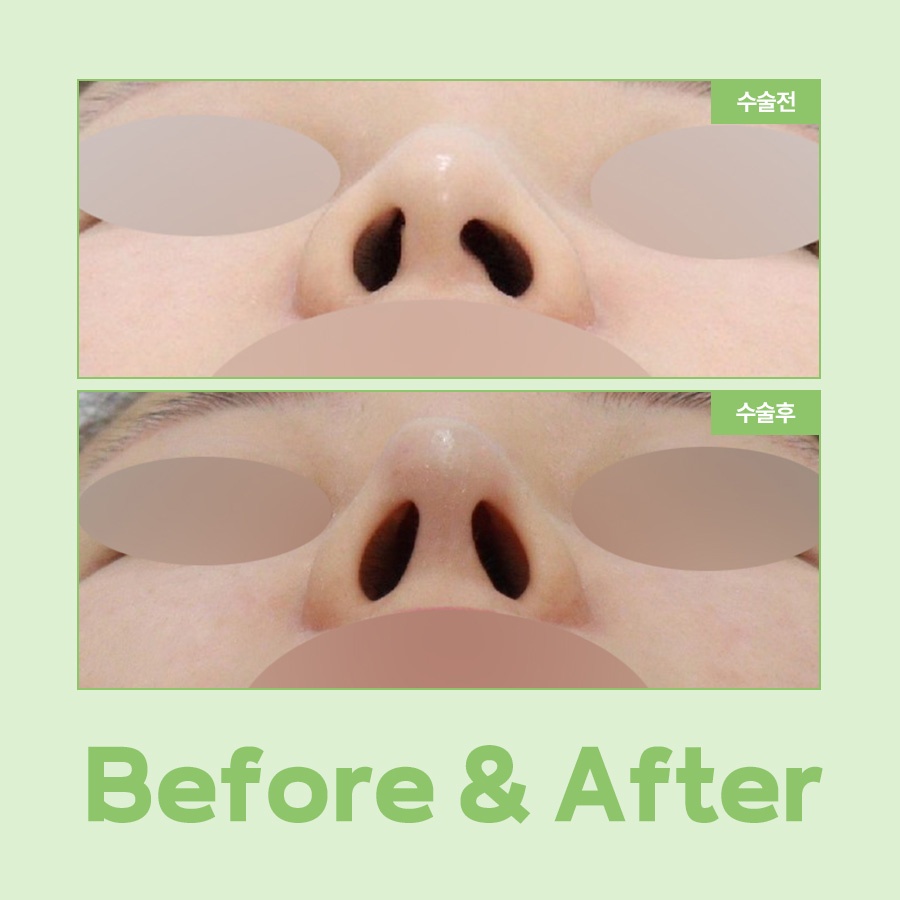
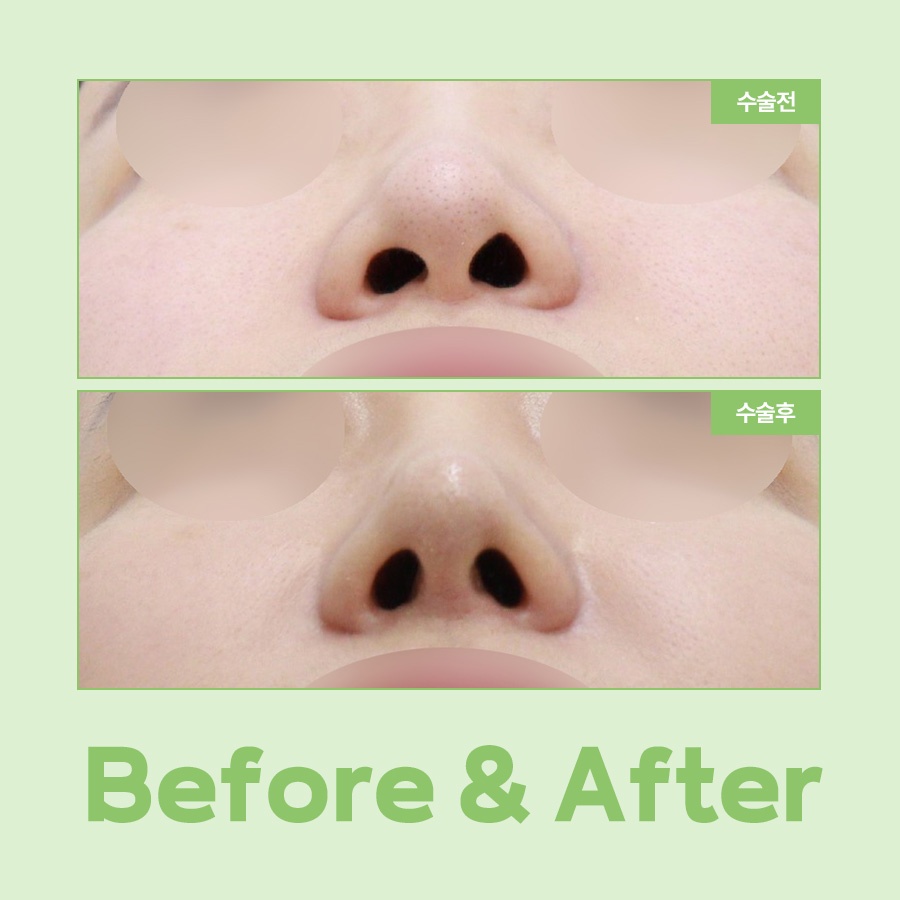
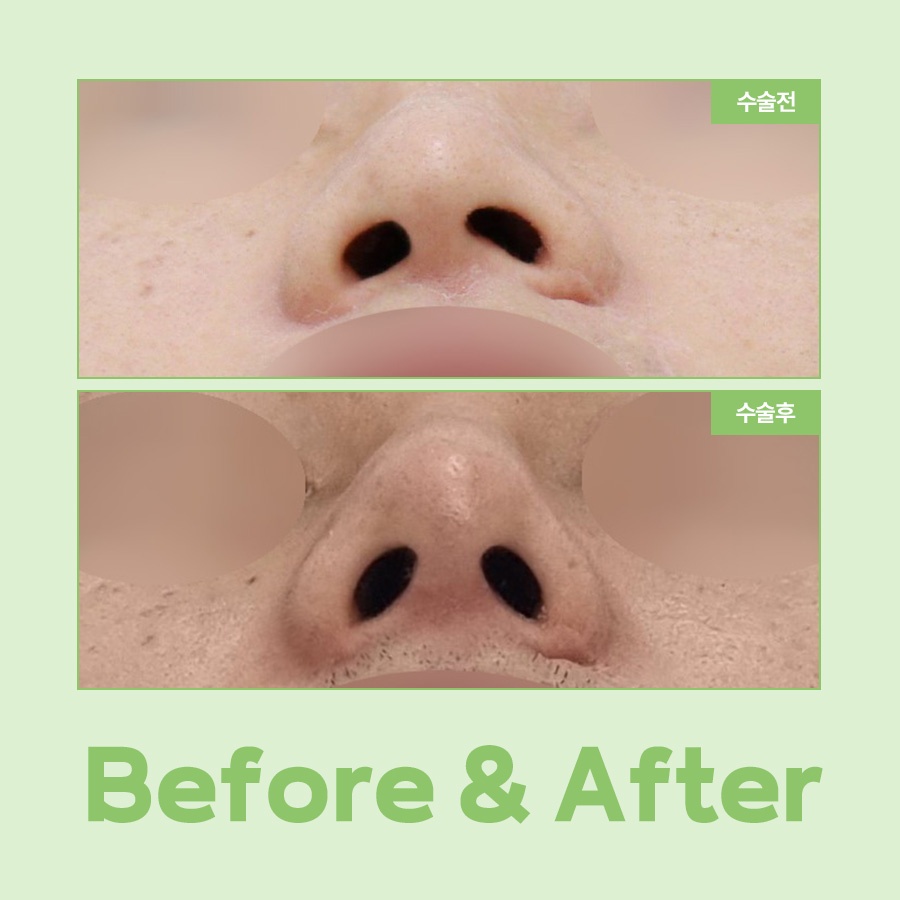
In particular, when the nostrils are uneven in size
and shape, blockage or difficulty breathing
can make everyday life very uncomfortable.
Today, we will provide a comprehensive overview
of the causes of this condition and the appropriate
timing for revision rhinoplasty that should not be overlooked.
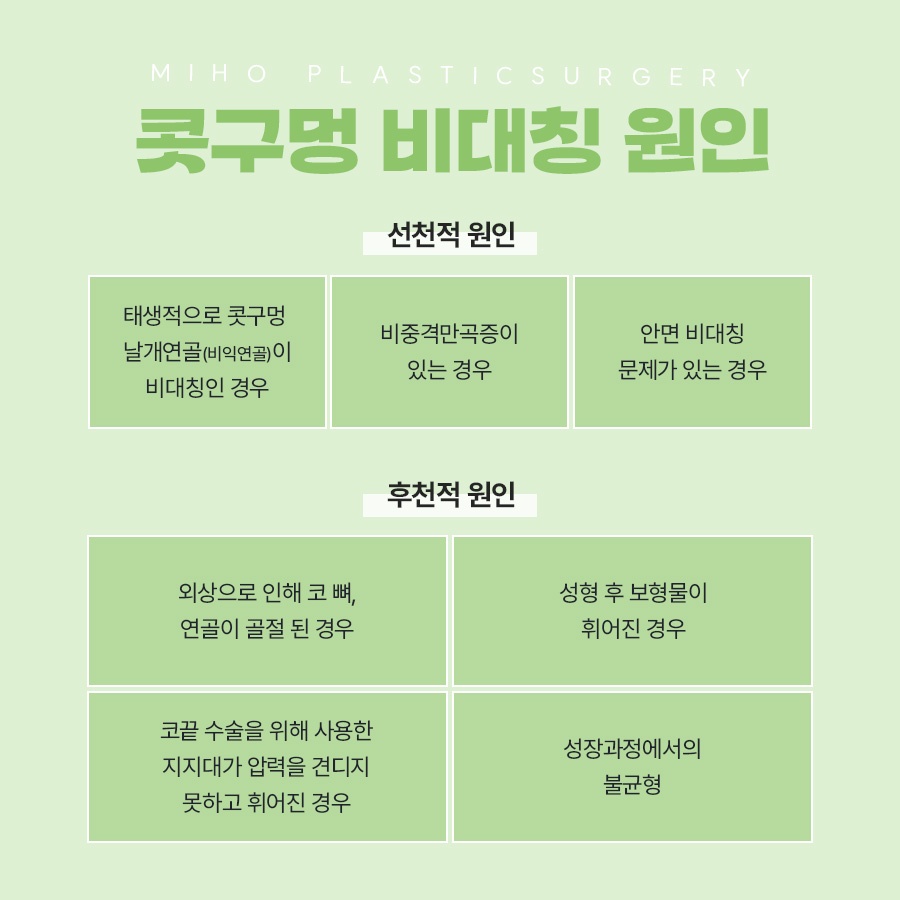
There are five main causes.
Because they can arise from various factors,
including anatomical factors and tissue stabilization,
we will examine them carefully one by one.
First, congenital asymmetry occurs when the left
and right sides have been different since birth,
and the difference becomes more noticeable after
the height or shape is altered artificially.
If you have a deviated nasal septum,
the nostrils may appear uneven because the septal wall
is bent toward one side.
In such cases, chronic blockage and rhinitis
symptoms are also likely to occur.
Alternatively, asymmetry in the facial bones
or soft tissue can cause differences in the position,
size, or height of the nostrils.
The second cause is an imbalance in the cartilage-supporting structure.
This can occur when the columellar support supporting the tip
is sutured at different heights or positions on the left and right,
or is tilted in one direction, causing the columella
to bend and become asymmetrical at the same time.
It may also occur when the septal or ear cartilage
used as support lacks sufficient strength,
or gradually tilts or sinks to one side over time.
Uneven nostrils can also worsen when the structure
is compressed and deformed while multiple materials
are layered or cartilage is expanded.
The third cause is contracture, which refers to the abnormal
contraction and hardening of internal tissues such as cartilage,
skin, and mucous membranes.
As a result, symptoms may include an overall shortening,
an upturned tip, or a change in the shape of the nostrils.
When scar tissue contracts more on one side
or the internal tissues become asymmetrically deformed,
contracture can easily be aggravated by various factors,
including repeated corrective procedures, inflammation,
trauma, changes in implant position, and immune responses.
Because various factors can act together in this way,
it is important to identify the cause carefully.
The fourth cause is a technical factor.
It can occur when the alar cartilages are fixed asymmetrically,
or when the height or position of the sutures differs
between the two sides.
In addition, if the internal supporting structure
has not been reinforced properly or is fixed while still bent,
the tip may tilt and be accompanied by blockage.
It can also occur when the highest points,
such as the nasal bridge or tip, are determined incorrectly,
or when the incision lines or their arrangement are improper.
Naturally, even slight differences in cartilage grafting
and suturing or implant insertion can make uneven nostrils
more noticeable over time.
Finally, it can result from tissue changes during recovery.
When a wound develops, scar tissue forms as part
of the body’s natural healing process.
If the degree of contraction differs between the two sides,
or if more scar tissue forms on one side,
it can pull the tissue and cause asymmetry.
The same can happen if the cartilage or skin
becomes more deformed on one side,
or if the two sides settle into different positions.
If an implant bends to one side or adhesions develop,
the nostril can be pulled toward one side,
causing the balance to collapse.
These five causes can result in uneven nostrils,
which can lead to several types of discomfort.
The most immediate problem is difficulty breathing.
Because the airway is narrowed, air cannot move smoothly,
so blockage is common and, in severe cases,
breathing difficulty may occur.
Although the procedure may have been chosen
to enhance and bring out your natural beauty,
it can be very distressing if functional deterioration
occurs along with contracture, such as a shortened nose
or an upturned tip.
This can lead not only to dissatisfaction with
the institution you trusted and severe stress,
but also to difficulty carrying on with everyday life.
If uneven nostrils develop,
revision rhinoplasty is usually performed
six months to one year later.
During this period, the soft tissue, skin,
and cartilage need to stabilize sufficiently
to reduce the risk of complications.
Therefore, it is important to wait for an appropriate
amount of time.
However, in urgent situations involving severe inflammation,
implant exposure, or acute functional impairment,
prompt action is necessary.
The timing may also vary depending on your condition
and degree of recovery, so it is necessary to undergo
a thorough examination and diagnosis before making a plan.
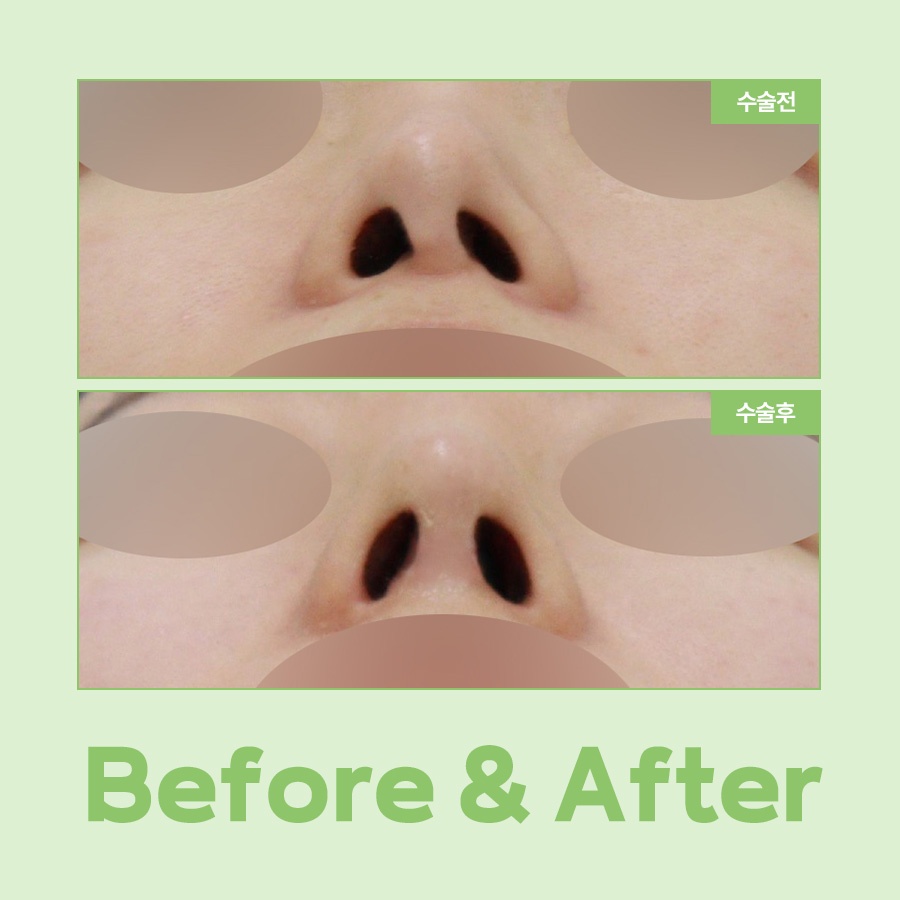
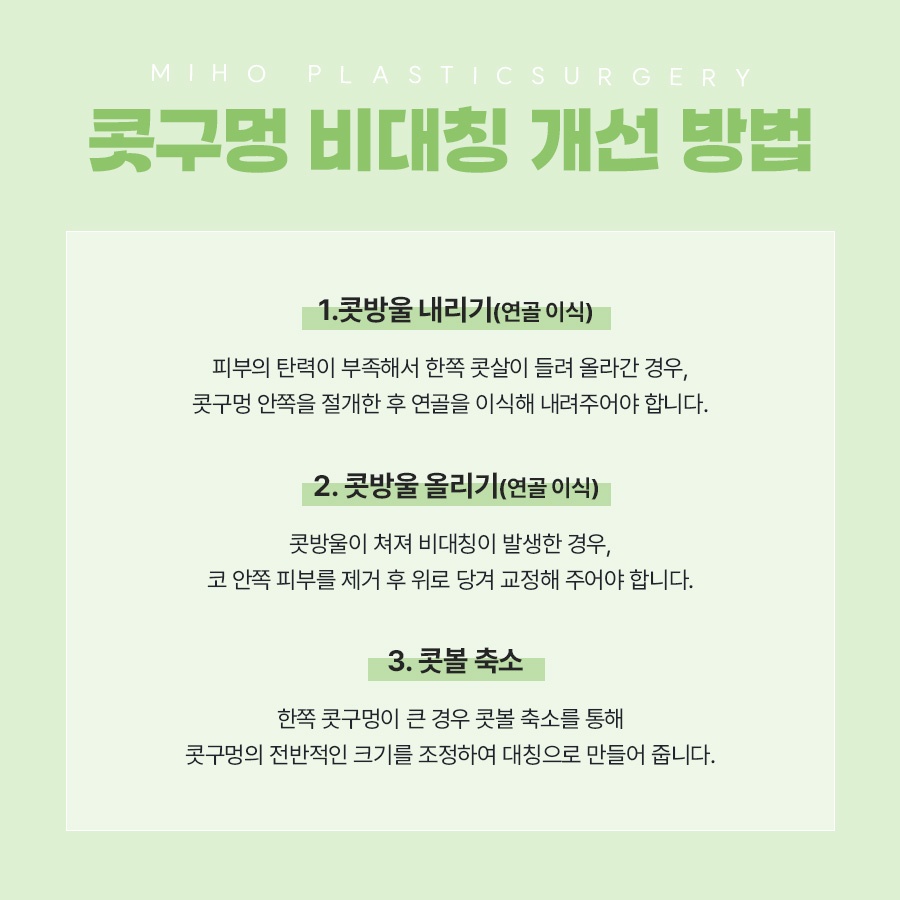
As outlined above, there may be several possible causes.
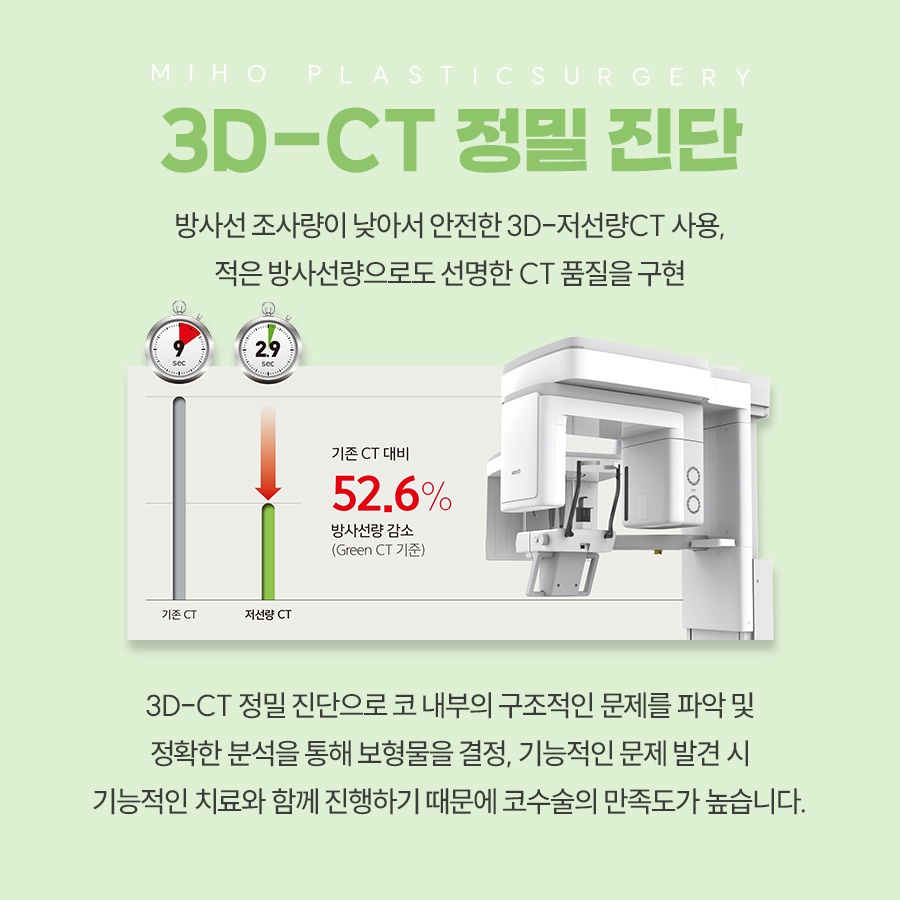
Therefore, it is most important to examine the internal structure
carefully using detailed examinations such as 3D CT
and accurately determine whether the factor causing the asymmetry
is the cartilage, implant, deviated nasal septum,
scar tissue, contracture, skin, or something else.
Next, the timing and treatment plan are determined
after confirming whether the tissues have stabilized
and recovered sufficiently.
If the cartilage is weak or damaged,
materials with strong supporting capacity should be used,
the technique should be adjusted,
and the nose should be corrected and naturally reconstructed.
During this process, it is also important to check
for unnecessary functional problems such as blockage
or difficulty breathing and establish a plan to improve them.
It is important to find a physician and institution
that will do their utmost to help heal not only the physical issues
but also the emotional wounds and pain caused by disappointment
after a choice made with high hopes.
In particular, revision rhinoplasty for uneven nostrils
is considered fairly complex,
so sufficient consultation and careful consideration are necessary.
We will always do our best so that everyone
who is struggling with these concerns can achieve
a satisfactory result.


Previous image
Next image