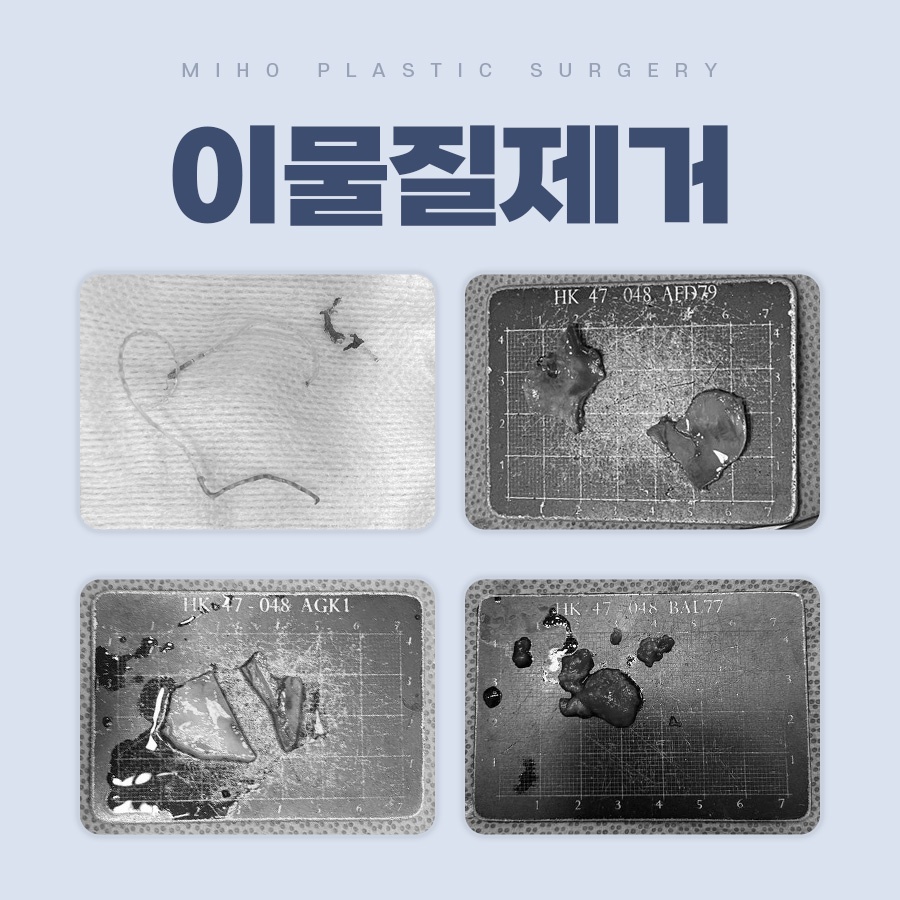
You may expect your nose to become beautiful once the swelling subsides, but in some cases, the nose suddenly becomes red, throbs, and produces pus.
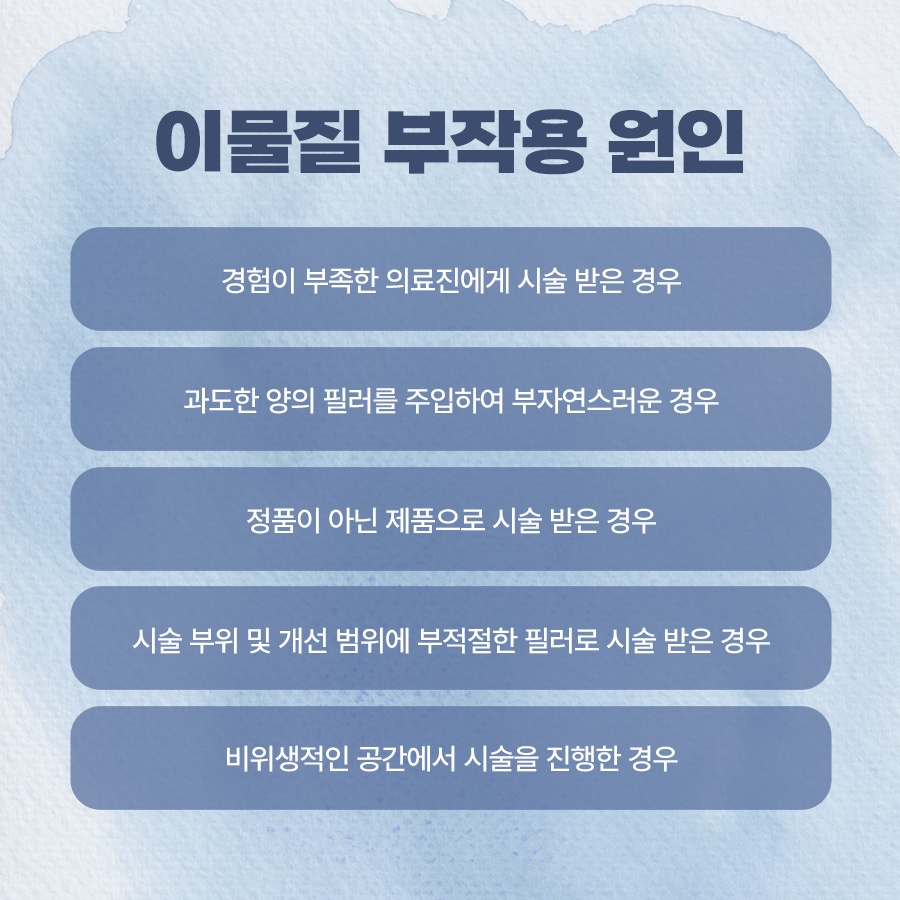
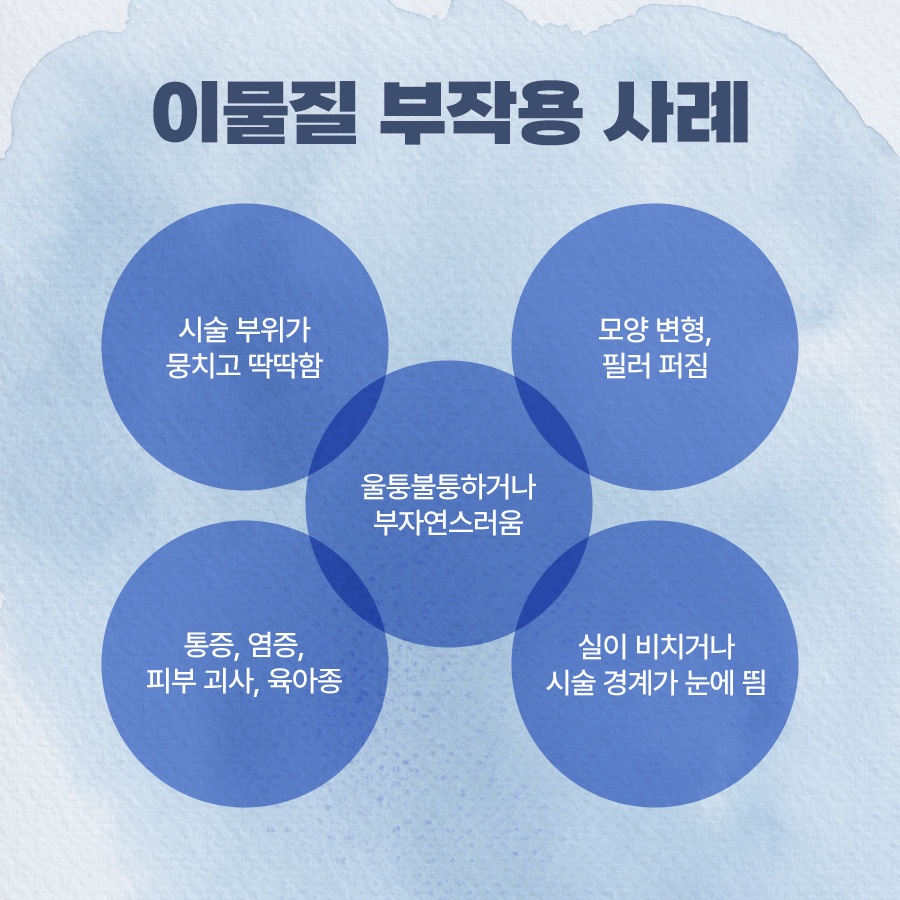
This is an inflammatory reaction caused by an implant. In severe cases, serious outcomes such as deformity, contracture, or necrosis may occur, making foreign-body removal necessary.
Even when the symptoms are not exactly the same, various rejection reactions may occur, such as the foreign material appearing to protrude, pain when touched, or the implant showing through as a whitish color.
If you wish to have the foreign material removed safely along with reconstruction, you should choose a surgeon with extensive experience.
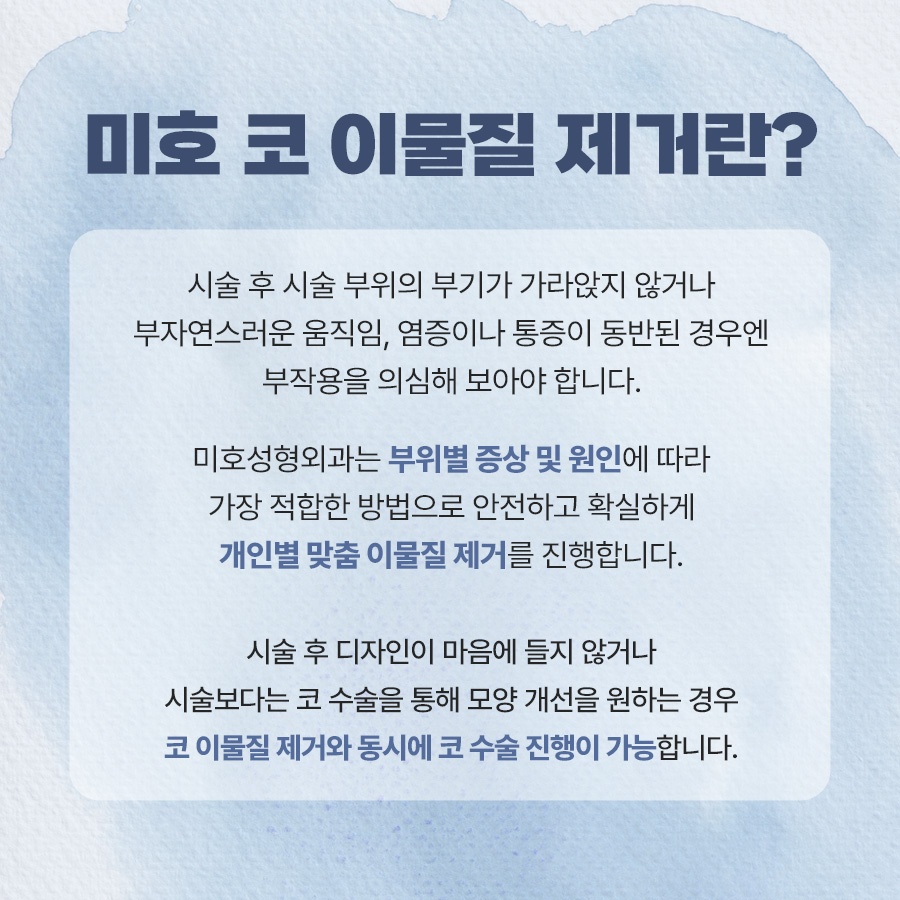
Foreign-body removal is a highly challenging procedure. If the material is not removed delicately, the external appearance may become uneven, and some of it may remain inside.
Special care is needed to prevent necrosis because the skin is thin. Satisfactory results also require the procedure to be planned with an understanding of how the shape may change after removal.
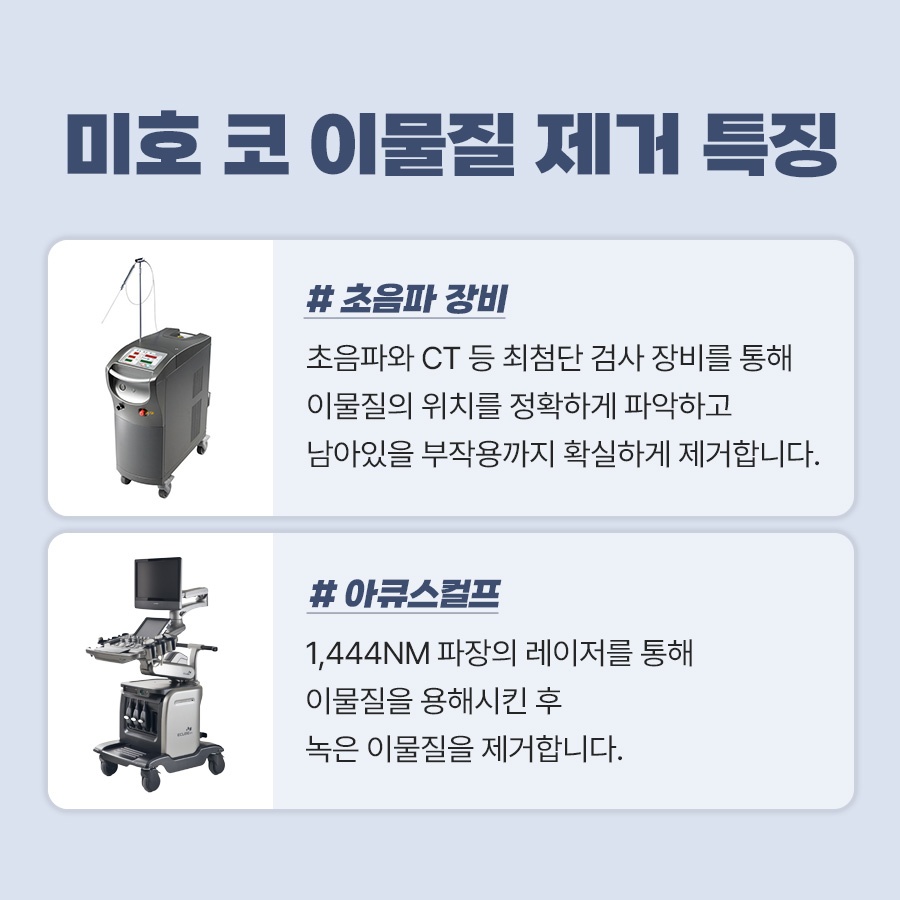
Our clinic carefully assesses the type and location of the material—such as filler, threads, or autologous cartilage—as well as the state of adhesion, using ultrasound and CT equipment.
In addition, depending on the degree of inflammation and contracture, we choose the safer approach between taking prompt action and stabilizing the tissue.
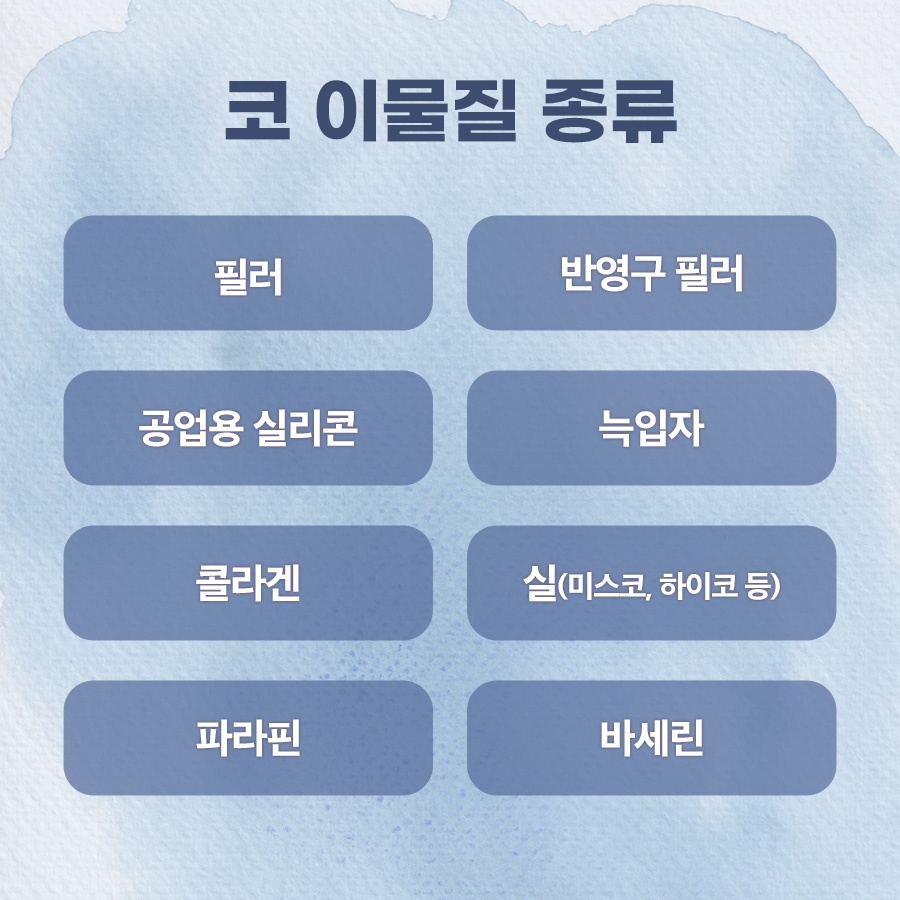
The main types of foreign-body removal involve three materials: filler, threads, and rib cartilage particles. Let us look at each one in turn.
First, in the case of filler, it may have been excessively injected during the procedure, or its shape may later spread or become irregular. The main symptoms include hardness, pain, warmth, and necrosis.
Hyaluronic acid can be dissolved by injection, so the surgeon directly removes only the remaining material.
However, insoluble materials can only be removed through an incision. Moreover, if inflammation and contracture are severe, even the surrounding normal tissue may need to be excised, making a reconstruction plan necessary as well.
In Korea, hyaluronic acid fillers are the most widely used because of concerns about foreign-body reactions and side effects.
Unfortunately, there are still occasional cases of people visiting after having nonmedical industrial silicone, paraffin, or petroleum jelly inserted—materials that are illegally prohibited in Korea and cannot be dissolved.
Collagen, PMMA, and calcium fillers, which are used as semi-permanent materials, differ in how long they last depending on whether they are absorbed by the body or remain in place.
Treatment is performed according to whether a foreign-body reaction is present. Since the condition may develop into necrosis over time, prompt action at an early stage is especially important.
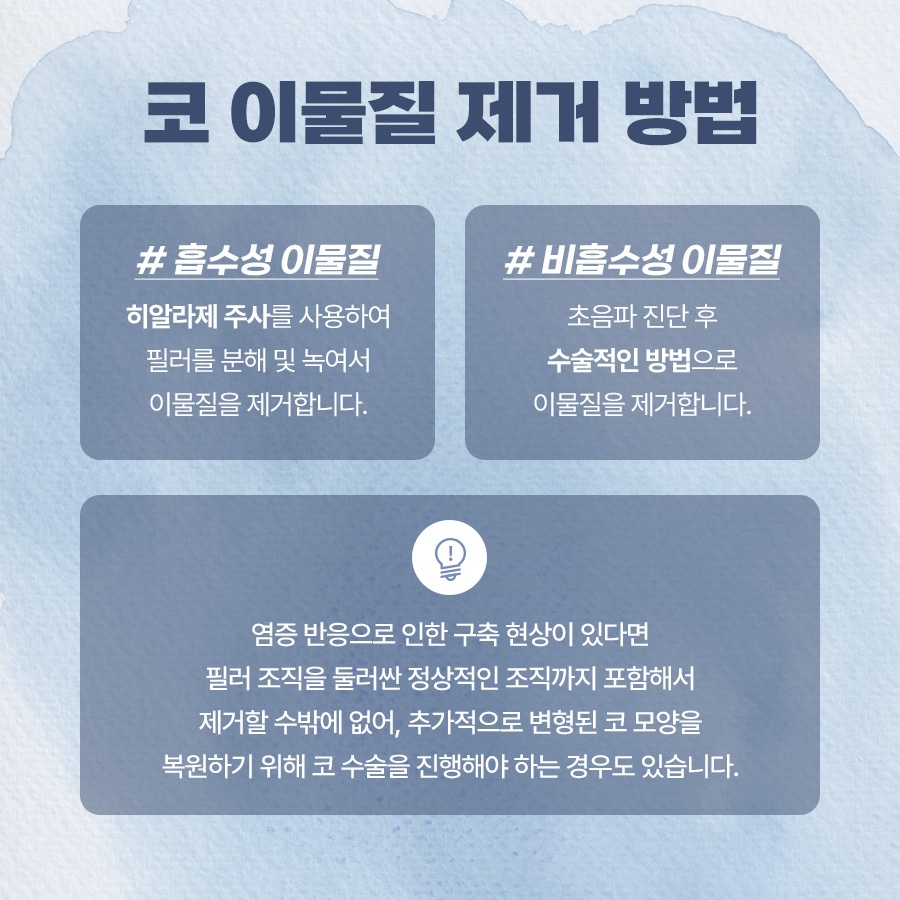
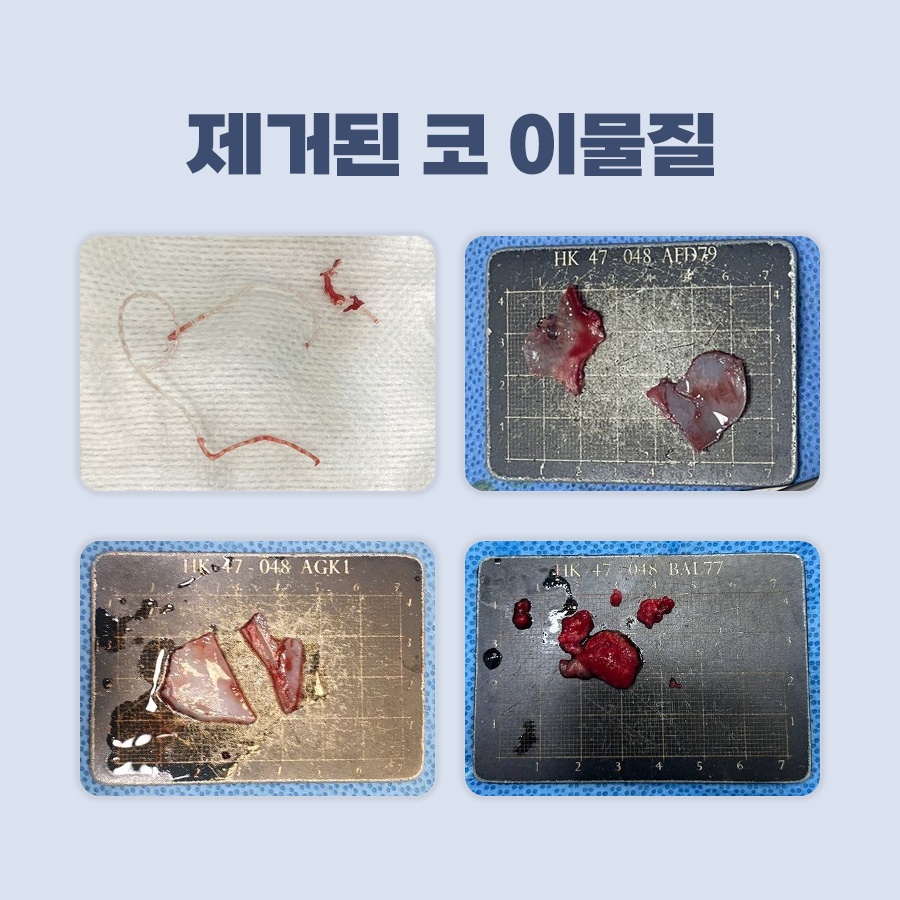
The next most common cases of foreign-body removal involve threads such as Misko and Hiko. Patients seek treatment when the thread protrudes from or shows through the tip of the nose, when they repeatedly feel a foreign-body sensation, or when there is swelling and pain.
These are structures intentionally inserted to increase and support the shape of the nose. Over time, they may either be absorbed by the body or remain in place.
The problem occurs when the thread is inserted too superficially or placed at an incorrect angle or location, causing it to protrude through or show beneath the skin.
If infection is not prevented, inflammation and an abscess may develop.
Because the thread is adhered to the internal tissue, it should not simply be pulled out. Instead, an incision must be made so it can be safely separated and removed.
The final type is rib cartilage particles made from the patient’s own rib cartilage. This cartilage is usually finely cut, divided, and transplanted in a dispersed manner.
If the pieces become attached to and adhered to the surrounding tissue and inflammation develops, scar tissue must be precisely separated and dissected. Therefore, this can be the most difficult of the three materials, and complete removal is not easy.
Some patients report that the nose feels generally hard or firm after receiving an autologous cartilage graft, along with a persistent sense of pressure, tightness, or discomfort.
Because nasal congestion may also occur, if it is difficult to breathe and the nose feels sore or heavy, it is advisable not to delay and to visit the clinic promptly.

Therefore, when looking for a primary physician, you should find someone who understands anatomical structures and various complications in order to safely undergo the highly challenging procedures of foreign-body removal and nasal reconstruction.
As mentioned above, each material requires a different treatment method, and expertise in comprehensively managing complex conditions such as inflammation and contracture is also necessary.
Furthermore, the clinic should have a system that uses precision equipment such as 3D CT, ultrasound, and lasers to identify the internal structures of the body and the location of the material to be removed, and to create an individualized 1:1 plan and reconstruction design.
Naturally, it is reassuring when one dedicated physician provides close care from the consultation through follow-up instead of assigning different staff members to each stage. A clinic that transparently installs CCTV and records the entire process can provide additional peace of mind.
In addition, our clinic has installed a central monitoring system to monitor vital signs in real time and respond quickly to emergencies.
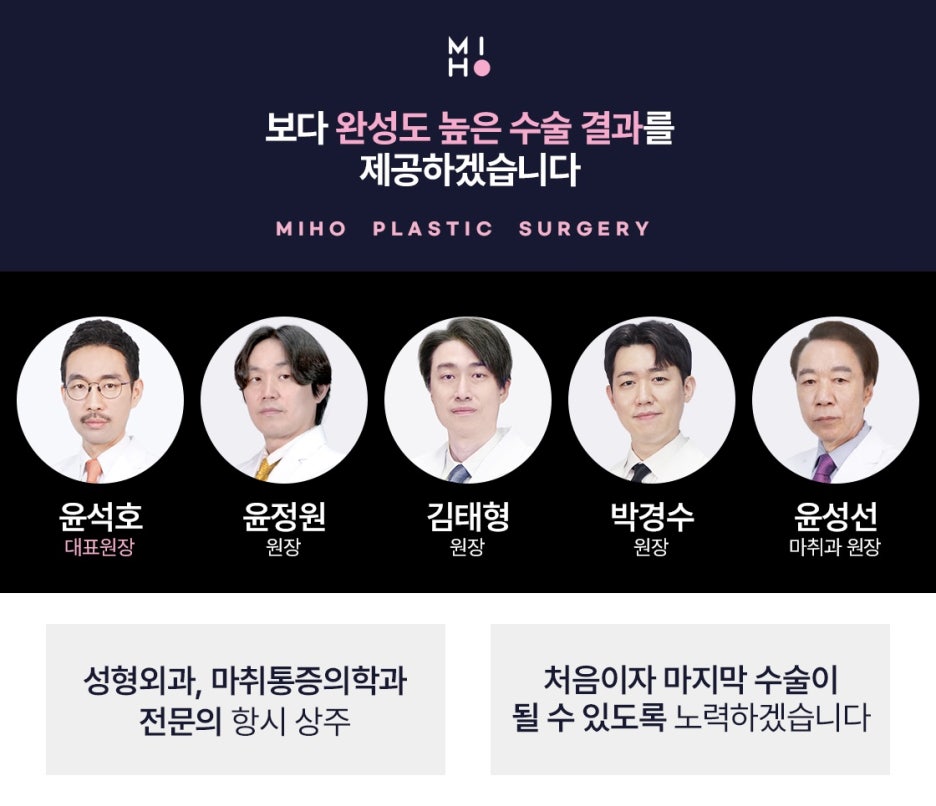
To create a safe environment, an anesthesiology and pain medicine specialist is present on-site and provides individualized care.
Upon visiting the clinic, you will first undergo a detailed examination so that your condition can be assessed closely.
If a serious condition such as acute inflammation or infection is confirmed, immediate measures are taken to prevent necrosis and the spread of infection.
The procedure is also performed in exceptional cases where an implant has shifted from its proper position and is making daily life difficult.
After first addressing the urgent problem, the tissue is given several months to recover before nasal reconstruction is performed.
Usually, the two procedures are performed together because everything can be resolved under a single anesthetic, reducing the physical burden and shortening the recovery period.
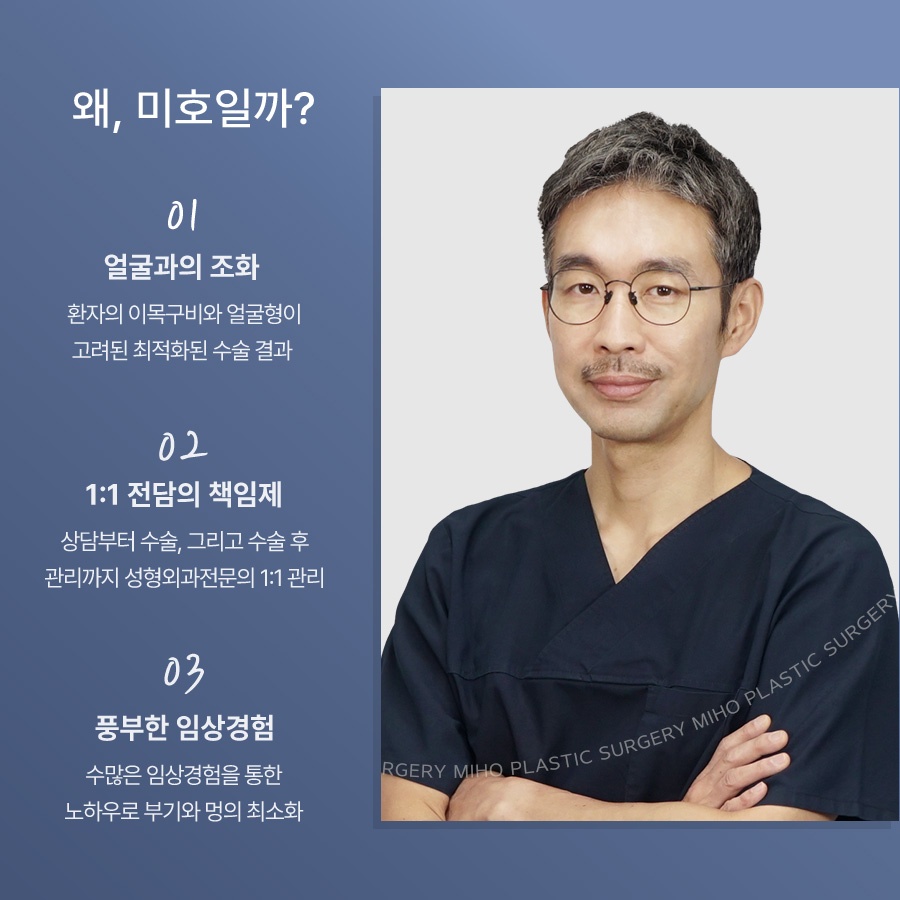
Various factors must be considered, but the decision depends on the individual’s condition and degree of tissue recovery, the presence or absence of complications, and the medical team’s experience.
Therefore, if you are considering foreign-body removal, it is advisable to visit the clinic for a detailed diagnosis and consultation.
We have witnessed up close the sense of failure and frustration that can arise when the results of a procedure involving significant time, money, and energy are disheartening.
However, with appropriate treatment, you can regain a healthy and natural appearance, so we hope you will find the courage to visit us.


Previous image
Next image