
The nose detects odors
and filters air before delivering it to the lungs,
helping us breathe.
It is also located at the center of the face,
providing dimension
while serving as the central feature of the facial features.
For the nose to perform these functions properly,
not only the shape of the nasal bridge bones
but also the size and form of major tissues,
such as the septal cartilage, nasal valve, and turbinates,
must be maintained in proper alignment.
Some patients are known to experience difficulties
after developing structural problems
that are congenital or acquired.
Functional rhinoplasty can be described
as a practical measure that helps these individuals
restore normal nasal function
while also regaining a more pleasing appearance.

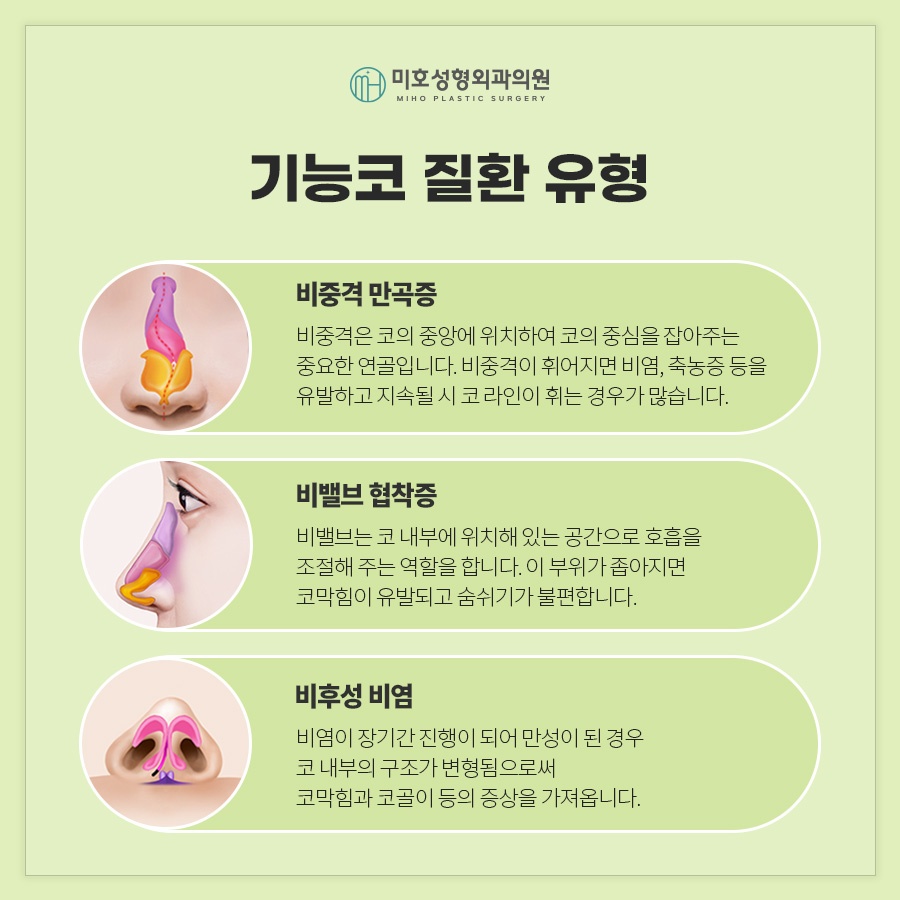
- Deviated Septum
A condition in which the septal cartilage
at the center of the nose is bent
to one side
is called a deviated septum.
Because this narrows the passage
inside one nostril,
it can cause frequent nasal congestion
and difficulty breathing.
Patients with a deviated septum
are also vulnerable to rhinitis and sinusitis,
so functional rhinoplasty
can be used to improve the structural problem
and promote nasal health.
In addition, efforts are made to restore
a twisted nasal bridge and drooping nasal tip
caused by the bending of important cartilage.
Carefully designed rhinoplasty
can enhance both aesthetics and function,
restoring comfortable breathing
and a well-aligned appearance.
- Nasal Valve Stenosis
When examining the internal structure
of the area we recognize as the nasal tip,
we can find the nasal valve,
which plays an important role
in inhaling and exhaling.
If a deviated septum becomes severe,
or sinusitis, rhinitis, or a perforation worsens,
the nasal valve may become obstructed,
making it difficult to breathe.
A reduction in the size of the nasal valve
that causes functional problems
is called nasal valve stenosis.
If this condition is causing various discomforts
because of difficulty breathing,
the shape of the nasal valve
should be reconstructed through functional rhinoplasty.

- Hypertrophic Rhinitis
Rhinitis refers to inflammation of the nasal mucosa
that worsens runny nose and nasal congestion
and makes it difficult for the nose
to perform its natural functions.
There are many causes of rhinitis,
but the hypertrophic rhinitis introduced today
is known to develop readily
when tissue called the turbinate becomes enlarged.
This problem may also occur
when the internal nasal passage becomes narrow
because the central cartilage is severely deviated.
If the structural problem is not corrected,
inflammation can continue to recur
and easily develop into a chronic condition,
so efforts should be made to promptly normalize
the anatomical structure.
- Benefits of Functional Rhinoplasty
Although undergoing a surgical approach
can feel quite burdensome,
many people achieve satisfaction
by taking advantage of the benefit
of correcting both function and appearance
at the same time.
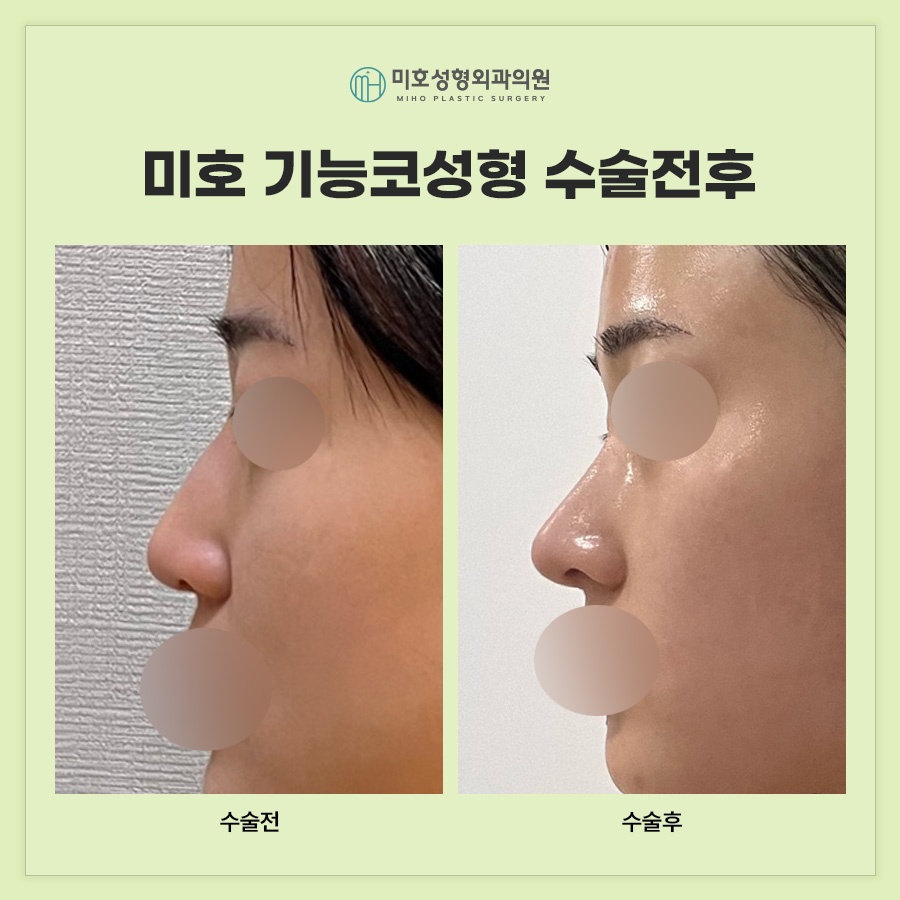
If the structural problem is improved
while carefully adjusting the height of the nasal bridge
and the shape of the nasal tip,
a new appearance can be created.
In particular, patients with a deviated septum
often show considerable interest
in using tissue thoughtfully,
such as modifying the shape of the nasal tip
with naturally harvested cartilage.
Furthermore, because the procedure may be recognized
as a purely medical treatment rather than a cosmetic one,
an unexpected benefit is that the financial burden
may be reduced by using national health insurance
or private medical expense insurance.
- Procedure
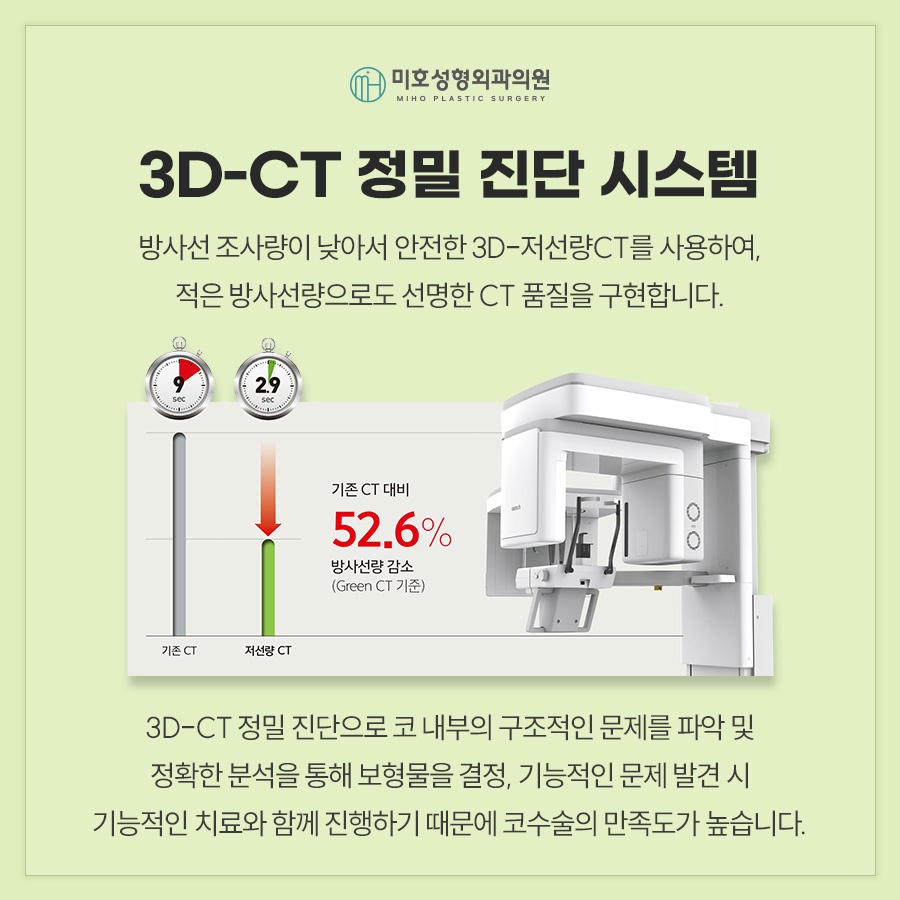
After undergoing a 3D CT scan
and reviewing the results with the medical staff,
it should be easy to identify the factors
that have negatively affected nasal health.
Once the medical staff diagnoses the condition,
they can check the surgical code
and explore ways to make good use
of private medical expense insurance and other coverage.
When establishing a specific treatment plan,
it is advisable to provide customized care
by actively considering each individual's health status
and physical condition.
In particular, it is important to anticipate
external changes and shape the nose
in the desired direction
to increase satisfaction.

By improving structural problems
while creating a balanced appearance,
you may feel a significant difference
even in ordinary daily life.
From this point, you should focus on recovery
while completing the paperwork
needed to use private medical expense insurance and other coverage.
Experienced medical staff and personnel
will handle this process skillfully,
helping save time.
If there is a clear diagnosis,
such as hypertrophic rhinitis or a nasal valve disorder,
you may pass the review related to private medical expense insurance
without difficulty
and reduce the financial burden.
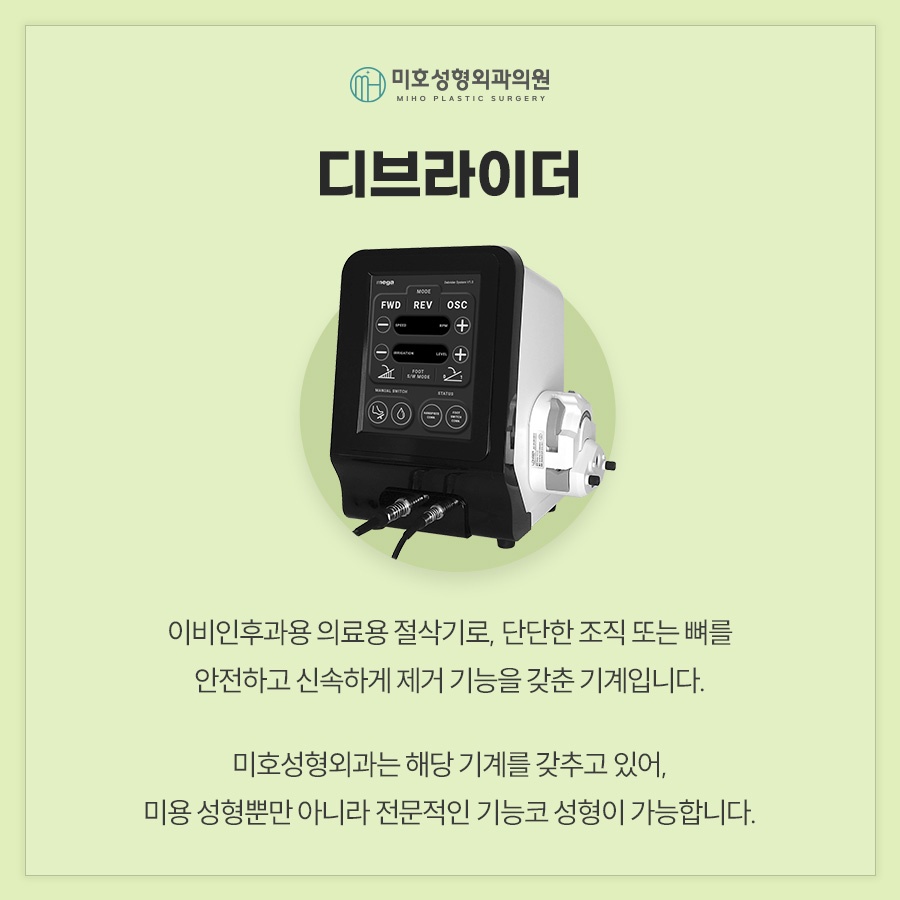
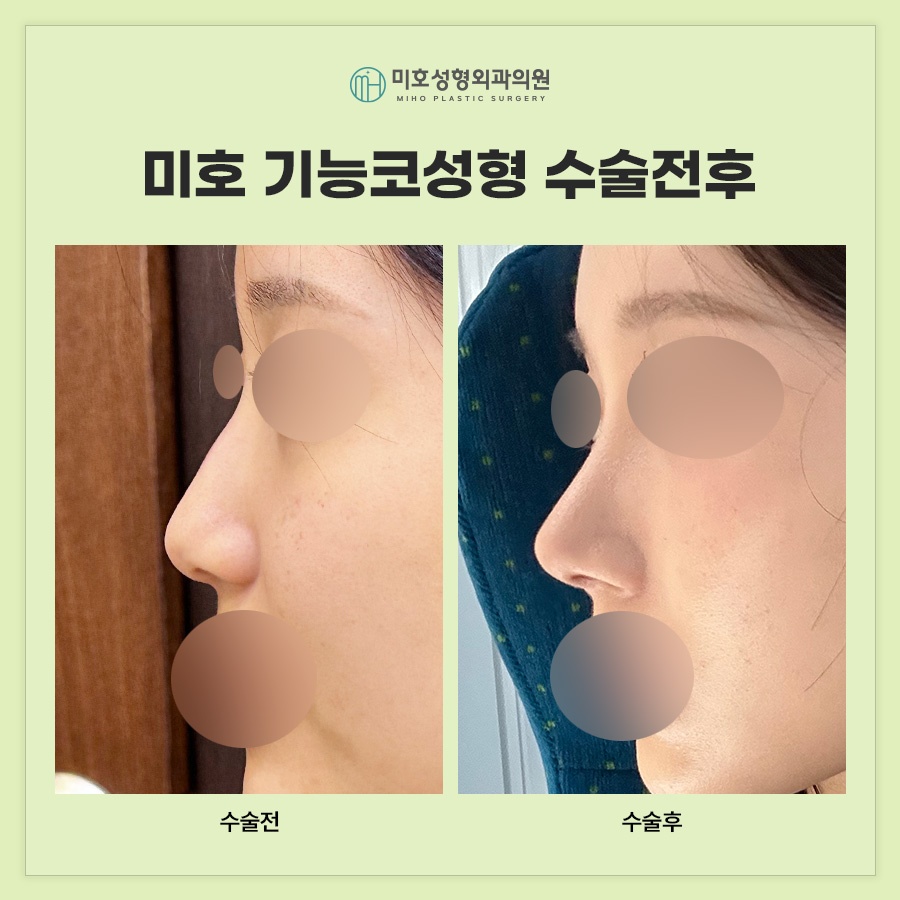
- Use of a Debrider
Those planning functional rhinoplasty
have no choice but to carefully consider
which medical institution to choose.
The choice may differ
depending on whether the focus is placed
on aesthetics or function.
However, if you meet experienced medical staff
who have extensive rhinoplasty experience
and are also skilled in using a debrider,
an instrument known for use in otolaryngology,
there is no need to worry about this choice.
A debrider can reduce unnecessary damage
to the turbinate mucosa,
helping the nose properly perform
various functions, including breathing,
smell, air purification, and immunity.
- Use of Suitable Implants
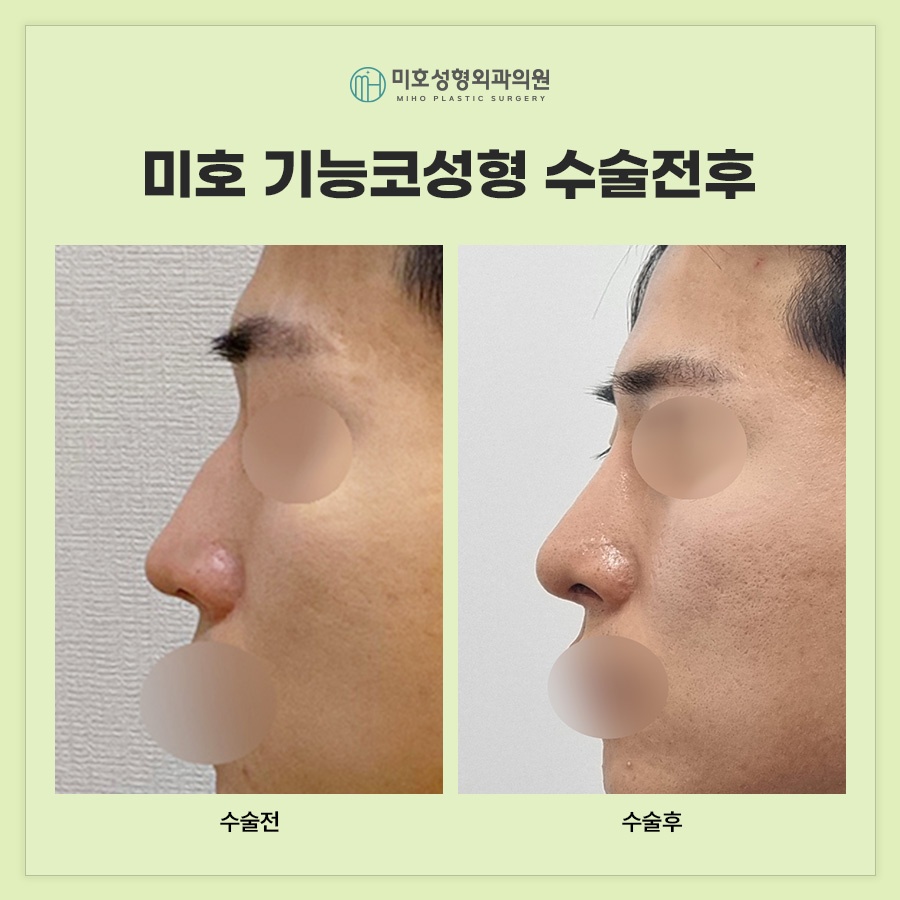
If you want to restore a crooked nasal shape
or refine it attractively,
using an implant may be advisable.
Options range from silicone,
which has been consistently popular,
to 3D silicone, known by the nickname “Fitmi Nose,”
and AlloDerm may be suitable
as a natural-appearing artificial implant.
Cartilage harvested from inside the nose
or from the ear or ribs
may also be used.
Because these are autologous tissues,
they are convenient because there is no rejection response.
If it is difficult to obtain suitable cartilage,
dermis or fascia can be harvested
and layered several times,
so there is no need to worry in advance.
Making good use of cartilage
that is naturally obtained while incising
bent and twisted tissue
can also be considered a sensible approach.
- Recovery Care
To achieve the desired results,
it is also necessary to focus on recovery.
Care should be taken not to apply physical force
or irritation to the nose,
while helping the wounds heal properly.
Cold and warm compresses should be used together
according to the rules established by the medical staff
to stabilize the affected area.
Even by following these simple recovery guidelines,
you may notice an improvement
in the results of functional rhinoplasty.



Previous image
Next image