There are various causes of aging beneath the eyes. As a result, dark circles may become more pronounced, while fine lines, sagging skin, bulging fat, and changes in the tear trough can create aesthetically undesirable concerns.
As contours become more pronounced, shadows form and the complexion can appear dull. This may make you look older than your actual age or give you a consistently tired appearance, so it is necessary to address these concerns through an appropriate improvement plan.
Because the degree and characteristics of aging differ from person to person, the current condition must be assessed and a detailed plan tailored accordingly. Among these considerations, this article discusses cases in which lateral canthal fixation may be needed with lower blepharoplasty.

The main approaches that can help address signs of aging beneath the eyes are lower blepharoplasty and lower eyelid fat repositioning.
The skin, fat, septum, ligaments, and tear trough beneath each person’s eyes must be examined in detail. Depending on the condition, some tissue may be removed, grafted, or repositioned. Rather than performing only one procedure in most cases, multiple approaches are planned to prevent undesirable outcomes.
Lateral canthal fixation with lower blepharoplasty is used to prevent changes to the eyelid’s natural structure. However, there are cases in which it is necessary and others in which it is not, so planning and treatment tailored to each individual’s condition are especially important.
Lower blepharoplasty can help correct bulging orbital fat and sagging eyelids, creating a more youthful-looking eye area while also meeting aesthetic goals. However, its potential points of caution should not be overlooked.
The eyelid may turn outward, or an asymmetrical shape may become fixed. Other problems, such as dry eyes, may also occur. Lateral canthal fixation with lower blepharoplasty is performed to prevent these issues and create a more natural-looking eye shape.

Although the procedure is intended to strengthen weakened eyelid function and provide support, these problems can still become apparent because the eyes are an area that moves frequently, and even subtle differences can significantly affect the outcome.
Eye exposure, functional impairment, an unnatural appearance, or asymmetry in the shape of the eyes may result and fail to meet aesthetic standards. If your eye structure makes these outcomes more likely, this should also be taken into consideration and the procedure should be performed carefully.

There are several situations in which lateral canthal fixation should be performed with lower blepharoplasty.
It may be performed when severe skin sagging creates a concern that fat will bulge forward, or when it is determined that this may lead to the development of under-eye wrinkles.
If the eyelid structure makes ectropion, in which the eyelid turns outward, more likely to occur, eye exposure may increase after lower blepharoplasty and cause excessive tearing. In such cases, fixation is used to reinforce the weakened eyelid support and prevent functional symptoms.
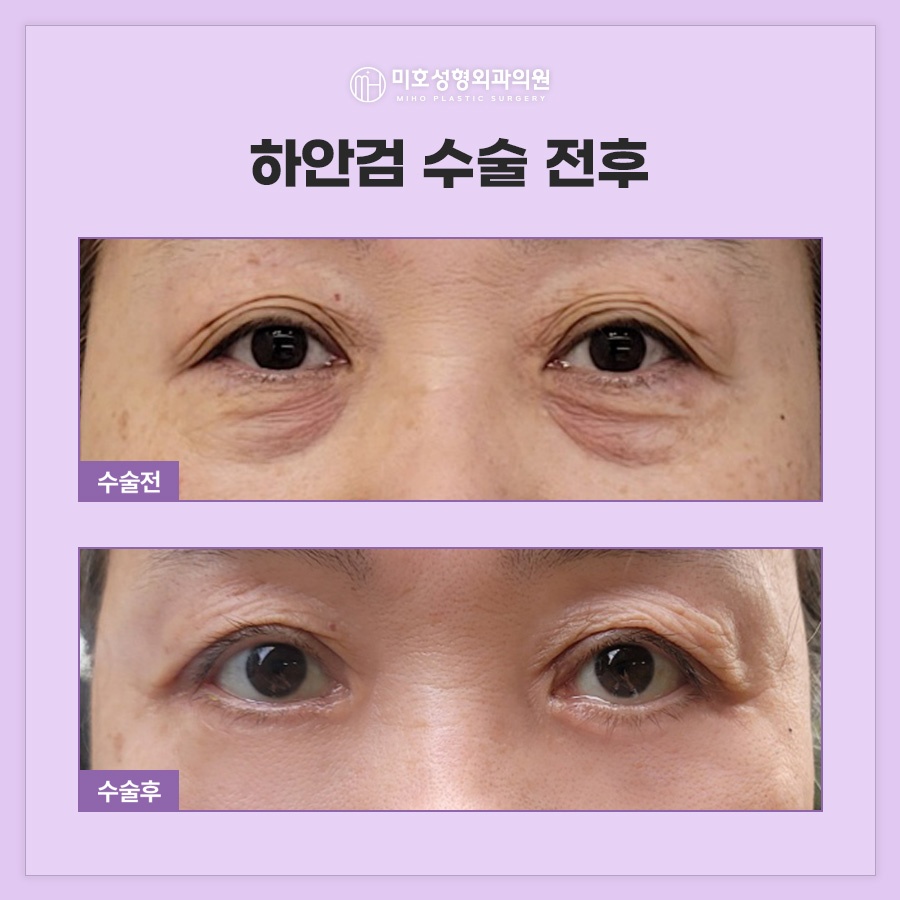
When the internal tissues have already weakened because the aging process has progressed quickly, they are firmly secured to help compensate for the reduced tissue strength and maintain the current result stably for a longer period.
From an aesthetic standpoint, the outer corner of the eye may also be gently pulled upward and fixed to prevent the eye shape from appearing unnatural due to tissue removal. This can create a more defined and open-looking eye shape.
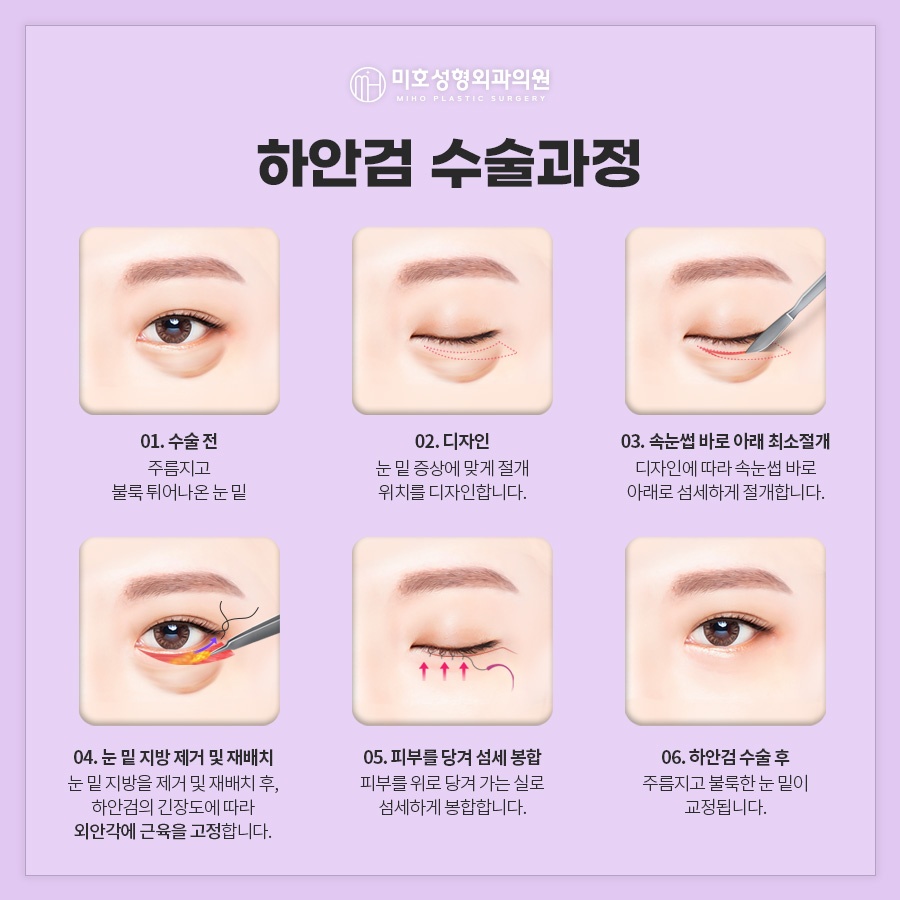
The incision site should be determined according to the symptoms. When the skin is lifted and fixed with delicate suturing, both the design and functional aspects must be addressed.
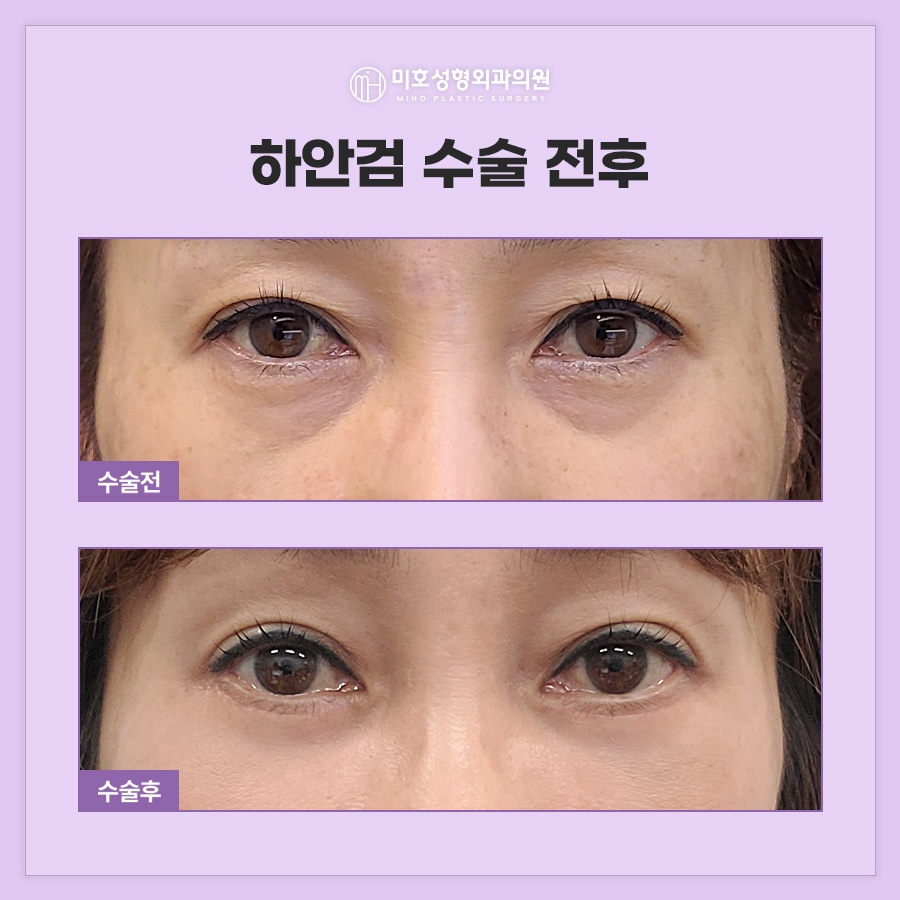
Because aging progresses simultaneously in various areas, not only the septum and skin but also the orbital fat and soft tissue in the midface can weaken and sag.
For this reason, it is becoming increasingly common to plan and perform correction of midface sagging together with under-eye treatment, along with fat removal and repositioning.
To help you move away from an aged appearance, it is appropriate to take a precise, multifaceted approach—such as reinforcing tension beneath the eyes and removing sagging tissue to create a clean, refined result.
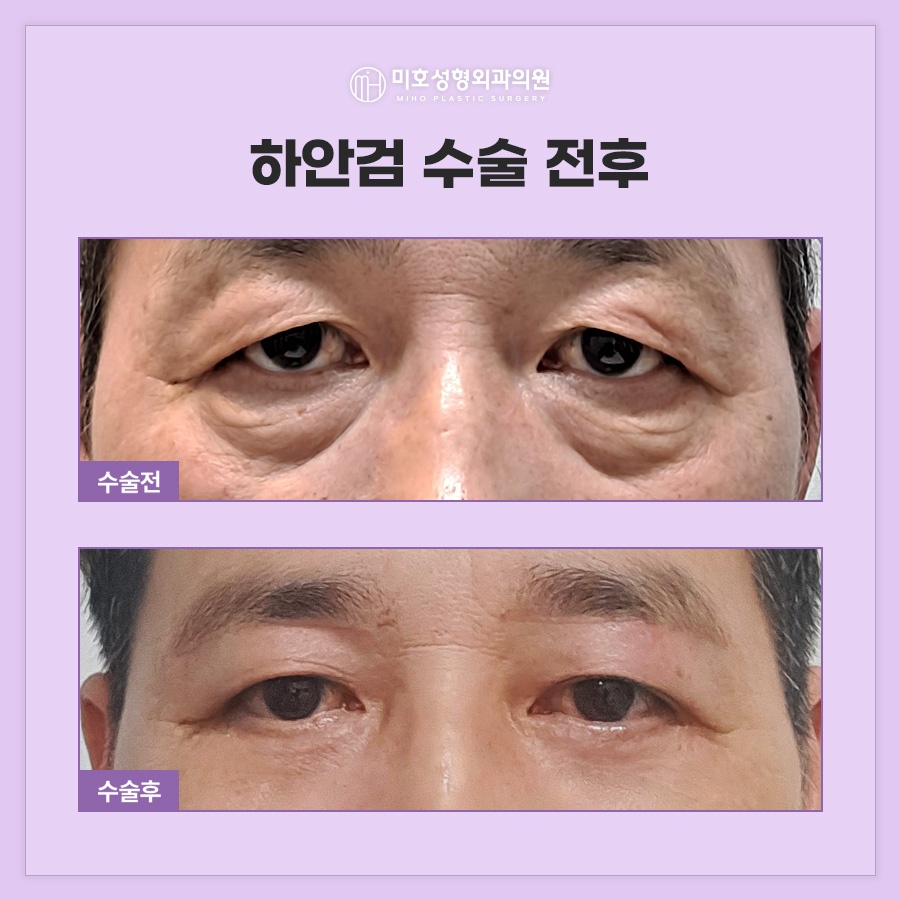
Even if you are considering lower eyelid fat repositioning because fat has bulged forward and created dark shadows beneath the eyes, lateral canthal fixation with lower blepharoplasty is applied according to individual characteristics and differs from removing and newly positioning orbital fat within the tear trough ligament area while strengthening the septum. Careful consideration is therefore important.
Because eye size and appearance, the current condition of the skin, and the proportions of the entire face differ from person to person, these factors should be assessed in detail and the procedure planned so that excessive fat or skin removal is avoided.
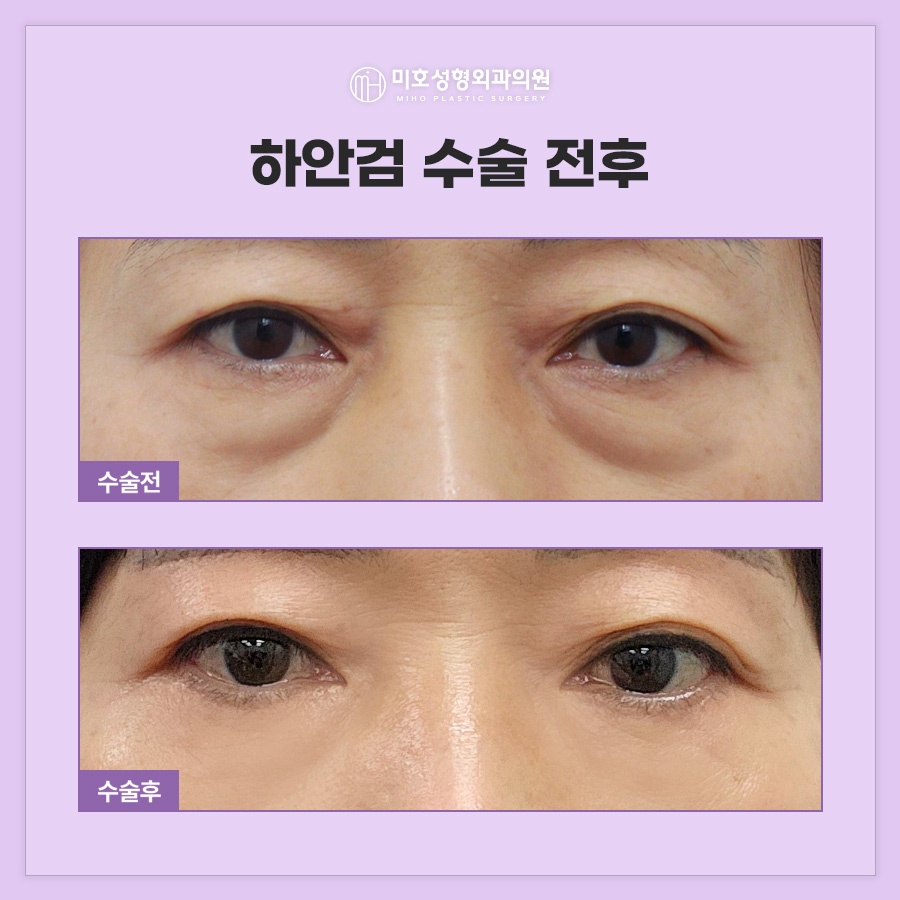
The desired shape should be considered in detail, starting with the person’s original eye shape. Based on this, it should be determined whether fat removal, fat repositioning, or fat grafting is appropriate. It is also important to check whether the incision can be made through the inner conjunctiva to minimize future scarring and whether the clinic considers the subsequent recovery process as well.
The smaller the incision, the less swelling and bruising may occur afterward. Scars are also less likely to be visibly noticeable during the recovery period, which can reduce various difficulties in daily life.
It is also important that the design harmonize naturally with your existing appearance while bringing out the original appeal and strengths of your eye shape. You can make a choice by checking whether the surgeon has extensive clinical experience.
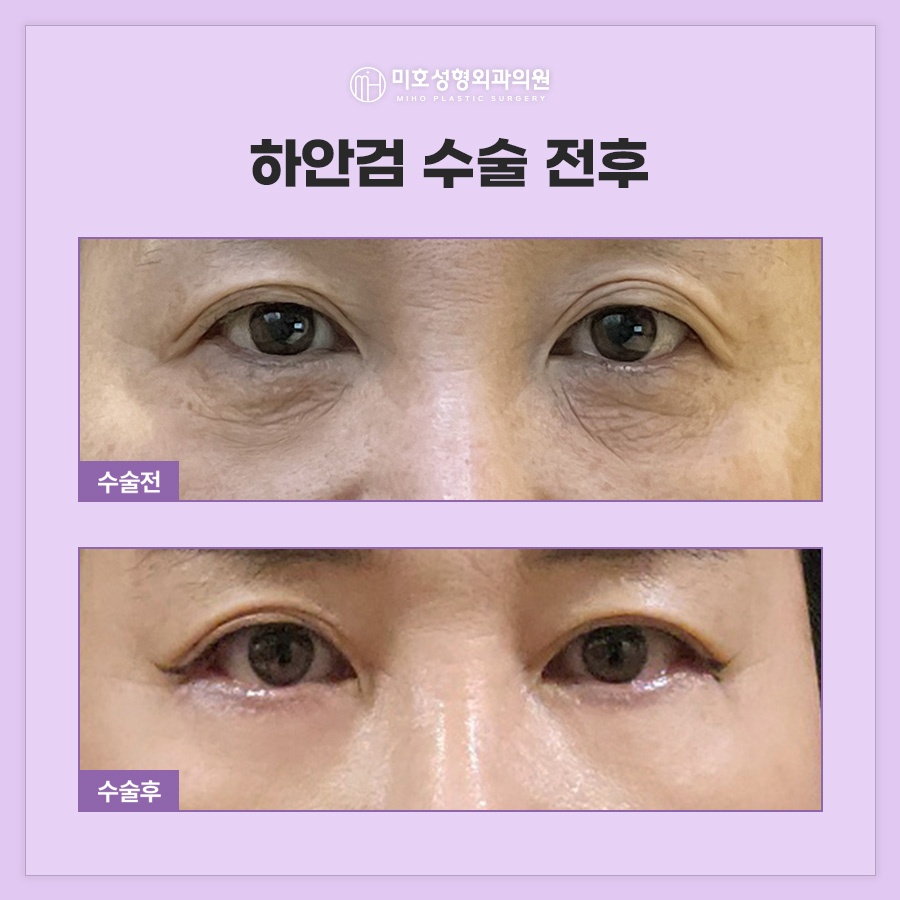
For those who fall into a category where lateral canthal fixation is needed with lower blepharoplasty, it is important to carefully determine from the consultation stage whether the plan is precise and tailored to you. You should also thoroughly check whether you will receive detailed guidance about your current concerns and the process and methods that will be used to address them.
The appropriate approach differs depending on whether the issue is simply bulging fat, symptoms caused by tear trough changes, insufficient volume, reduced elasticity that has deepened wrinkles, or severe excess skin requiring removal. I hope you make the right decision based on a detailed diagnosis.



Previous image
Next image