Many people worry that they always look tired or appear older than they actually are.
Recently, people who want to escape an aged appearance are often seen buying anti-aging skincare products and going to bed only after applying even expensive facial packs.
However, the reality is that it is difficult to find examples of people who achieved satisfactory results. Some even complain that they were left with nothing but skin problems.
Today, we will discuss lower eyelid fat repositioning, which may be welcome news for those experiencing significant stress over these concerns.
As aging progresses, moisture and nutrients stored in the subcutaneous tissue escape, and the skin layer becomes thinner, reducing elasticity.
These changes are especially noticeable around the eyes. Because of this, it is common for a face that once looked youthful to develop an aged appearance, causing enough stress to affect daily life.
In particular, when the capillaries become visible and dark circles deepen, or the area beneath the eyes begins to bulge and the wrinkles deepen, lower eyelid fat repositioning may become a consideration.
This type of lower eyelid fat repositioning can be useful in several ways.
First, it is well suited to addressing dark circles caused by orbital fat protruding through a septum loosened by aging.
It can also be used when a lack of facial fat causes certain areas to appear sunken.
In addition, it can be helpful for correcting an appearance that has become tired-looking because the tear trough ligament has weakened or sagged.
It is also suitable for cases in which a lack of volume in the soft tissue of the maxilla and midface makes the face look older.

However, correcting these issues is by no means easy.
An examination is first performed to identify problems around the lower eyelids and tear troughs.
Rather than simply determining whether the orbital fat is protruding, it is standard practice to assess the overall condition of the skin, the tension of the orbicularis oculi muscle, and the lower eyelids before selecting an approach suited to each individual.
Because aging often causes accompanying symptoms such as changes or skin sagging in the midface, it is also advisable to determine whether a lifting procedure is needed to correct them.
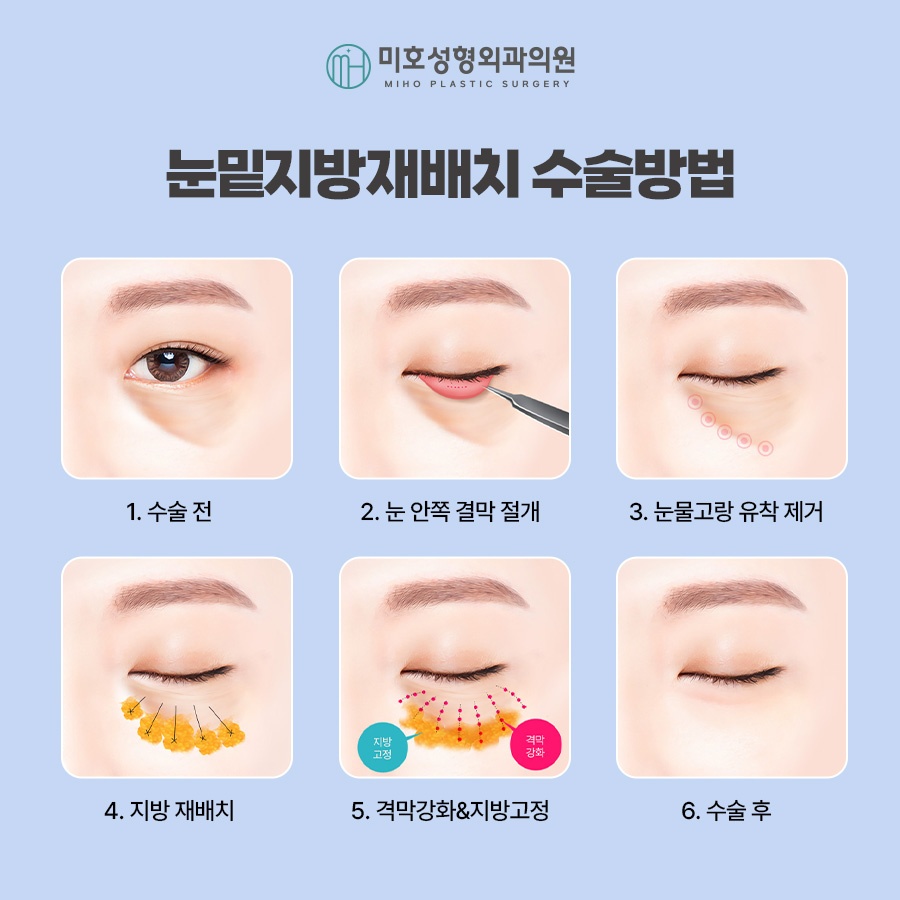
Once these examinations and diagnoses have been completed and the areas and methods of correction have been determined, lower eyelid fat repositioning generally begins with an incision in the conjunctiva on the inner side of the eye.
During this process, tissue adhered to the tear trough ligament is also removed.
Orbital fat that has accumulated in one area is evenly distributed and repositioned to fill the hollow area beneath the eyes.
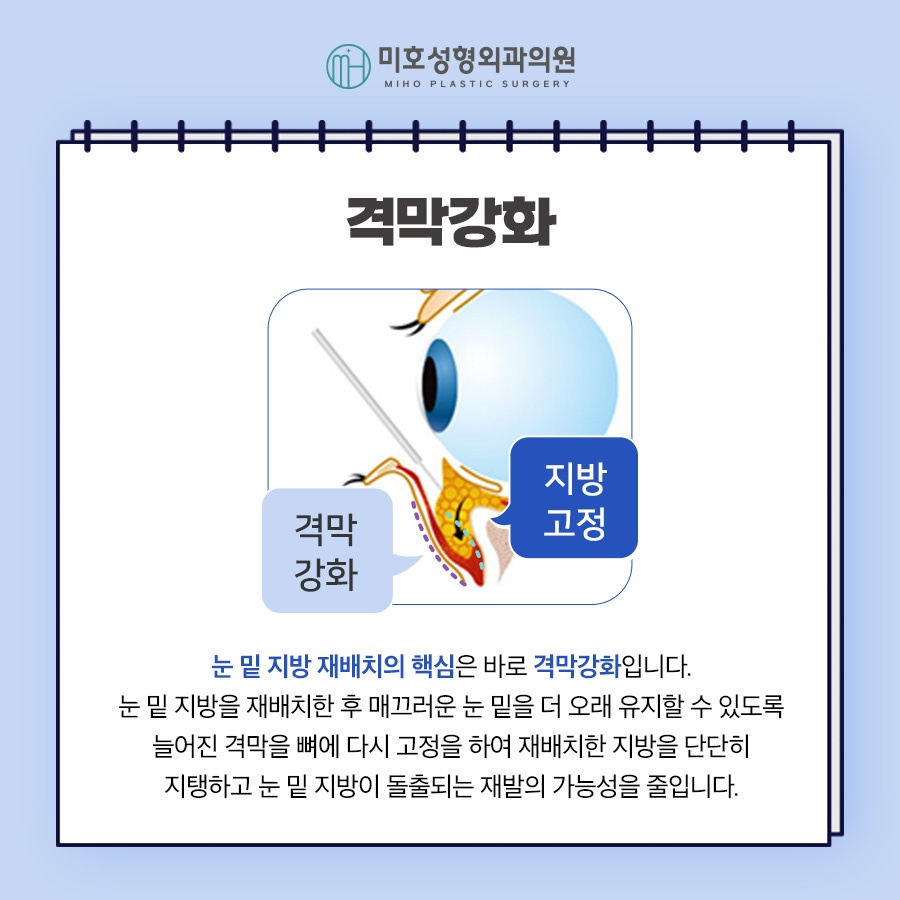
After delicate suturing, the fat can be firmly secured, and the loosened orbital septum can also be strengthened.
Depending on the symptoms, combining this procedure with other methods can also be beneficial.
If skin elasticity has significantly decreased, ultrasound or radiofrequency lifting and skin boosters may be considered. If only simple shadow improvement is needed, nano-fat grafting or toning laser treatment may also be considered.
When fine lines are a concern, Botox or Fraxel laser treatment may produce satisfactory results. If the maxilla lacks sufficient definition, fillers are also commonly used to restore volume.
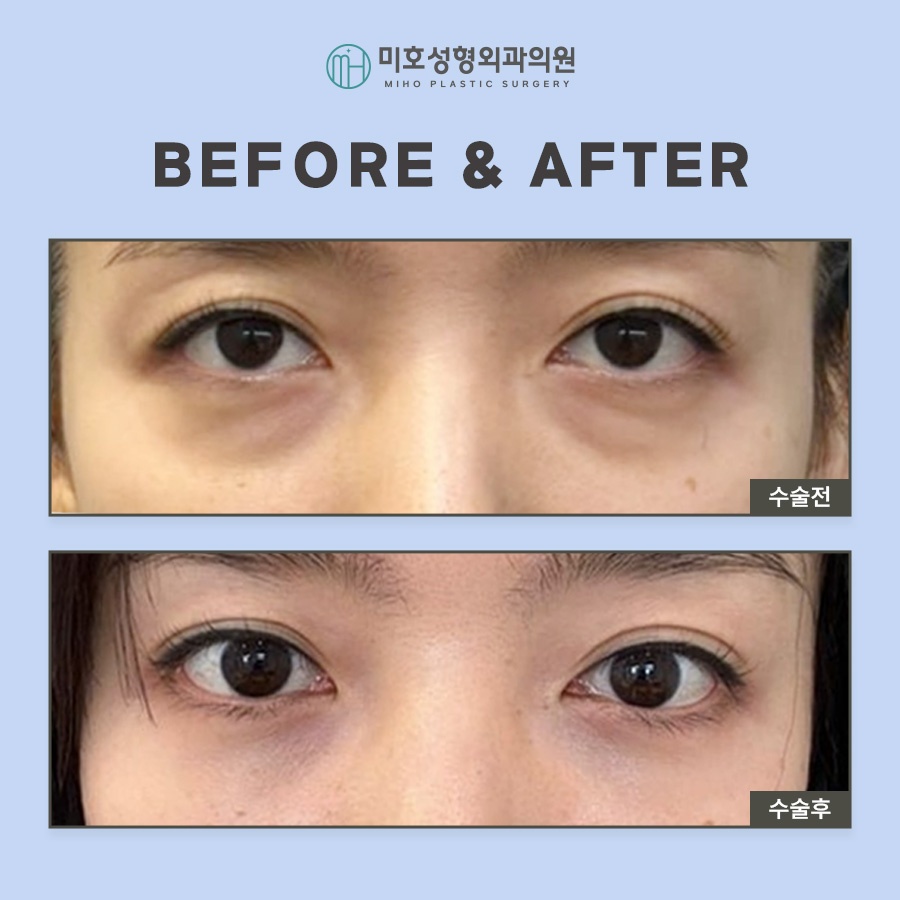
When fat is appropriately repositioned according to each individual’s eye shape, the benefits can be considerable.
First, the natural under-eye fullness and positive facial impression can be maintained while achieving a natural-looking eye area.
In addition, deeply etched wrinkles may improve, and many people report that they can see themselves transform from an aged appearance to a youthful one.
Because the conjunctiva on the inner side of the eye is incised only minimally, many also consider the difficulty of finding visible facial scars to be an advantage.
The fact that there is little swelling and bruising after correction, allowing people to return to their daily routines quickly, is also considered appealing.
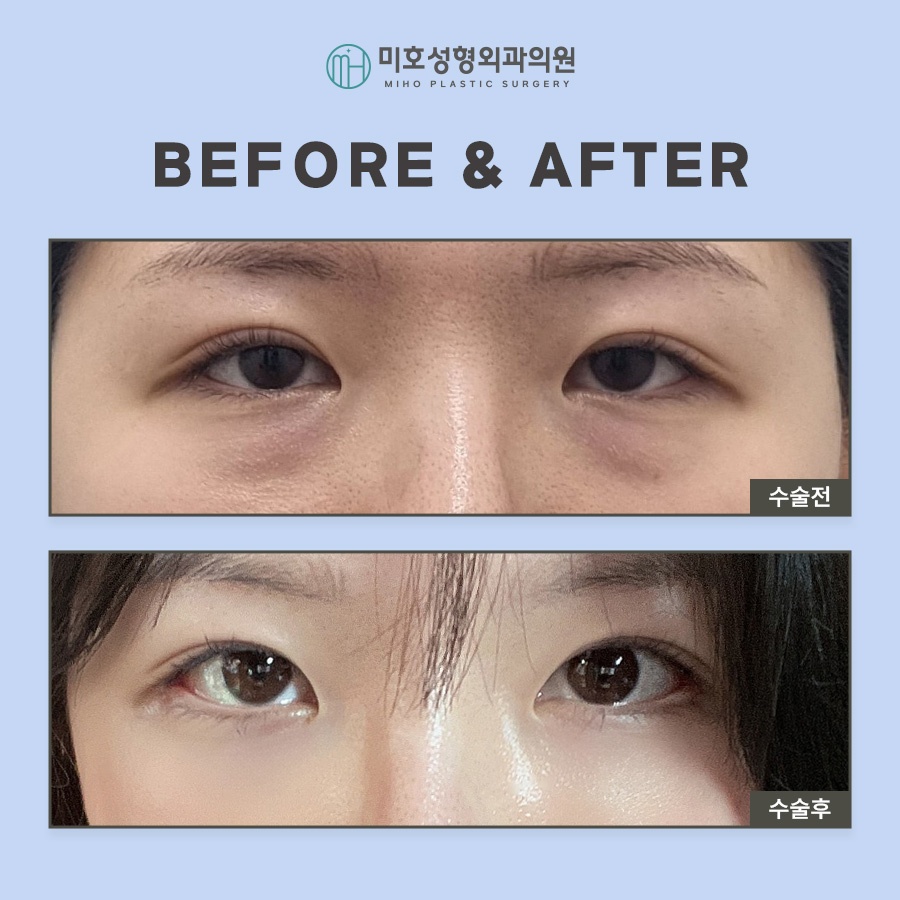
If you want to reduce dark circles and improve skin elasticity, it is a good idea to make use of the advantages specific to lower eyelid fat repositioning.
For this, the procedure should be performed under appropriate conditions. One such requirement is a central monitoring system that can ultimately observe each individual’s vital signs in real time.
It is also important to check whether a real-name system is in place, with medical professionals from each field, including anesthesiology and dermatology, responsible for care from the beginning through aftercare, and whether prompt action can be taken in the event of an emergency.
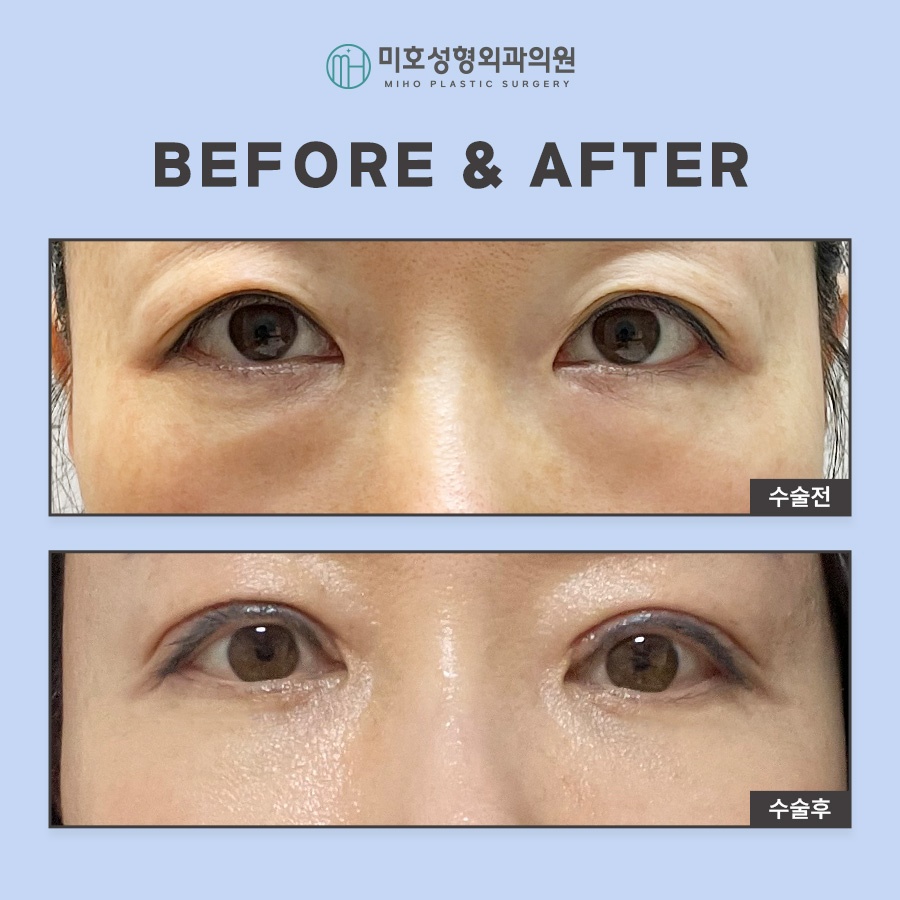
During the consultation, inform the medical staff of the names of any underlying conditions you currently have, the medications you are taking, and your history of general anesthesia.
In addition, you must not drink alcohol or smoke during the week before the procedure.
On the day of the procedure, you should not eat or drink water for 6–8 hours before arriving. If there is medication that you must take, inform the medical staff in advance so that an appropriate alternative can be arranged.
After all steps, including suturing, have been completed, keep the treated area elevated above the level of your heart. Until the wound has healed, avoid rubbing your eyes and eating greasy foods to prevent inflammation.
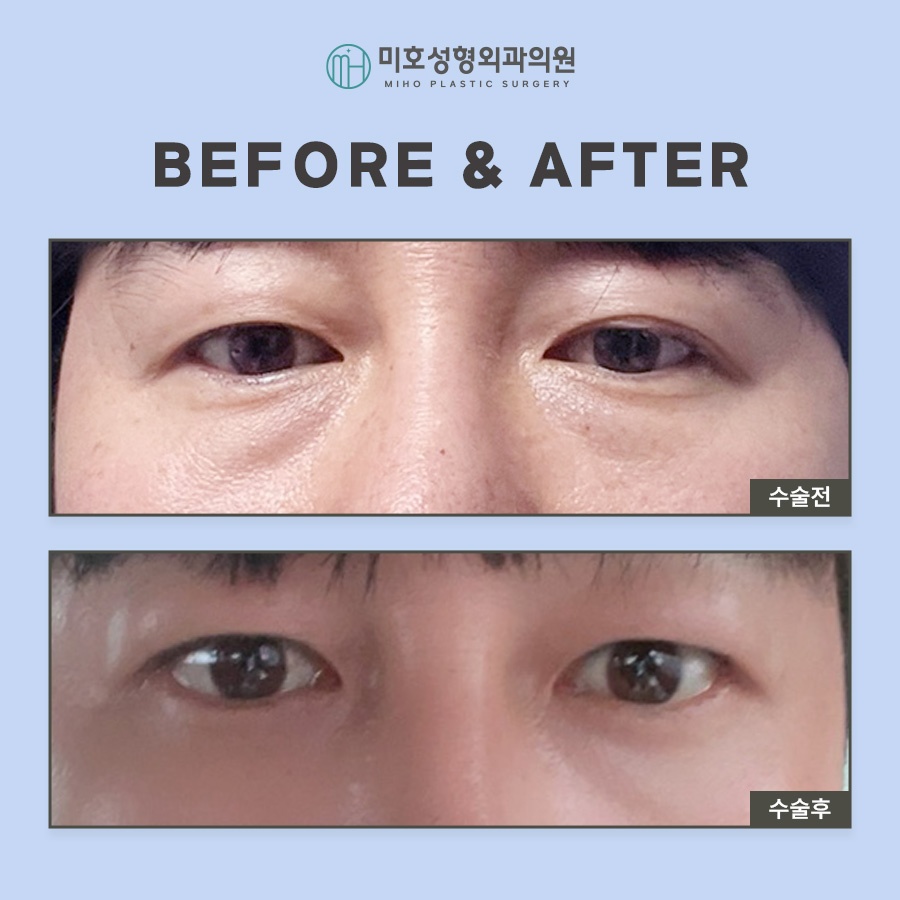
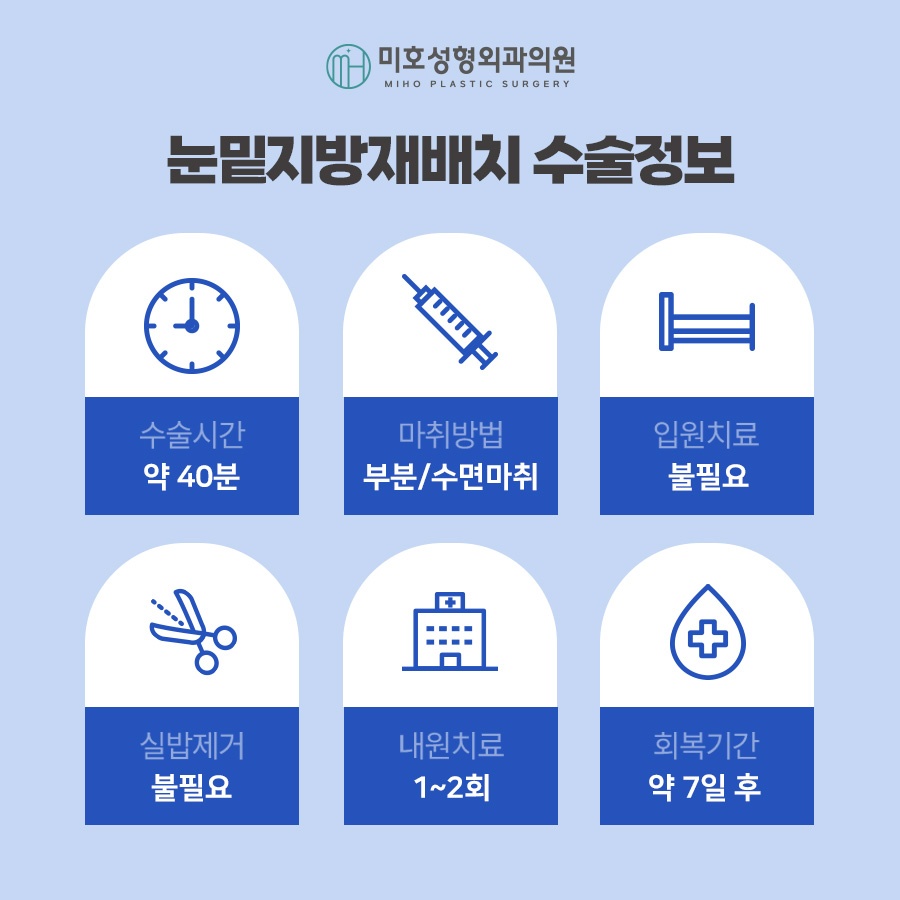
This corrective procedure is performed under sleep or local anesthesia and takes approximately 60 minutes.
Hospitalization is not required, and approximately seven days is usually enough for the wound to heal and the sutures to be removed.
However, since you need to visit the clinic in person once or twice to check for inflammation and other issues, it is generally recommended that you allow sufficient time for recovery.
If you are concerned that the skin beneath your eyes has become uneven and that your dark circles are gradually becoming more pronounced, consider lower eyelid fat repositioning as a way to achieve a younger, healthier appearance.
You may discover a new version of yourself.



Previous image
Next image