Tip rhinoplasty with just a few refinements

The nose has a major influence on the overall image of the face and
its sense of volume. The impression is determined by how naturally
the shape and design of the bridge and nostrils
connect with each other.
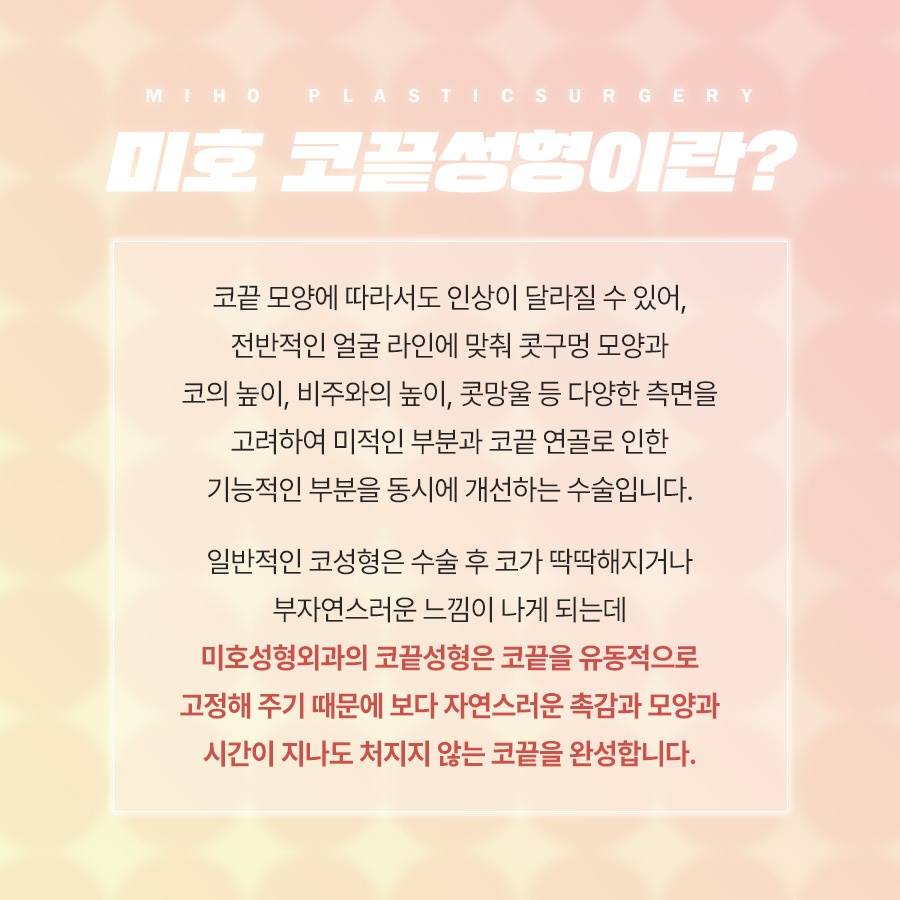
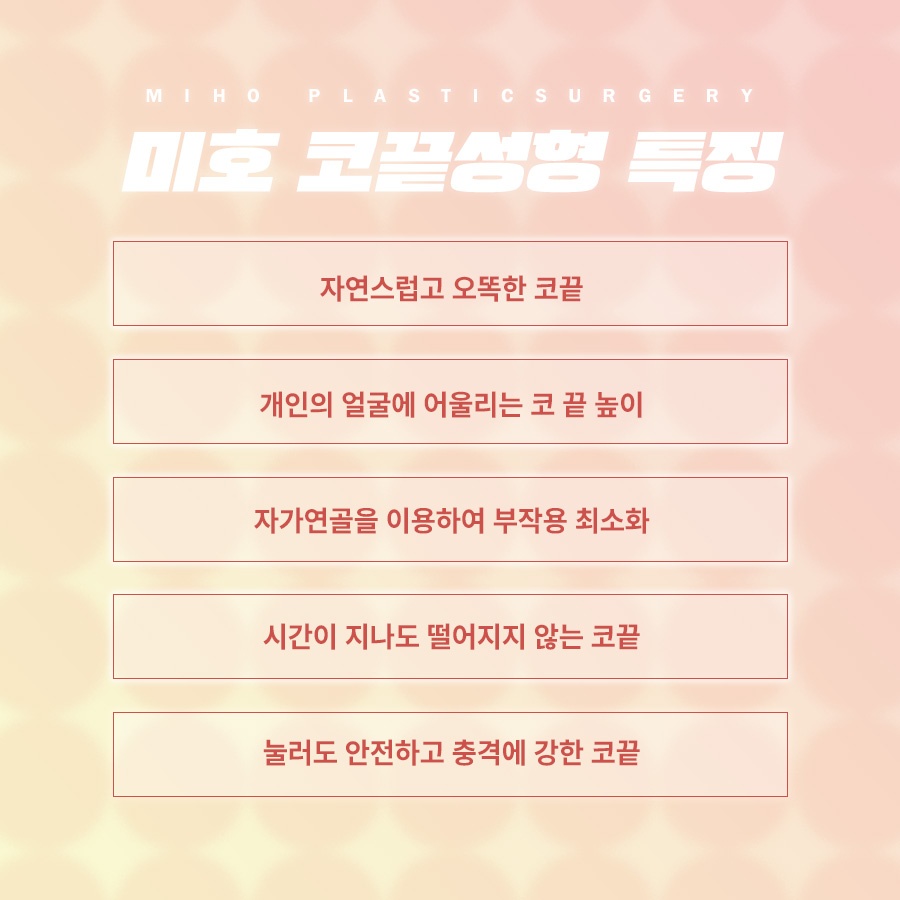
Tip rhinoplasty is mainly performed when the height of the bridge
is appropriate and does not require correction,
but the nose does not look refined because of a bulbous tip
with broad, blunt nostrils.
In such cases, minor aesthetic refinements are made
to create a more harmonious appearance.
However, the design that suits each person
and the methods that can be applied
differ, so it is important to take a detailed approach
and carefully choose a method
that suits your individual situation.
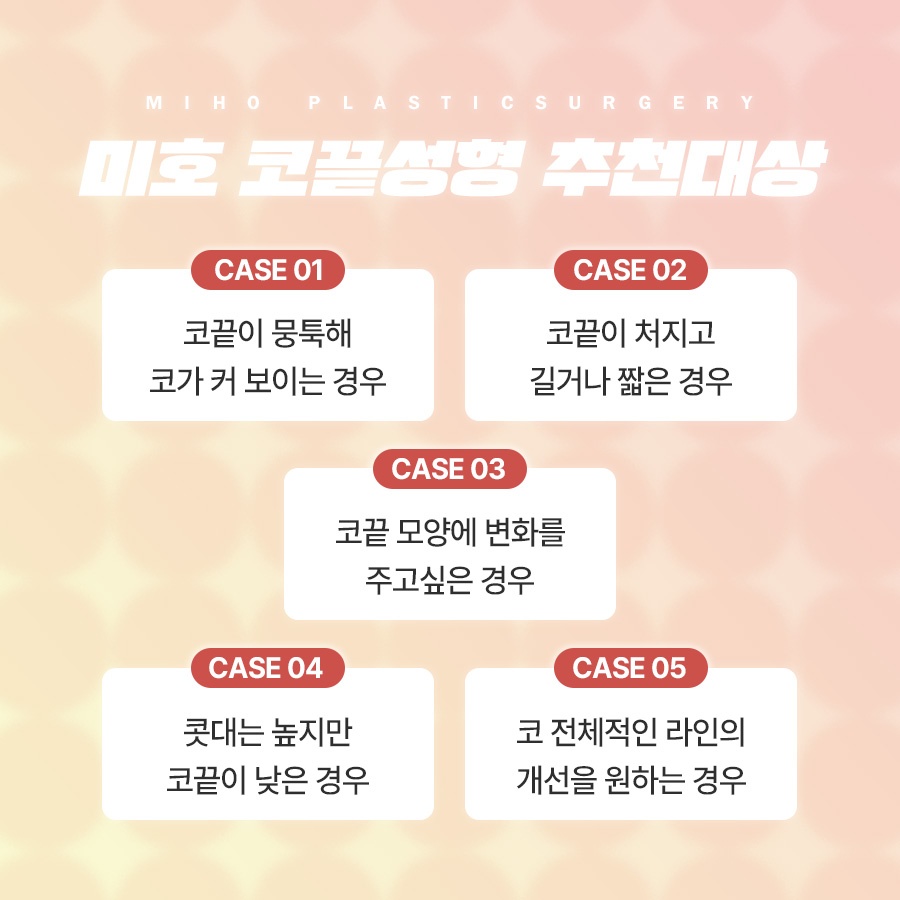
A bulbous nose accounts for most of the reasons
people consider tip rhinoplasty. Because the nostrils
can appear wide and blunt,
it may not be suitable for those seeking
a fresh and refined image.
If you wish to reduce an excessively wide nose,
you should also consider whether the plan
can lead to a natural result in your current situation
and whether the surgeon has extensive clinical experience
in reducing the nostrils.
The reason the nose is particularly difficult to work on
compared with other facial features is that it must be viewed
from various angles.
The eyes, mouth, and facial shape are mainly seen
from specific angles, so aesthetic standards can generally
be established based on the frontal view.
However, tip rhinoplasty
requires examining the nose from various angles,
including three-quarter and side views,
to find harmony.
It is important to consider various factors,
including a shape that can transition smoothly
from the bridge, as well as the width of the visible nostrils
and the characteristics of the skin around them.
There are several reasons why the lower part of the nose
may appear blunt and somewhat dull.
The shape may have become fixed with the nostrils spread apart
during the growth stage, or it may look thick because
of excessive accumulation of subcutaneous fat.
The contributing factors differ from person to person.
Since the same design does not suit everyone,
it is appropriate to carefully consider not only
the facial shape and natural impression,
but also the position and proportions of the eyes and mouth,
and find the right direction through subtle adjustments.
If you are considering tip rhinoplasty,
your existing bridge height may already be appropriate,
or you may be seeking additional aesthetic refinement
after an initial correction of the shape
because certain aspects are not entirely satisfactory.
The methods available include incisional and non-incisional procedures,
and neither plan is inherently right or wrong.
The method that contributes more positively differs
according to each person’s situation.
There are also differences in the extent of scars
that may occur during recovery and the time required for them to heal,
so it is necessary to understand the characteristics of each method,
receive sufficient guidance on the plan that best suits you,
and then make a decision.
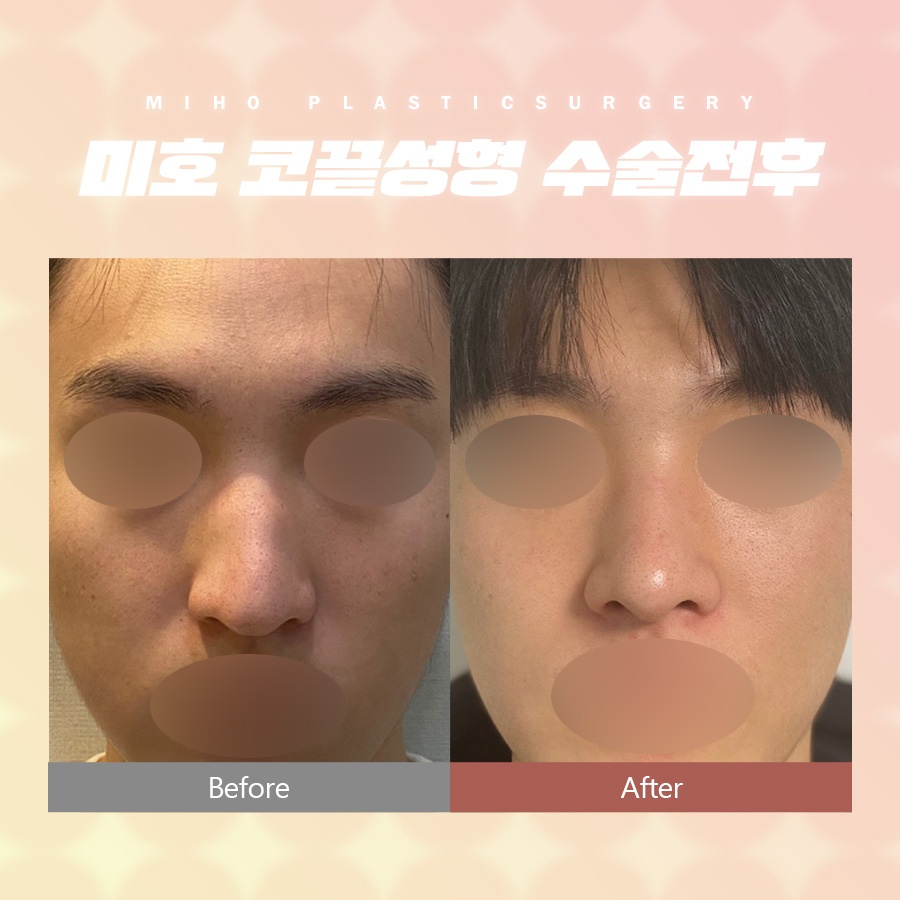
The non-incisional method allows correction in a short period of time,
and because the amount of tissue damage is correspondingly reduced,
recovery is generally not especially difficult.
Scarring is also rare. Swelling and bruising may occur,
but they also tend to subside relatively quickly,
so returning to daily life is generally not difficult.
If the nostrils appear wide because the lateral cartilages have spread,
the widened tissue can be closed by tying the inner structures
without an incision, creating a neater shape.
However, this method cannot be applied in every case,
and the result may be somewhat limited, so caution is required.
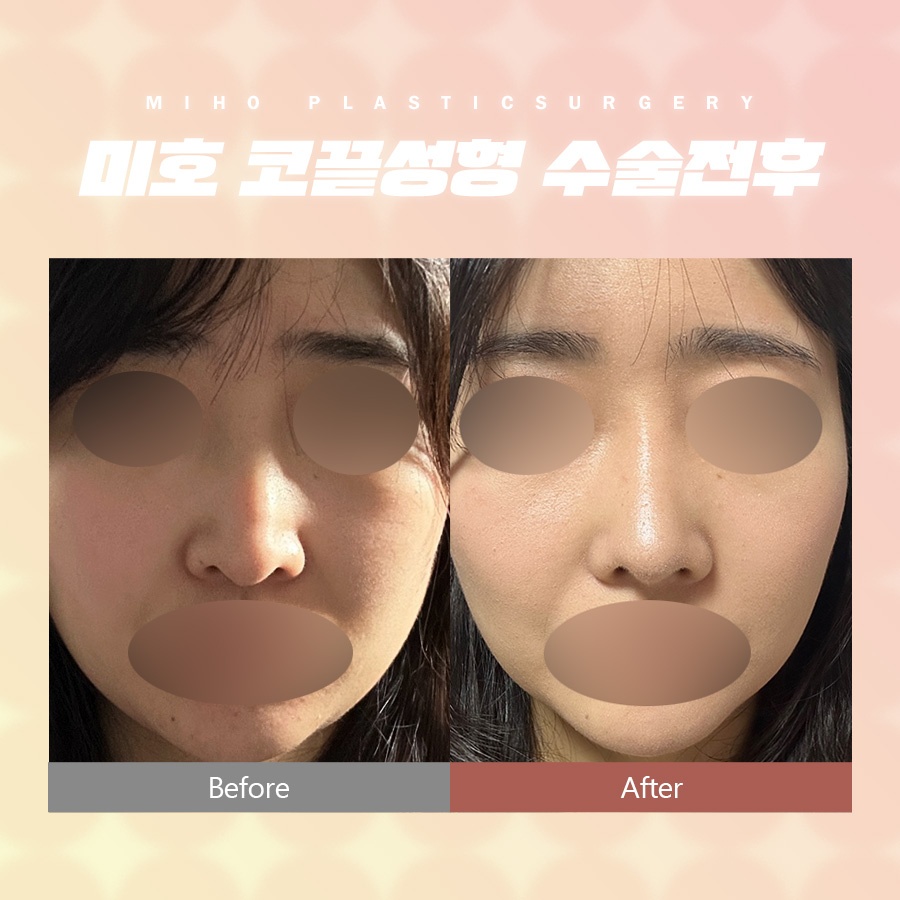
An incisional procedure may be considered in various situations:
when the shape is not expected to change significantly on the outside
even if the inner tissues are tied because of thick subcutaneous tissue,
when the size of the nostrils needs to be adjusted and symmetry corrected,
or when the nostrils are overly thin and need to be widened.
Depending on the situation, a plan may also be developed
to improve the overall design by inserting a small implant
so that it transitions smoothly from the bridge.
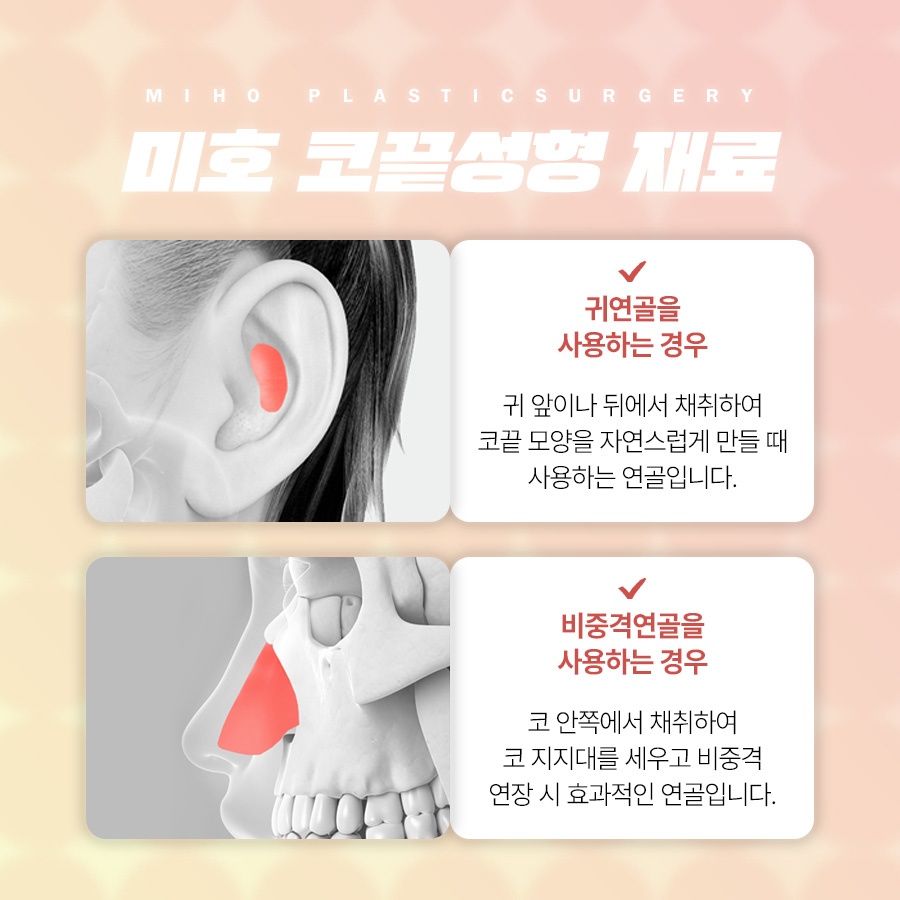
Volume may be added where needed by harvesting autologous tissue,
such as silicone or ear cartilage, or by inserting artificial materials.
Even when the method differs, the approach can be planned carefully
by minimizing tissue damage as much as possible,
limiting the extent of any resulting scars,
and considering the entire recovery process.
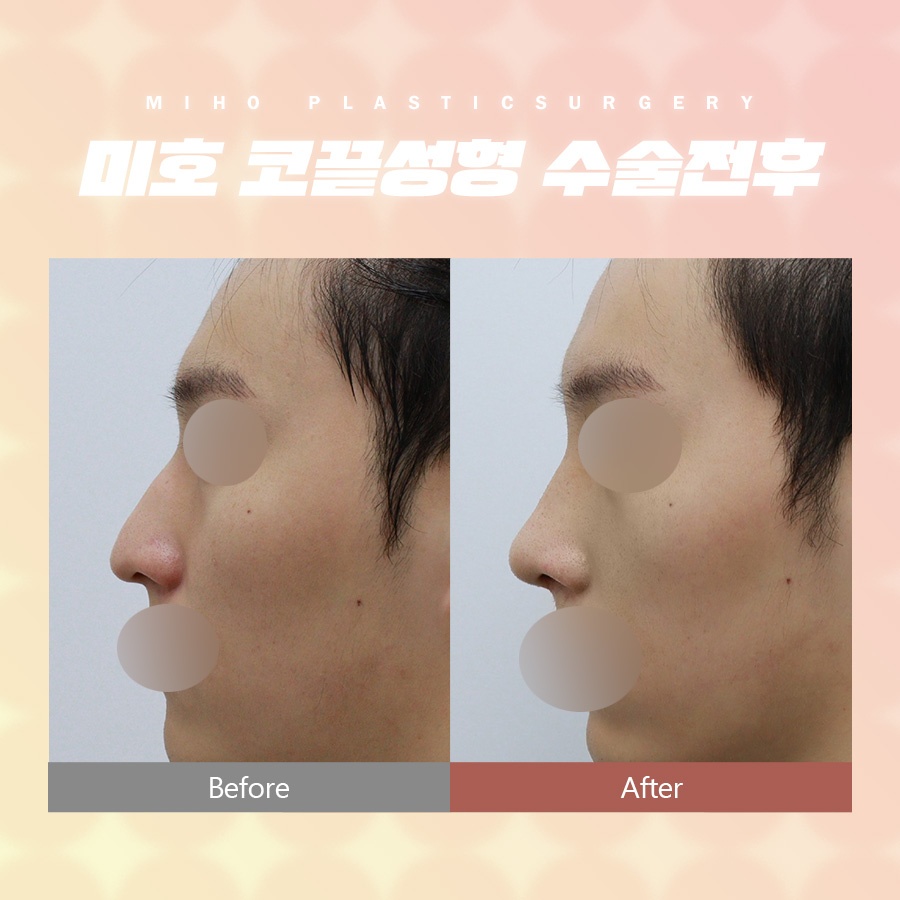
As more people consider revision procedures because of scars
that do not fade after tip rhinoplasty,
access is made through a small incision
in the less visible inner area.
An inner incision is technically difficult to manage,
but if an incision is made on the outside,
problems such as raised red scars or unusual scars
that protrude whitely may appear.
An inner incision is relatively less noticeable,
which reduces the burden, and allows people to continue
with their social lives without significant difficulty
during the recovery period.
Because the nose is a facial feature positioned
at the exact center of the face like a pillar and reference point,
those who wish to proceed with aesthetic considerations
must carefully consider and understand possible future developments
before making a decision.
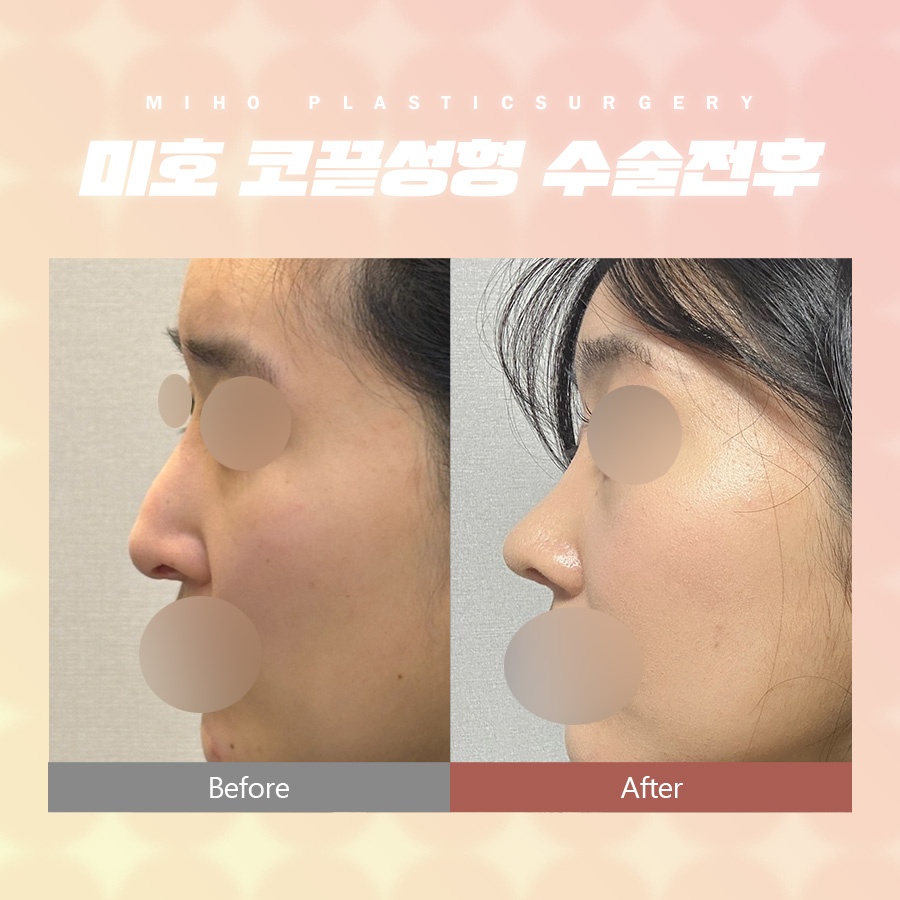
Depending on the location and extent of the incision,
you may experience greater or lesser stress
as the results settle into place.
It is therefore necessary to meet directly with the surgeon
and receive a detailed explanation of which plan and process
are appropriate for you.
Because the nose also performs important functional roles,
if a previous procedure has caused internal tissue damage
that has not yet fully healed,
you should focus on recovery even if you feel pressed for time.
The approach must be planned and performed with greater precision,
including the fact that the area has previously been damaged.
You should also check what kind of recovery program
will be carried out alongside the procedure,
as this can help properly manage early redness,
inflammation, and swelling.
You can confirm this in advance as well.
Even tip rhinoplasty, which corrects only a specific area,
may involve an incision and the resulting possibility
of tissue damage and other problems.
Therefore, you should carefully follow the care instructions
and precautions provided,
and make full use of any assistance offered.
I hope you find a more positive impression
and the important self-esteem needed in daily life
by choosing a place that delicately addresses
the areas you felt were somewhat lacking
while establishing aesthetic standards suited to you.



Previous image
Next image