When sitting across from someone and having a conversation,
everyone naturally finds their gaze
drawn to the face.
In particular, the nose, located at the center of the face,
can be said to have a significant influence
over a person’s overall impression.
This is because its shape connects with the expression and eyes,
and can change the image to appear either softer or sharper.
Its width and angle also have a considerable effect
on completing the overall impression.
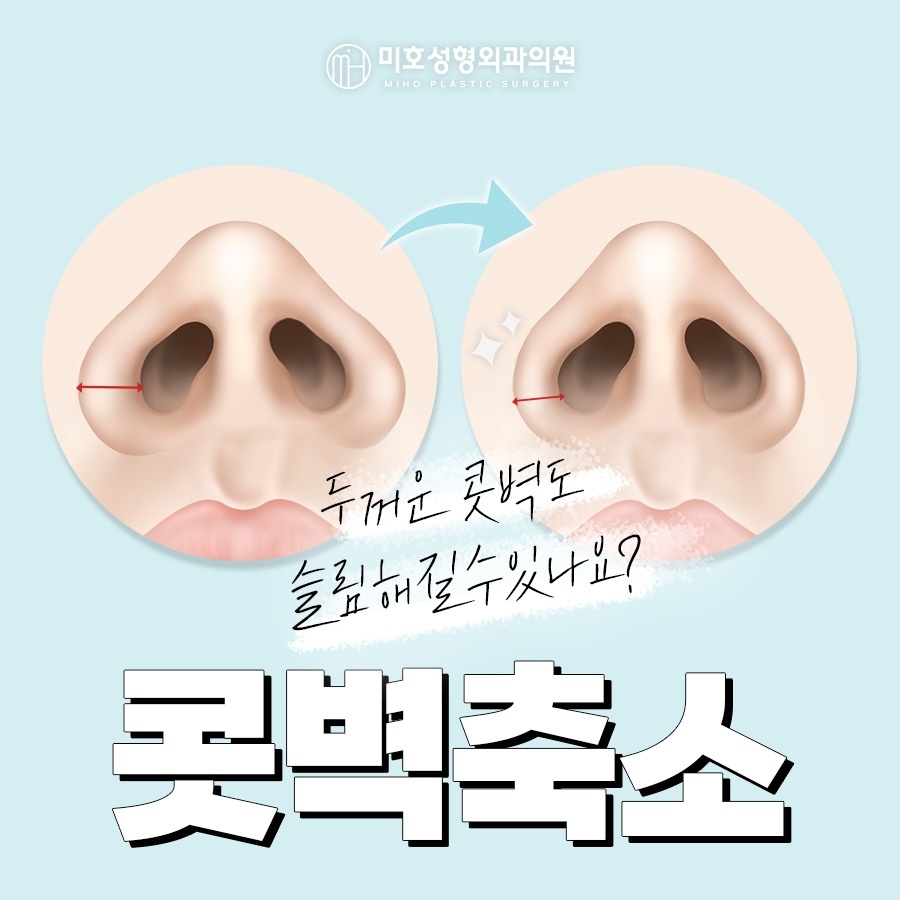
As interest in improving the shape of the nasal alae
continues steadily,
we will provide a complete overview of
Miho columella reduction methods
and the precautions to keep in mind.

When the overall shape of the nose
spreads broadly to the sides,
it can unintentionally create a dull appearance,
making the face look heavy or
confined regardless of the expression.
Conversely, a narrow and well-defined shape
can make the overall image clearer
and create greater three-dimensional harmony.
In practice, some people choose
Miho columella reduction,
the wall between the nostrils,
or alar correction,
which addresses the structures forming both sides,
in order to organize the midface
and emphasize the eyes and lips together
to create a bright and lively image.
Most methods for refining the shape of the nasal alae,
including Miho columella reduction,
use incisions.
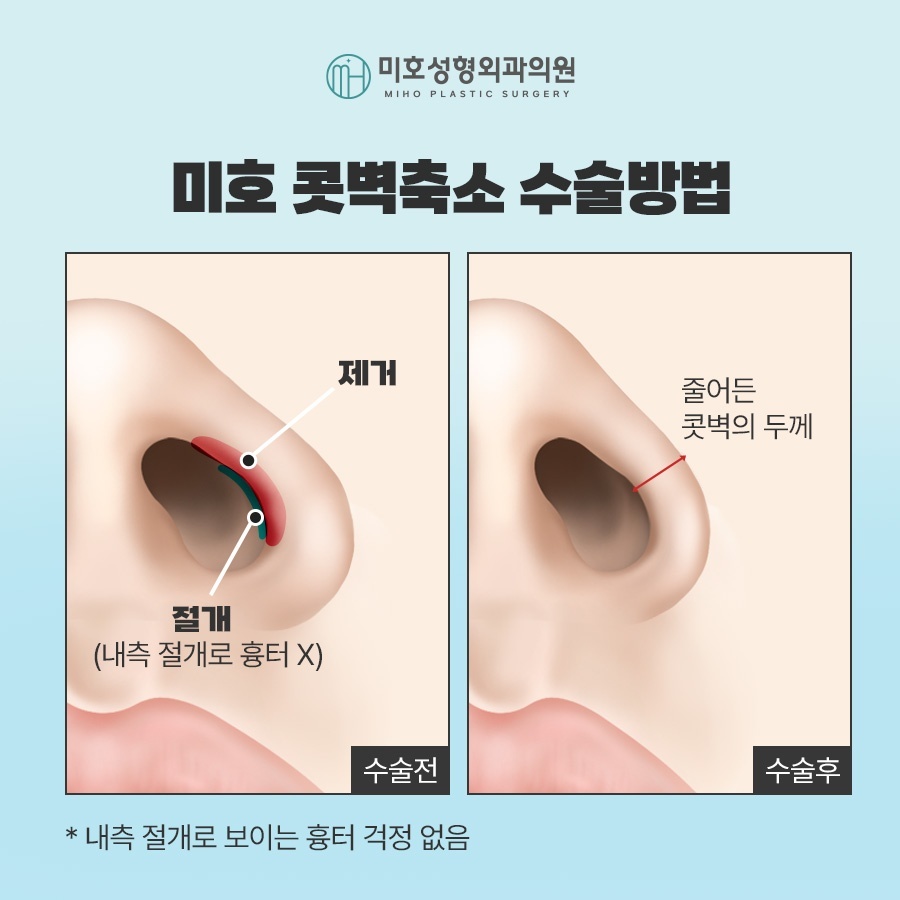
Because the incisions are made along natural creases
and the lower border,
they do not leave conspicuous marks when viewed from the outside.
If the inner area is sutured precisely,
any difference from the surrounding area can also be reduced.
However, careful planning of the left-right balance, curves,
and the angles of the nostrils
is essential at this stage.
Subtle adjustments must be made with symmetry in mind
so that the two sides do not appear different,
which requires caution from the planning stage onward.

Some people choose
a method that avoids incisions.
One example is a technique that narrows the nasal alae
using a needle or thread.
Some prefer this option
because it appears relatively simple
and the aftercare process is more convenient.
However, in some cases the shape returns
to its original form after a certain period,
and for many people the change does not last
as long as they had expected.
Cases in which the nose returns to its previous shape
between six months and one year
are occasionally reported.
There is also a possibility of discomfort
caused by a lingering foreign-body sensation inside.

For those seeking a longer-lasting change,
an incision-based method may be preferable,
but not all procedures are performed in the same way.
In some places, an incision is made across a relatively broad area,
with the procedure taking about an hour
or sometimes longer.
In such cases, the healing period may extend
beyond two weeks,
which can cause inconvenience in daily life.
Swelling and bruising may also
continue for a relatively long time.
In addition, as the treatment area becomes larger,
the likelihood of leaving a noticeable mark increases,
so a careful decision is necessary.
In contrast,
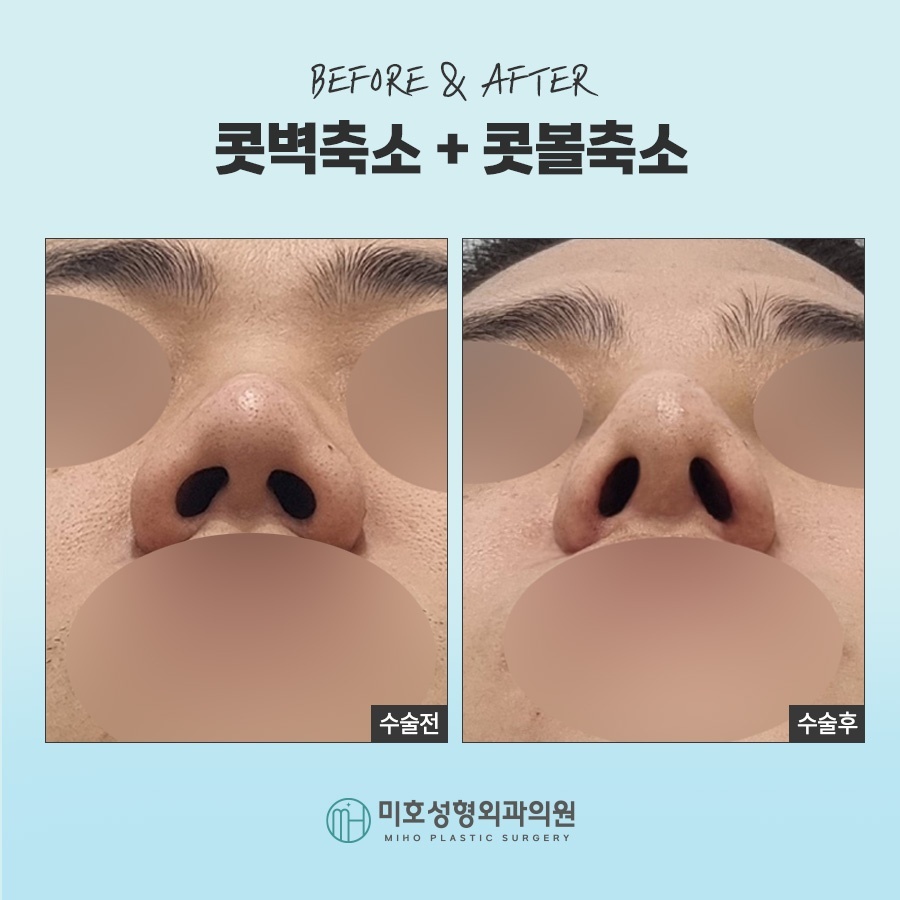
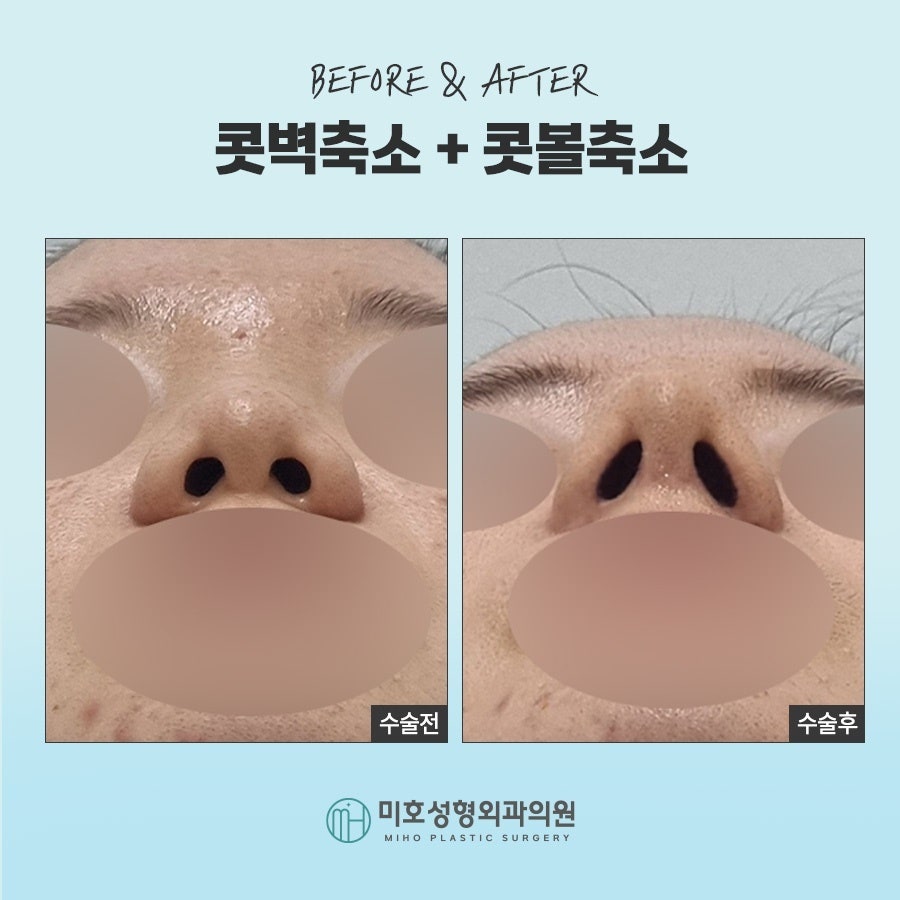
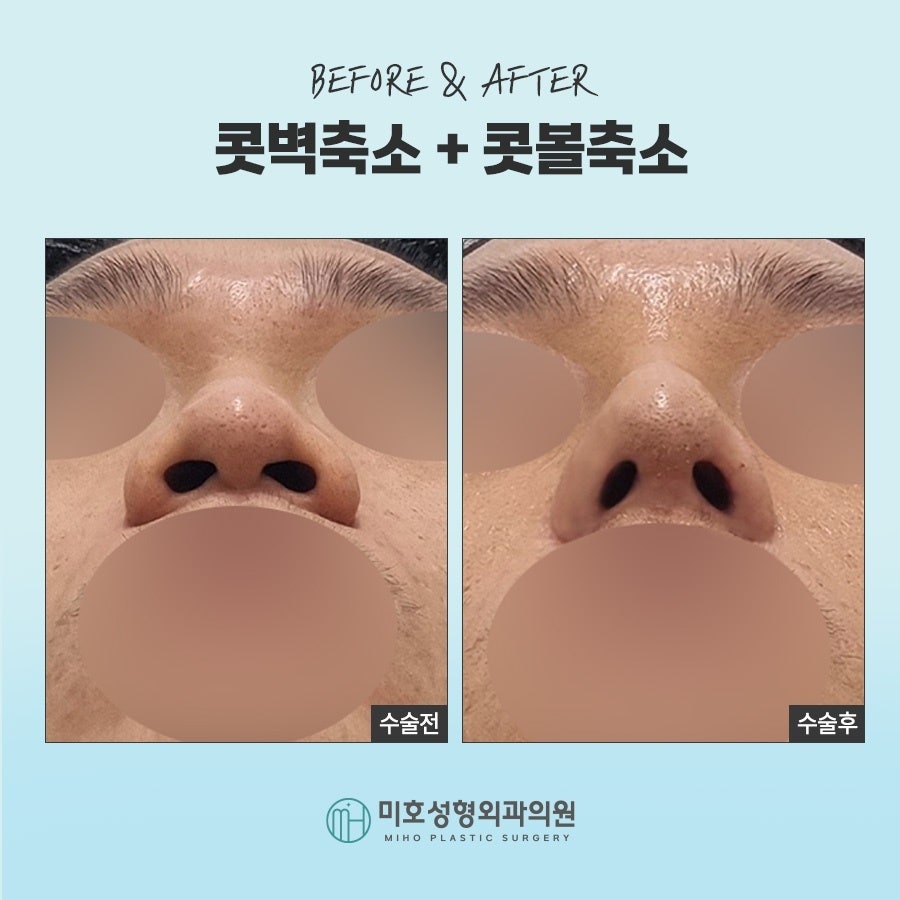
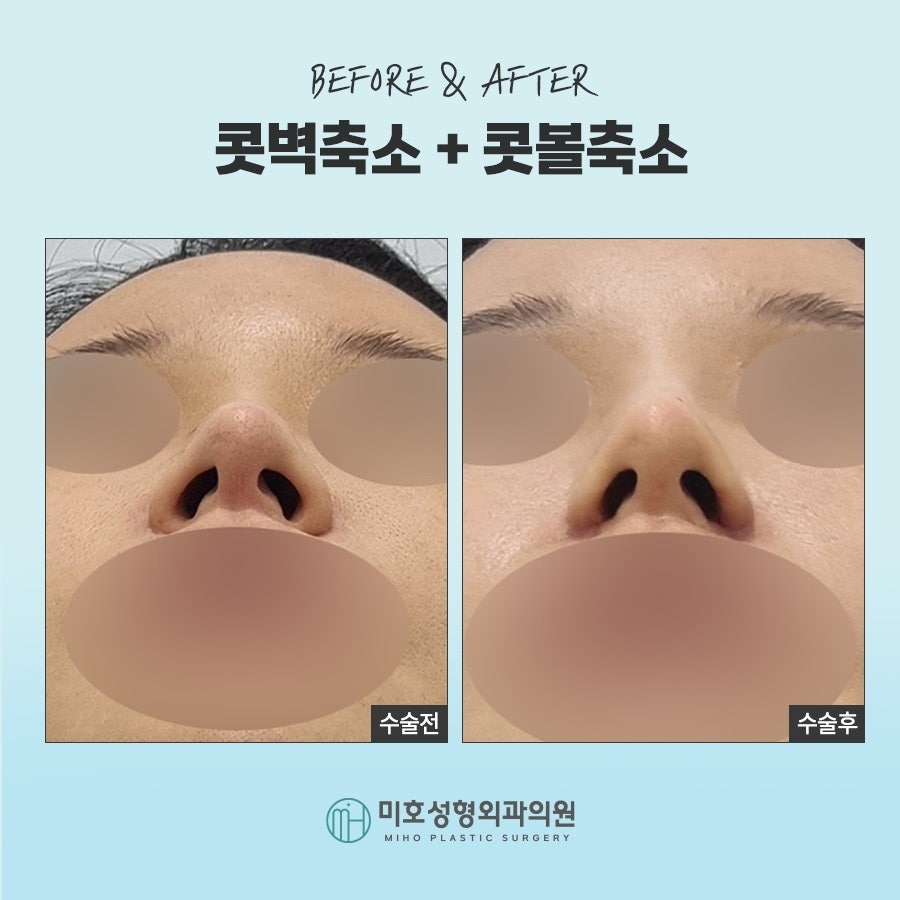
Miho columella reduction
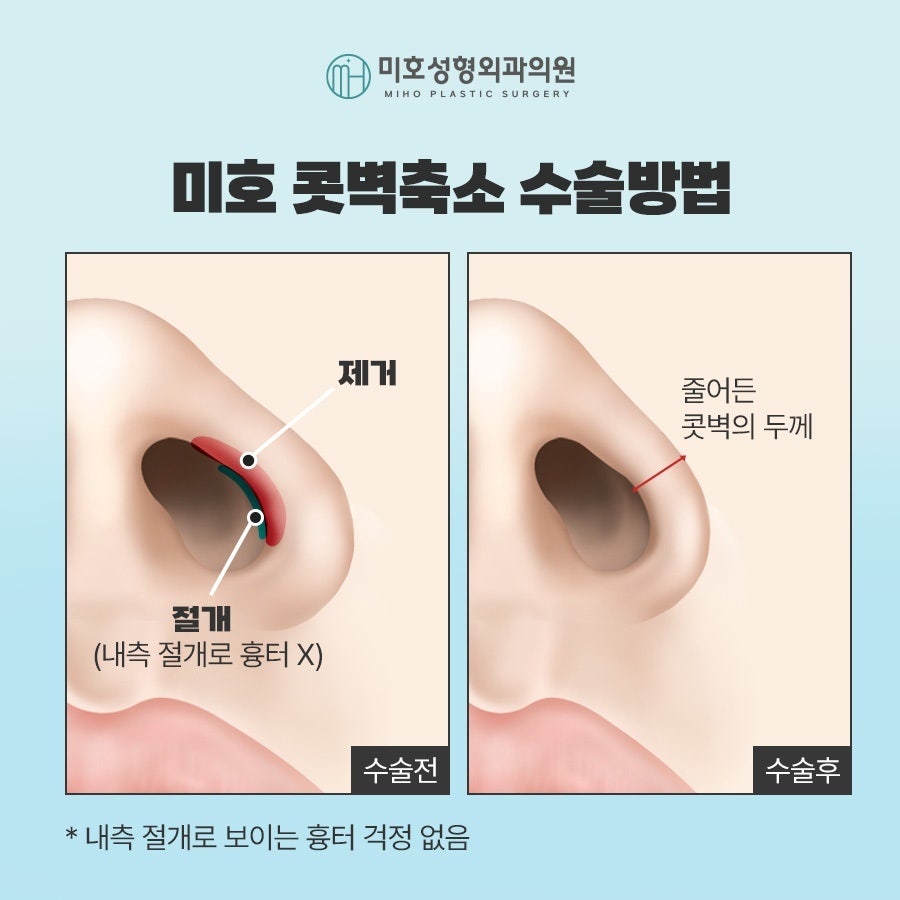
uses an incision within the inner part of the nasal ala
(an intranasal approach), rather than on the visible outer portion,
and limits the incision to as small an area as possible.
The procedure generally takes around 20 minutes,
and the healing period also tends to be shorter,
at approximately one week.
Because there are almost no visible marks from the outside,
even those who are highly concerned about their appearance
can feel less burdened.
Swelling and bruising are also generally limited,
so returning to daily life is not particularly difficult.
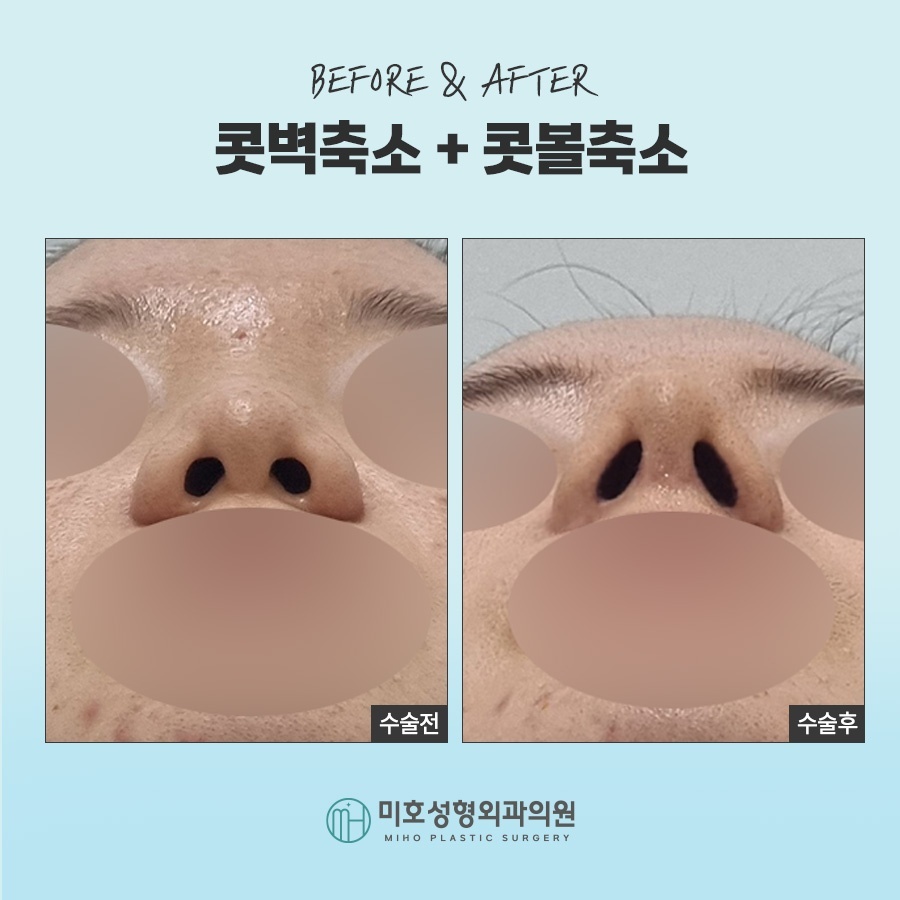
Most notably, the refined nasal shape
tends to remain for a relatively long time,
with cases of returning to the original shape
being uncommon.
Even when the method is simple,
there are several preparations that must be followed.
First, you should inform the medical staff in advance
about any chronic conditions you have
or any previous experience with general anesthesia.
If you are taking medication,
you should confirm whether it needs to be discontinued,
and you should also avoid alcohol and smoking
for about one week.
All food and drink, including water,
must be avoided from six to eight hours beforehand.
On the day of the procedure,
it is also recommended that you prepare
comfortable clothing that does not constrict the body.
All of these are procedures intended
to bring about the change more safely,
so they should not be disregarded.
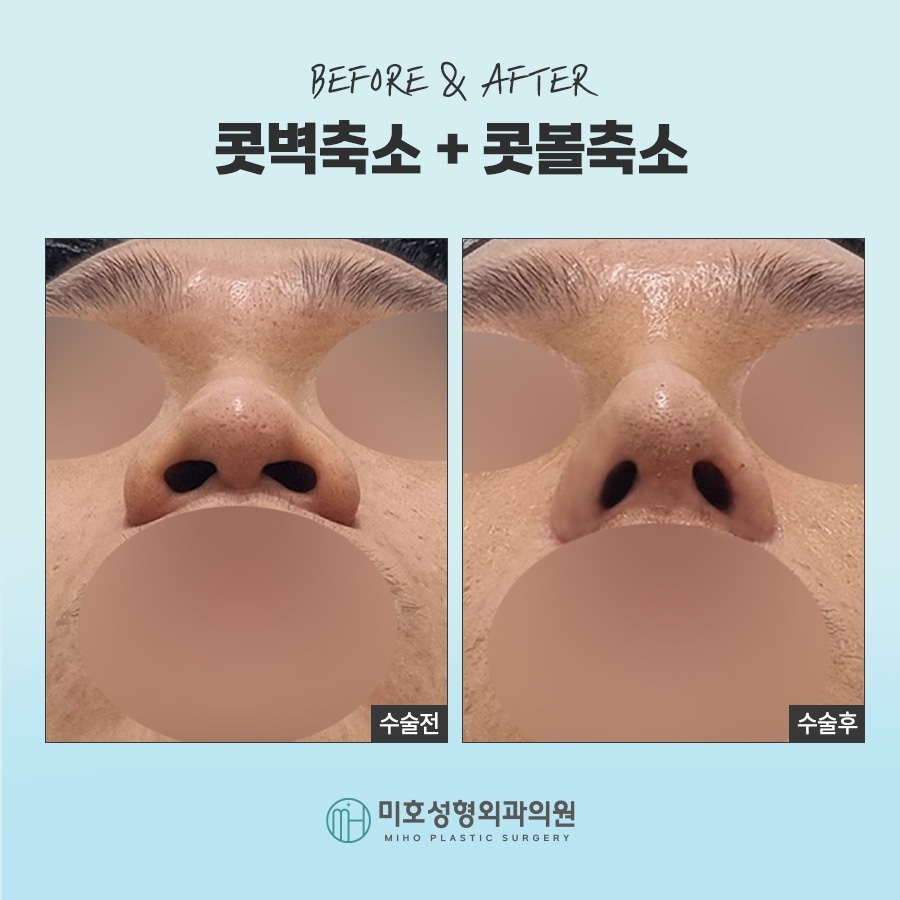
After Miho columella reduction and alar correction,
careful management is necessary
so that the treated area can heal properly.
During the first one to two days,
blood or discharge may seep from inside the nose,
so it is recommended that you prepare clean gauze or tissues
in advance and gently wipe the area.
At this time, you should avoid putting your fingers
or any foreign objects directly inside the nose.
Blowing your nose forcefully is also prohibited.
For about the first three days,
applying a cold compress when discomfort occurs
may be helpful,
and afterward, warm compresses can be alternated as well.
Keeping your head elevated while sleeping
may help reduce swelling.
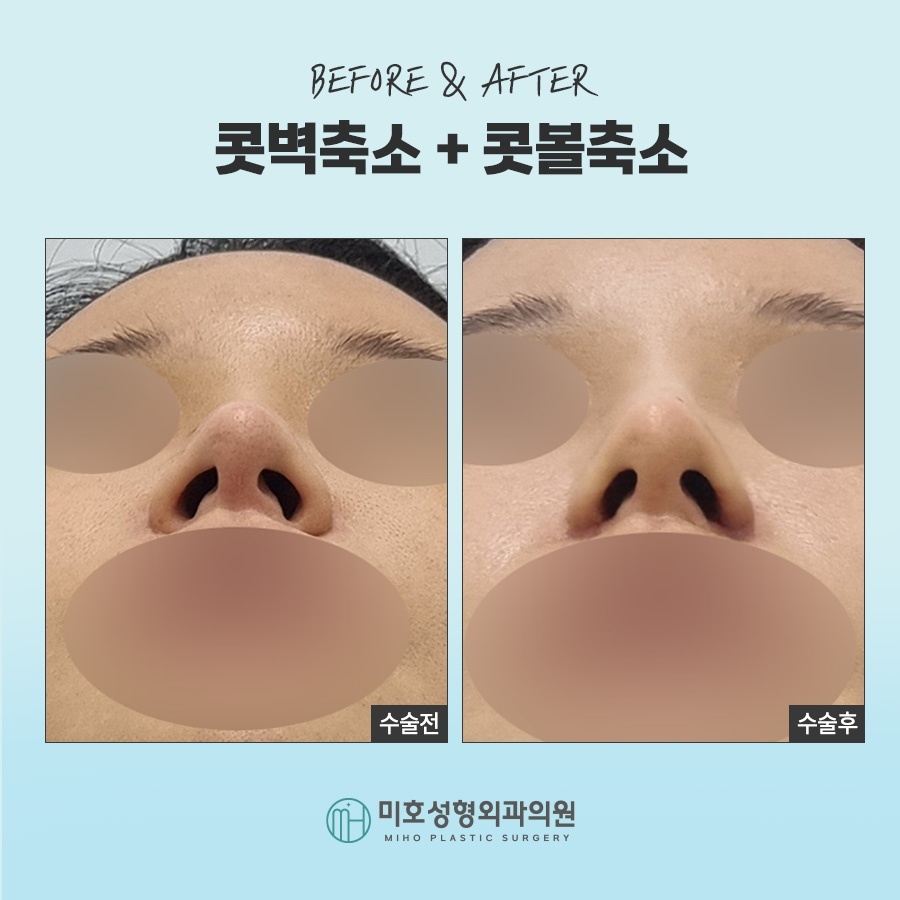
Washing your face and applying makeup
become possible after the stitches are removed.
However, it is recommended that you avoid wearing glasses
for approximately four to six weeks.
If medication has been prescribed,
it should be taken regularly after meals,
and it is advisable to avoid alcohol and smoking
for about four weeks.
By following these lifestyle guidelines,
you may find it more enjoyable to look in the mirror
as your facial impression becomes more refined.
Once all care for healing has been completed,
your expressions when smiling or speaking
may feel even more natural,
which may also increase the possibility
of leaving a positive impression on others.

The nose is an important feature
that influences the harmony of the entire face.
Even refining the shape of this area alone
can bring the eyes, lips, and jawline into harmony
and further enhance the three-dimensional appearance.
As an area that affects first impressions,
it may be meaningful to seriously consider
Miho columella reduction and alar correction.
However, the method of correction
must be chosen carefully,
and attention must also be paid to aftercare.
If you want a more natural-looking result,
choose a provider that can suggest an approach suited to you
based on extensive experience and careful examinations,
and proceed accordingly.





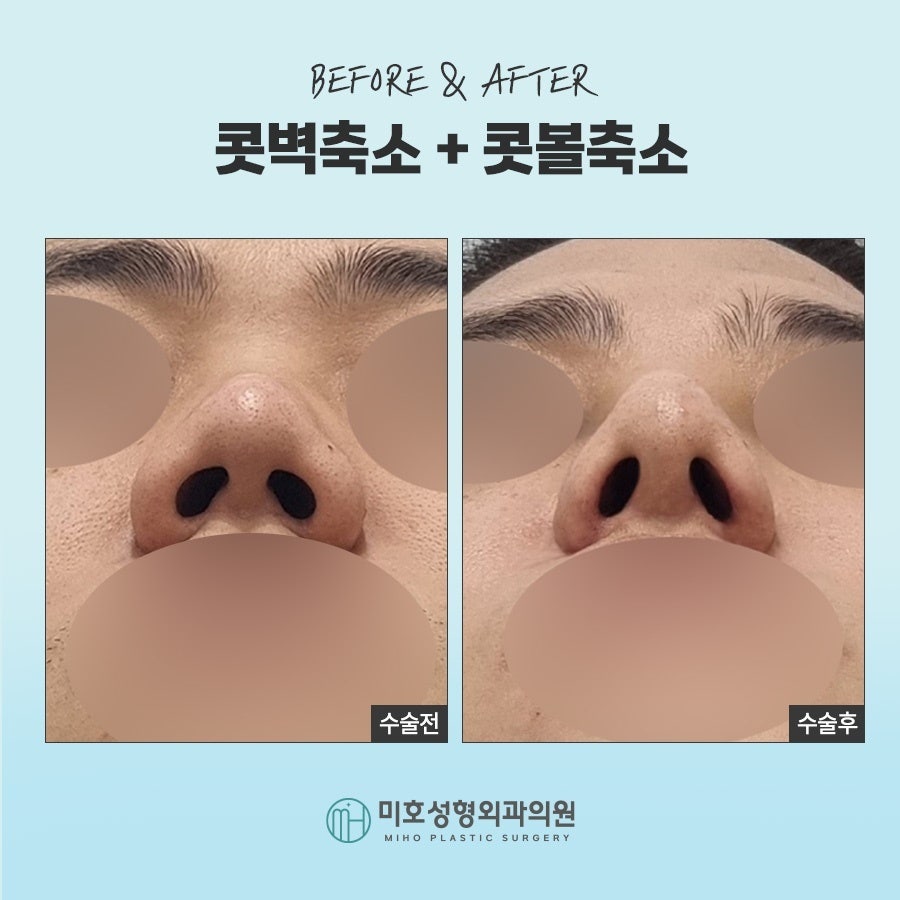

Previous image
Next image