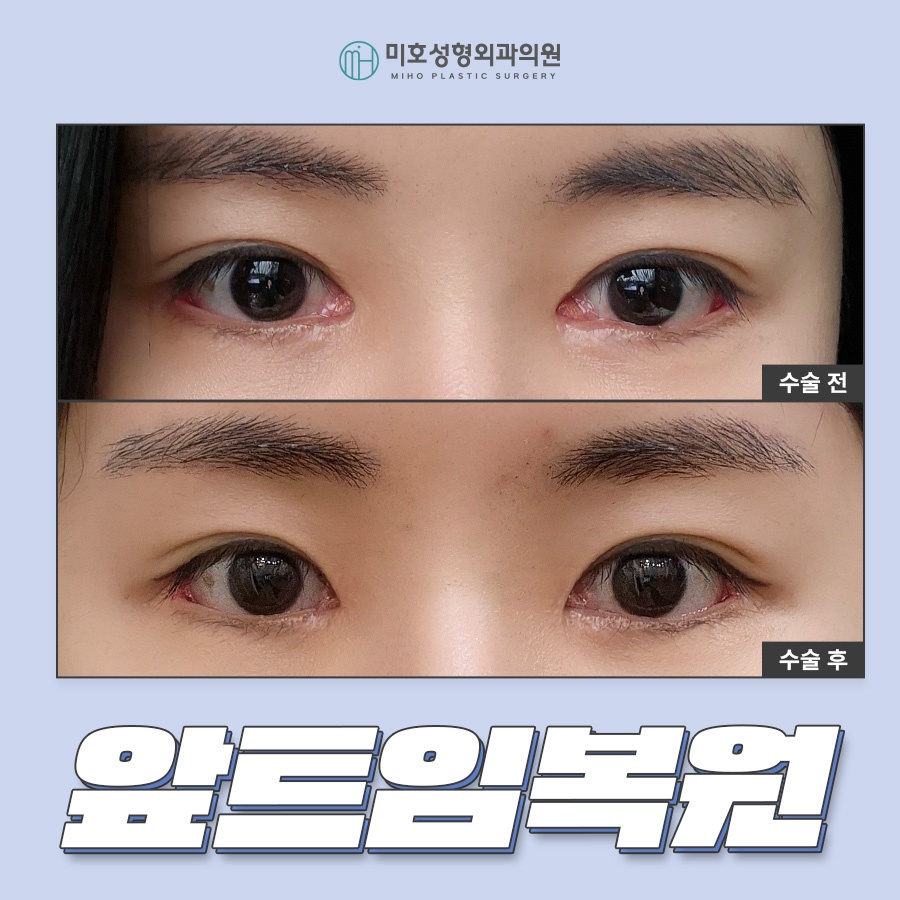
The face is considered an important factor
that determines a person's overall impression.
Among its features, the eyes are where each person's
individuality and emotions are revealed,
and they are also often the first area
people change when they want to alter their image.
In particular, more people these days admire
definite, well-balanced eyes,
so it is common to see people visit medical institutions
to create double eyelids
and even open up the inner corners of their eyes
by correcting the Mongolian folds.
However, not everyone achieves a satisfactory result.
Today, we will discuss
epicanthoplasty reversal,
which is useful for people who underwent
such procedures but were instead told
that they looked older than their age.
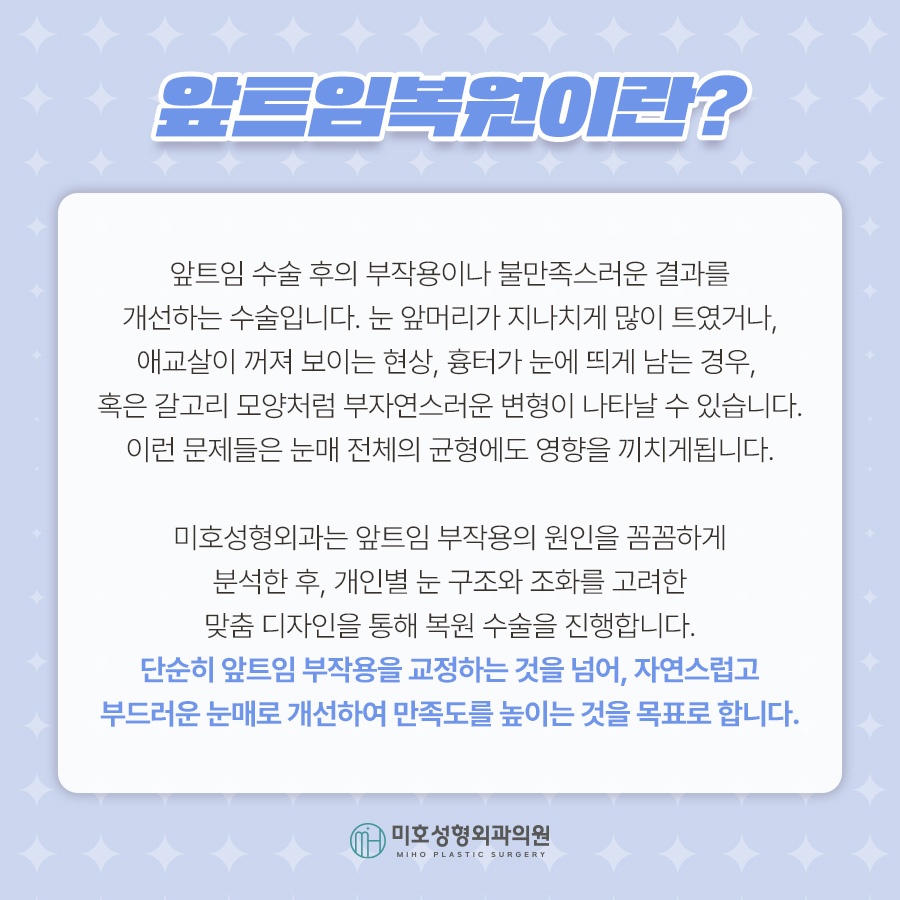
When you look in the mirror, you can see a fold
that runs from the inner corner of the eye downward.
This is a feature commonly seen in East Asians
and is called a Mongolian fold.
The problem is that when this area is deeply folded,
there is a greater likelihood of being negatively judged—
for example, being teased for having narrow eyes,
having the space between the eyebrows appear wide,
or looking older than one's age.
To address this, many people have had the inner canthus
incised indiscriminately while creating double eyelids,
only to have the lacrimal lake become exposed
and scars develop, increasing their discomfort.
It is also common for people to consider
epicanthoplasty reversal while trying to improve
these problems, so caution is necessary.
For people who have to live with
these various discomforts,
epicanthoplasty reversal
can naturally sound like welcome news.
It is also gaining attention as an option
that can address several problems at once.
It is particularly suitable for correcting
severely exposed lacrimal lakes
or the appearance of a narrow space between the eyebrows.
It can also be useful for correcting an unnatural inner canthus
or removing scars that have formed
around the inner and lower parts of the eyes.

However, the procedure is not simple.
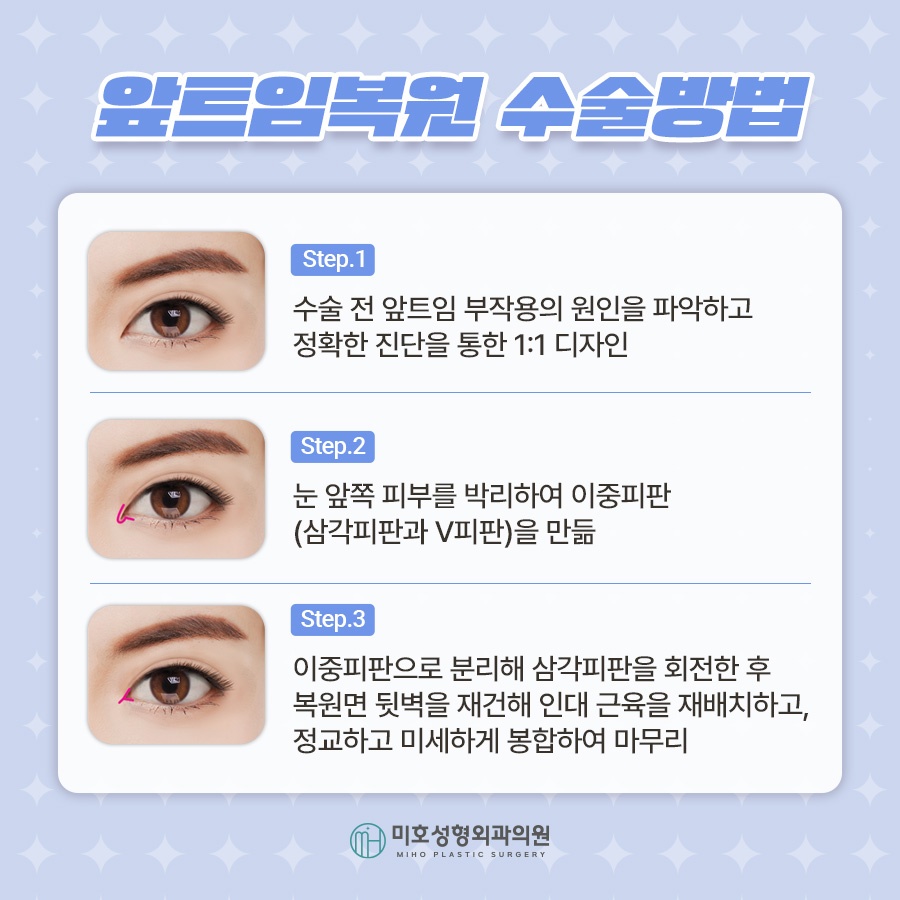
It begins with a careful analysis of the cause
of the problem, followed by designing
the appropriate location and other details.
The inner canthus is then incised
according to the plan that was established.
Afterward, the overall shape of the eye is examined,
and the area is sutured to correct it into the desired form.
This process is not usually performed
with beauty alone in mind.
It is carried out carefully while also considering
harmony with the entire face, including the nose and mouth.
In addition, ensuring that functional structures
such as the lacrimal glands are not damaged
is also the responsibility of the medical team.
In particular,
epicanthoplasty reversal requires
preventing muscle adhesions in the highly elastic
Mongolian band and restoring overall balance,
so the skill of an experienced medical professional is essential.
It is also a precise procedure that restores
both the upper and lower skin layers as double flaps.
Therefore, a medical institution should not be chosen
based only on the lowest price
or flashy testimonials.
Since depressed scars and uneven,
step-like scars must also be thoroughly removed,
many people believe that the outcome depends
on which physician they meet.
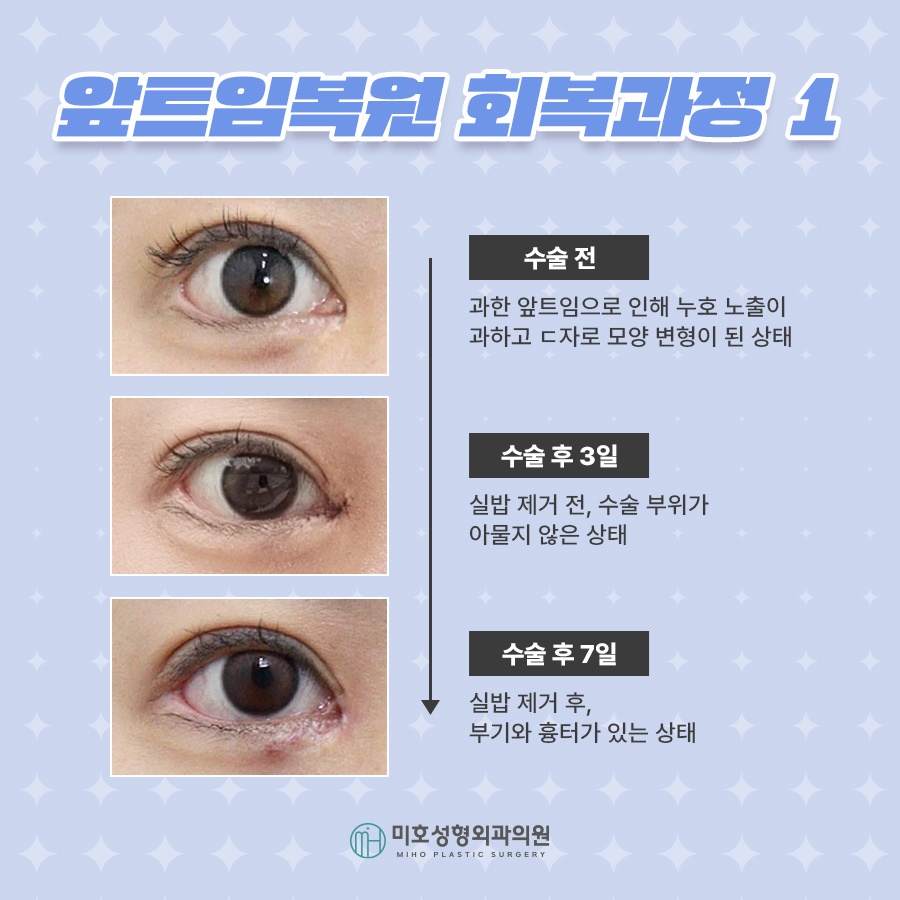
For this reason, it is necessary to deliberate carefully
about where to undergo the procedure
and which medical team to work with.
First, it is important to choose a medical institution
that has the equipment required for detailed examinations,
has a physician in residence at all times,
and is able to properly identify each person's problems
and suggest an individualized direction for improvement.
It is also necessary to check whether medical professionals
specializing in anesthesia are available
and whether a hygienic environment has been established
before making a decision.
In addition, checking whether real-time monitoring
is possible through a central monitoring system and CCTV,
and whether measures are in place for emergencies
such as excessive bleeding,
can also help increase the likelihood of a successful outcome.
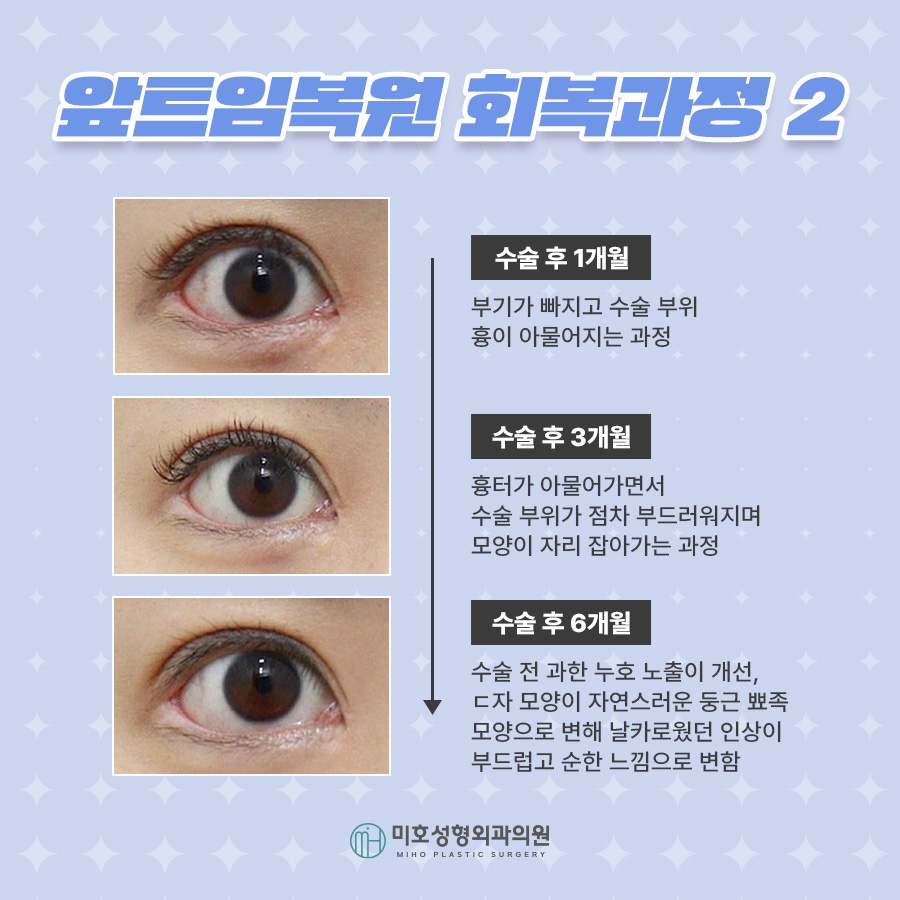
Recently, medical institutions that assign
medical professionals dedicated to each specialty
and provide close management from consultation
through post-correction follow-up
are also often rated highly.
When a medical institution has such a system in place,
it can clearly establish responsibility
if problems such as inflammation occur,
and it is also popular because it can provide
better aftercare services.
At the same time, it is useful to carefully check
whether the institution is capable of detecting
and addressing common abnormal symptoms,
such as bleeding and infection,
at an early stage.
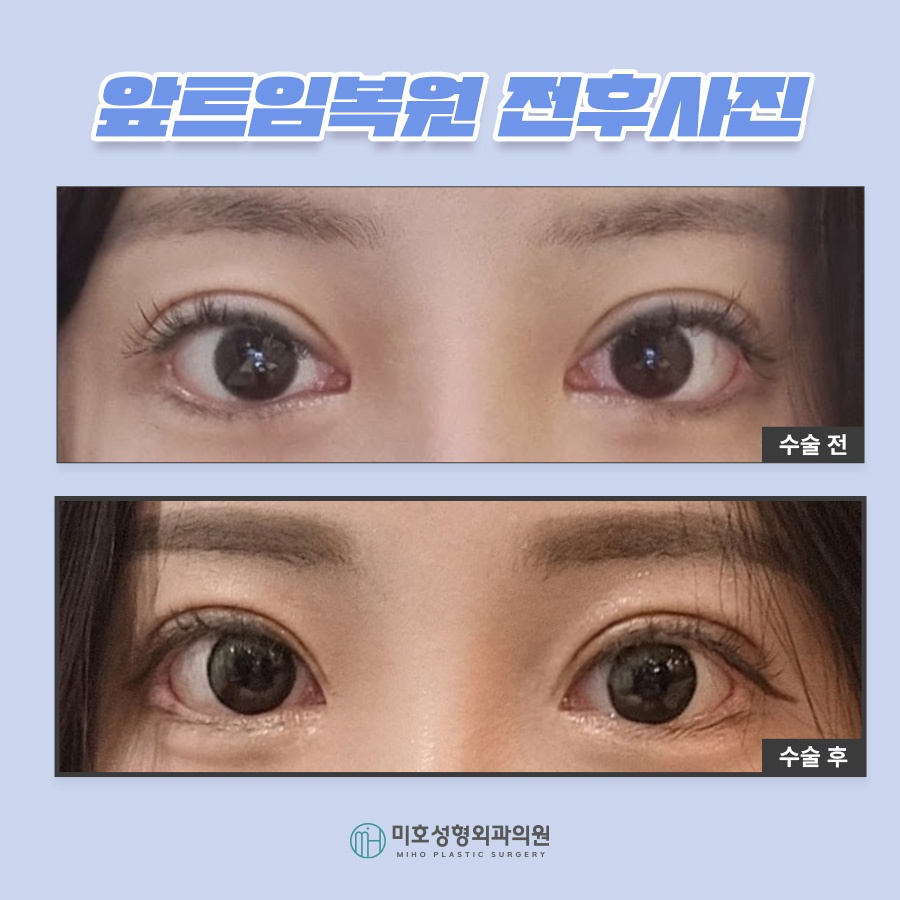
However, choosing the right medical institution
does not guarantee that every result will be good.
The individual's own efforts also have a significant effect
on the success of epicanthoplasty reversal.
First, if you have an underlying condition,
including high blood pressure or heart disease,
and are taking medication prescribed for it,
you should inform the medical team
and make arrangements such as stopping the medication,
as appropriate, to reduce the risk.
If you have previously undergone general or local anesthesia,
you should disclose this in advance.
In addition, from one week before the appointment,
you should stop drinking alcohol, smoking,
and using sleeping pills,
and refrain from consuming food and water
for six hours beforehand
to prepare for any unexpected circumstances.
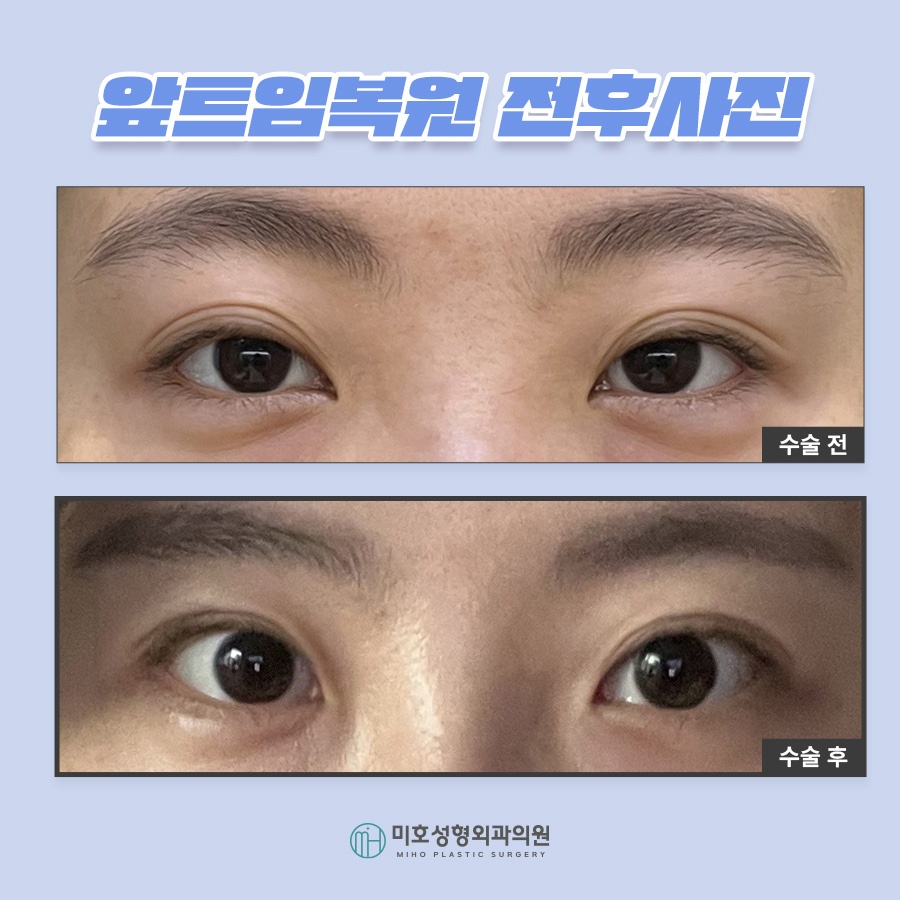
After correcting the eye shape through the procedure,
keep the wound approximately 20–30 degrees
higher than the heart to help reduce swelling.
At the same time, during the first three to five days,
repeat cold compresses using an ice pack.
After that, use warm compresses
to help with hemostasis and wound recovery.
In addition, be careful not to cry or rub the area
with your hands, as this could lead to a bacterial infection.
For about two weeks, avoid using contact lenses,
or be careful not to put pressure on the area between the eyebrows
when inserting them.
It is also advisable to avoid greasy foods,
smoking, and alcohol for four weeks.
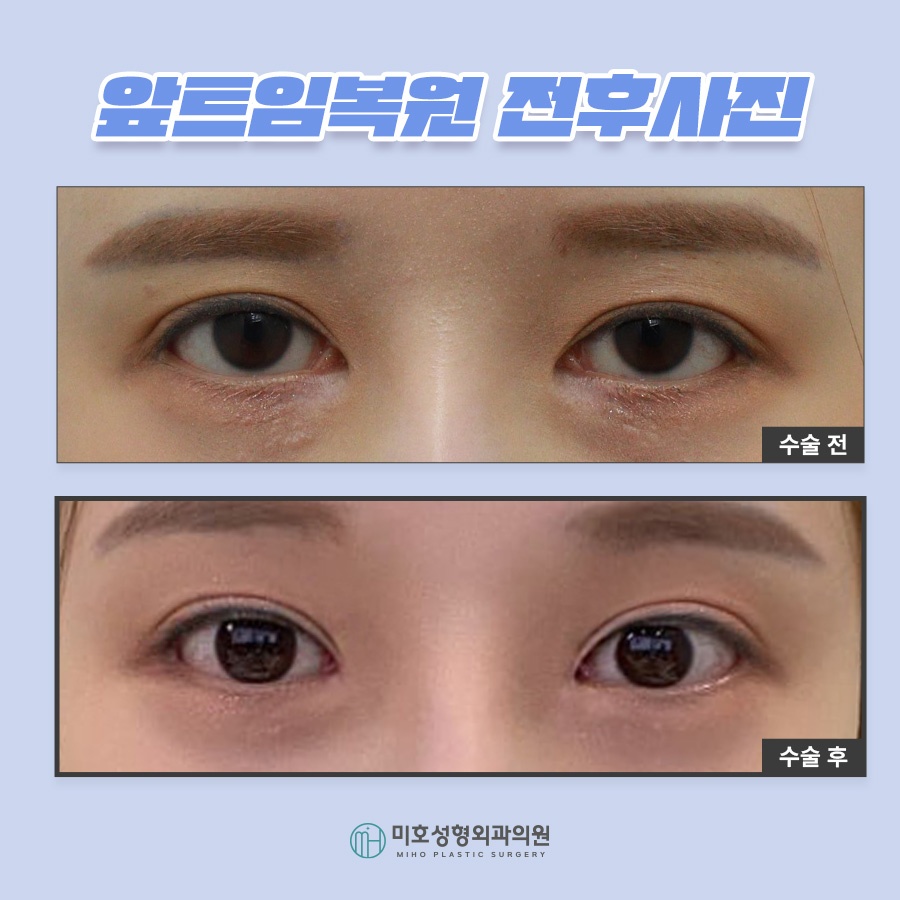
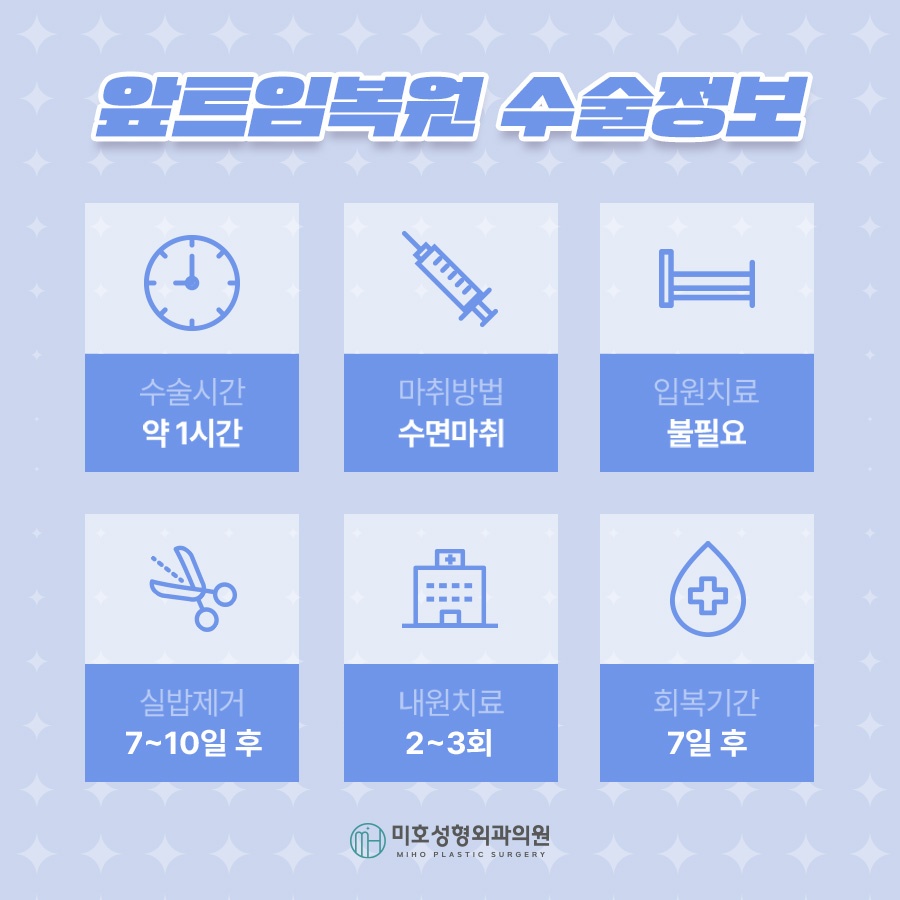
Typically,
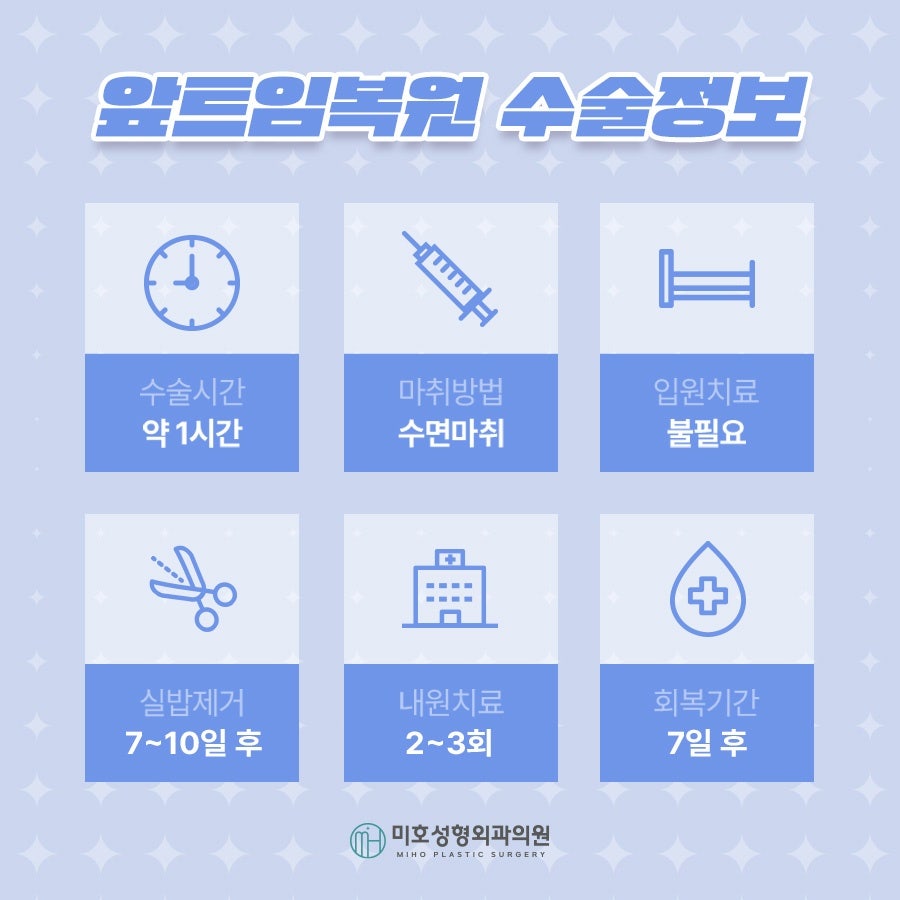
epicanthoplasty reversal takes about one hour.
The entire procedure is performed after sleep anesthesia,
so hospitalization is not required.
Instead, it is generally sufficient to visit the institution
two or three times for treatment such as checking for inflammation
and changing dressings.
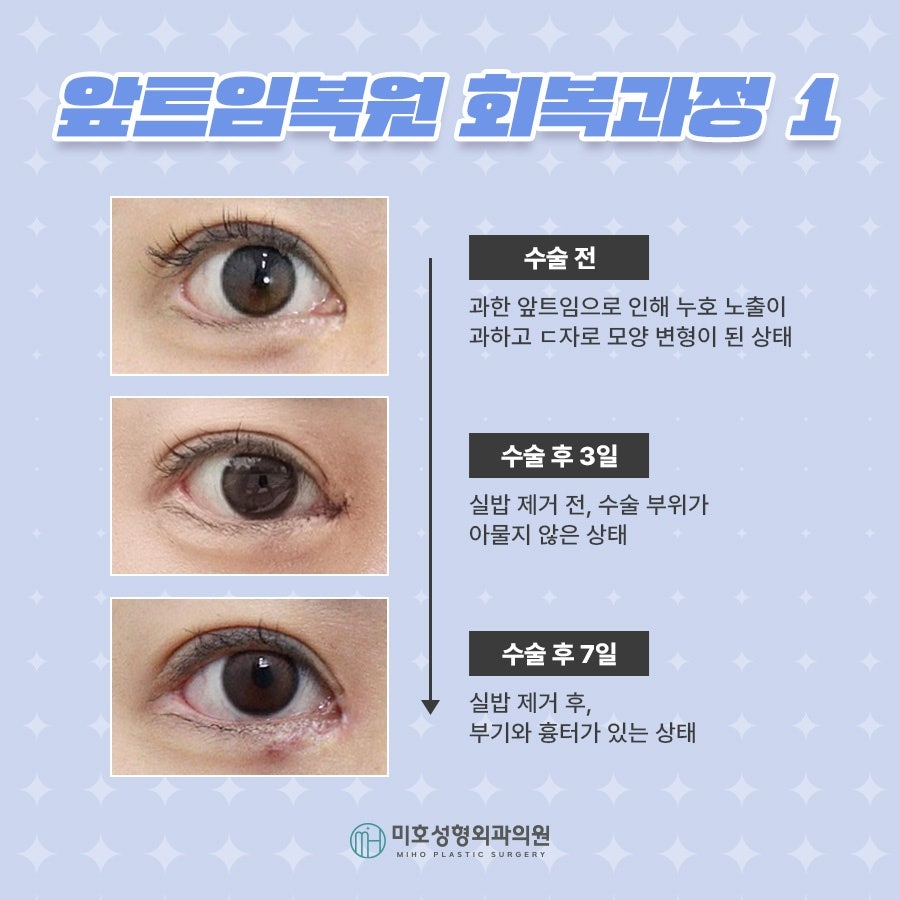
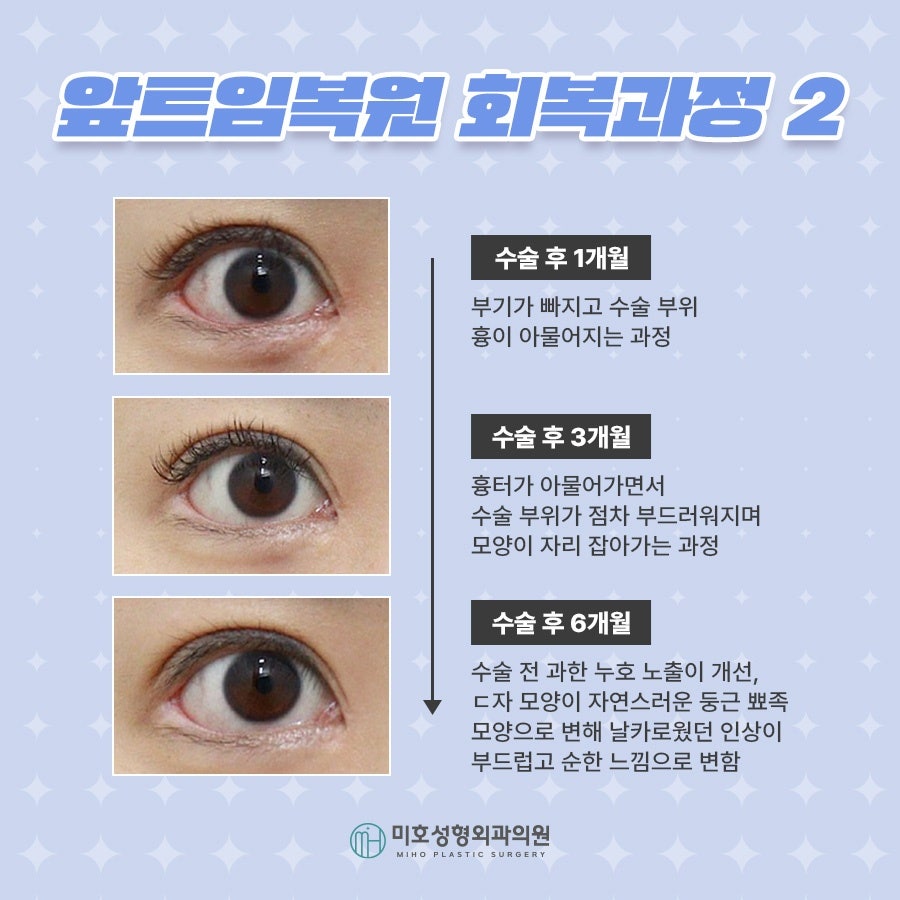
Recovery usually takes about one week,
after which daily activities are possible.
However, please remember that successfully improving
Mongolian folds and scars in this way
requires medical professionals with extensive experience and skill,
as well as a medical environment equipped with hygiene,
safety, and emergency response systems.


Previous image
Next image