
Many people sought to change their overall impression
by improving the shape of their nose.
They often tried comprehensive solutions,
including raising the nasal bridge,
reducing the width of the nostrils,
and refining the shape of the nasal tip.
Because the nose is located at the center of the face,
even a minor procedure could bring about
a change in the overall image.
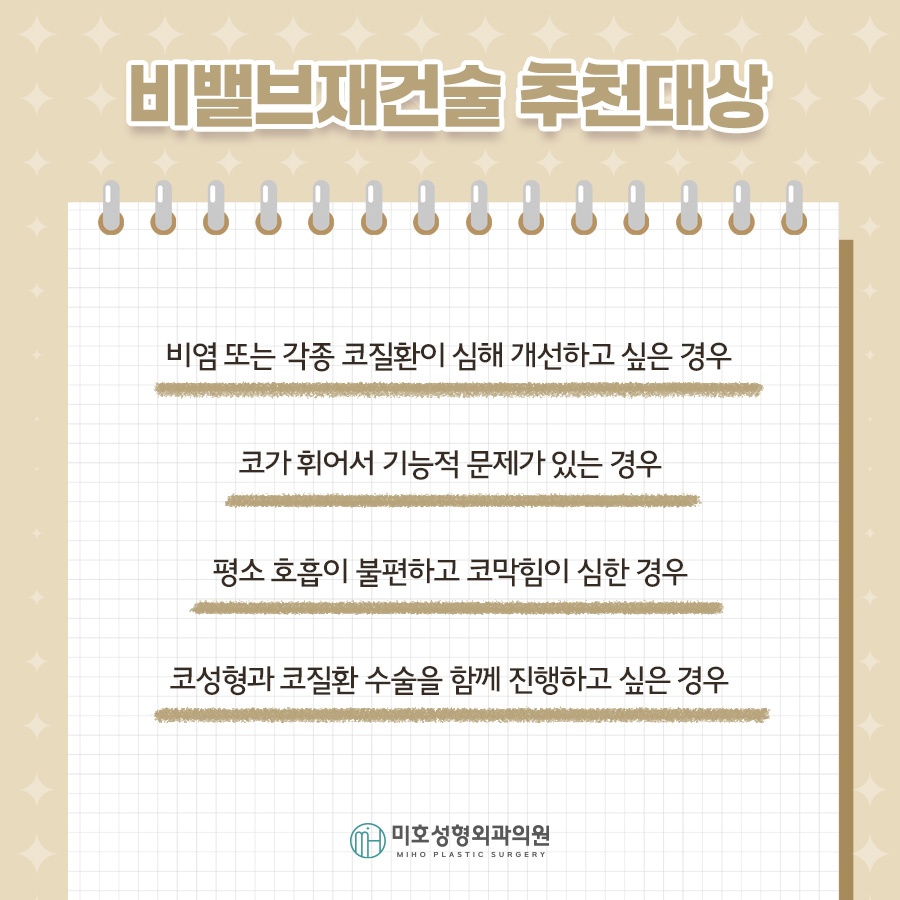
If you usually found it uncomfortable to breathe,
we recommended undergoing a detailed examination
and considering nasal valve reconstruction.
This was because it was very important
not only for the external appearance
but also for normal function.
The nose is responsible for breathing and the sense of smell,
so a careful approach was necessary
when attempting a surgical procedure.
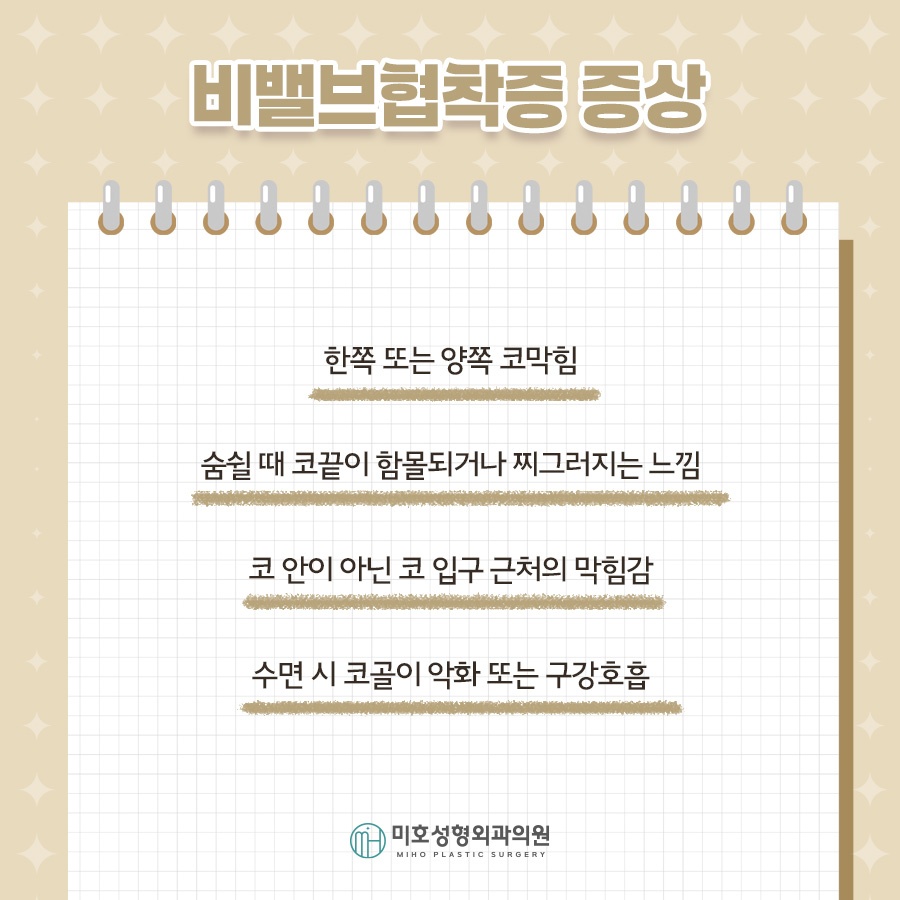
Many people complained of symptoms such as
continuous nasal discharge or nasal congestion
that made breathing difficult,
but did not take active steps to address them.
However, the longer these symptoms persisted,
the greater the possibility that related complications
could accompany them, so it was better to correct them
as early as possible.
If you felt nasal discomfort throughout the year
even without exposure to allergens
or having a cold,
it could have been a case requiring
nasal valve reconstruction.
Rhinitis and chronic sinusitis
could unexpectedly lower one’s quality of life considerably.
In addition to making breathing difficult,
constant nasal discharge could make you conscious
of the attention of people around you,
and the skin around the nose often became
red and irritated.
Because insufficient oxygen entered during sleep,
apnea could continue,
making it difficult to sleep deeply.
Even while awake, you could suffer from headaches
and experience reduced concentration.
In addition, if the inside of your nose felt dry
and you sneezed frequently,
nasal valve reconstruction might have been necessary.
There were also cases in which people did not notice
any discomfort and learned about the issue
by chance during an examination.
If the cause was a cold or an allergic reaction,
it could improve with medication,
but medication was of little use for structural problems.
In such cases, improvement could be expected
by correcting the abnormal internal structure.
If you entrusted the procedure to medical professionals
with extensive medical knowledge and expertise
and excellent surgical skills,
function could be restored and quality of life improved.
At the same time, if areas that had usually been regarded
as personal concerns were partially improved,
you could also gain greater confidence in your appearance.
To briefly examine the structure inside the nose,
the nasal septal cartilage,
which served as a central supporting column,
was located in the middle.
This tissue supported the nose
and divided the nostrils into left and right sides.
If this area was severely deviated,
an inflammatory response could occur.
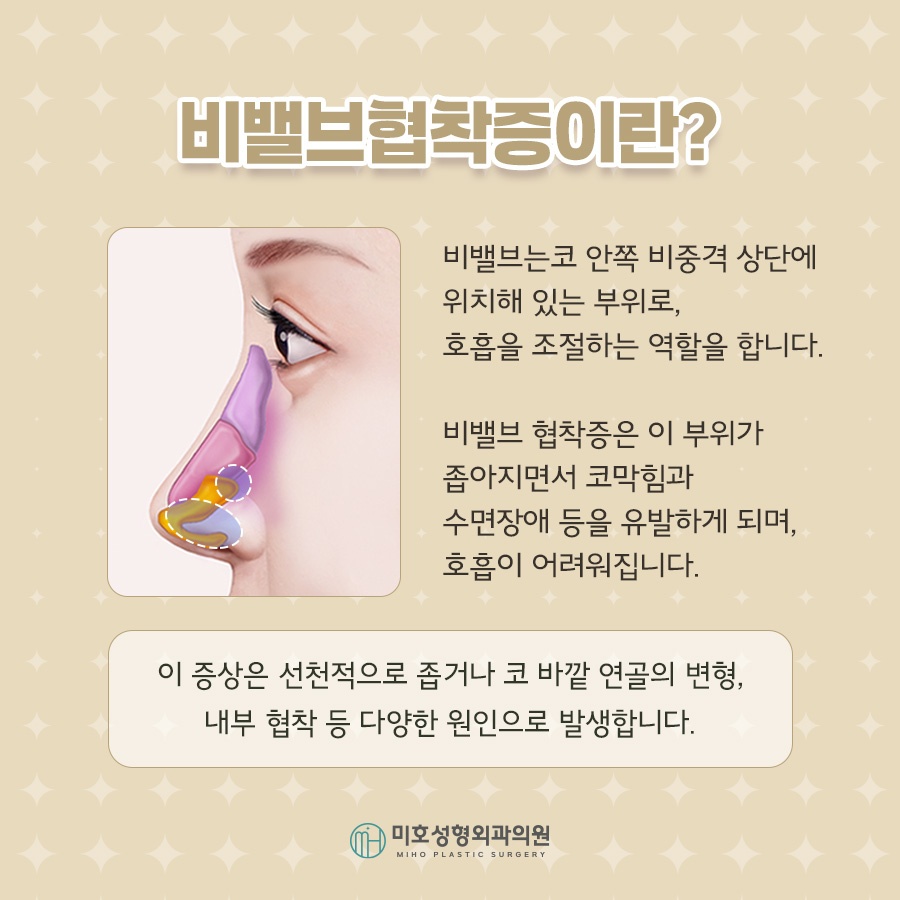
The upper part of the nostrils was called the nasal valve;
it served as a roof and was where air entered and exited.
If this area was congenitally narrow,
or became narrower due to an accident
or a previous procedure,
the amount of oxygen entering was reduced,
making it difficult to breathe.
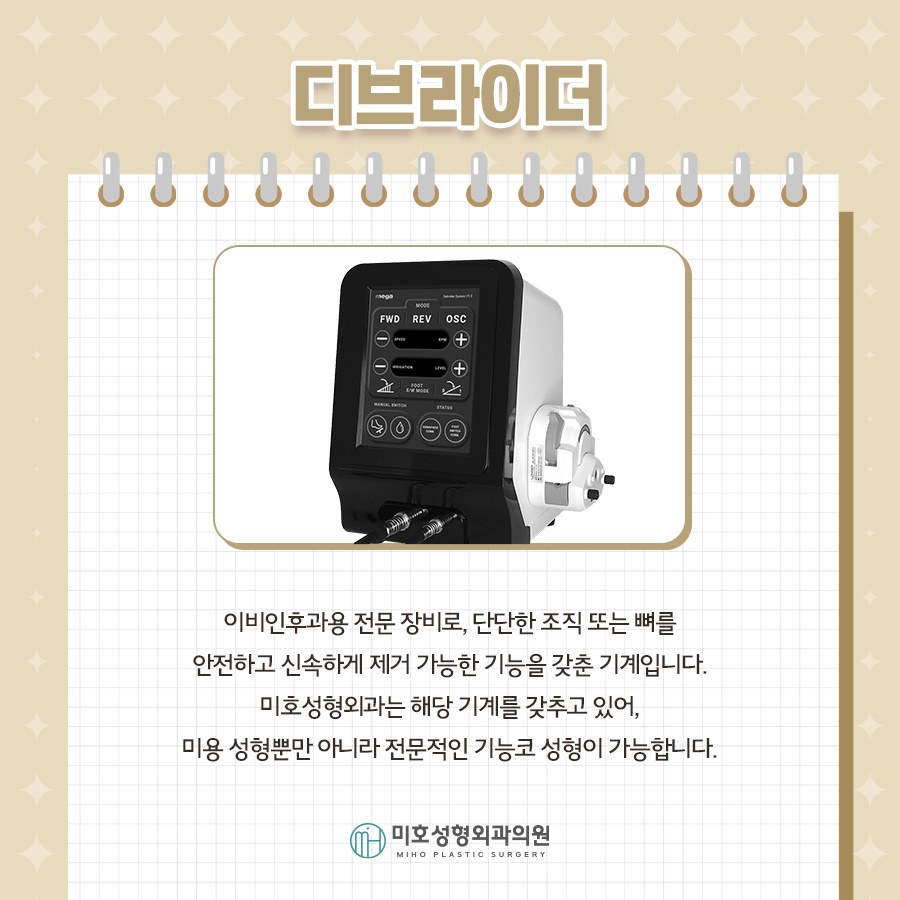
Nasal valve reconstruction involved widening
the narrowed airway back toward its original state.
When people heard “surgical solution,”
they often thought only of a cosmetic procedure
intended to make the appearance more attractive.
However, it was also frequently performed
to improve abnormal structures.
Through this, various complications,
including inflammation and nasal congestion,
could be alleviated.
The treatment method varied depending on
the location and width of the nasal valve.
If it had become completely narrowed,
part of the nasal septal cartilage could be corrected
to widen the airway.
If the narrow nasal valve was caused by
the strength of the alar cartilage,
tissue could also be grafted
to widen the outer area.
The otolaryngological conditions that could be improved
through nasal valve reconstruction included
rhinitis and chronic sinusitis.
Once breathing became easier
and the nasal discharge stopped,
satisfaction with the results also tended to be high.
This solution required a somewhat different approach
from simply inserting an implant
to improve the shape.
It was necessary to clearly identify the cause of the problem
and establish a systematic plan
suited to each individual’s condition.
Because multiple areas had to be examined and assessed together,
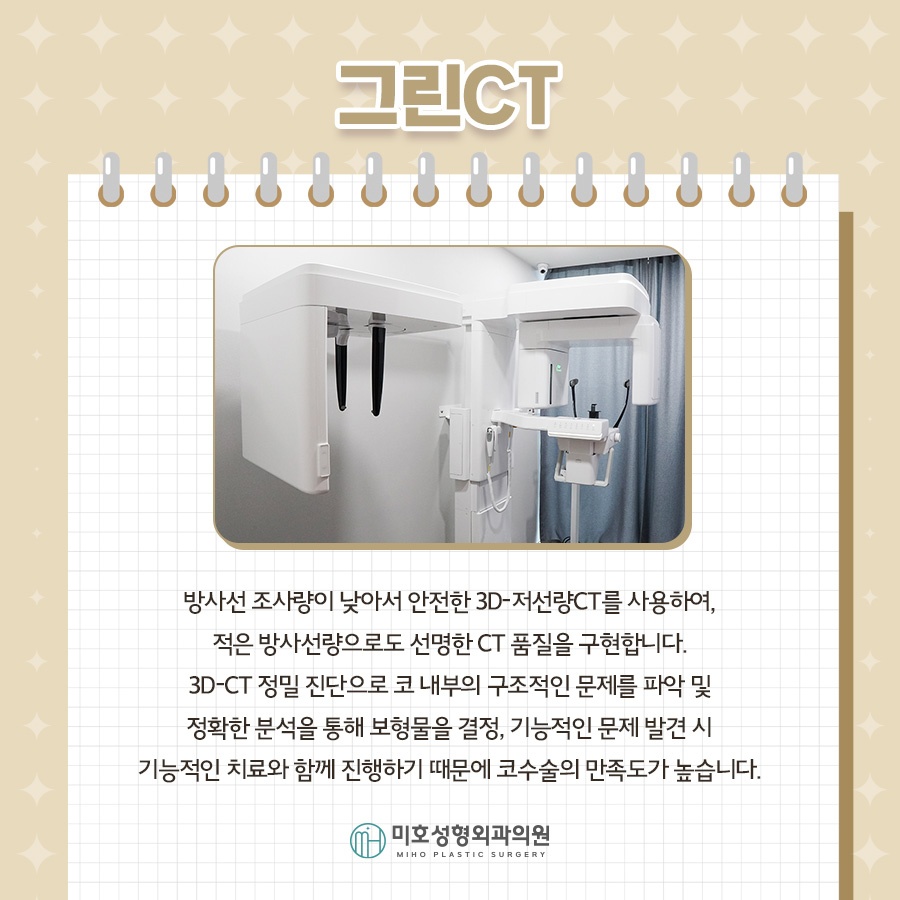
various tests, including 3D CT and endoscopy,
were performed.
Because the condition of the bones, cartilage,
and surrounding soft tissues also had to be assessed,
high-level technical expertise was required.
Therefore, it was wise to have extensive discussions
with medical professionals who had abundant experience
and expertise before proceeding with reconstruction.
It was also necessary to continuously check stability
during the procedure and maintain close communication
and feedback with the anesthesiology department.
After the solution was completed,
actively using the post-treatment care program
provided by the medical institution
could help speed recovery
and provide psychological stability.
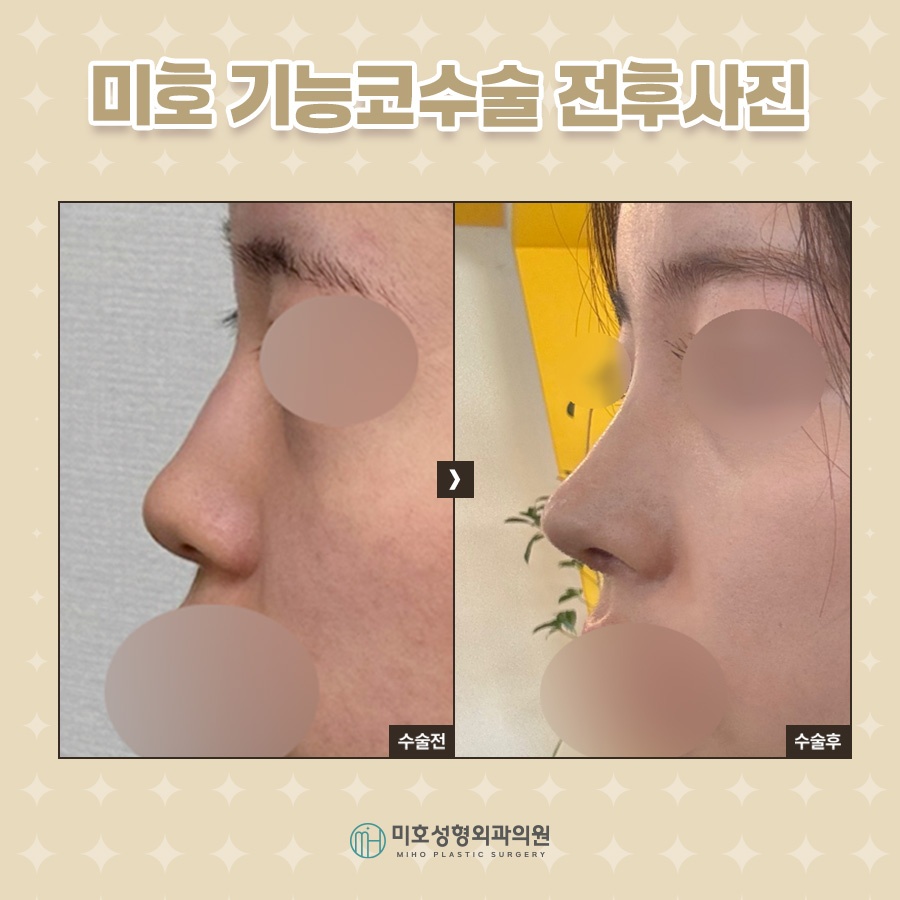
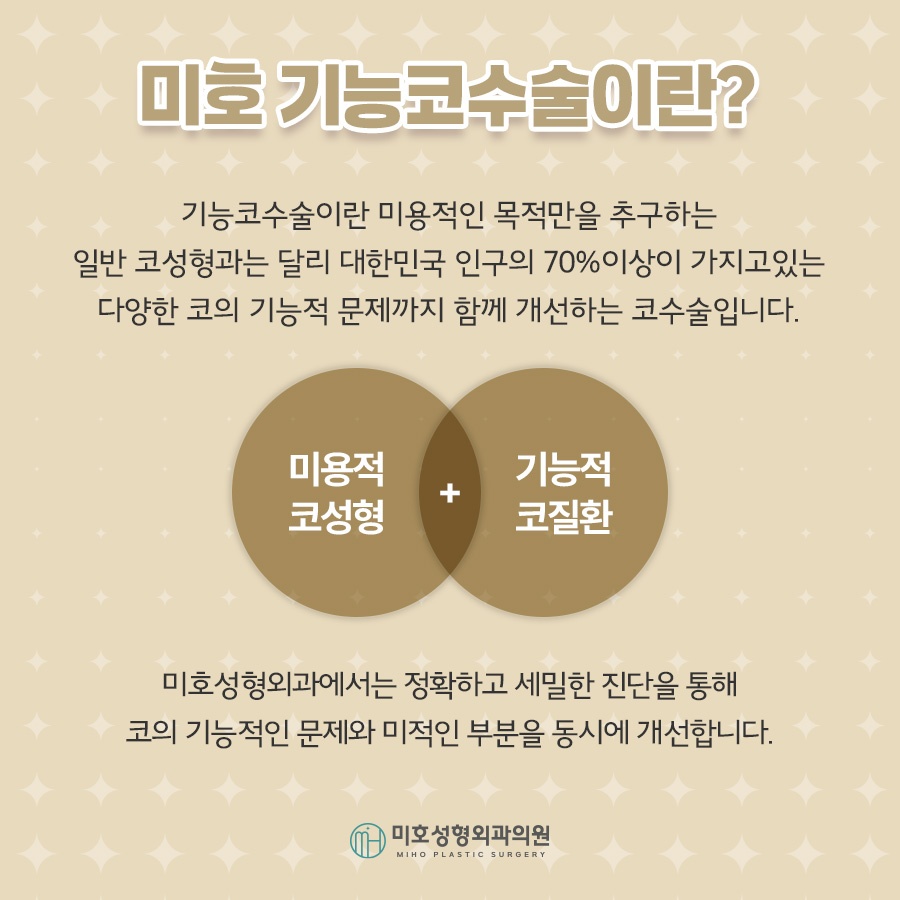
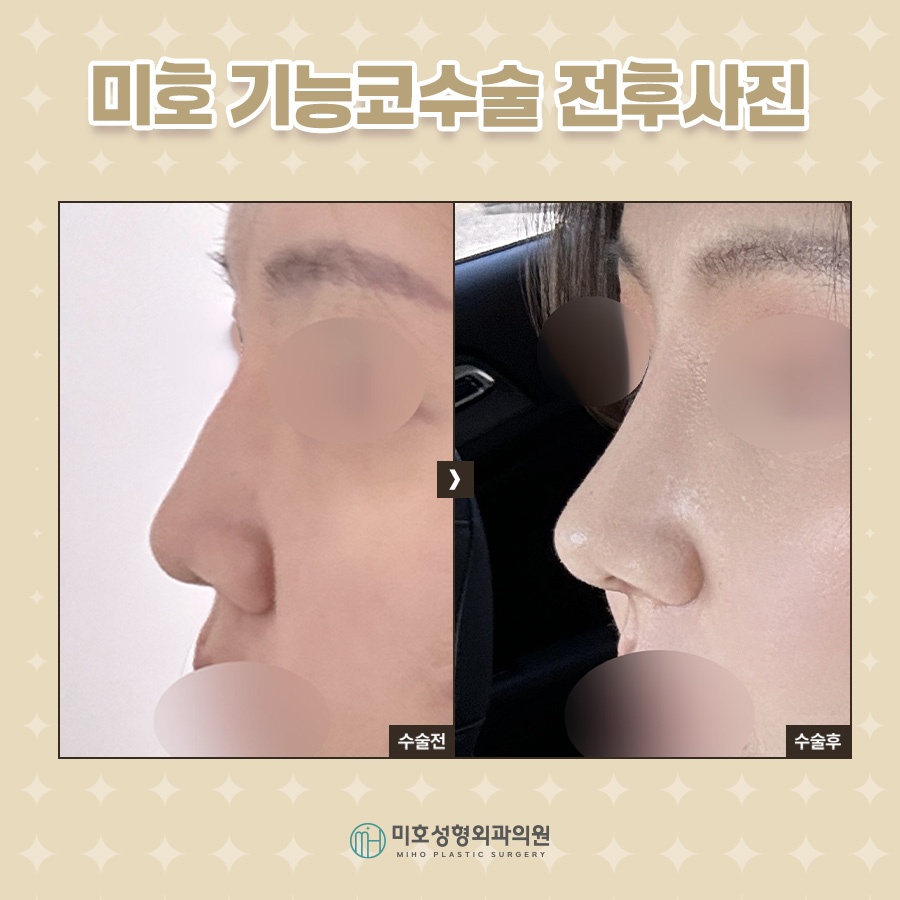
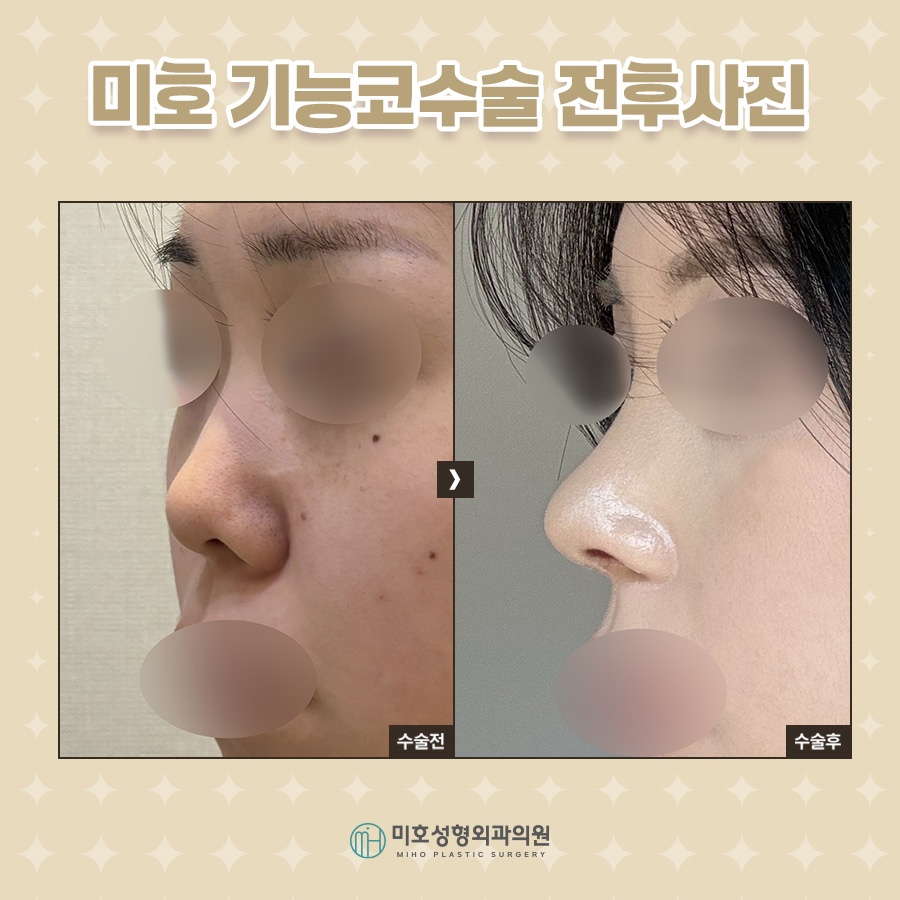
Cosmetic aspects, such as nostrils that were wide from side to side
or a nasal tip that appeared spread out,
could also be improved to a considerable extent.
If the procedure was performed using autologous tissue,
one could achieve a natural and refined appearance
along with functional reconstruction.
Although cosmetic aspects were included,
the fundamental purpose was to treat a medical condition,
so insurance coverage could apply.
If you had taken out indemnity health insurance,
a considerable portion of the cost could be covered
according to the terms of each insurer’s policy.
When breathing was difficult,
people often thought first of a deviated nasal septal cartilage.
Of course, this could be one of the causes of the problem,
but if the deviation was not severe,
it did not cause a significant problem.
The next possibility to consider was
the airway, or the nasal valve.
Unless the narrowing was clearly noticeable,
it could be difficult to identify the problem externally.
Therefore, it was necessary to visit a medical institution,
undergo various examinations,
and carefully assess the condition of the nose
both inside and out.
Based on a thorough diagnosis,
we hoped you would carefully plan
and proceed with nasal valve reconstruction
with due consideration.



Previous image
Next image