
Because of the nose’s location, it was a part that determined a person’s image.
Even small differences in height, width, and angle
could greatly change the impression.
If you were not satisfied with the external appearance
and were also experiencing functional problems,
we recommended correcting the internal structure
through nasal valve reconstruction.
When you breathe only through your mouth because your nose is blocked,
various problems can arise.
Since the amount of oxygen delivered is reduced,
you may experience headaches, difficulty concentrating, sleep disorders,
and dryness in the mouth, which can also cause bad breath.
As small inconveniences gradually became more significant,
you may begin to consider nasal valve reconstruction.
However, the idea that an incision would be necessary
could make you hesitate and feel unsure.
Before deciding on a surgical solution,
it was necessary to clearly identify the cause of the problem first.
It had to be determined whether it came from an abnormal structure
or from constitutional factors.
In the former case, the cartilage and bone inside the nose
had themselves been abnormally deformed,
so even if medication was used, it would only improve temporarily
and then quickly return to the original state.

The latter was the so-called allergic reaction,
which occurs when our body recognizes a specific substance as an enemy
and overreacts defensively.
In such cases, avoiding foods, animal dander, or pollen
that trigger the symptoms,
or waiting for a certain season to pass,
would often lead to natural improvement.
However, if the structure itself has an abnormal shape,
as in the former case,
even with various conservative treatments,
the issue could not be fundamentally resolved.
If you did not feel any meaningful change
even after applying different treatments,
it was a good idea to consider nasal valve reconstruction.

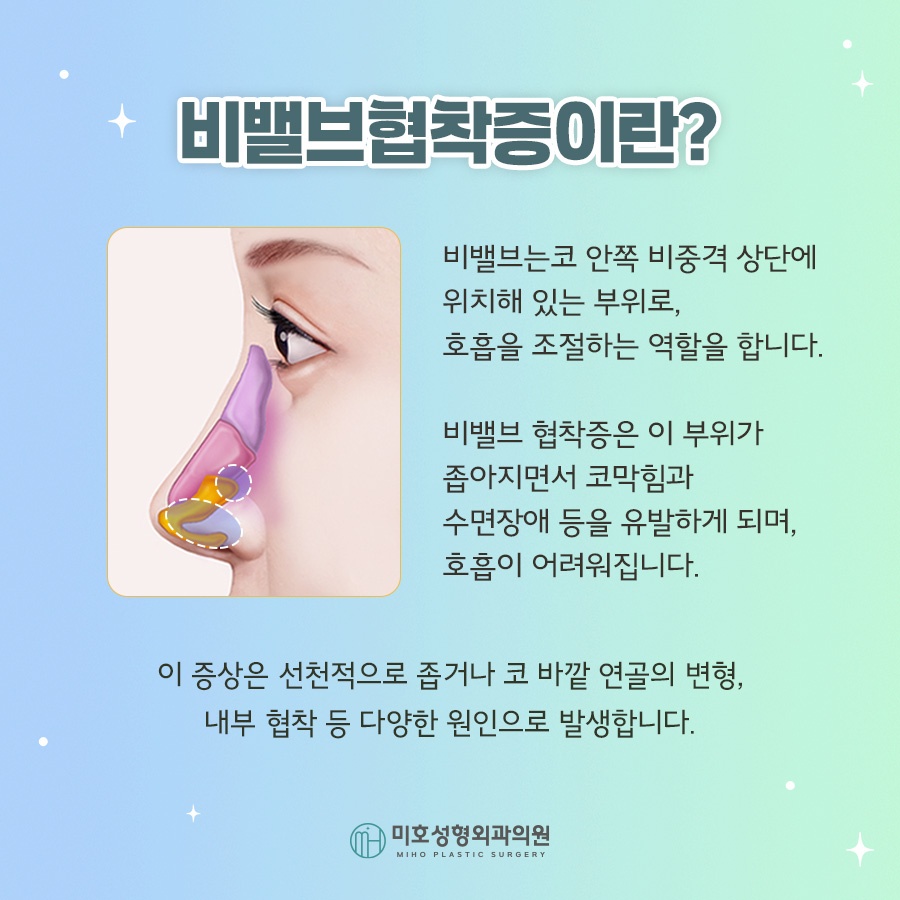
The nasal valve is a structure located inside the nostrils,
and it can be described as the airway through which oxygen moves
in and out of the nasal cavity.
If this area becomes excessively narrow,
air cannot enter sufficiently,
and breathing naturally shifts to the mouth.
The airway may be narrow because you were born with that structure congenitally,
or it may have become permanently deformed
due to an accident or a previous surgical solution.
Whatever the reason,
if the passageway is narrowed,
it was necessary to widen it to an appropriate level.

If the passageway is narrow and the nasal tip is also drooping,
or if the natural support of the nostrils is insufficient,
we recommended correcting it with nasal valve reconstruction.
If the internal structure had been abnormally altered
due to a previous osteotomy,
this could also be a candidate for reconstruction.
Some people wondered, even if it was not visibly apparent,
whether it really needed to be improved.
If the external difference is minimal,
there is no need to correct it through an incision,
but if the discomfort felt by the person is significant,
it is advisable to treat it for their own satisfaction as well.
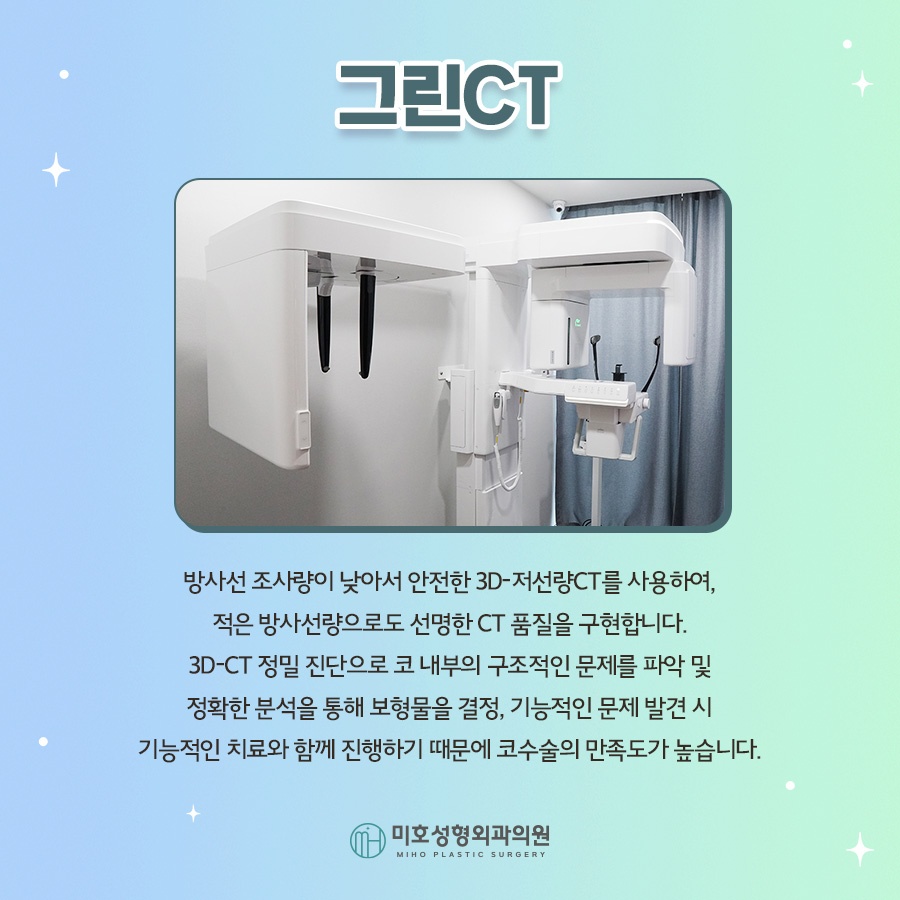
Even if there does not appear to be an external problem,
before proceeding with the solution,
a precise examination must be performed.
The inside of the nose has a maze-like and complex structure
that is more intricate than it appears from the outside,
so even small deformities can cause functional discomfort.
Through various detailed tests,
it was necessary to clearly identify the cause of the problem
and apply a customized method according to each person’s condition.
During the examination, other symptoms that the person had not noticed
were often discovered.
At our clinic, we tried to address as many problems as possible at once.
For example, if the nasal cavity was narrow
and you were planning to undergo nasal valve reconstruction,
but you also had a deviated septum,
we would correct the deviated cartilage at the same time.
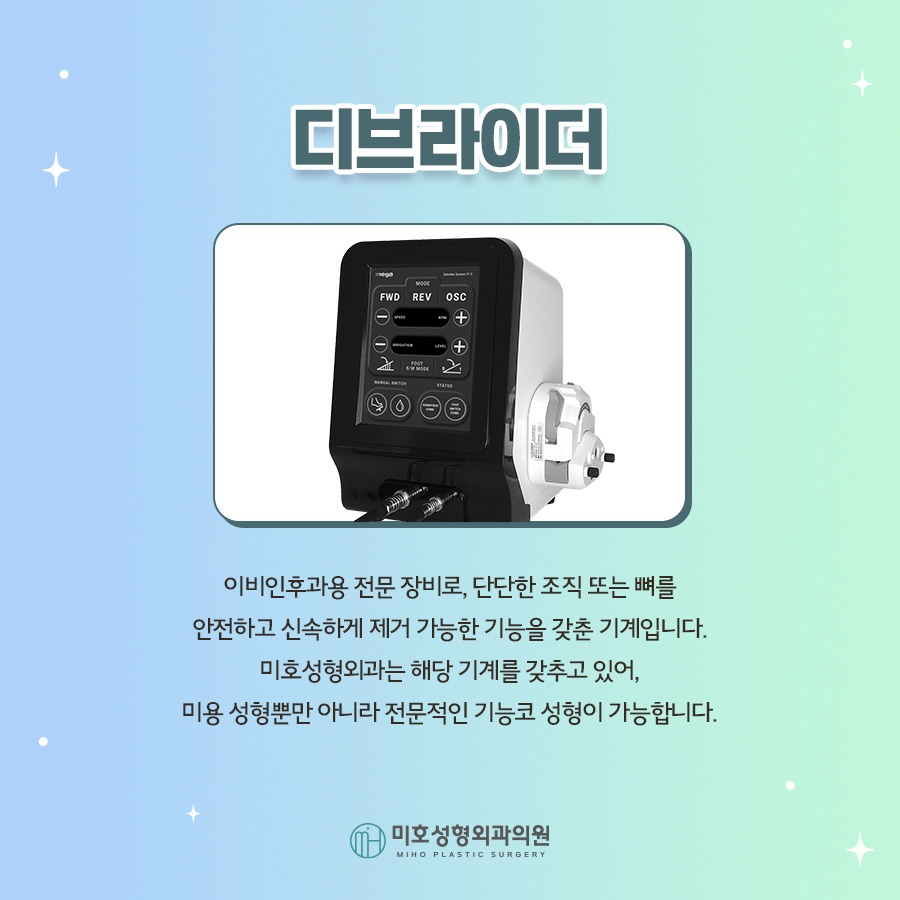
At this time, we used an endoscope
to directly confirm the condition inside the nose with our eyes
and make precise corrections.
Through this, we could widen the narrowed passageway
and straighten the deviated septum.
If you were also concerned about a low bridge and a broad nasal tip,
these areas could be improved at the same time as well.
Because this required paying attention to multiple factors at once,
including cosmetic improvement, functional improvement, and scarring,
it was important to meet an experienced doctor.
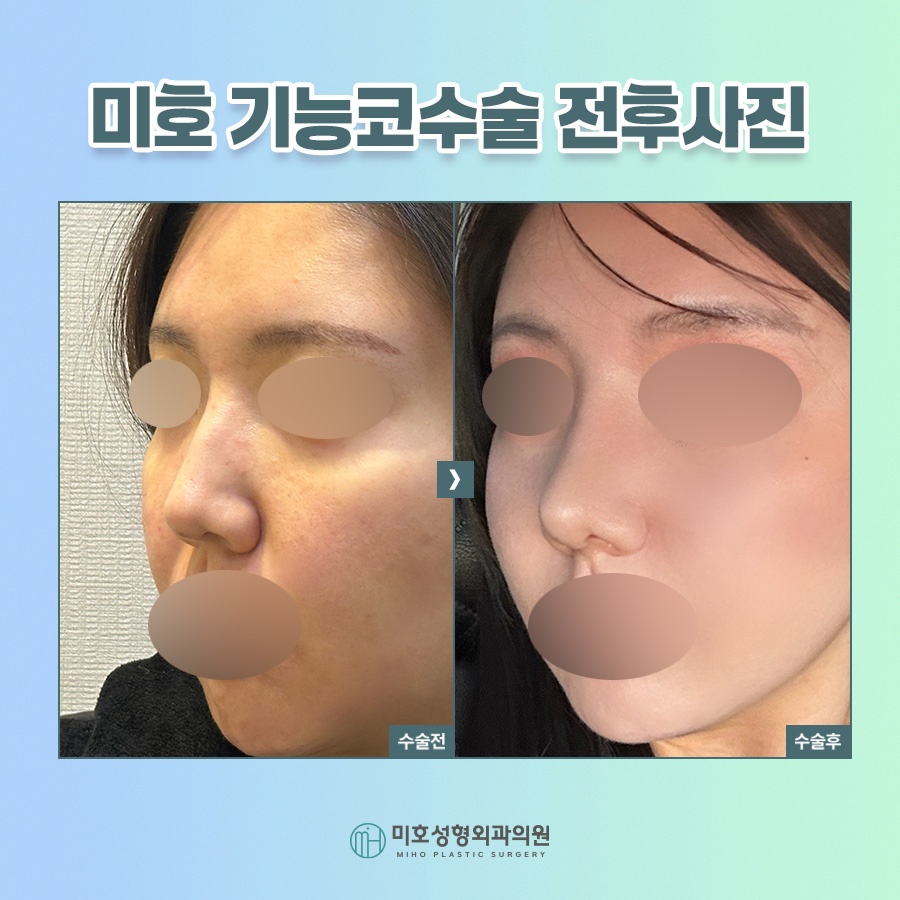
Sometimes implants such as artificial materials or autologous materials
were also inserted.
If you wanted to resolve physical discomfort while also seeking visual improvement,
the silhouette could be refined using silicone or body tissue.
These days, a natural look that does not look overtly done
is the trend, so most cases use ear, septal, or rib cartilage
rather than silicone.
When autologous materials are used,
the design comes out more natural,
and there is also the advantage of a lower risk of contracture and inflammation.
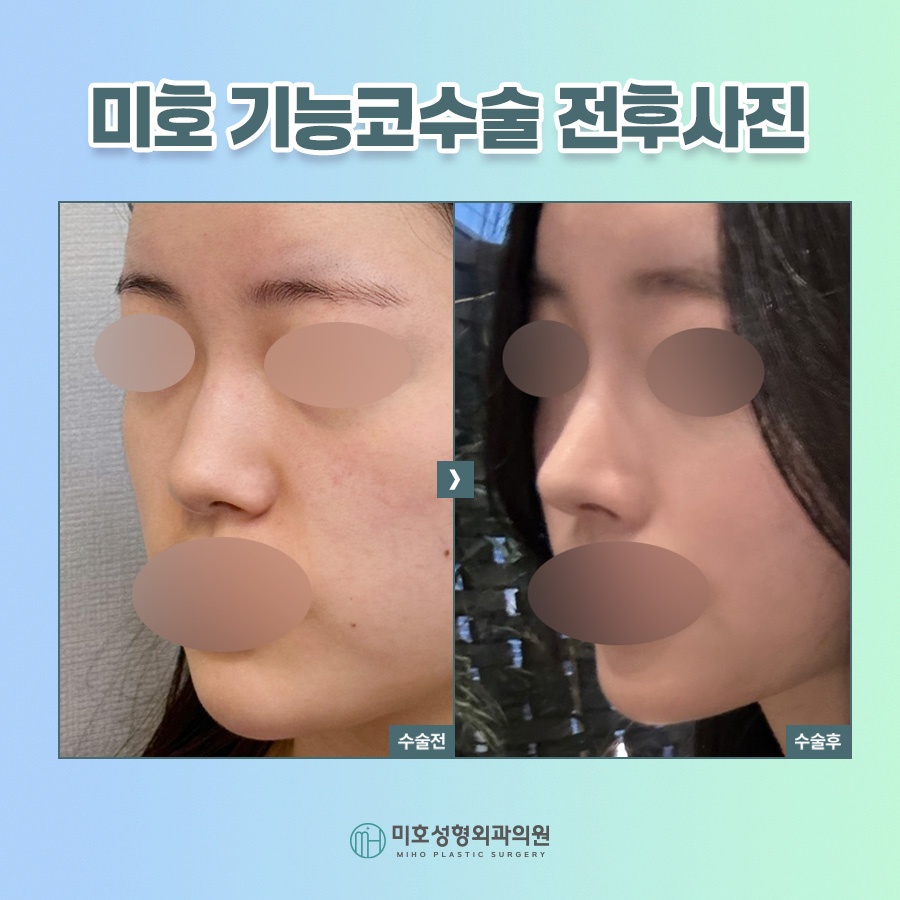
If you are worried that it may be absorbed too quickly or that it may not be strong enough,
rib cartilage can be used.
This tissue is abundant,
firm, and easy to shape,
so among autologous materials,
it is highly preferred.
However, since a high level of skill is required for harvesting and processing,
it is wise to entrust the procedure to medical staff with excellent expertise
and extensive experience.
At our clinic, harvesting is performed in a way that minimizes scarring,
and the material is processed and inserted to match each person’s features
and overall mood.
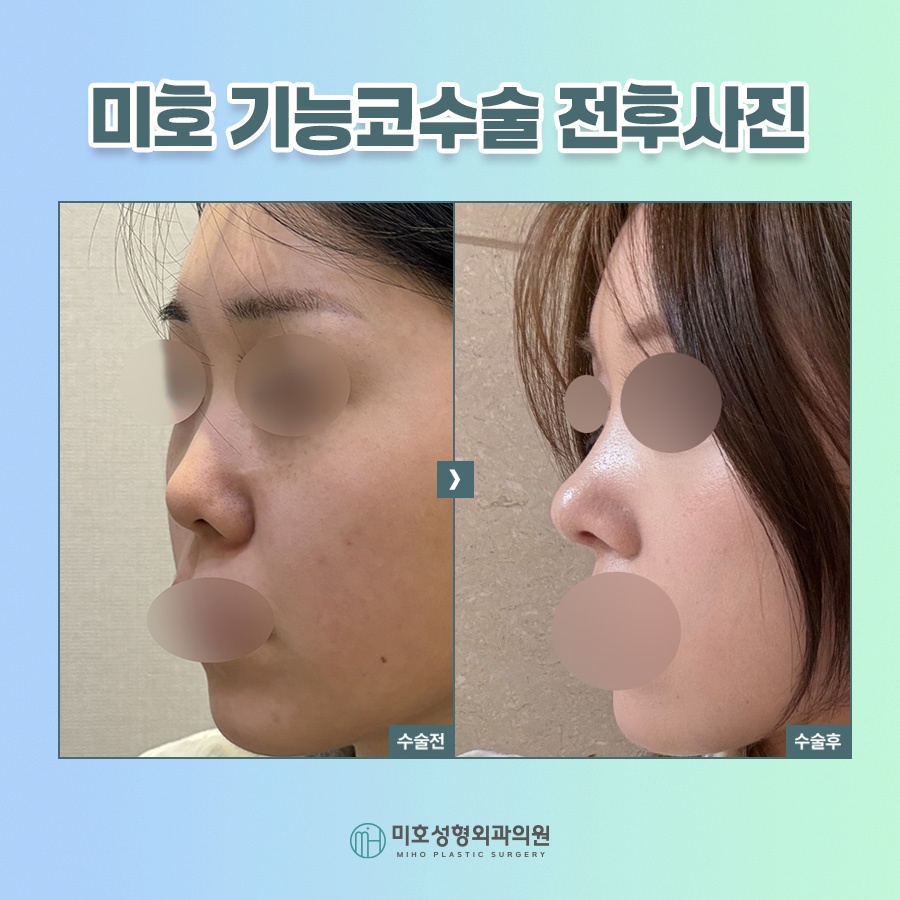
Through aftercare, we helped ensure that scars and traces would not remain significantly.
To recover quickly and stably,
the person themselves also needed to make an effort.
Before the implant settled firmly in place,
strenuous exercise or any activity involving strong pressure had to be avoided.
The incision area should be kept clean,
and to prevent inflammatory reactions and speed up recovery,
we recommended quitting smoking and alcohol.
If your nasal bridge does not seem crooked,
but breathing feels difficult,
the nasal valve is likely narrowed.
We hope you will receive a detailed examination at a medical institution
and correct the problem through nasal valve reconstruction
so that you can breathe comfortably through your nose.


Previous image
Next image