
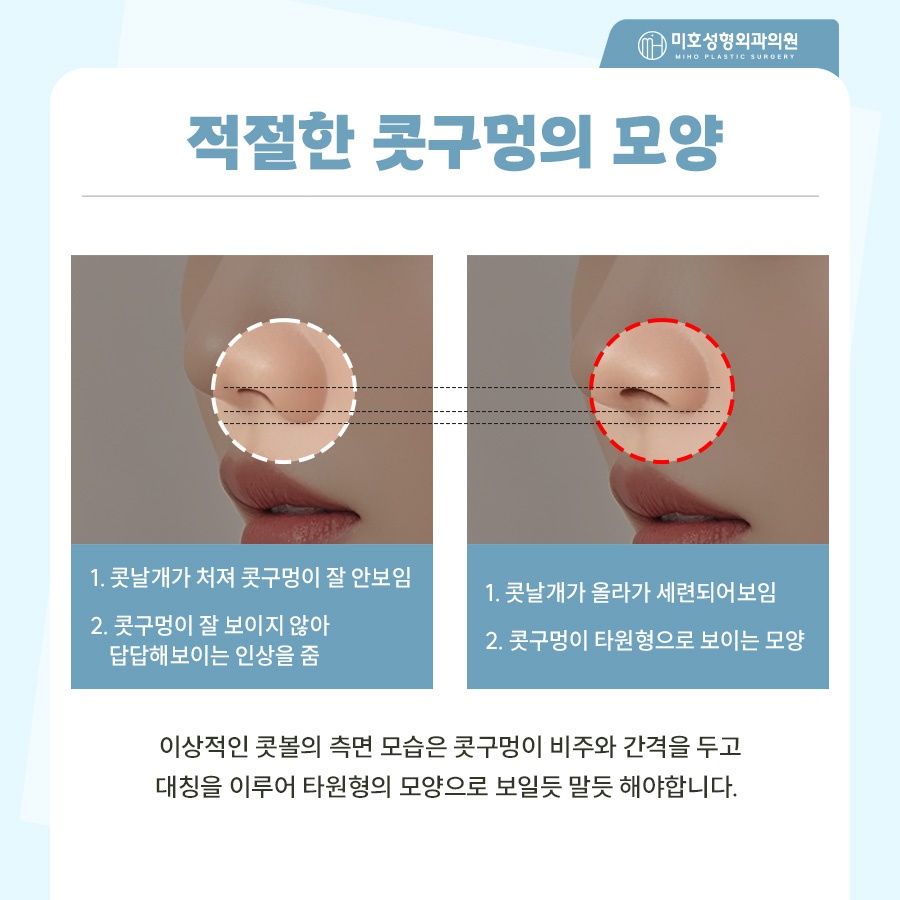
If the nostrils appear wide or blunt,
or the tip of the nose looks upturned like a snub nose,
making even the nostrils seem larger,
it is necessary to identify
what caused these changes.
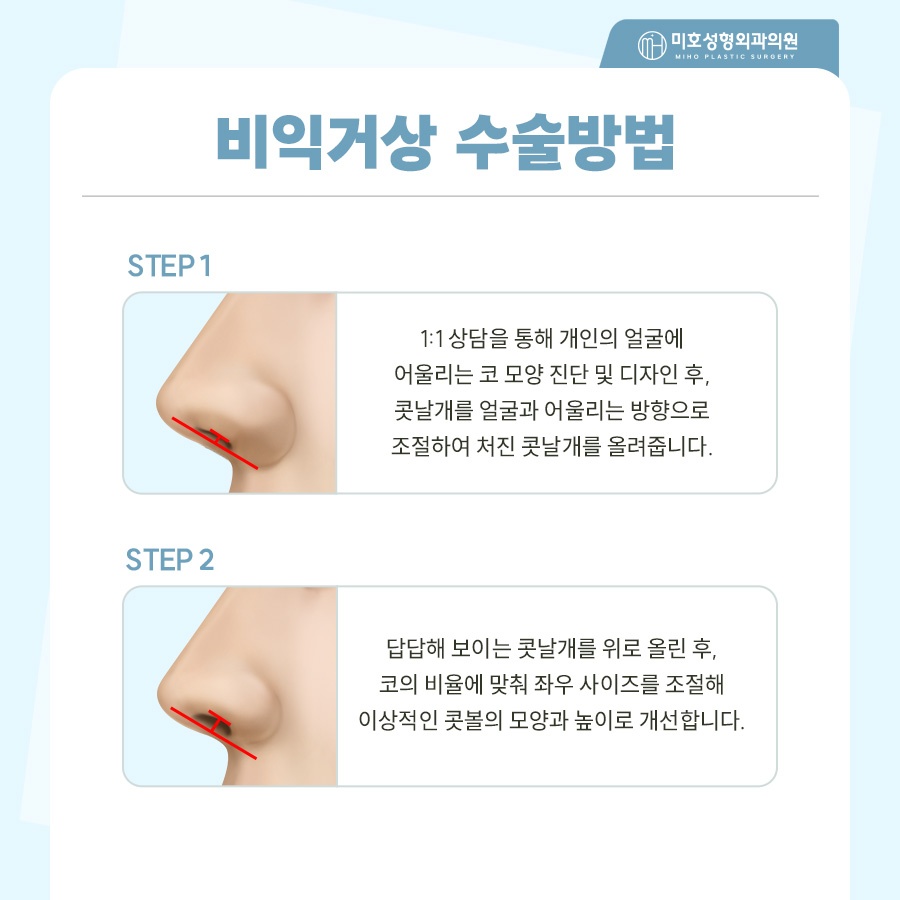
Alar base reduction is a method that carefully examines whether the tip of the nose and the alar base are appropriate for the current facial proportions,
whether improvement is needed,
and designs a shape suited to each individual case,
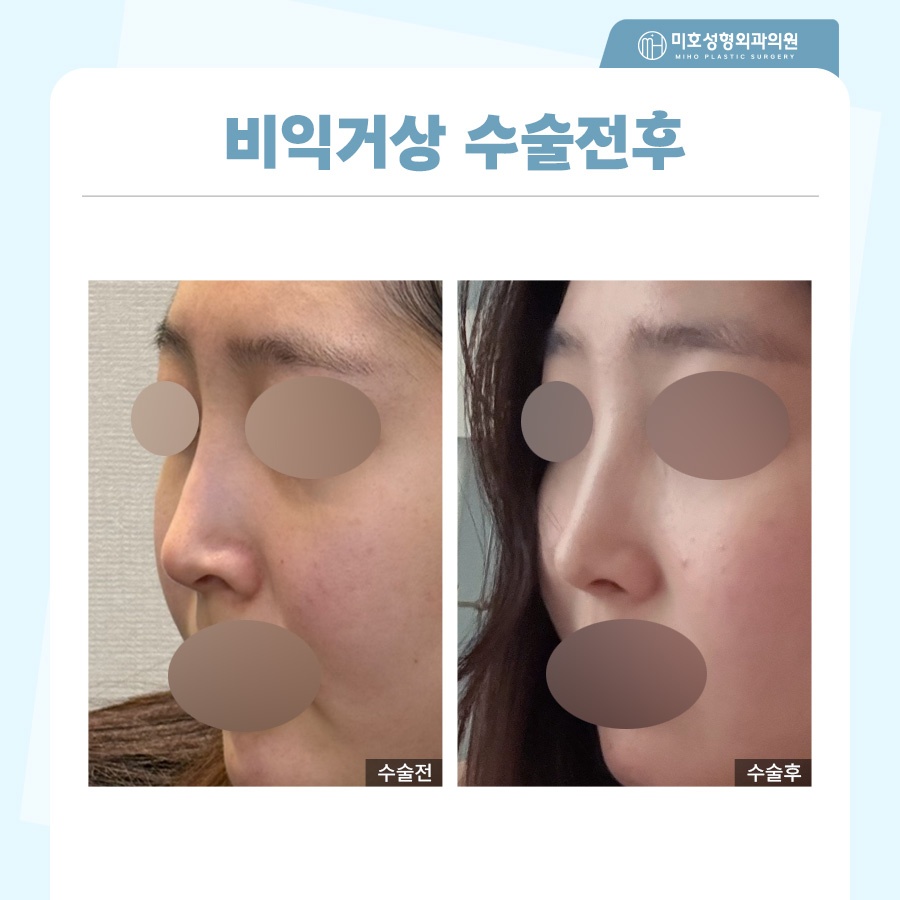
helping to improve the nose line so that it flows naturally from the bridge of the nose.
If you usually want a sophisticated image,
it is right to first consider which elements of your face are interfering with that impression
and then make a decision.

With alar base reduction, it is important to look at the position and shape of the alar base and columella,
and to judge in detail whether the shape of the nose appears as a hooked nose or looks short.
There are also cases where reducing the nostrils because they seem wide does not improve the image,
so it must be performed precisely after considering how to gently lift the drooping alar wings
and improve the look to a neat and clean image.
If the proportion of the nasal bridge is appropriate but the nose looks excessively long,
it is necessary to naturally elevate it so that the tip of the nose and the alar lobules can be positioned at the same level.

The nose should have properly balanced alar base, columella, and tip positions
so that it does not appear like a snub nose or hooked nose.
Considering that the nose has such a three-dimensional structure,
it is necessary to establish a precise plan according to the individual's facial shape and the existing shape of the nose,
and proceed with alar base reduction that satisfies the aesthetic aspect.
If, when viewed from the front, the nose looks crudely spread out,
or the impression seems unsophisticated and stuffy,
or if the nostrils look larger because of wide alar bases,
it may be necessary to consider and apply this approach.
It is also important to decide how much to raise the tip of the nose so that it looks natural,
and the type and characteristics of the implant used at that time are also applied according to each person's situation.
If there are somewhat lacking aspects not only in the lift but also in the shape of the alar base,
these may be addressed together at this time.
When a slight increase in height is needed,
sutures are used to close the separated cartilage and shape it.
This is used when you want to improve a slightly flat appearance
by sharply raising the tip of the nose without using an implant.
If it needs to be raised more than that,
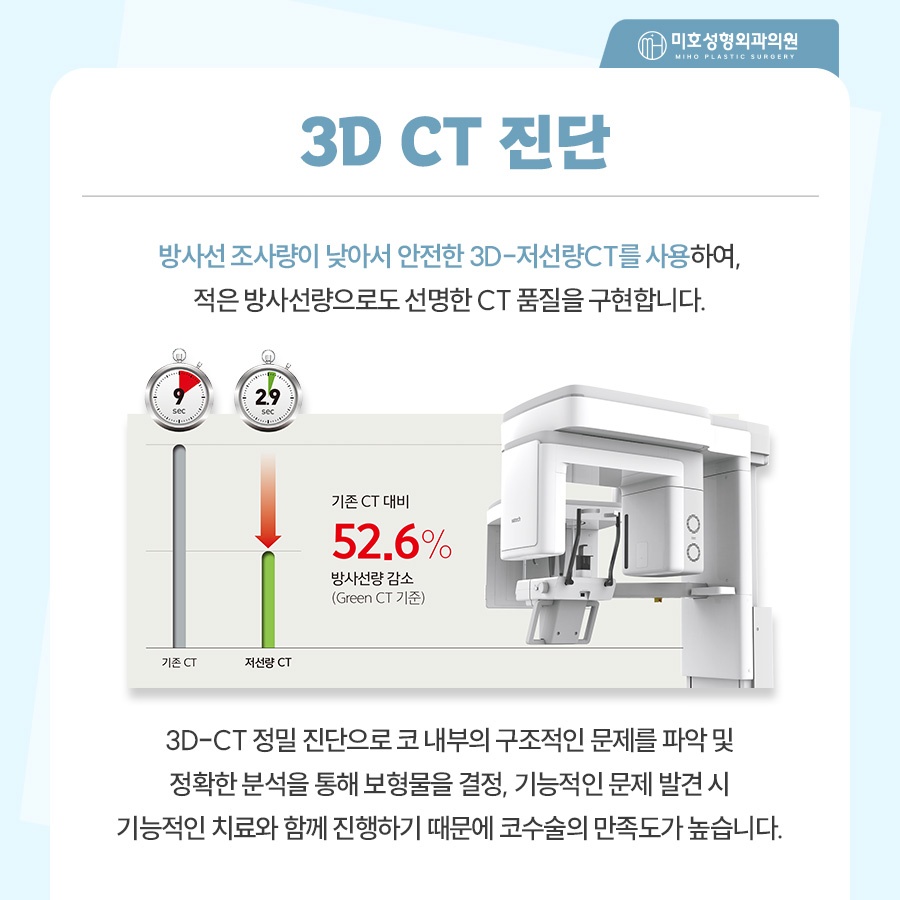
septal cartilage from inside the nose or cartilage harvested from the ear is used.
Because a certain degree of support is needed,
it is difficult to secure it with sutures alone, so it is connected and fixed to the existing cartilage
so that it can be erected firmly.
Ear cartilage is inserted in front of the alar cartilage and fixed securely,
and septal cartilage is connected forward from its original position
so that a sturdy level of support can be obtained.
If, together with alar base reduction, the blunt nose must be raised more so that its shape naturally connects with the bridge of the nose,
stronger supporting cartilage is placed below,
and then cartilage is placed on top again to shape it.
It is important that it stay in place and not move,
but if it feels unnatural when touched by hand because it is fixed too rigidly and does not move,
it can feel unnatural,
so as much as possible, autologous cartilage is used to pursue a natural result
and reduce the possibility of inflammation or contracture.
No matter which part of the body it is,
over time it is affected by gravity,
so it is especially important to perform the procedure in a way that prevents the shape from easily changing.
Since the nose is the only protruding three-dimensional feature among the facial features,
and since it is often bumped into things or touched frequently with the hands,
it must not shift position even when pressed.
It should withstand impact strongly,
and like a natural nose, it should allow the pig nose movement when lifted by hand in order to feel natural.
To make it straight yet satisfy all of these elements,
a more delicate approach is needed.
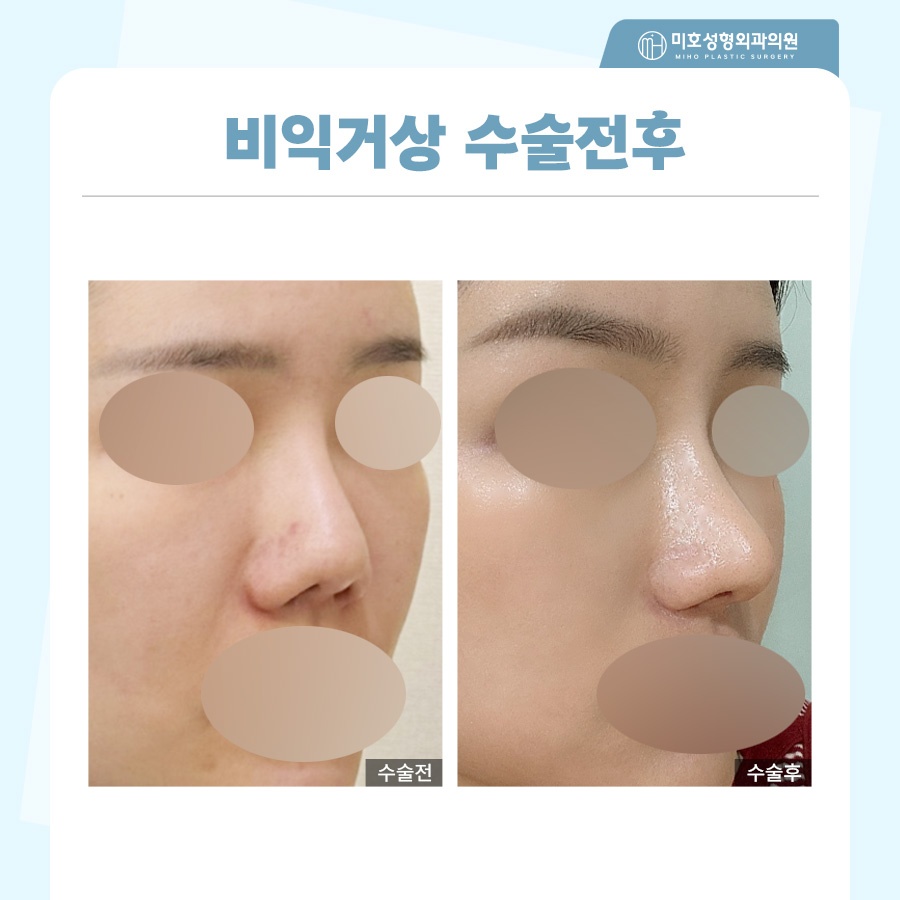
What alar base reduction is,
whether there are any other issues,
and whether the nasal bridge also needs improvement
must all be understood in detail.
Only by approaching the process systematically,
based on the surgeon's ability to explain the appropriate improvements and plan tailored to each individual case,
can mishaps be avoided.
Because the aesthetic standards and goals of women and men differ,
it is wise to make a careful decision after checking whether the clinic considers these factors as well
and whether it has extensive clinical experience.
From the consultation stage through the progress after the procedure,
it is also important to check whether the clinic takes responsibility and provides close care by field,
and whether it has the facilities and systems to respond quickly if an unexpected problem arises,
in addition to postoperative care.
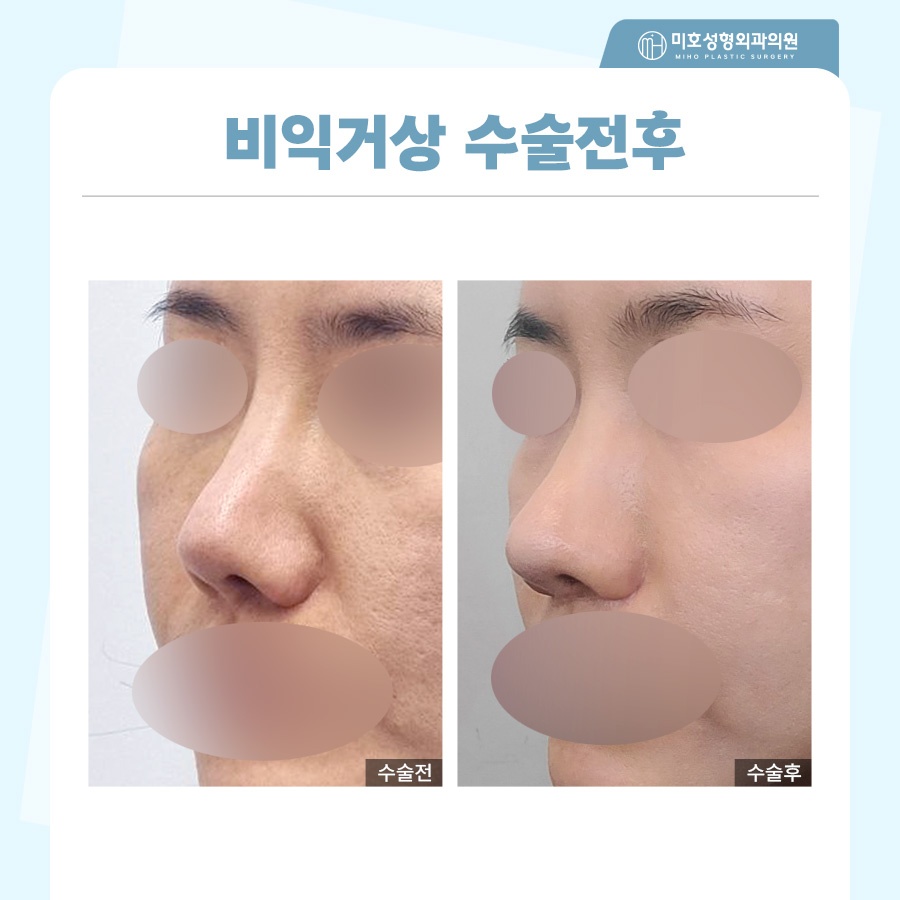
If you have carefully researched and decided,
you should carefully manage the area so that inflammation does not occur using the proper care methods
and pay close attention so that a positive recovery can result.
For one to two days, breathing may be a little difficult,
and discharge may flow out, causing discomfort,
but rather than blowing your nose or inserting foreign objects into the nostrils,
please gently wipe with gauze or tissue.
The first three days are the period when swelling is greatest,
so sleeping with your head elevated by leaning back or stacking pillows high
can help reduce bruising and swelling,
and cold compresses are also fine.
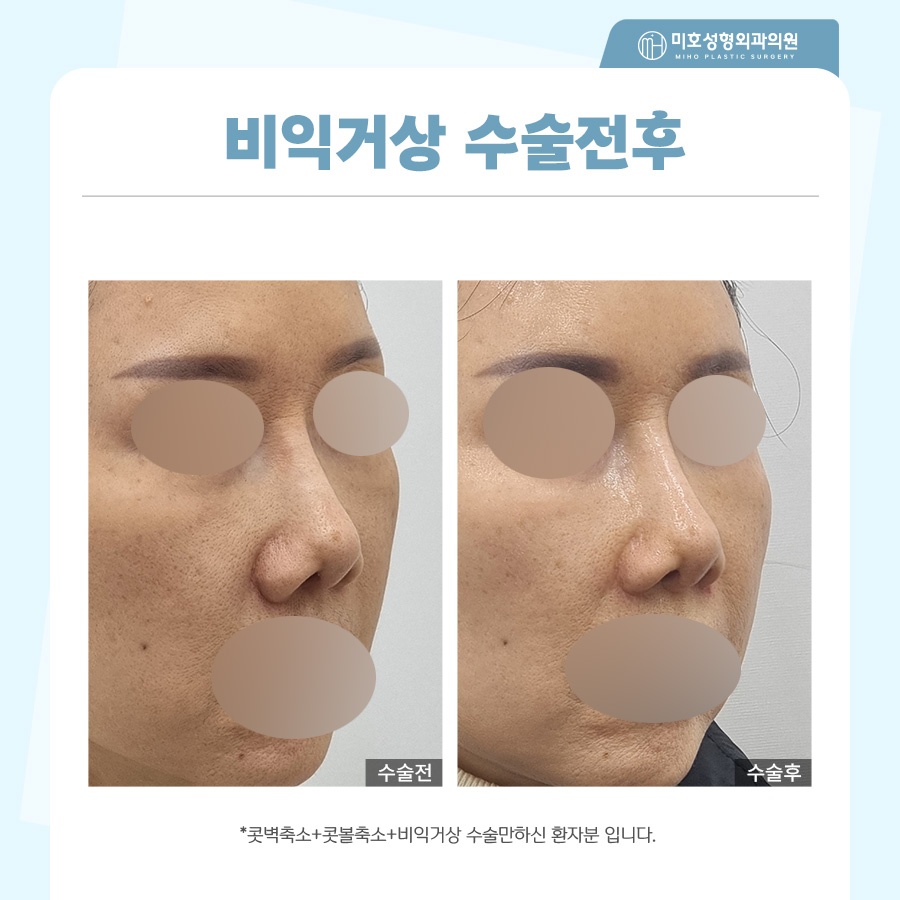
The beauty each person seeks is different for everyone,
and the look that suits them best and their charm will naturally be different as well.
Rather than aiming for a uniform shape,
it is most important to work toward finding a design that highlights your own image and individuality
based on aesthetic standards.
We carefully tailor our suggestions so that this is deeply understood
and can lead to the right result.
Alar base reduction is not applicable to everyone,
so we hope you first look into the cause and check whether your situation is one in which it should be applied,
and then make a careful decision.




Previous image
Next image