Refining nostril reduction in a sophisticated way
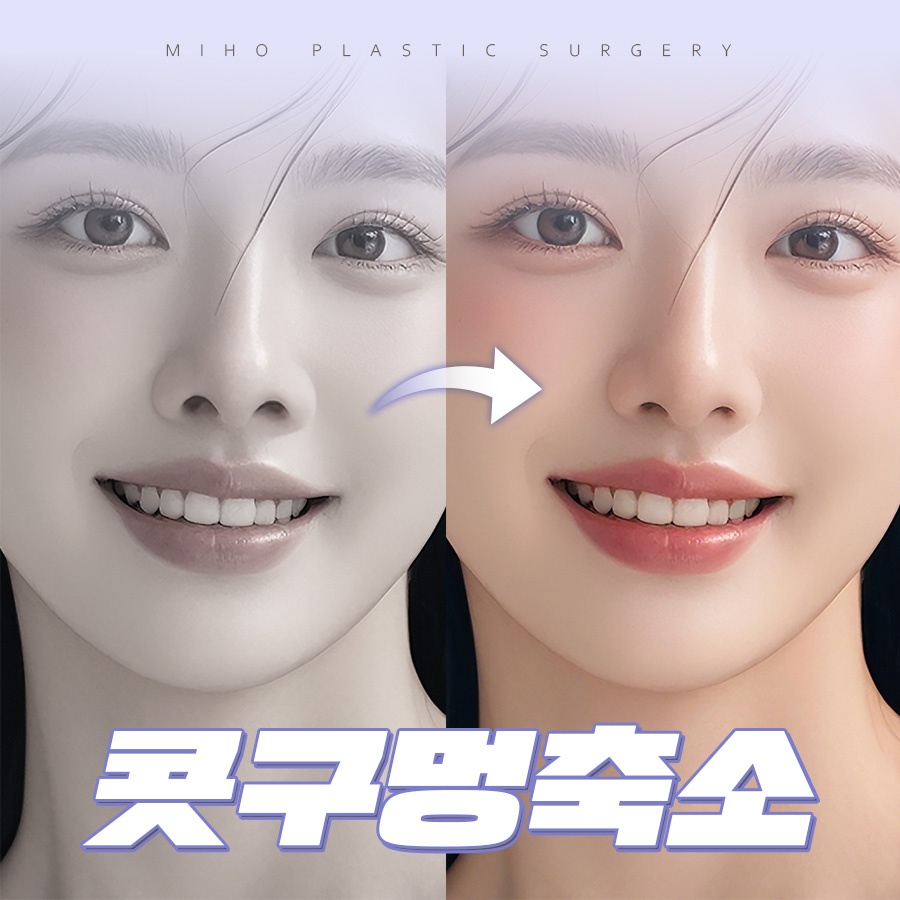
The nose is a feature that creates a three-dimensional impression,
and different issues may be found when viewed from the side and from the front.
When the alae are flared, the width may stand out and look somewhat broad, and if the proportion with the bridge of the nose does not seem harmonious,
it may not feel refined, which can be a concern.
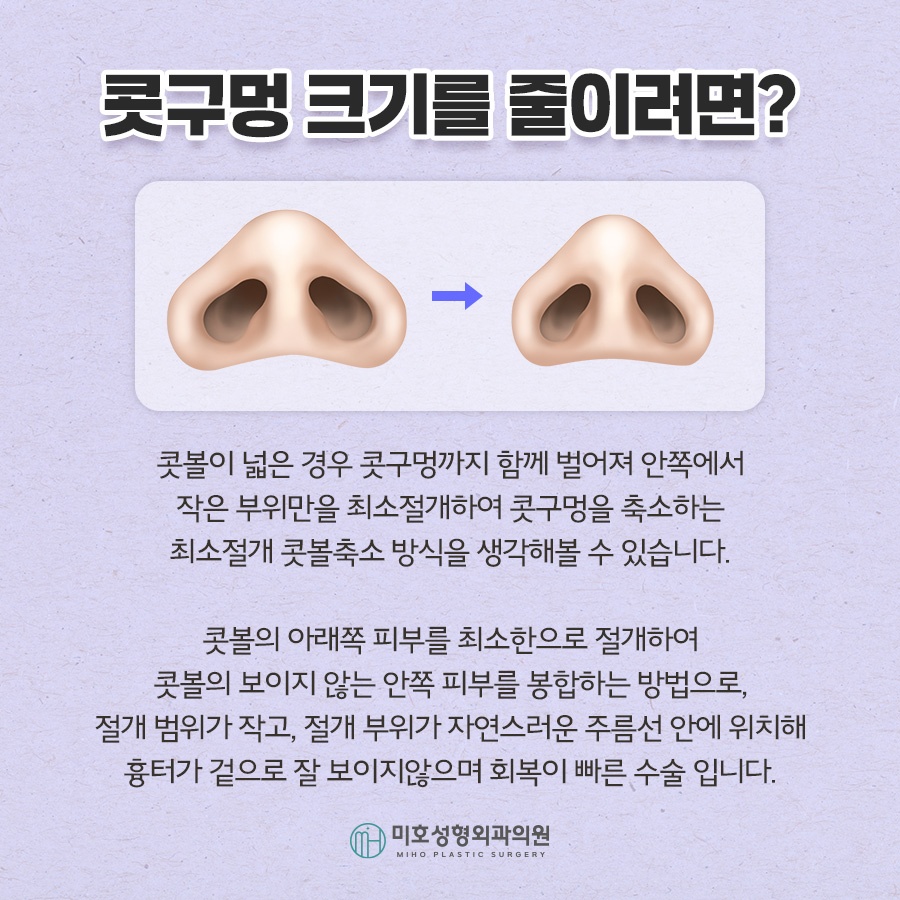
In cases like this, when the alae are wide,
the nostrils may also spread outward, so by making a small incision on the inside
and improving the shape,
a nostril reduction approach
can be considered.
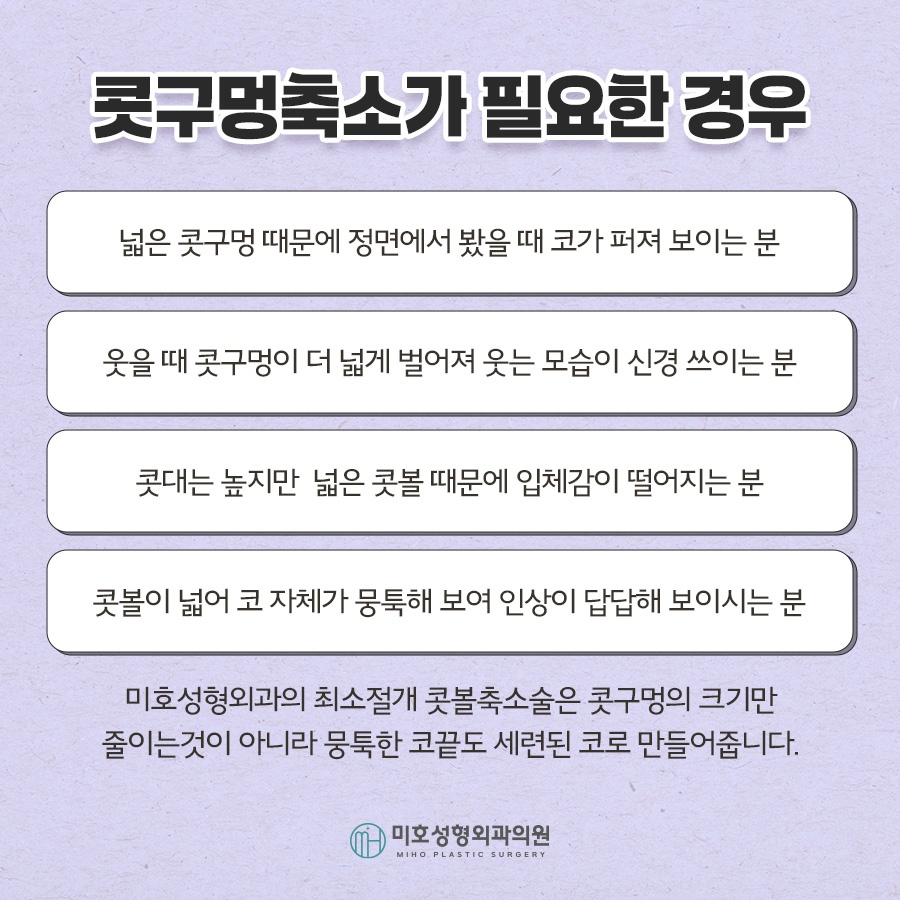
If you have similar concerns,
you are likely to have a nose shape commonly called a bulbous nose.
When the nasal tip is overly developed
and appears blunt and broad,
even if the bridge is high and sharp,
the falling line does not look harmonious
and may feel somewhat outdated.
Even if the eyes, mouth, and other facial features give a clear and Western impression,
if the center of the face appears this blunt,
it can feel somewhat awkward,
which is why nostril reduction may be considered.
If the shape of the nasal tip disrupts facial harmony,
the first step is to examine what caused it
and apply an appropriate plan.
A widened alar shape often occurs due to separated cartilage.
When the alar cartilage is thick and developed large,
and the overall shape spreads broadly,
the nostrils may also appear larger. This can also happen because the柱 of the nasal tip is somewhat low or the fat layer is thick,
making the alae look more blunt,
among other causes.
Since not only cartilage but also thick skin and subcutaneous fat can make the nose look larger,
if nostril reduction is needed,
it is important to first identify how the improvement should be made
and consider it from multiple angles.
If the alae have become larger because thick fat has settled there,
the subcutaneous fat should be removed first,
and then the cartilage that has spread more than necessary should be closed.
Because both issues must be addressed together,
it is important to finish by making the necessary incision in a way that avoids the skin from caving in or becoming uneven.
Nostril reduction can also be performed using only the cartilage of the nasal tip.
Without using a separate implant,
a method that refines the shape using your own cartilage can help create a slimmer and more sophisticated alar line that connects naturally with the bridge of the nose.
If you are concerned about artificial implants,
it is possible to overcome that concern with a natural method that does not feel foreign.
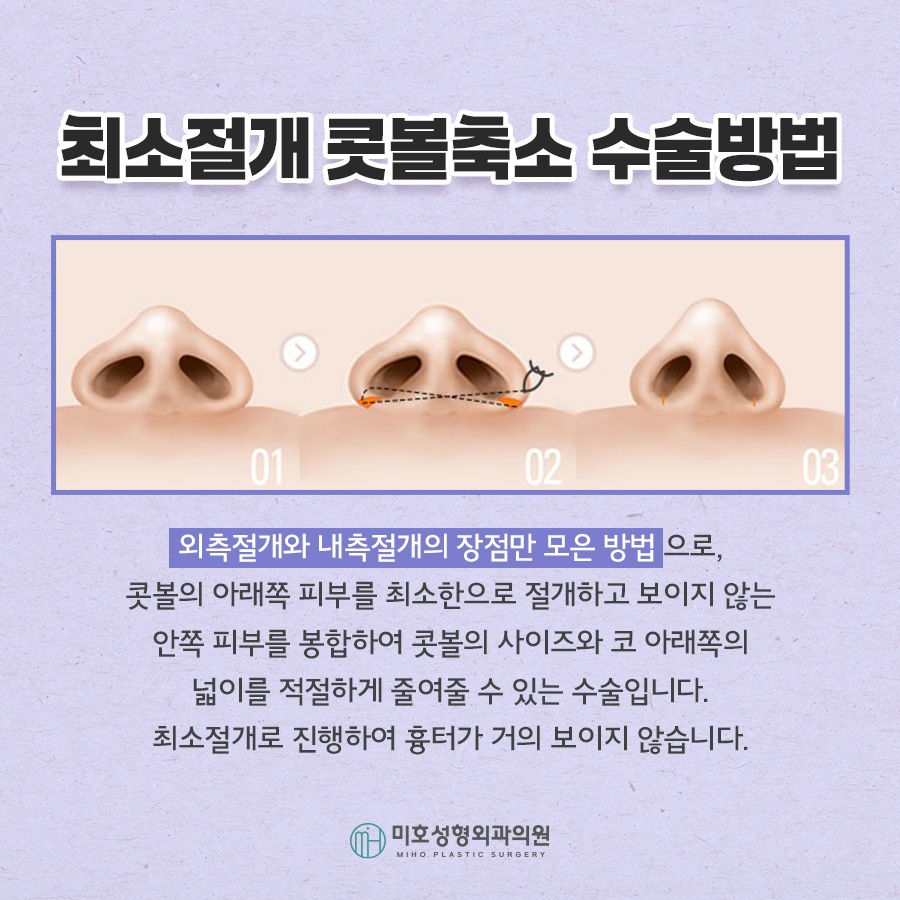
There are also cases in which fat removal and cartilage repositioning are considered at the same time. In this way, the cause of the problem may be one factor for some people or multiple factors acting together for others, so a careful assessment is necessary.
In addition, it is important to thoroughly check from the planning stage where the incision will be made and make a decision accordingly.
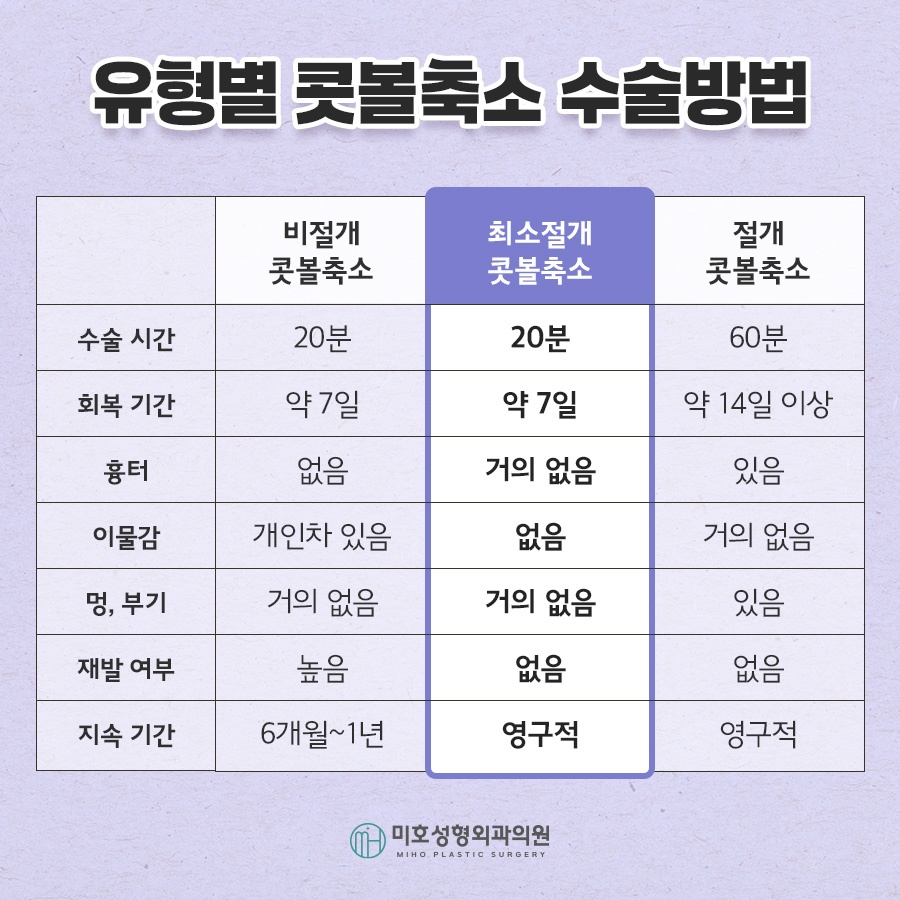
If you have skin that tends to scar easily, you should be even more careful. Depending on the situation, a non-incisional method may be used to tie together the spread cartilage and reduce the width.
By not making an incision at all, the shape can still be improved while keeping recovery free of scars and shortening the recovery period, so the burden of bruising and swelling afterward is relatively less.
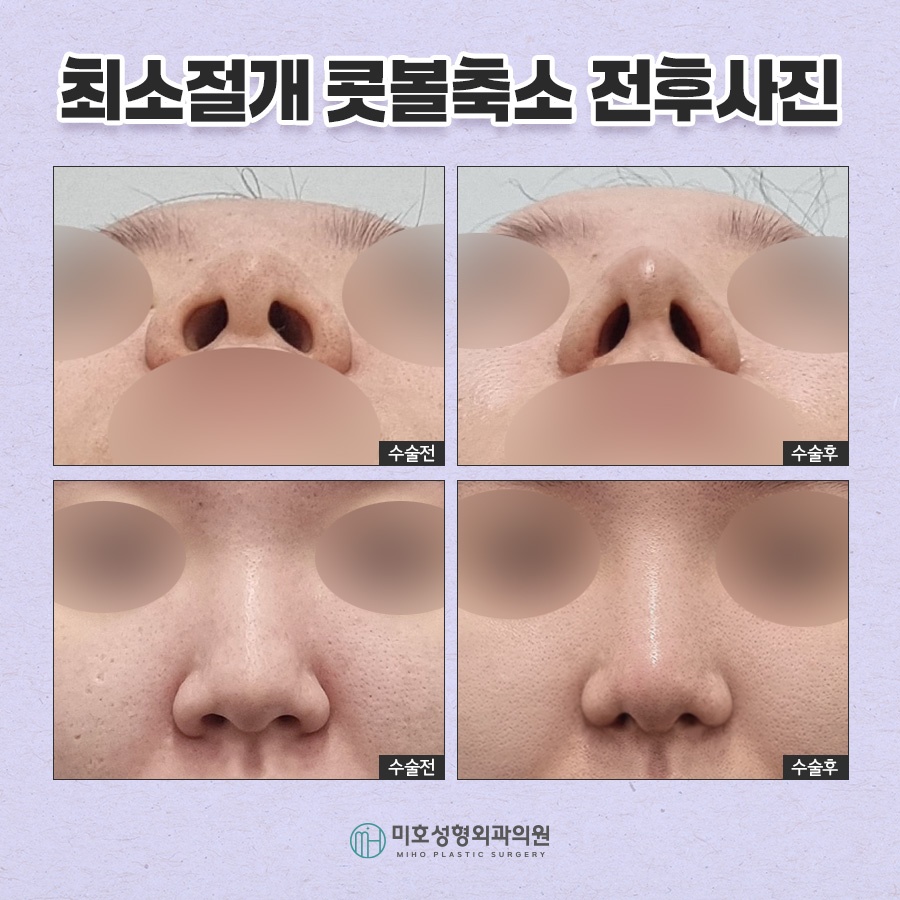
If thick soft tissue is present and needs to be removed,
a incision is unavoidable.
At this time, the procedure is carried out from multiple angles by judging whether the bridge of the nose also needs improvement. If you want to raise the bridge more to match the changed alar shape,
various materials such as artificial implants or autologous tissue
are selected after considering their characteristics, advantages, and disadvantages.
Because this is a feature with a strong aesthetic influence,
looking at it from various angles and designing it in detail,
and planning and applying it in a one-to-one manner tailored to the individual,
leads to more natural results.
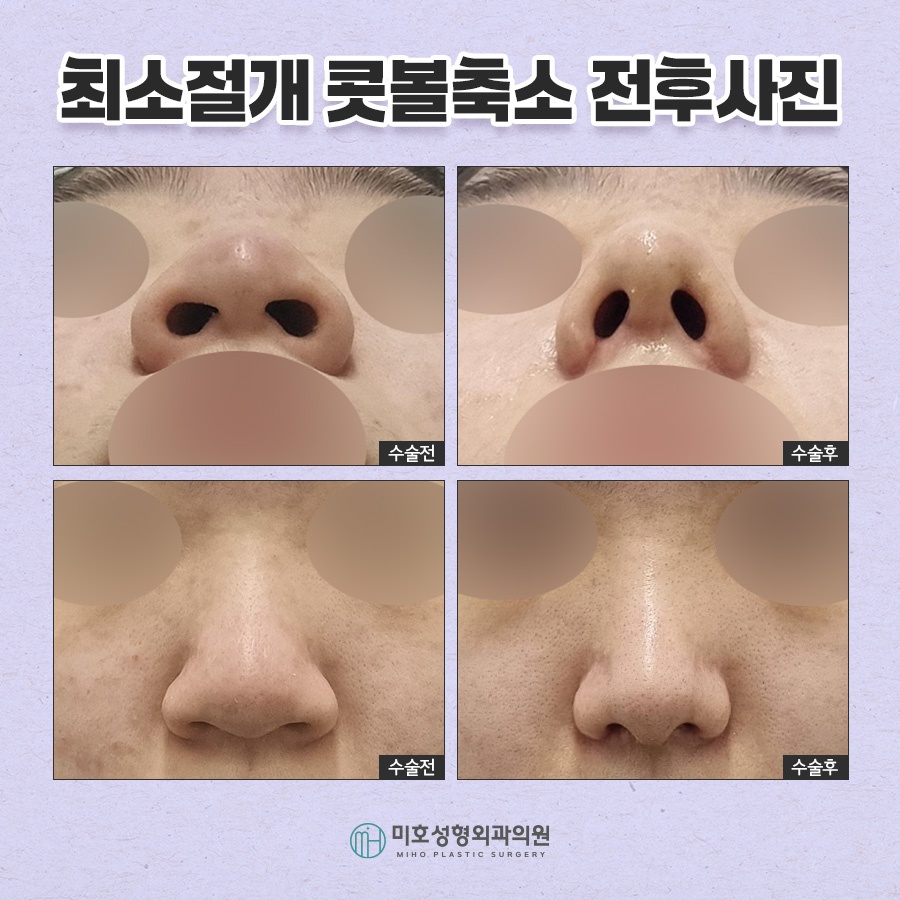
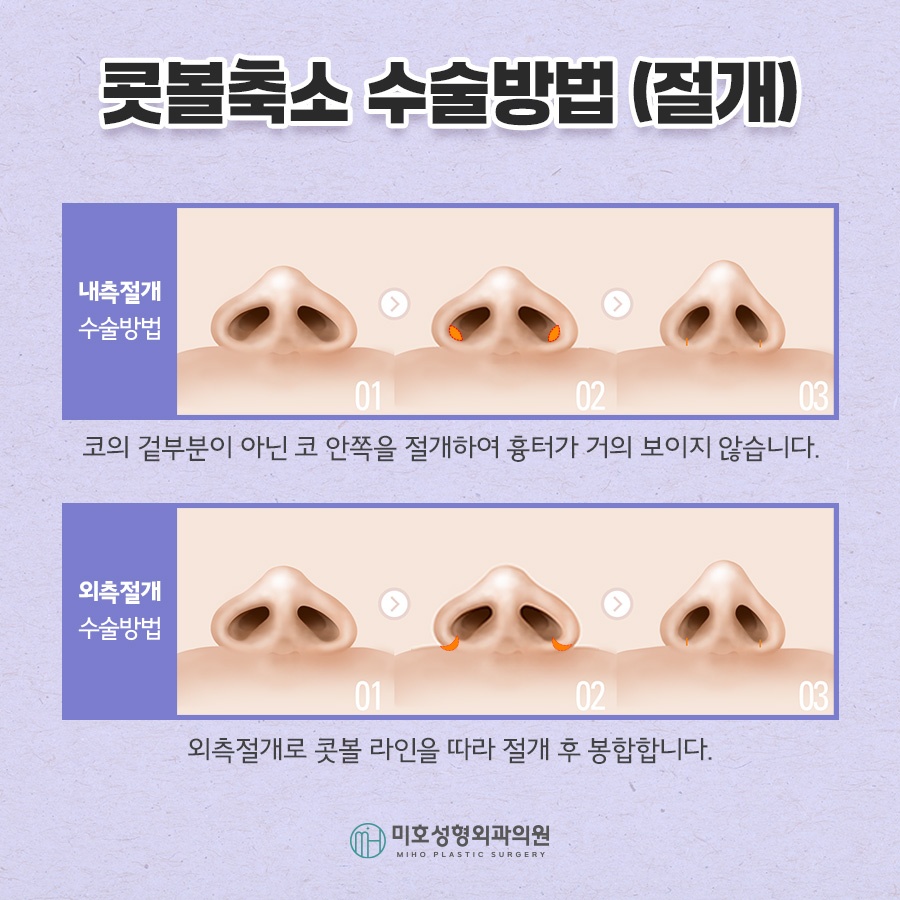
The internal incision method, performed to avoid making the incision site stand out, carefully excises the inside of the nostril where it meets the face.
Because the outer part is not incised,
there is less burden since scars will not show on the outside during recovery.
Even after proper healing,
no fine scar is visible, so if you are someone whose marks remain more easily than others despite good care,
this is especially worth considering.
Even when viewed from the front, the scar is hidden and not visible, so unlike other areas, it does not feel unnatural even if you resume daily life right after the procedure.
If an incision is inevitably needed among nostril reduction methods,
it is enough to carefully check whether an internal incision is possible and whether the clinic has diverse clinical experience with this approach before deciding.
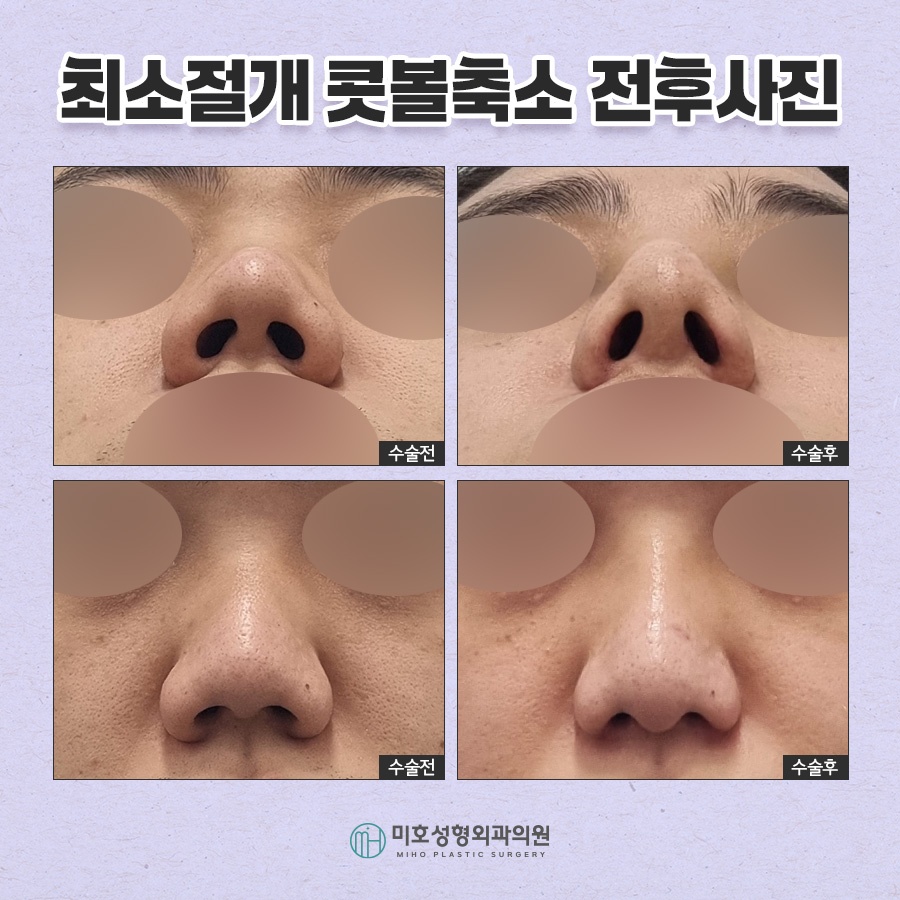
A nose line cannot be judged by looking at only one part.
There are many factors to consider, such as facial shape and the combination with the image and form of the eyes, nose, and mouth.
In particular, the nose plays an important functional role, and when issues such as inflammation occur, serious discomfort can arise.
Therefore, the most important thing is the surgeon’s ability to create a delicate plan that satisfies aesthetic factors while preventing other functional discomfort, clearly understand the patient’s wishes, and find a realistic point of adjustment to implement.
Please keep these points in mind first and think carefully.
If nostril reduction has been performed correctly,
you should know how to manage it properly and recover well.
At first, discharge may come out through the nose, so for the first two days,
gently wipe it with clean tissue or gauze,
and try not to physically touch or irritate the nose.
The period when bruising begins and swelling becomes significant is about three days.
Cold compresses help reduce early swelling,
so applying them diligently at this time will be helpful. Also, sleeping with your head higher than your heart can help reduce bruising,
so please consider that in your care routine.



Previous image
Next image