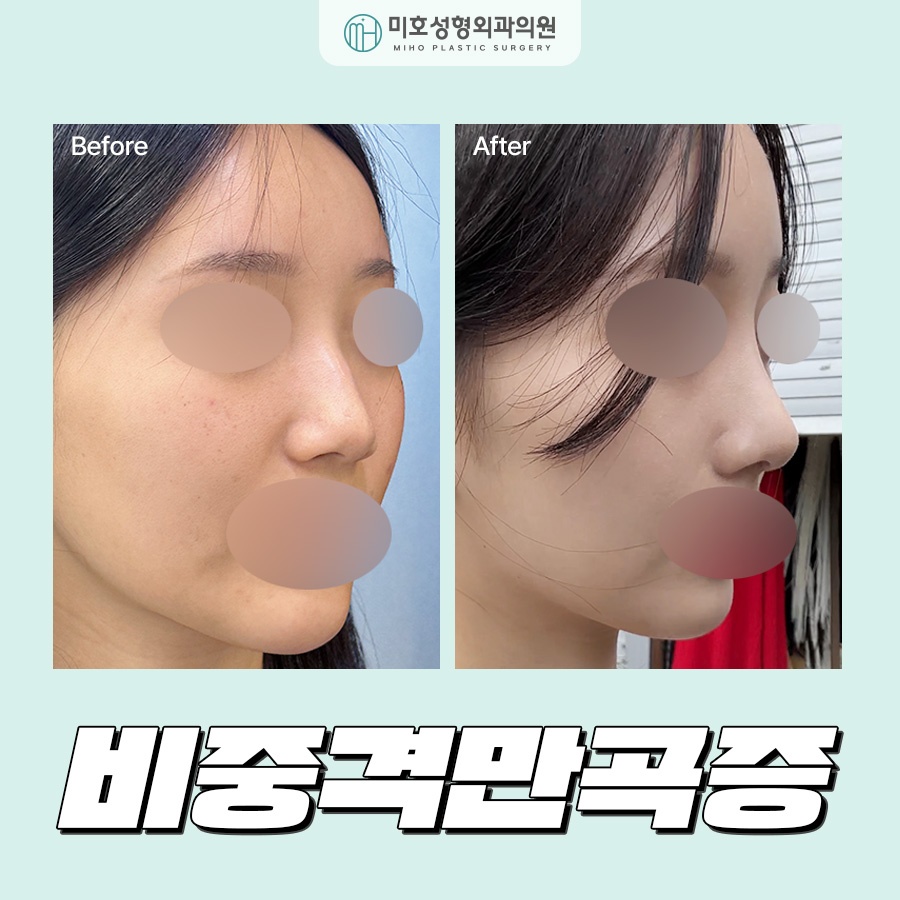
The term septal deviation itself may feel unfamiliar,
but it is a common condition that affects
over 70% of adults in Korea.
If breathing through the nose feels uncomfortable,
runny mucus keeps flowing,
and this leads to headaches and difficulty falling asleep,
there is a high possibility that the cartilage inside the nose is bent.
�
It does not pose a major threat to life,
but if it continues day after day,
fatigue can become significant.
Many people even visit a medical institution
for simple nasal congestion only to discover
an underlying structural problem later.
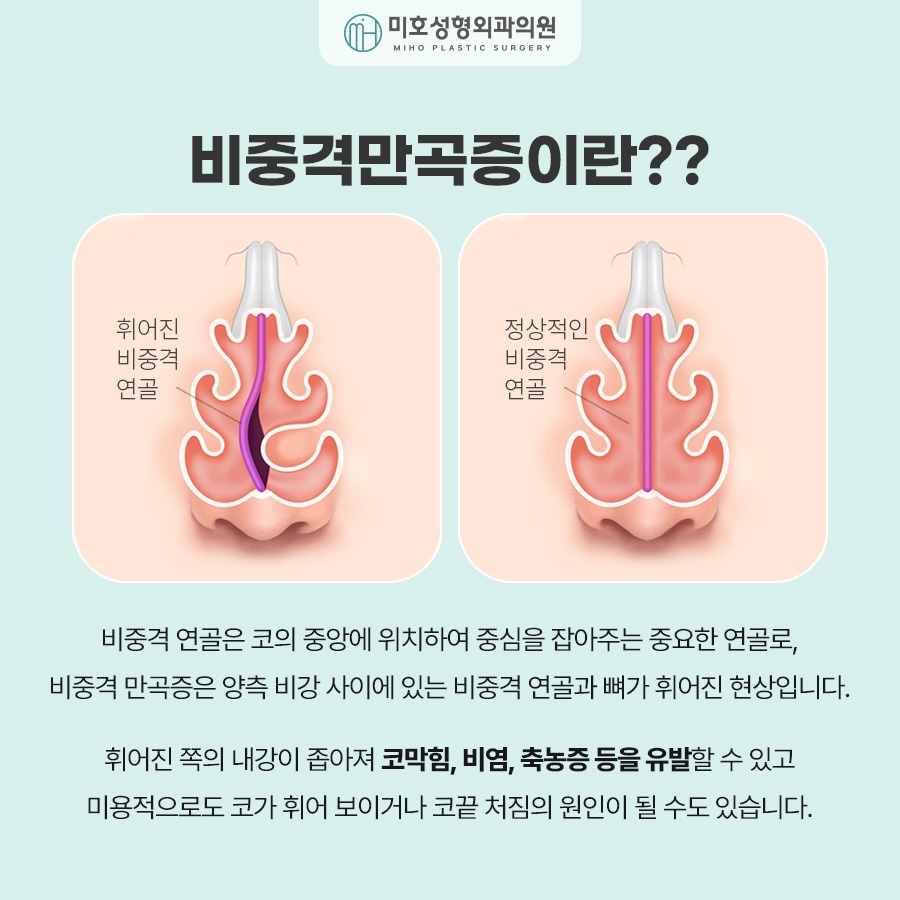
Septal deviation means that the cartilage
located in the center of the nose is bent
into an S or C shape,
resulting in different sizes of the two nostrils.
When one nostril becomes narrower,
more air naturally flows into the opposite nostril,
and over time that side becomes overloaded.
When the mucous membrane is irritated,
turns red, and swells,
the airway becomes narrower,
causing frequent breathing difficulty.
If this continues, it can go beyond discomfort
and develop into a chronic condition.
Difficulty falling asleep at night and recurring headaches
have also been found to be related to this.
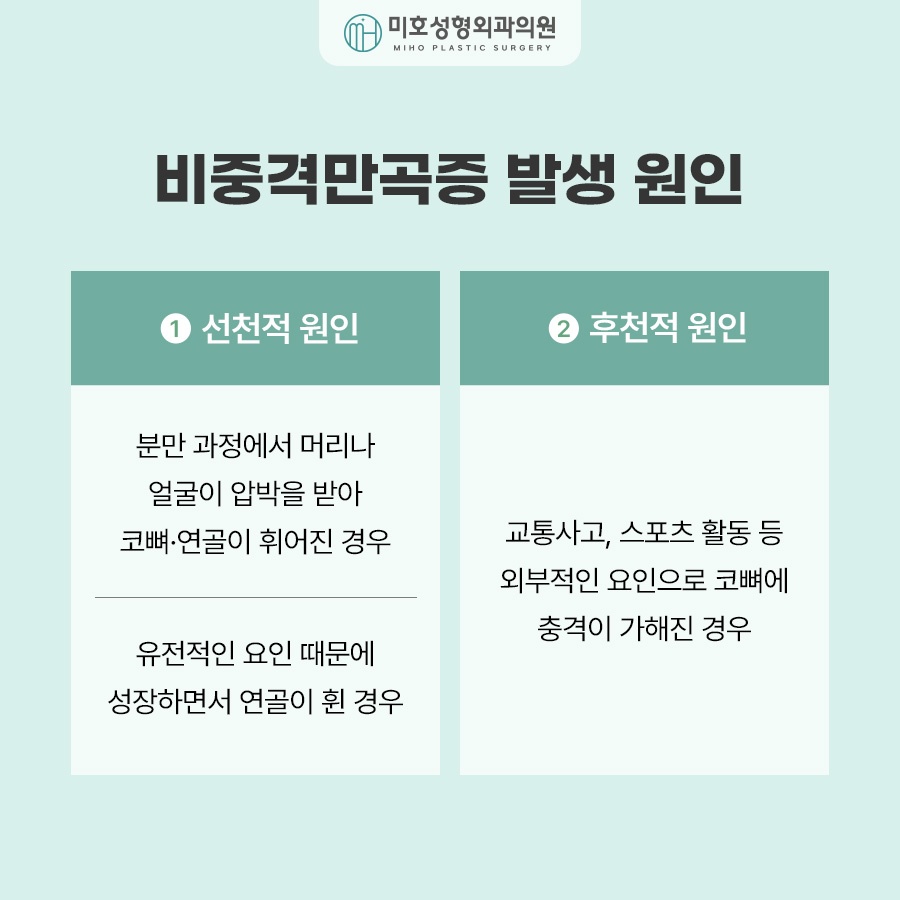
When the nose is blocked, you may end up
opening your mouth and breathing through it without meaning to.
This can dry out the mouth and may also lead to bad breath, cavities,
and gum disease.
When these kinds of discomfort occur all at once,
it is preferable to correct the structural abnormality.
Medication or conservative treatment may only
bring temporary improvement and do not solve the root cause,
so recurrence is common.
Having septal deviation does not mean that
surgical treatment is always necessary,
and treatment methods can be applied differently
depending on the degree of the bend.
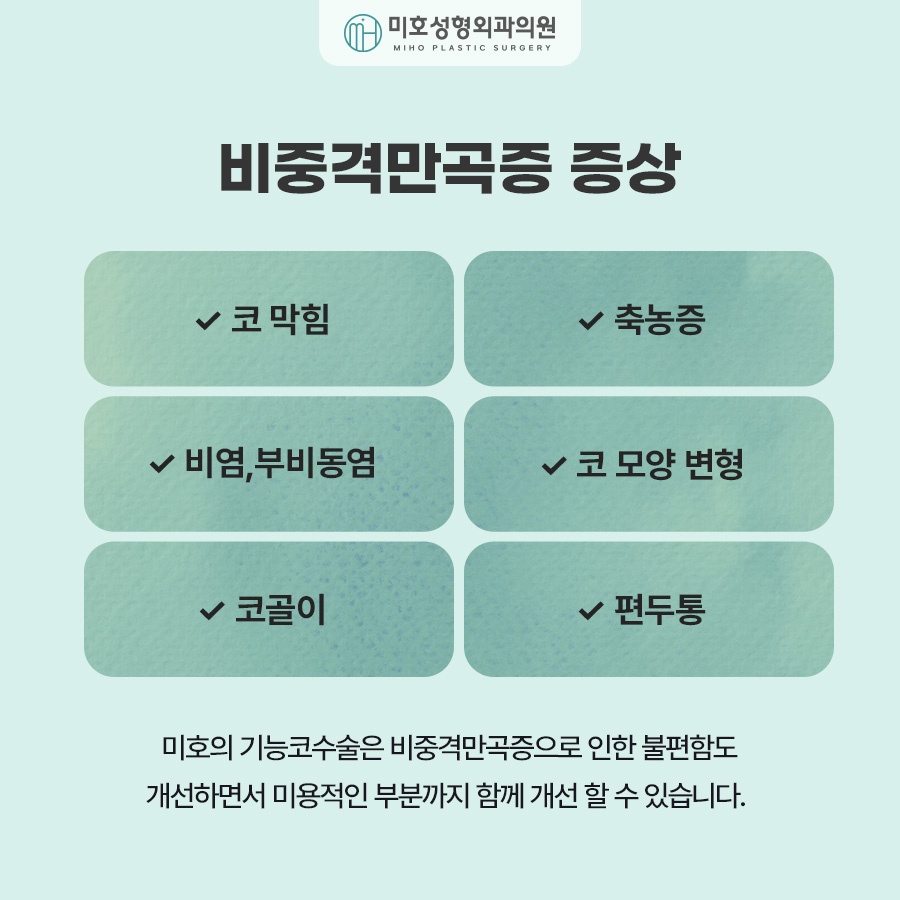
Before establishing a correction plan,
what must come first is examination.
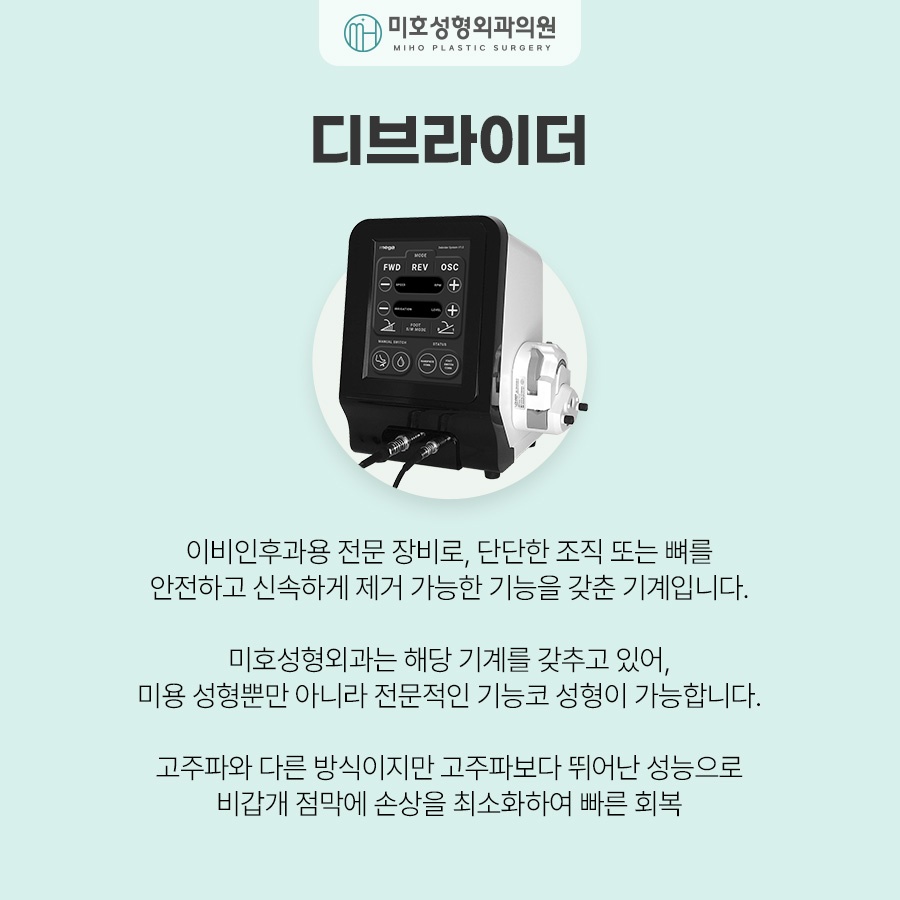
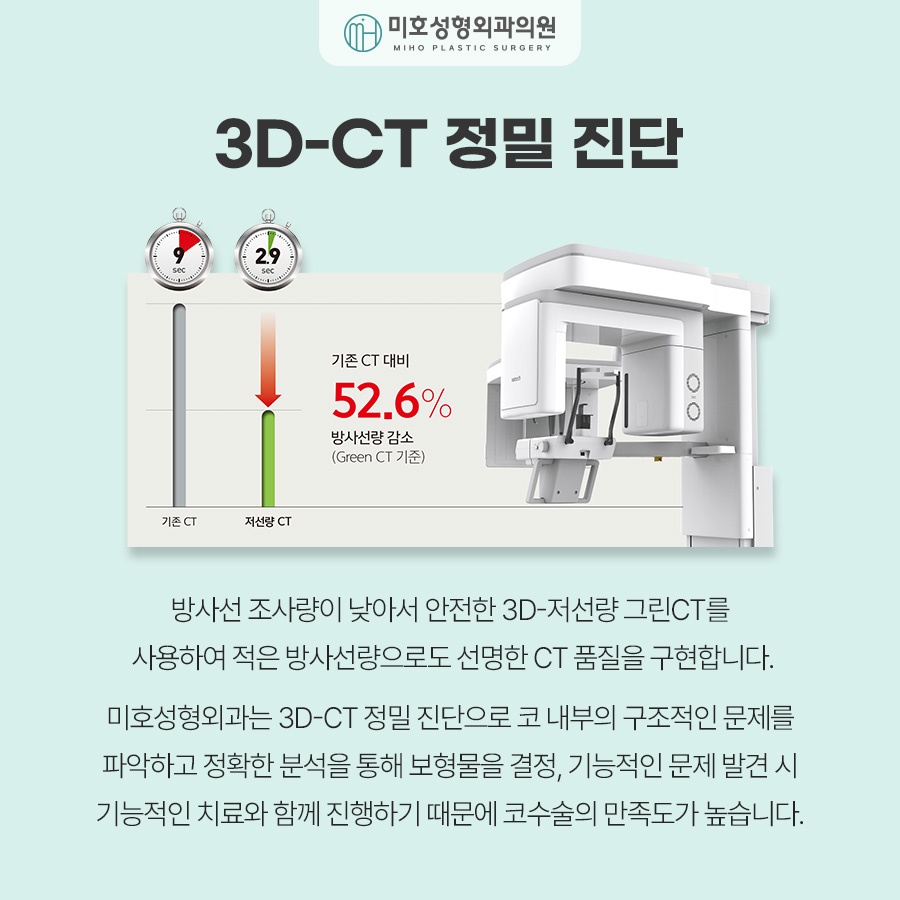
After taking a 3D-CT scan or looking inside the nose with an endoscope,
the condition is analyzed objectively
and the treatment method is considered.
If a clear structural abnormality is found on examination,
corrective surgery is recommended.
Although it is performed as a surgical resection,
the process is not complicated,
so the procedure time tends to be short.
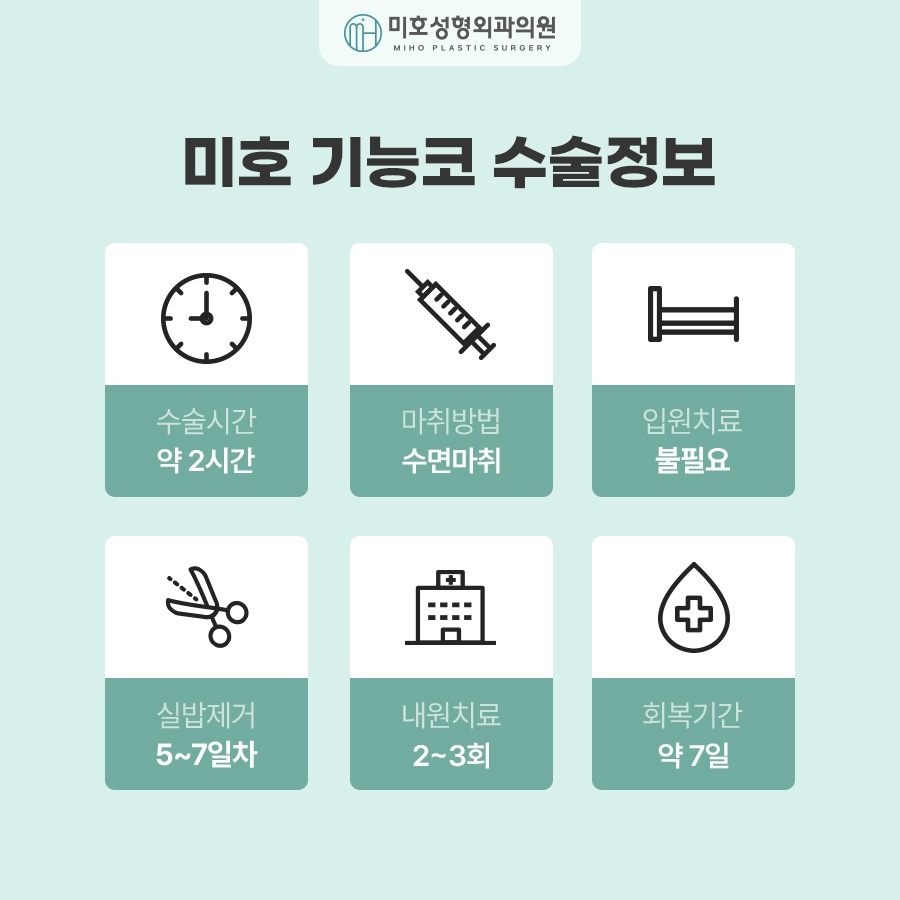
Correction can be completed in about 1 to 2 hours,
discharge on the same day without hospitalization is possible,
and the recovery period is usually only about
1 week to 10 days.
Once the swelling and bruising subside,
you can return to daily life right away.
During the recovery period, strenuous exercise,
saunas, and swimming pools were recommended to be avoided,
and care should be taken to ensure that no strong pressure or impact is applied.
The most common side effect was infection
caused by contamination of the incision site.
The area should be properly dressed according to the guidance provided by the medical institution,
and touching it with unclean hands was prohibited.
If you want the swelling to go down quickly,
sleeping with a high pillow or
falling asleep while leaning slightly against a wall
can be helpful.
When cleaning the incision site,
saline solution should be used instead of tap water,
and it was emphasized that the procedure must be done with clean hands.
In addition,
after improving septal deviation,
for at least 1 to 2 weeks,
forceful nose blowing should be avoided,
and management instructions such as maintaining proper indoor humidity were also provided.
For compresses, warm and cold compresses could be alternated depending on the situation.
Right after the procedure, breathing may feel more uncomfortable than before,
but this is temporary and gradually improves.
Recovery speed varies by body type,
but the major swelling and bruising subsided in about a month,
and after 6 months it had fully settled.
One of the reasons people hesitate about whether to undergo septal deviation correction surgery
is the cost.
If there is a clear functional problem,
insurance coverage may apply.
If there are cosmetic purposes in addition to functional reasons,
you should be aware in advance that the cost may differ.
If you are enrolled in actual expense insurance,
that may also be applicable.
Since the coverage range and limits vary by insurer,
we hoped you would receive prior guidance in advance.
Some people worry that it might go back to how it was before.
If it has been corrected to an appropriate degree,
recurrence is rare.
Even if the degree of bending is severe,
forced excessive resection must absolutely be avoided.
This is because it can weaken the support of the cartilage,
causing the bridge of the nose to collapse quickly.
Rather than returning to the previous state,
there are actually many cases of saddle nose caused by overcorrection.
The shape can also change if you have a habit of rubbing
or touching your nose frequently.
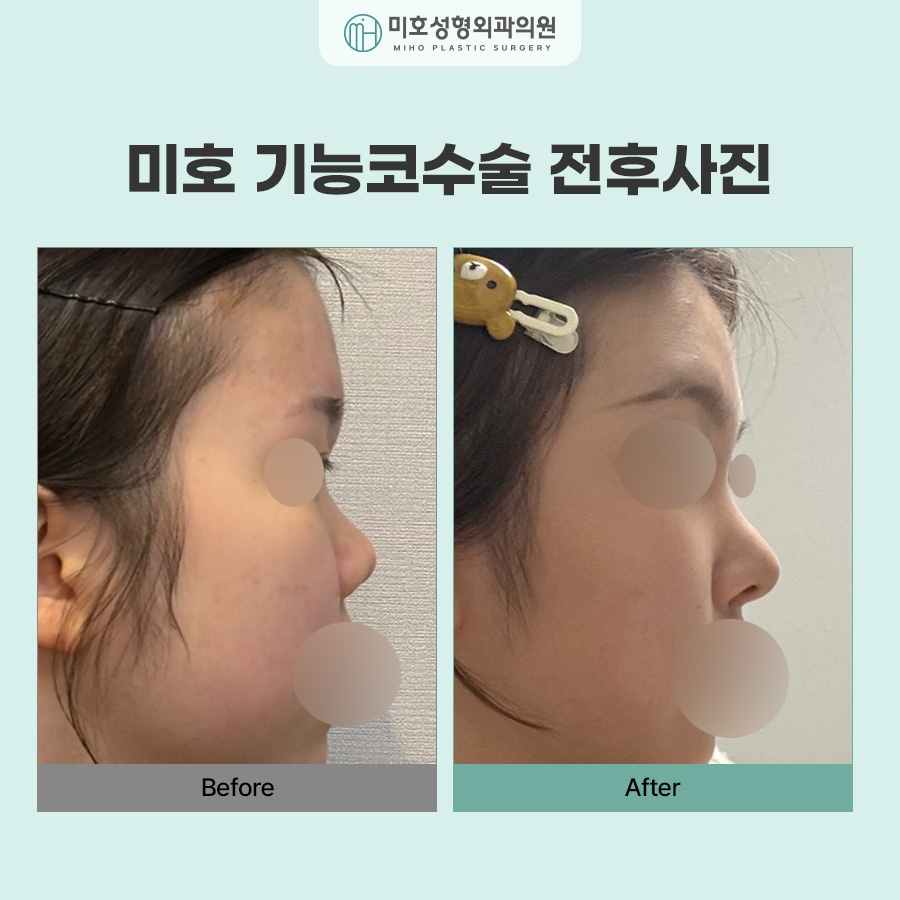
Because the medical staff also recognizes this part,
they recommended regular checkups during the first 3 months.
This is the period when the changed internal structure gradually settles into place,
and if it is well managed during this time,
it can maintain that shape going forward.
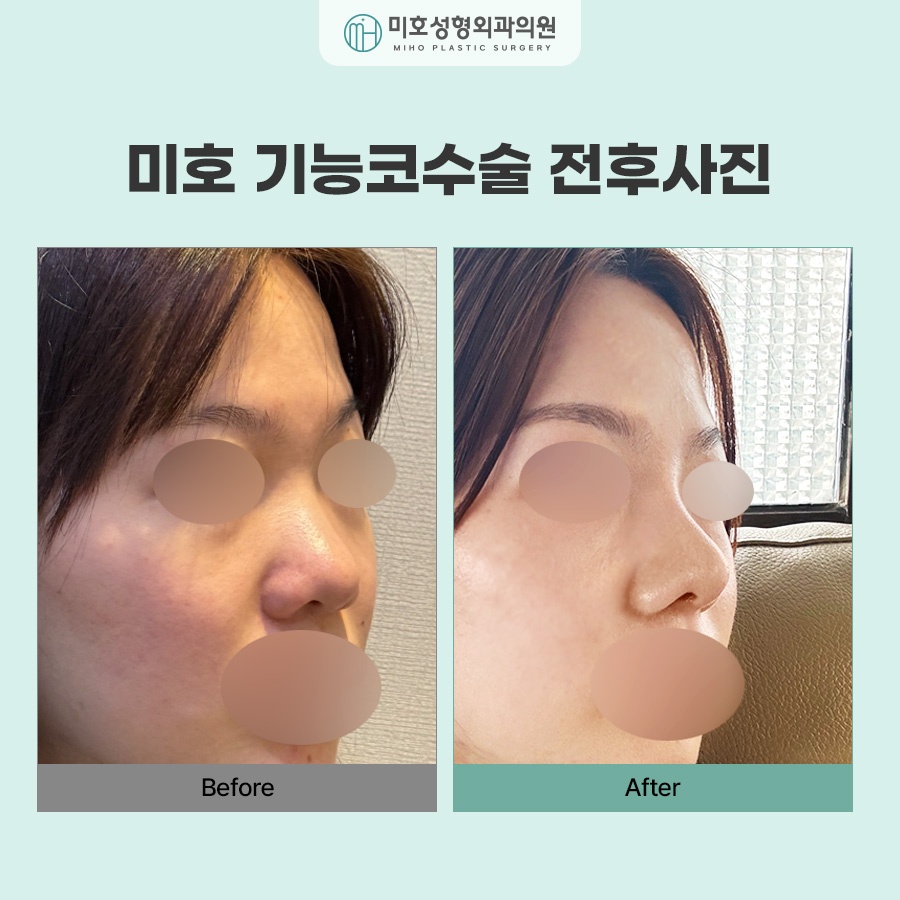
After correction, once the cotton inside the nose was removed,
people immediately felt that breathing had become easier.
There were also many reports that runny mucus no longer flowed as before
and snoring improved.
In some cases, bad breath disappeared as mouth breathing decreased,
and headaches of unknown cause went away as oxygen intake increased.
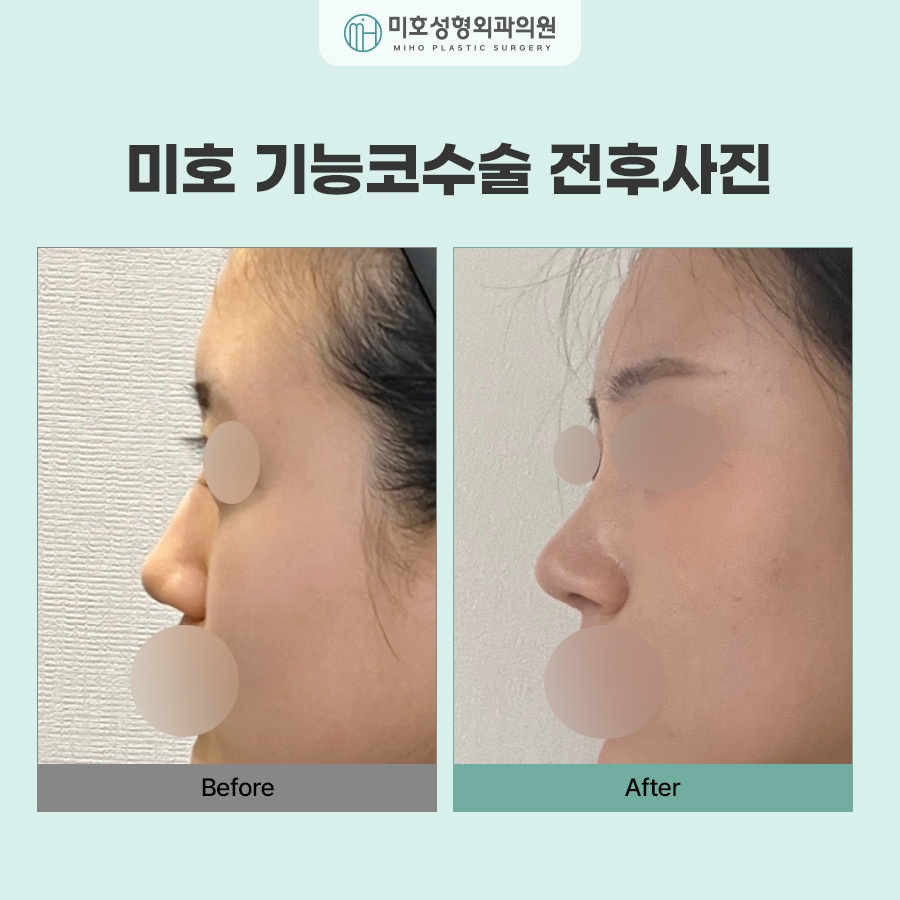
If you are considering correction for septal deviation,
you must consult with medical staff who have extensive experience in this area
and highly skilled techniques.
It was important to fully discuss
how improvement would be achieved,
what your current condition is,
and the extent of correction you need,
then establish a plan.
The final goal of this solution is to restore the nose's original function,
so thorough preliminary examination must come first.
If your nose keeps getting blocked
and breathing is difficult even though you do not have a cold,
we hope you will check the internal structure of the nose
and have it corrected in an appropriate way.



Previous image
Next image
�