Recently, due to the increase in fine dust and environmental pollution,
more and more people have been struggling with chronic rhinitis.
In particular, many people complain about the inconvenience of daily life,
such as poorer sleep quality and reduced concentration caused by nasal congestion.
Among these, one of the options considered for severe hypertrophic rhinitis
that does not improve with medication is
inferior turbinate resection.
Through this, it is possible to resolve breathing problems by improving the nasal structure,
and at the same time help improve snoring and worsening sleep apnea.
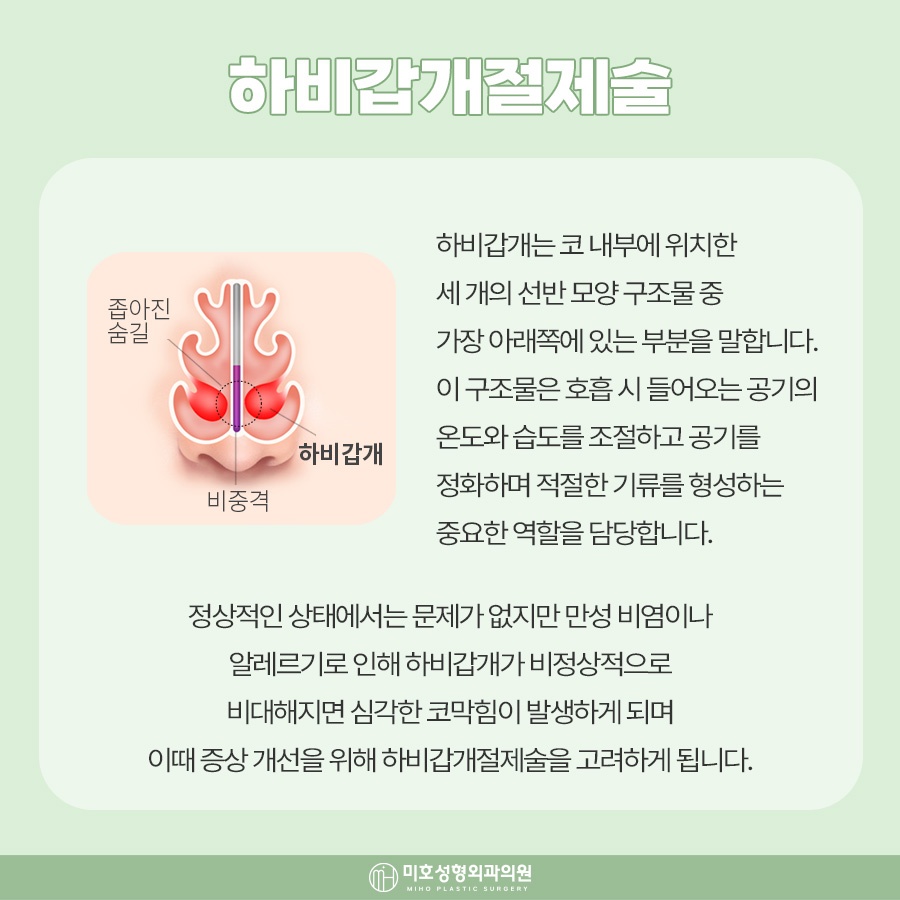
The inferior turbinate refers to the lowest of the three shelf-like structures
located inside the nose.
This structure plays an important role in regulating the temperature and humidity of the air
that enters during breathing,
purifying the air, and forming proper airflow.
Generally, the normal size is about 3–4 cm,
and it is richly supplied with blood vessels.
However, while there is no problem under normal conditions,
if the inferior turbinate becomes abnormally enlarged due to chronic rhinitis or allergies,
severe nasal congestion occurs,
and at that time inferior turbinate resection is considered
to improve the symptoms.
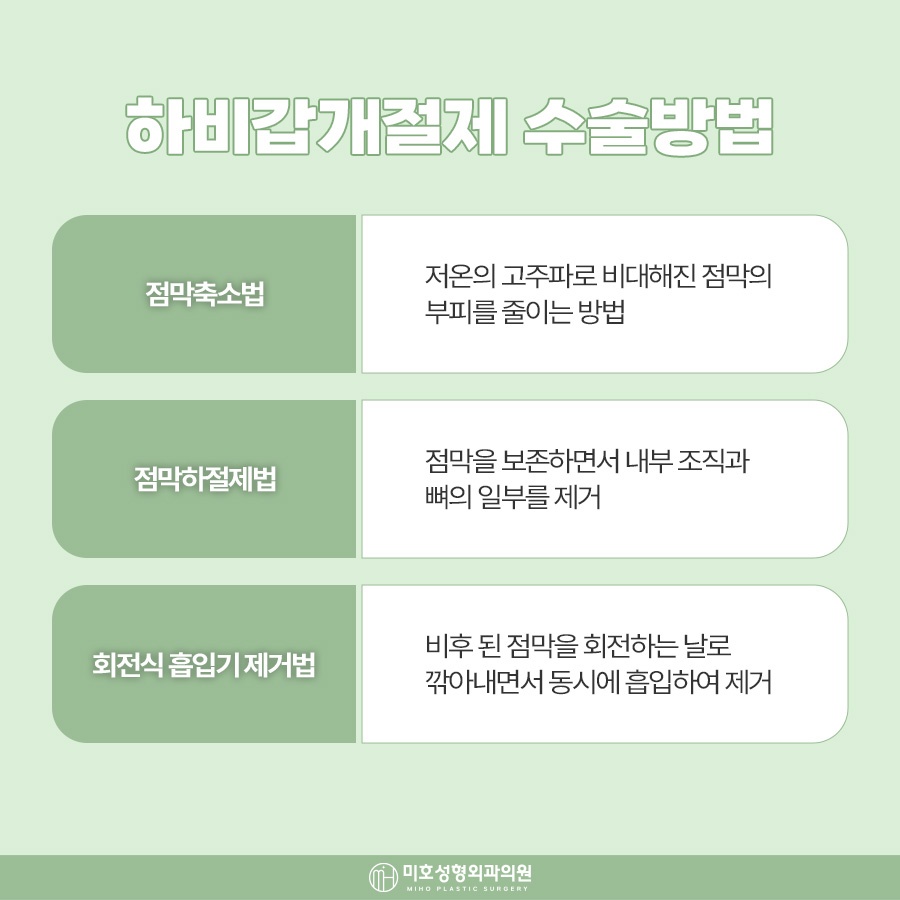
The main candidates are cases of chronic hypertrophic rhinitis
that do not improve with medication,
or medication-induced rhinitis.
It is also considered when persistent nasal congestion causes
serious disruption to daily life.
In such cases,
inferior turbinate resection
can improve symptoms by widening the narrowed nasal passage.
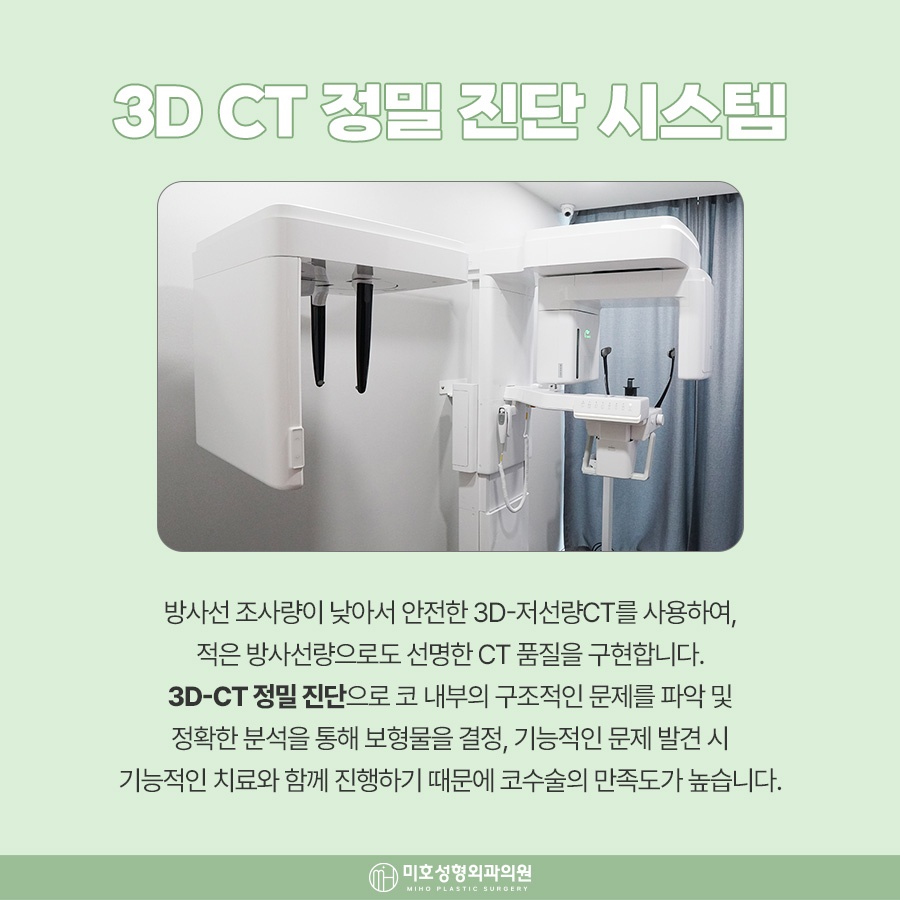
Beforehand, the degree of turbinate hypertrophy is precisely assessed
through nasal speculum and endoscopic examination or a CT scan.
However, it is not applied to all types of rhinitis,
so an accurate diagnosis must come first,
and careful judgment is necessary.
There are several ways to address inferior turbinate hypertrophy,
and the method varies depending on the condition.
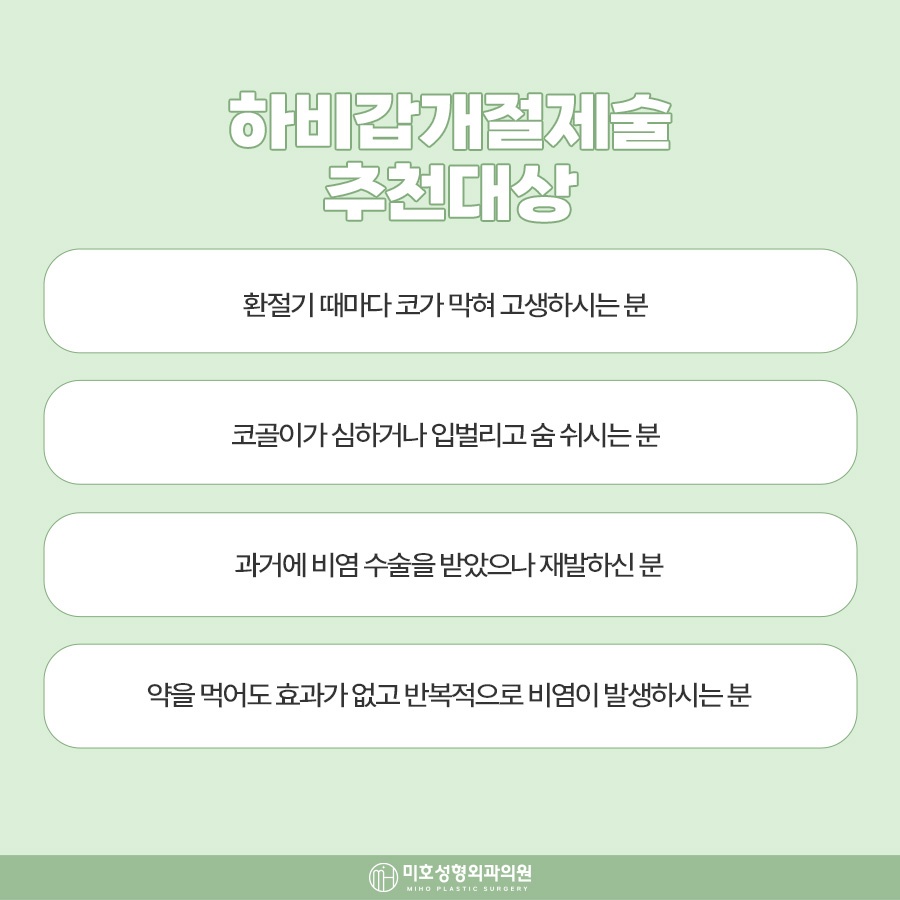
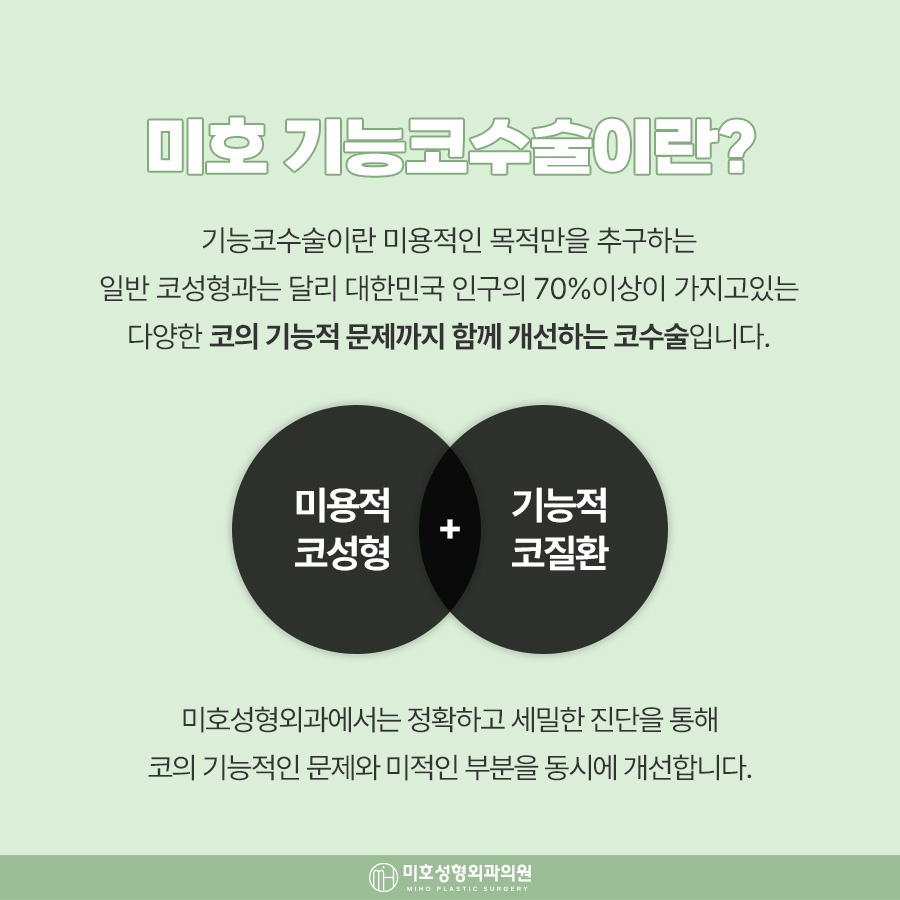
First, the mucosal reduction method using radiofrequency reduces the volume of the enlarged mucosa
with low-temperature radiofrequency, and the submucosal resection method
preserves the mucosa while removing some of the internal tissue and bone.
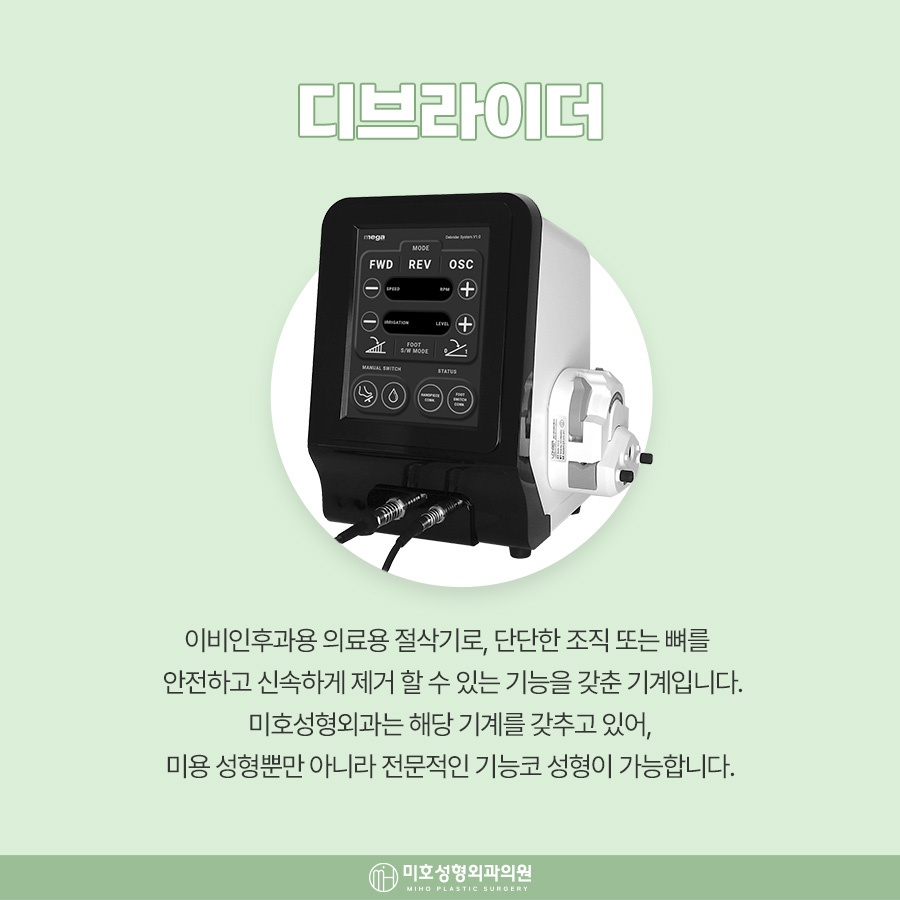
The method using a rotary suction device works by shaving off the hypertrophied mucosa
with a rotating blade while simultaneously suctioning and removing it.
Each method is selected according to the individual’s condition and the degree of hypertrophy,
and above all, preserving mucosal function as much as possible
is the key principle and an important consideration.
During recovery, there may be discomfort for about 1–2 days
due to packing inside the nose, but this is temporary.
When the packing is removed, there may be temporary bleeding,
but in most cases it stops naturally.
Generally, after a day-hospital admission, discharge is possible on the same day
or the next day.
After that, for 1–2 weeks, nasal congestion,
discharge, or crust formation may appear,
and these are part of the normal recovery process.
In general, full recovery takes about 4–6 weeks,
and during that time, swimming or excessive exercise should be avoided,
and recovery should be monitored through saline irrigation, taking prescribed medication,
and periodic outpatient visits.
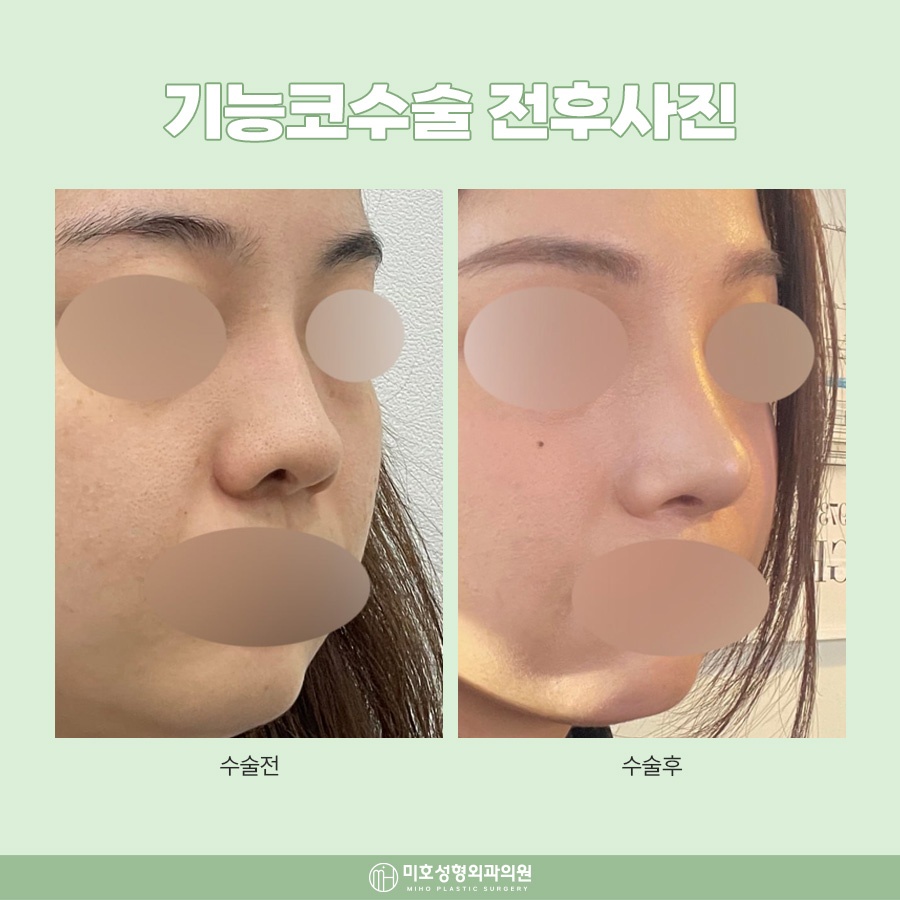
In terms of breathing improvement, satisfactory results are generally seen in about 80–90% of cases.
Depending on the individual, secondary improvements such as headaches,
allergy symptoms, snoring, and frequent sore throats may be expected.
However, not all rhinitis symptoms disappear,
and especially when allergic rhinitis is also present,
additional management is needed.
It should also be fully understood that improvements in symptoms other than nasal congestion
may be limited, and it is advisable to have realistic goals
rather than excessive expectations.
Regarding side effects after inferior turbinate resection,
generally bleeding, pain, and inflammation may occur,
and although rare, empty nose syndrome due to excessive resection can occur.
This is a condition in which the inside of the nose becomes excessively dry
and a feeling of stuffiness persists, and to prevent such complications,
an appropriate amount of resection must be maintained
and mucosal function preserved.
For reference, compared with the success rates of earlier methods,
which were below 50%, current methods show much improved results.
To reduce side effects,
regular follow-up care and communication with the attending physician are important.
Meanwhile, from a long-term perspective, the possibility of recurrence
must also be considered.
This is because even after the procedure, if acute rhinitis recurs repeatedly or the cause,
such as allergies, continues,
the inferior turbinate may enlarge again.
Such recurrence may gradually progress over months to years,
so long-term management is important.
Lifestyle improvements, regular checkups,
and appropriate medication can reduce the recurrence rate,
and to prevent adhesions in the area,
consistent nasal irrigation and the prescribed care method must be followed.
In conclusion, through systematic examinations,
it is most important to accurately understand each person’s condition
and establish a customized plan.
This is because inferior turbinate resection is not simply about removing tissue,
but about improving symptoms while preserving nasal function.
The earlier the approach, without missing the right timing,
the better the results can be.
Therefore, if you are suffering from chronic nasal congestion,
please make a careful decision through detailed diagnosis and sufficient consultation.



Previous image
Next image