
As social activities increased and the influence of appearance grew, more people began actively correcting their complexes.
Among these, interest in the nose has been rising day by day.
The bridge, tip, and alar area are important, but so is the columella.
The columella is a pillar-like structure located between the nostrils and sits at the lower part of the nose, so it is an area that does not usually draw much attention. However, even a small difference here can create a refined and crisp impression.
If this area is short or curled inward, it can be corrected with columella lowering.
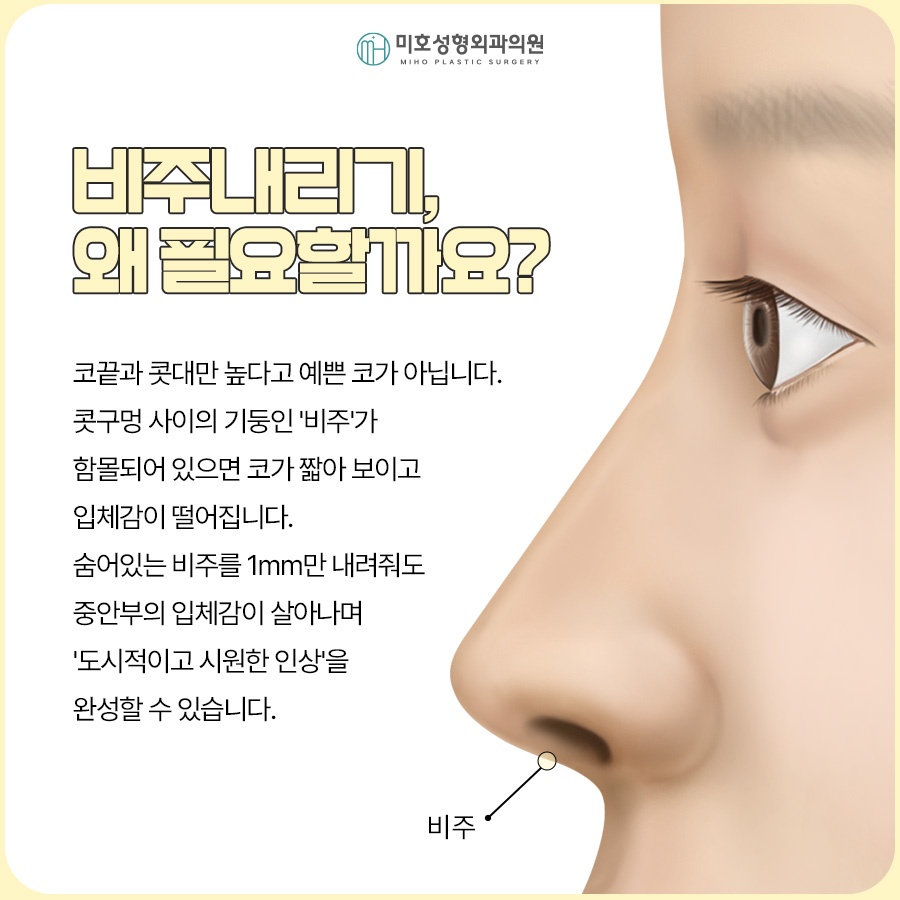
Even if the vertical length is long, if this area is deeply recessed, it can look short and may even appear like a snub nose.
By lowering a hidden columella, the horizontal and vertical proportions can be balanced properly, and the side profile can also be completed.
Because this is a solution that requires subtle adjustment, it must be approached with precision.
Not only the surgeon's skill and know-how, but also their aesthetic sense played an important role.
In this article, we aimed to comprehensively organize the points to consider before deciding on columella lowering.
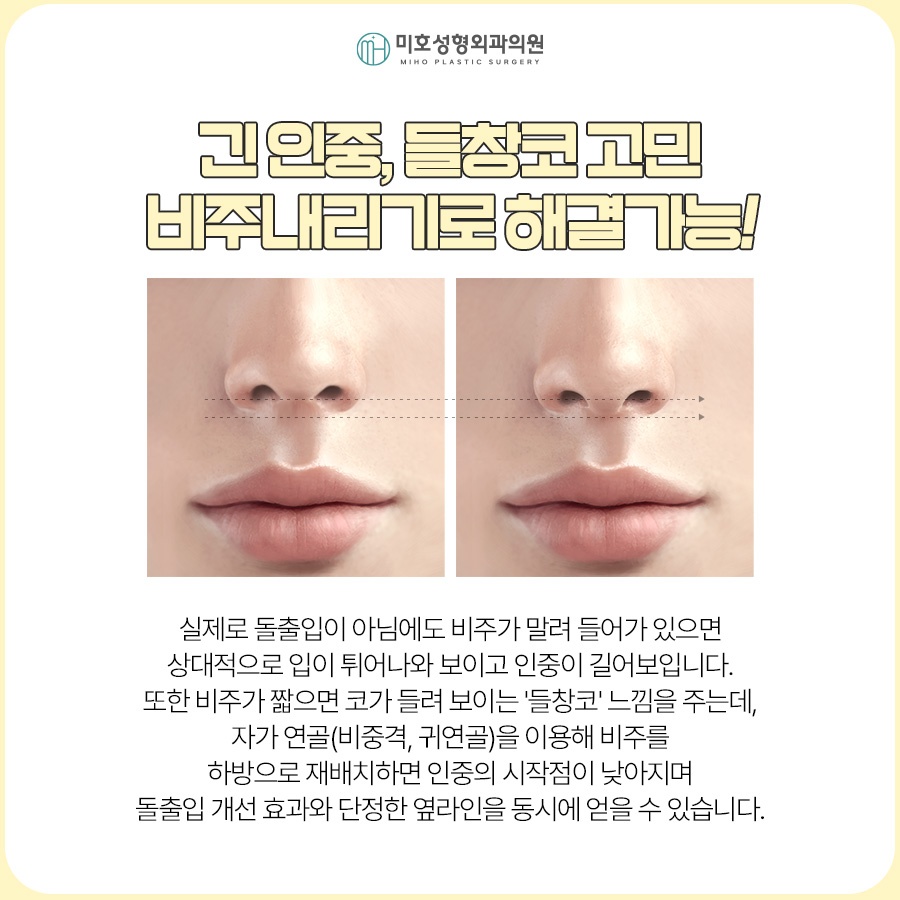
The first type that may need columella lowering is someone whose lower nose area is curled inward or sunken.
If, from the side, the area below the nose is tucked inside the alar crease, or if the columella is not visible at all from the front, this method may be appropriate.
It can also be applied when both sides of the alar area droop downward.
When considering the overall proportions, if lowering the columella is judged to be more suitable than lifting the nostril wings, this method is recommended.
It can also improve the appearance of a long philtrum by lowering the starting point and reducing the empty space.

The goal of this method was to precisely adjust the position while strengthening support at the nasal tip.
First, using autologous tissue, a pillar could be placed between the nostrils or tissue could be added to push the structure downward.
The tissue used at this stage was elastic and flexible ear cartilage or septal cartilage.
While inserting cartilage, it was firmly fixed to the tissue at the nasal tip to maintain the shape over a long period of time.
If it is lowered too much, it may instead look like a hanging nose, so the procedure was completed by forming a line positioned slightly below the alar area.

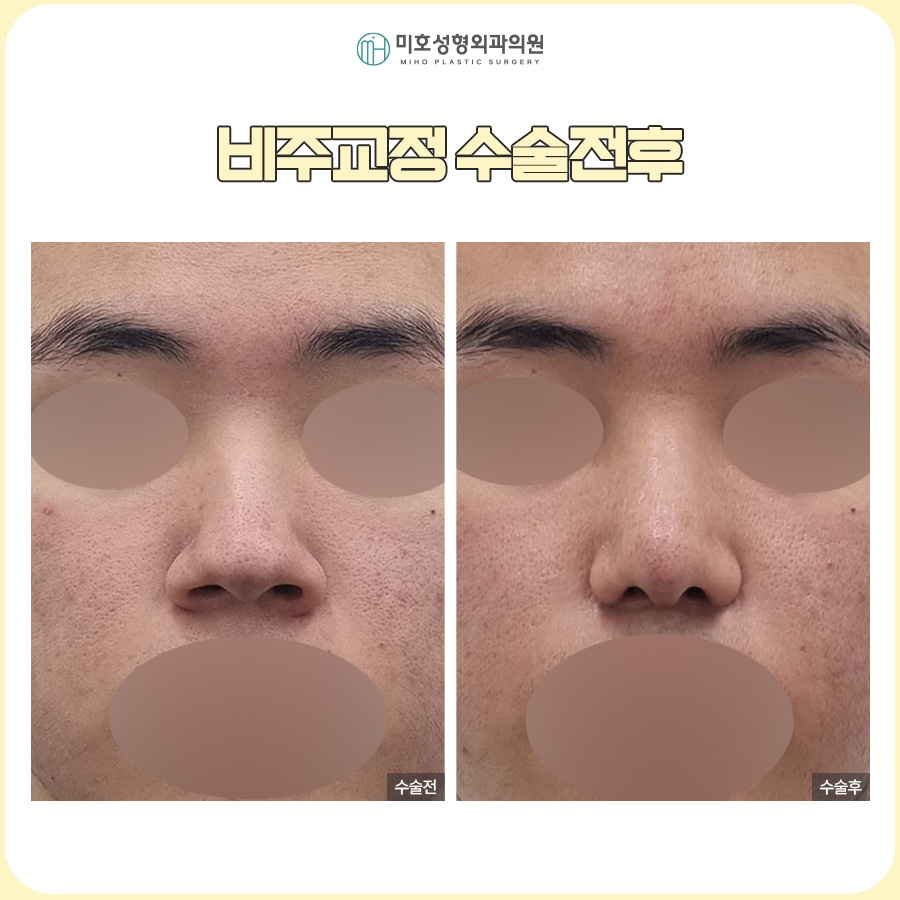
Through columella lowering, both the frontal and side lines could be smoothed and corrected.
As the starting point of the philtrum was lowered, the appearance of length could be corrected, and the length of the midface area could also be adjusted.
In some cases, a person may not actually have protruding lips, but their nose shape makes the mouth appear pushed forward; this could also be improved.
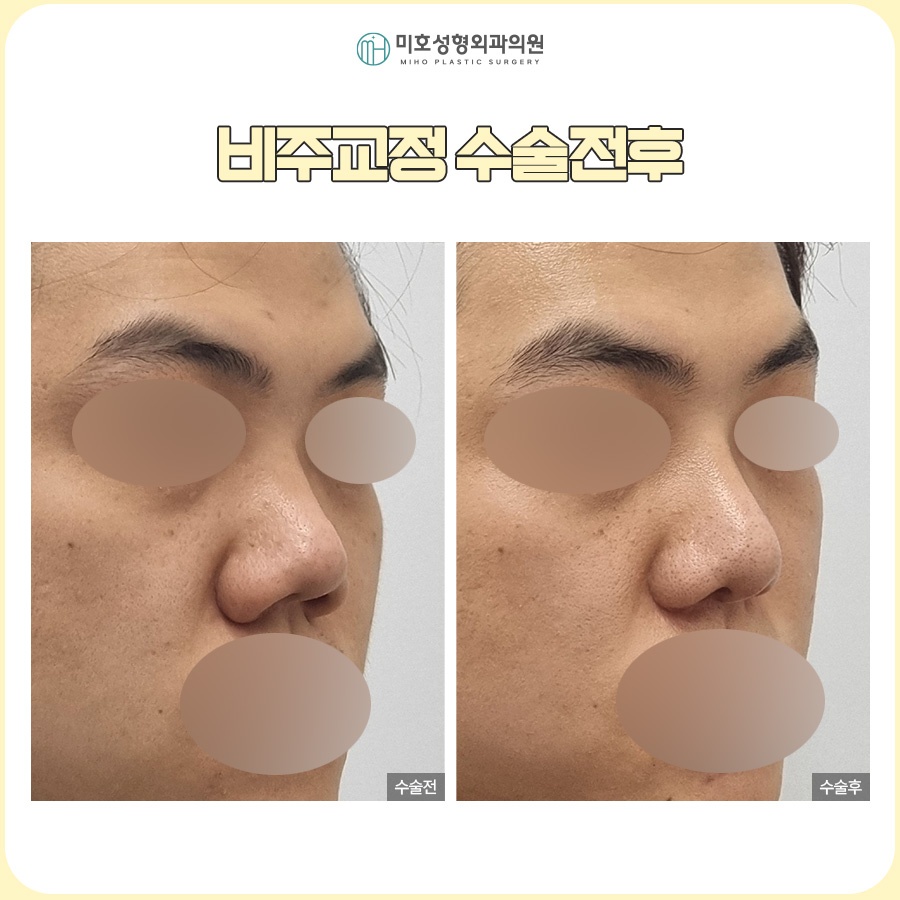
The biggest change was in the side profile.
A graceful line was formed from the forehead to the nasal bridge, philtrum, and chin tip, allowing for a more refined image.
A nose that looked short or upturned could also be improved naturally.
Although this is a process that requires subtle adjustment, there are many microvessels and nerves passing through the area, so a thorough preoperative examination is essential.
Common concerns include scarring and recovery time.
Because this is also a procedure involving an incision, and because the area is clearly visible from the front, it is natural to have these concerns.
At our clinic, the procedure is performed precisely through a small internal incision, so there is almost no visible trace.
If pigmentation or scarring is a concern, it is a good idea to actively use the medical institution's aftercare program.
After columella lowering, daily life can continue without major inconvenience.
Until the incision heals and the stitches are removed, the area must be carefully kept hygienic, and major swelling and bruising subside within about 1 to 2 weeks.
After the stitches are removed at one week, light makeup and face washing with water are possible, but for at least 4 weeks, saunas, swimming pools, and strenuous exercise should be avoided.
Immediately after stitch removal, the sutured area may appear slightly red, but this gradually fades, and applying sunscreen can help prevent pigmentation.
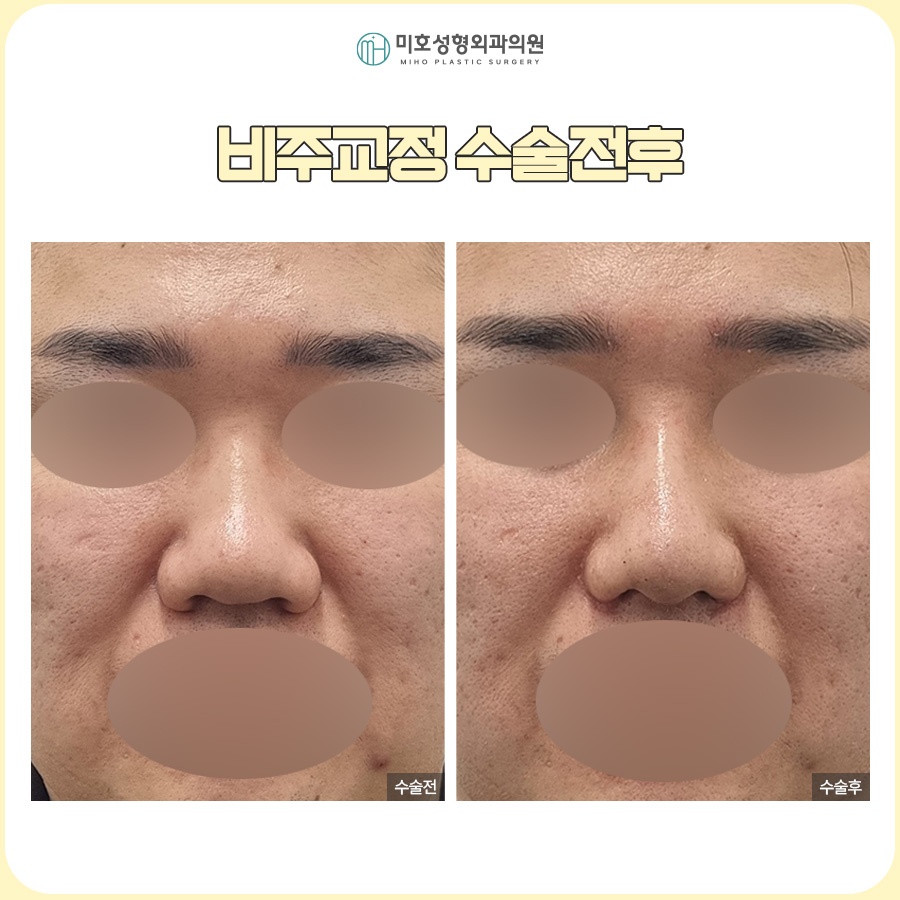
If you are satisfied with the height of your nasal bridge and tip, the columella alone can be lowered independently.
In most cases, however, it is usually performed together with correction of other areas.
If the nose as a whole does not look three-dimensional, but only the lower part protrudes, it may look unnatural, and if overcorrected, there is a risk that it may appear like a hanging nose.
In addition, the value of this solution is fully realized when the nasal tip is slightly raised and the thickness is slender, so it is desirable to address both the tip and the lower area at the same time as much as possible.
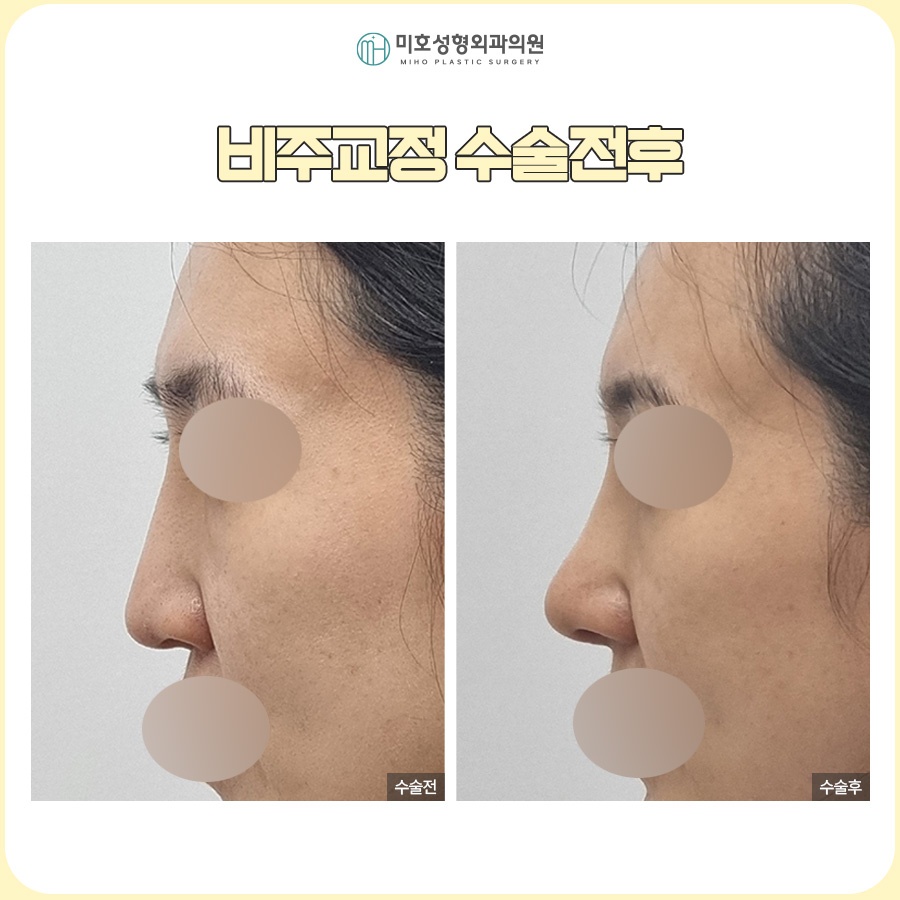
To achieve results that satisfy both the patient and the medical team, thorough preoperative research and sufficient consultation must come first.
It was necessary to check whether the surgeon had extensive experience with this method and whether they clearly understood the cartilage structure of the nasal tip.
When planning the design, it was also important to find the most appropriate position that would look natural without overdoing it.
Rather than focusing only on the nasal tip, the shape of the alar area, the length of the philtrum, and both the side and front views should be considered comprehensively when deciding the degree of lowering.
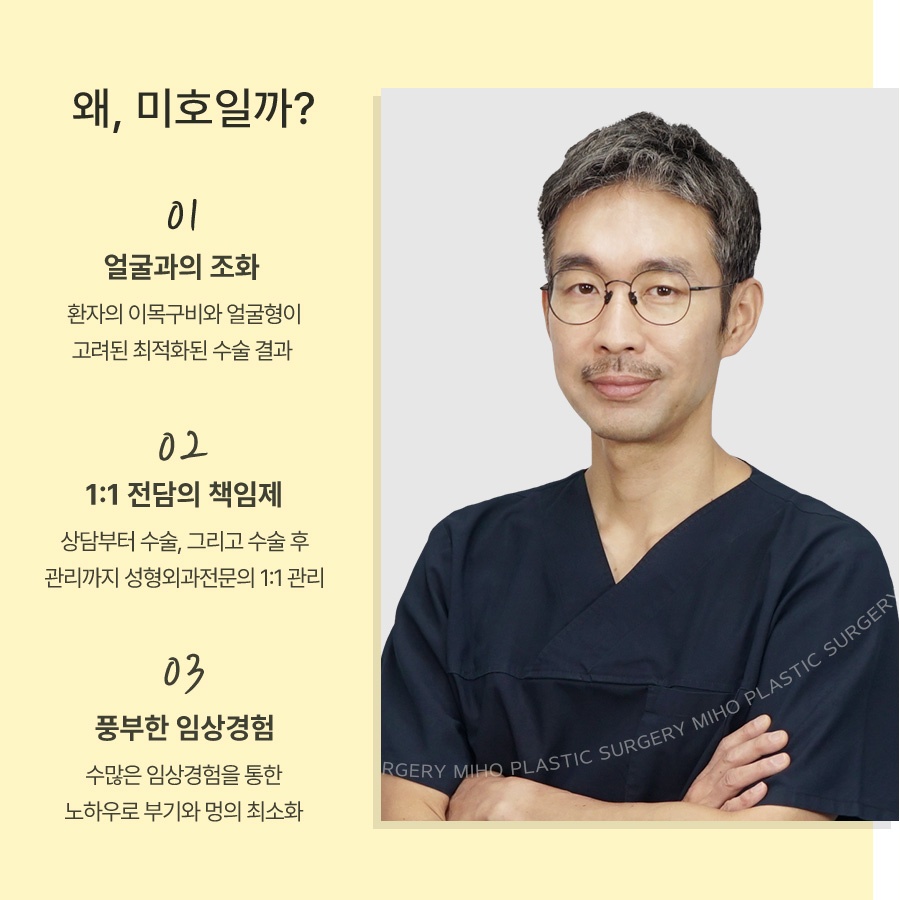
If you have already adjusted the shape of the nasal bridge and tip but still feel that something is missing, or if the alar area is especially low and makes the nose look snubbed, columella lowering may be an alternative.
It can also be applied as a revision after a first attempt, but if possible, it is better to perform it from the beginning with the lower nose area in mind.
Even if you have already had a first procedure, it is still possible to create a natural change in appearance by designing precisely to match the changed nasal tip shape.
Through this method, I hope you can transform a flat and broad impression into a refined and intelligent one.



Previous image
Next image