
These days, simply making the eyes look bigger
is not considered the ideal on its own.
Many people now place greater importance on
the balance and impression of the entire face.
Accordingly, even those who underwent corrective surgery
in the past often become dissatisfied over time
and end up wanting revision surgery.
In most cases, the eye shape that once looked clear
starts to feel overly sharp or unnatural.
This is also why more people are seeking
epicanthoplasty revision to restore a sense of balance.

In the past, many people wanted to expand the horizontal width of the eyes
in order to create a fresher and more defined impression.
This involved cutting or softening the epicanthal fold
that covers the inner corner, making the inner area
more visible.
Through this process, it was possible to achieve
a result that made the eyes look larger than they actually were.
It was also possible to visually improve the appearance
when the spacing seemed wide.
However, because the procedure was performed without
sufficient consideration of the individual facial features,
it is true that many people later came to consider
epicanthoplasty revision.
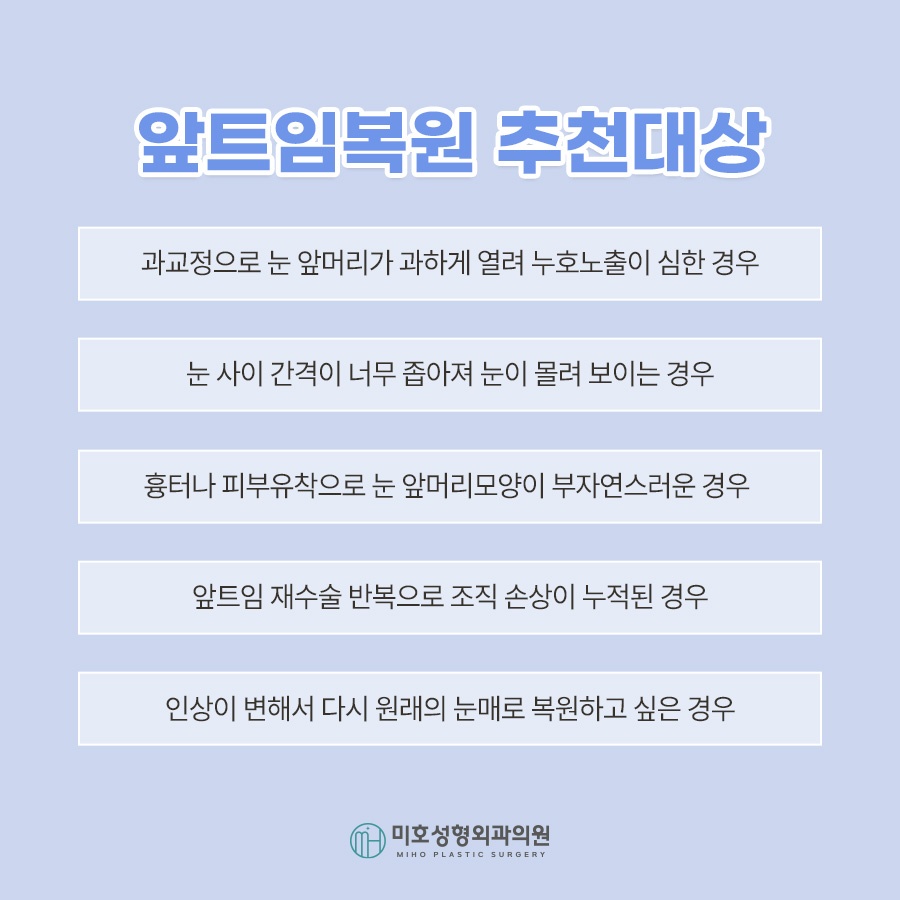
Most situations that require epicanthoplasty revision involve
a case where the red inner tissue, in other words,
the caruncle, is exposed too much.
In such cases, it can create an impression of looking older,
which becomes a problem.
There are also people who feel dissatisfied because the inner corner
has become too sharp, changing into a strong and
stern image.
Some also feel that the spacing has become too close,
creating a cramped impression, and abnormal bending of the inner corner shape
or scars that look like nail marks can also be a cause of
psychological discomfort every time they look in the mirror.

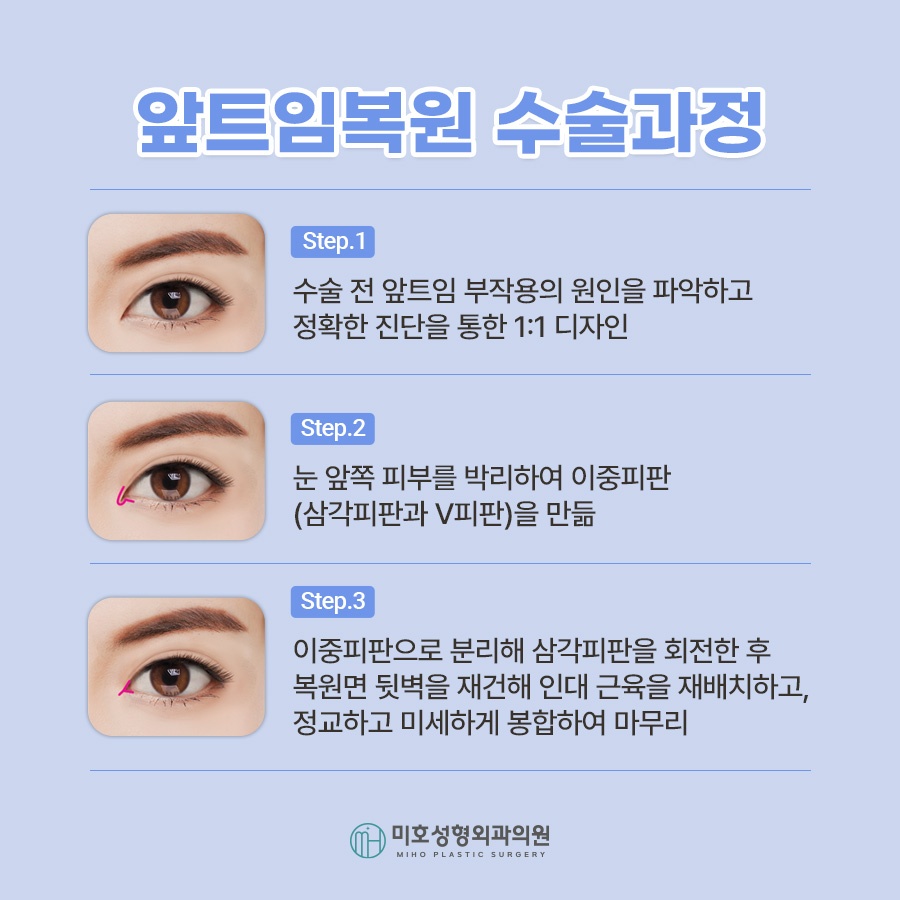
This surgical procedure reconstructs the inner structure
of the eye that has already been opened too much.
Rather than simply covering it up, the key is to use the remaining skin
to restore it in a more natural form.
To do this, the inner corner must be opened again
to carefully check the internal condition.
After that, the excessively exposed caruncle is appropriately covered,
and the damaged tissue is organized.
At this stage, work to improve the existing scar
can also be carried out at the same time.
Finally, suturing is performed while checking the overall balance.
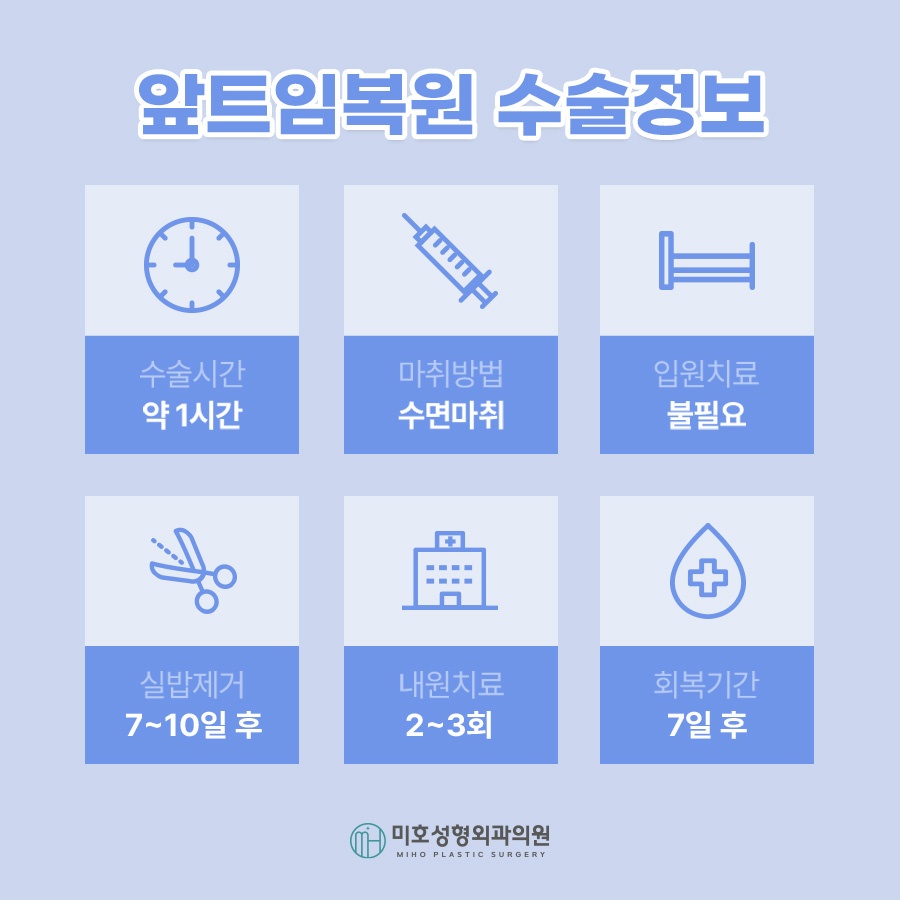
Epicanthoplasty revision is generally known to be
much more complicated than the original corrective surgery.
Because the tissue has already been altered once,
the same approach cannot be used.
Also, since each person’s condition is different,
the plan must be designed according to each case.
In particular, it is important to clearly determine
which part is causing the problem.
Of course, the overall facial proportions and harmony
must also be considered together.
Preventing muscle adhesion during the process of
reforming the epicanthal fold is also an important point.
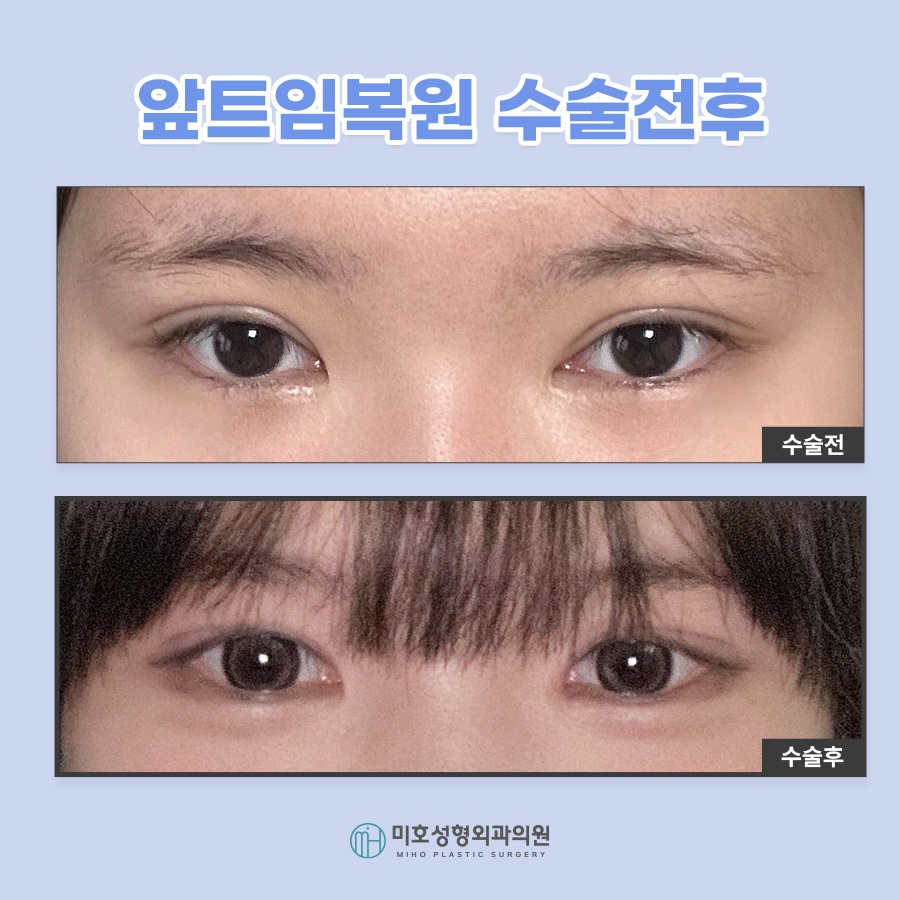
Scar improvement is also an essential factor in this process.
If the scar left by the previous corrective surgery
is highly visible, the result can change significantly
depending on how it is softened.
In particular, if it is sunken or depressed in shape,
a more careful approach is needed.
The tissue must be rearranged so that it looks natural.
When re-forming the epicanthal fold, care must also be taken
so that an unnatural line is not created.
One method used at this stage is the double flap technique.
It is a method of achieving a more stable
reconstruction with two layers.
However,
there are several things to be careful about before epicanthoplasty revision.
First, you should clearly inform the medical team of your health condition.
This is because chronic conditions such as high blood pressure and diabetes
can have an effect.
If you have had general anesthesia in the past,
you should share that as well.
Starting one week before, you should stop drinking alcohol and smoking,
and avoid medications such as aspirin, sleeping pills,
and red ginseng.
A fast of about 6 to 8 hours is also necessary,
and on the day of the procedure, comfortable clothing and items
that can protect the eyes are recommended.
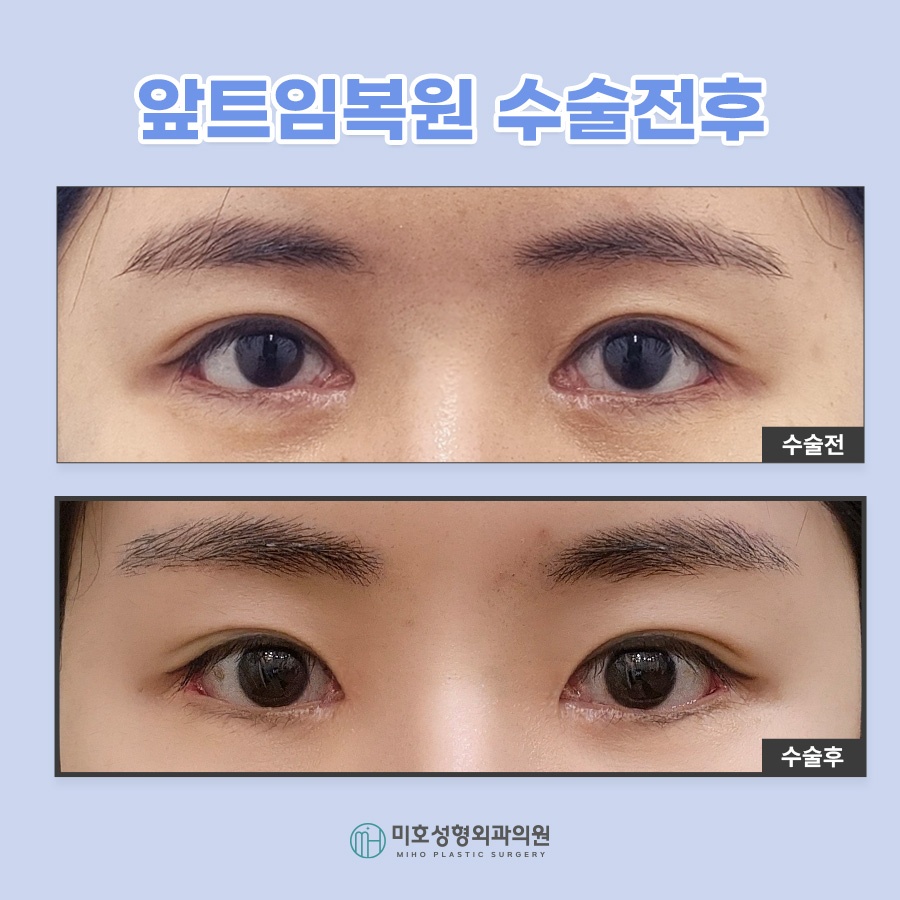
Care after revision surgery also has a major impact
on the outcome.
First, keeping the head slightly elevated above the heart,
at about 20 to 30 degrees,
can help reduce swelling.
During the first 3 to 5 days, cold compresses should be used,
and after that, warm compresses should be applied
to help blood circulation.
Please avoid crying, rubbing your eyes,
or squeezing them shut forcefully.
It is recommended to avoid wearing contact lenses
for about two weeks.
Finally, alcohol and smoking can delay healing,
so they should be restricted for about four weeks.
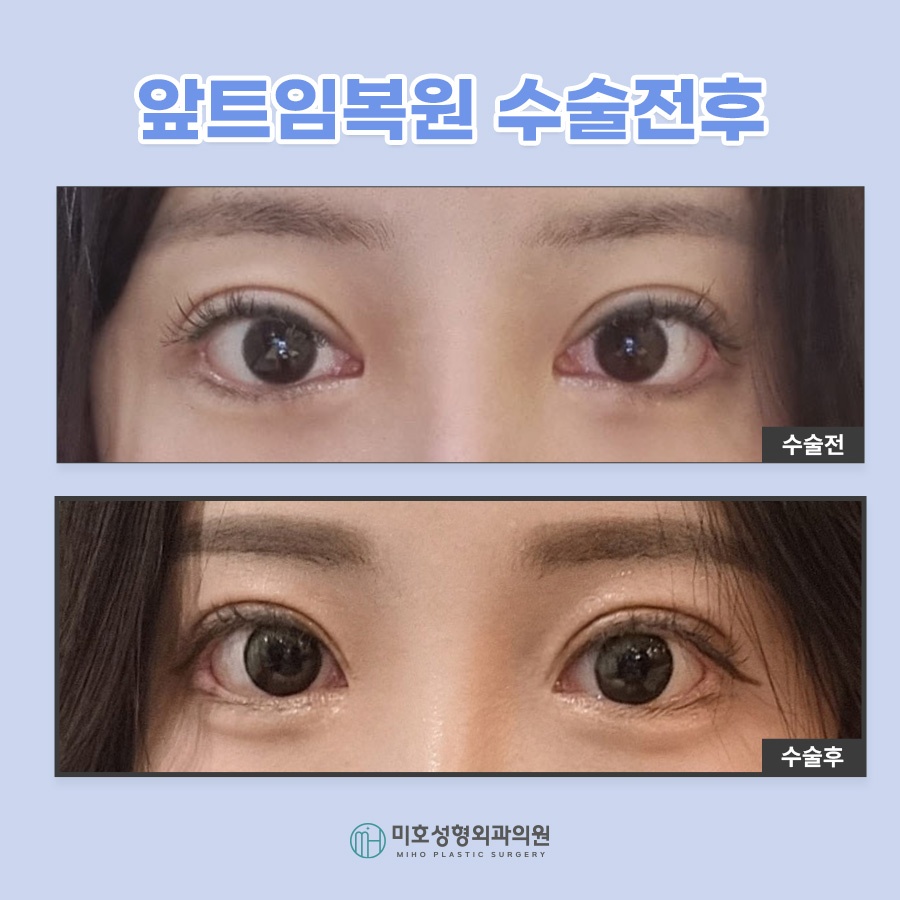
You should also be thorough when choosing a medical institution.
Choosing based only on price may lead to
an unwanted result, so be careful.
Instead, check whether CCTV is installed inside,
and whether there is a system in place to prepare for emergencies.
Whether anesthesiology pain medicine doctors are on site
is also an important criterion.
A systematic anesthesia system is essential.
In addition, through sufficient discussion,
it is necessary to determine whether the problems are being clearly analyzed
and whether the direction for improvement is also being explained carefully.
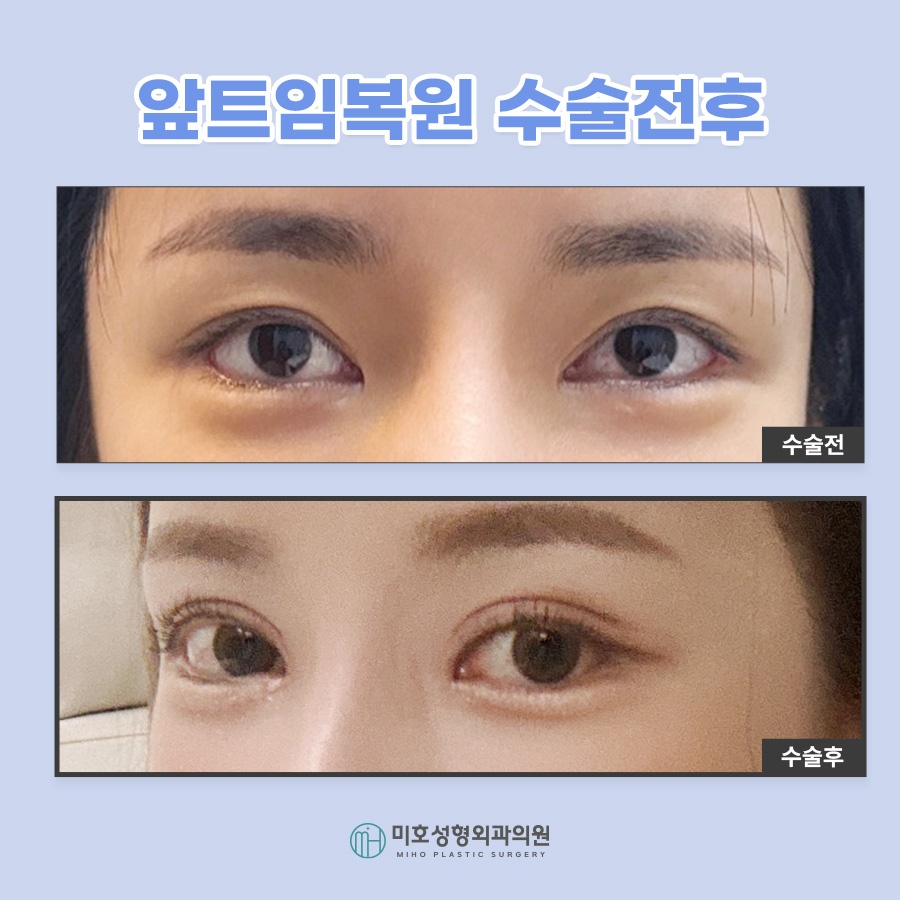
The eyes are one of the decisive factors
that shape a person’s impression.
That is why epicanthoplasty revision, which restores the eyes’ natural appearance,
also requires a more cautious approach.
Accordingly, it is important to choose a medical institution
that meets the conditions mentioned above.
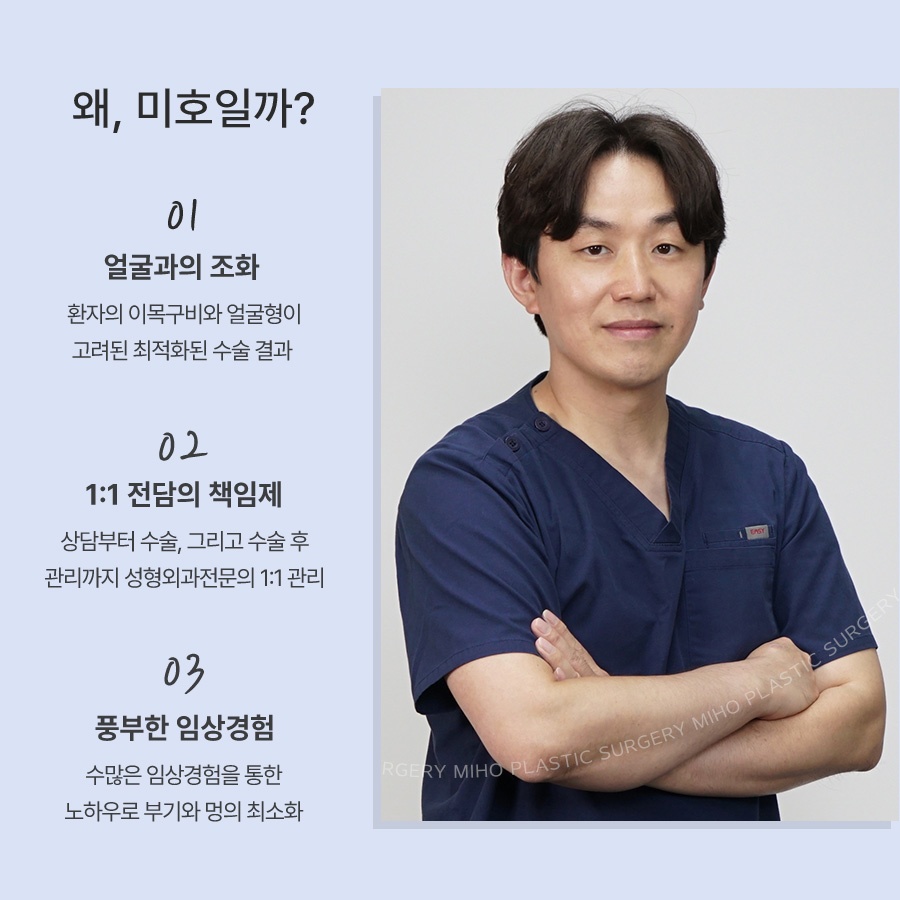
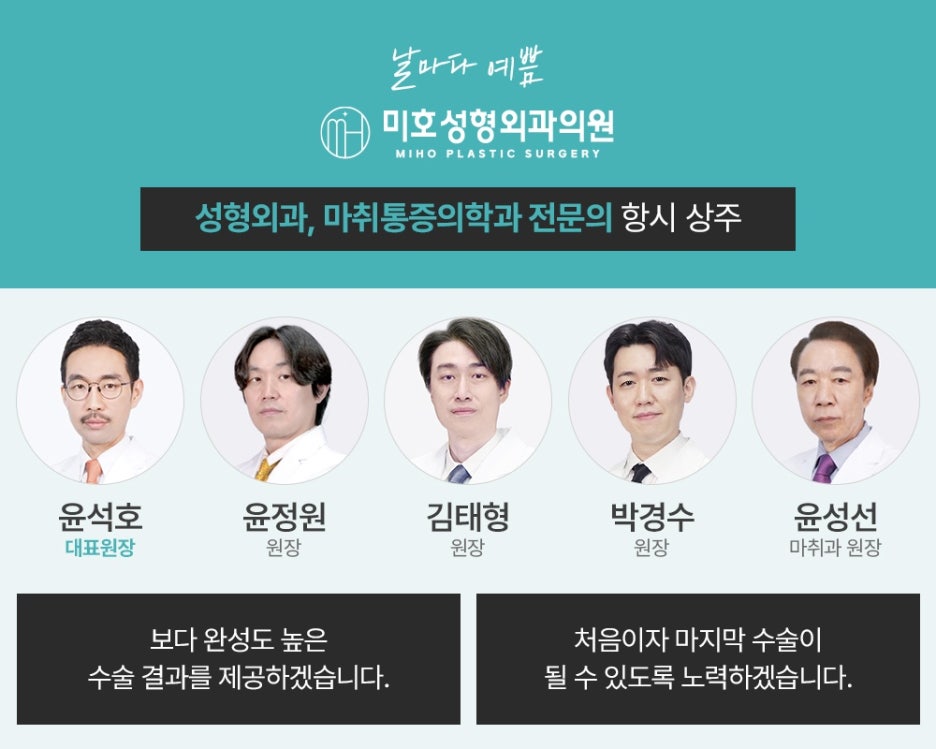
If you are with Miho, which checks vital signs in real time
through a central monitoring system
and has medical staff under real-name accountability
responsible for the entire process,
it will be even more reliable.
For reference, this place also provides a post-care kit
and has a system in place that can respond quickly
to emergencies.


Previous image
Next image