
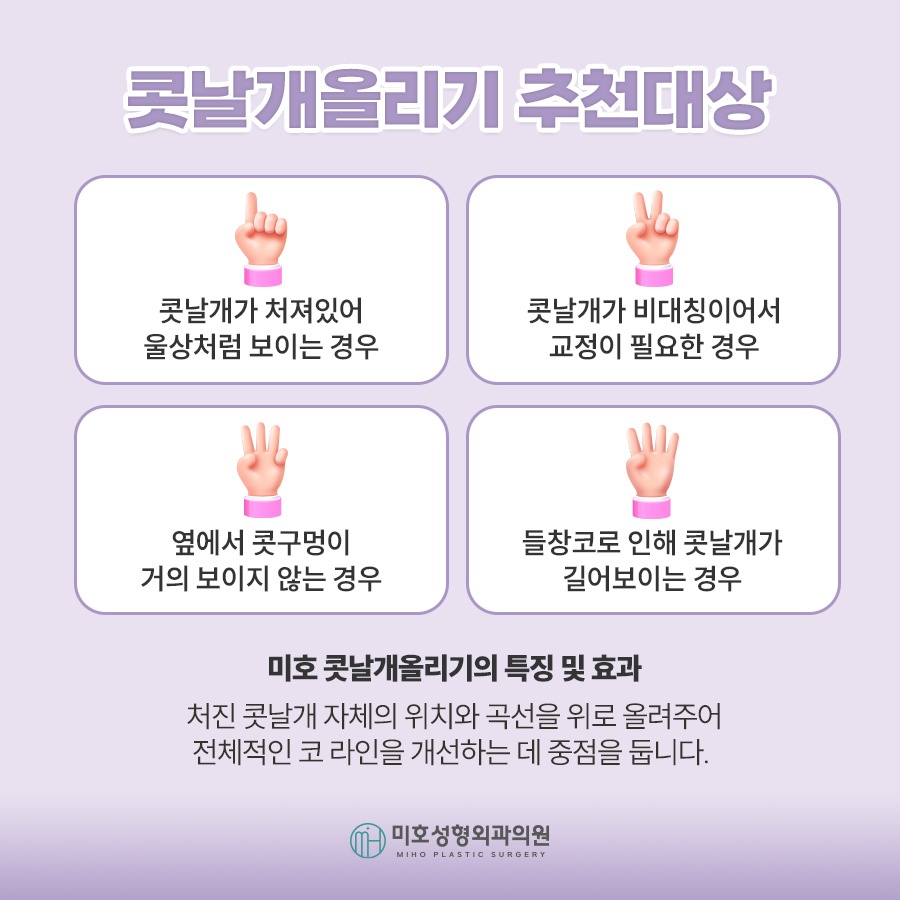
For those considering nostril lift,
if you take a closer look,
it is usually not the case that every part of the nose is problematic.
Rather, there are often specific factors that
make the nose look generally blunt and low.
Many people think that simply raising the bridge
will make a wide nose look higher, but in reality,
improving the appearance aesthetically is difficult
with bridge augmentation alone.
Only by considering the shape and angle of the nostrils,
as well as the proportions and position of the other areas,
can you find a method that suits each individual.

A nostril lift, as the name suggests,
means reducing flared nostrils and lifting the blunt,
bulky-looking areas to create a sharper, more refined shape.
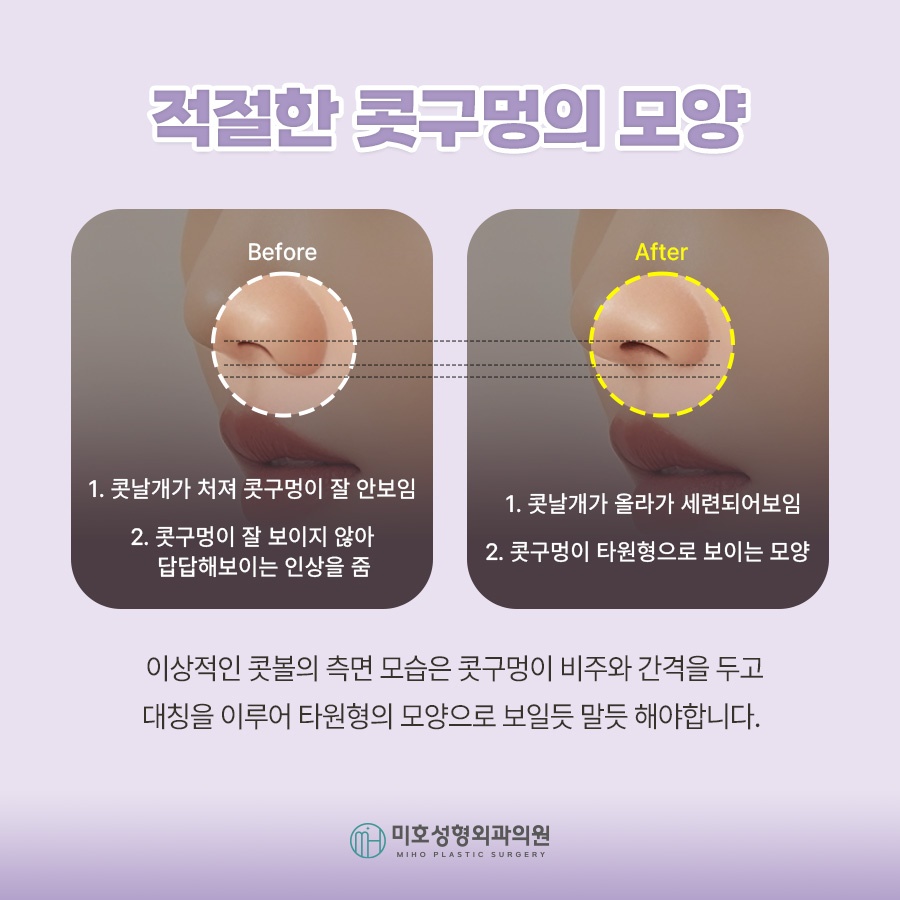
At this time, the shape and position of the nostrils
must also be set so that they fit the tip of the nose naturally
and are corrected in a balanced way.
When the drooping, widened tip of the nose is lifted
appropriately and in balance, the focal point
that catches the eye when looking at the face also rises,
creating a sophisticated, sharper impression and a more
even appearance in the midface.
Because many factors must be considered,
the design and approach, which take into account
each person’s proportions, the degree of correction,
and aesthetic factors to avoid overcorrection,
must be all the more careful and meticulous.
Because the causes that make cartilage, skin tissue,
and other structures spread and sag are surprisingly varied,
simply raising the bridge does not necessarily lead
to the result of lifting the nostril tip.
So the cartilage structure, along with the subcutaneous tissue,
is examined together, and it is carefully determined
whether fat should be removed or whether autologous
cartilage needs to be used.
The reason the nostril lift plan is also carried out
in such a detailed and complex way is that, in order
to keep the lifted shape from drooping again over time,
it is necessary to examine which structures should
be reinforced and corrected.
The nose is the center point of the face,
and because its shape and position can determine a person’s impression,
it is proper to consider the aesthetic aspects as important
while still maintaining functionality in the design.
As it sits at the center, it must be carefully examined
to see whether it harmonizes with the face shape,
the eyes, mouth, and the length of the philtrum when viewed from the front,
and whether the lines also look balanced from the side, especially in terms of height.
Keeping in mind that reducing and lifting only the blunt nostril tip
can sometimes produce a somewhat unnatural result,
the surgeon also considers whether the bridge needs to be raised
in line with the nostrils if the tip height changes,
or whether nostril correction should be performed together.
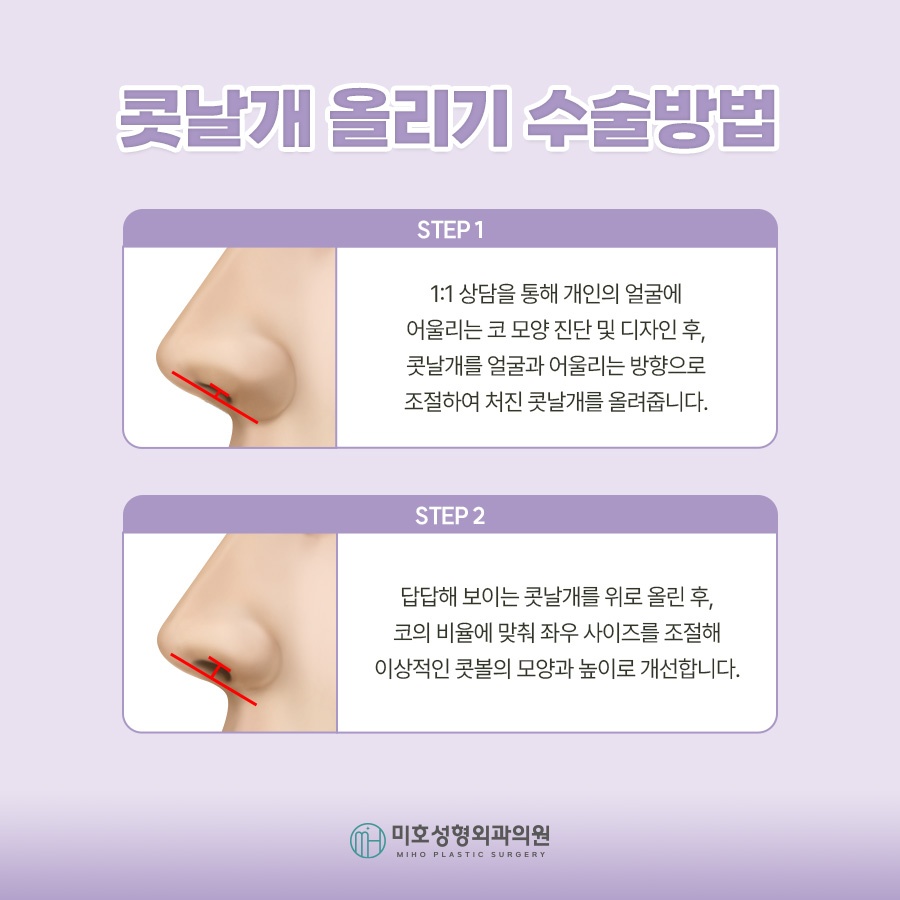
The method used is applied differently after determining
what caused the nostrils to become wide and sagging.
The incision method is also carried out differently for each individual,
so approaching it carefully according to the cause comes first.
If the cause of the shape collapse and the sagging appearance
from excessive spreading was the alar cartilage,
it becomes possible to improve the nostril tip and make
the tip of the nose point upward by gathering and tying
the lower part of the cartilage connected to the septum.
At this time, a small amount of autologous cartilage
may also be used to slightly increase the height of the nasal tip,
according to aesthetic standards.
If the subcutaneous tissue is thick and the nose line
was blunt rather than sharp, some tissue is removed
to correct the shape during the nostril lift.
If thick skin is not removed, even if the position is raised
by another method, it will eventually sag gradually.
When the excessive tissue is dissected and the skin is contracted,
the nostrils that looked low appear more lifted,
and the shape that seemed large also shows a reduced appearance.
If the nose generally looks large and seems to affect
the proportions of the face, it is necessary to carefully
determine whether it is actually large or only appears large
due to the reduced three-dimensional effect caused by its structure and shape,
and then correct it appropriately.
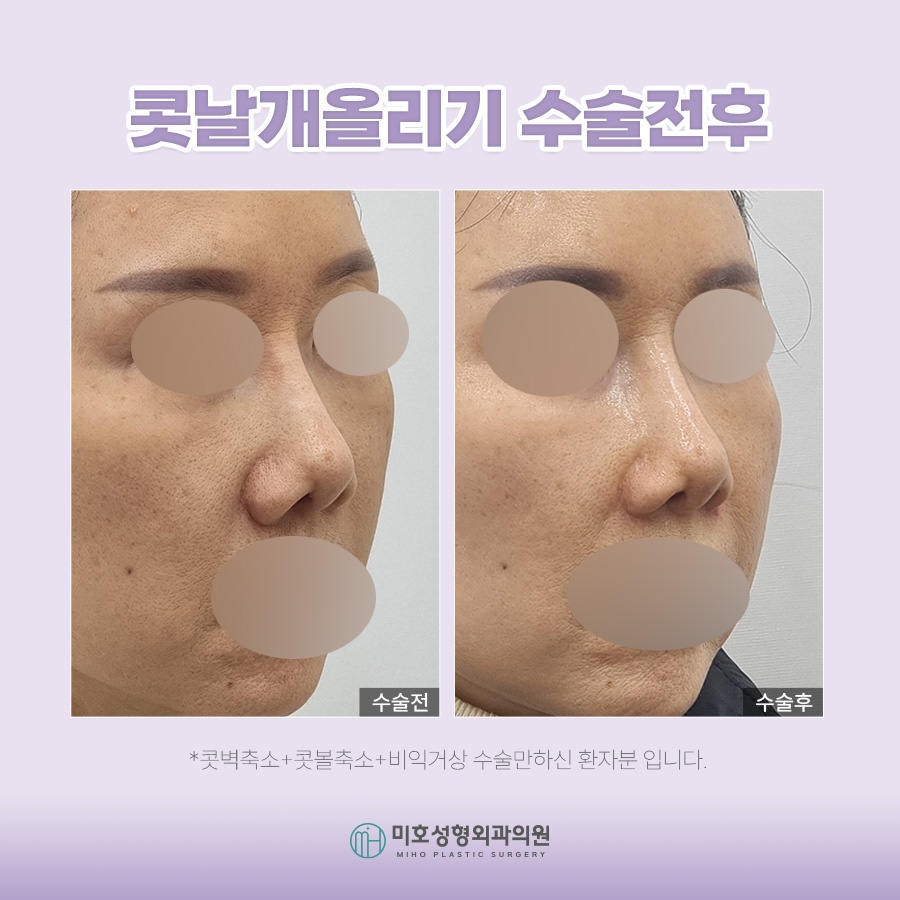
Because the causes can vary from fat to skin tissue,
ligaments, and more, if you are concerned that the nostrils
look wide or the tip of the nose looks blunt, or if it has
spread out flat, it is all the more important to look for the cause
from multiple angles and find various ways to move toward a positive result.
Because even a slight difference can lead to a very different outcome,
it is important to see whether the surgeon not only identifies the problem
but also proposes and explains a systematic method of improvement,
and whether thorough follow-up care is provided based on the surgeon’s clinical experience.
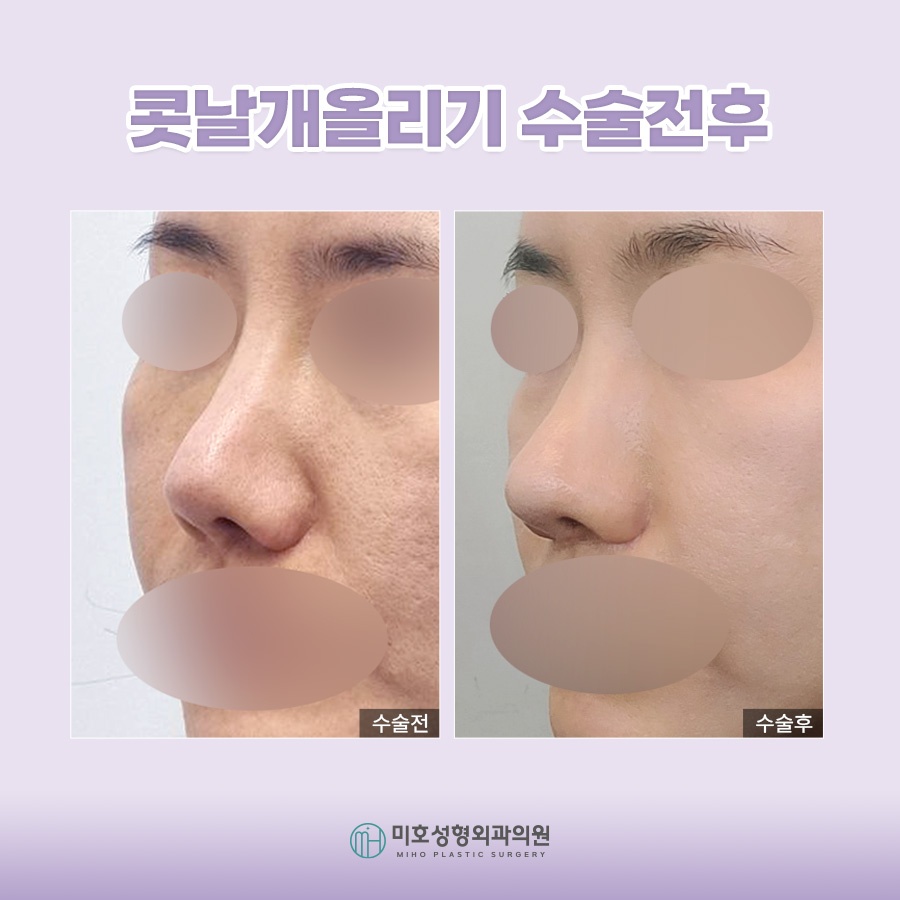
When undergoing a nostril lift, many people check
how long the recovery period is expected to be before making a plan.
Along with this, another common concern is scarring.
The nostril area is especially difficult to hide and is located
in the center of the face, so if problems such as raised scar tissue
appear during healing, they can only become another source of concern.
Considering this, the incision site must be chosen carefully,
and it is important to handle the suturing with greater attention as well.
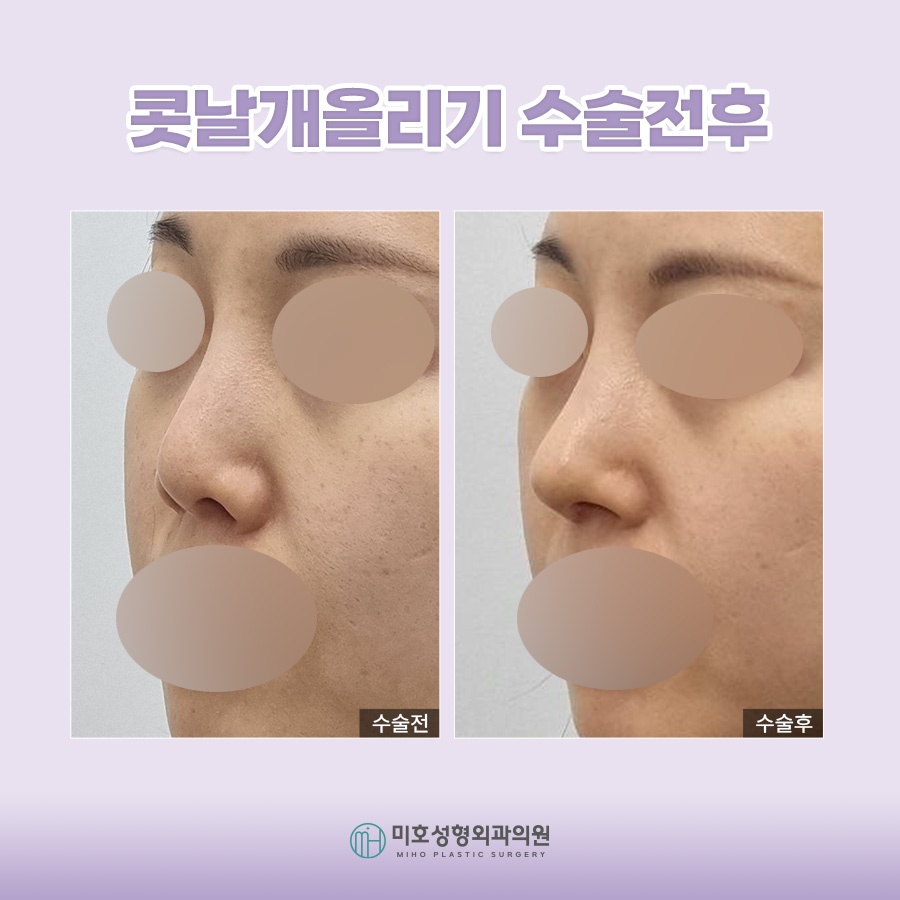
During recovery, there are individual differences
from person to person, and results can also vary depending
on how well you manage yourself in addition to the provided care program,
so caution is required.
Bruising and swelling may last about a week at the earliest,
and traces may remain for up to two weeks at the longest,
so for the first three days, cold compresses are recommended,
and after that, warm compresses can also be used together.
Some discomfort may continue, and since the period from
4 to 6 weeks is when stimulation to the surrounding area should be minimized as much as possible,
please be careful not to touch or rub the area with your hands,
and avoid wearing glasses as they may also have an effect.
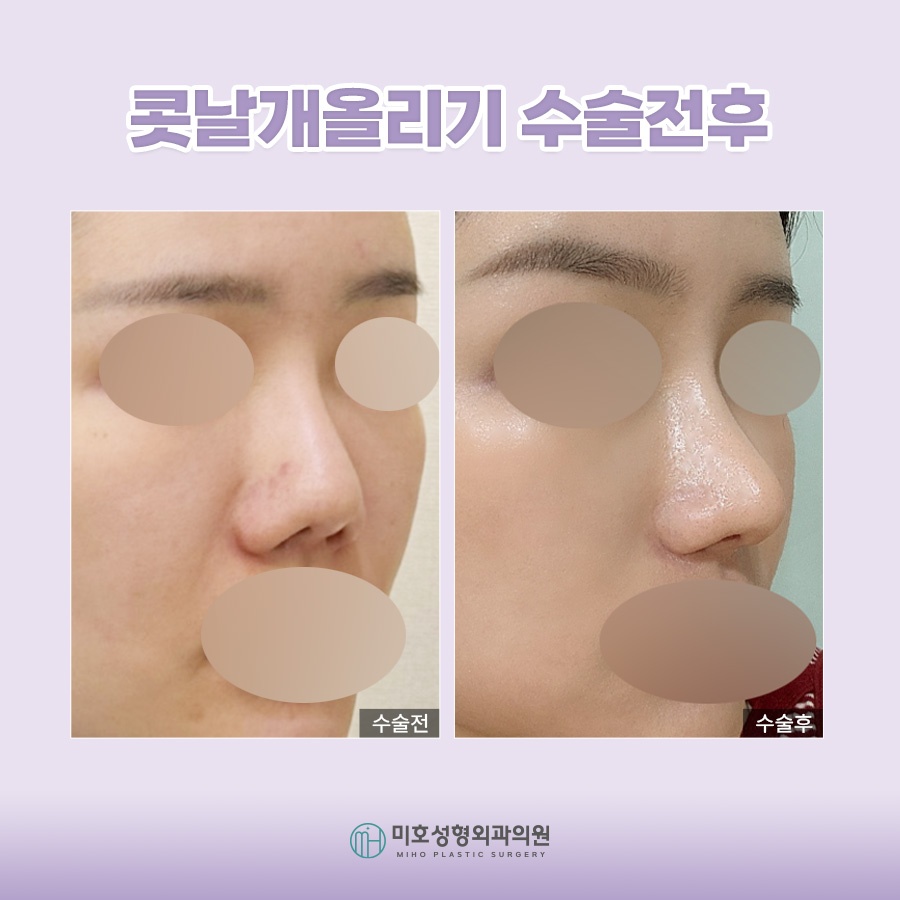
A nostril lift must be performed while considering
all of the surrounding proportions, as well as the height
and position from the side, and care must be taken so that
the left and right sides remain symmetrical.
For this reason, clinical experience related to having an aesthetic sense
also affects the outcome.
To positively enhance your impression while lifting and refining
the spread-out, blunt-looking nostrils into a shape that harmonizes well
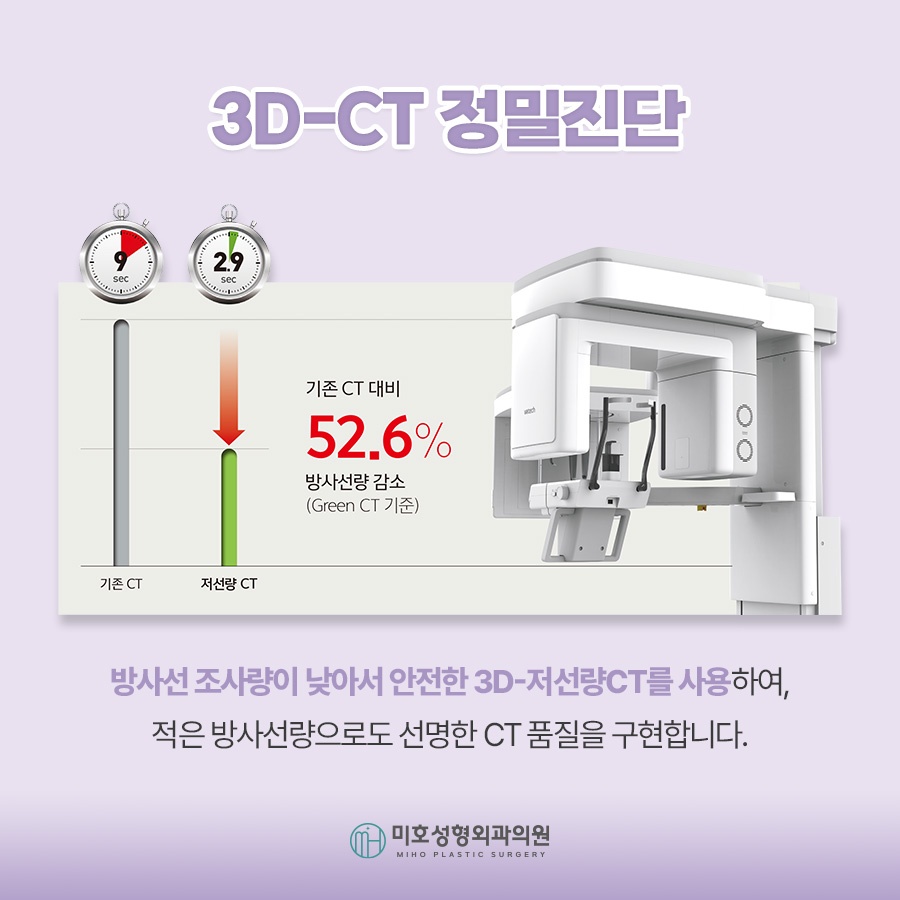
from both the front and side, remember that preoperative examinations
and precise, careful design must be carried out together.



Previous image
Next image