
Among the features of the human face,
the most structurally noticeable part first
is the shape of a symmetrical nose.
In particular, if the alae are blunt and wide,
the first impression can seem dull or
somewhat old-fashioned.
That is why, recently,
many people have been considering
nasal alar reduction
as a way to improve their image.
At this time, rather than setting the goal
simply as reduction,
you should design the plan in a direction
that suits your face shape and can
naturally bring out your features.
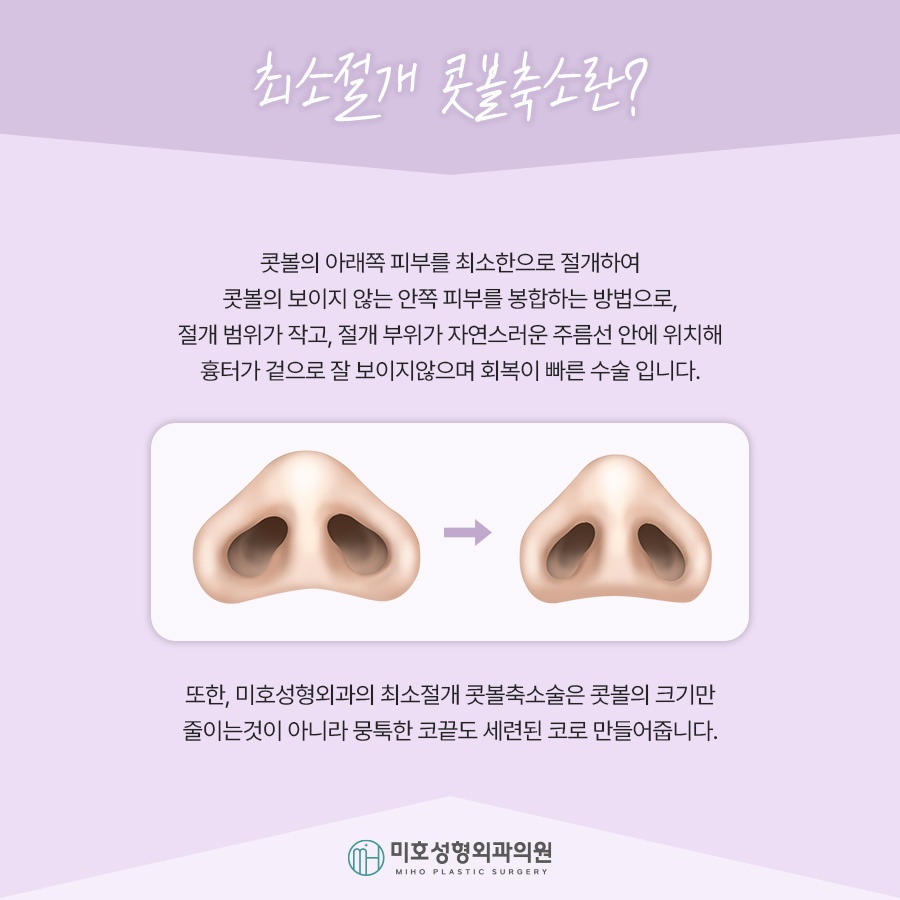
Nasal alar reduction is a method of
narrowing the widely spread alae to
organize the overall balance.
It is not simply about reducing size,
but a way to naturally match the shape
of the nostrils and the left-right balance.
Most people have alae that appear
broad and blunt, and if the bridge is
also low in that case,
you should consider what kind of image
will appear after reduction.
For a natural and refined image,
it is advisable to make a careful and
systematic check in advance and decide
after confirming whether there are any
other issues or difficulties.

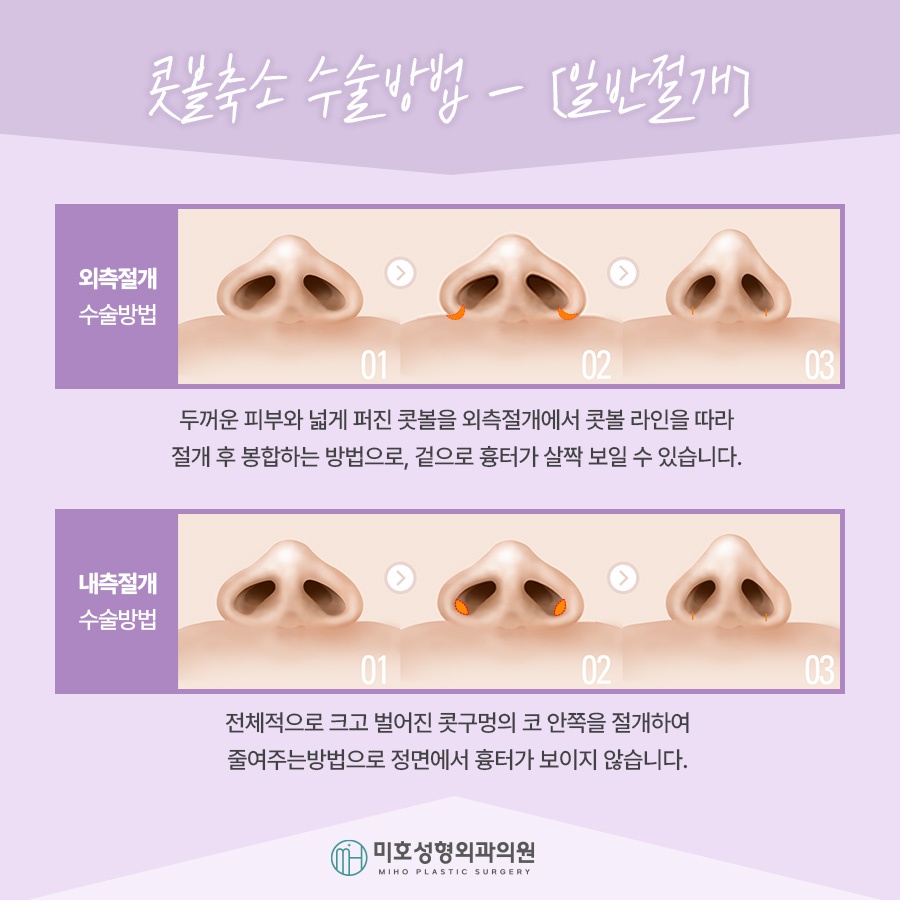
There are several types of nasal alar
reduction methods, but they are usually
divided into external incision and
internal incision.
The former makes the incision along the
alar line, while the latter makes the
incision inside the nose rather than on
the outer surface.
Each has its own characteristics, so
after examination, an appropriate method
is chosen according to your condition.
Because the suitable approach may differ
depending on an individual's alar
thickness, skin condition, and degree of
flaring, it is necessary to receive a
detailed examination before choosing.
Recently, with an emphasis on naturalness,
many cases use a combined method that
does not widen the range of line creation
and can reduce the alar and nostril space
by suturing the invisible inner tissue.

If the shape is relatively simple,
an internal incision may be sufficient,
but if the nose shape is not typical or
the cartilage arrangement is complex,
it is better to consider this care method
that makes use of the advantages of both
authternal and external incisions.
It is also chosen as a suitable method
for those who want to improve their image
naturally rather than making excessive
changes, or for those concerned about
scarring.
In particular, for those who want a more
refined image while maintaining their
current impression rather than greatly
changing the facial proportions,
it is recommended as a more appropriate
direction.
As such, it is important to choose a
method by comprehensively considering the
individual's nasal structure, tissue
condition, and degree of alar flaring.
Planning around balance rather than forcing
correction helps increase satisfaction
afterward.
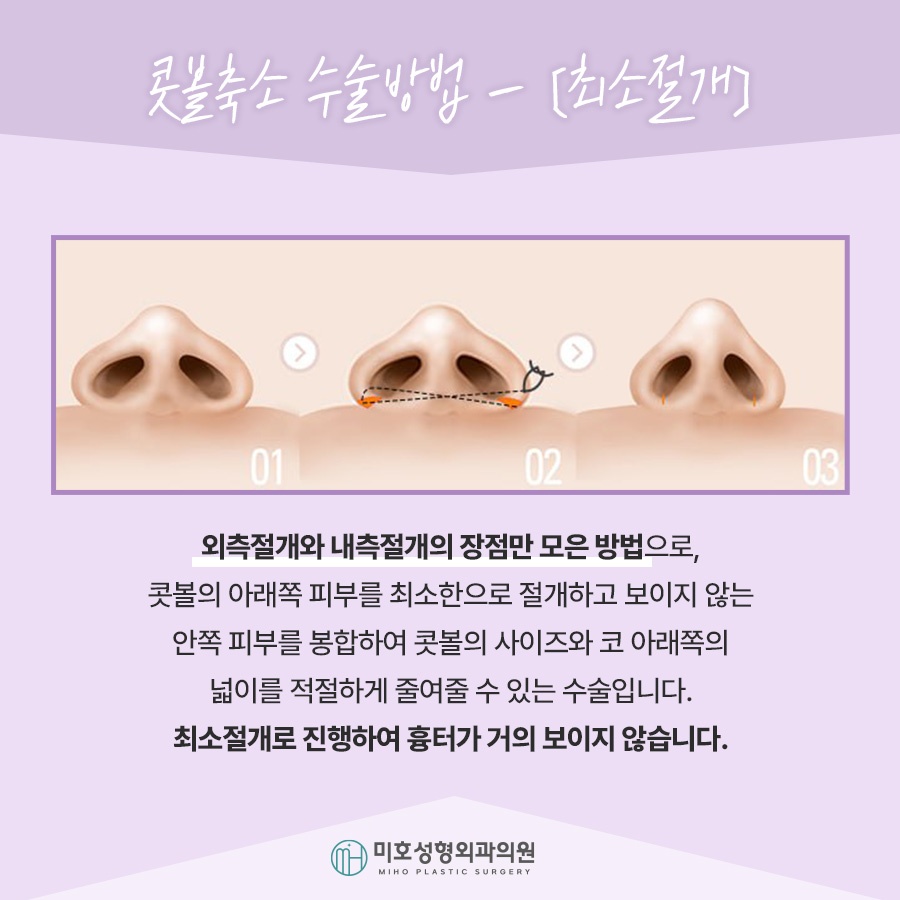
The combined nasal alar reduction method
uses the advantage of reducing scars
through an internal incision while also
enlarging the correction range of the
external method, allowing for a more
precise design and meticulous improvement.
It can create a softer change in impression
without harming the harmony with the
existing face, and because it proceeds
with a balance-centered design rather than
overly aggressive excision, it can have a
positive effect on maintaining stable
results without awkwardness over time.
After carefully checking aesthetic factors,
including the nasal line that matches the
bridge, detailed design is carried out.
The second advantage is that recovery
burden is relatively lighter.
Because the range of line creation is not
large, tissue damage is less, and swelling
and bruising tend to appear less.
As a result, you can return to daily life
without much burden, and because there is
no feeling of foreignness, there is no
difficulty maintaining your previous
lifestyle.
In addition, because care is planned for
areas that are not noticeable, the chance
of visible traces appearing externally is
low.
Through a delicate suturing process, it
recovers naturally over time, so you can
expect a stable course without major
inconvenience in daily life.
After nasal alar reduction, you should
rest sufficiently at home and focus on
recovery.
Early care can affect the results, so
strenuous activity should be avoided and
a stable condition should be maintained.
In the early stage, care should be taken
not to irritate the treated area, and
washing the face and applying makeup are
recommended only after a certain period of
time.
Alcohol and smoking can delay recovery, so
it is better to avoid them for a certain
period.
Also, following the medical staff's
guidance, checking the progress, and
continuing ongoing care can positively
affect result maintenance and stable
recovery.
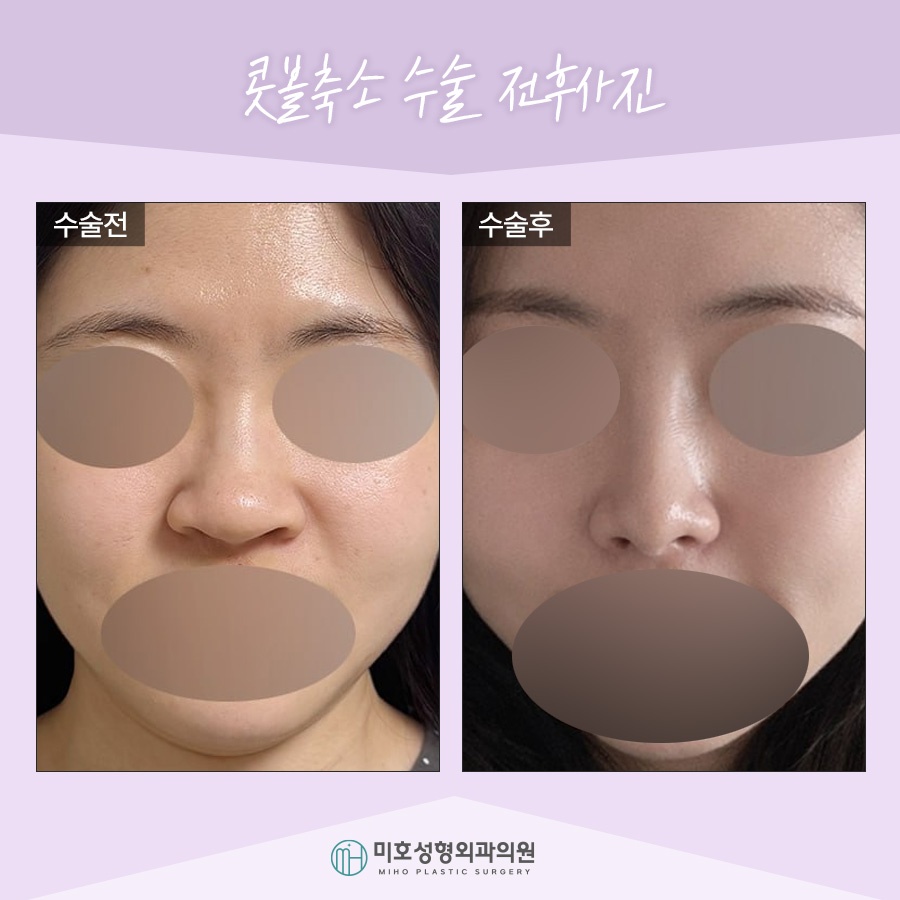
When considering this care, rather than
judging only by visible changes, the
overall facial proportions and harmony
should be considered together.
If you only reduce the size of the alae,
the balance with other parts of the nose
may become awkward, so an approach that
comprehensively considers the bridge,
tip, and nostril shape together is needed.
Also, because skin thickness, elasticity,
and the degree of alar flaring vary from
person to person, a customized plan rather
than a uniform method leads to more natural
results.
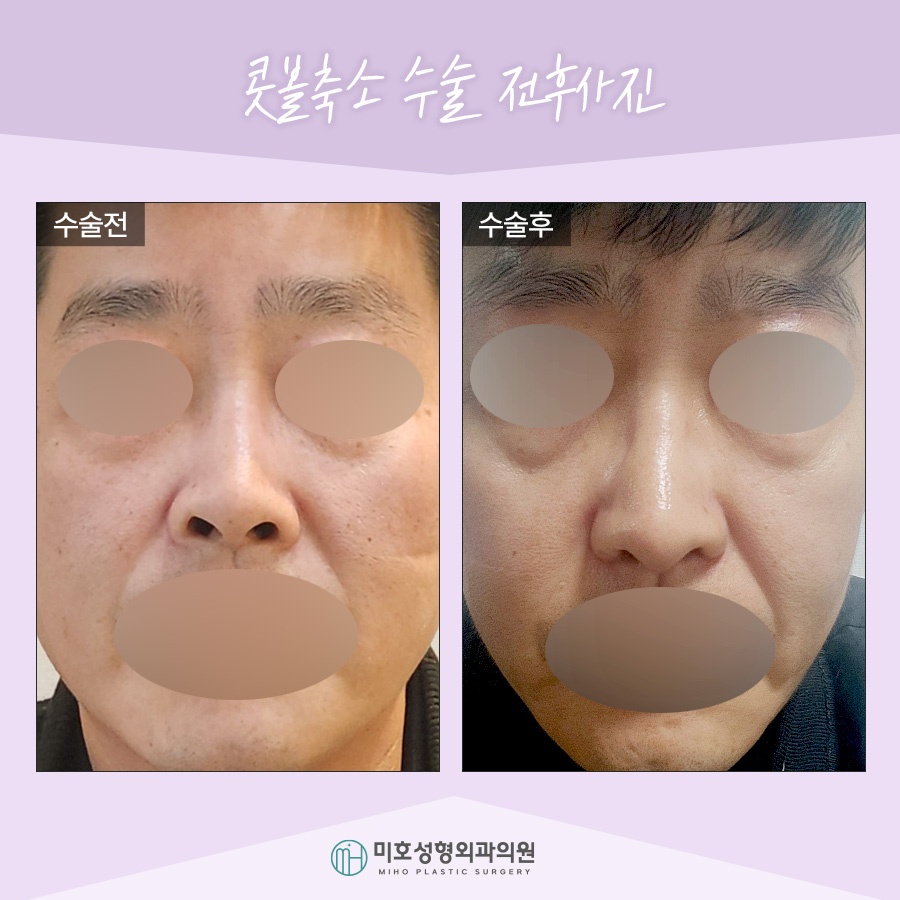
When choosing a place to receive treatment,
it is necessary to sufficiently check the
medical staff's experience and know-how.
Because this is not a simple incision but
a detailed and precise design, diagnosis
and procedures based on extensive
experience must come first.
Whether they sufficiently analyze the
individual's face shape and nasal structure
and present a direction suited to them can
also be an important criterion, so careful
comparison can lead to more satisfying
results.
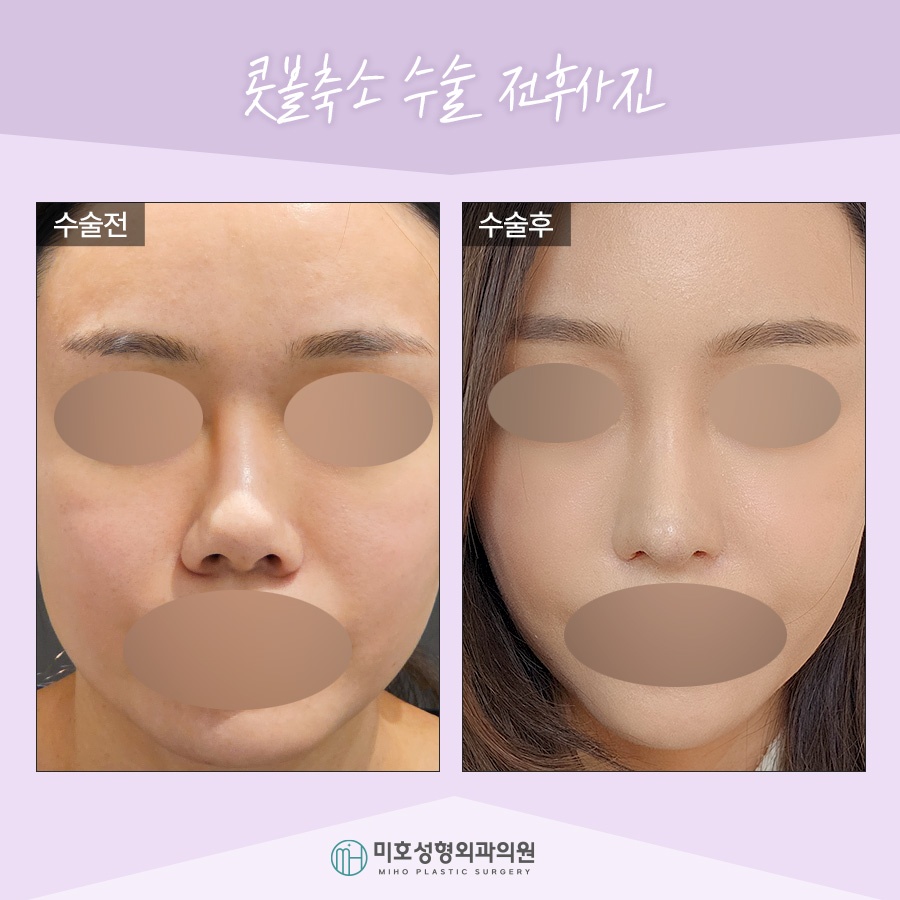
The nose is a very important area that
maintains the overall center while helping
balance the face.
When considering nasal alar reduction,
it is necessary not only to reduce size
but also to consider harmony and proportion
with the face.
If you establish a plan in a direction
that suits the individual through thorough
analysis and careful comparison, you can
see a more natural and satisfying result.
Rather than making excessive changes, it is
advisable to approach it in a way that
improves while bringing out your own image,
and it can be maintained stably without
awkwardness over time.




Previous image
Next image