
You may have spent a lot of money and time
to create a double eyelid,
only to feel upset because the line seems to have finished too thickly.
At first, you may think it is just swelling
and wait for it to go down,
but if it continues to look awkward and heavy,
your worries can only grow.
This kind of case is often described with the term
"sausage eyes."
In short, it refers to a state in which the upper tissue folds too thickly,
making the area look excessively high and puffy.
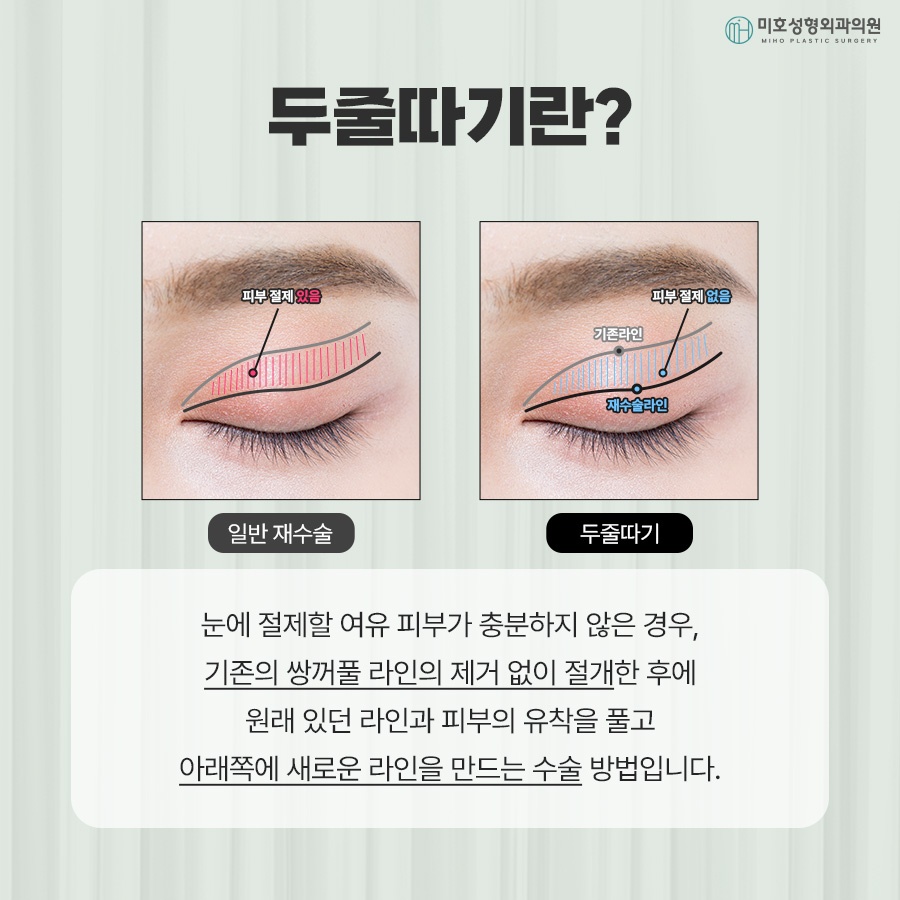
In such cases, correction using methods such as
one-line or two-line revision may be needed.
The reason this is a problem is that
when the eyes are open, the fold does not look thin and natural,
but instead curls upward in a thick shape,
making the impression appear heavy
and stuffy.
Especially when no makeup is applied,
this shape stands out even more,
which can also become a source of stress.
The cause of this appearance
is swelling that lasts for a long time.
This is because poor blood circulation
or thick skin can leave someone swollen longer than others.
Microscopic bleeding or lymphatic congestion can also
prolong edema and act as a factor that makes
two-line correction necessary.
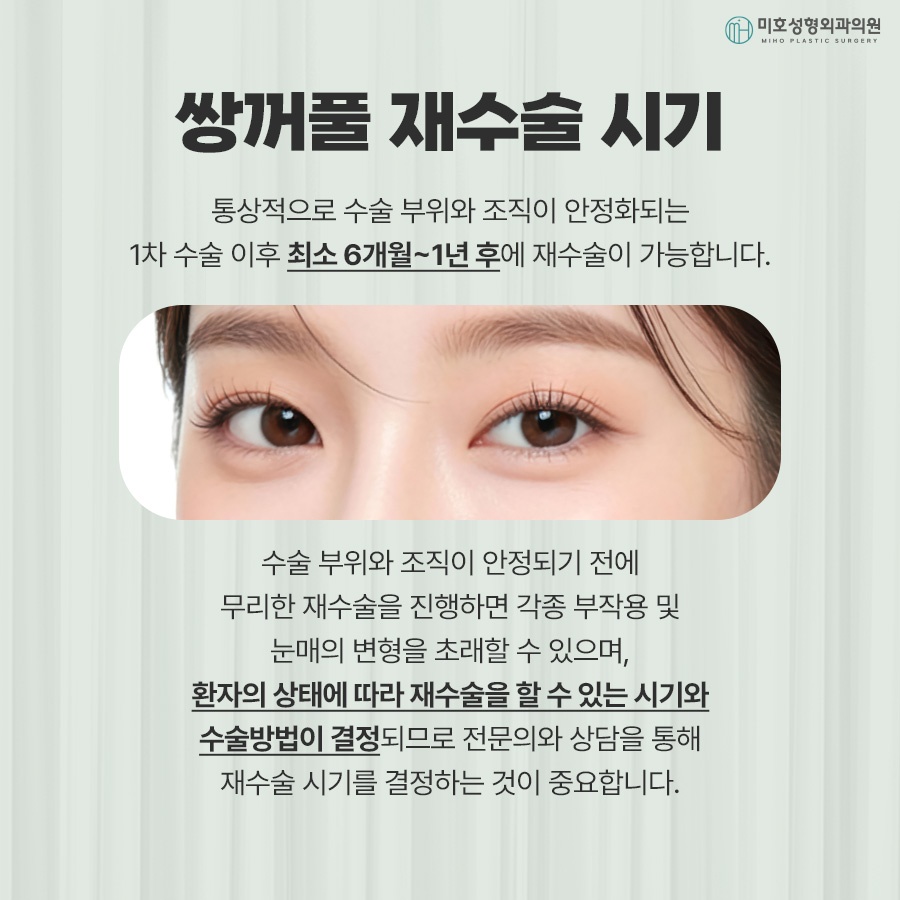
Even in cases where the body constitution tends to have a strong inflammatory response,
the tissue can become firm and continue to look swollen.
These cases usually improve gradually over time,
but if they last for several months,
it is difficult to regard them as simple edema alone.
Other structural causes
must also be checked.
It is important to comprehensively examine
whether the double-eyelid line is in the proper position,
how thick the eyelid skin is,
how much internal fat there is,
and whether there is scarring or adhesion,
and then plan a correction method
such as two-line revision.
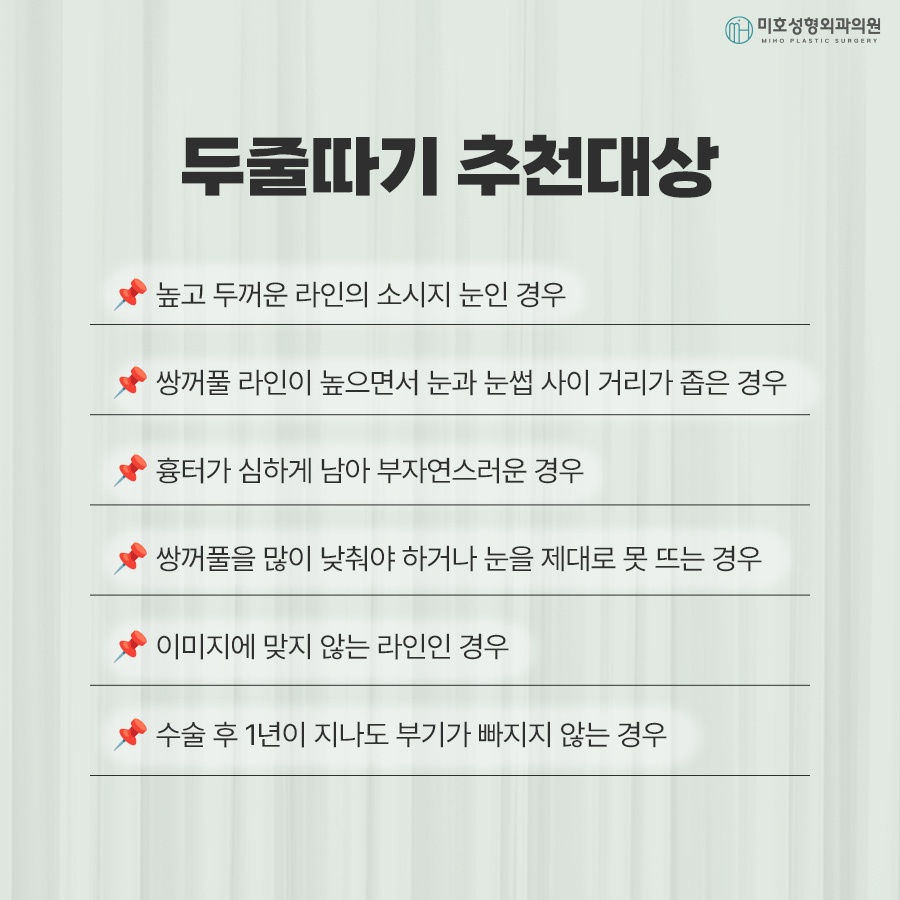
If the line has been set too high,
the skin that folds when the eyes open
will curl upward in a thick layer,
creating unnatural volume.
If the tissue around the incision line has also
hardened and become firm,
it can stand out even more.
This is because natural movement
is restricted.
As such, not only the height of the double eyelid
but also factors such as fat distribution and the degree of adhesion
may work together in complex ways,
so before looking into improvement methods,
it is important to carefully examine the current condition.
One method for correcting this problem
is one-line revision.
This is a method of achieving improvement
within a single incision line based on the existing double eyelid.
It is advantageous when the line is not set very high
and the adhesion is not severe.
The incision is relatively simple,
and because it does not significantly disturb other tissues,
it allows fine adjustments,
and the healing process is relatively stable.
However, there needs to be some spare skin
for natural-looking results to be expected.
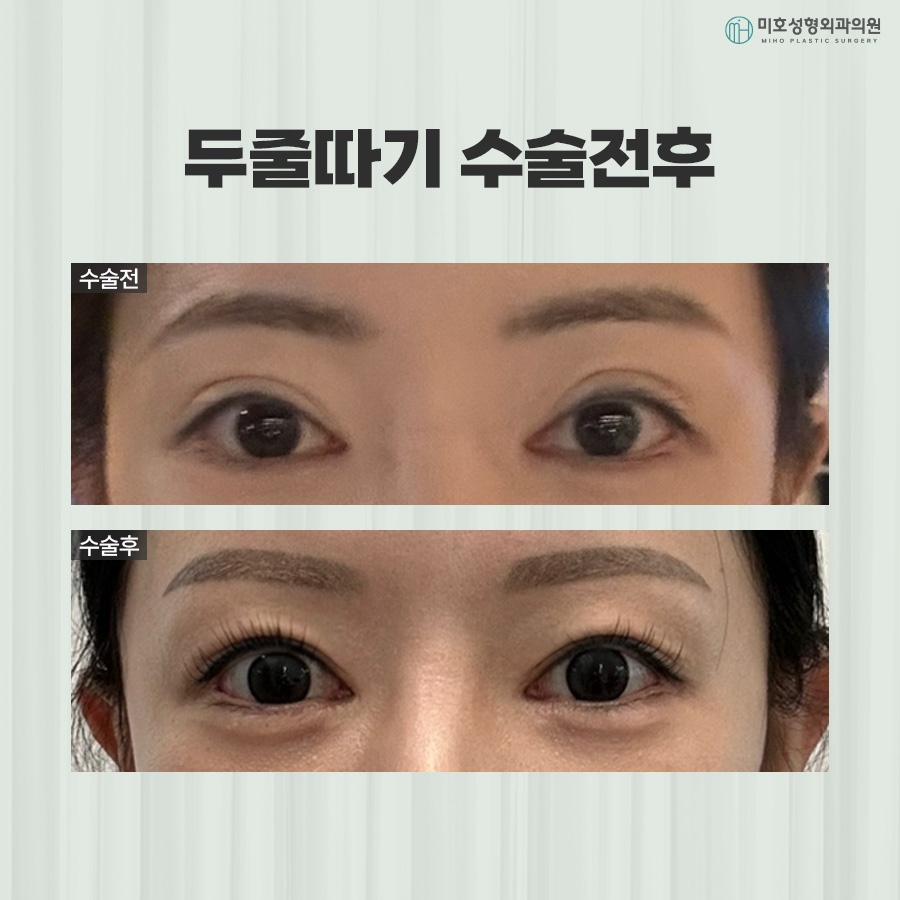
On the other hand,
two-line revision can be understood as a somewhat more active
corrective method used when the skin above the eye is insufficient
or the existing double-eyelid line is too high and therefore unavoidable.
This is because it involves handling both
the previously high double eyelid
and the newly created lower line at the same time.
The key point is to release the unnatural adhesion through this process.
To put it simply, it is a method of reorganizing the structure itself.
In this process, it can also help reduce scarring
and normalize movement between tissues.
However, compared with one-line revision,
it is more difficult,
so a more delicate approach by a medical team with abundant experience is needed.
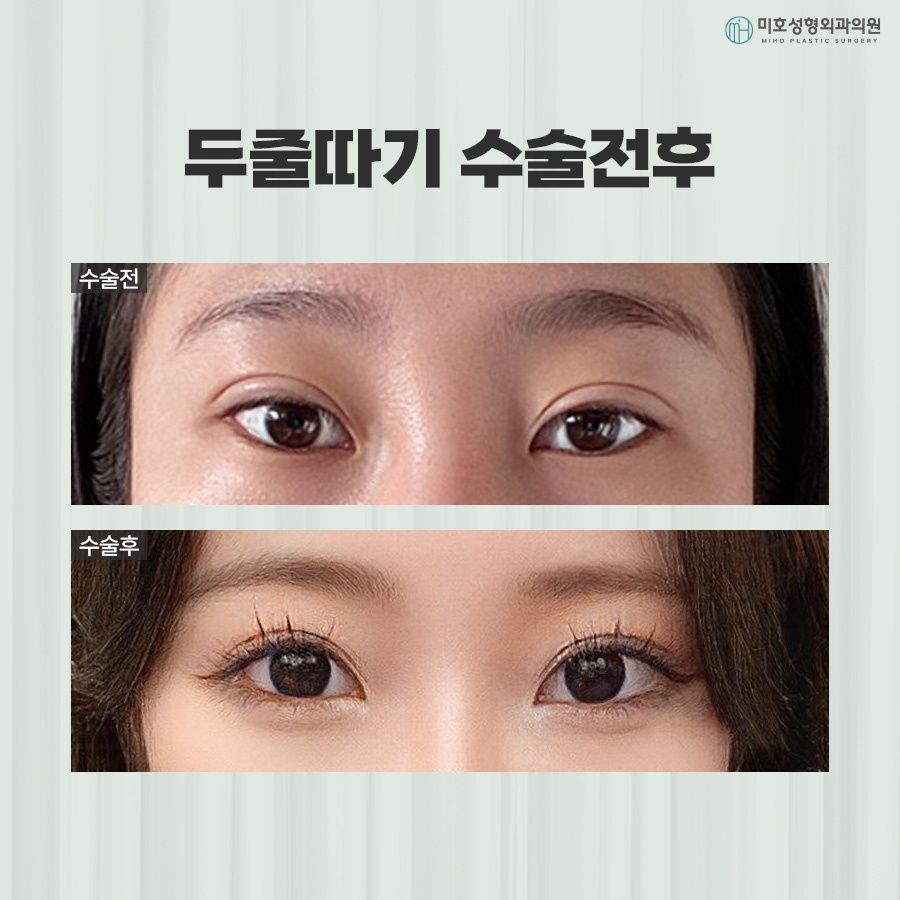
This correction method involves a much more complex process
than simply lowering the line.
If conditions such as existing scarring, adhesion,
and the amount of spare skin are not suitable,
a new double eyelid is harder to settle naturally.
If eyelid strength is weak,
ptosis correction may also need to be performed together
to achieve balanced results.
It is not applied in exactly the same way to everyone,
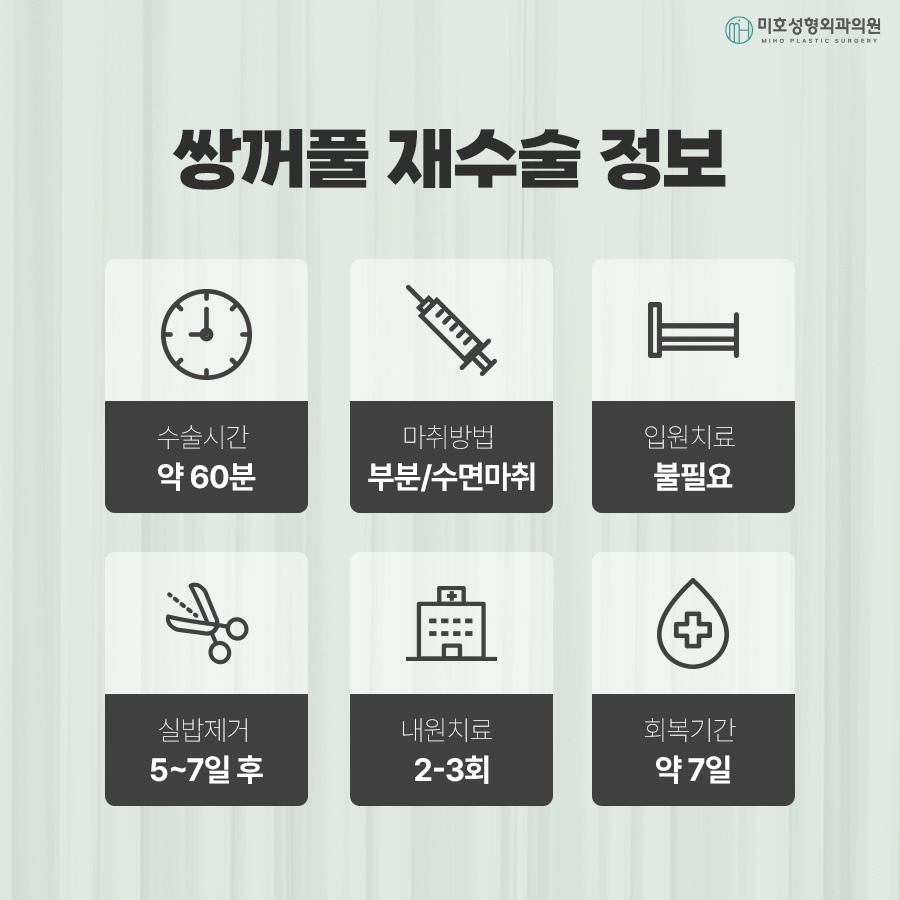
but as the incision range generally becomes wider,
the healing stage must also be carefully considered.
Therefore, detailed discussion with the medical team
and a proper diagnosis should come first.
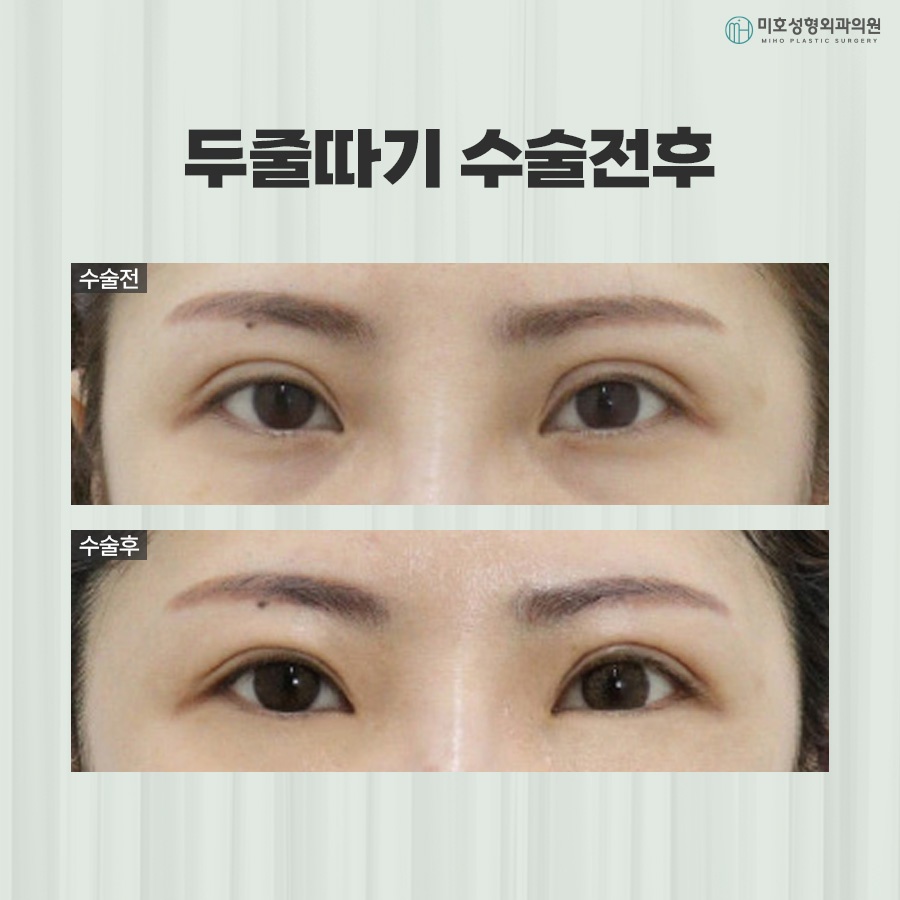
In the end, what matters is not simply drawing a new line,
but first analyzing why the sausage-eye appearance developed.
It is important to consider how the internal eyelid tissue is attached
and how strong the adhesion is.
It is also necessary to check whether the muscle that opens the eyes
is functioning normally.
Only when these factors are balanced
can a natural result finally be achieved.
Therefore, it cannot be definitively said that one-line or two-line revision is better;
the key is to choose the method that fits each person's condition.
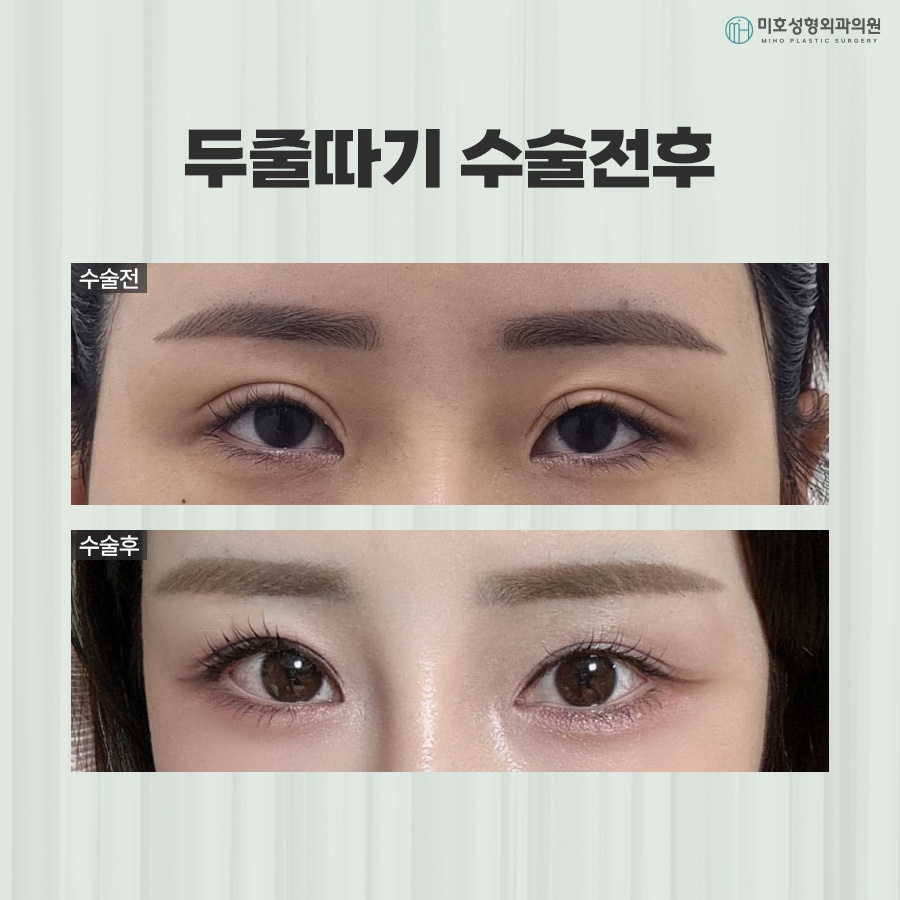
If you want to address the existing and new lines at the same time,
you should visit a medical institution known for a high level of precision.
If you visit a place where medical staff with experience handling various cases are available,
you may receive help with making more detailed judgments
based on their extensive experience.
In addition to closely analyzing each person's eye condition,
they should also realistically explain the possible outcomes.
It would be even better if they also had a system
that can systematically manage the healing process afterward.
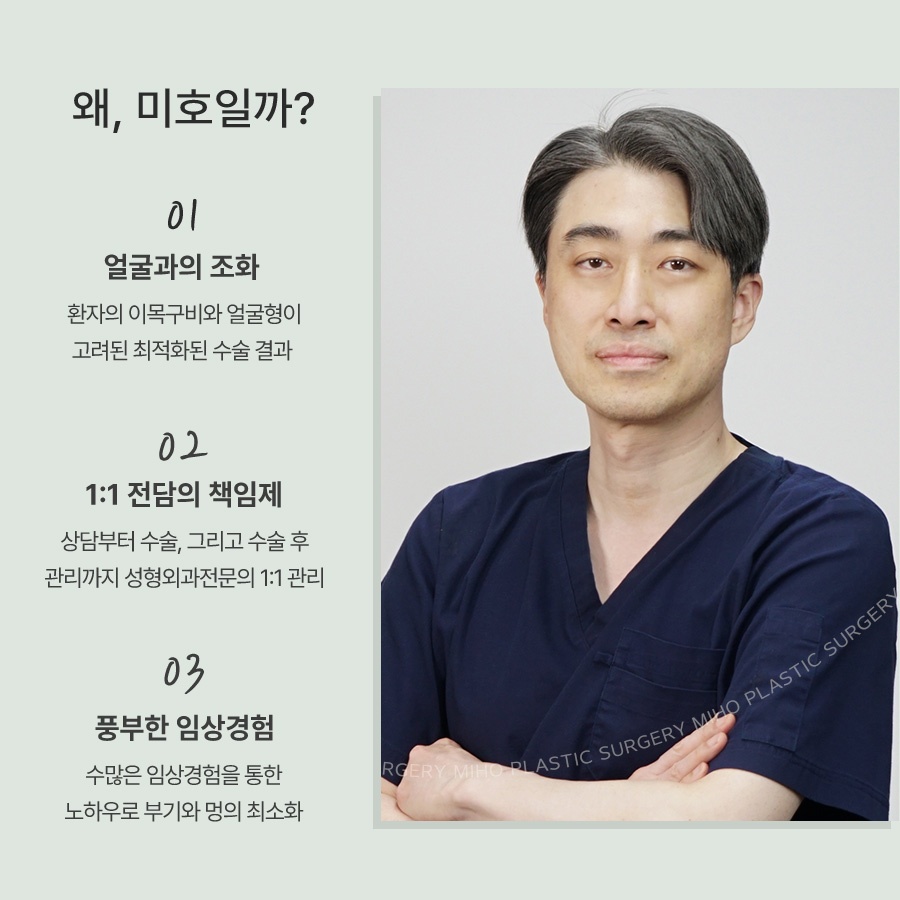
A place with the characteristics described above
is Miho.
With experienced medical staff on site,
they help set an improvement direction through sufficient discussion,
along with detailed diagnosis and planning,
and they also have equipment that can monitor each person's vital signs
in real time.
If needed, referral to a higher-level medical institution is also possible,
so you can undergo surgical treatment with greater peace of mind.
Even when it comes to improving sausage eyes,
we promise to consider the advantages and disadvantages of both
one-line and two-line revision
and determine the method that is more suitable for each person.


Previous image
Next image