
The nose sits at the center of the face and has
a major impact on first impressions.
Even small differences in angle, height, and width
can change the overall image,
so many people consider improvement.
Finding a solution that fits me exactly
was more difficult than expected.
To bring out one’s original charm
and create harmony with the facial features,
a thorough consultation with the medical staff was necessary.
After extensive discussion,
non-implant nose surgery or
another method could be chosen.
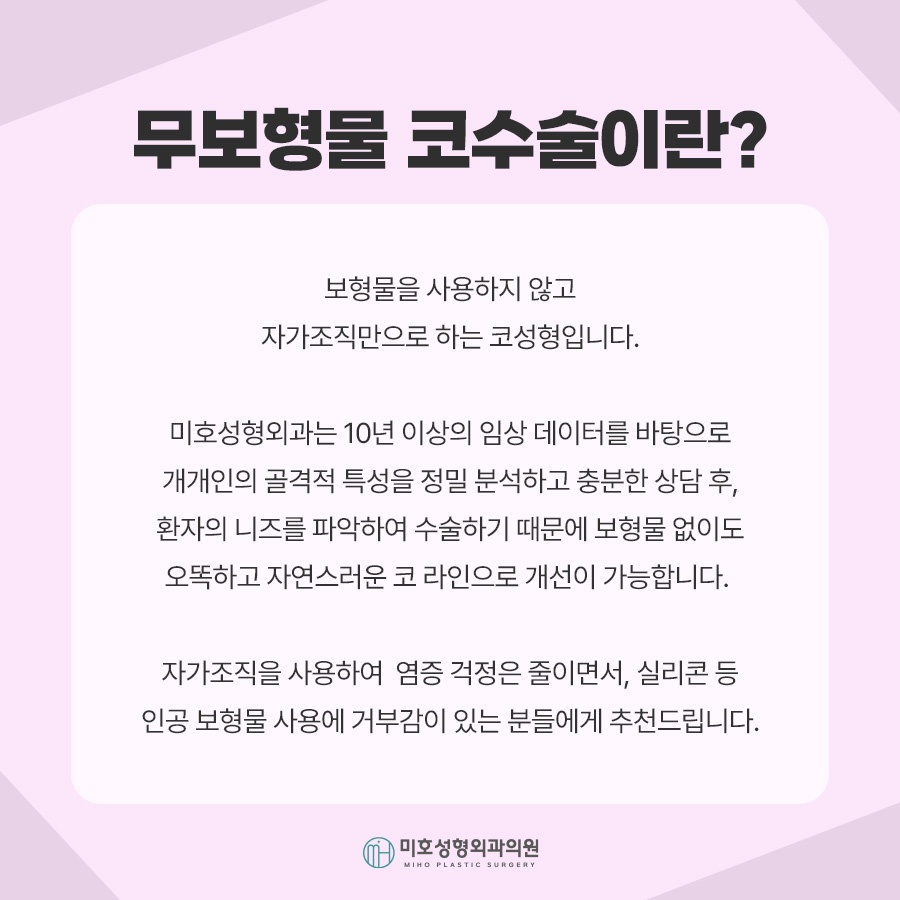
In the past, artificial implants such as
silicone and Gore-Tex were widely used.
As trends changed, aesthetic standards also
shifted, and rather than something flashy or artificial,
a natural look became preferred.
To create a natural line that looks
as if it had been that way since birth,
people often chose non-implant nose surgery.
By using autologous tissue,
it became possible to avoid side effects such as
inflammation or implant visibility through the skin
and create a harmonious line.
In addition, the angle and position could be adjusted
more precisely,
and aftereffects could be prevented.
There were several types of
autologous tissue used in non-implant nose surgery.
Because each cartilage type has different characteristics,
it was important to choose carefully,
taking into account the purpose of improvement
and the current shape.
For example, septal cartilage
could stably form a high nasal tip line
and support the tip of the nose.
However, because the amount is limited,
it may not always be usable.
Ear cartilage is easy to process and reshape,
so it was used when improving the height and curve of the tip
or the natural step of the bridge.
When strong support was needed,
rib cartilage was harvested and inserted.
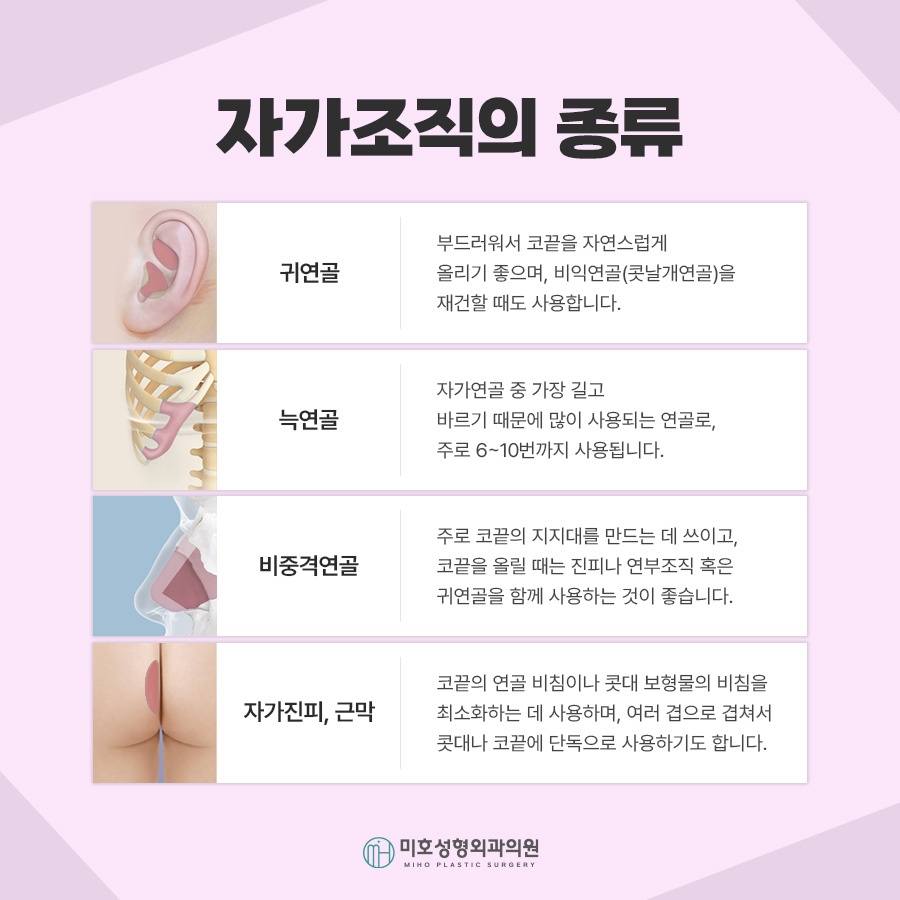
As shown above, the characteristics and applicable areas
differed depending on where the tissue was harvested.
Because this also affects the outcome,
a detailed diagnosis was needed
to identify suitable options.
To create a smooth line extending
from the bridge to the tip of the nose,
it was necessary to refine the bridge.
If a hump-like bone protruded,
it could be shaved down or osteotomized,
and if the angle itself was set too low,
cartilage could be inserted to raise it.
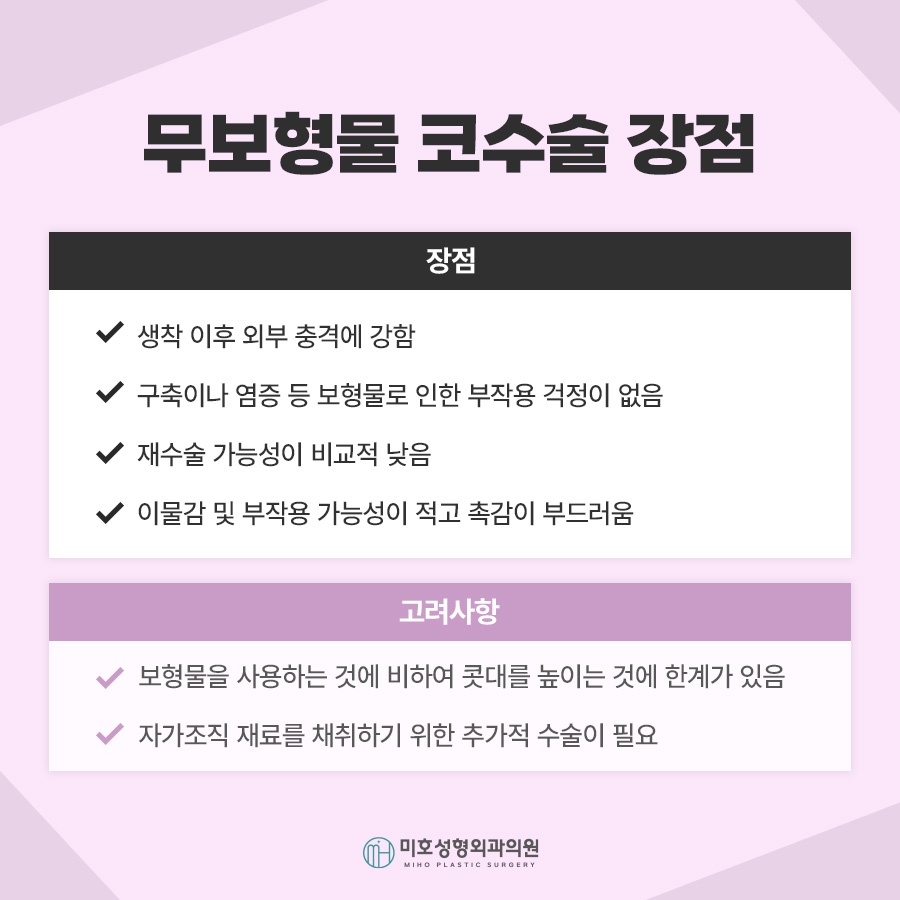
Autologous cartilage is harvested from the body,
so compared with artificial implants,
it tends to cause less inflammation, foreign-body sensation,
and rejection.
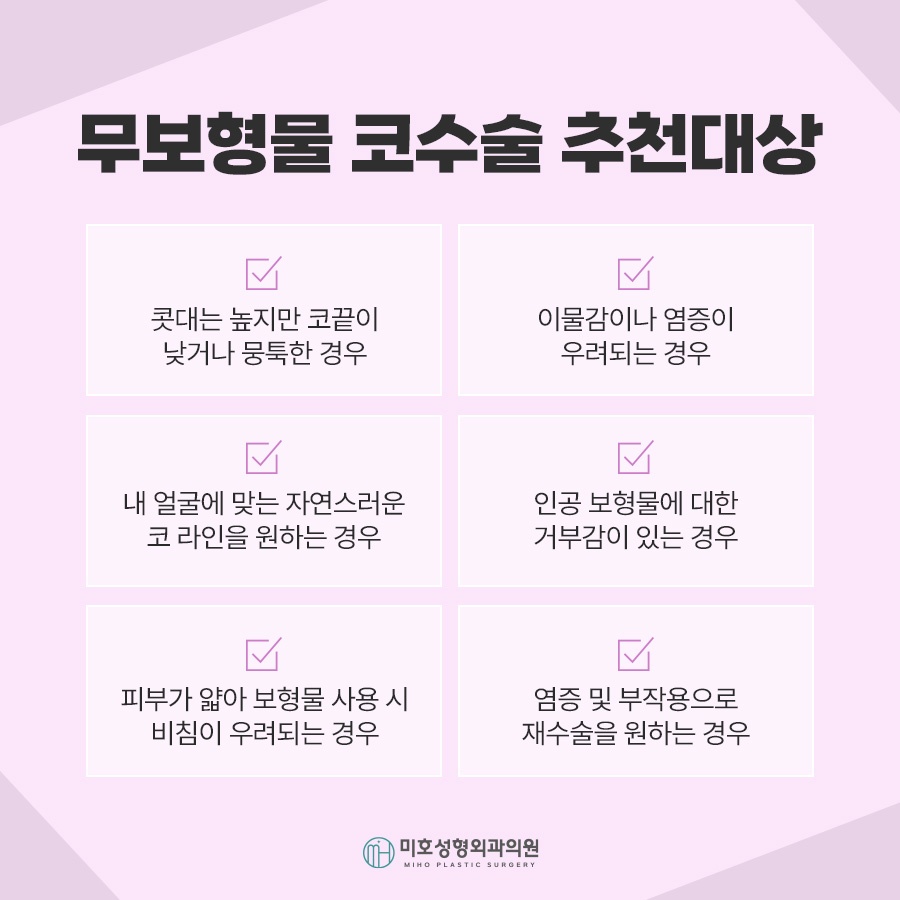
As these advantages became widely known,
many people began wanting non-implant nose surgery.
However, depending on the site from which tissue is harvested,
additional care may be needed.
Recovery time may also be extended,
and depending on the situation,
this solution itself may be difficult to apply.
If the amount of autologous tissue is insufficient,
the procedure itself may be difficult,
and if the skin is too thick or too thin,
it may also be difficult to apply.
If this is not recognized in advance
or is ignored and the procedure is pushed too far,
the result may look unnatural,
leading to lower satisfaction.
Disappointed by the changed appearance,
some people may become reluctant to meet others
or decide to try again.
Need for a step-by-step process
To prevent these situations,
it was necessary to receive help
by proceeding step by step.
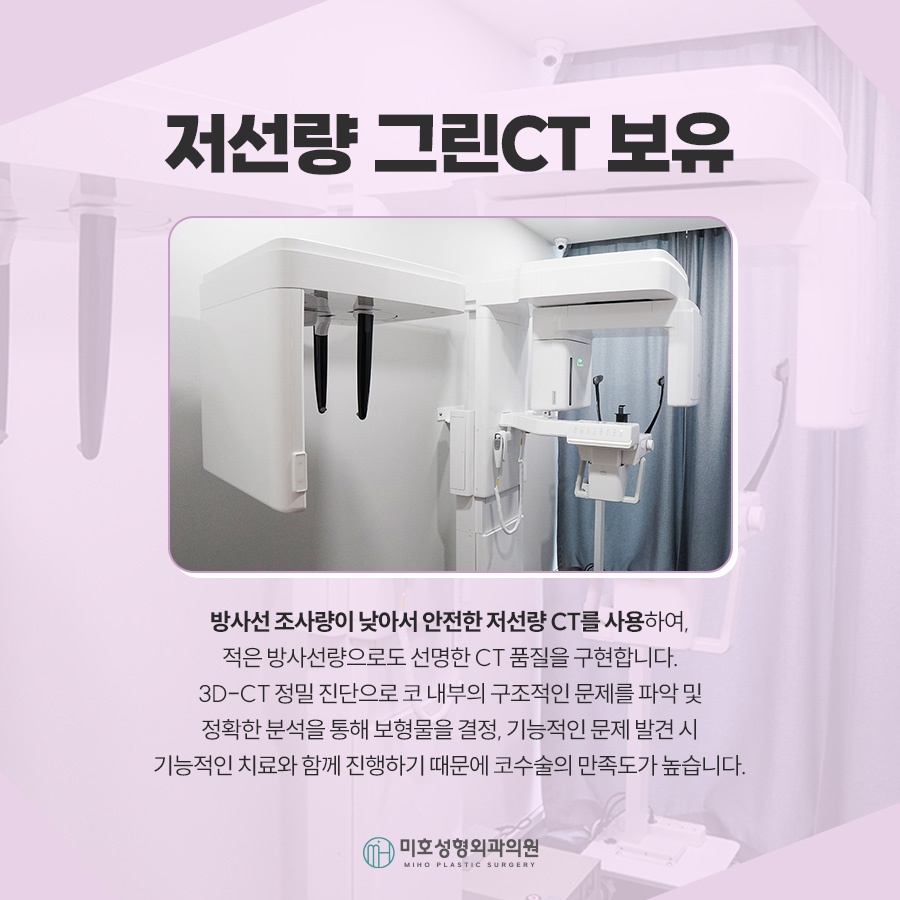
Before harvesting cartilage,
it was important to determine whether the amount was sufficient
and whether it was a suitable material for the intended area.
After tissue is harvested, bruising, swelling,
and pain may be felt temporarily,
and additional care is required;
you should be informed in advance
that recovery time may be longer.
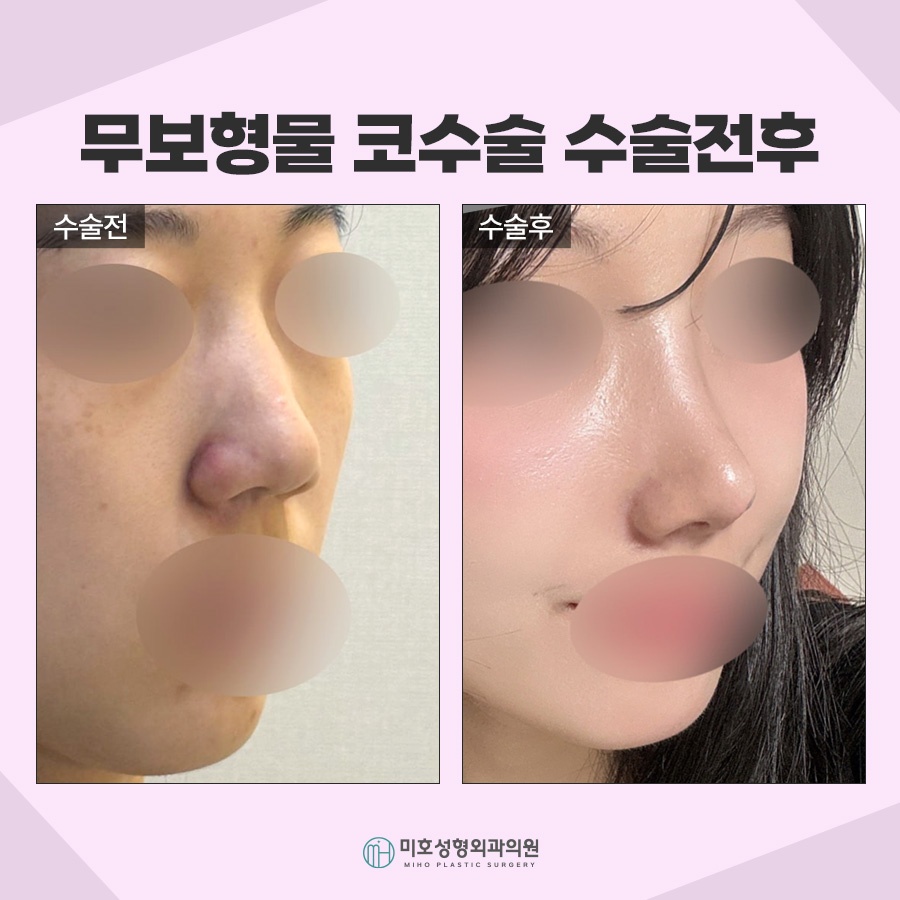
Non-implant nose surgery takes about 1 to 2 hours.
This is only an average, and if it is a revision,
if the internal condition is not good,
or if there are difficulties with harvesting and processing,
the time may be longer.
For 1 to 2 weeks after the procedure,
noticeable bruising and swelling occur,
and pain may also be felt at the incision site.
For the inserted tissue to settle stably
and recover, effort at home is also needed.
Some people think that since no artificial implant was used,
they can return to daily life immediately.
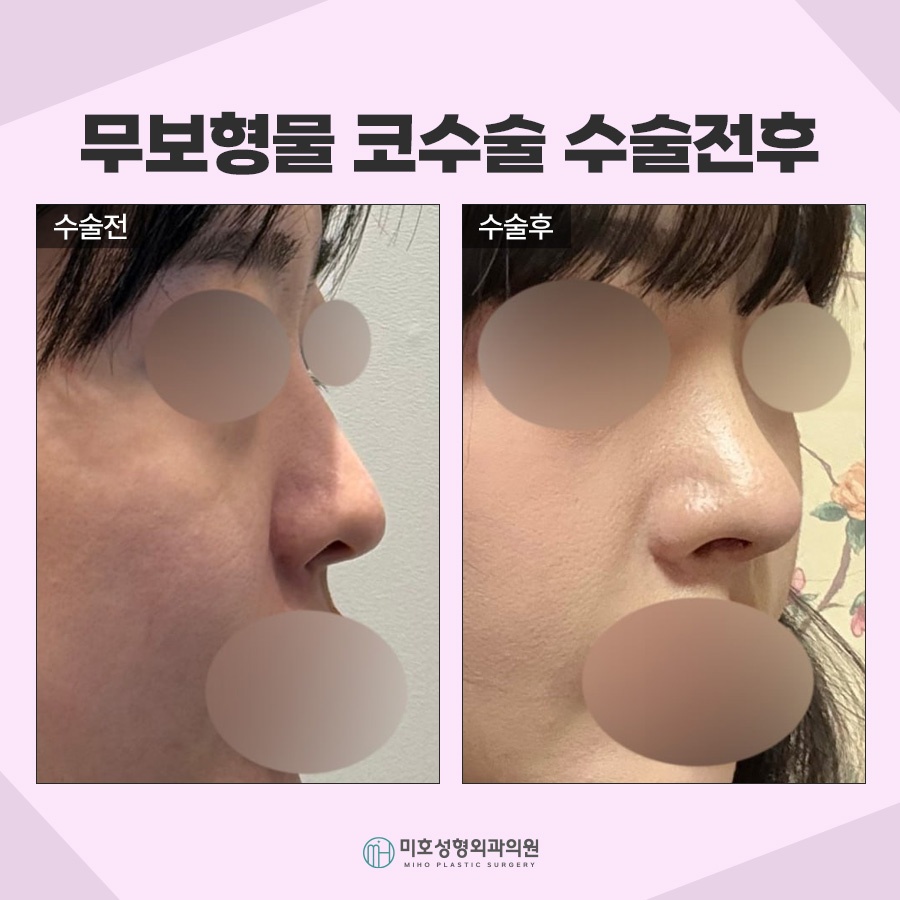
However, you should be aware in advance
that the recovery period may actually be longer
because care for the harvest site is also added.
The cost can also vary greatly
depending on the case.
The type of autologous tissue,
the procedure method,
the correction purpose,
and the current condition
can all affect the price range.
The most advisable approach is to consult
multiple medical institutions to understand
how the pricing is set.
It is recommended to avoid places that are too cheap
or too expensive, and to ask carefully
whether aftercare or other costs are included
in the estimate.
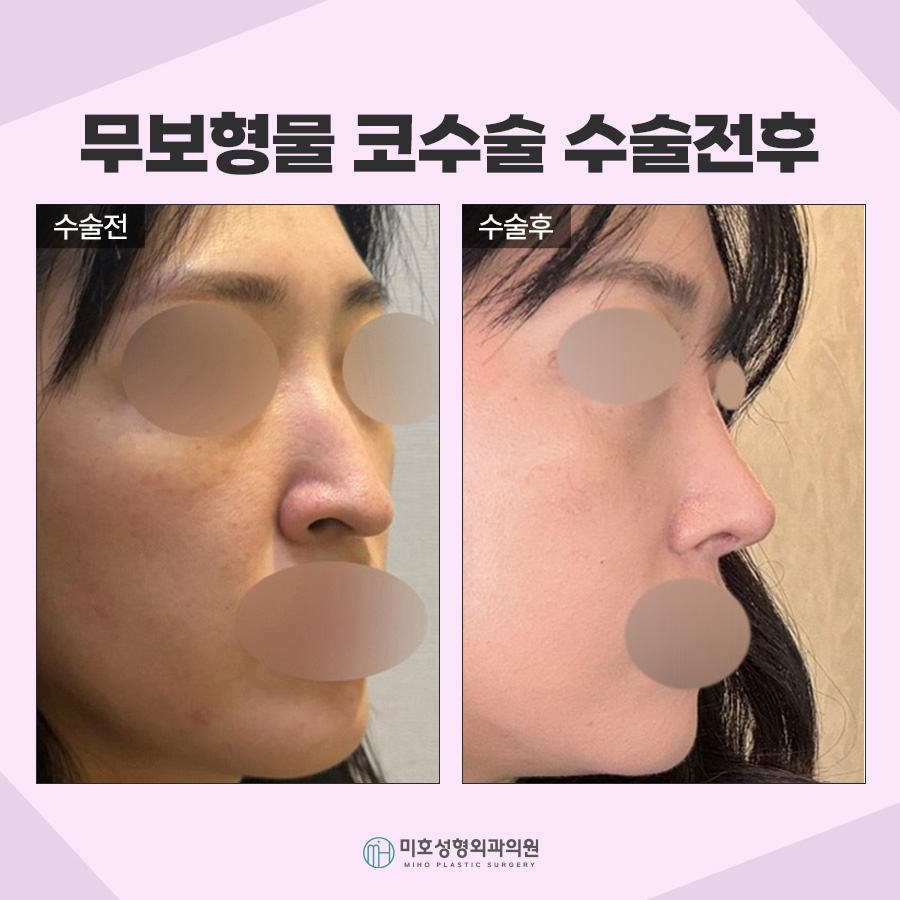
Things to check during consultation
The information provided during consultation
varies slightly by medical institution.
It is good to check in advance whether they
understand each candidate’s structure
and propose a customized design,
and whether they continue to monitor progress
and provide ongoing checkups during recovery.
Even if the outside looks similar,
each person’s internal nasal structure and problems
are different,
and the desired shape also varies,
so it was important to proceed in a balanced way.
Rather than recommending only one method unconditionally,
it was also necessary to see whether
they suggest other options according to the situation.
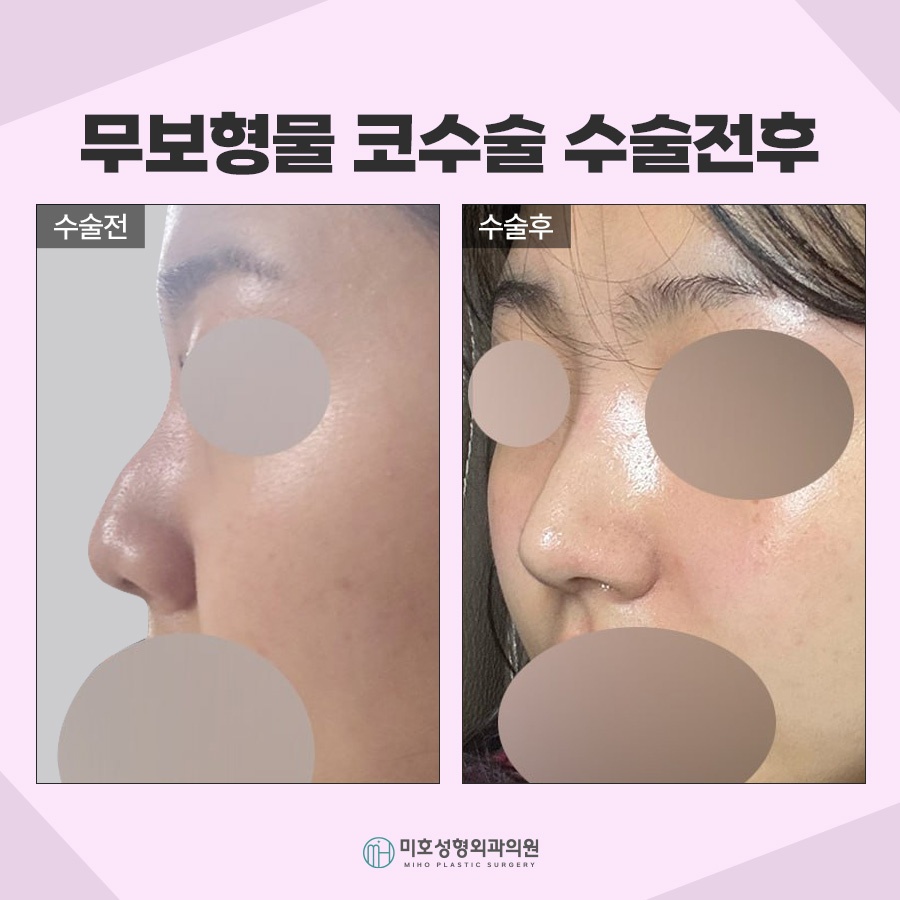
As medical technology has advanced,
it has become possible to improve the shape of the nose
through non-implant nose surgery without inserting
an artificial implant.
By finely adjusting the width and angle of the tip,
the alar area, and the bridge line,
it became possible to get closer to the ideal one seeks.
One point to note here is that the nose is responsible
not only for appearance,
but also for important functions such as breathing
and sensing smell.
If you are experiencing functional discomfort,
it is advisable to make a plan that addresses this
at the same time.
I hope you can get closer to your desired look
at a place where step-by-step care
and continuous monitoring are provided together.


Previous image
Next image