
It may normally look fine, but
when you smile or slightly lift your head,
if your nostrils are the first thing that catches the eye,
your entire expression may appear somewhat light.
Especially in a side view in photos,
if the central area feels short,
it can be difficult to know
what needs to be changed.
Upturned nose surgery examines these concerns
not simply as a matter of height,
but as a combination of
length, angle, and degree of exposure.
The starting point is not choosing the desired shape,
but first distinguishing
when the nose appears to turn upward.
整理ing the situations that you have disliked
can also help determine the direction.
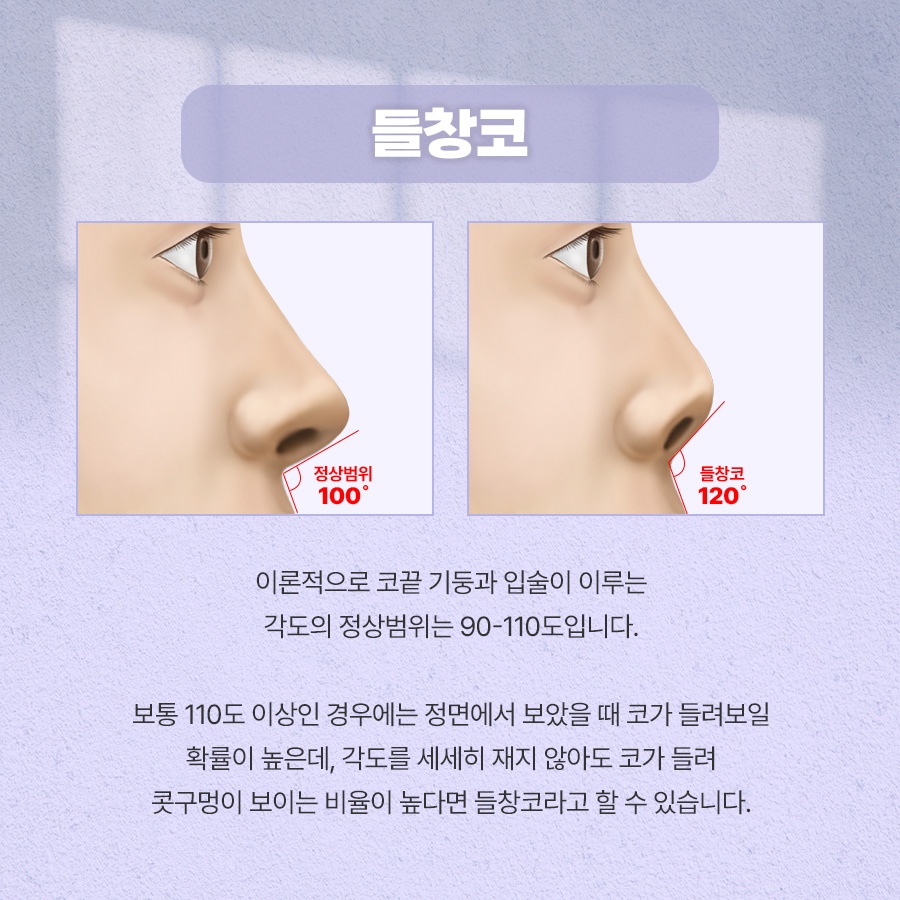
The first area to examine
is the angle where the columella meets the philtrum.
When this angle appears large,
there is a greater possibility that
the tip will give a stronger impression
of pointing upward.
When considering upturned nose surgery,
it can be easy to overlook the cause
if nostril exposure is used as the only 기준.
Starting with the position of the alar cartilage,
the degree of skin tension
and the length of the central area
also work in different ways.
Even when the nose looks fine from the front,
it may still feel short from an oblique angle.
The range of possible changes becomes more specific
when several directions are compared together.
Some people think it will be solved
if the tip is lowered significantly,
but in reality, it is not that simple.
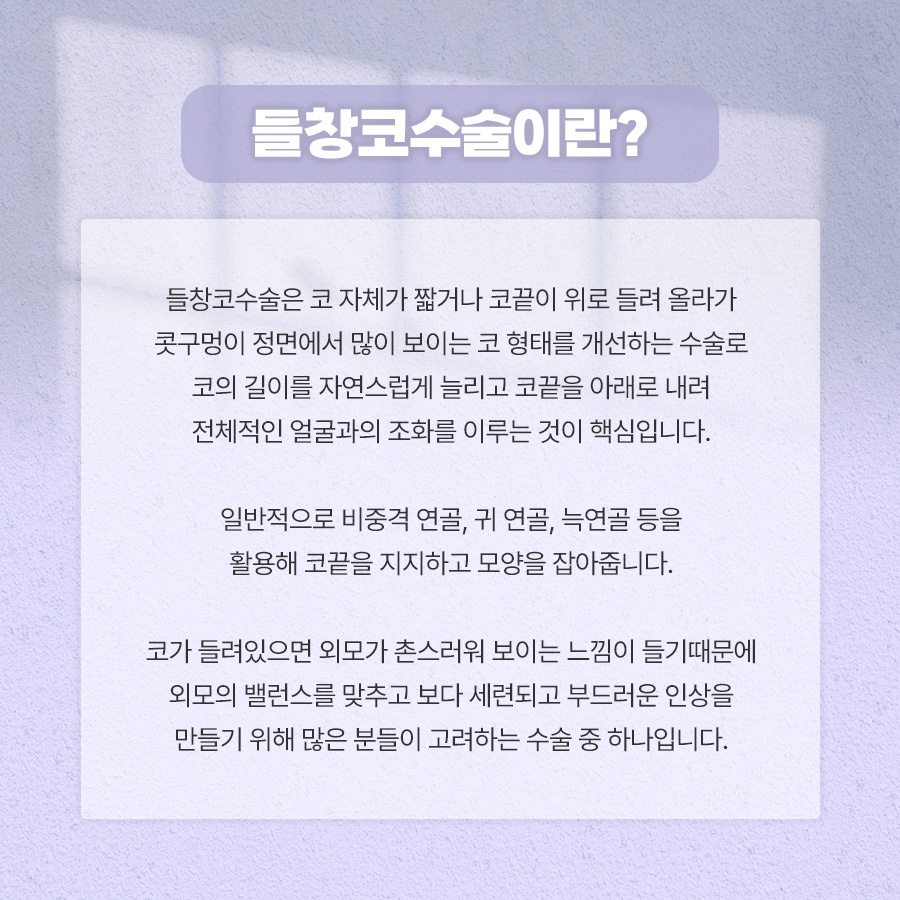
With upturned nose surgery,
rather than forcibly pulling the tip downward,
it is important to create a structure
that can provide stable support.
If there is insufficient skin laxity,
it may be difficult to expect a major change,
and if cartilage support is weak,
the initial shape may be difficult to maintain for long.
The plan may vary depending on
whether the columella is relatively short,
whether the nasal wings are rolled upward,
or whether the tip has a greater degree of rotation.
Even when they appear similar on the outside,
the internal conditions may be entirely different.
It is also necessary to distinguish between the causes.
Some people have appeared to have a short nose since childhood,
while for others, changes in facial proportions over time
have made the exposure more noticeable.
Some people also experience
a feeling that the nose has been pulled upward
after undergoing previous changes related to the nose.
The approach differs depending on
whether the shape is congenital,
caused by skin tension,
or related to insufficient support.
Simply deciding to lower the tip
may make the central area look awkward.
The balance with the lips, jawline,
and midface must also be considered
to create a natural-looking impression.
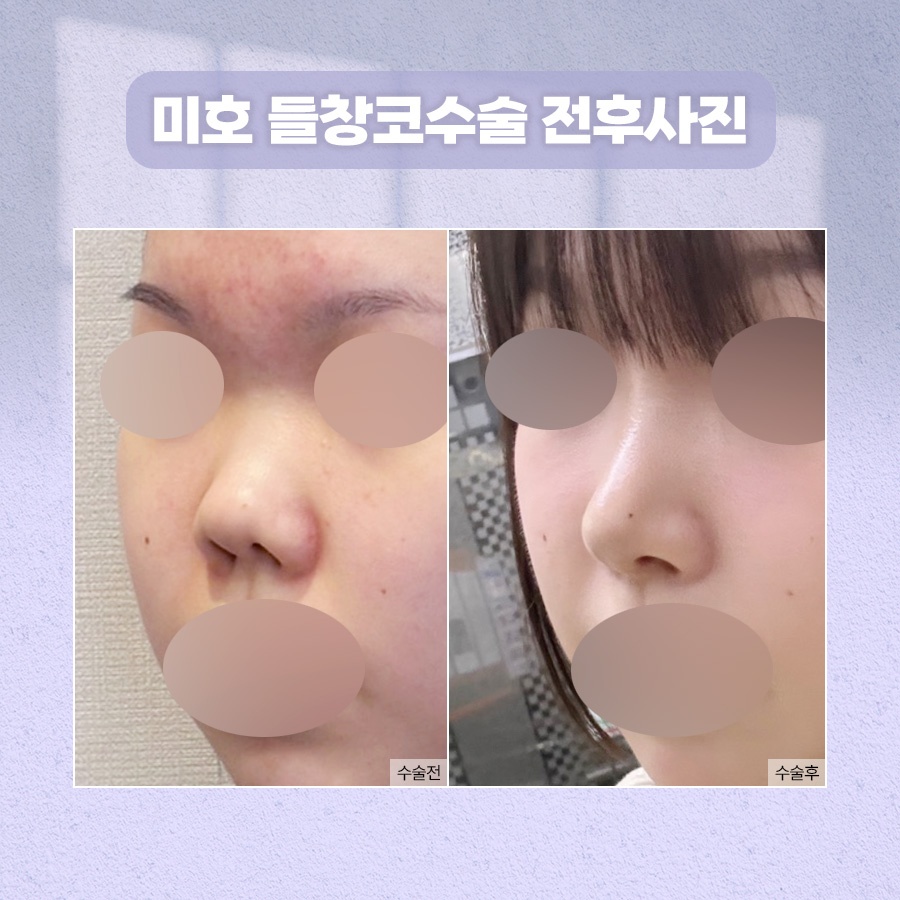
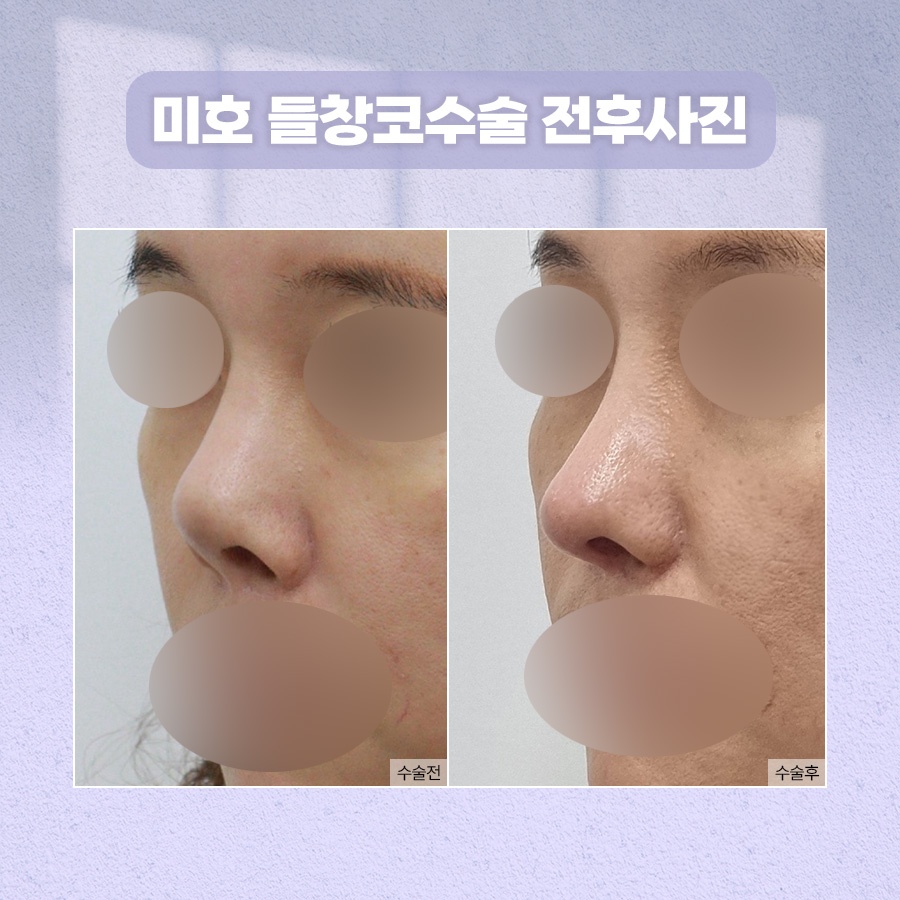
When reviewing before-and-after cases,
it is better to first examine the angles
of the before and after images.
Even a slight change in head position
can greatly alter the degree of nostril exposure,
and the impression of shortness
may also appear stronger depending on the direction of the lighting.
If you are considering upturned nose surgery,
first determine whether the case has
similar skin thickness,
nasal bridge height, and columella length
to your own.
If you focus only on examples where the tip has been lowered considerably,
it can be easy to set a goal
that does not suit your actual face.
Comparison materials are not necessarily better in greater quantity;
it is more appropriate to view them as a tool
for checking whether they can be applied to you.
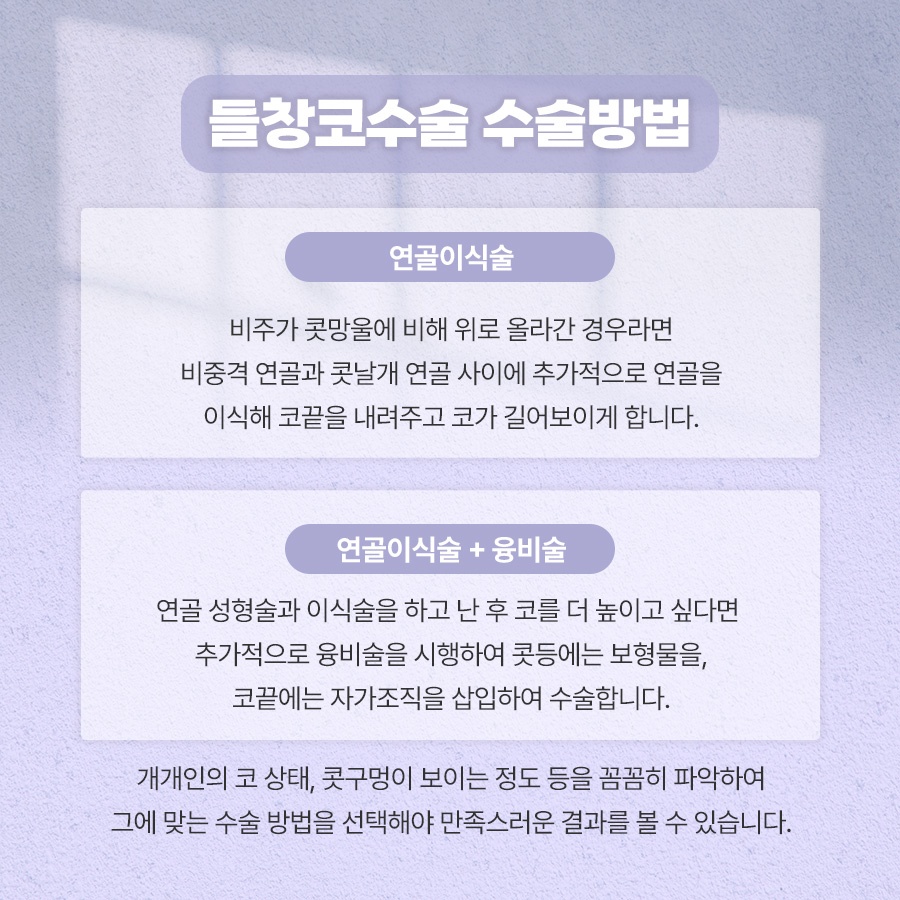
Using autologous cartilage
may be considered when supporting the tip
or supplementing its length.
Ear cartilage, septal cartilage, and rib cartilage
differ in elasticity, firmness,
and the amount that can be obtained.
Rather than saying that one material is always better,
it is necessary to consider selecting one
according to where it will be used and for what purpose.
If the skin is thin, a plan to reduce
the burden of visible contours
must also be considered.
If the skin is relatively thick and firm,
there is also a possibility that
the visible degree of change will be less than expected.
More important than the name of the material
is how it is used within the overall proportions.
When deciding on the desired direction,
it is better not to make reducing nostril exposure
the only goal.
If the tip is lowered too much, it may create a stuffy impression,
while if the change is too subtle, the concern may remain.
The standard for what looks natural also differs from person to person.
For some, it may mean a softer side profile,
while for others, it may mean
appearing less upturned when smiling.
Therefore, rather than defining the desired result
with a single word,
it is better to establish goals separately
for the front view, side profile,
and changes in facial expressions.
Please note that breaking down the goals
may help reduce excessive expectations.
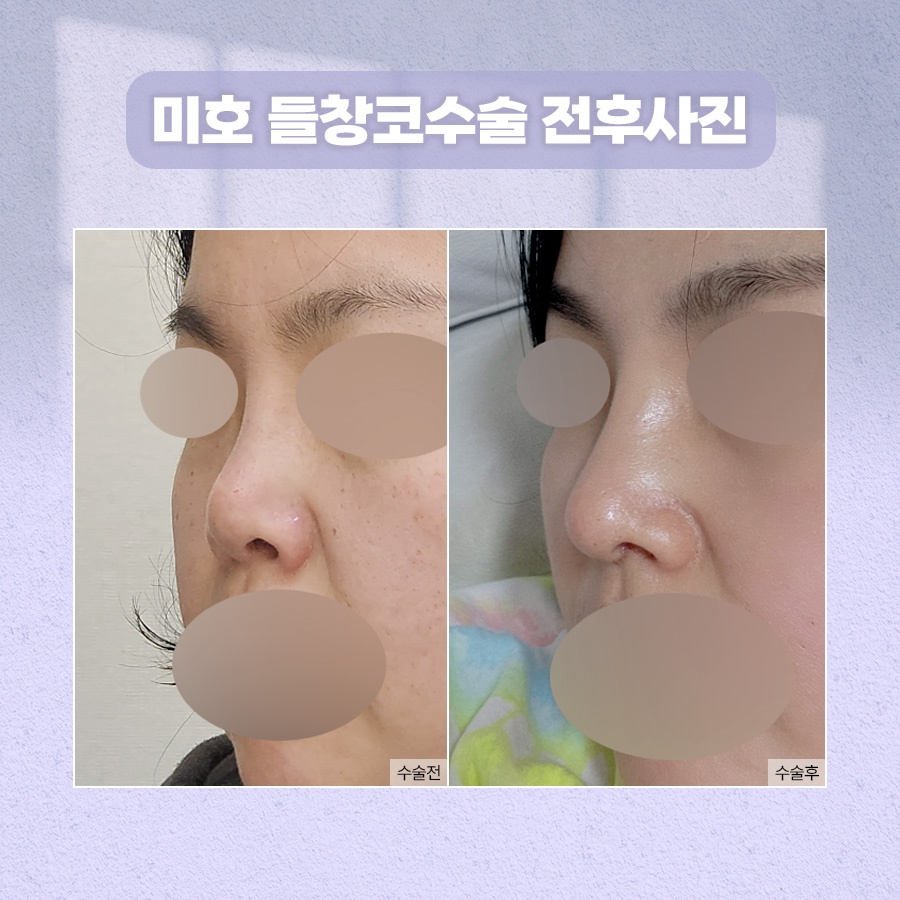
Because of initial swelling,
the tip may feel higher or firmer
than expected.
After upturned nose surgery,
the tissues go through a process of stabilizing over time,
so it is important not to make a quick judgment
based only on the early appearance.
It is better to limit habits such as sleeping on your stomach
or repeatedly touching the area with your hands,
as well as strenuous exercise and alcohol consumption,
during the early period.
The timing for beginning face washing or applying makeup
should also be approached carefully according to the instructions.
Because the recovery process varies from person to person,
rather than comparing yourself indiscriminately,
it is important to properly observe your own progress.
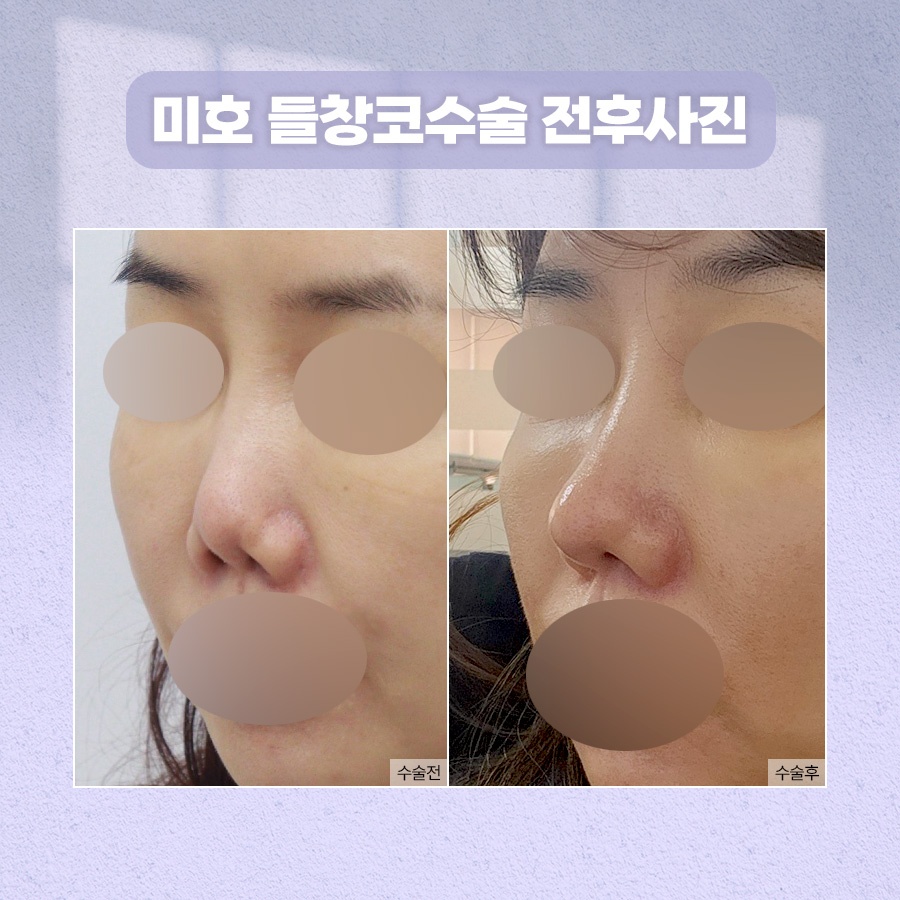
There are also situations worth checking in daily life.
Consider separately whether exposure becomes more pronounced
when smiling than when your face is expressionless,
whether the columella looks short when speaking,
and how noticeable it feels
at the distance of an actual conversation compared with in photos.
If you judge yourself only in front of a mirror,
it is easy to fix your attention
on the angle you dislike.
Looking at videos and several facial expressions together
makes it easier to identify
which areas repeatedly stand out.
This process may help you find
the points that truly need attention
rather than making unnecessary changes.
Upturned nose surgery is a method people explore
when they are concerned about nostril exposure
and a central area that appears short.
However, even when the concern has the same name,
the appropriate direction may differ
depending on skin laxity, cartilage strength,
columella length, and facial proportions.
What matters is not a change that simply lowers the nose,
but finding the angle and length
that suit you.
By calmly comparing the possible range
and points requiring caution,
it becomes easier to reduce an unfamiliar impression
and move closer to a harmonious appearance.
Ultimately, the key is to carefully examine
the small differences.


Previous image
Next image