
When climbing stairs or exercising,
if one nasal passage feels particularly blocked
and the sidewall seems to attach inward
the harder you inhale,
it can feel very uncomfortable.
Even after lying down to sleep,
some people repeatedly breathe through their mouths
and wake up with a dry throat every morning.
Nasal valve reconstruction examines whether these discomforts
stem from causes different from simple nasal congestion
and takes an approach focused on
restoring support to the narrowed passage.
Keeping notes on daily situations—
such as whether symptoms are worse at night than during the day
or particularly rough while running—
can make it easier to distinguish the problem.
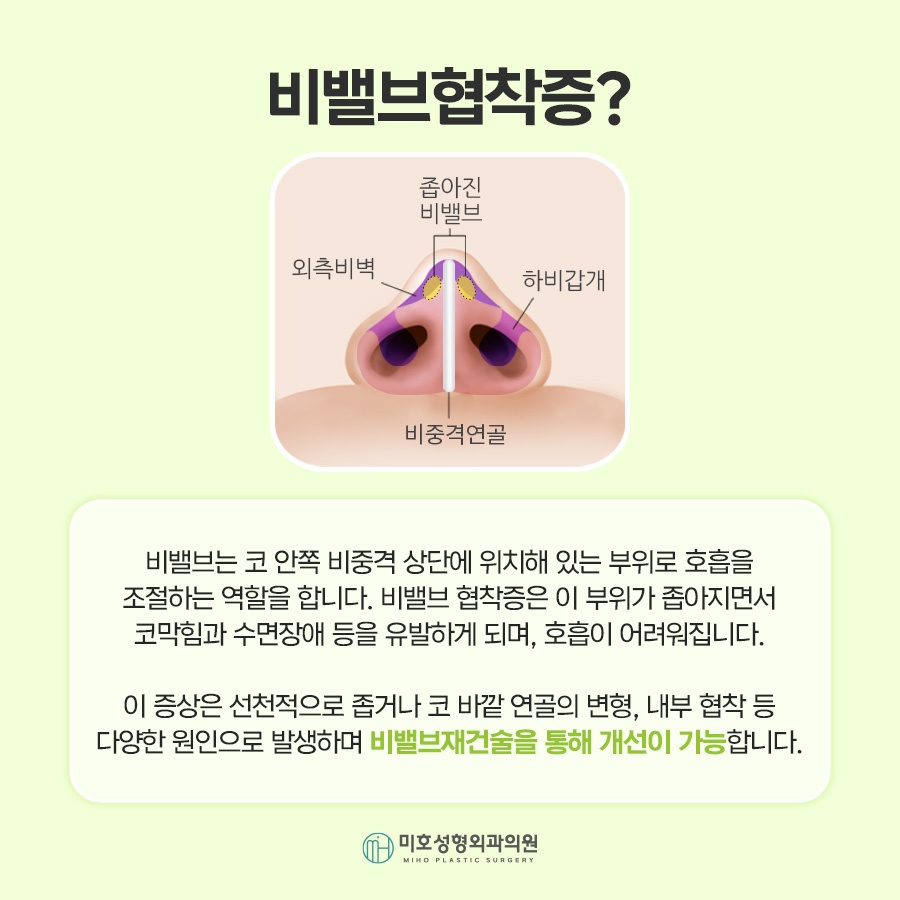
If breathing becomes easier
after placing tape on the outside of the nose
or gently pulling the cheek to the side,
we may also consider the possibility
that support of the sidewall has weakened.
Nasal valve reconstruction focuses on examining
the narrowest section of the breathing passage
and supporting the wall
that collapses at the moment of inhalation.
However, it is difficult to determine the cause
based on one simple response alone.
The usual side of blockage,
changes during activity, sleeping position,
and response to nasal dilators
should all be compared
to establish clearer criteria for assessment.

When considering nasal valve reconstruction,
it is especially important to distinguish
fixed narrowing from collapse caused by movement.
A passage that is narrow even at rest
and a sidewall that folds inward only when inhaling
show different characteristics.
The extent of reinforcement also varies
depending on where weakness is found—
whether in the strength of the cartilage forming the nasal tip,
the angle of the middle vault,
or the rim of the nostril.
Rather than checking only the frontal appearance,
recording the inhalation movement on video
can make it much easier to identify
repeated collapse.

Not all feelings of obstruction
are caused by a nasal valve problem.
A septum deviated to one side,
swollen inferior turbinates,
or sensitive mucous membranes due to rhinitis
can also lead to similar discomfort.
When several factors overlap,
symptoms may be manageable during the day
but become worse only at night.
Whether symptoms change after using a nasal spray,
whether the pattern varies by season,
and whether they began after an injury
are also important clues.
If a runny nose or frequent sneezing is present,
it is also necessary to distinguish
structural problems from mucosal responses.
Rather than focusing on just one area,
it is appropriate to examine
the inner space and the external supporting structures
separately.

Before making a plan for nasal valve reconstruction,
it is advisable to consider not only
the severity of the symptoms
but also their impact on daily life.
It is helpful to record
whether breathing is interrupted while running,
whether the mouth often falls open during sleep,
and whether morning headaches or dryness
occur repeatedly.
During the assessment,
the external appearance and interior are examined
from multiple angles,
and the way the wall moves during inhalation
is also observed.
Organizing photographs, videos,
and notes about discomfort together
can help identify
which area is the primary cause.
It is also useful to describe
subjective feelings of obstruction
in specific terms rather than leaving them out.
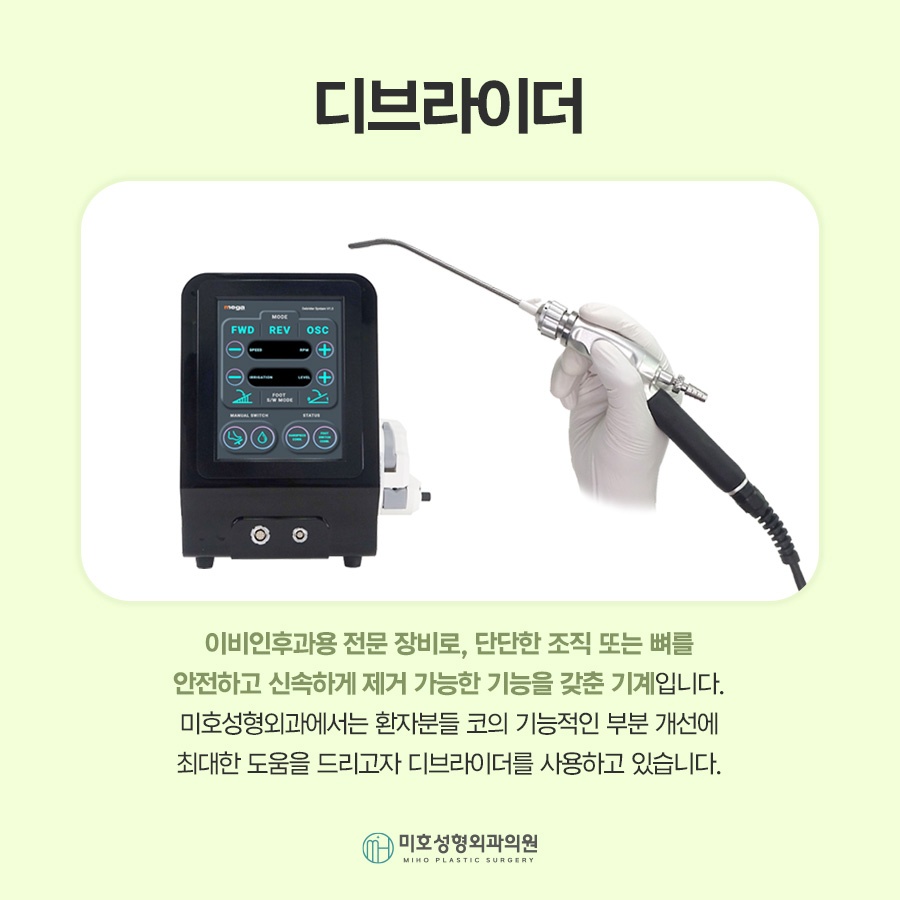
The key is not simply to widen the passage as much as possible,
but to secure airflow
while stably supporting the weakened framework.
If the passage is opened too aggressively,
the external appearance may change,
while insufficient support may leave
the sensation of the walls folding inward again
with every inhalation.
Therefore, the first step is to determine
which area to reinforce among
the middle vault, nasal alar region,
and floor boundary.
Considering skin thickness, cartilage elasticity,
and existing asymmetry
makes it easier to achieve a more natural balance
between function and appearance.
It is also appropriate not to overlook
nasal tip movement and changes in facial expression
when planning the procedure.
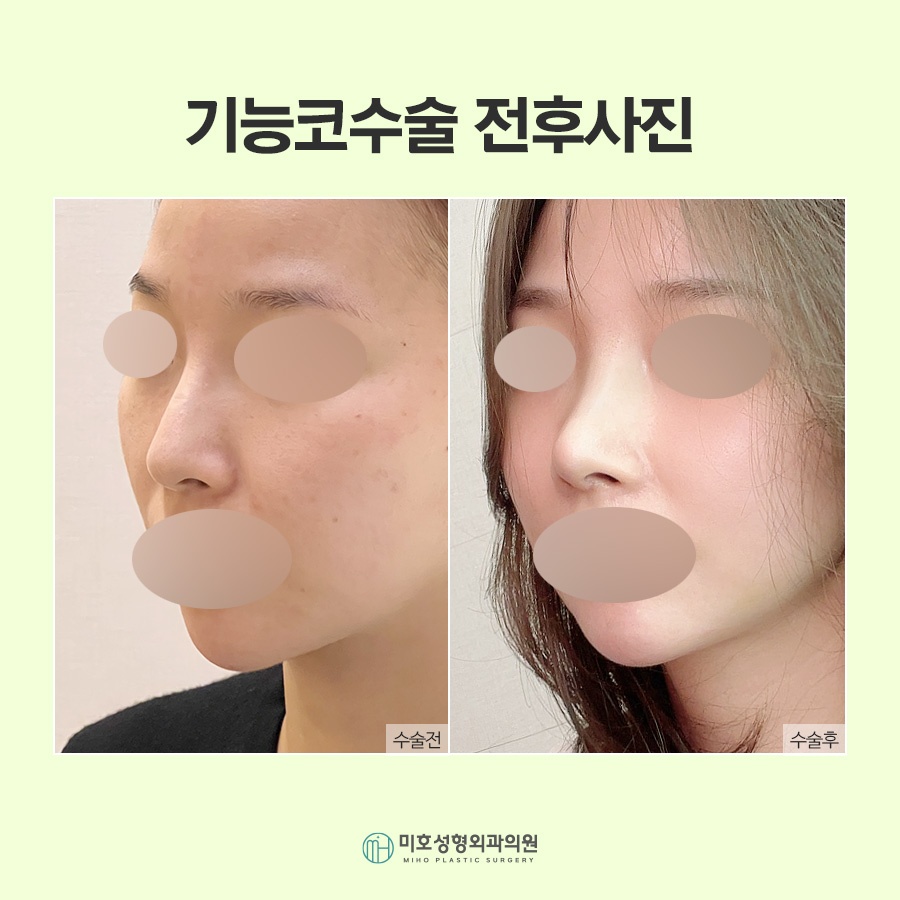
Nasal valve reconstruction may involve
shaping the patient's own cartilage as needed
and using it to support the sidewall or nasal ala,
or using sutures to maintain
a widened angle.
Rather than one material being inherently superior,
the choice varies depending on
where weakness is located,
how much material is available,
and whether there was a previous injury.
If the shape of the nose was changed in the past
or the cartilage has become thin,
the strength of the remaining tissue
also requires careful consideration.
Rather than insisting on a single method,
it is important to find a combination
suited to the current structure.
It is also advisable to check in advance
how the reinforcement site may affect
the external contour.
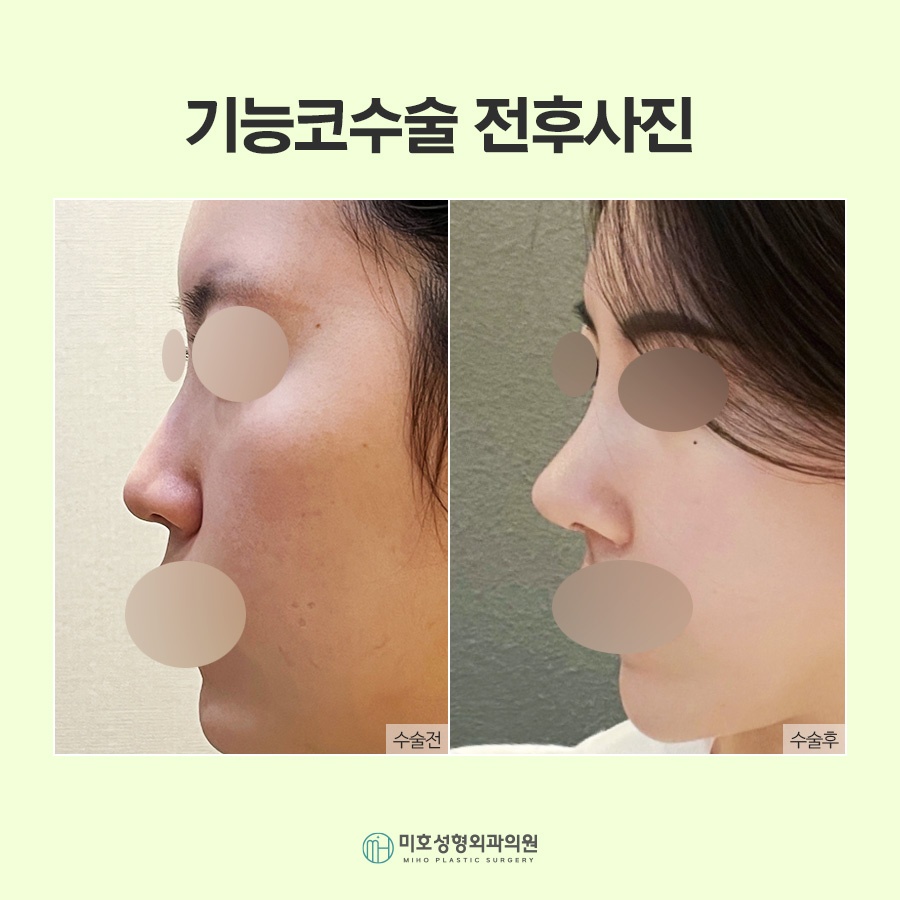
Even when addressing breathing function,
changes in appearance must also be considered.
If the sidewalls are spread too far,
the bridge may appear wider,
while strong support of the nasal ala
may make the expression feel unfamiliar.
Conversely, if necessary support is insufficient
because the focus is solely on preserving appearance,
the discomfort may return.
Explaining in advance
the impression you usually want
and the degree to which you hope to reduce discomfort
can help coordinate the gap
between these two goals.
Especially when the differences between the two sides are significant,
it is more realistic to use natural balance
as the standard rather than complete symmetry.
An approach that does not put
either function or appearance alone first
is required.
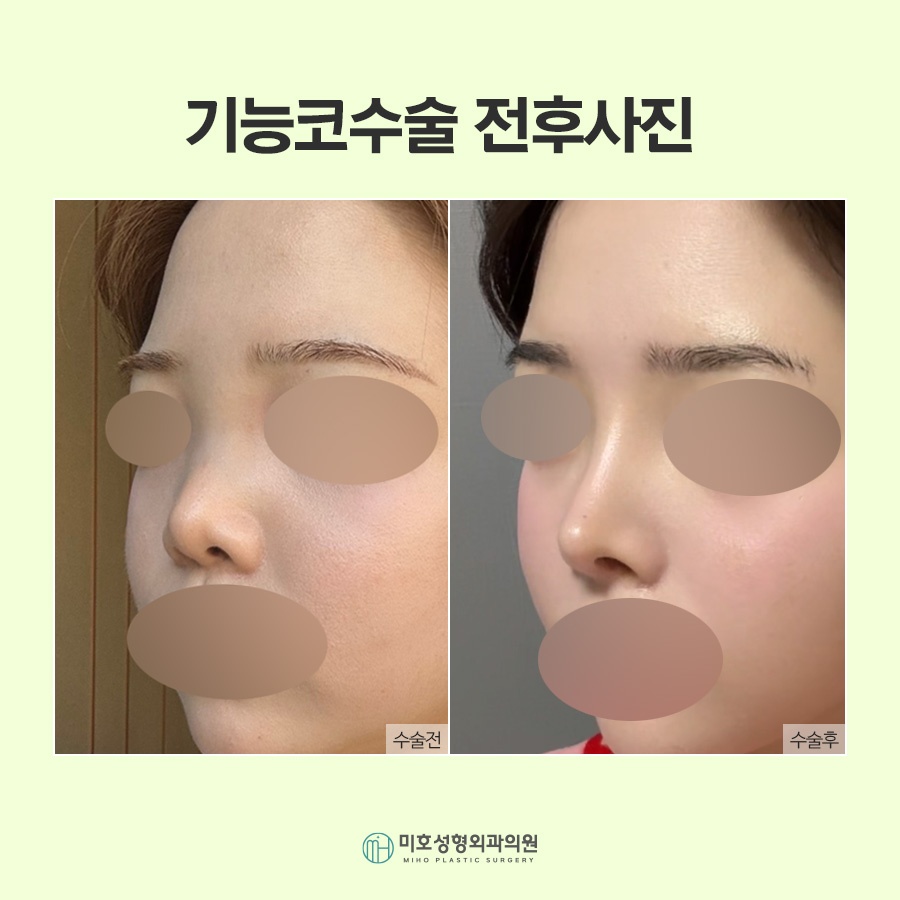
Early on, swelling and tightness
may make the breathing passage feel unfamiliar,
or one side may seem more blocked.
As the tissues stabilize over time,
it is important not to make a quick judgment
and to calmly observe the progress.
It is best to limit
forceful nose blowing,
repeated touching,
lying face down,
and strenuous exercise during the early period.
If severe dryness or pain develops,
or bleeding continues for an extended period,
it is safest to have the condition checked
according to the guidance provided.
Avoiding strong pressure when washing the face
and continuing to get sufficient rest
can also support a more comfortable recovery.
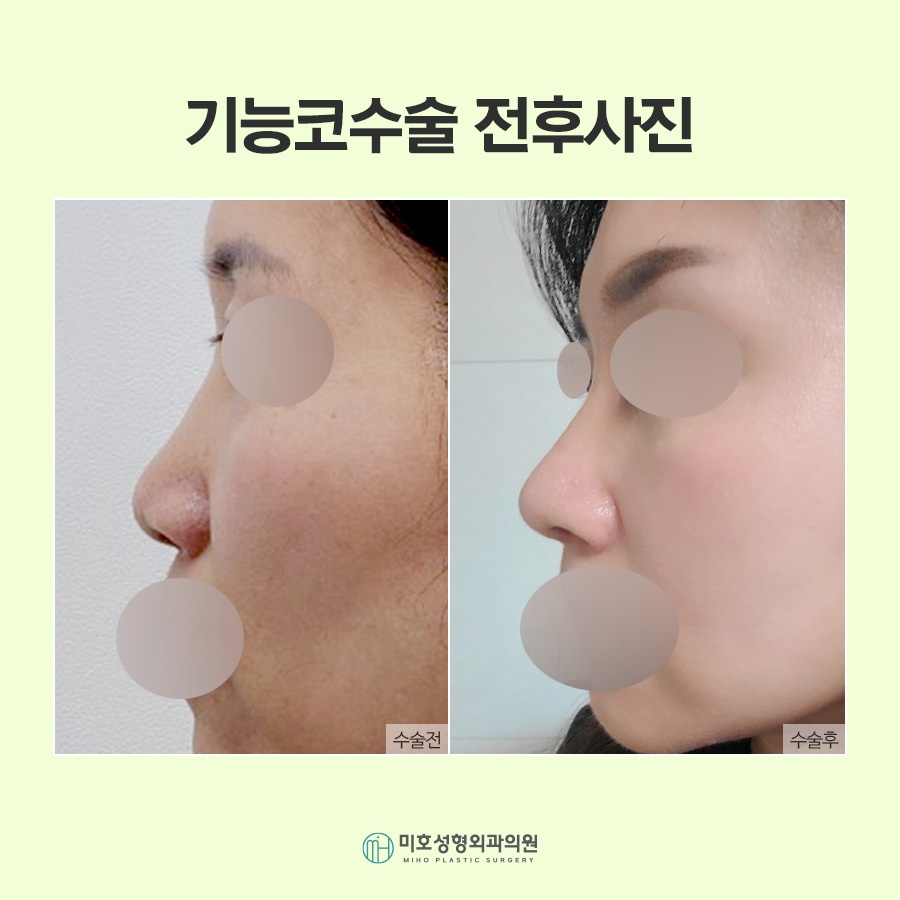
Nasal valve reconstruction is not simply a choice
for reducing a feeling of blockage;
it is a method of finding the area
that collapses during inhalation
and supporting the weakened framework.
Factors that may affect breathing,
such as the septum, inferior turbinates,
and mucosal condition,
should also be checked thoroughly.
Organizing when discomfort usually occurs
and how it changes with movement,
as well as considering in advance
the acceptable range of appearance changes,
makes it easier to calmly establish
an approach suited to the individual.
Even a small breathing passage
can affect daily fatigue
and comfort during sleep,
so function-centered decision-making is important.
After breaking down the causes,
a plan should be tailored to the individual's circumstances
to minimize unnecessary changes.




Previous image
Next image