
It may not be particularly noticeable from the front,
but when viewed in a side-profile photo or through someone else’s gaze,
the boundary between the chin and neck may appear to continue
as if they were one mass.
If the lower contour remains unchanged even after losing weight,
the issue may not be simply the amount of fat.
Double-chin muscle tightening, which may help address this concern,
takes into account the structures in the deeper layers beneath the chin
and has drawn attention as an approach for organizing a sagging contour.
In particular, if the boundary looks blurred even in a normal posture
rather than only when you lower your head,
it may be necessary to examine the inner tissues as well.
Comparing the thickness that can be grasped by hand
with the shape seen when the muscles are relaxed
can make the nature of the concern clearer.

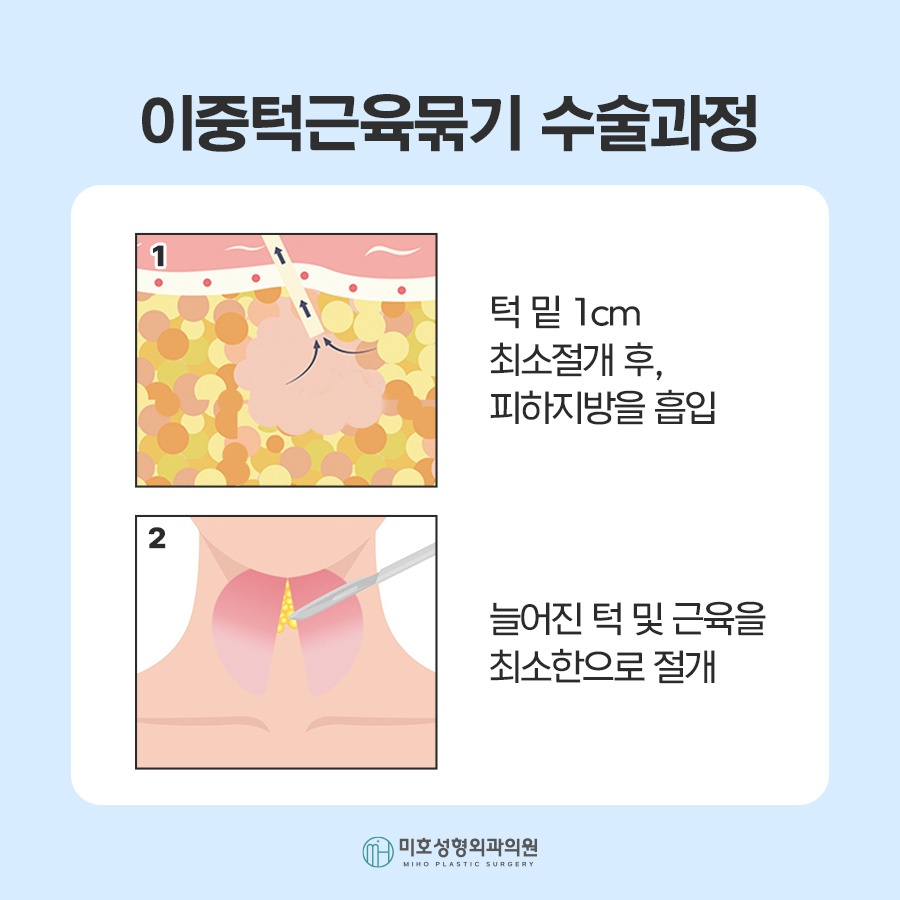
Beneath the chin are not only skin and fat,
but also the platysma muscle, which broadly covers the front of the neck.
When the left and right edges of this muscle separate
or lose elasticity, the center may sag,
making the neck line appear blunt.
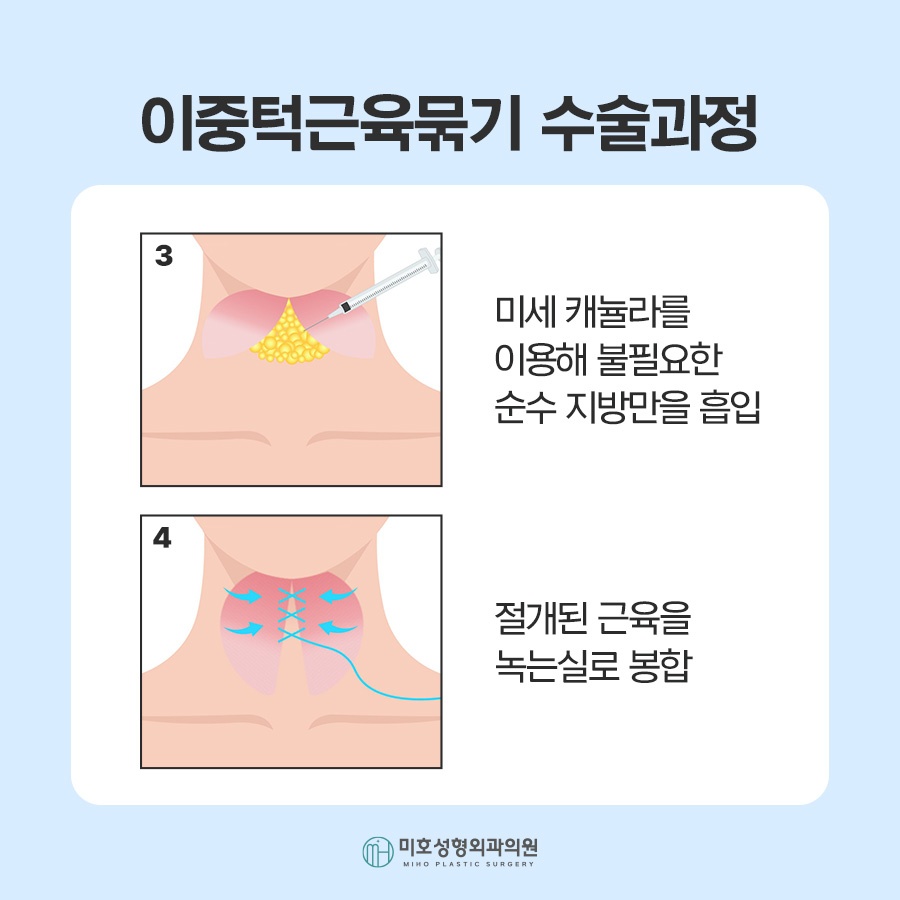
Double-chin muscle tightening is closer to the concept
of bringing the separated areas toward the center
and organizing them to provide support.
This is also why it differs in its starting point
from an approach that only reduces the fat that can be grasped from the outside.
Separating the volume felt with the fingertips
from the line that appears when the neck is tensed
makes it easier to understand the surface and deeper layers.
When looking into double-chin muscle tightening,
many people wonder how it differs from fat removal.
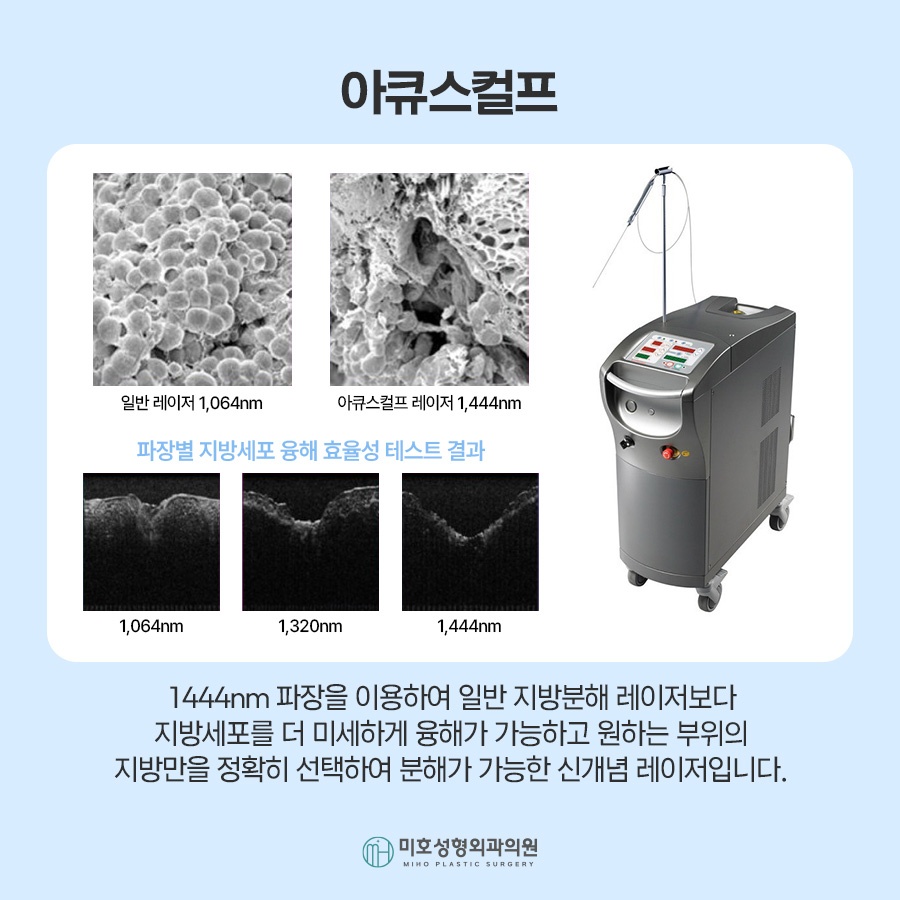
If soft volume is the main cause,
the proportion of the fat layer is considered first,
but if the inner muscles are loose
or vertical bands are visible,
reducing only the outer portion may not reveal
the desired jawline sufficiently.
Conversely, if there is little fat but the area is made excessively thin,
an uneven appearance may remain.
This is why the order of treatment varies
depending on which layer is blurring the contour.
Rather than assuming there is only one cause,
it is better to separate the overlapping factors.
Vertical lines that become prominent like two bands
when the neck is fully extended and the muscles are tensed
are also a feature worth noting.
This may indicate that the edges of the platysma muscle
are becoming visible close to the surface.
Even if they are not usually noticeable,
when the lines become distinct while speaking or smiling,
the area beneath the chin may give a long and heavy impression.
If it appears more strongly on one side,
the difference between the left and right contours may also look greater.
At such times, rather than simply referring to it as a double chin,
observing its form during movement
can be more useful for understanding it.

Double-chin muscle tightening is also considered by quite a few people
whose faces are relatively slim but whose area beneath the chin remains blunt.
If the chin is short or set back due to the underlying bone structure,
the boundary can appear less defined
even with the same amount of tissue.
When reduced skin elasticity or looseness at the front of the neck is added,
the lower face may feel heavy regardless of body weight.
Therefore, rather than judging based only on body type,
it is useful to consider together the angle from the chin to the neck
and the length of the side profile
to understand the overall impression.
The fact that the line can look blurred even without much fat
is what makes this concern difficult.
Pulling the lower face excessively
may make the neck look stiff
or create an awkward appearance in facial expressions.
On the other hand, if necessary support is lacking,
the sense of refinement may remain limited.
The goal is not so much to make the area beneath the chin as taut as possible,
but rather to preserve a curve that suits the natural face.
Considering the position of the chin,
the width of the mandibular line,
and even the length of the neck together
makes it easier to envision what degree of change would look natural.
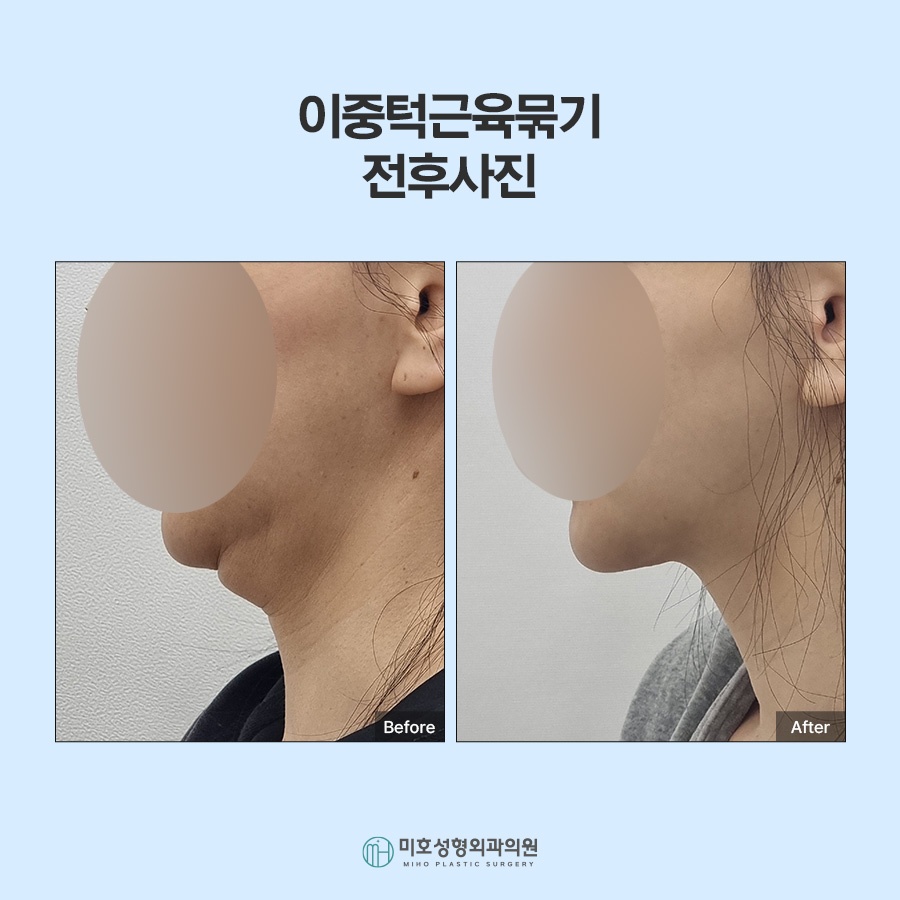
When referring to photographs,
it is also better to distinguish separately
images in which the neck has been stretched excessively.
If the skin is significantly stretched,
organizing only the muscle layer
will not necessarily cause the surface to follow to the same extent.
Conversely, some people have little excess skin
but weak support in the inner layers.
The surface and deeper layers
perform different roles.
Actual elasticity, rather than age,
the location of fat, movement of the platysma muscle,
and the degree of chin projection
all influence one another.
Comparing your usual appearance with your head upright
and your appearance while smiling
makes it much easier to determine
which layer’s changes are most noticeable.
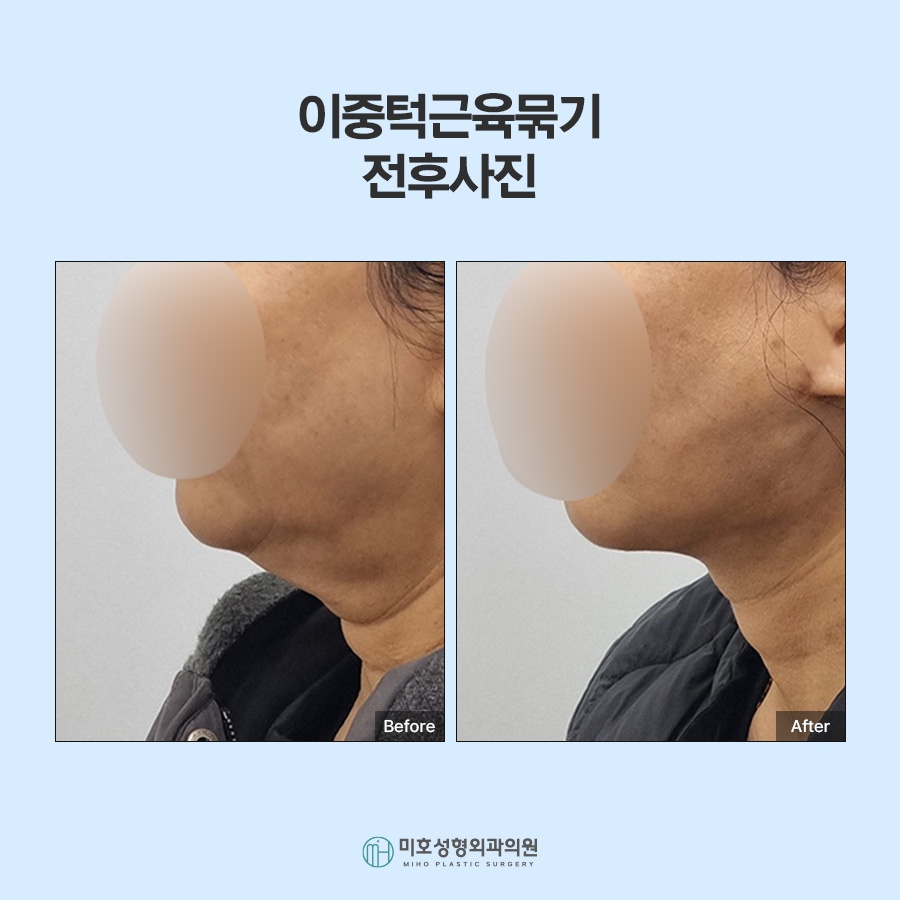
After double-chin muscle tightening,
swelling and a pulling sensation may occur,
and at first, turning the neck
may feel stiffer than usual.
Rather than the lower line becoming smooth immediately,
it goes through a process of settling over time.
It is advisable to limit postures that involve keeping your head lowered for a long time
and strenuous exercise during the early period,
and to avoid repeatedly pressing or excessively stimulating the area.
Maintaining a comfortable sleeping position
so that the neck is not sharply bent
may also help reduce the burden during recovery.
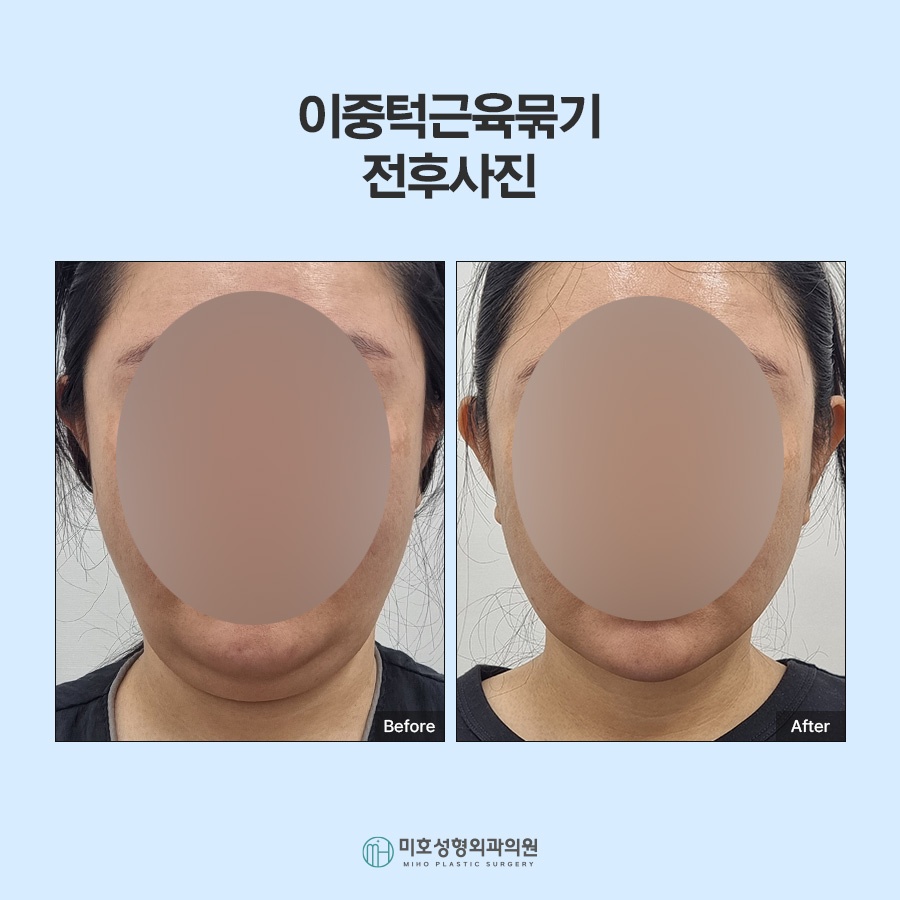
People sometimes think that simply removing the fat beneath the chin
will give anyone a sleek V-line.
However, the lower face is an area formed by overlapping
the jawbone, fat layer, muscles, and skin.
Even at the same weight,
one person may have a clearly defined boundary,
while another may appear to transition naturally into the neck.
Rather than setting a celebrity’s side profile
as an exact goal,
it is more realistic to consider the changes possible
within your own bone structure.
In particular, the width seen from the front
and the angle seen in profile create different impressions,
so it is better not to make a decision based on only one direction.
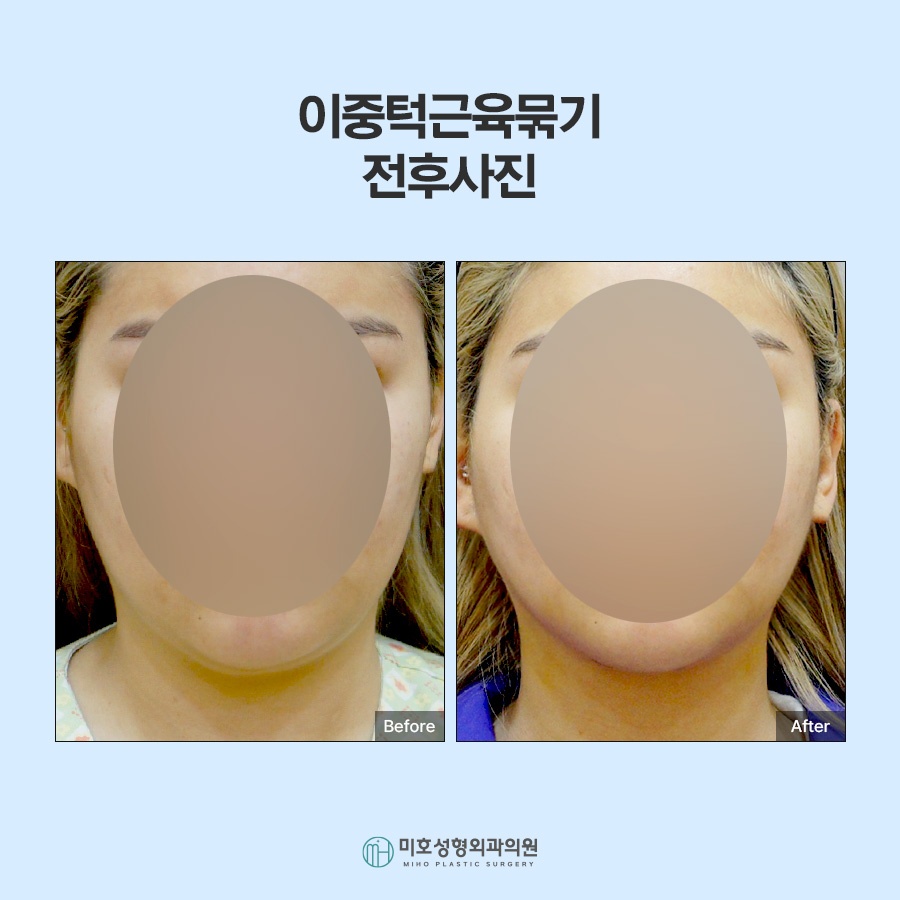
Double-chin muscle tightening is difficult to explain
as simply a method of reducing fat.
The direction becomes clearer when considering together
how the platysma muscle beneath the chin and the fat layer,
skin laxity, and bone structure overlap.
Rather than unconditionally creating a sharp line,
what matters is whether the flow from the chin to the neck
is refined naturally.
Comparing in advance the usual changes in facial expressions
and the appearance when the neck is tensed
can help you describe your current concern
more specifically.
Even when double chins look similar on the outside,
their causes can differ,
so it is worth keeping in mind that first understanding your own structure
may lead to a more satisfying choice.




Previous image
Next image