
By the afternoon,
your eyeliner may have smudged
onto the upper eyelid,
or the double-eyelid crease may be hidden
by folded skin,
making your makeup look blurred.
Even after getting enough sleep,
if people tell you that you look tired,
you may find yourself becoming more self-conscious
even about your facial expressions.
A sub-brow lift is often considered
when these changes may be connected
not simply to a makeup issue,
but to sagging tissue above the eyes.
Rather than expecting a clearly defined appearance from the outset,
the first step is to calmly examine
where the sense of heaviness began.

People considering a sub-brow lift
often feel that only their double-eyelid crease has become smaller,
but in many cases,
the skin below the upper border
also descends from the outer side.
If raising the forehead makes it easier to see
or the muscles feel stiff by evening,
your habit of opening your eyes may also have changed.
Because this area and upper-eyelid movement
are connected,
it is difficult to view only one part in isolation.
The approach may also vary considerably
depending on which area is covered the most.

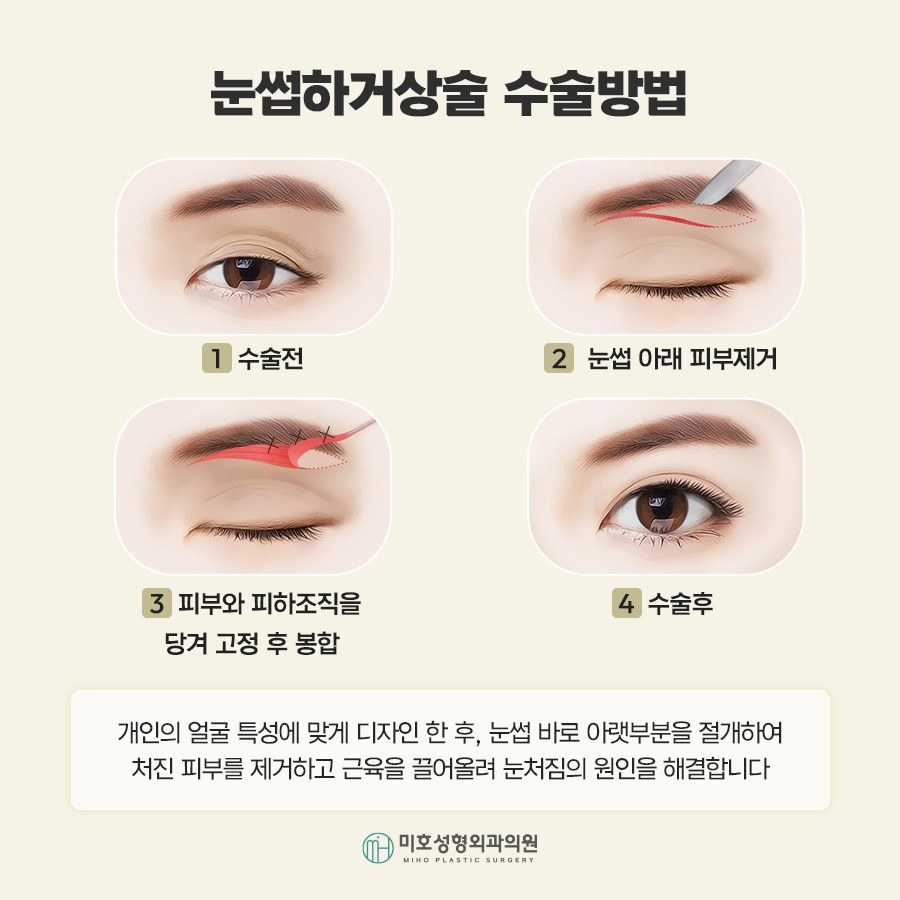
A sub-brow lift adjusts some of the sagging tissue
along the lower brow line
to help reveal the existing double-eyelid crease.
Unlike an approach that creates a new crease,
it focuses on reducing the obstructive covering
while preserving the original eye shape as much as possible.
Because the incision is placed close to the hairline,
brow density and thickness, skin color,
and an individual tendency to develop scars
are also taken into account.
If the eyebrows are relatively sparse,
the period during which the mark may be visible
is also considered.
If they are fuller,
the incision can be positioned
so that it blends naturally into the brow line.

Even when the degree of sagging appears similar,
the situations in which people feel discomfort
can differ greatly.
For some, the eyelashes are pressed down,
causing eye makeup to smudge easily.
For others, the outer field of vision feels obstructed,
leading to a habit of turning the head.
The outer corners of the eyes may appear to droop more when smiling,
or one eye may look smaller in photographs.
These differences are related not only to excess skin,
but also to the muscles that create facial expressions
and pre-existing asymmetry.
Photos or short videos showing your usual appearance
can help identify movements
that are easy to miss in a static image.
Removing a large amount of tissue indiscriminately
does not necessarily create a lighter, more refined eye area.
If the space between the eyes and the upper border
is naturally narrow,
excessive adjustment may make the expression look stronger.
Conversely, even if the distance is relatively wide,
raising only the outer side too much
may leave an expression that looks surprised.
The habit of continually raising the eyebrows
using forehead muscles
can also create an optical illusion in the initial appearance.
Separating your relaxed appearance
from moments when you intentionally open your eyes wide
makes it easier to understand the actual extent of sagging.
It is also important to consider
how much change will suit the face as a whole.
Designing a sub-brow lift
is not a matter of setting one straight line.
The amount of excess tissue on the inner, central,
and outer portions must be examined separately
to create balance.
In particular, if the outer corner is the area most covered,
the plan may focus on the heavy area
rather than adjusting everything equally.
The mood also changes depending on whether the brow shape
is straight or has a high arch.
First clarifying whether the desired impression
is greater definition
or the preservation of softness
makes it easier to plan without excessive change.
If the two sides are at different heights,
the existing difference is also reflected
when determining the line.
At first, swelling and tightness,
along with redness around the incision,
may appear.
A stiff or sore sensation may remain
when opening the eyes wide or squeezing them shut,
and the two sides may temporarily look different.
It is best to avoid rubbing the area while washing your face
or forcibly removing scabs.
The timing for using color makeup and contact lenses,
as well as resuming exercise,
should be adjusted according to the instructions provided.
On days with strong sunlight,
lightly protecting the area
to prevent irritation can also be helpful.
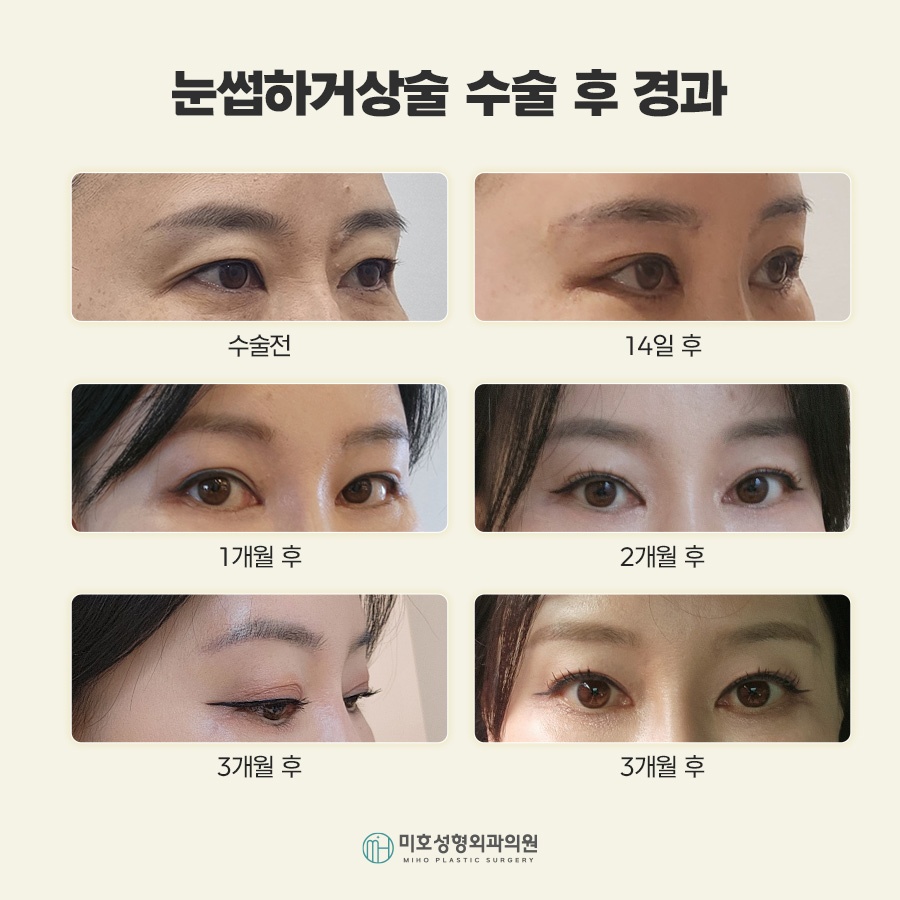
The recovery rate varies depending on the individual’s skin,
and the red line gradually becomes lighter over time.
A sub-brow lift is not limited
to a procedure considered only by people in a particular age group.
If the upper eyelids are naturally thick
or the tissues around the eyes fold easily,
people may feel a sense of heaviness
even at a relatively early age.
Conversely, even with age,
if there is not much laxity,
another approach may be more suitable.
Rather than considering age alone,
it is more natural to look at the amount of available tissue,
facial-expression habits,
and the degree to which the double-eyelid crease is visible
in combination.
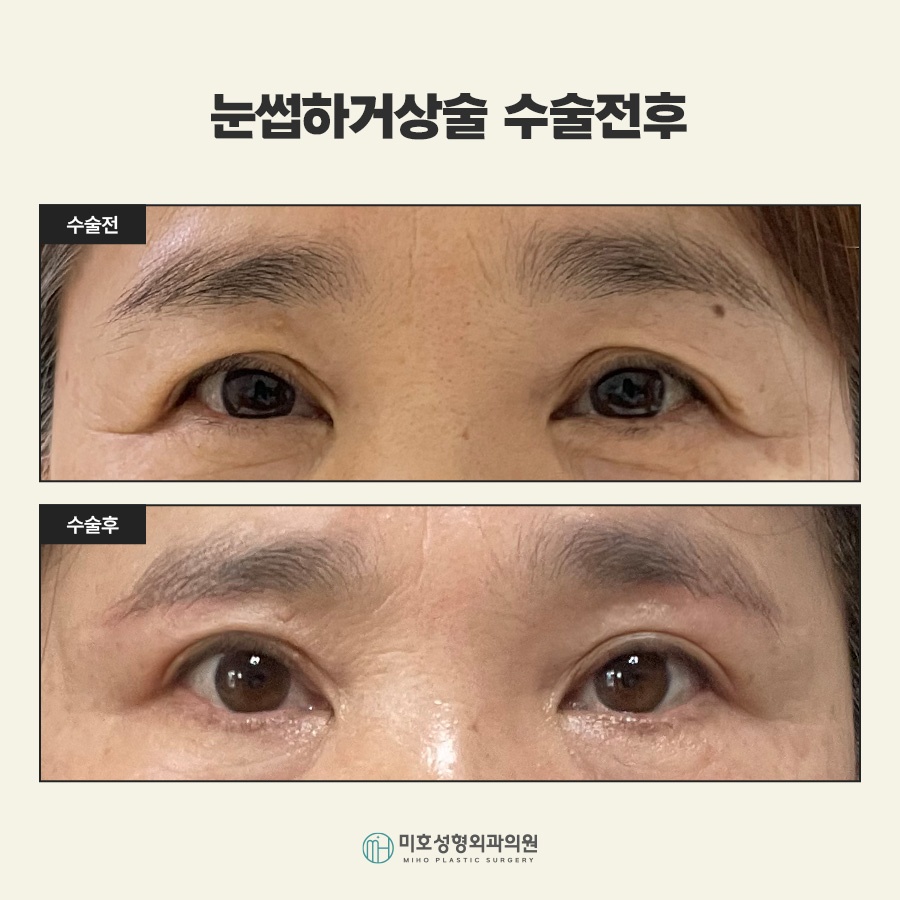
Comparing older photos with recent ones
also makes it easier to identify where the change began.
Observing differences over time
helps distinguish temporary swelling
from persistent sagging.
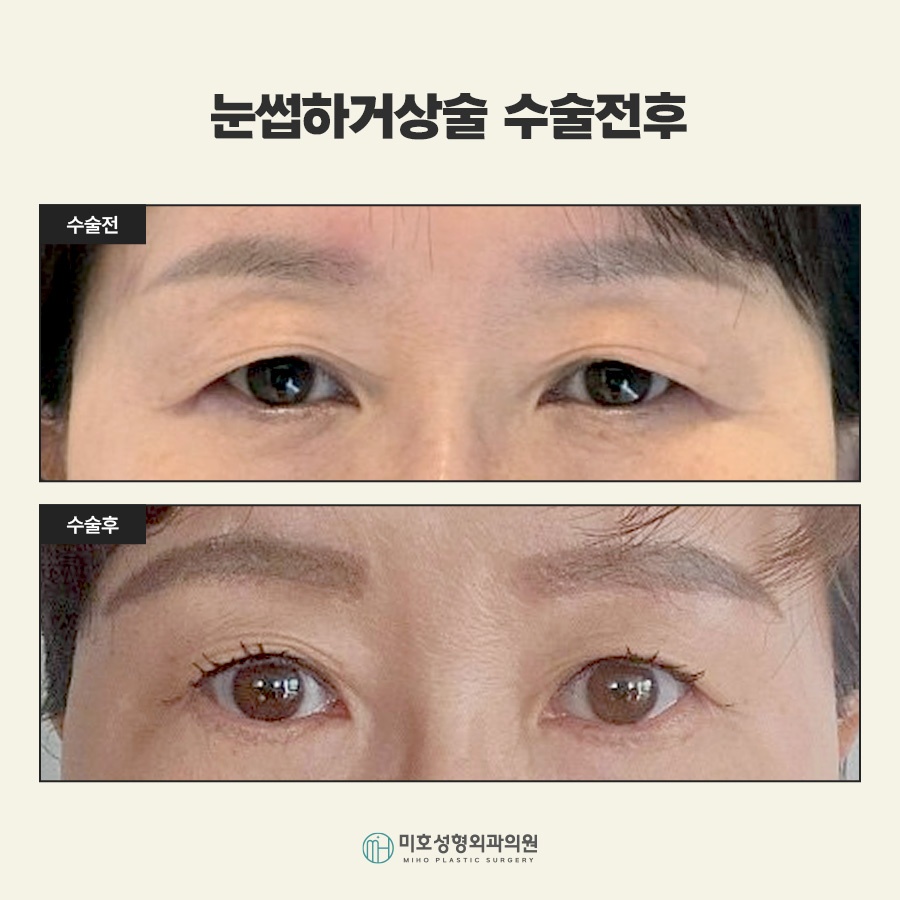
The goal of making both sides completely identical
is often unrealistic.
In most people, the height of each side, the width of the double-eyelid crease,
and the strength used to open the eyes
differ slightly.
If one side is more covered
and that area is adjusted substantially,
the difference in facial expression
may instead become more noticeable.
To find a natural balance,
movements should be observed not only with a neutral expression,
but also when smiling, speaking,
and looking downward.
It is also necessary to realistically understand
how much pre-existing asymmetry can be reduced.
Aiming for harmony that does not feel unfamiliar,
rather than perfect symmetry,
can feel less burdensome.
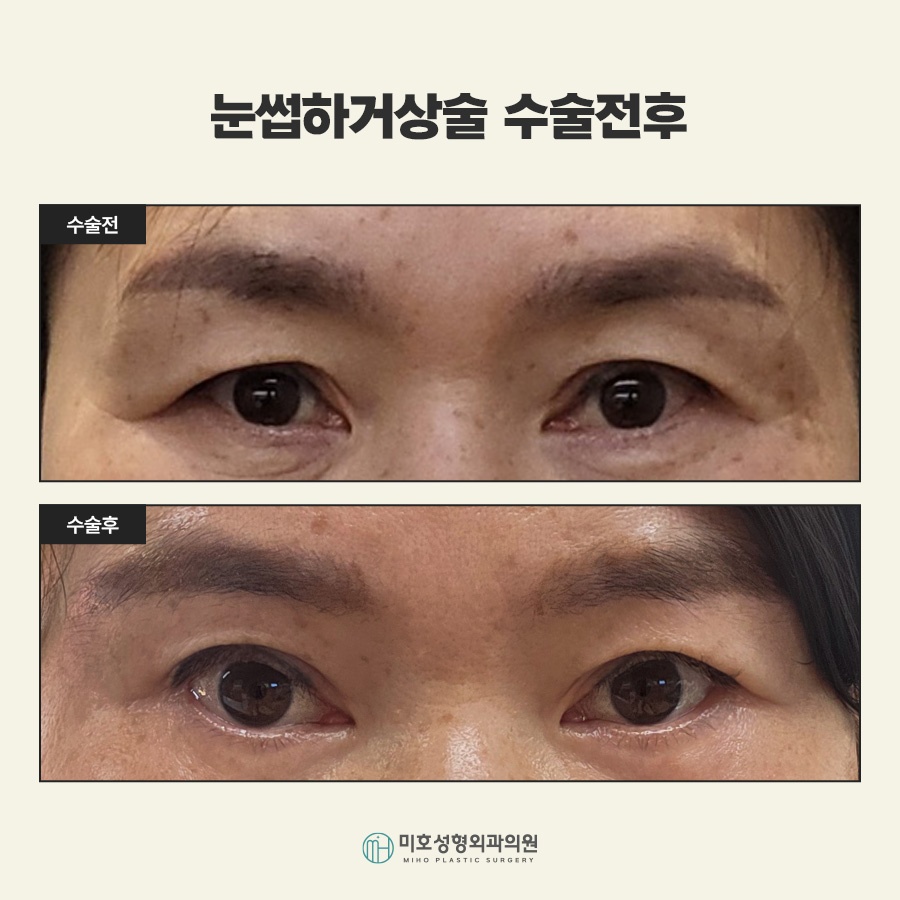
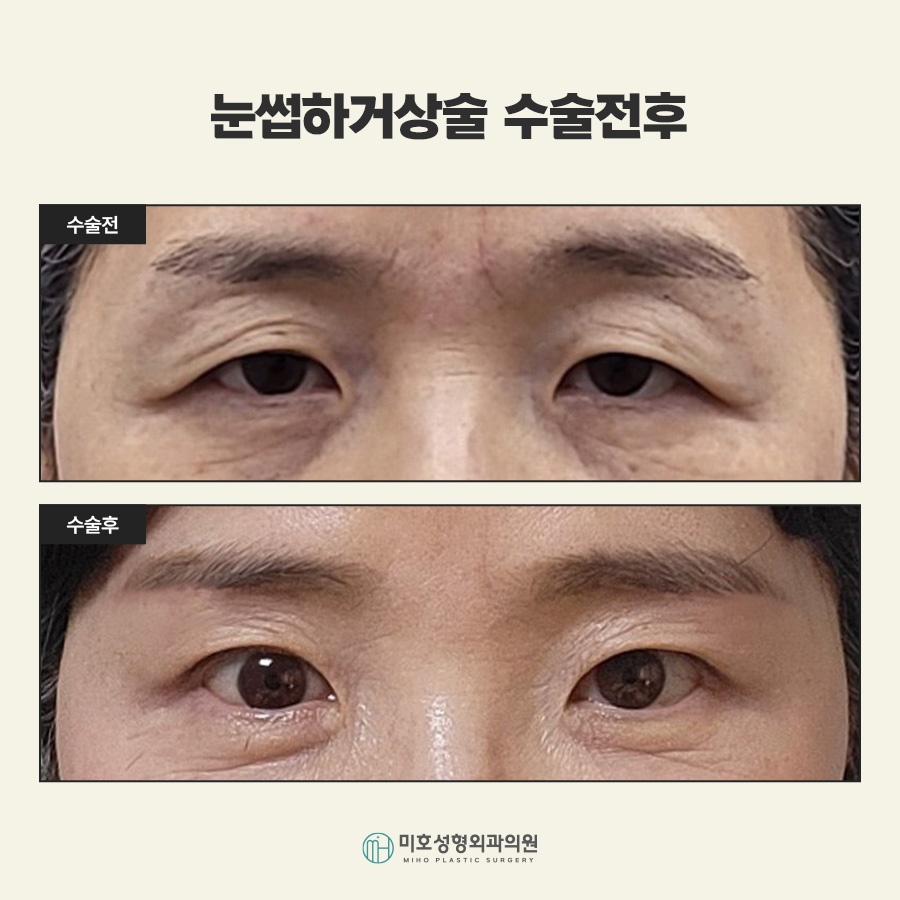
A sub-brow lift is one option to consider
when the goal is to reduce sagging tissue
and reveal a covered double-eyelid crease
and a heavy-looking eye area
in a more comfortable way.
However, because the location of the area,
skin thickness,
forehead-use habits,
and differences between the two sides
vary from person to person,
the result will not be shaped identically for everyone.
Rather than focusing only on the size of the change,
it is better to consider how much of your original appearance
you want to preserve.
Understanding the recovery process
and how the visible marks may change in advance
can also help reduce impatience.
Clearly organizing the areas
that have felt uncomfortable on your own face
may lead to a more natural choice.
A direction that preserves a familiar appearance
rather than creating an exaggerated look
may feel more comfortable even over time.



Previous image
Next image