
The nose is one of the areas
that first draws attention on the face.
For that reason, even a small change
can noticeably alter the overall image
and impression.
In particular, the nasal alae are factors
that determine the width and
three-dimensional appearance of the nose,
and they also have a considerable impact
on creating overall facial balance.
When the nose appears wide, as with a bulbous nose,
it is often not simply an issue with the nasal alae.
The shape of the tip, skin thickness, and soft tissue
may all work together,
so a careful approach that considers
various factors in addition to alar reduction
is necessary.
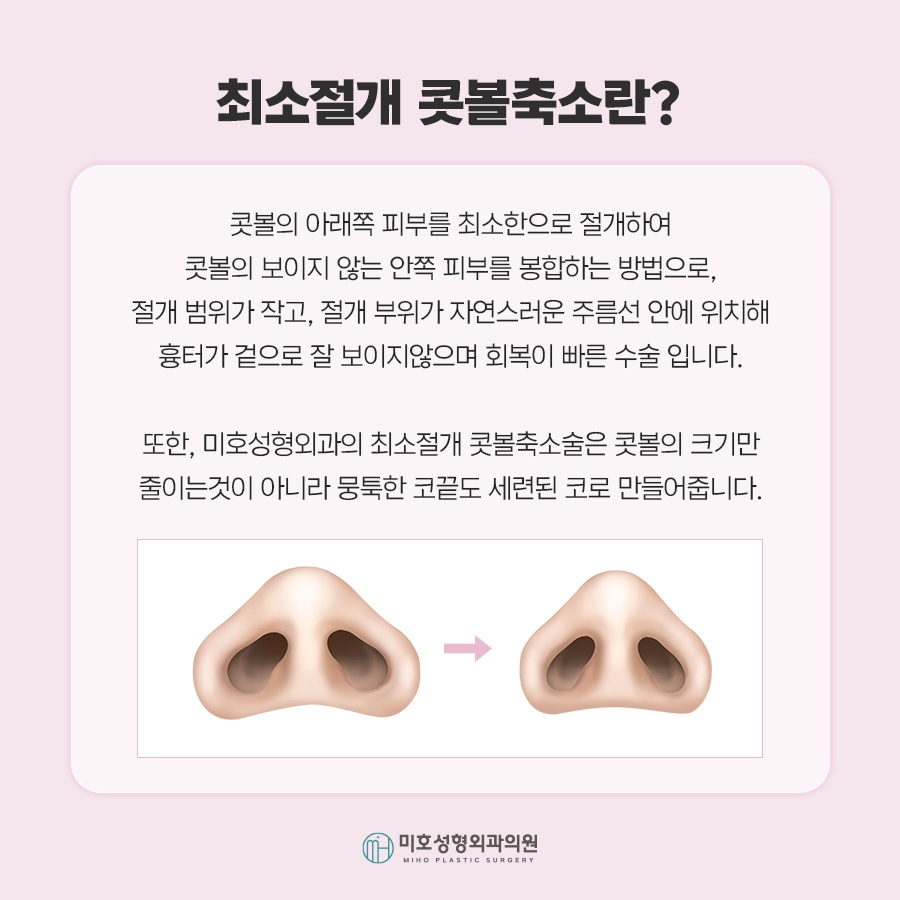
As interest in alar reduction has grown,
people often come across a variety of reviews.
For a satisfactory result,
rather than comparing only the incision range or cost,
it is important first to check how thoroughly
your nasal structure is assessed.
The size and width of the nasal alae,
skin thickness, the height of the nasal tip,
and facial proportions all differ from person to person.
Therefore, applying the same method
does not necessarily produce the same result.
Accordingly, a sufficient consultation should be used
to identify the characteristics of your current condition
and plan a design that creates harmony.
This process increases the likelihood
of leading to a natural-looking change.

A bulbous nose is not a shape
that results from a single cause;
multiple factors often work together.
In some cases, the soft tissue at the nasal tip itself
is thick, making the tip appear rounded.
In others, the nasal alae spread widely to both sides,
making the nose look larger than it actually is.
If the nostrils are not balanced from side to side
or the nasal tip is low,
attention is drawn toward the wider area,
making the bulbous appearance
more pronounced.
Even when noses appear to have
the same bulbous shape,
the causes may be different.
Therefore, rather than applying a uniform method,
an approach that considers
each person's structural characteristics
is necessary.
Careful analysis
is an important factor
in increasing satisfaction with alar reduction.

Because the causes of a bulbous nose vary in this way,
it is important first to determine
whether simply reducing the width
is appropriate.
Depending on the case,
improving the shape of the nasal tip as well
or adjusting the position of the nasal alae
may create a more natural result.
Because the nose is located at the center of the face,
even a small change can affect overall balance.
Therefore, the design should not consider
just one area separately;
it should include the forehead, mouth, and chin
as well.
Only through this process
can one expect a harmonious impression
without an excessive result.
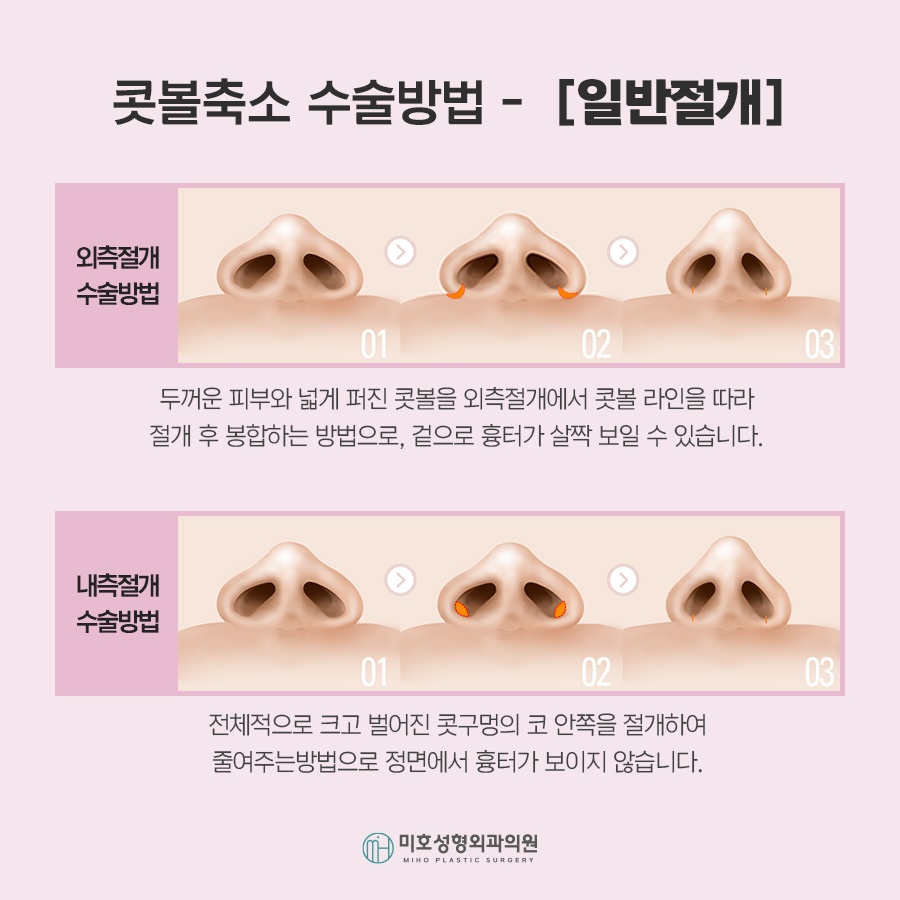
Approaches to nasal solutions vary
according to the shape,
such as a low nose, bulbous nose,
dorsal hump, crooked nose, or upturned nose.
A bulbous nose in particular requires
simultaneous consideration of various factors,
including the thickness of the skin and soft tissue,
the support of the nasal tip,
the shape of the nasal alae,
and left-right balance.
Therefore, correcting only one area
may have limitations.
If you are considering
alar reduction,
rather than checking only the method,
it is important to examine how the nose is analyzed
and how a design that harmonizes with the face
is planned.
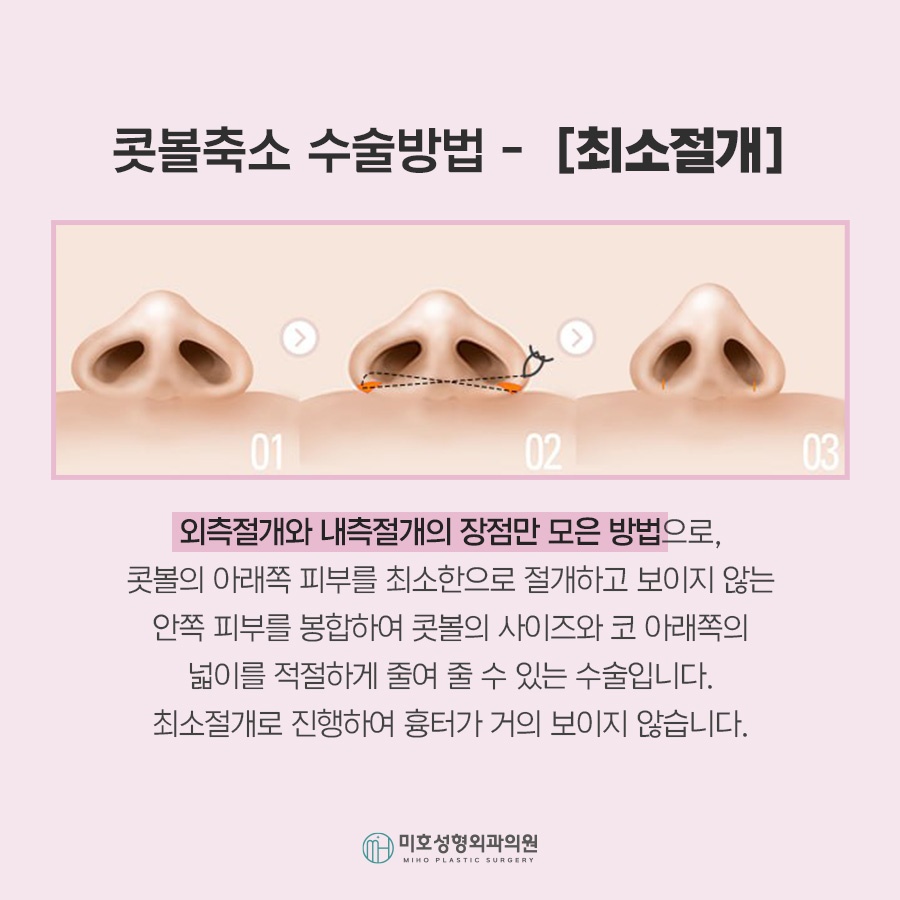
A bulbous nose often involves thick skin
and soft tissue, so simply addressing
the externally visible area
may make it difficult to achieve the desired change.
Reducing the width of the nose alone
may not sufficiently restore overall balance
in some cases.
Therefore, it is important to analyze
the shape of the nasal tip, the position of the nasal alae,
and the characteristics of the skin,
then plan a solution suited to the individual.
Rather than focusing only on improving appearance,
considering proportions that blend naturally
may help increase satisfaction.
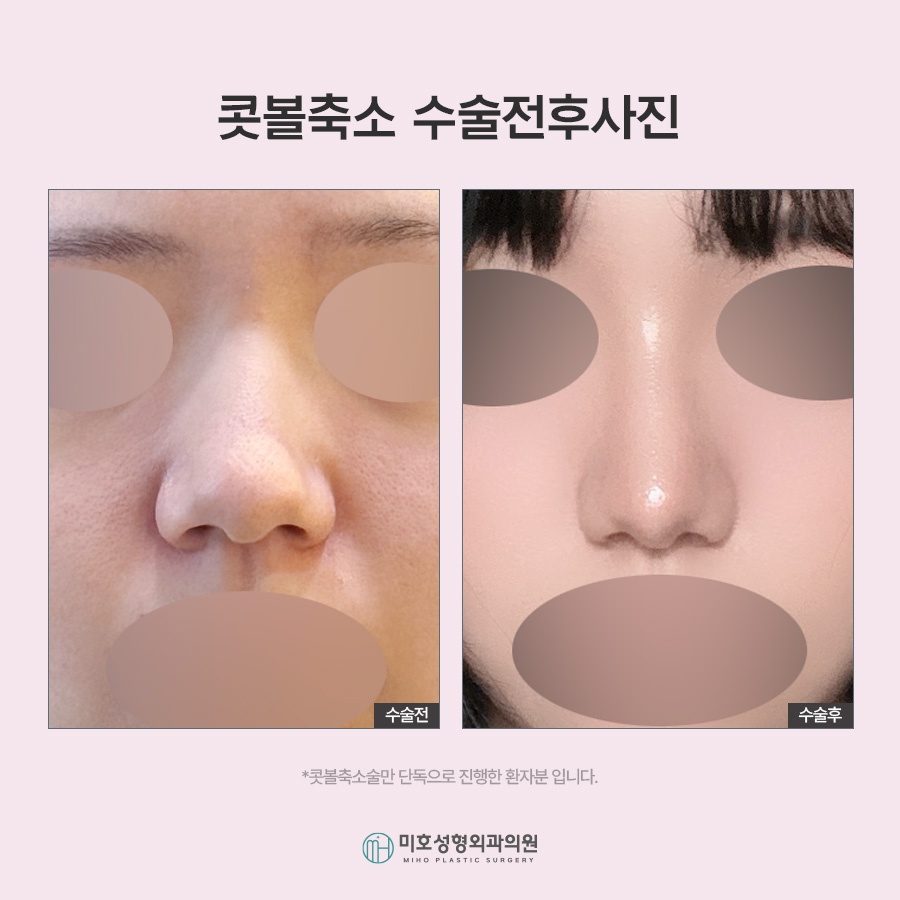
When the nasal alae appear to spread widely
to both sides,
some cases require an approach
that considers their position and balance
rather than reducing width alone.
If the proportions do not match the nasal tip,
it may feel unnatural
no matter how much the nasal alae are narrowed.
When looking into alar reduction,
it is very important to check how thoroughly
the nasal structure is analyzed,
rather than focusing on the incision range or cost.
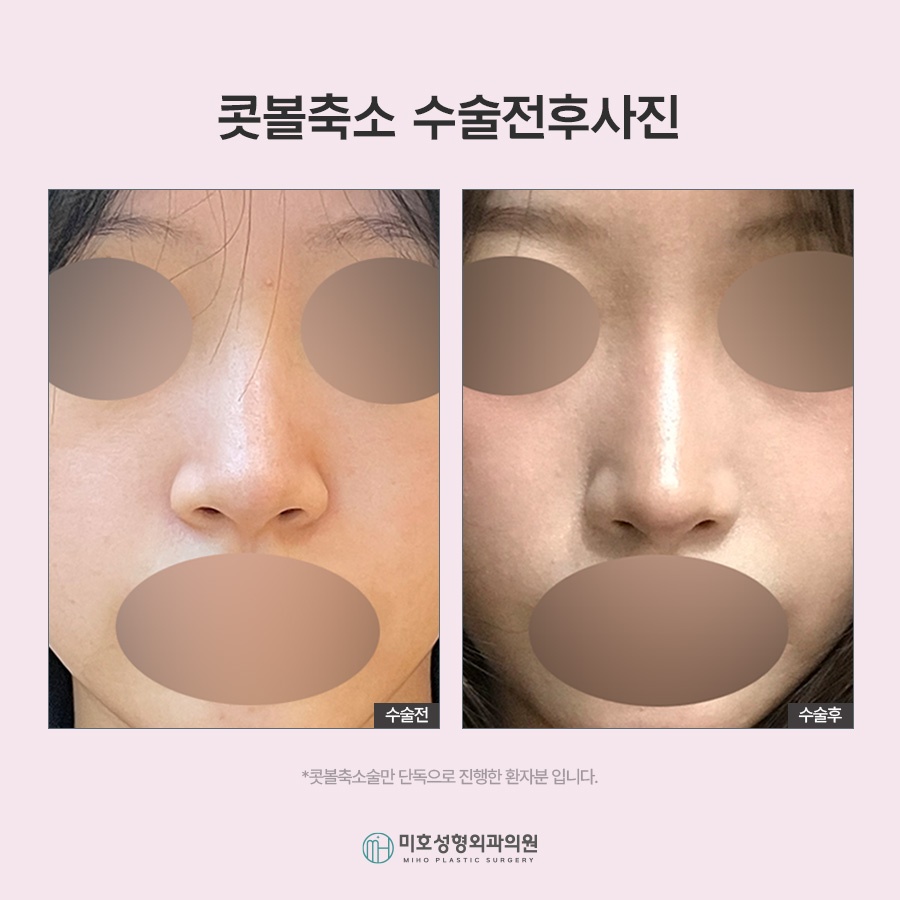
There are several ways to reduce the nasal alae.
They may be tied with sutures to make them appear narrower,
or the position itself may be moved,
or a method may be selected that reduces only skin thickness.
The suture-based method is relatively simple,
with a short recovery period and procedure time,
but its durability is also relatively limited.
The nose may be likely to return
to its previous appearance after a short period of time.
By contrast, repositioning the nasal alae themselves
may allow for a more balanced change.
The important point in this process
is that the position must be moved
while considering the structure of soft tissues,
including the periosteum and ligaments.
No single method is universally right or wrong.
Since the appropriate option differs for each person,
it is necessary to communicate sufficiently
with a medical professional
and find the method that suits you.
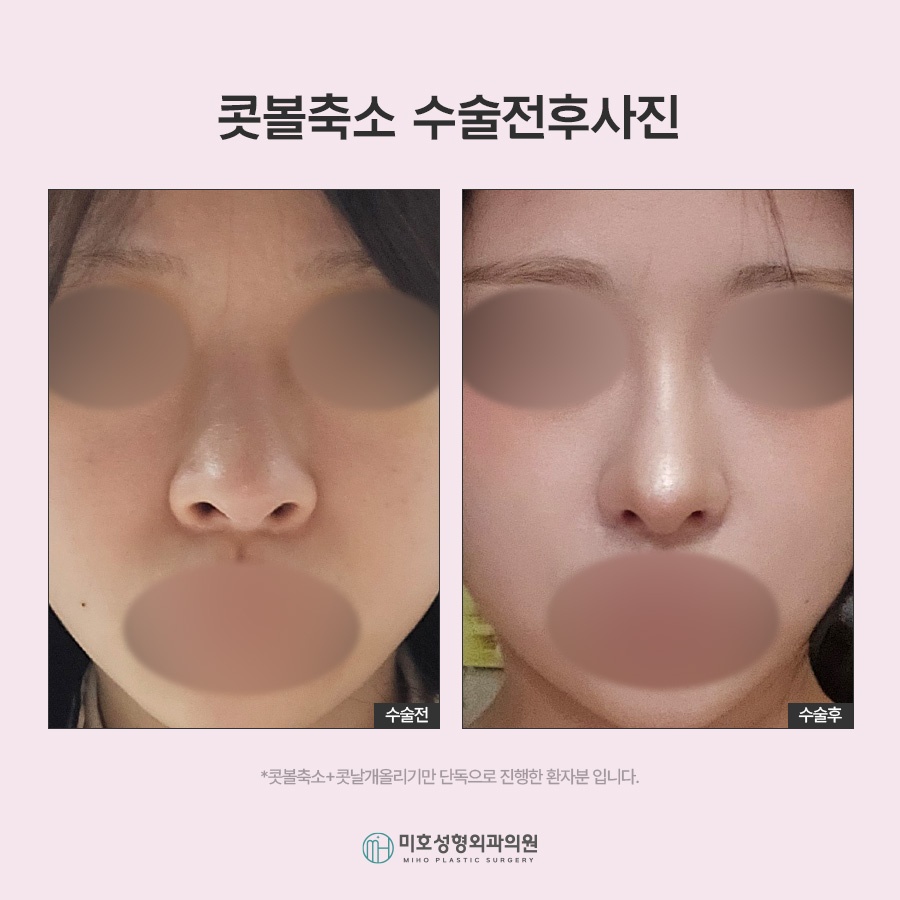
When choosing a medical institution and medical professional,
people often refer to reviews from those with firsthand experience.
In this case, it is advisable to find
as many cases similar to yours as possible.
Use reviews as a reference,
but also visit the medical institution in person
for a consultation and receive a one-on-one,
customized design.
You should also find out whether the physician in charge
has extensive experience
and whether they have treated cases similar to yours.
The process used by the medical institution
should also be examined carefully.
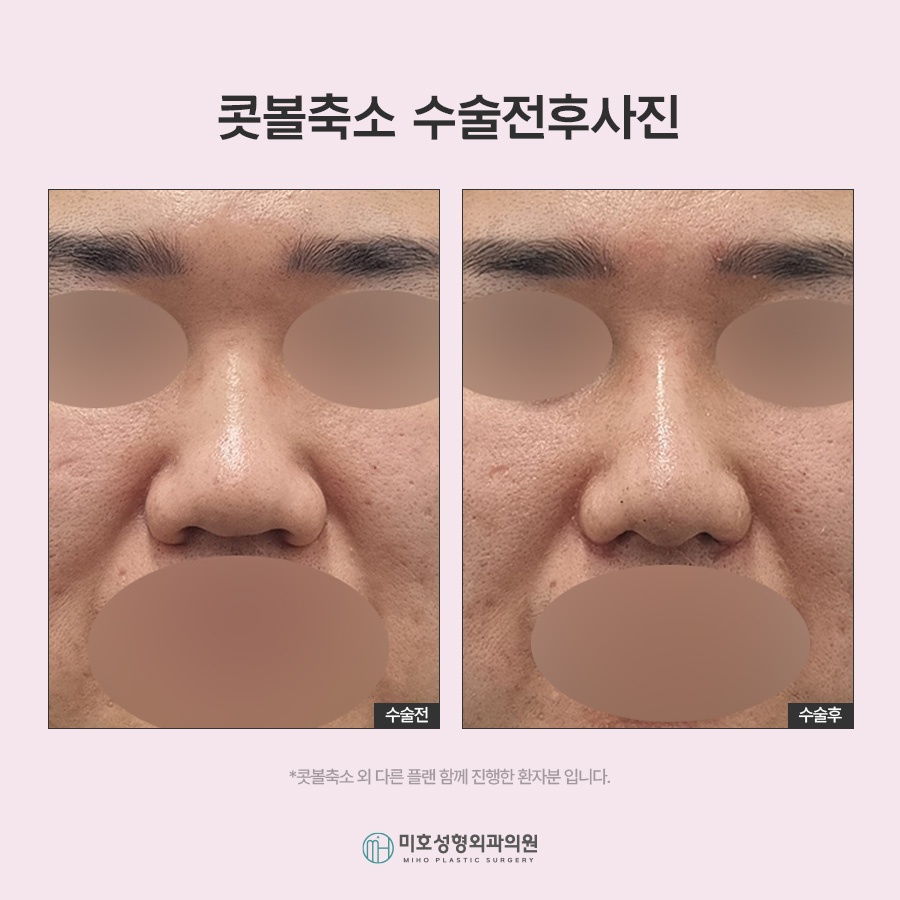
Improving a bulbous nose is not simply a process
of reducing the width of the nasal alae.
It can be viewed as a precise process
that requires comprehensive consideration
of the nasal tip, nasal alae, and facial proportions.
Even bulbous noses that look the same
can have different causes and structures,
so an approach that fully reflects
individual characteristics is very important.
Therefore,
if you are considering alar reduction,
rather than looking into only the cost or one method,
it is better to first examine the process
of comprehensively analyzing your nasal shape
and facial balance.
Through a sufficient consultation,
we hope you find the direction suited to you
and achieve a natural, harmonious appearance.




Previous image
Next image