If the symptom of having
only one side of the nose blocked
repeatedly occurs, it is easy to think
that it is simply caused by seasonal changes or
temporary mucosal irritation.
However, if medication only provides temporary relief
and the feeling of congestion quickly returns,
it is advisable to examine the internal structure
of the nose as well.
In particular, if only one side is blocked
when inhaling or if you have a habit of
breathing through your mouth while sleeping,
it is difficult to rule out the possibility
that the nasal septum is deviated.
Because symptoms caused by structural problems
are unlikely to improve on their own or
with medication alone,
it is advisable to consider indemnity insurance coverage
and improve the internal structure of the nose.
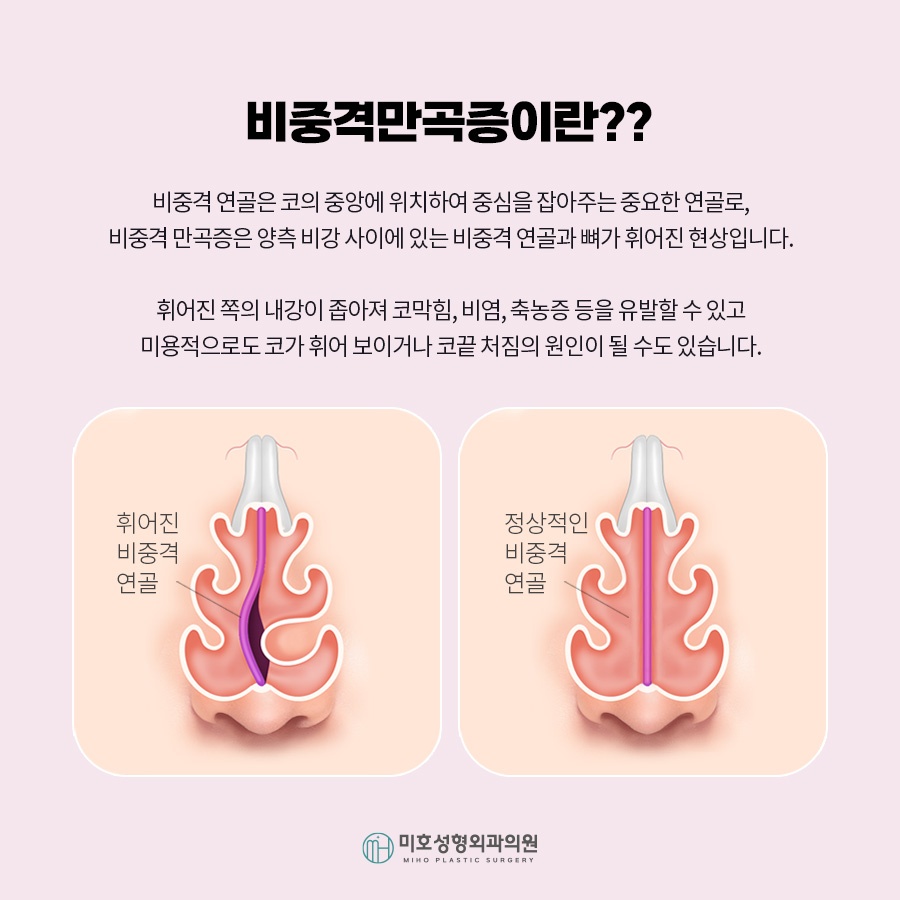
The nasal septum is the structure
in the center of the nose that
serves as a partition separating
the two nostrils.
With a normal structure, air
moves evenly through both sides,
but if the septum is deviated to one side,
the movement of oxygen is not smooth,
which can lead to ongoing discomfort.
In fact, many people live with this type of structure,
but when the deviation is severe,
it can become a factor that lowers
quality of life.
In such cases, learning in advance about
indemnity insurance coverage for septal deviation
can also help when preparing
the necessary procedures.
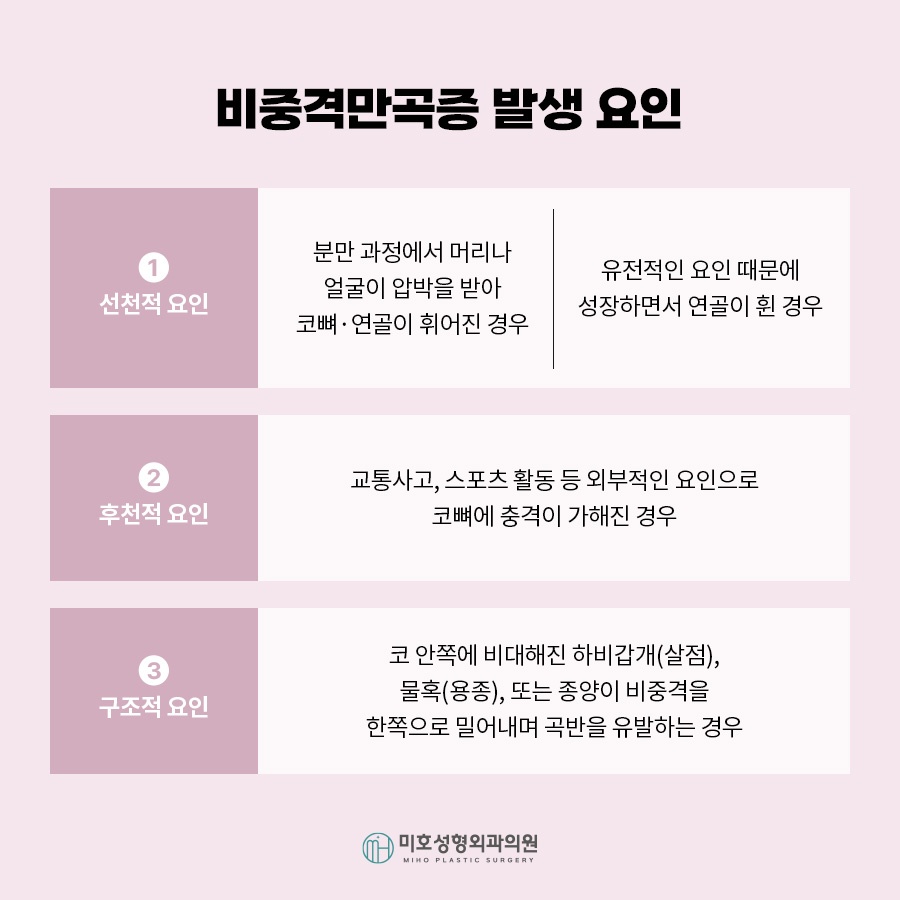
The causes of a deviated nasal septal cartilage
can broadly be divided into
congenital and acquired factors.
During growth, the nasal bones and cartilage
may grow at different rates, creating pressure
that causes the cartilage alone to bend internally.
It is also common for hereditary factors
to play a role.
Conversely, there are also many cases in which
the shape changes due to external impacts,
such as collisions during sports or falls.
Understanding these causes makes it possible
not to dismiss recurring nasal congestion
as merely a symptom,
but to approach it in a more systematic way.
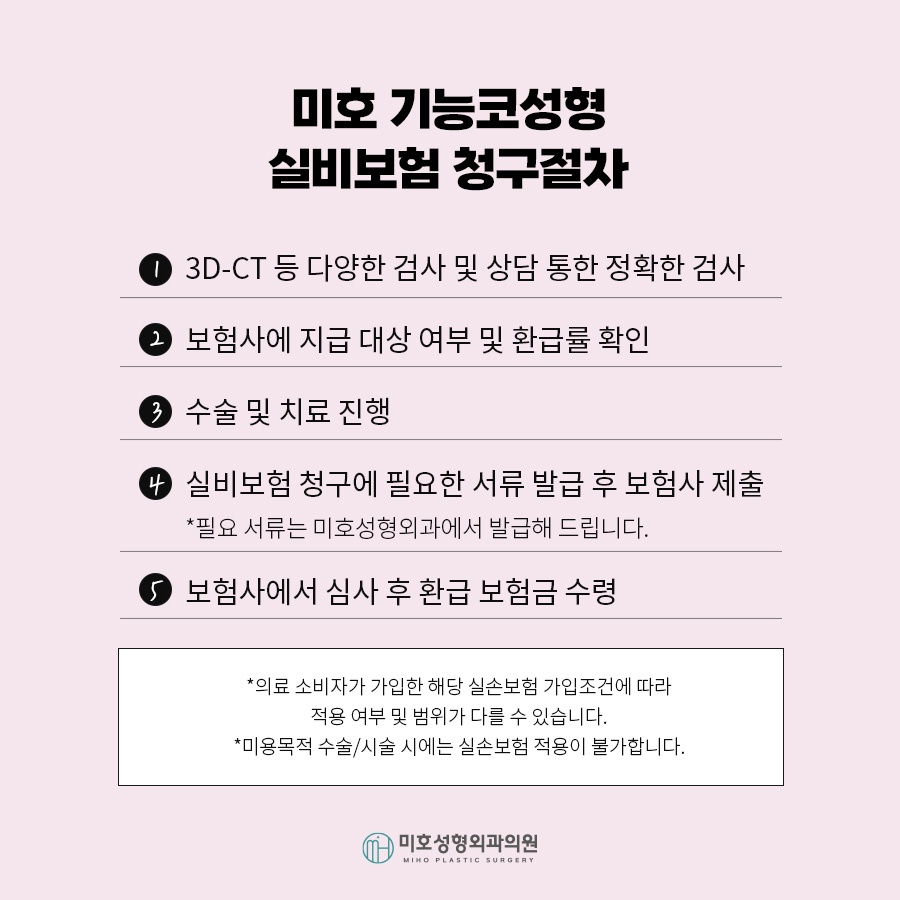
Whether indemnity insurance coverage applies
is also generally reviewed after
confirming this structural problem.
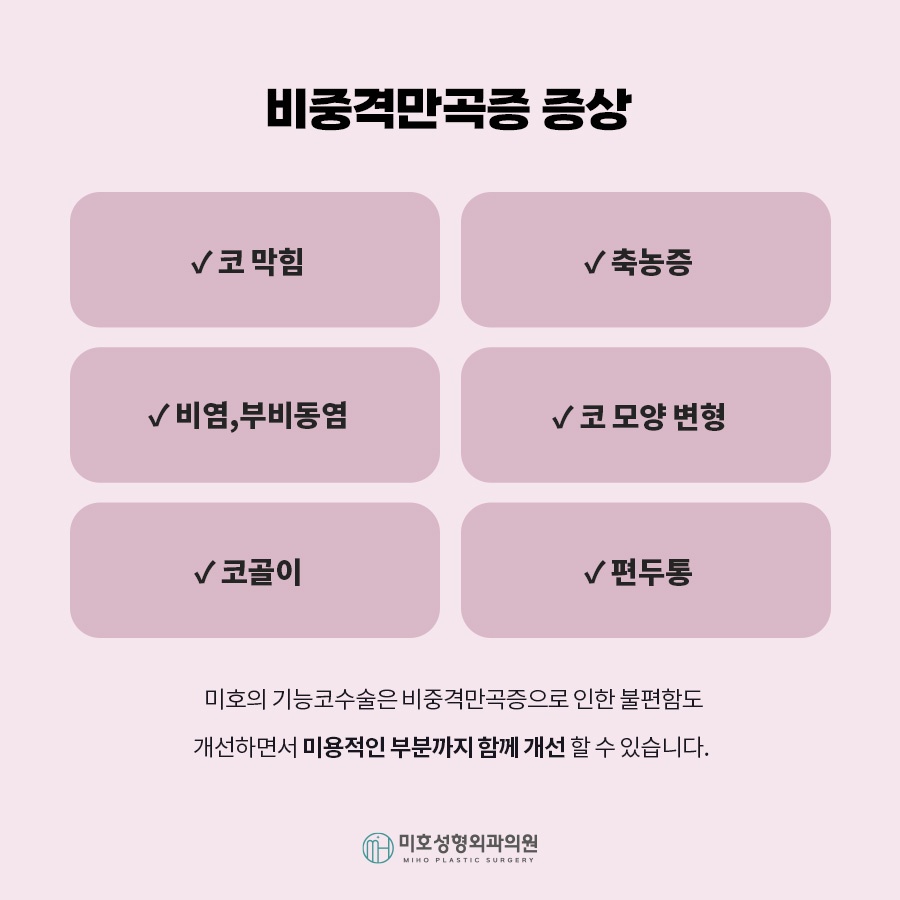
When the space inside the nose becomes narrow,
airflow is obstructed,
so one side tends to become overloaded.
Over time, a compensatory response may occur
in which the mucosa on the opposite side
also becomes thicker,
often causing discomfort on both sides.
In addition, seasonal changes, dust, and dry environments
can make the symptoms worse.
Many people think it is simply rhinitis
and repeatedly manage it for a long time,
but if the structural cause is not addressed,
similar problems continue to recur.
If the nasal septum remains deviated
for a long time, it may affect
more than just nasal congestion
and can influence daily life overall.
As the time spent breathing through the mouth
at night increases, you may wake up
with a dry mouth in the morning.
You may also be unable to sleep deeply,
making it difficult to relieve fatigue
even after getting sufficient rest.
It is also common to feel that
your sense of smell has weakened,
or to experience a heavy-headed feeling
and reduced concentration.
Because these symptoms can lower
quality of life, it is important to identify
the cause rather than dismissing them.
If you also check in advance whether
indemnity insurance coverage may apply,
it can help you plan your expenses
and make it easier to prepare
treatment suited to your current condition.
If nasal congestion repeatedly occurs
due to a structural cause,
it is usually difficult to expect fundamental improvement
from medication or nasal sprays alone.
In such cases, it is advisable to consider
a correction procedure to straighten
the deviated nasal septum.
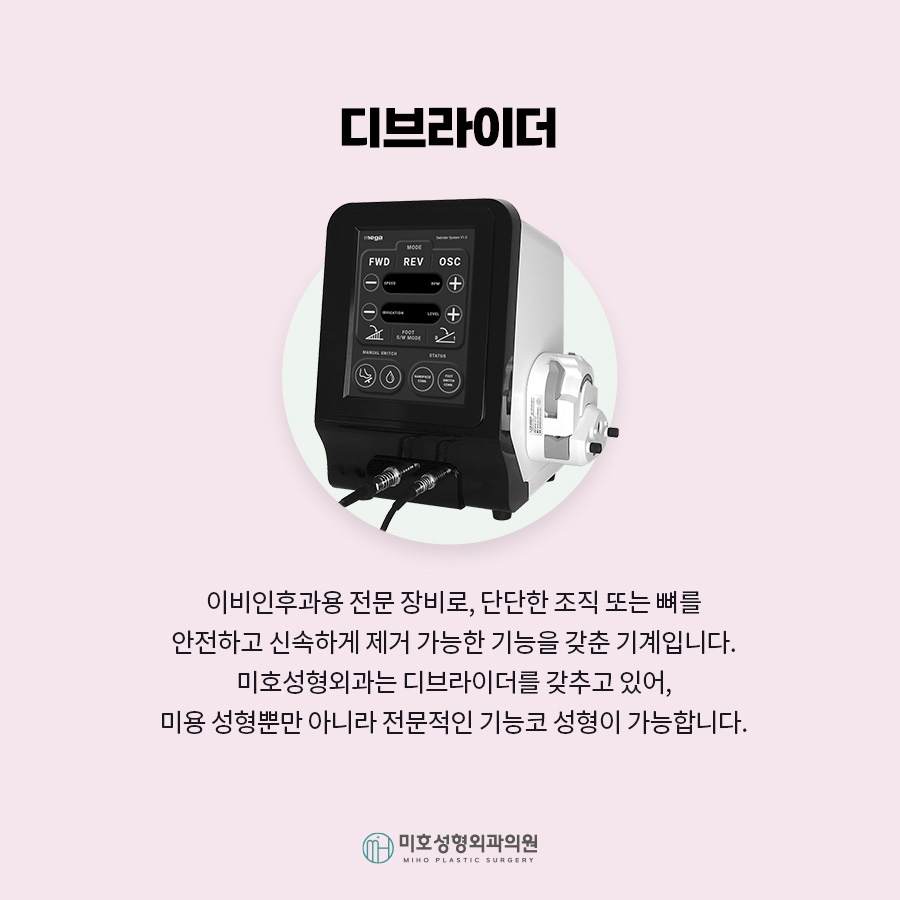
The procedure is performed by approaching
through the inside of the nose,
reshaping the deviated cartilage or bone
into a straight line,
and securing space for air to pass through.
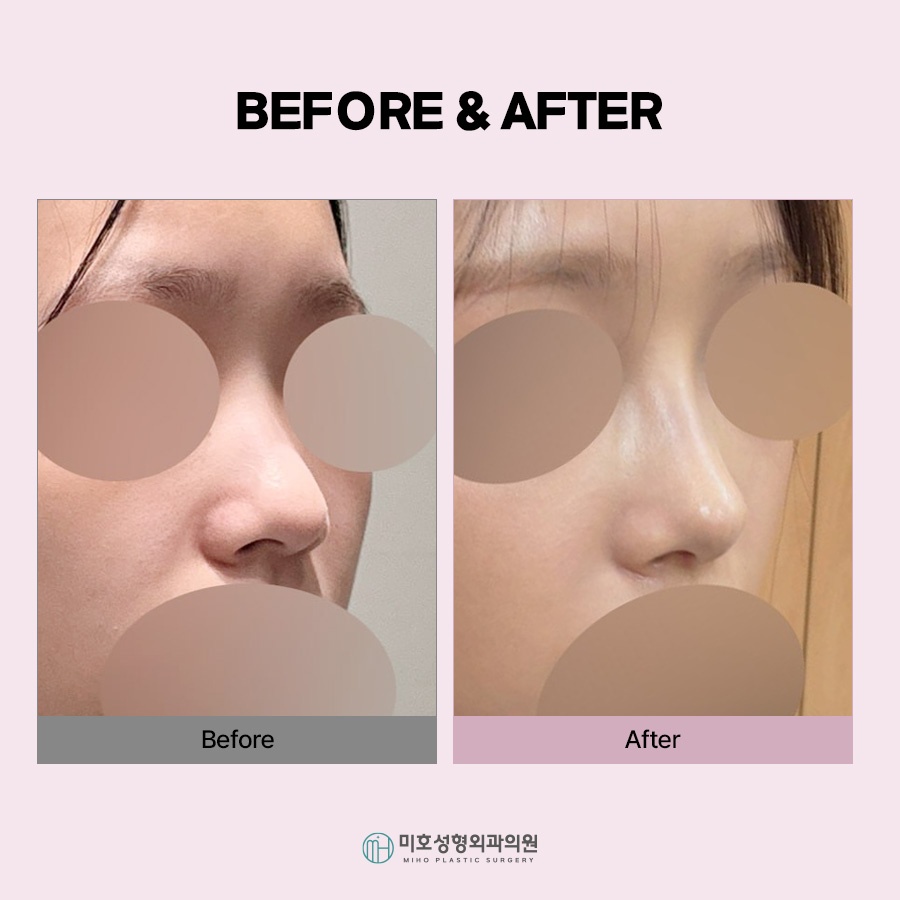
The likelihood of a noticeable external scar
is relatively low.
The purpose of correcting the internal structure
is not limited to reducing the feeling of congestion;
it is intended to help you breathe more easily.
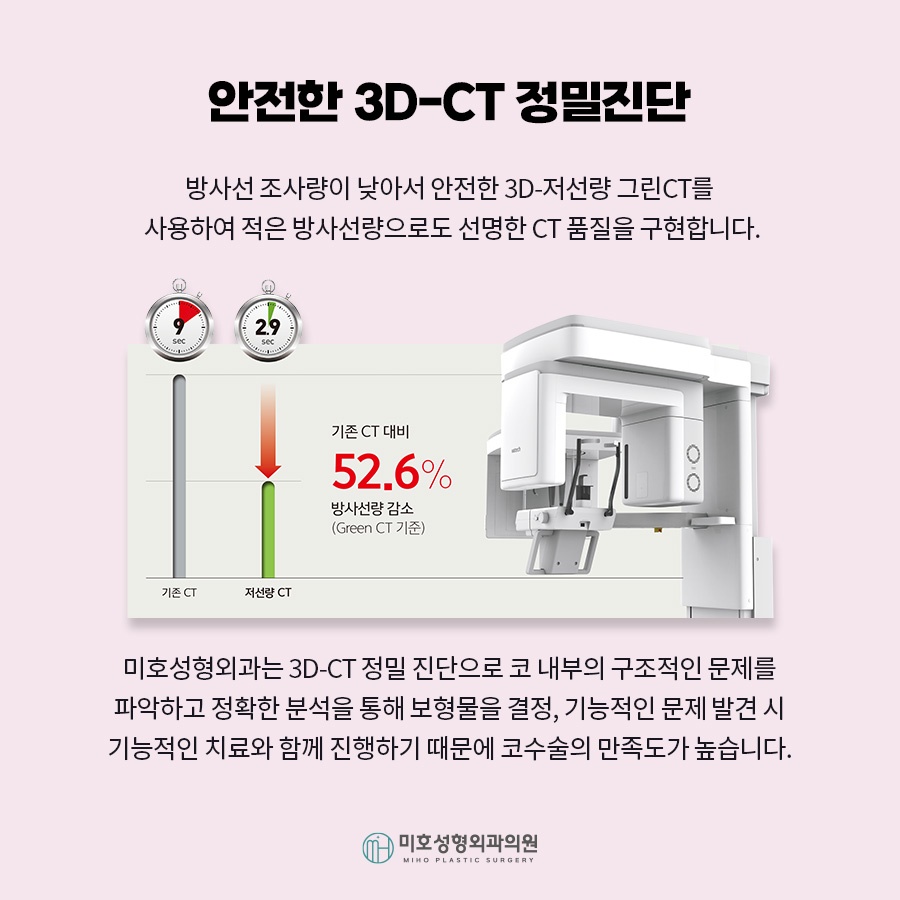
The time required for the procedure
varies somewhat depending on the individual’s condition
and the process involved,
but it generally takes about one to two hours.
You can return home without a separate hospital stay,
and one or two follow-up visits may be needed
to monitor your progress and remove the stitches.
In recent years, as the materials and methods used
have advanced, procedures are being performed
in ways intended to reduce discomfort
compared with the past.
Recovery time varies from person to person,
but returning to daily activities is generally possible
from around one to two weeks afterward.
Checking whether indemnity insurance coverage applies
at the planning stage of the correction procedure
can also help you estimate the cost.
After the correction, proper care is also important
for a stable recovery.
In the early stages, blowing your nose forcefully
or engaging in activities that may cause a strong impact
is prohibited.
Maintaining appropriate humidity,
rather than staying in a dry environment,
can help the mucosa recover.
Even if scabs form inside the nose,
it is advisable to wait for them to fall off naturally
rather than removing them yourself.
If discomfort such as pain or a sensation of heat
continues, you should visit a medical institution
and receive appropriate care.
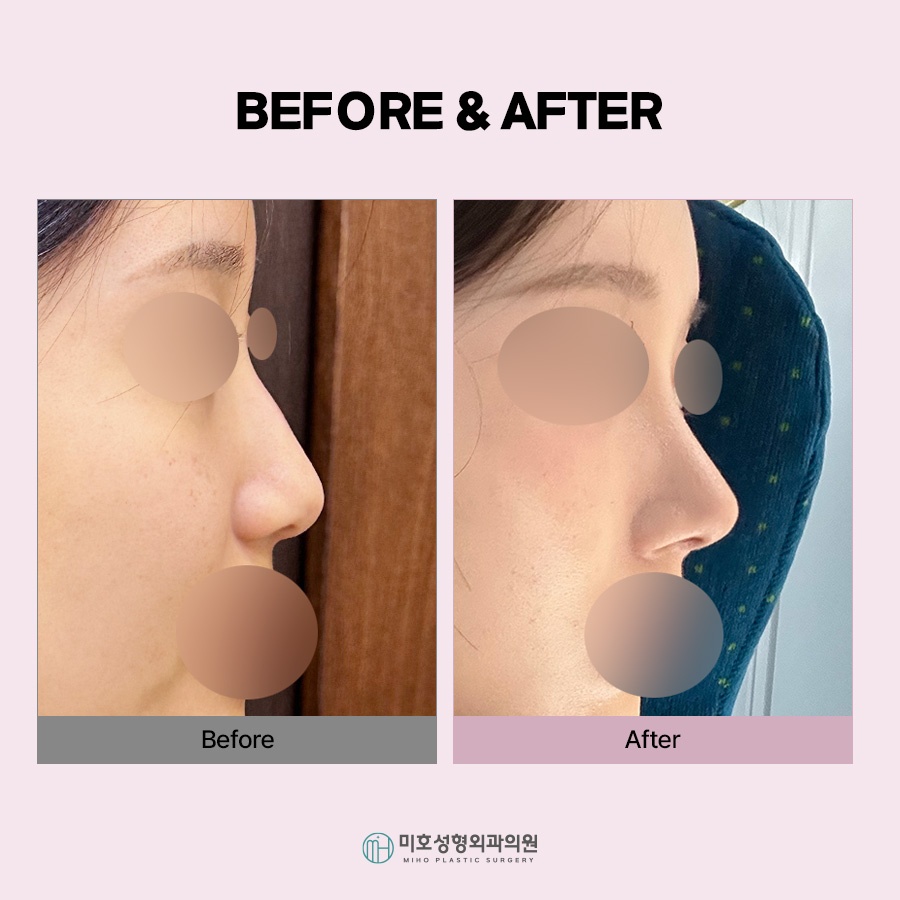
One of the points many people are curious about
is the cost and whether insurance applies.
If the procedure is recognized as treatment
for improving function rather than changing appearance,
it may be eligible for coverage under the National Health Insurance system.
In addition, coverage may vary depending on
the terms of your indemnity insurance policy
and when you enrolled,
so it is necessary to inquire in advance and confirm.
Because the scope of coverage differs by insurer,
we recommend reviewing the required documents
and coverage conditions beforehand.
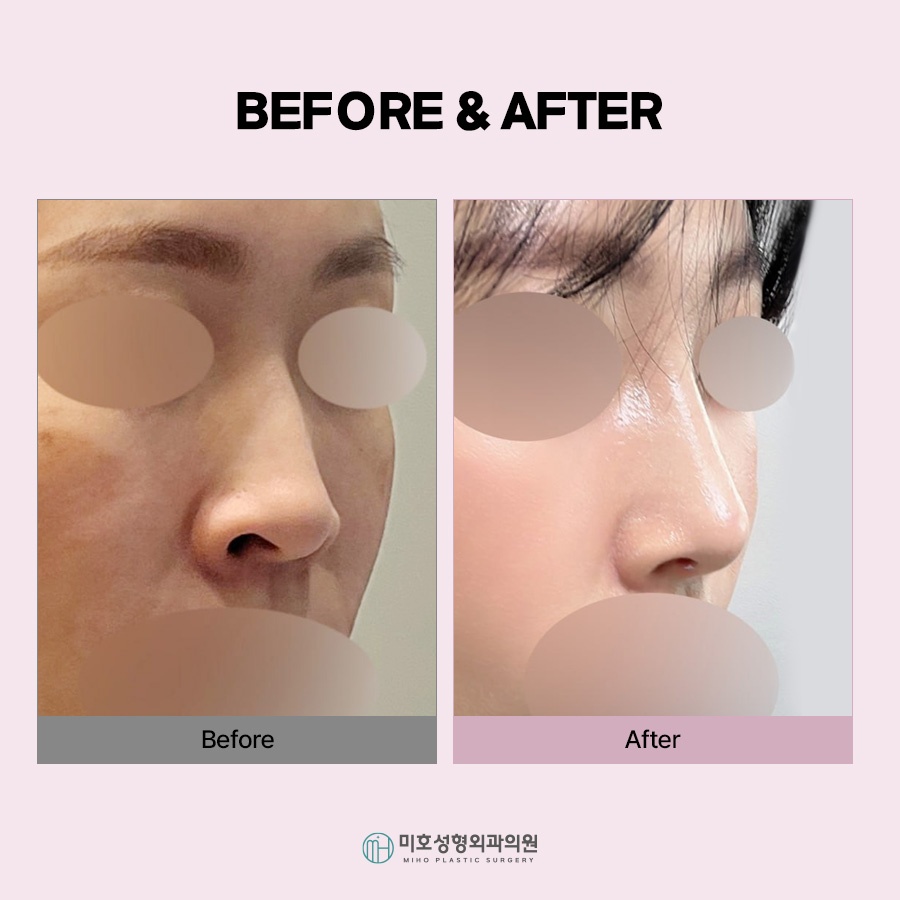
Being able to breathe comfortably through your nose
is a very important factor in maintaining
daily vitality and sleep quality.
If nasal congestion persists for a long time,
it is advisable to check whether
there is a structural cause.
After clearly identifying the cause,
receiving treatment and care suited to your condition
may help create a more comfortable breathing environment.
If cost is a concern,
we recommend checking whether indemnity insurance coverage
may apply and reviewing the National Health Insurance criteria
to determine whether the financial burden can be reduced.
We hope that, based on thorough consultation,
you prepare carefully and achieve a satisfactory outcome.