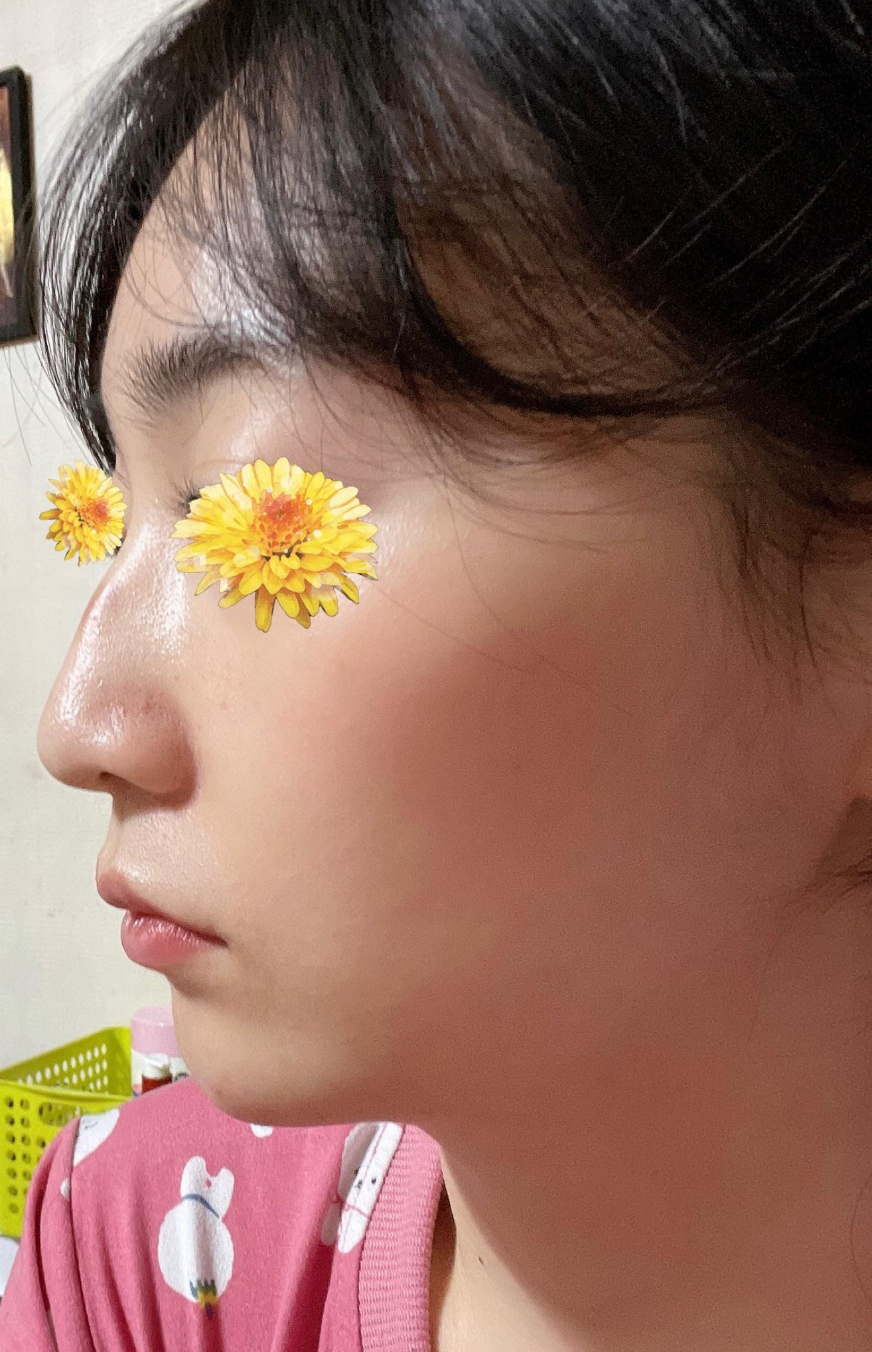
Before surgery
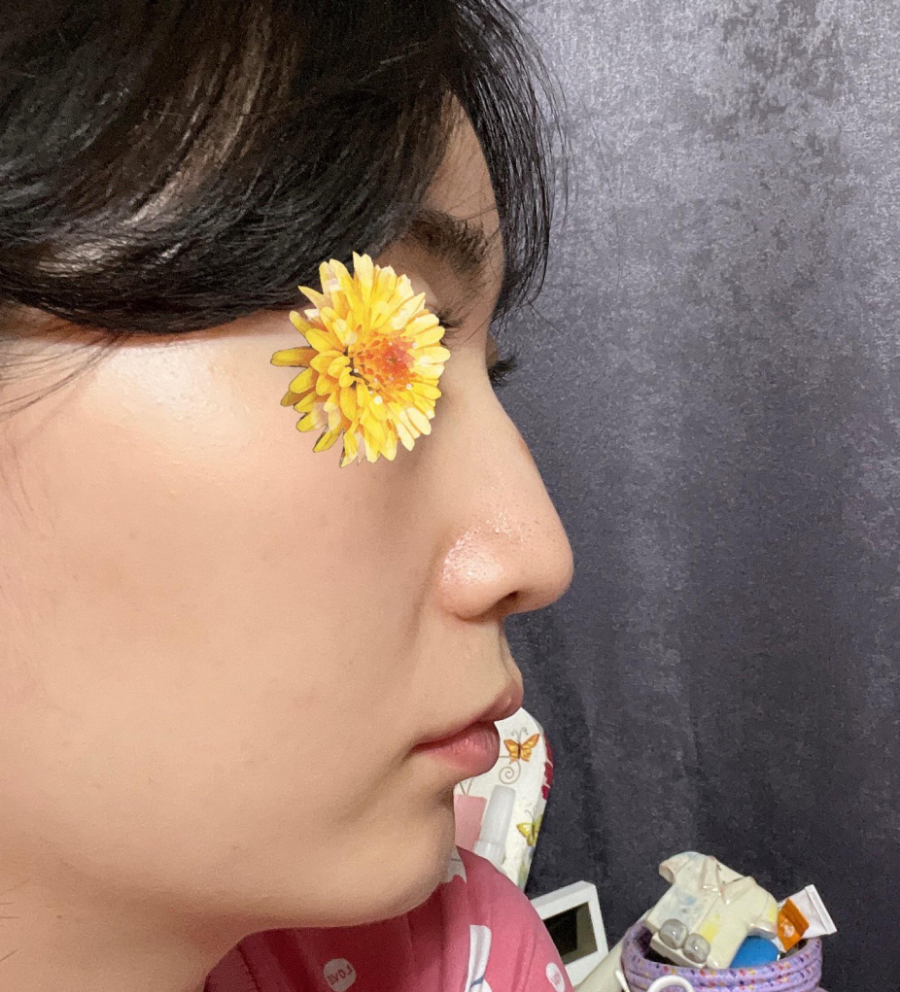
Before surgery
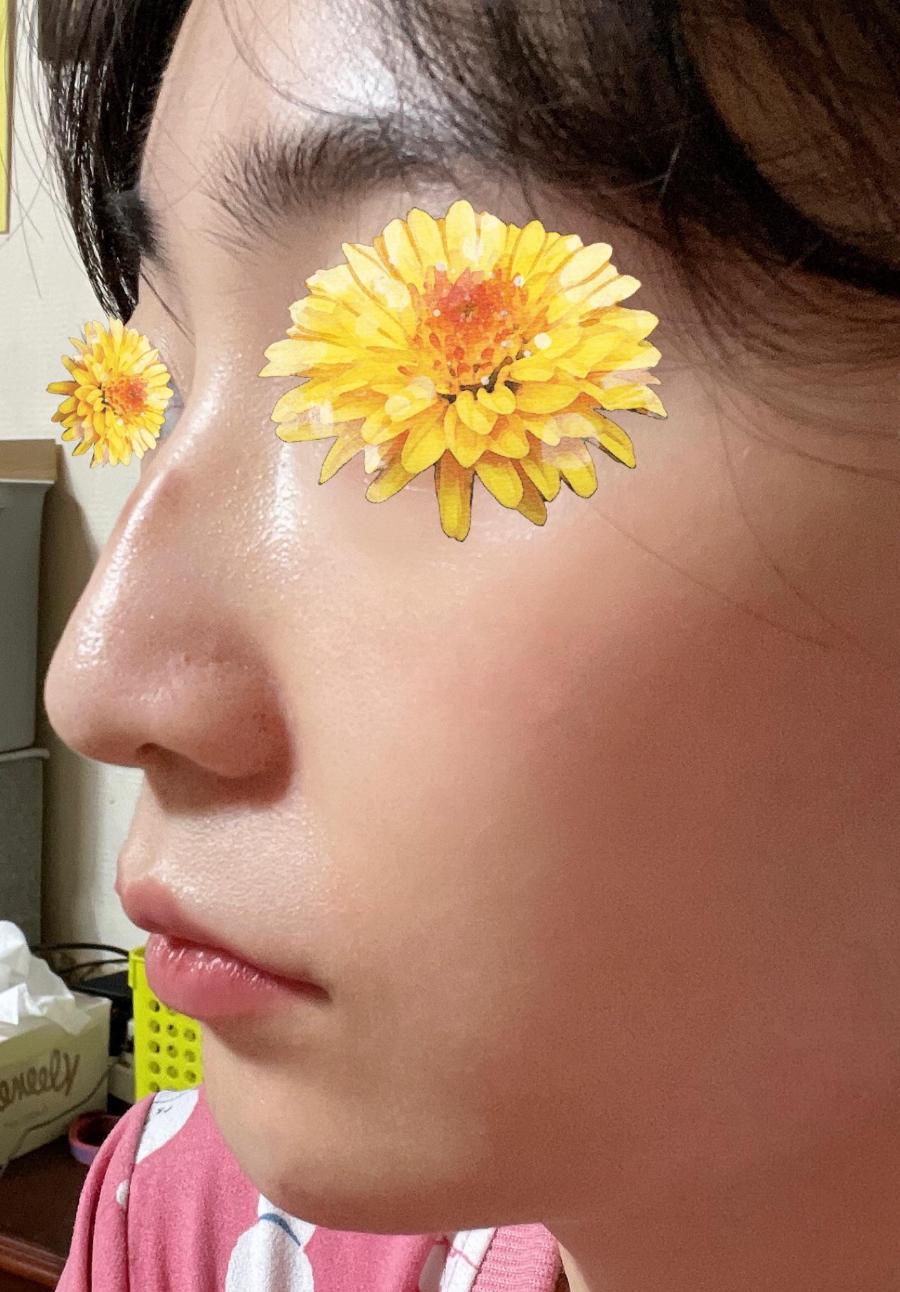
Before surgery
�
▼
▼
▼
�
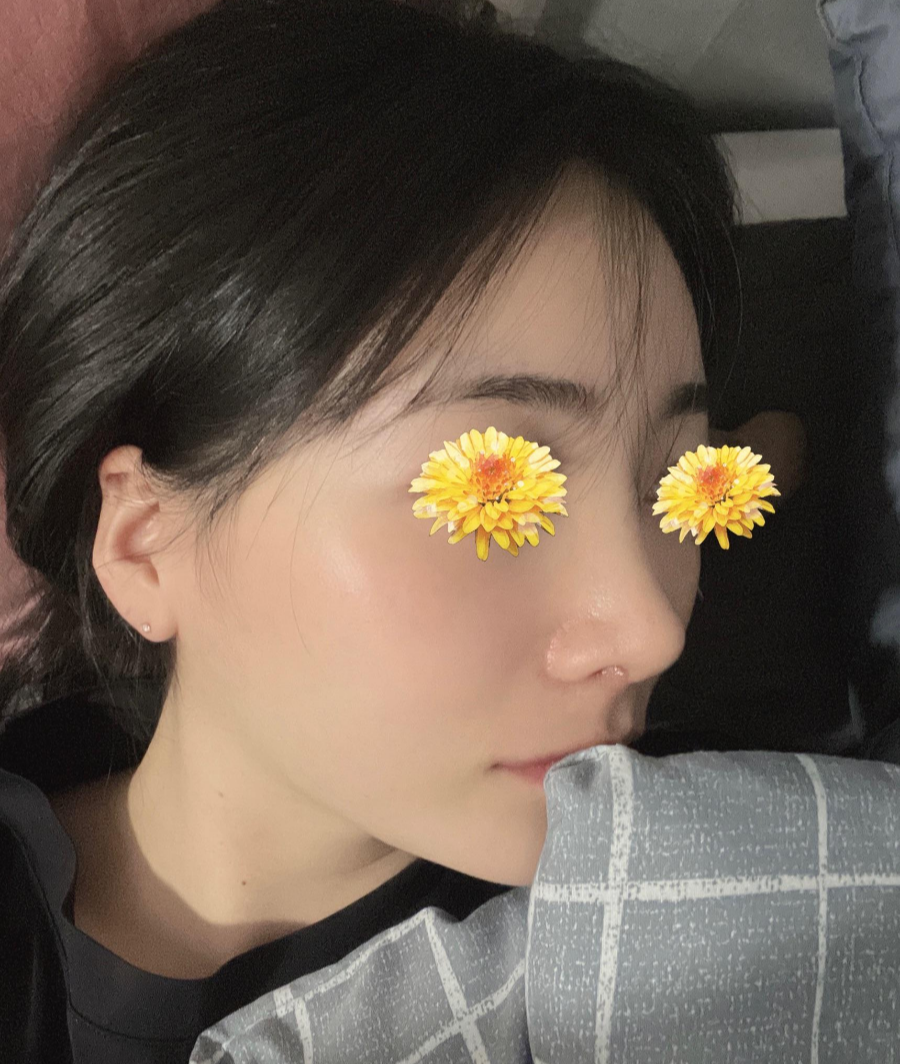
After surgery
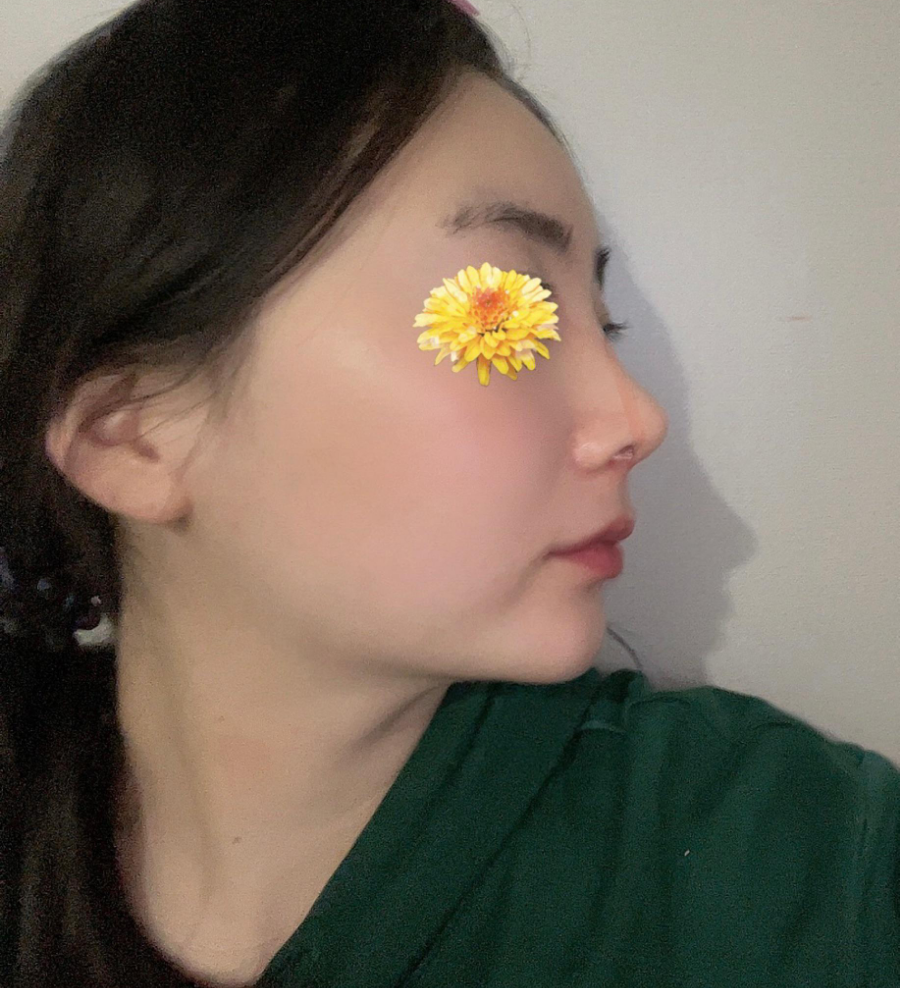
After surgery
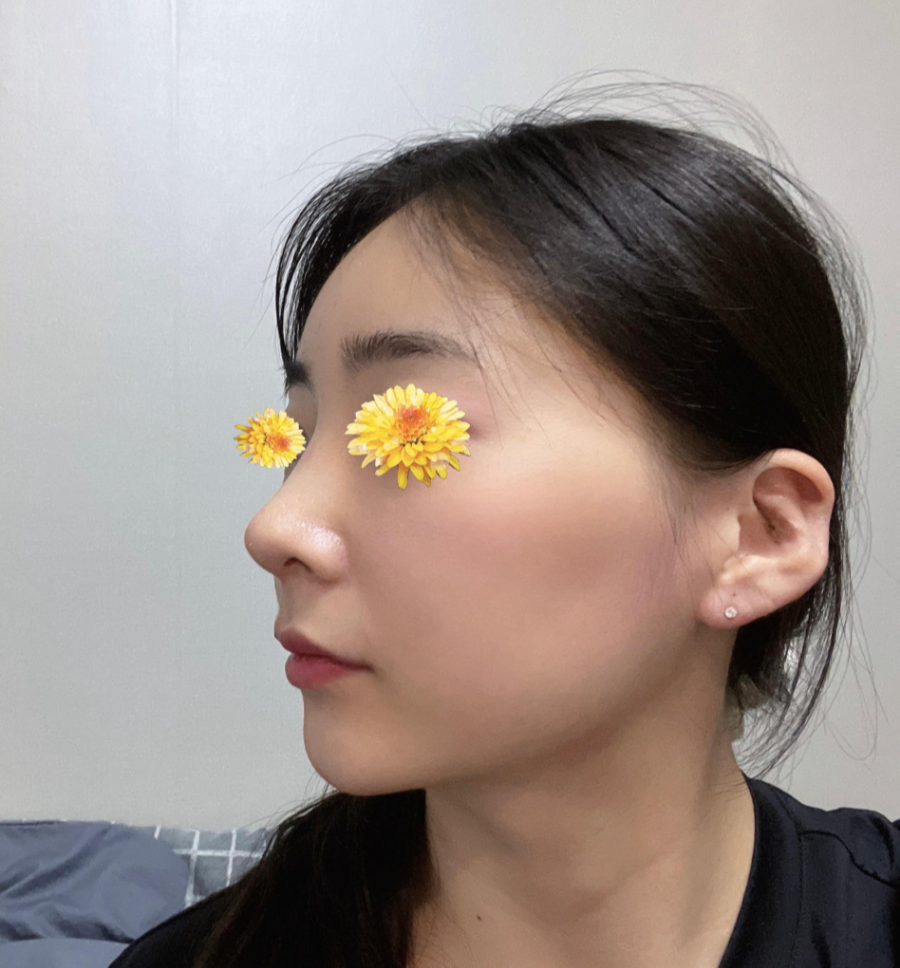
After surgery
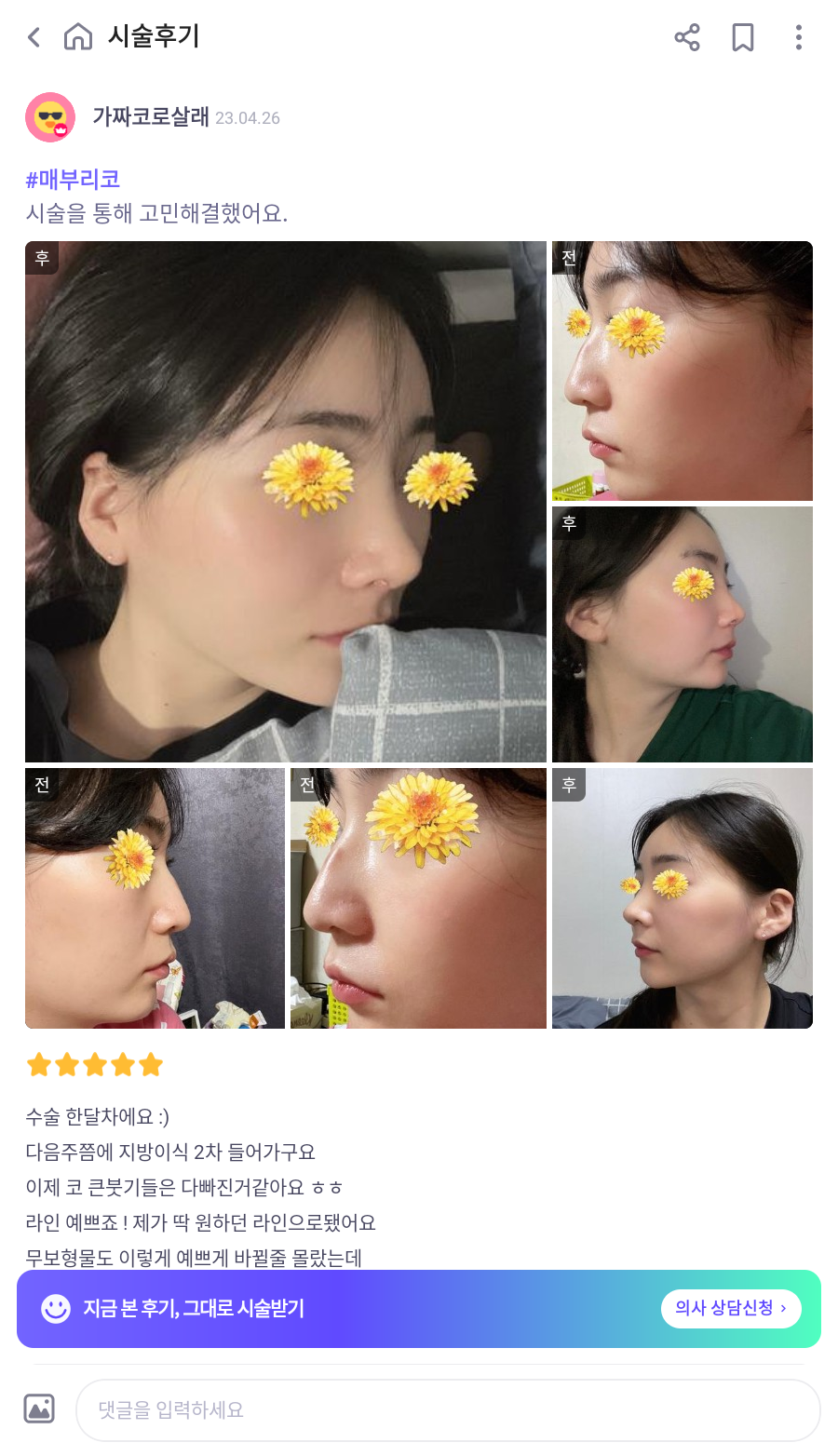
�
It has been one month since the surgery :)
I’m due to have the second fat grafting procedure next week, and I think the major swelling in my nose has mostly gone down now haha.
The line is pretty, right? It became exactly the line I wanted, and I didn’t use an implant either.
I didn’t expect it to change so beautifully, but the effect was so great that I’m very satisfied :)
If you have any questions, feel free to ask.
This is a review of bone osteotomy at Kowon Plastic Surgery by 'I Want to Live as a Fake Nose.'
Hello, this is Dr. Kim Hyung-taek from Kowon Plastic Surgery.
The patient I’ll introduce this time had a hooked nose and a drooping nasal tip.
In cases like this, there is usually a very high starting point at the upper part of the bridge of the nose,
so the height often cannot be maintained all the way to the nasal tip and ends up drooping downward.
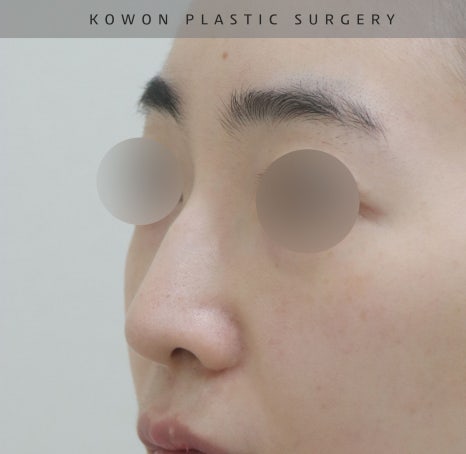
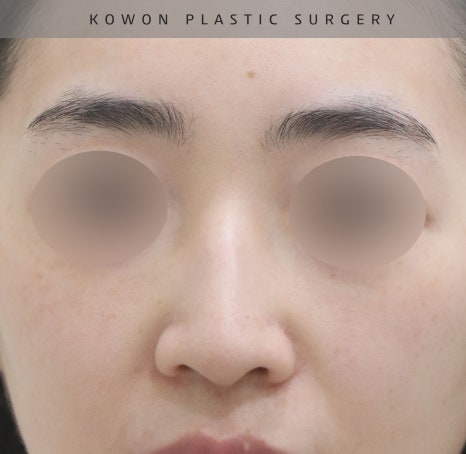
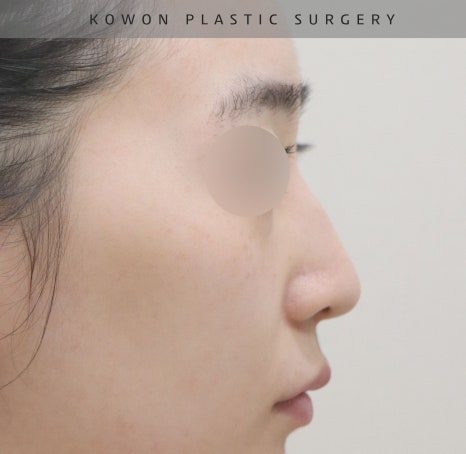
Before surgery - 45 degrees, front, side
It is often called a witch nose, drooping nose, or arrow nose.
Because it gives a gloomy impression and a masculine feel, women with a hooked nose in particular can expect a dramatic change in the impression of their face after nose surgery.
Since the nose already has sufficient height, there are many cases where a silicone implant is not necessary,
so the use of implants is relatively less frequent, and it is comparatively less of a concern in terms of inflammation.
So if you are worried about a hooked nose, rather than being too concerned, it is a good idea to consult a specialist.
The surgical plan was, first, to perform bone osteotomy on the hooked portion in the center of the bridge of the nose to make the bridge as smooth as possible,
then lower the height a little and lift the drooping nasal tip to change the overall line into a more feminine one.
Because she wanted a feminine line close to a straight-but-gently-curved shape, the nasal tip was rounded,
and the height of the bridge was refined during surgery.
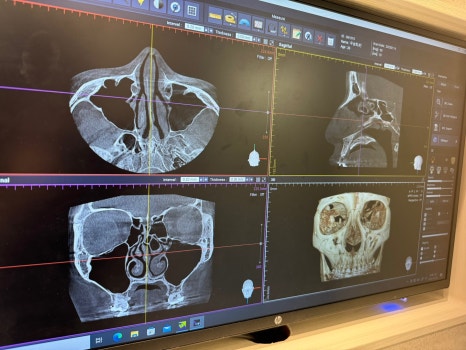
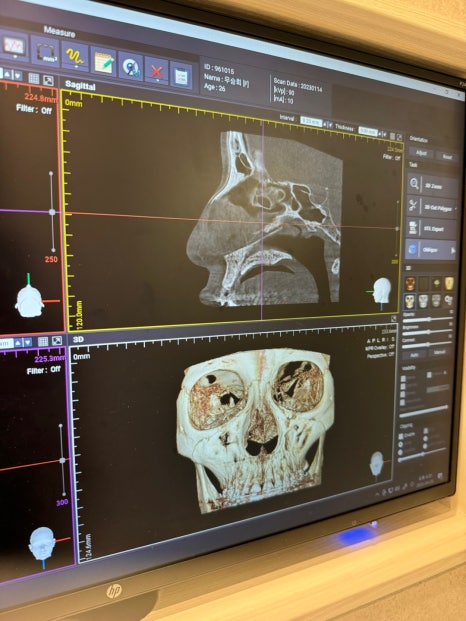
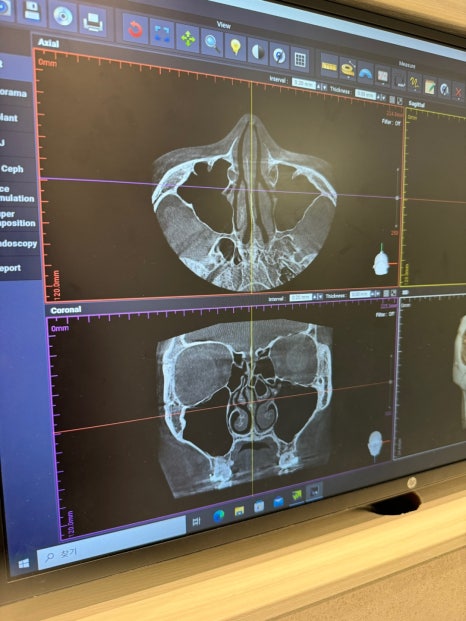
Also, in cases like this, when you smile, the nostrils widen outward, making the nose look more spread out.
This can be presumed to mean that the strength of the depressor septi nasi muscle, which pulls the nose downward, is strong.
Many people come to our clinic after surgery because of drooping of the nasal tip.
Drooping of the nasal tip is not simply caused by one reason,
but by a combination of several factors such as absorption of the cartilage placed in the nasal tip, the ongoing action of the depressor septi nasi muscle (the force that continuously presses the tip of the nose downward when smiling or talking),
and the action of various facial muscles connected to the depressor septi nasi muscle.
In addition, the support of the columella base may be too weak to maintain the height of the nose.
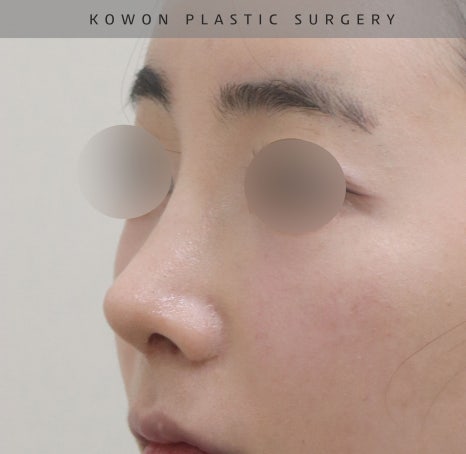
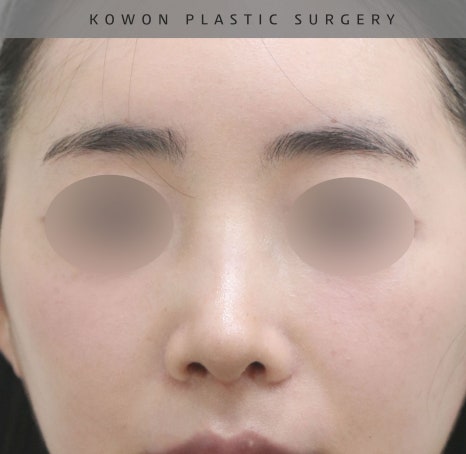
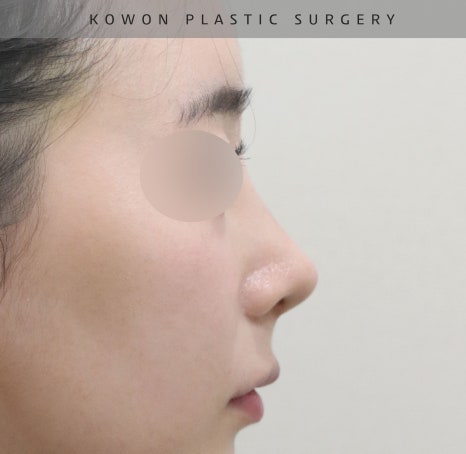
Before surgery - 45 degrees, front, side
By correcting the depressor septi nasi muscle, it is relatively possible to better prevent drooping of the nasal tip,
so if you have an arrow nose or feel stressed when your nose spreads out especially when you smile, it is better to have it addressed together.
However, for a while after surgery, smiling may look a little unnatural, so it may take about 1 to 2 years for the muscle movement to become natural and for you to fully adapt.
It would be helpful to know this in advance before undergoing surgery, and I’ll end the post here.
https://blog.naver.com/kowon_note/223330250577