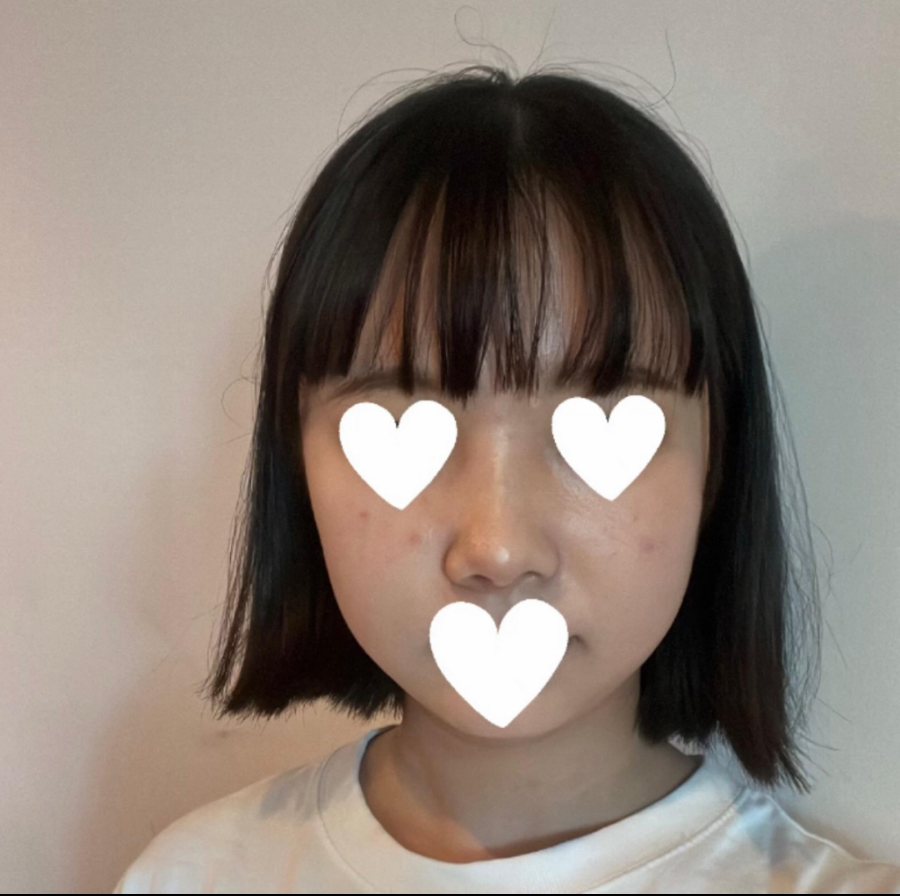
Before surgery

Before surgery

Before surgery

Before surgery

Before surgery
▼
▼
▼
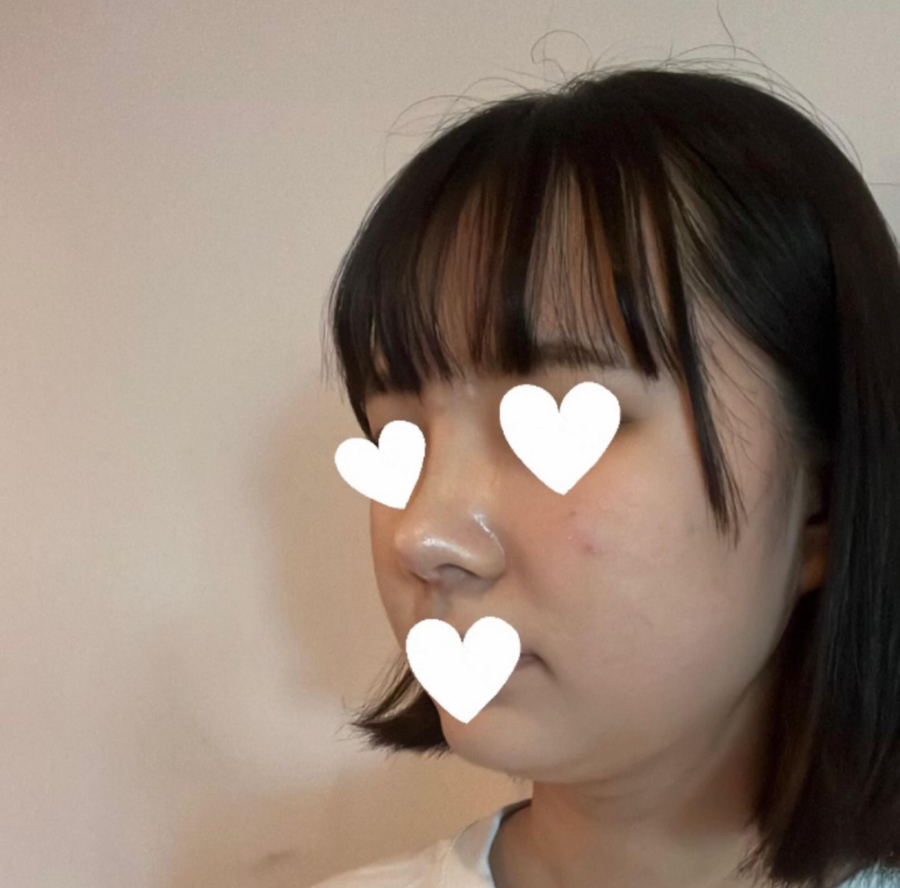
After surgery
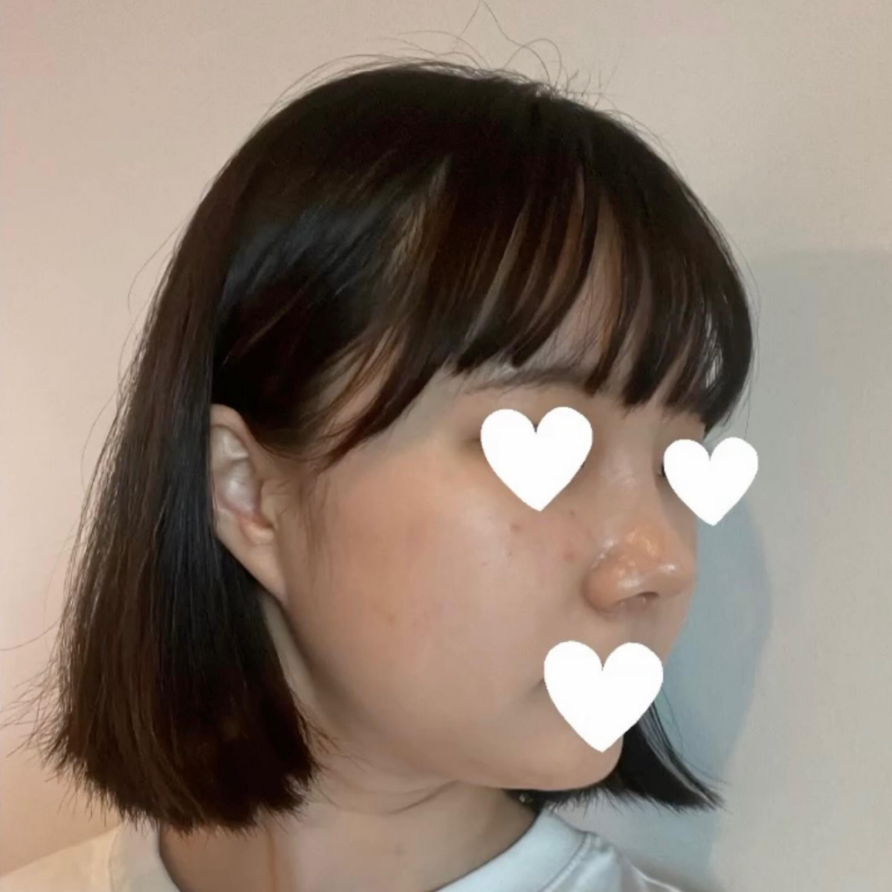
After surgery
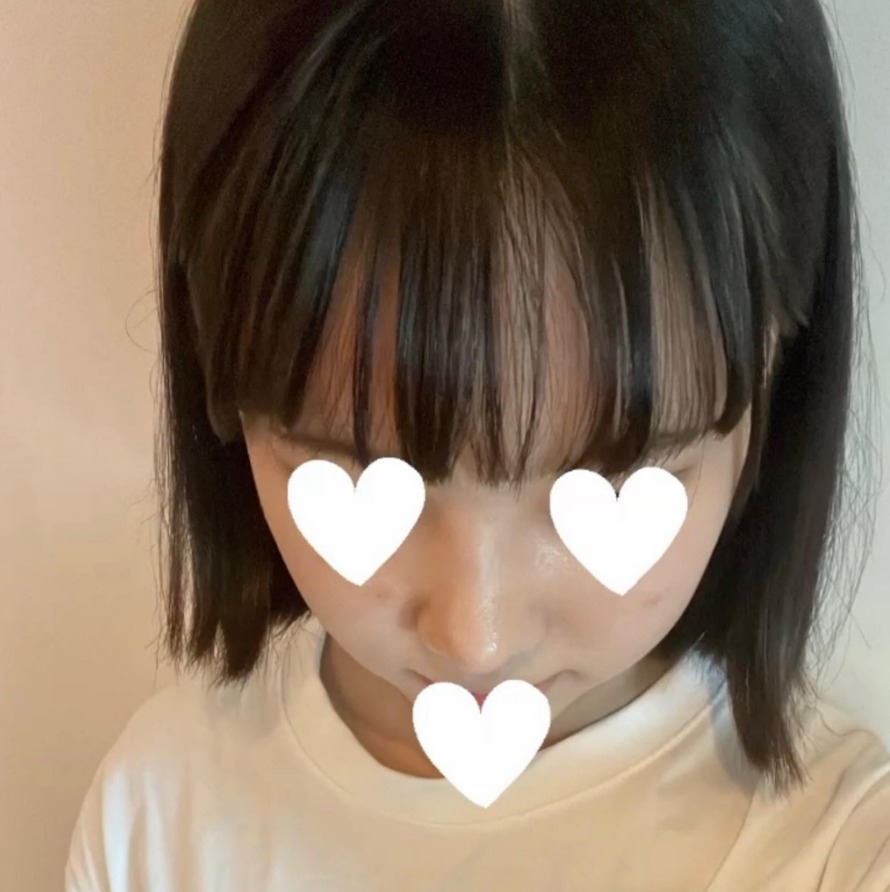
After surgery
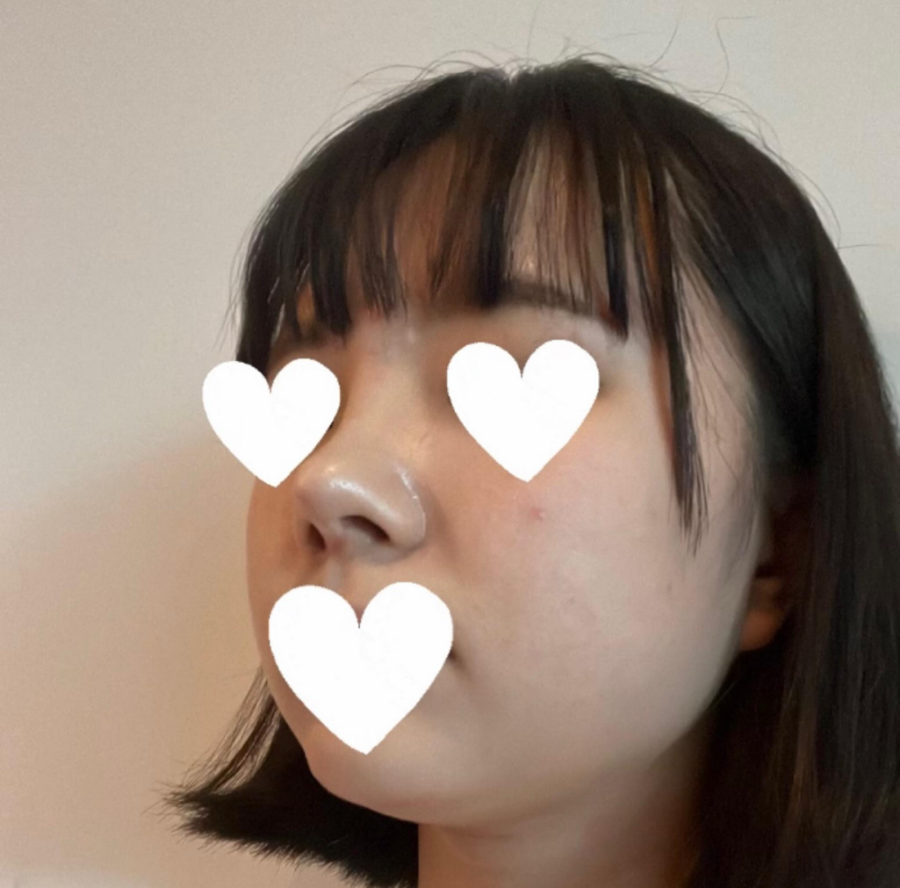
After surgery

This is a one-month post-op review after surgery at Kowon Plastic Surgery.
First of all, during the preoperative consultation, they showed me a Photoshop simulation of how my nose shape could change, and they explained my nose shape in very detailed terms while honestly telling me what was and wasn’t possible. In fact, I liked how clearly they explained things. Rather than making up only flattering things, it gave me a sense of trust.
This is the first surgery review for user ‘아아으으앙’ on bulbous nose and functional nose surgery at Kowon Plastic Surgery.
Hello, this is Director Kim Hyung-taek of Kowon Plastic Surgery.
The patient I will introduce this time has a very small, low nose with a bulbous shape.
When the tip of the nose is this bulbous, the face can look somewhat broad, puffy, and dull, so many people report feeling self-conscious about it.
However, when the nose is originally bulbous and rounded, the person’s natural impression often already has a gentle, rounded image, so if the nose is made too sharp, it can be difficult to get used to.
Therefore, in cases like this, it is very important in surgery to design the nose so that the tip remains naturally rounded while still giving a refined impression,
allowing the patient to improve their concern without creating an awkward change in appearance.
This patient especially wanted to avoid an artificial look and maintain some of the rounded feel, so we decided to proceed with surgery with that in mind.
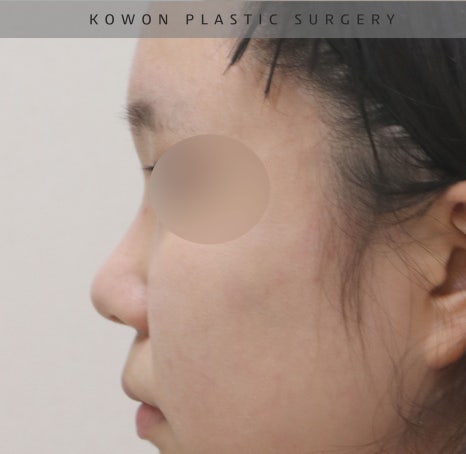
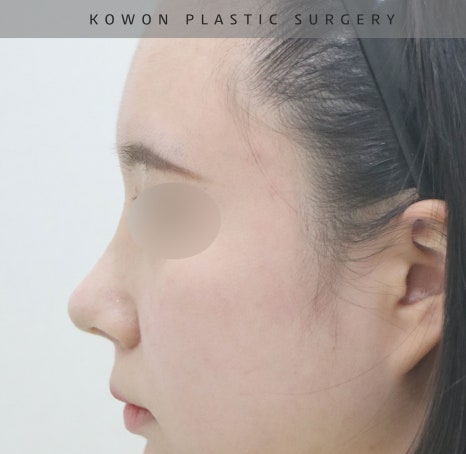
Side view before surgery
In this patient’s case, the nose was broad and spread out, and from the side, the tip had collapsed downward, making the nostrils appear even wider. In cases where the nostrils are spread out like this, nostril reduction surgery may or may not be performed.
For a case like this patient’s, raising the tip of the nose could naturally bring along the outward-spread nostrils, so we did not perform nostril reduction separately. Instead, we removed a small amount of soft tissue from the tip of the nose to further improve the existing puffy appearance.
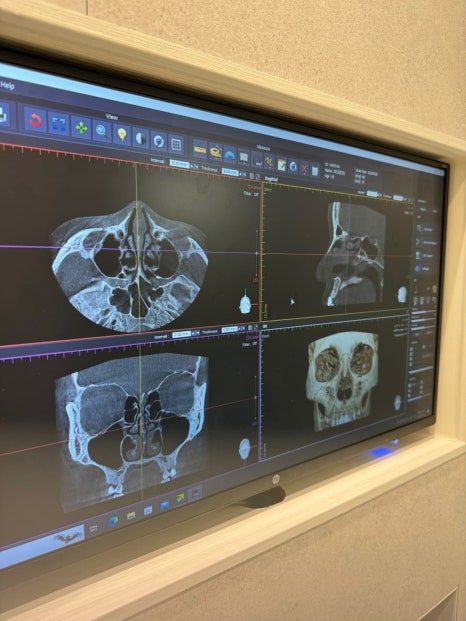
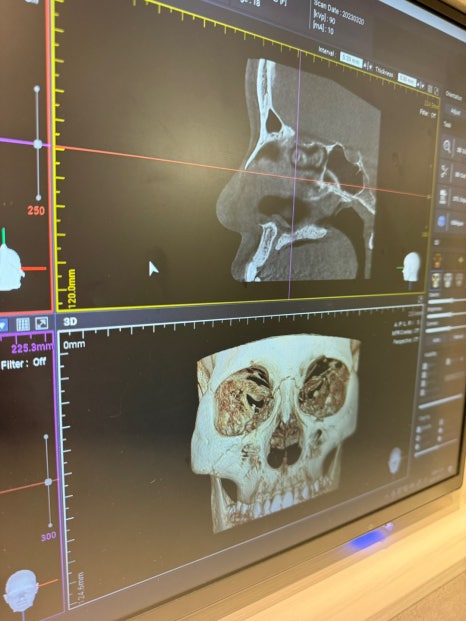
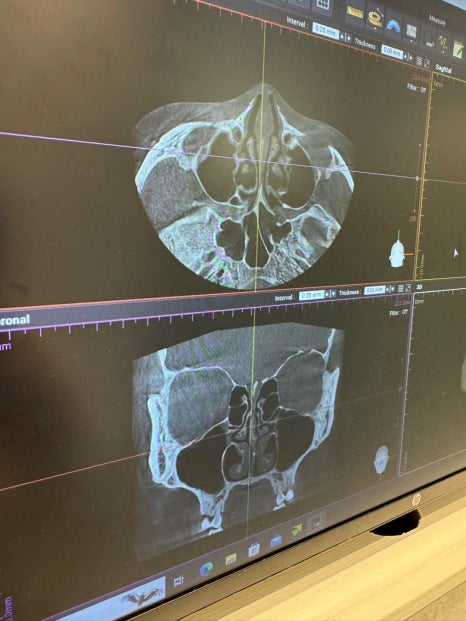
Additionally, after checking the CT scan, a deviated septum was observed, and there were also mild rhinitis symptoms as a result.
So we corrected the deviated septum and performed functional nose surgery at the same time, and for the open rhinoplasty, we planned to insert silicone of about 3–4 mm.
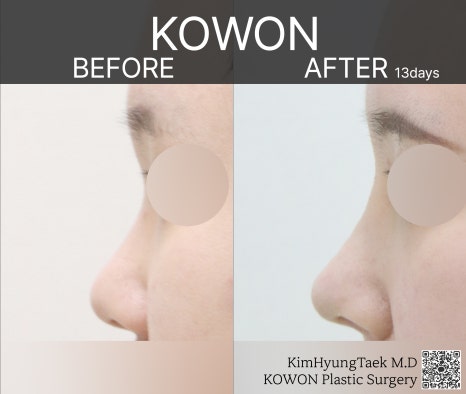
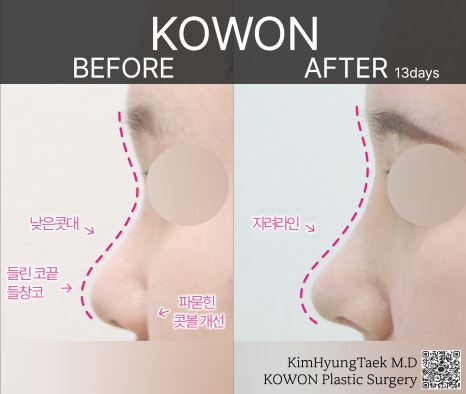
Looking at the post-op photos, you can see that the bulbous nose has been addressed and improved into a very natural and pretty result.
https://blog.naver.com/kowon_note/223330250577