
Among those considering nose surgery, many wonder about timing, the recovery process, and swelling. In particular, the younger the person is, or the more they are considering surgery during their growth period, the greater the worry and anxiety can be.
In this post, I will calmly organize the questions people often ask before alar reduction surgery, with a focus on swelling and recovery.

Q.
I’m a first-year high school female student, and I’m considering alar reduction surgery, so I have a few questions.
-
I’m thinking about alar reduction surgery during the winter vacation of my second year of high school. Would that be a good time? People around me say I should wait a little longer, so I’m torn. (These days, people do get cosmetic procedures even at a young age.)
-
Does alar reduction surgery also cause swelling? If so, how long does it take for the swelling to go down?
-
Lately, I keep hearing stories about people not waking up after anesthesia, so I’m really scared. Is that risk actually high? I’m also curious about how likely it is.
#nose-surgery-one-month-swelling #KowonPlasticSurgery
A.
-
If you are considering alar reduction surgery during the winter vacation of your second year of high school, you may naturally worry about the timing. Nose surgery is generally performed after facial growth has mostly finished, so it is usually recommended after the CSAT in the third year of high school. If there is still a possibility of growth, waiting a little longer before deciding can also be one option.
-
Since alar reduction surgery is still surgery, it is hard to say there is no swelling at all. However, it varies depending on the surgical method. In general, noticeable swelling tends to go down a lot in about a week, and there is usually no major inconvenience in daily life, but minor swelling may continue a little longer depending on the individual. In some cases, swelling one month after nose surgery may still remain, but for most people it settles to the point where it is not noticeable from the outside.
-
Worrying about anesthesia is something anyone can relate to. There are several types of anesthesia, including general anesthesia, sedation anesthesia, and local anesthesia. In the case of alar reduction surgery, there is also the option of doing it under local anesthesia, so if you are very anxious about anesthesia, this can be considered. The anesthesia method is decided after sufficient explanation, depending on the person’s condition and circumstances, so there is no need to worry excessively.
 This image was used with the model’s consent.
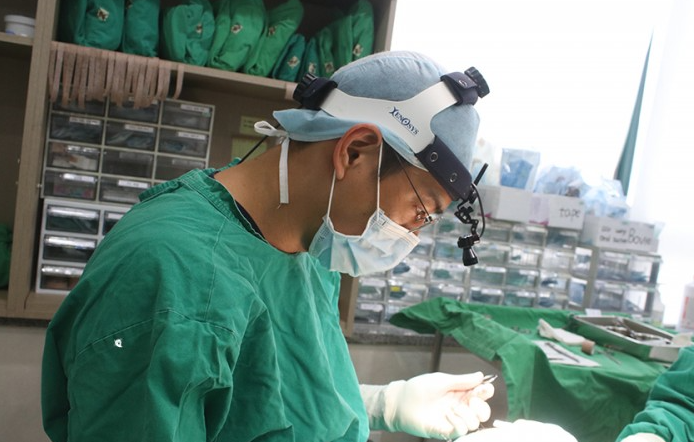
Hello. I am Kim Hyeong-taek, CEO and head surgeon of Kowon Plastic Surgery, where we perform surgery with facial proportions and harmony in mind. Because each person’s nose structure and overall impression are different, even when the goal is the same, the surgical method applied can vary.
Today, I will explain the process, focusing on the before-and-after changes from a case in which bulbous nose correction and alar reduction surgery were performed together, along with nasal bone osteotomy. In this case, the female patient was most concerned about her low nasal bridge.
 This image was used with the model’s consent.
In addition, the bulbous nose shape overlapped, and she wanted a more feminine and softer impression.
The tip of the nose was drooping downward, and the bridge between the eyes was low, creating an overall compressed impression. Looking at her condition before bulbous nose correction, it was a case where the nose appeared low not because of the actual bridge height, but because the nasal bridge spread widely to both sides.
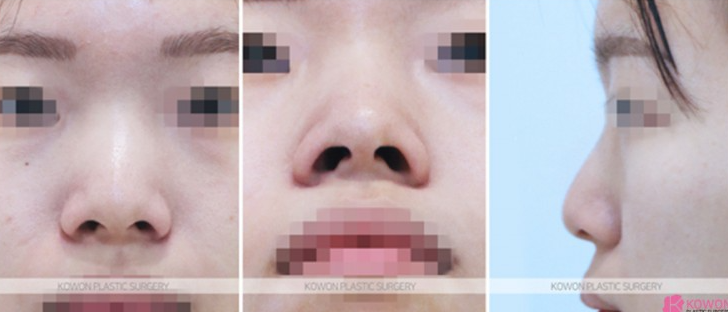 This image was used with the model’s consent.
In such cases, alar reduction surgery alone has limitations, so a surgical plan that included nasal bone osteotomy was needed.
To improve the flat appearance and lack of dimension, open rhinoplasty was considered. Alar reduction surgery was performed together with osteotomy, along with septal extension using silicone and septal cartilage.
 This image was used with the model’s consent.
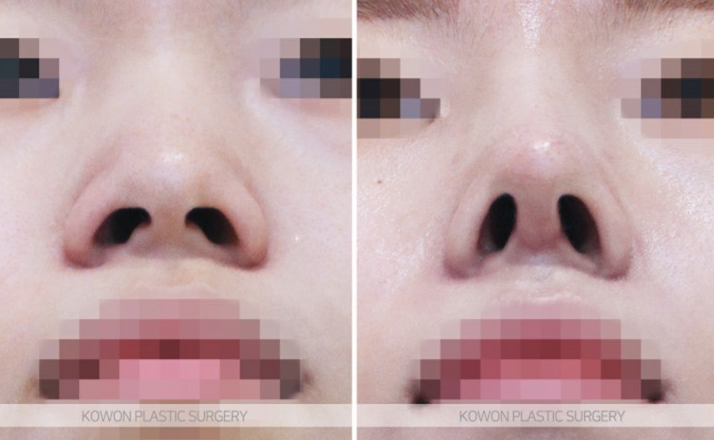
After bulbous nose correction, you can see that the three-dimensionality of the center of the face has clearly improved. In the photo taken from below, it is especially noticeable that the previously wide alar area has been refined into an oval shape and made more structured. The flat impression has changed into a brighter, more dimensional look.
 This image was used with the model’s consent.
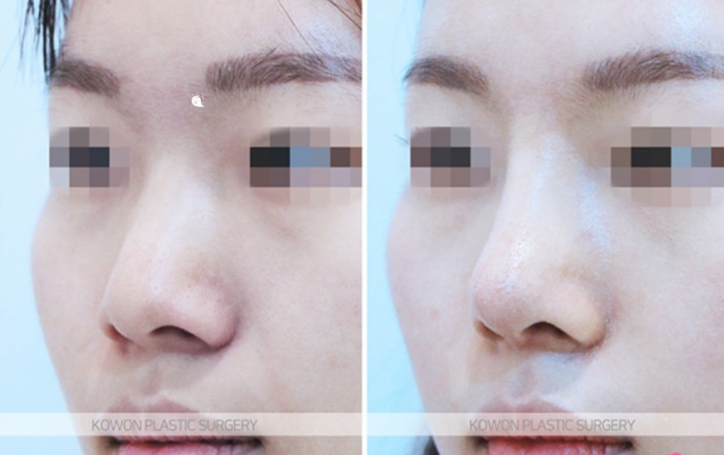
From a 45-degree angle, the uneven nose line has become much softer and smoother, and the bridge also looks naturally more defined.
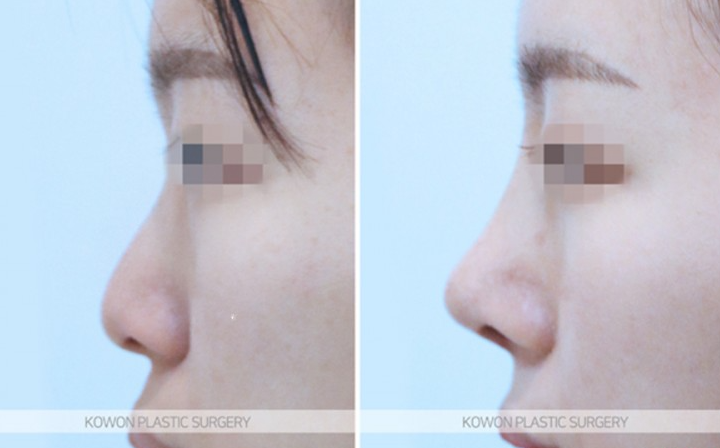 This image was used with the model’s consent.
From the side, the result of bulbous nose correction is even clearer. As the tip of the nose was raised, the protruding lip line became less noticeable, creating a more balanced overall facial impression.
This was a case that shows how changes to the nose alone can make facial proportions appear different.
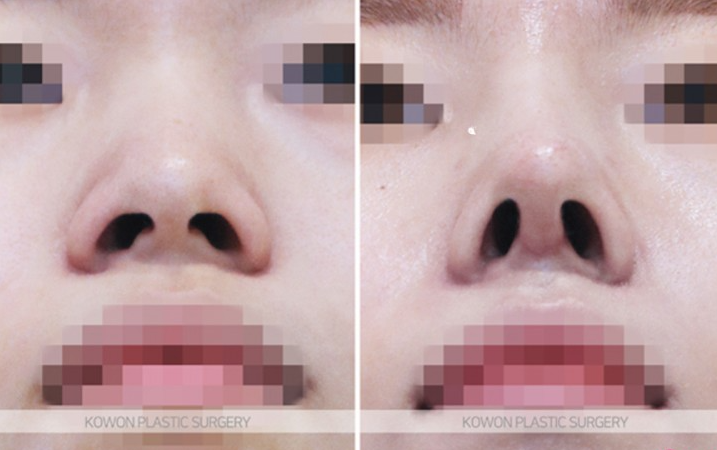 This image was used with the model’s consent.
Comparing the before and after photos, you can see that the plain facial shape, where the nose tip looked compressed and spread out to both sides, became much more defined through tip correction.
As the tip of the nose was raised, the width of the alar area naturally became smaller, and this also showed the importance of determining whether a procedure is truly necessary for the desired change.
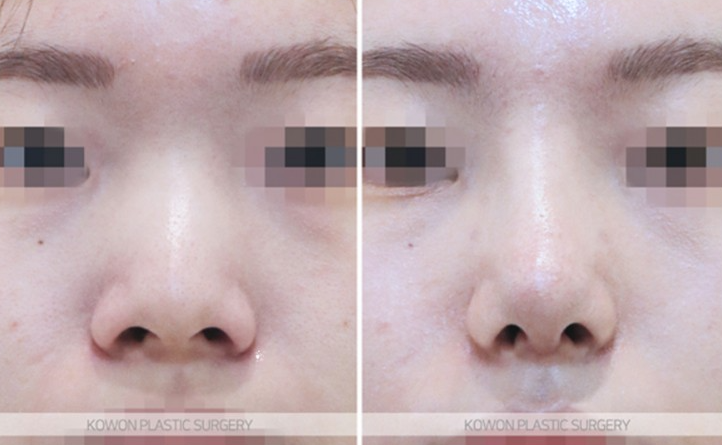 This image was used with the model’s consent.
This was a bulbous nose correction case in which osteotomy improved the low-looking nasal bridge to a harmonious height, allowing for a comparison of the overall change in impression. When considering changes based on one’s own unique image, it can be helpful to review various cases and compare them carefully.