
Even if a long time has passed since you had nose surgery and you do not have any particular discomfort, it is common to suddenly become curious about the condition of the implant or whether revision surgery is needed.
Today, I’ll organize the questions that many people commonly have when a long time has passed after surgery.

Q.
I was going about my life without thinking much about it, and then it suddenly came to mind. I had surgery on only the bridge of my nose about 10 years ago. In a case like this, do I need to have surgery again or replace the implant as time goes by?
I don’t even remember what kind of implant was used at the time of surgery, and I’m not even sure whether the hospital where I had the surgery is still operating. When I touch the bridge of my nose, it feels natural, almost like bone, and I have no pain or discomfort at all. I haven’t had any particular problems so far. However, I am worried that the implant placed inside my nose might deteriorate or develop a problem over time.
A.
Many people think that once about 10 years have passed after nose surgery, the implant must be replaced, but if there have been no abnormal findings such as pain, inflammation, or changes in shape so far, you do not necessarily need to consider any additional procedure or revision surgery.
An implant does not need to be removed or replaced simply because time has passed, as long as there is no special problem. If you are satisfied with the current shape and have no discomfort, it is fine to leave it as it is.
However, if the past procedure is unclear or there is suspicion that a material other than the commonly used ones was used, getting an examination to confirm it accurately may be helpful. If you have no symptoms as you do now, it appears to be a situation where you do not need to worry too much.
#nose surgery after 10 years #revision nose surgery #Ko One Plastic Surgery
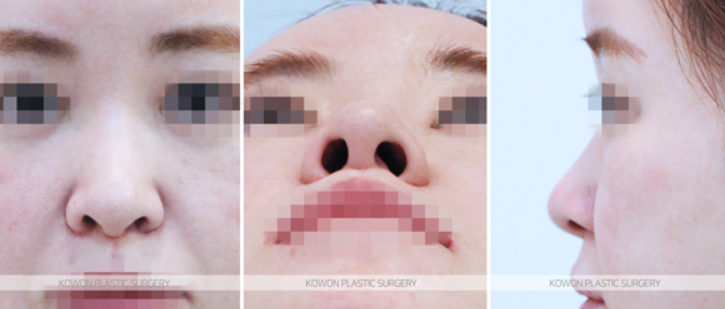 This image was used with the model’s consent.
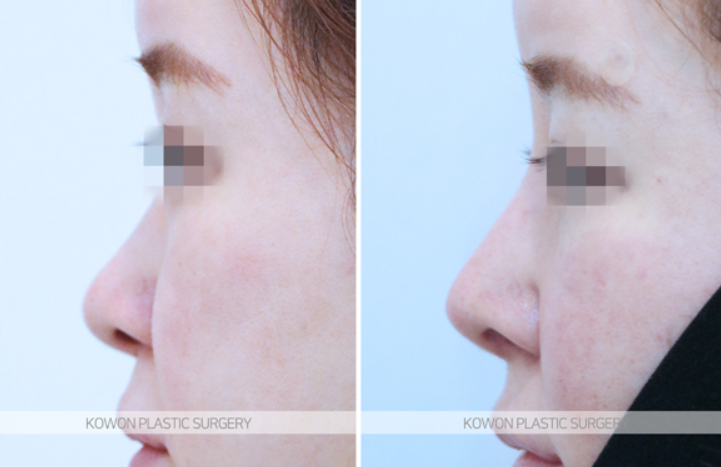
The patient had previously undergone one surgery to tie the cartilage at the nasal tip, and the tip was not excessively upturned or overly wide. However, the overall nose line was slanted and asymmetrical, and the bridge also appeared low.
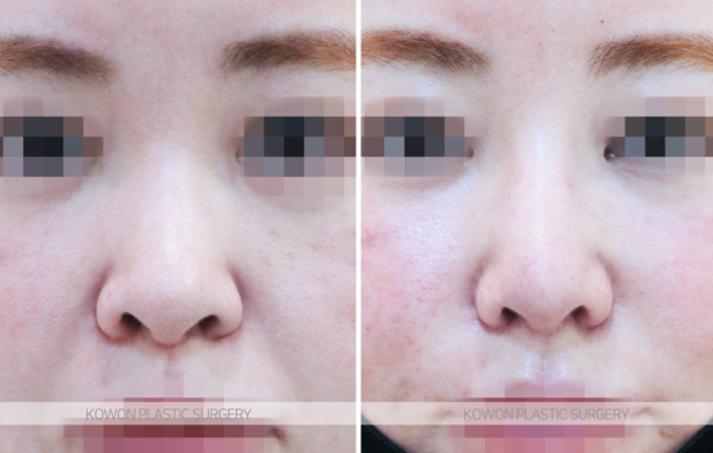 This image was used with the model’s consent.
Because the patient felt burdened by the use of artificial implants, silicone was excluded and a surgical plan was made using rib cartilage and an autologous rib particulate implant. Many people are reluctant to use silicone, and rib particles have several advantages as an alternative material.
One major characteristic is their relatively low absorption rate, which makes postoperative changes more predictable. In this respect, they can be an alternative to silicone. On the other hand, other materials such as autologous dermis have a higher absorption rate, and over time the height may decrease or the shape may become less defined.
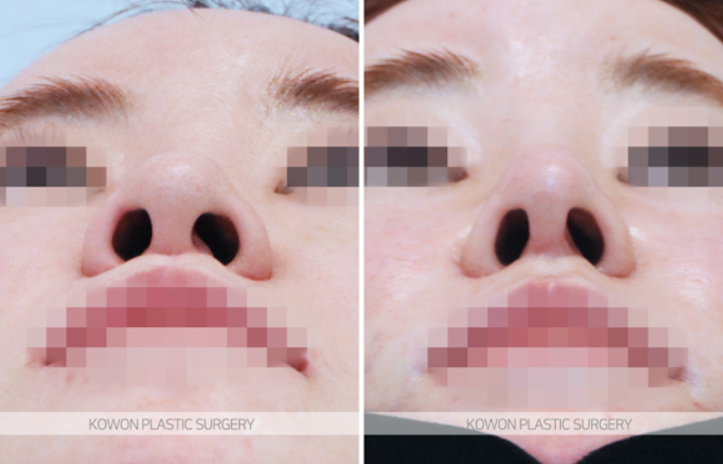 This image was used with the model’s consent.
Although you said you had previously undergone cartilage tying at the nasal tip, it appeared that the cartilage was not actually secured stably enough. A slim, oval nostril shape is ideal, so we reopened it to tie the cartilage precisely again and reinforce the nasal tip at the same time.
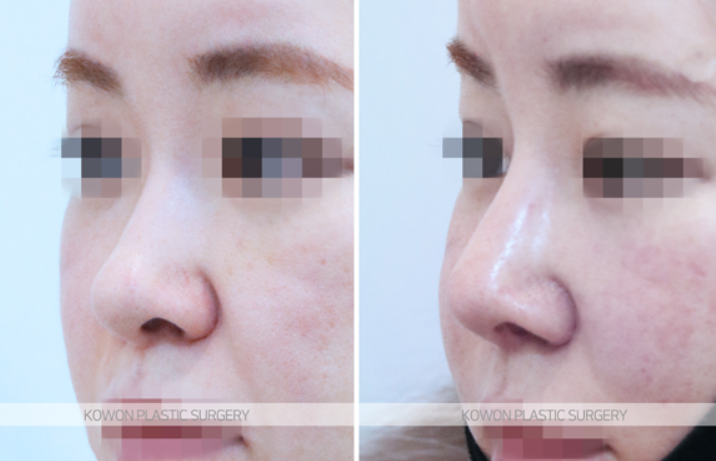 This image was used with the model’s consent.
Rib cartilage was used for the nasal tip, and instead of silicone, an autologous rib particulate implant was inserted into the bridge to complete the overall line. It is still early in recovery, so a bit of swelling remains, but the overall impression appears very natural.
 This image was used with the model’s consent.
As the nose line was refined, the impression of the mouth protruding forward was also softened.
For a post that may help you when considering revision nose surgery
"Q. For revision nose surgery, can silicone be replaced in non-open nose surgery?"