After undergoing nose surgery, some people notice unexpected changes or discomfort as time passes. In particular, if movement of the nose or changes in color appear after silicone removal, concerns can grow.
Many people also wonder whether it is possible to make a pig nose after nose surgery, and when the nose can begin to move naturally again. In this post, we will look at the changes that may occur after silicone removal, as well as whether making a pig nose is possible after nose surgery.
Q.
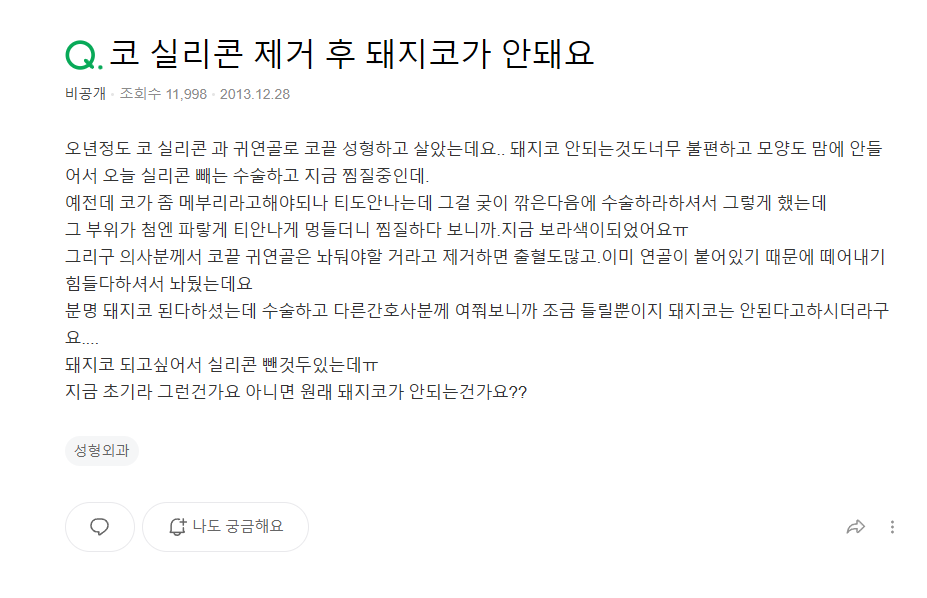
I had nose surgery about five years ago. At the time, the procedure was done using ear cartilage and silicone, but as time passed, it became uncomfortable that I could not make a pig nose after nose surgery, and I was also unhappy with the shape of my nose, so I eventually had the silicone removed.
When I first had the nose surgery, I did not notice it clearly myself, but I was told that I had a dorsal hump, and since I was advised to have it removed, the hump was shaved down before the surgery was performed.
However, after the silicone was removed, the area where the hump had been shaved first looked blue, and now it looks bruised to the point that it appears purple.
I was also told that it would be better not to remove the ear cartilage in the tip of the nose. The explanation was that removing it could cause a lot of bleeding and that it would not be easy to separate because it had already adhered to the tissue. So I left it in place.
At first, I was told that making a pig nose would be possible, so I had the silicone removed, but later I was told that it would not fully become a pig nose and might only lift slightly. Since I decided to remove the silicone hoping that I would be able to make a pig nose after nose surgery, I am a little confused by my current situation.
I am wondering whether this is because it is still early in the recovery period, or whether making a pig nose is difficult even if the silicone is removed.
A.
Your current condition may be during a period in which not enough time has passed since nose surgery, so swelling and tissue changes may still remain. Right after surgery, the tissue has not yet stabilized, so nose movement may feel limited. As time passes, swelling decreases and the tissue settles, and movement for making a pig nose after nose surgery may gradually become possible.
However, these changes can vary depending on each person's tissue condition and the surgical method used. Therefore, rather than making a hasty judgment at this stage, it is necessary to observe the course for at least 6 months and check how the pig-nose movement after nose surgery and the condition of the nose change.
#PigNoseAfterNoseSurgery
 This image was used with the model's consent.
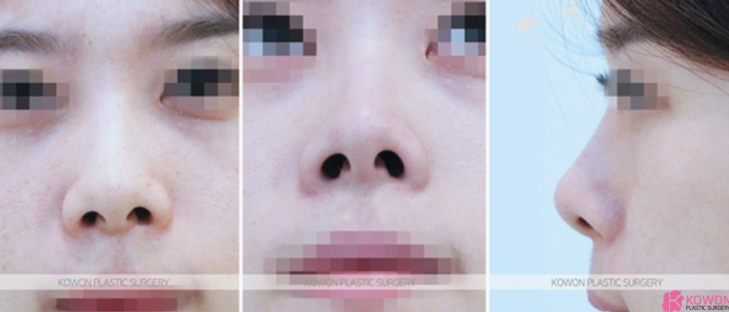
When viewed from the front, the nose tip was short enough that the nostrils were relatively visible. The bridge was also on the lower side, giving the overall impression a flat look, and this was a type that could change into a more refined image by adding dimension through cartilage reinforcement or structural refinement, or by adjusting the width of the flared nostrils.
From the side, the nose tip was turned up, making it look like an upturned nose, and nostril asymmetry was also present, giving it an unnatural appearance. There was a history of filler treatment, so that was first addressed before proceeding with correction.
 This image was used with the model's consent.
The bridge was designed to have a natural line without being excessive, so silicone of about 4 mm was used. Septal cartilage alone was not enough for reinforcement, so ear cartilage was additionally used, and the slightly protruding hump in the middle of the nasal bridge was gently smoothed to organize the overall line.
Because the nose tip was short, the plan was to secure enough length by reinforcing the cartilage in multiple layers.
 This image was used with the model's consent.
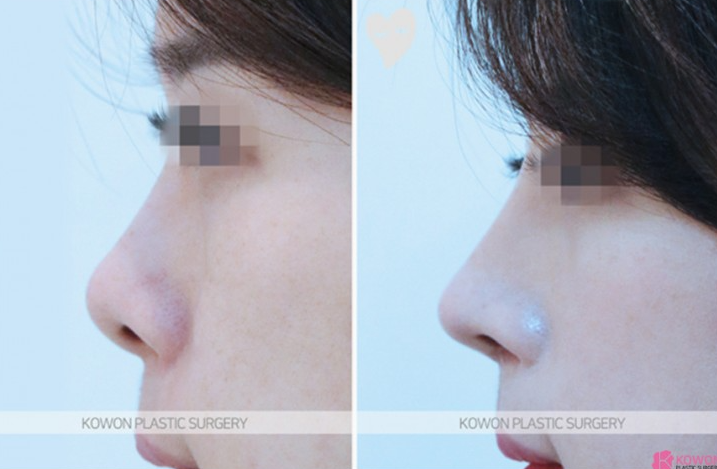
If you look at the before-and-after photos of nostril asymmetry correction taken from the front, the changes are clearly visible. As the short nose tip was lengthened, the overall impression became more defined and smoothly refined.
If the nose tip previously looked turned up like an upturned nose, after correction it settled into a more natural position and changed into a more balanced appearance. Through this female nose surgery, you can also see that the overall facial impression became more refined.
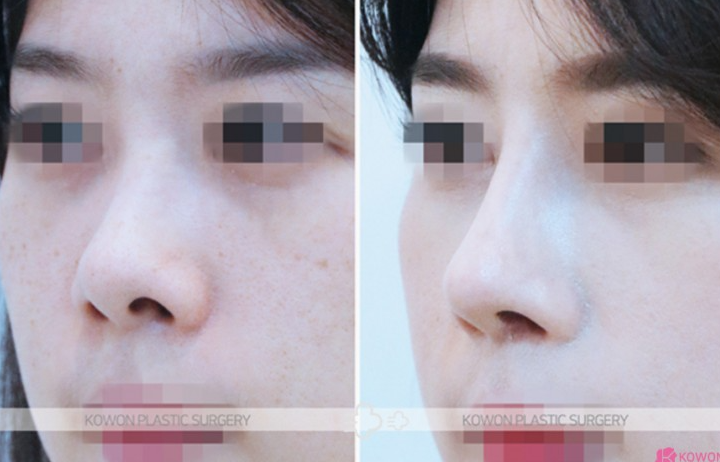 This image was used with the model's consent.
As the nose tip length was secured through the pig-nose correction process, the overall facial mood also changed. The line was refined within a moderate range, and the image became softer and more relaxed through a natural change.
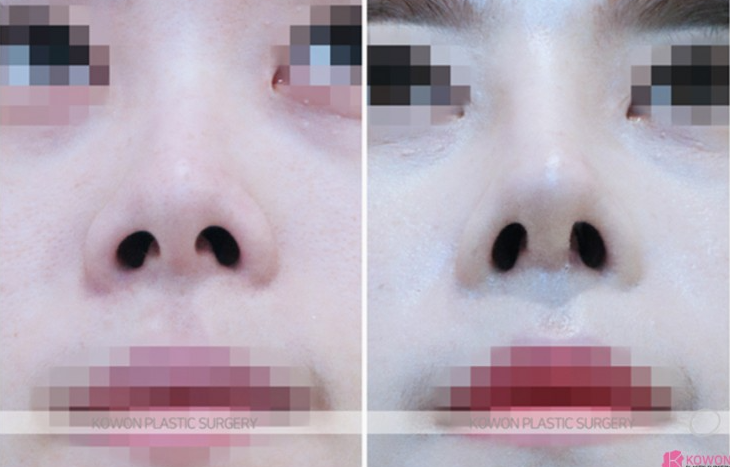 This image was used with the model's consent.
In the before-and-after photos shown below, you can see that as the width of the nose tip was refined, the shape of the nostrils was adjusted into a more stable form. Before, the difference in size between the left and right sides was noticeable, but it was organized more evenly around the bridge.
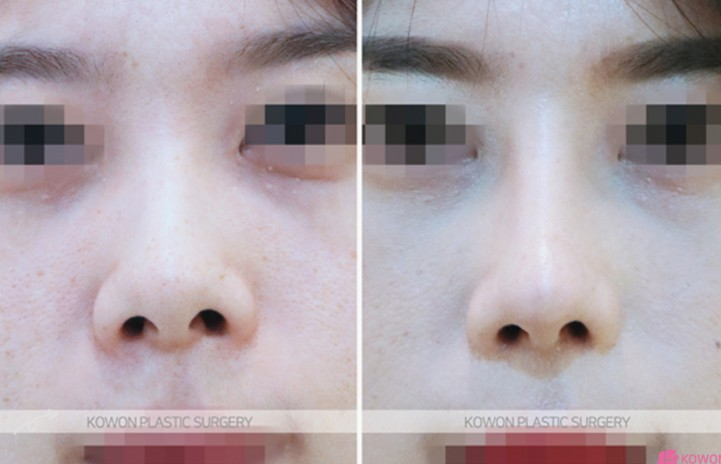 This image was used with the model's consent.
Before surgery, the difference in nostril size was relatively clear, which was due to a deviated septum.
Because this was a structural cause, there may be limits to creating complete symmetry, but after correction, the difference was reduced to the point where it was not visually significant. As enough length was secured in the nose tip, the overall line was also naturally refined.
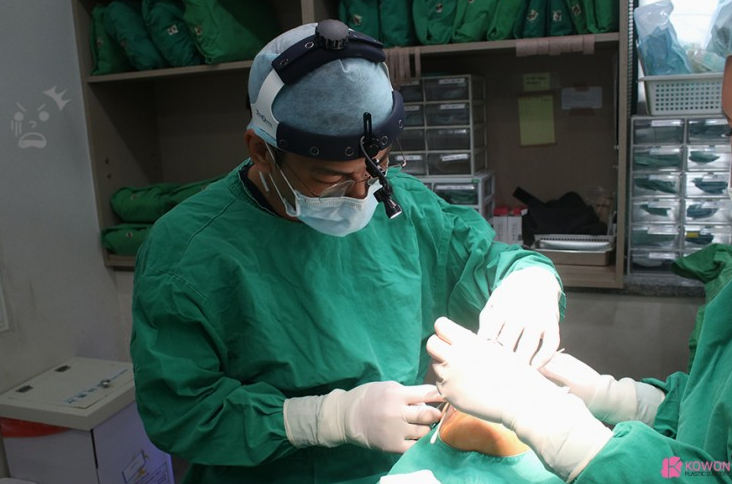 This image was used with the model's consent.
That concludes our look at the changes shown in the before-and-after photos through nostril asymmetry correction and pig-nose correction. I hope this is helpful for those who are worried about the shape of their nose.