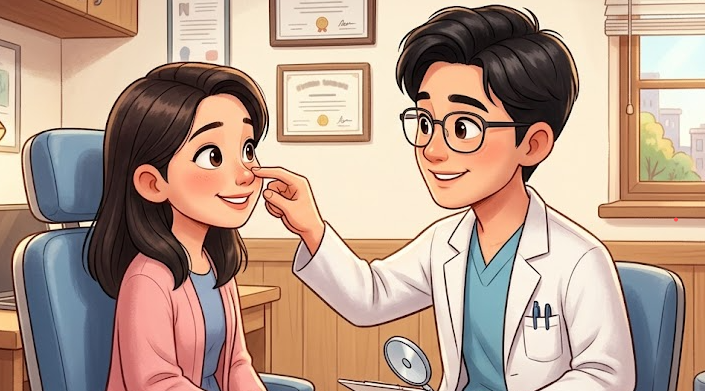
Let’s take a look at the process of naturally improving a small, low nose

Even a small change in nose shape can have a big impact on the overall impression. In particular, the shape and support structure of the nasal tip are important factors that determine the final result.
It is important to consider balance and flow together rather than simply increasing height. In this article, we will look at the process through changes in nasal tip cartilage stitching.
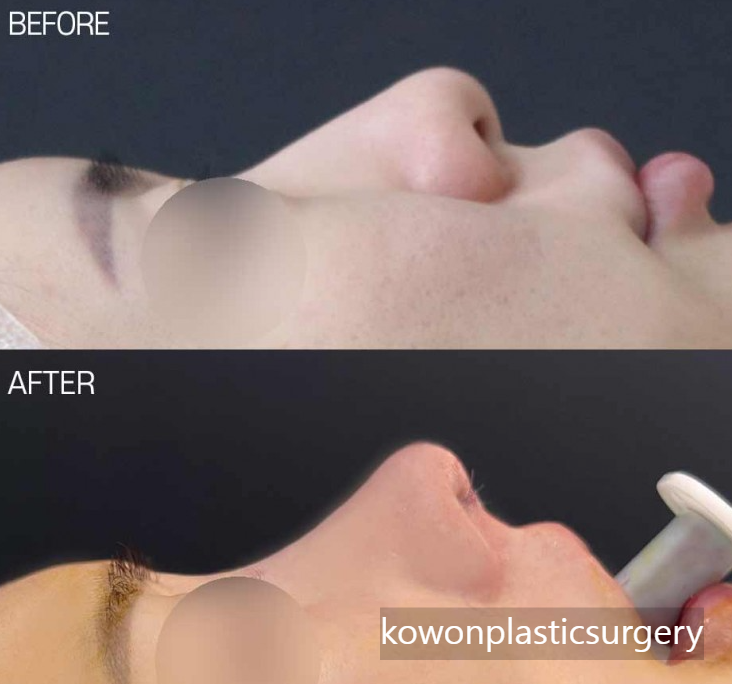
This image was used with the model’s consent.
In this article, we will look at the overall nose line improvement process, focusing on the changes before and after nasal tip cartilage stitching. In this case, the bridge was generally low, the nose looked small, and the nasal tip was short and lacked support, giving it less definition.
In such cases, simply raising the bridge is not enough, so an approach that reinforces the nasal tip structure as well is needed to create balance.
The previously lacking bridge height was corrected to suit the proportions of the face, and the short, unsupported-looking nasal tip was adjusted to refine its shape. Along with the before-and-after process of nasal tip cartilage stitching, a support structure was formed between the cartilage to help stabilize the direction and height of the nasal tip.
In addition, the flow between the bridge and the nasal tip was adjusted so they connect naturally, and the balance of the columella, nasolabial angle, and philtrum line was also considered to enhance the midface definition and make the overall impression look more refined. These changes can be seen even more clearly in the before-and-after comparison of nasal tip cartilage stitching.
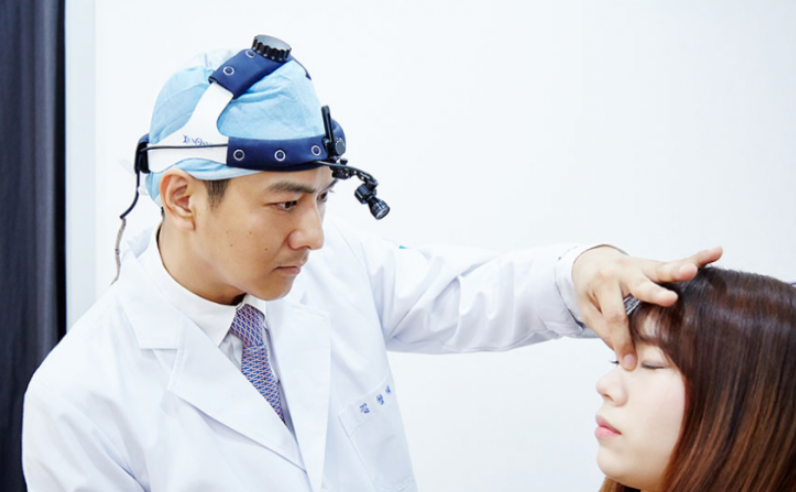
Right after surgery is the stage before swelling fully develops, so it is a point in time when structural changes before and after nasal tip cartilage stitching can be seen relatively clearly. At this stage, the formed bridge, nasal tip line, and overall balance can be observed more clearly. As recovery progresses, the tissue stabilizes and swelling subsides, allowing the nose to settle into a softer and more natural shape.
The results before and after nasal tip cartilage stitching can vary depending on each person’s skin thickness and structural characteristics, and the final appearance should be checked only after enough recovery time has passed.
This image was used with the model’s consent.
After double-jaw surgery, many people become curious about changes in nose shape. Because recovery and tissue responses differ from person to person, various factors such as the nose shape, bones, cartilage, and skin thickness all play a role. In particular, the nostrils may appear lifted or wider, and in such cases, there are instances where asymmetrical nose surgery becomes necessary.
Adjustments are made so that changes in the jaw angle or position have minimal impact on the nose, but in some cases, low nose rhinoplasty is also considered for structural reasons.
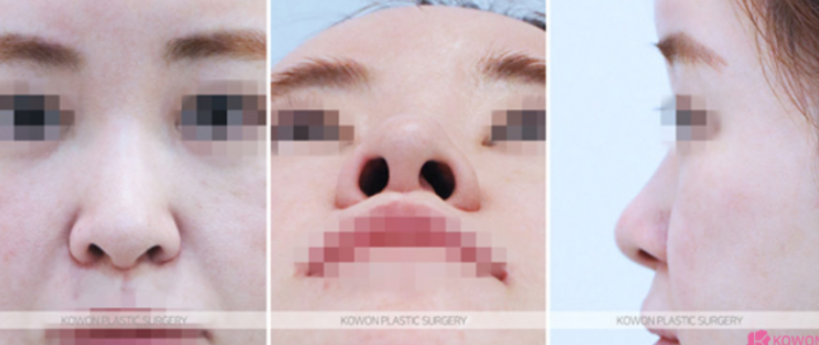
This image was used with the model’s consent.
In this case, the person had previously undergone a procedure to gather and refine cartilage, and although the nose was not significantly upturned, asymmetry was present overall. Since the bridge was low and the area between the eyebrows appeared sunken, low nose rhinoplasty was also performed to restore natural volume.
This imbalance was corrected through asymmetrical nose surgery, and the direction was set so the overall line would flow smoothly.
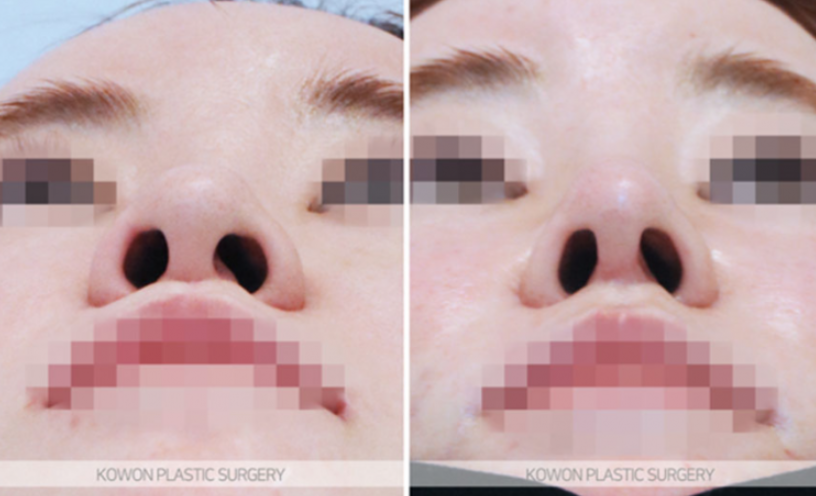
This image was used with the model’s consent.
The photo below shows the result after the procedure. You can see that the round, wide-looking nasal tip has become more refined and slimmer.
In particular, the impression of bluntness was softened, and the overall harmony of the face was arranged more naturally. This kind of change is one of the natural improvement cases often seen in female rhinoplasty reviews.
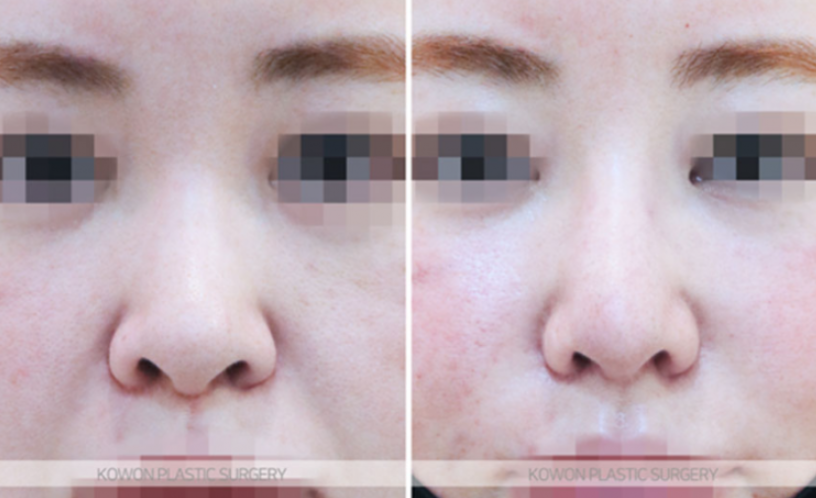
This image was used with the model’s consent.
In this case, instead of an implant, autologous tissue in the form of rib cartilage was used. This method is chosen when trying to reduce concerns about foreign-body sensation, and it is characterized by low absorption and stable shape retention.
While existing autologous dermis or soft tissue may change in thickness over time, rib cartilage tends to show relatively little of this change. During this process, the nostril shape was also refined, and the effect of asymmetrical nose surgery was confirmed at the same time.
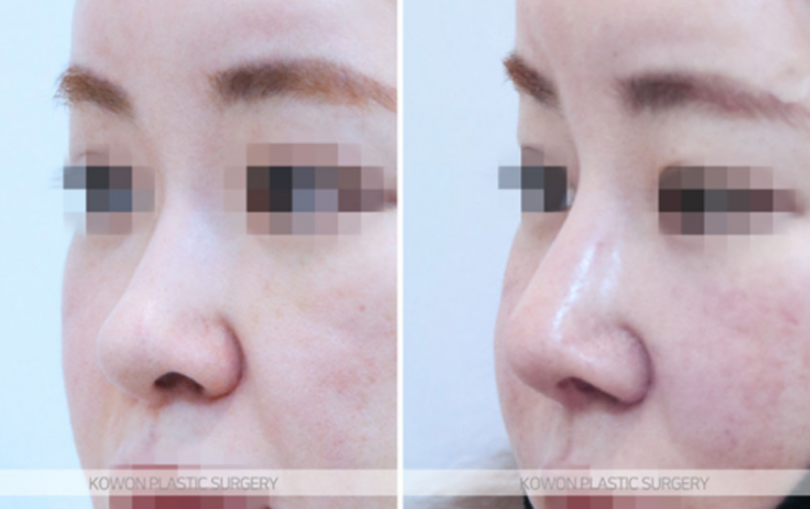
This image was used with the model’s consent.
The bridge was corrected to an appropriate height, and rib cartilage was used at the nasal tip to connect the overall line naturally. Although swelling remained at first, it gradually settled into a stable shape over time.
As can be seen in female rhinoplasty reviews, these changes show that a sophisticated look can be created even with modest adjustments.
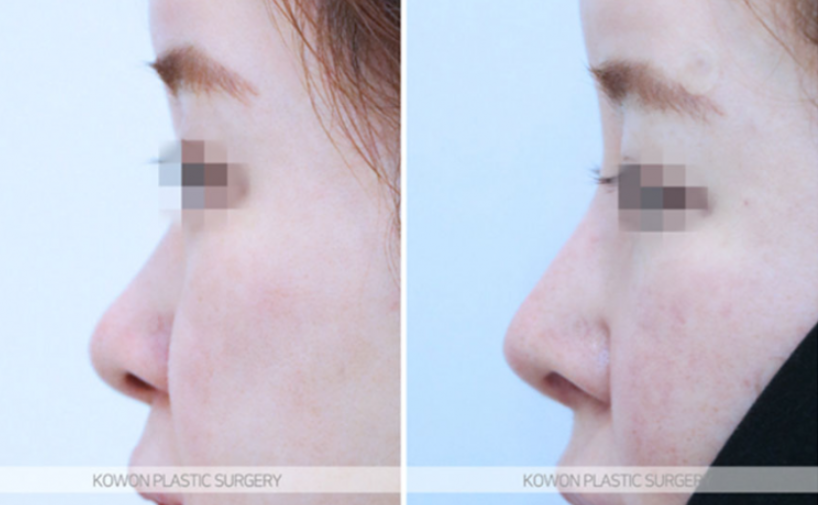
This image was used with the model’s consent.
As the low bridge was improved, the impression of the mouth, which had seemed relatively protrusive, was also softened. This case shows the flow of asymmetrical nose surgery and low nose rhinoplasty carried out while considering structural changes after double-jaw surgery. If you are concerned about your nose shape, this female rhinoplasty review may be helpful as a reference for understanding the direction.
A post worth reading for reference when considering nose surgery
"Q. Will there be a big difference before and after alar reduction surgery? Organizing concerns about nostril exposure and an upturned nose".