[Summary]
When a dorsal hump and a long nose occur together, the overall impression may appear strong and heavy—not only because of the prominence along the nasal bridge, but also because of the drooping nasal tip.
In this case, the plan focused on correcting the center of the nose while also considering the crooked nose and deviated septum, and adjusting the direction and length of the nasal tip.
As a result, a more stable balance was achieved from both the front and side views. Structural stability was also taken into consideration so that the nose could settle naturally during the recovery period after deviated septum surgery.
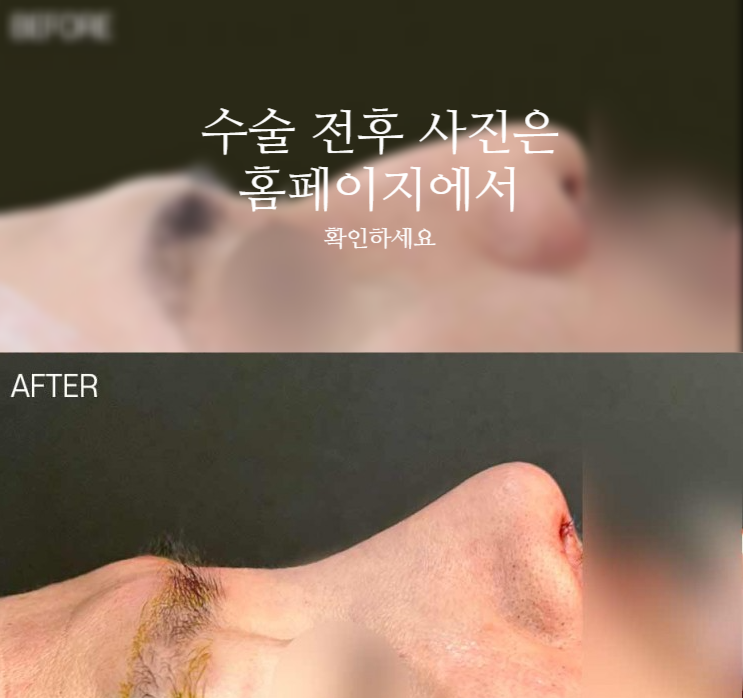
This image was used with the model’s consent.
Hello, I am Dr. Kim Hyeong-taek of Kowon Plastic Surgery.
In this case, the nasal bridge appeared prominent due to a dorsal hump, creating an uneven contour. The nasal tip also pointed downward and appeared elongated, resulting in an overall heavy and strong impression. In addition, a crooked nose and deviated septum caused the centerline of the nose to appear shifted to one side. Therefore, both aesthetic and functional aspects needed to be considered.
In such cases, it is important not only to smooth the dorsal hump but also to correct the center of the nose and adjust the direction and length of the nasal tip. In particular, it is important to create a structure that can remain stable throughout the recovery period after deviated septum surgery.
First, the prominent dorsal hump was reduced so that the nasal bridge could form a smoother line. The plan was designed to maintain the characteristically straight appearance of a male nose while softening an overly strong impression. The downward-pointing nasal tip was repositioned more naturally upward through nasal tip cartilage repositioning and nasal tip cartilage suturing. A support structure was also created between the cartilages so that the shape could remain stable over time.
The proportions of the nose, which had appeared long, were also adjusted to create better overall balance. Correction of the deviated septum was performed at the same time, allowing the centerline of the nose to be organized more stably. This is an important aspect of maintaining a natural shape after the recovery period. In addition, the balance of the columella, nasolabial angle, and philtrum line was considered so that a more refined and stable flow could be maintained from both the front and side views.
As a result, this case was designed with both aesthetic and functional aspects in mind, allowing the nose to settle into a more natural and balanced appearance during the recovery period after deviated septum surgery. In particular, as the tissues stabilize during this recovery period, the center of the nose and the direction of the nasal tip can also be expected to gradually become more naturally aligned.
This AI-generated image was created to supplement the explanation.
Q1. How long is the recovery period after deviated septum surgery?
A. The recovery period after deviated septum surgery varies from person to person, but significant swelling generally subsides considerably within one to two weeks. The subsequent tissue-stabilization process may continue for several months, and the inside of the nose also gradually goes through its own recovery process.
Q2. Is it common to correct a dorsal hump and deviated septum at the same time?
A. It is not uncommon for a dorsal hump and deviated septum to occur together. In such cases, the plan often considers the centerline and internal structure of the nose together rather than correcting only its external appearance.
Q3. How are a long nose and drooping nasal tip adjusted?
A. Improvement is attempted by refining the direction of the nasal tip and adjusting its length proportions. The position of the tip may be adjusted using techniques such as nasal tip cartilage repositioning and nasal tip cartilage suturing, while also considering the proportions and overall balance of the face.

This image was used with the model’s consent.
This case involved a male patient with a relatively prominent dorsal hump. The nose appeared large in relation to the overall facial proportions, creating a somewhat strong impression. The nasal tip also pointed downward, contributing to a heavy and stuffy appearance. In particular, cases with this type of structure often require consideration of not only dorsal hump correction but also bulbous nose surgery.
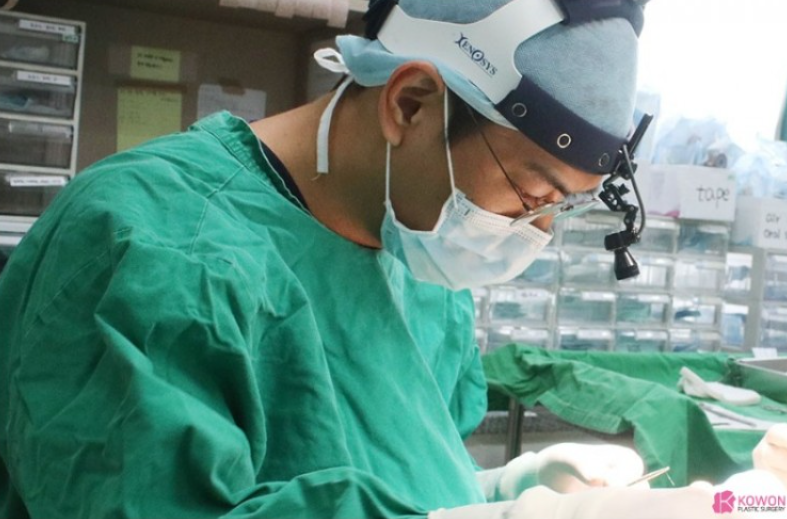
This image was used with the model’s consent.
When a dorsal hump and crooked nose occur at the same time, both aesthetic and functional aspects need to be examined. In fact, a deviated septum is not uncommon in cases where the nasal bones are crooked, and some patients also experience discomfort such as nasal obstruction or rhinitis. A deviated septum was also identified in this case, so the plan focused on the overall balance and center of the nose.
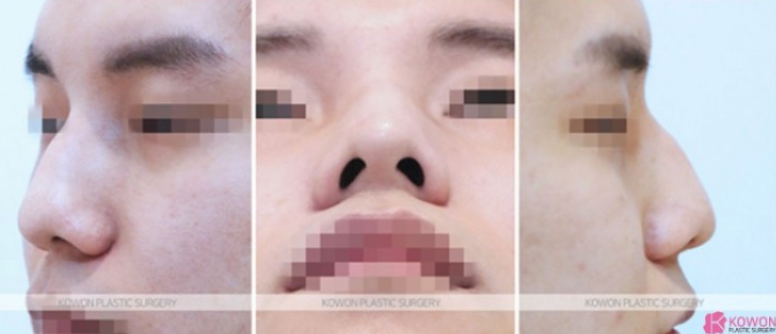
This image was used with the model’s consent.
After a thorough consultation, it was decided to refine the broad-looking nasal bridge together with dorsal hump surgery and to perform deviated septum correction at the same time. The surgery involved adjusting the width of the nasal bones through osteotomy and using the septum to more stably refine the downward-pointing nasal tip.
Looking at the images taken from multiple angles before surgery, the prominence in the central area of the nose was clearly visible. The nasal tip was also drooping downward, giving the overall nose a heavy and uneven appearance. In addition, a difference in the balance of the left and right nostrils was visible from below, along with structural characteristics that could warrant consideration of bulbous nose surgery.
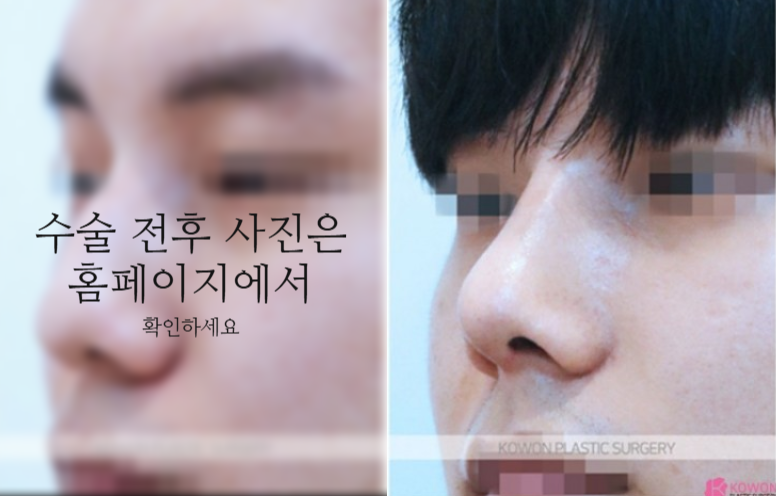
This image was used with the model’s consent.
This comparison was taken at a 45-degree angle after deviated septum correction and dorsal hump surgery. The nasal bridge line, which had previously shown a pronounced curve, became smoother, while the downward-pointing nasal tip was naturally refined, making the overall impression much clearer.
As the position of the nasal tip changed more stably, the masculine character of the face became more pronounced. The nasal bridge line beginning between the eyebrows also appeared more refined. These changes can be viewed as the result of balancing the overall appearance while also considering bulbous nose surgery.
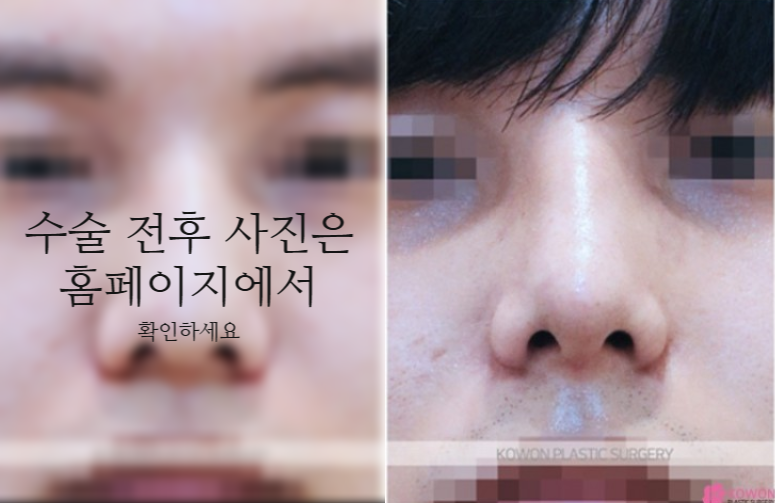
This image was used with the model’s consent.
In the frontal photograph, the nasal bones appeared noticeably shifted to one side. Because a crooked nose tends to move back toward its original direction even after correction, thorough preoperative explanations and follow-up monitoring are important.
A significant difference in left-right balance was also visible from below. As in this case of a deviated septum, correcting the center of the nose plays an important role when the deviation is pronounced.
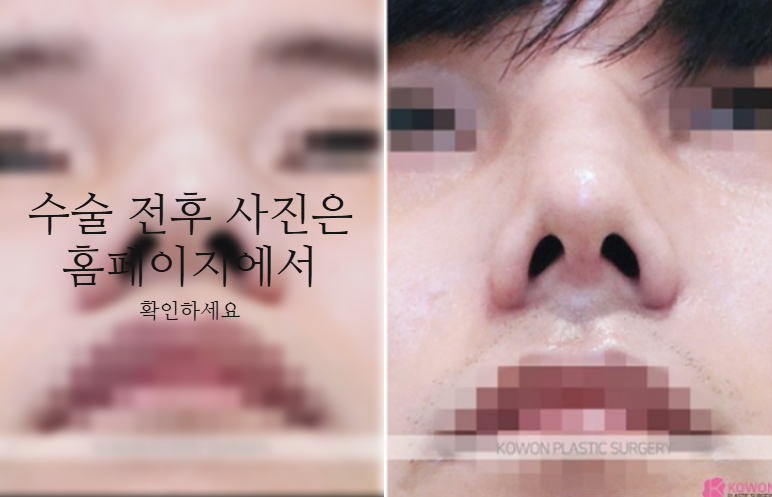
This image was used with the model’s consent.
From below after surgery, the center of the nose appeared more stably aligned than before. The nostrils, which had appeared spread out, also became more balanced as the center of the nasal tip was corrected.
In addition, the broad-looking nasal tip was naturally refined through simultaneous bulbous nose surgery, creating a clearer and more organized nasal tip contour than before.
This image was used with the model’s consent.
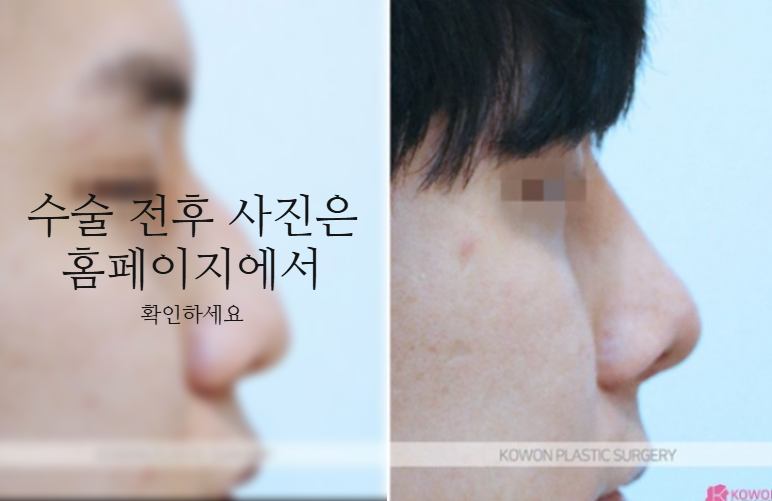
Before surgery, the dorsal hump in the middle of the nasal bridge was quite prominent. After dorsal hump surgery, however, the contour changed into a smoother and more natural flow. The overall nasal line and facial impression also appeared more refined.
This time, we reviewed a case at Kowon involving deviated septum correction, dorsal hump surgery, and bulbous nose surgery. If you are concerned about similar structural characteristics, it may be helpful to review various cases and carefully consider the approach most suitable for you.
More surgical case journals by the doctors