
[Summary]
When the nasal bridge is low and the nose is short, it is important to consider the overall proportions and structure together rather than simply increasing the height.
In this case, the plan was to refine the dorsal hump and improve the length of the nasal tip to enhance the three-dimensional appearance of a nose that had appeared small.
As a result, a more balanced and refined flow was created from both the front and side, allowing for a natural-looking change.
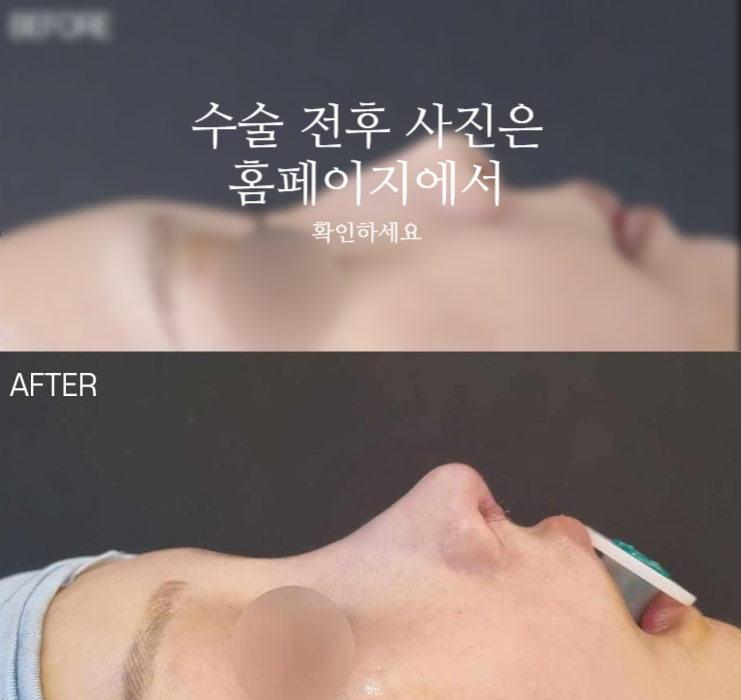
This image was used with the model’s consent.
Hello, I am Dr. Hyung-taek Kim, director of Cowon Plastic Surgery.
In this case, the nasal bridge was generally low, and a mild dorsal hump protruded from the bridge of the nose. In addition, the nose was short and appeared small overall, making the center of the face feel lacking in three-dimensional definition.
In such cases, simply refining the dorsal hump or increasing the height of the nasal bridge may not be sufficient. In small-nose rhinoplasty, it is important to consider the length and structure of the nose together to achieve overall balance.
First, the protruding dorsal hump was naturally refined so that the line of the nasal bridge could flow smoothly, and the insufficient height of the bridge was naturally augmented in accordance with the facial proportions.
For the nose that appeared short, the plan was to lengthen the nasal tip through nasal tip cartilage repositioning and nasal tip cartilage suturing. During the rhinoplasty procedure, the direction and length of the nasal tip were adjusted together to create more stable proportions, and a supporting structure was created between the cartilages so that the tip could extend naturally forward.
In addition, the connection between the nasal bridge and the tip—an important factor in small-nose rhinoplasty—was considered so that the overall line could flow naturally. Through this approach, the nose, which had appeared small and short, was planned to change into a more three-dimensional and balanced form.
The balance of the columella, nasolabial angle, and philtrum line was also considered so that a smooth and refined flow could be maintained from both the front and side. As a result, the presence of the nose could be enhanced naturally through small-nose rhinoplasty while creating a line that harmonized with the face as a whole.

Q1. In what cases is small-nose rhinoplasty commonly considered?
A. Small-nose rhinoplasty is often considered when the nose appears short or small overall, resulting in insufficient three-dimensional definition. Rather than simply increasing its height, it is important to consider the length and structure of the nasal tip as well as the overall proportions.
Q2. Can small-nose rhinoplasty make the nose look too large?
A. The goal of small-nose rhinoplasty is not simply to increase the size of the nose, but to create balance suited to the facial proportions. Therefore, it is often planned to create natural three-dimensional definition rather than a shape that appears excessively large.
Q3. How long is the recovery period after small-nose rhinoplasty?
A. Significant swelling generally subsides considerably within one to two weeks, while residual swelling and tissue stabilization may continue over several months. The final line gradually settles into a more natural appearance over time.

This image was used with the model’s consent.
This case involved a typical upturned nose, with a short nasal tip that pointed upward. From the front, a relatively large amount of the nostrils was visible, while from the side, the tip was seen to point upward. The patient also had a history of dermal filler treatment, so although some height had been created in the nasal bridge, it may be necessary to first remove or address the existing filler when planning surgery for an upturned nose.
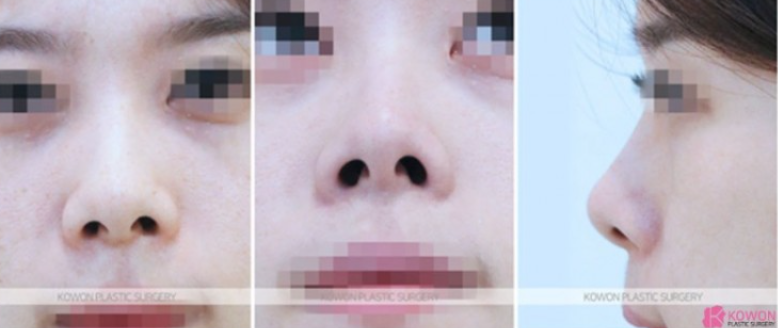
This image was used with the model’s consent.
The desired outcome was a natural and refined nose line without excessive height. To achieve this, the mild dorsal hump in the middle of the nasal bridge was smoothly refined, and the nasal tip, which appeared short, was lengthened by reinforcing the cartilage in multiple layers.
Approximately 4 mm of silicone was used, and the areas requiring additional support were supplemented with ear cartilage. This plan took into account the characteristics of both short-nose surgery and female rhinoplasty.
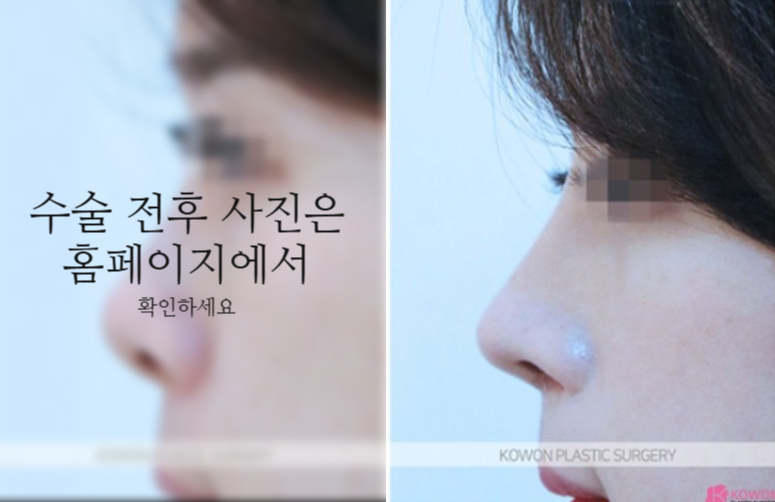
This image was used with the model’s consent.
When comparing the before-and-after photographs, the first noticeable change is the length of the nasal tip. As the tip was naturally lengthened compared with before, a more refined and gentle impression was created, and the previously upturned tip settled into a more stable position.
In addition, the overall facial proportions became more naturally balanced through surgery for the upturned nose, and a positive change in the appearance could be observed.
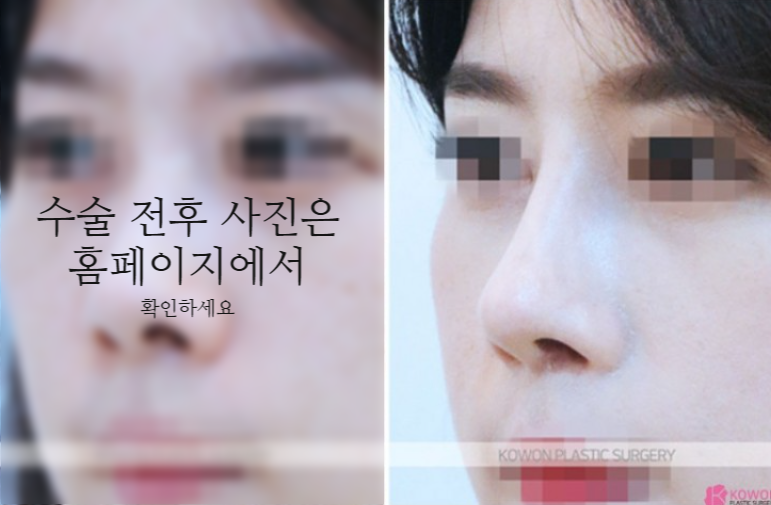
This image was used with the model’s consent.
The change is even more apparent in the side photographs. Previously, the short, upturned tip gave the nose a somewhat light appearance, whereas after surgery, more natural length and three-dimensional definition were created.
In particular, the soft curve and natural continuity considered important in female rhinoplasty are clearly visible.
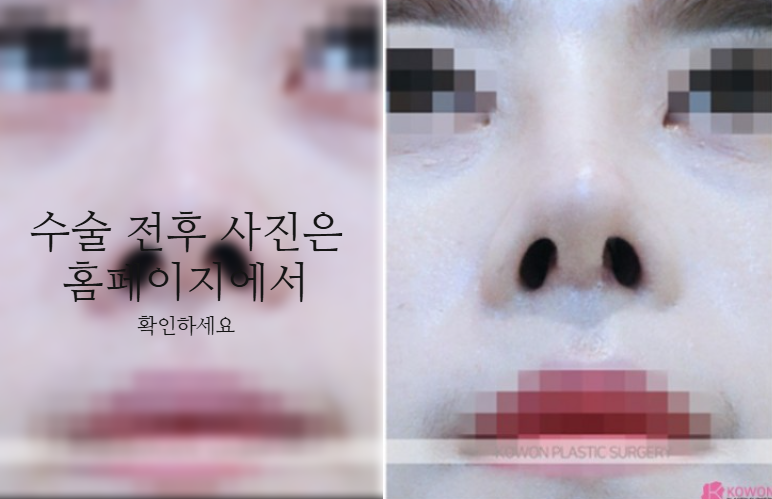
This image was used with the model’s consent.
The asymmetry of the nostrils, which was one of the main concerns from the front, also appears to have been significantly reduced. The center line was more stably aligned than before, and the nasal tip also changed into a more balanced shape.
In addition, the flow from the nasal bridge to the tip became naturally connected, and the overall proportions appear to have been stabilized through short-nose surgery.
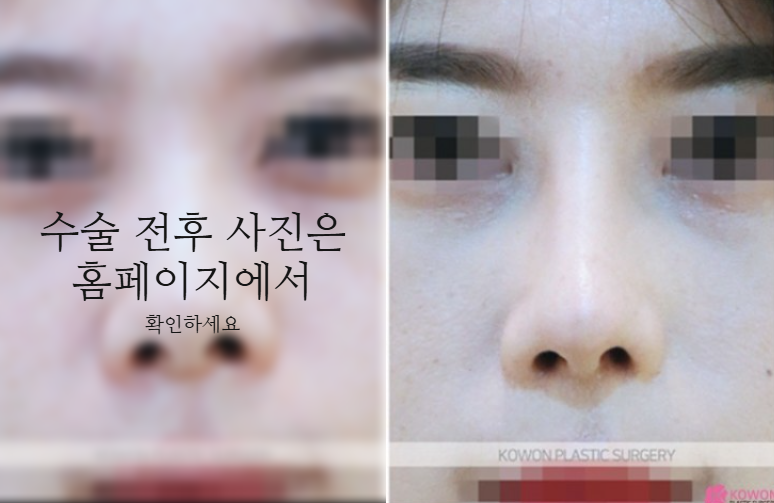
This image was used with the model’s consent.
However, a closer look at the photographs shows that perfect left-right symmetry has not been achieved. When a deviated nasal septum is present, minor differences may remain due to the structural characteristics, and there may be limitations to making every part completely identical.
Even so, the visible asymmetry was substantially reduced, and this can be regarded as a case in which a more natural and balanced line was created through surgery for an upturned nose and nasal lengthening.
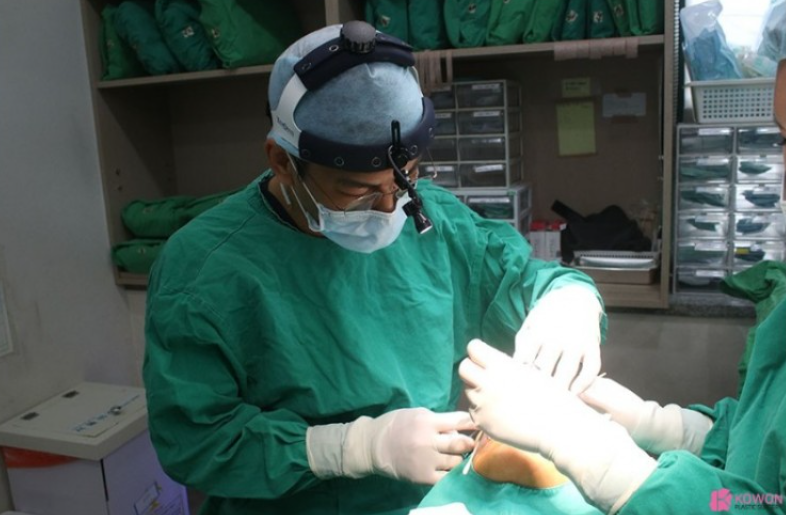
This concludes our review of the process of nasal lengthening and nasal tip changes through a female rhinoplasty case performed at Cowon. If you are considering short-nose surgery or surgery for an upturned nose, it may be helpful to review a variety of cases thoroughly and then identify an approach suited to your own structure and proportions.
If you have concerns about the shape or proportions of your nose, we recommend accurately assessing its current condition and establishing a plan appropriate for you.
Recommended posts to reference about rhinoplasty
“What Is Natural-Looking Rhinoplasty? Read This If You Are Considering Short-Nose Surgery.”