[Summary]
When both the nasal bridge and tip are low, and the nose also appears small, it is important to consider the balance of the entire face rather than simply adding height.
In this case, the focus was on creating natural three-dimensional definition by harmoniously adjusting the direction of the nasal tip, nasolabial angle, and philtrum line together with low-nose surgery.
As a result, the center of the face appeared more three-dimensional, and a balanced line connecting the nose and mouth naturally could be seen.
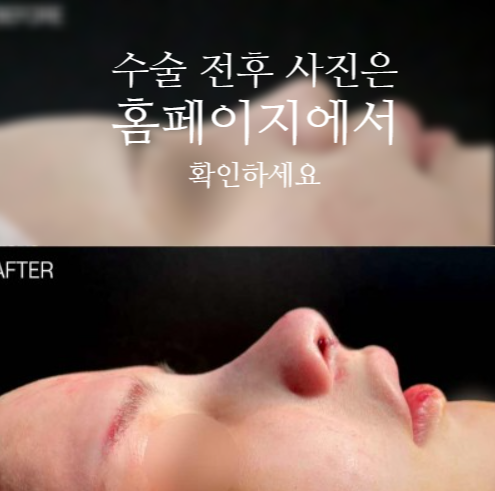
This image was used with the model’s consent.
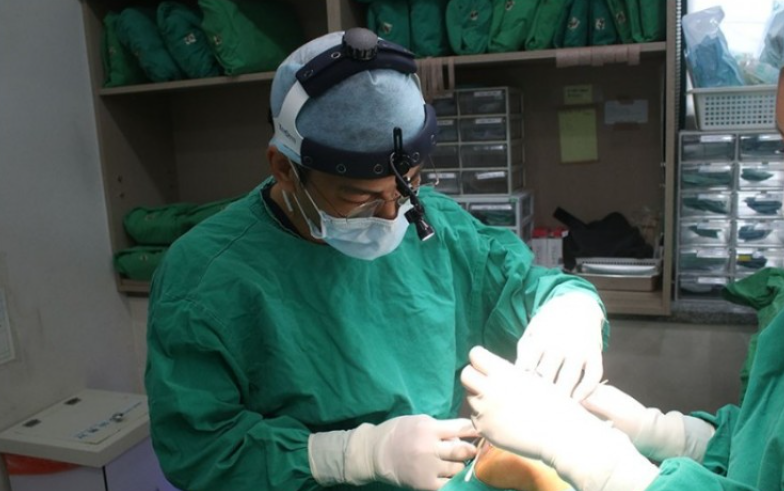
Hello, I am Director Kim Hyung-taek of Cowon Plastic Surgery.
In this case, the height of both the nasal bridge and tip was generally insufficient, and the nose itself appeared small, making the center of the face look somewhat flat. In addition, the nasolabial angle was not sufficiently open, which made the mouth appear relatively prominent.
When the balance around the mouth is affected as well as the height of the nose, it is important to consider the direction of the nasal tip and the nasolabial angle together through low-nose surgery, rather than simply raising the nasal bridge. Creating a natural flow between the nose and mouth can have a significant effect on the overall impression.
First, the insufficient height of the nasal bridge was naturally supplemented in proportion to the face. The nasal tip was planned with a stable supporting structure so that its height and direction could be maintained in balance. This process is one of the important elements in creating three-dimensional definition during low-nose surgery.
The nasolabial angle and philtrum line were also adjusted together to soften the appearance of the mouth projecting forward and allow the connection from the nasal tip to the mouth to flow more smoothly.
When planning low-nose surgery, many people say they want a natural-looking nose and use celebrity photos as references. However, noses that look natural generally have sufficiently developed details in the nasal bridge and tip, and in many cases, their height has also been established beyond a certain level.
The reason these noses do not look excessive is that the line extending from the forehead and the nasolabial angle are sufficiently established, while three-dimensional definition in the midface is also present. Therefore, it is more important to consider the flow of the entire face rather than simply copying the shape of the nose.
As a result, this low-nose surgery also adjusted the nasolabial angle and philtrum line, naturally enhancing the three-dimensional definition at the center of the face. The nose, which had appeared small, was also completed in a balanced shape that harmonized with the face.

Q1. In what situations is low-nose surgery commonly considered?
A.
It is often considered when the height of the nasal bridge and tip is generally insufficient, making the center of the face look flat. Rather than simply raising the nasal bridge, it is important to consider the direction of the nasal tip and facial proportions together to create a line that blends naturally with the face.
Q2. Will my nose look too large after small-nose surgery?
A.
The purpose of small-nose surgery is not simply to increase the size of the nose. Because it is planned to enhance three-dimensional definition by adjusting the balance of the nasal tip and bridge according to facial proportions, the focus is on creating a natural and harmonious image rather than an excessively prominent shape.
Q3. How long is the recovery period after low-nose surgery?
A.
Significant swelling generally subsides considerably within one to two weeks, while residual swelling and tissue stabilization may continue over several months. The final line gradually settles into a more natural shape over time, and the recovery rate may vary depending on the individual’s skin condition and the extent of the surgery.

This image was used with the model’s consent.
This case involved a short, small, upturned nose. From the front, a large amount of the nostrils was visible, while from the side, the nasal tip appeared tilted upward.
The patient had previously received filler injections, so the nasal bridge appeared somewhat elevated. However, when surgery is being planned, the filler may affect the design. Therefore, it is necessary to sufficiently dissolve the filler before proceeding with upturned-nose surgery.
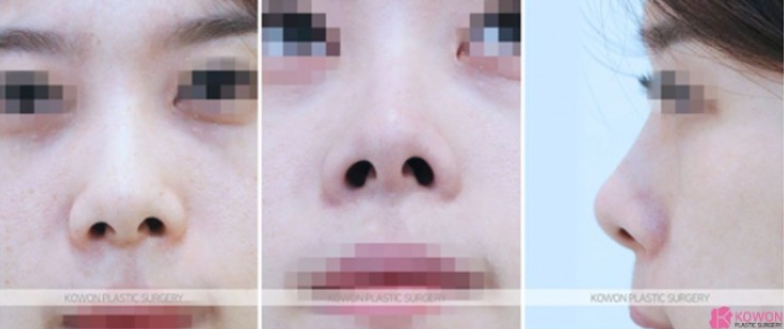
This image was used with the model’s consent.
Because the patient wanted a naturally continuous nasal bridge and a refined nose line, the low hump in the center of the nasal dorsum was gently refined. The short nasal tip was reinforced with several layers of cartilage to sufficiently establish the length of the nose.
A 4 mm silicone implant was applied to the nasal bridge, and insufficient areas were supplemented using ear cartilage. The overall design was planned by considering both the approach for short-nose surgery and that for feminine rhinoplasty.
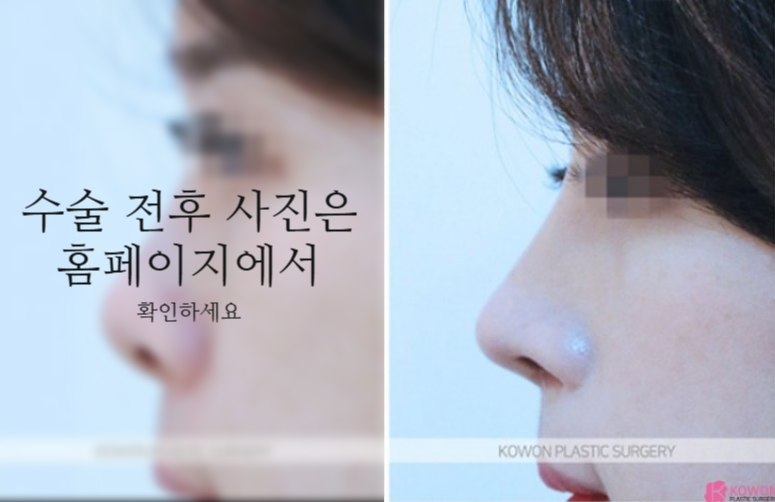
This image was used with the model’s consent.
Comparing the before-and-after images, the length of the nose was naturally established and the nasal tip became longer than before. The overall impression also changed to appear more feminine and refined.
The nasal tip, which had been tilted upward, settled into a stable position, making the balance of the entire face look more natural. This is a case in which upturned-nose surgery brought about a positive change in the overall impression.
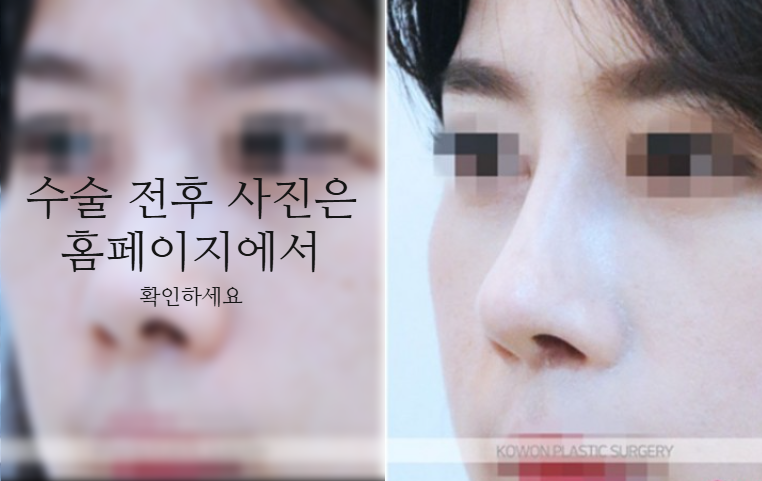
This image was used with the model’s consent.
The changes are even more apparent in the side-view photos. As the nose line became more naturally continuous than before, the overall impression became brighter and softer.
In particular, the three-dimensional definition and continuity of the line, which are important elements in feminine rhinoplasty, can be seen to have formed naturally.
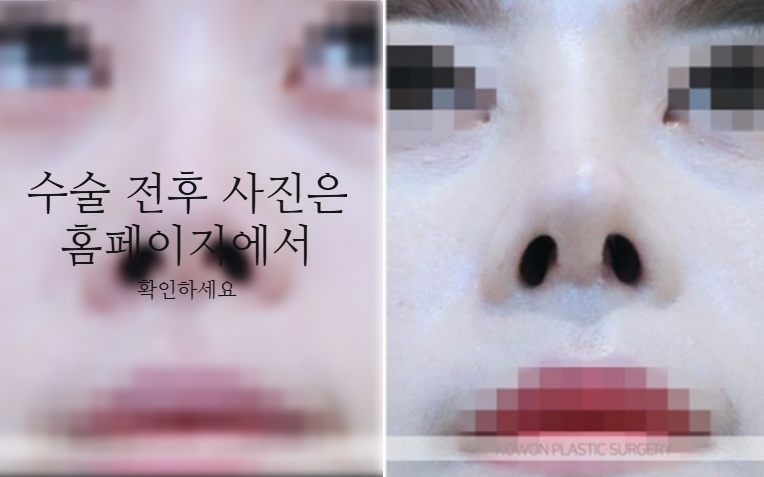
This image was used with the model’s consent.
The nostril asymmetry, which had been the greatest concern, was also considerably reduced compared with before. After surgery, a more balanced shape was created around the nasal bridge, and the nasal tip also appeared more refined.
The nasal bridge formed a smooth, natural line, and the proportions of the entire face were arranged more stably through short-nose surgery.
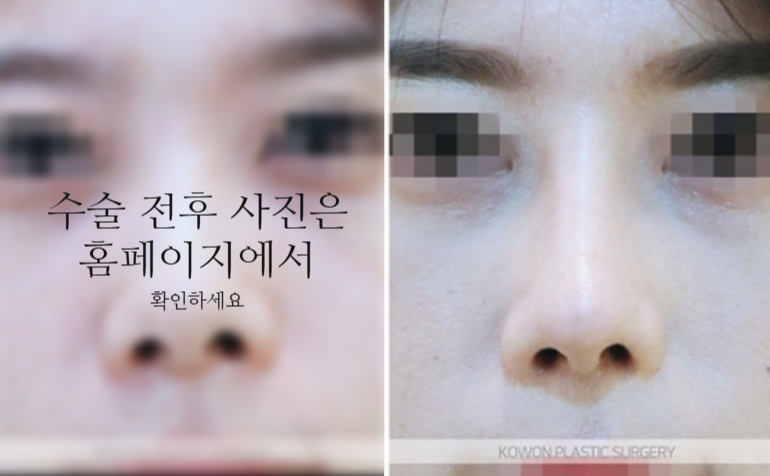
This image was used with the model’s consent.
A closer look at the photos shows that the two sides are not completely identical. Asymmetry caused by a deviated nasal septum can be difficult to correct 100% because of its structural characteristics. However, the difference is difficult to notice externally, although some minor differences may remain.
Many people wonder how much change is possible, and I hope this case serves as a useful reference. It is a case in which a more natural and balanced nose line was created through upturned-nose surgery and nasal-lengthening procedures.
This image was used with the model’s consent.
So far, we have looked at the process of nasal lengthening and nasal-tip changes through a feminine rhinoplasty case performed at Cowon. The blog also contains various rhinoplasty cases, including short-nose surgery, so please use them as additional references.
If you have concerns or questions about the shape of your nose, it is important to review sufficient information and then find the approach that suits you.
More surgical journals by our directors