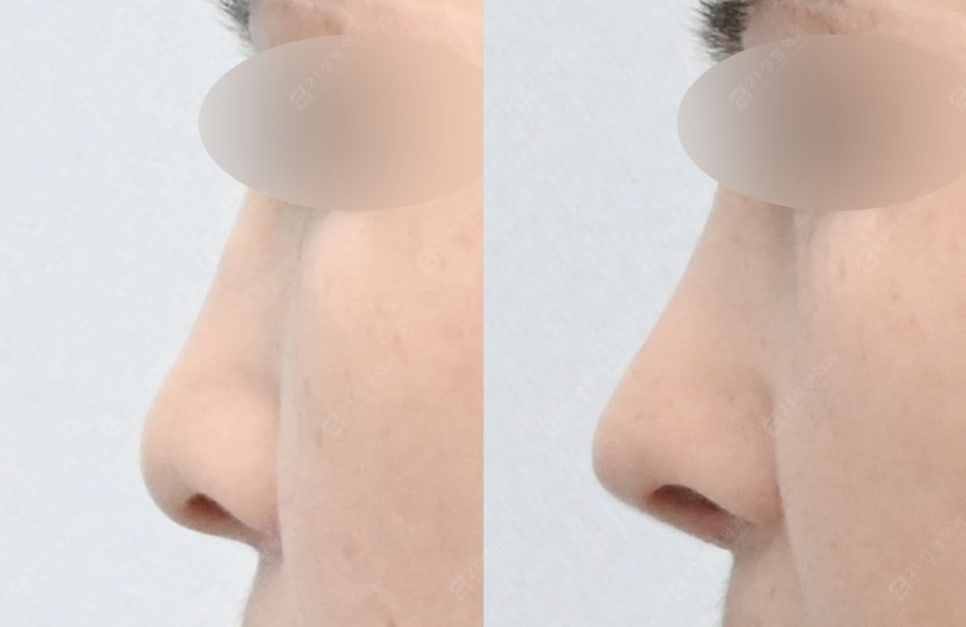
Hello.
I’m Director Lee Won of 21 Plastic Surgery.
Because their nose shape isn’t pretty, because their nose is low...
Many people look up information about rhinoplasty because of concerns like these,
or even visit a clinic in person for a consultation.
I think there are also questions that remain unanswered even after going through those steps.
So today, based on our clinic’s actual consultation and surgical experience,
I’d like to explain in detail the rhinoplasty materials that people most often ask about during consultations,
the characteristics of each one,
and how they are chosen during surgery. ~ ^^
If I were to narrow down the three most common questions asked during actual rhinoplasty consultations, they would be:
“What cartilage is best to use?”
“Are there differences between ear cartilage, septal cartilage, and costal cartilage?”
“Which is better: silicone or autologous tissue?”
The main materials used in rhinoplasty can be broadly divided into
“cartilage for shaping the nasal tip” and “implants for raising the bridge.”
The nasal tip is mainly made using ear cartilage, septal cartilage, and costal cartilage,
while the bridge is built up with silicone, autologous tissue, and artificial dermis.
First, to explain the cartilage used for the nasal tip,
each type has different characteristics and is suitable for different cases.
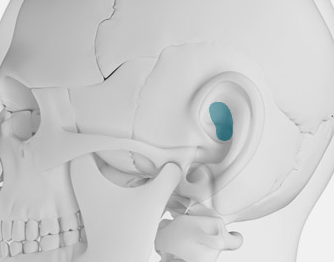
Example image of ear cartilage
Ear cartilage is
soft and elastic, making it suitable for creating a natural-looking nasal tip.
For people with thin skin, using ear cartilage can help prevent visible contouring,
and it is appropriate for those who want a natural nasal tip rather than a refined or dramatic look.
So if you want a high nasal tip or need stronger support,
ear cartilage alone may have limitations!!
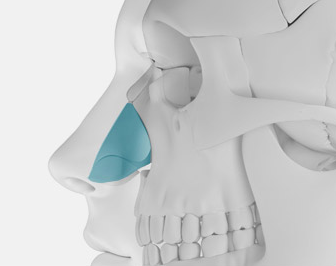
Example image of septal cartilage
Septal cartilage is
firm yet elastic, and it is the most commonly used material for raising the nasal tip
and creating a stable shape.
By extending the septum to support the nasal tip,
a more natural and stable result can be achieved.^^
However, if the septal cartilage is naturally small,
the L-strut, which is the supporting structure of the nose (the septal cartilage that
maintains the shape of the nose in an L shape), must be preserved,
so it may be difficult to harvest a sufficient amount.
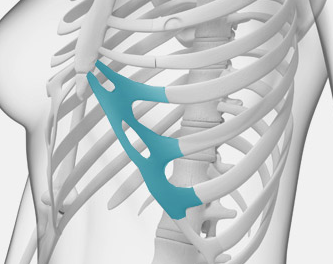
Example image of costal cartilage
Costal cartilage is
harvested from the patient’s own ribs,
and because it is very firm, it is used to raise or extend the nasal tip.
It is especially chosen for revision surgery, short noses,
or cases that require strong support.
Autologous costal cartilage has a low risk of foreign-body reaction or absorption,
but the drawback is that a scar may remain at the harvest site.
Donor costal cartilage does not require harvesting, but because it is difficult to predict the rate of absorption,
the nasal tip may become lower over time,
and it is also more vulnerable to inflammation...
To raise the bridge,
silicone, autologous tissue (gluteal dermis, scalp fascia), and artificial dermis are used.
Silicone
is the most commonly used material because it provides stable long-term results,
but in rare cases, inflammation or contracture may occur, so follow-up care is needed.
Autologous tissue
causes less foreign-body sensation and blends well with the skin,
but some of it may be absorbed, and a scar may remain at the harvest site.
Artificial dermis
is convenient to use without the need for harvesting,
but because the absorption rate and long-term maintenance can vary from person to person,
the height may change over time.
The choice of material varies depending on the rhinoplasty style and each person’s nasal condition!
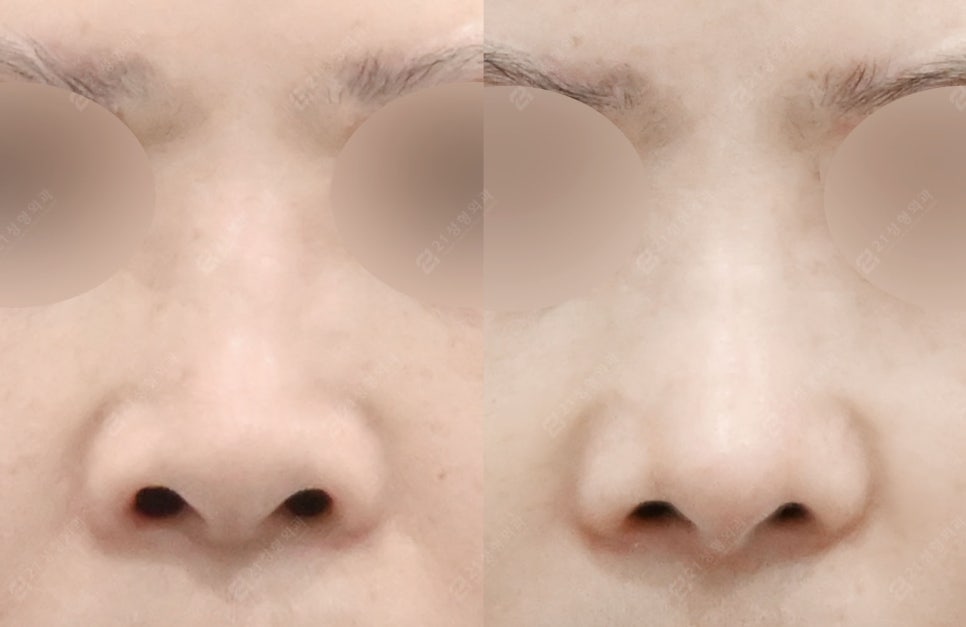
For example, if you want a natural nose,
it is best to add volume to the bridge mainly with autologous tissue,
and create a soft nasal tip mainly with ear cartilage.^^
This method is suitable for those who want a refined impression
without greatly changing the shape of the nose.
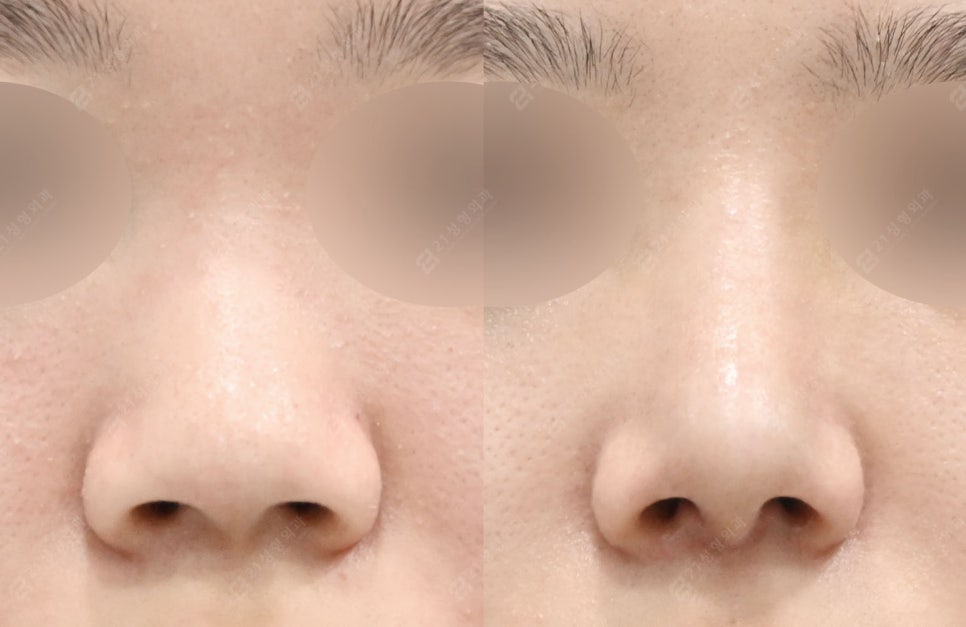
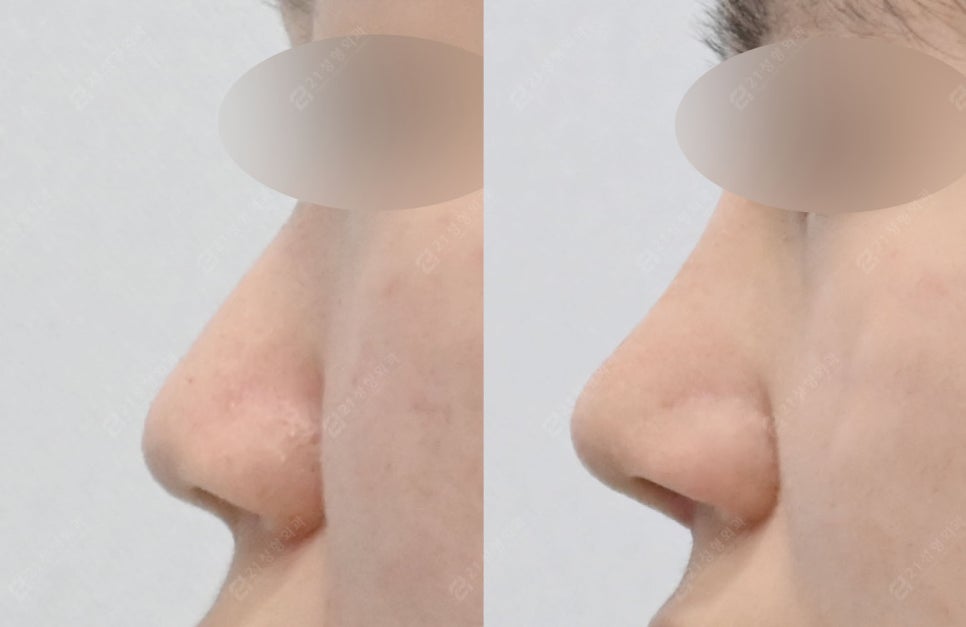
If you want a more glamorous nose design,
raise the bridge with silicone
and combine ear cartilage and septal cartilage for the nasal tip
to secure elasticity and support.
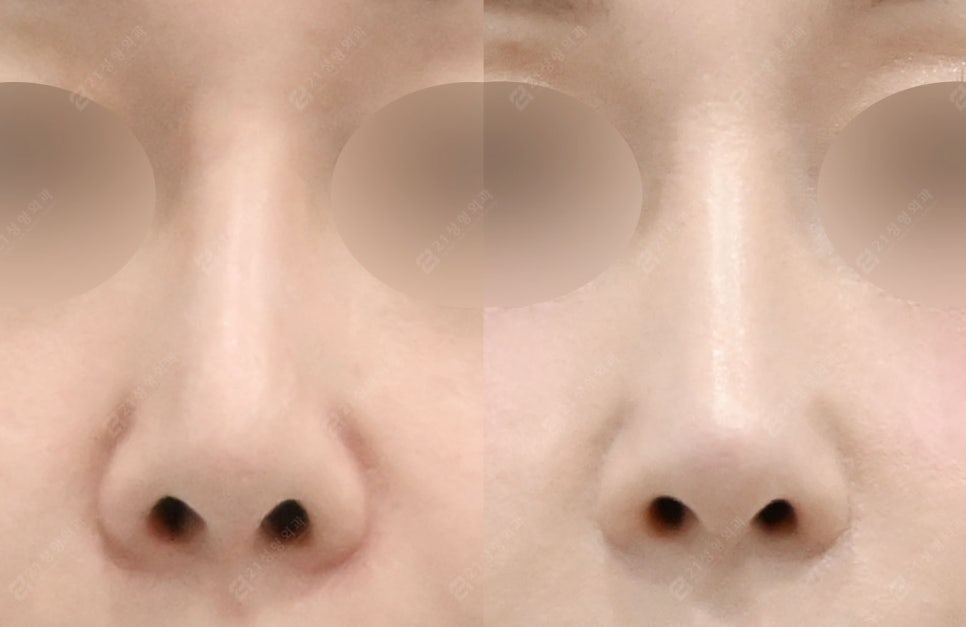
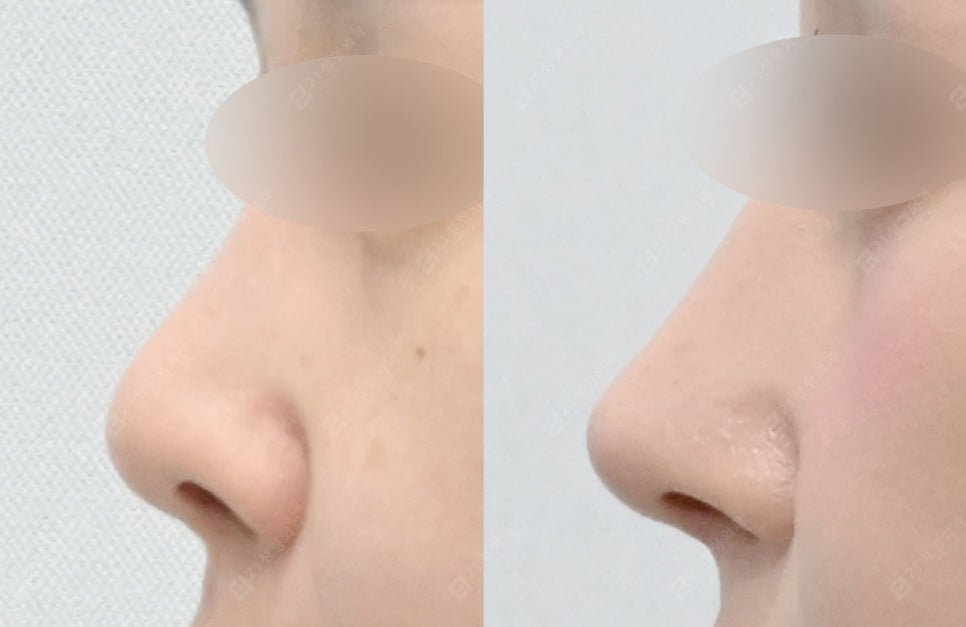
On the other hand, if you want a sharper and more dramatic rhinoplasty result,
a high bridge and a defined nasal tip are important!
The bridge is also built with silicone,
and for the nasal tip, when there is not enough septal cartilage, donor costal cartilage or
autologous costal cartilage is added to create strong support and a defined tip.
In cases of revision surgery more than once,
because ear cartilage and septal cartilage have often already been used in the previous surgery,
costal cartilage, which provides stronger support, is often chosen.
For those who want to avoid silicone or other artificial implants,
autologous fascia or dermis can be used to raise the bridge.
In the end, the most important thing is
to choose the optimal material through sufficient consultation with a specialist,
based on the structure of your nose, skin thickness, cartilage condition, and desired design.
Even with the same material, the result can differ depending on your situation,
so clearly understanding your nasal condition and surgical goals
is key to successful rhinoplasty.^^
21 Plastic Surgery
places trust with patients as its top priority.
Specialized medical staff with extensive clinical experience work together to provide
high-satisfaction surgical results based on accurate diagnosis and systematic care.
For a beautiful and harmonious nasal line,
we have introduced effective surgical systems and advanced equipment,
and we provide customized treatment tailored to each patient’s anatomical structure and needs.
Before every procedure, we provide thorough counseling
to clearly explain side effects and precautions.
In addition, after surgery, we operate a systematic aftercare program
to help maintain safe and lasting results.
Helping you regain your beauty
is the greatest goal of our 21 Plastic Surgery.^^
Please feel free to contact us anytime if you have any questions.
Thank you.


#21 #21성형외과 #이원원장 #박종현원장 #코수술 #코성형 #첫코성형 #귀연골 #귀연골코수술
#코끝 #자늑코수술 #자려코성형 #화려코성형 #코끝수술후기 #코끝수술 #이원 #박종현
#코성형재료 #자가늑 # #코수술전후 #코수술전후사진 #코수술후기 #코재수술 #코재수술후기
#전후사진 #후기 #이벤트 #리얼모델 #리얼모델모집